
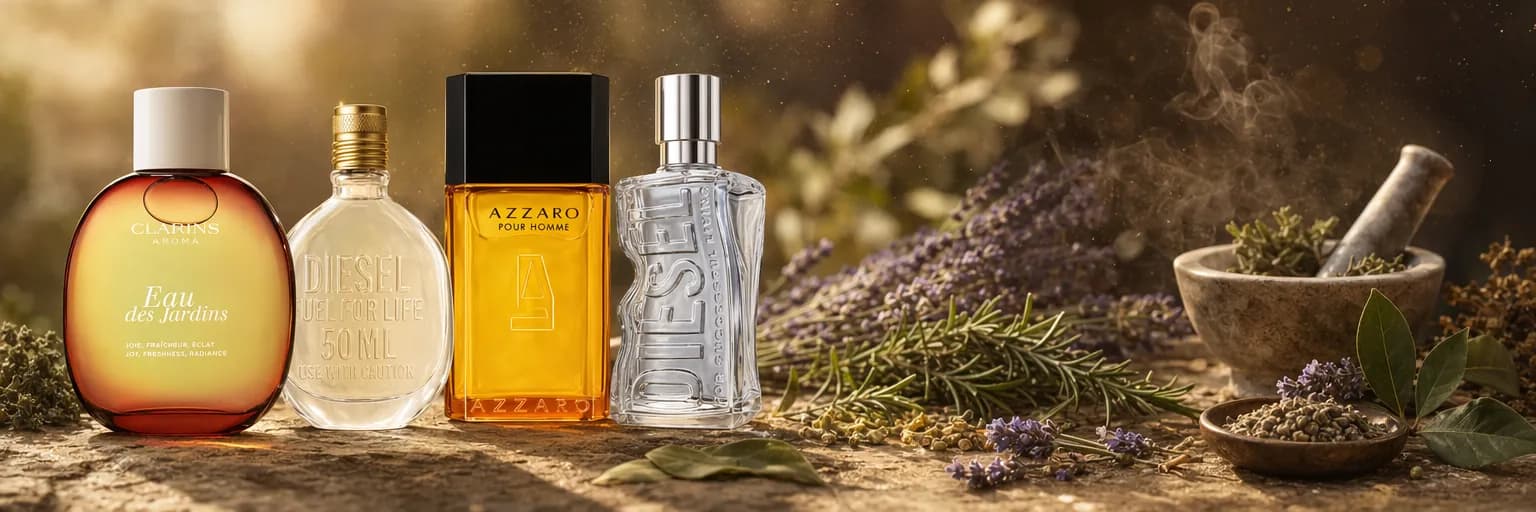
Green aromatic fragrance: nature's invigorating freshness in a flacon
There are fragrance families that are easy to explain. Green aromatic is different — it's the one I prefer to present in-store, because it almost always provokes the same reaction: people close their eyes and say "that's exactly it." Cut grass after the rain, leaves crushed between your fingers, rosemary in the sun. The green aromatic family is perhaps the closest to living nature, the one that smells of the outdoors without trying to imitate it in a caricatured way.
This guide covers everything you need to know: definition, sub-families, differences from fougère and green chypre, a selection of eleven tested references, and practical advice for choosing and wearing these fragrances every day.
What is a green aromatic fragrance?
Olfactory definition: the composition of a green aromatic fragrance
A green aromatic fragrance is built around two complementary families of raw materials: fresh vegetal notes and Mediterranean aromatic herbs.
On the vegetal side, signature green notes include galbanum (a vegetal resin with a green-peppery profile), cut grass, crushed leaves, vetiver, fougère, lentisk, violet leaf, blackcurrant leaf and hyacinth. These are the materials that create the immediate sensation of green — fresh, slightly bitter, sometimes almost damp.
On the aromatic side, we find lavender, rosemary, basil, thyme, sage and mint — the herbs of the garrigue and the vegetable garden, which lend a dimension that is both familiar and invigorating.
Complementary notes often round out the palette: green tea, cucumber, seaweed for aquatic versions; sweet spices for warmer versions. These additions steer the fragrance towards one of the five sub-families described below.
What characterises green aromatic as a whole is this impression of naturalness — not certified-organic naturalness, but sensory naturalness, fresh and living greenery.
Historical origins of the green aromatic family
The founding date is 1945. Vent Vert by Balmain, created by Germaine Cellier, is the first fragrance to make galbanum its absolute top note. The result is striking for its time: raw green, almost aggressively vegetal, with no concession to the floral softness that dominated back then. This fragrance laid the foundations for an entire family.
In 1959, Guerlain Vétiver marked another turning point — this time towards the earthy and the smoky. Vetiver becomes a noble, masculine, deep note. It's another way of being "green": not the freshness of the leaf, but the damp earth beneath the root.
A few years later, in 1966, Dior's Eau Sauvage established itself as a pioneer of the citrus green aromatic, paving the way for lighter, sunnier compositions.
More recently, the Jardins d'Hermès saga (2005-2011) offered a geolocated, botanical approach: Un Jardin sur le Nil (2005), Un Jardin après la Mousson (2008), Un Jardin sur le Toit (2011) — each instalment is a vegetal portrait of a specific place, created by Jean-Claude Ellena. A way of showing that green aromatic can be as precise as a watercolour.
Why are green aromatic fragrances so invigorating?
The answer is partly chemical. Green molecules — cis-3-hexenol (cut grass), pyrazines (green pepper), cis-3-hexenyl acetate — are light and volatile. They evaporate quickly, create an immediate freshness, then fade progressively. In EDT, longevity is generally four to six hours, which is consistent with this "burst of fresh air" effect.
The psychological dimension also plays a significant role. Green scents are associated with energy, authenticity and wellbeing — values that many wearers seek today. It's no coincidence that demand for green aromatics has been rising in recent years, in parallel with a general return to the vegetal in lifestyles.
In-store, I notice that these fragrances appeal both to fragrance regulars and to people who "don't like fragrances that smell too much of perfume." It's often a good gateway.
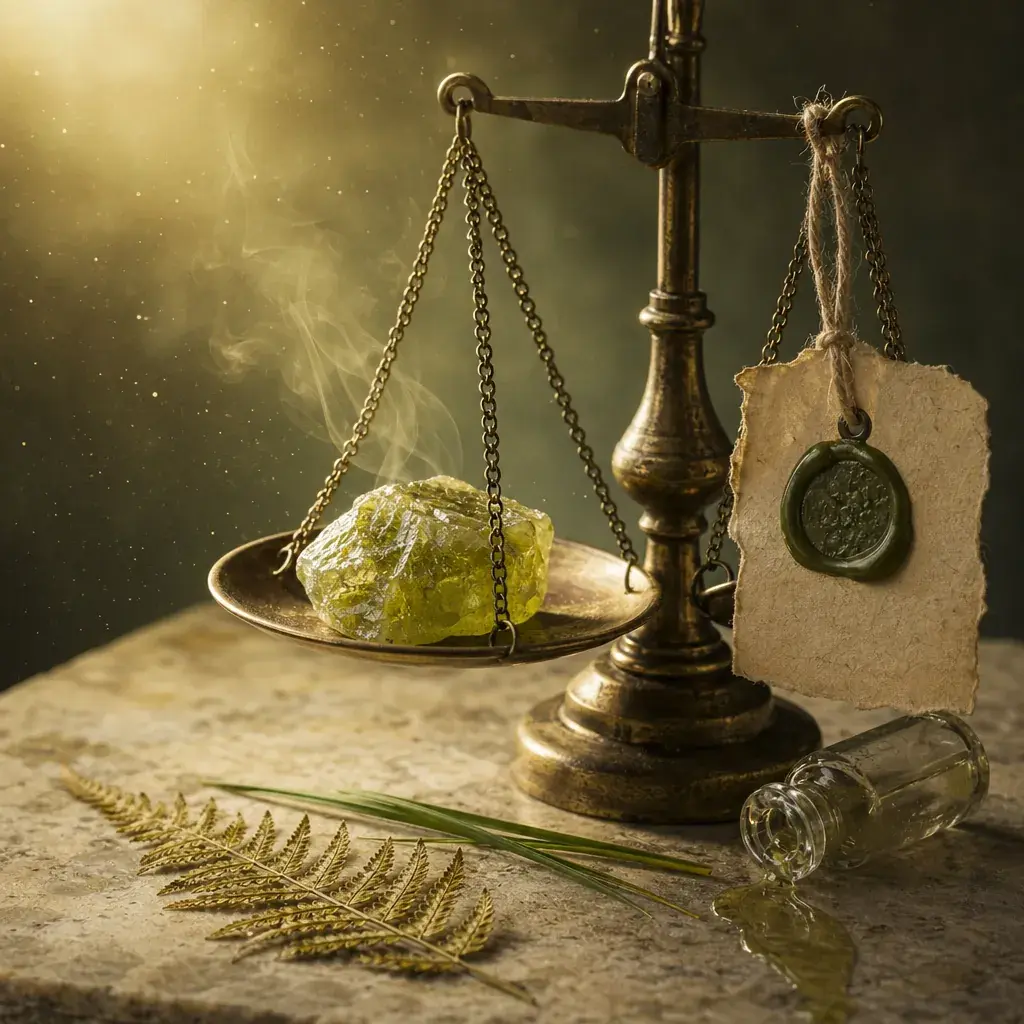
Did you know? Galbanum, a resin from the plant Ferula galbaniflua, has been the most widely used green note in fine perfumery since Vent Vert by Balmain (1945), the first fragrance to make it its absolute signature. This vegetal resin, with its green-peppery-balsamic profile, remains the benchmark raw material for creating the "green" sensation in fine perfumery today.
The 5 green aromatic sub-families
| Name | Olfactory profile | Typical notes | Examples |
|---|---|---|---|
| Herbaceous green aromatic | fresh-natural | cut grass, fougère, lavender, rosemary, basil | Mugler Cologne Come Together, Guerlain Homme L'Eau Boisée |
| Vetiver green aromatic | earthy-smoky-fresh | vetiver, oakmoss, galbanum, cedar | Guerlain Vétiver, Lalique Encre Noire |
| Aquatic green aromatic | marine-vegetal-light | seaweed, cucumber, aquatic mint, green tea, lotus | Hermès Un Jardin sur le Nil, Issey Miyake L'Eau d'Issey |
| Spicy green aromatic | warm-peppery-vegetal | green pepper, ginger, cardamom, violet leaf, angelica | Givenchy Gentleman, Paco Rabanne Invictus Platinum |
| Floral green aromatic | delicate-springlike | hyacinth, muguet, galbanum, green rose, blackcurrant leaf | Lancôme Ô de Lancôme, Hermès Un Jardin sur le Toit |
Herbaceous green aromatic
This is the most directly "natural" sub-family. Cut grass dominates, supported by fougère, lavender, rosemary and basil. The result is fresh, natural, almost artifice-free — a garden early in the morning.
Mugler Cologne Come Together is a fine contemporary illustration: bergamot, vetiver, cedar, with a herbaceous lightness that makes it unisex and everyday. Guerlain Homme L'Eau Boisée plays in the same register, with more woody depth in the base note. To go further, our feature on the fougère note details the nuances of this vegetal facet.
Vetiver green aromatic
Here, green turns earthy and smoky. Vetiver is the central note, often accompanied by oakmoss, galbanum and cedar. This is a deeper, less immediate freshness, which takes a few minutes to unfold.
Guerlain Vétiver (1959) remains the founding reference — understated, distinguished, almost mineral. Lalique Encre Noire offers a darker, woodier, very contemporary reading. For everything on this note, our dedicated vetiver page is a good starting point.
Aquatic green aromatic
The meeting of the vegetal and the marine. Seaweed, cucumber, aquatic mint, green tea and lotus create an airy, slightly iodic freshness. This is the lightest sub-family, ideal for summer.
Hermès Un Jardin sur le Nil is the most botanically precise example. Issey Miyake L'Eau d'Issey Pour Homme, with its yuzu and lotus, has been an icon of this category since 1994. This sub-family often flirts with the citrus family, particularly when citrus fruits take the upper hand.
Spicy green aromatic
Green pepper, ginger, cardamom and angelica bring warmth and depth to the vegetal base note. Violet leaf often acts as a bridge between the fresh and the warm. This is the most assertive sub-family, with the most sillage.
Givenchy Gentleman weaves iris, pepper and vetiver together with an elegance that holds over time. Paco Rabanne Invictus Platinum EDP goes further into spicy depth, with ginger and cardamom in the heart note.
Floral green aromatic
The most delicate of the five. Hyacinth, muguet, blackcurrant leaf and green rose rest on a galbanum base note to stay anchored in the vegetal without tipping into pure floral territory. This is a predominantly women's sub-family, springlike and luminous.
Lancôme Ô de Lancôme (1969) is the absolute classic here. Hermès Un Jardin sur le Toit offers a more contemporary, airy version. To dig deeper into this note, our galbanum page explains why this resin is so central to green florals.
Our selection: the best green aromatic fragrances 2026
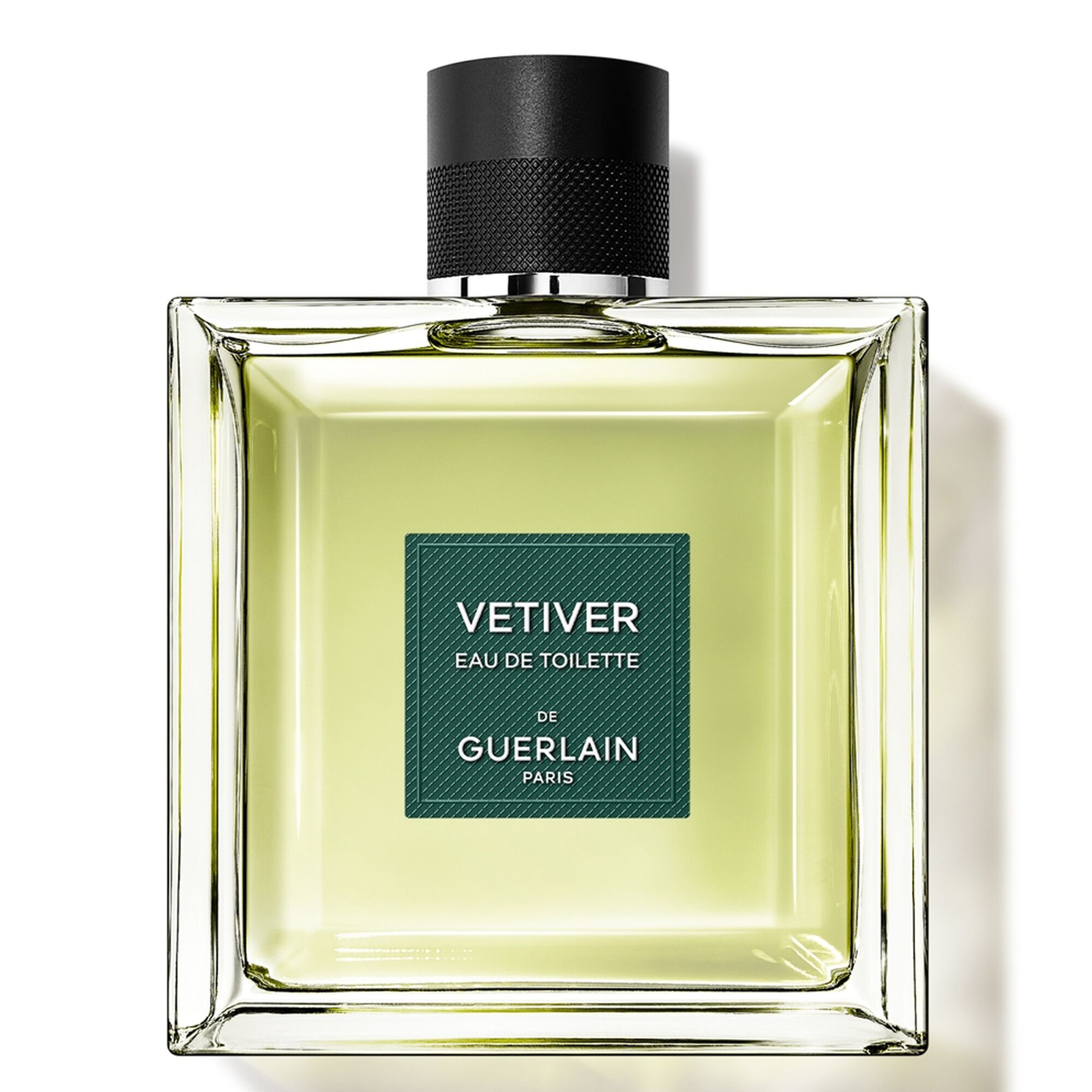
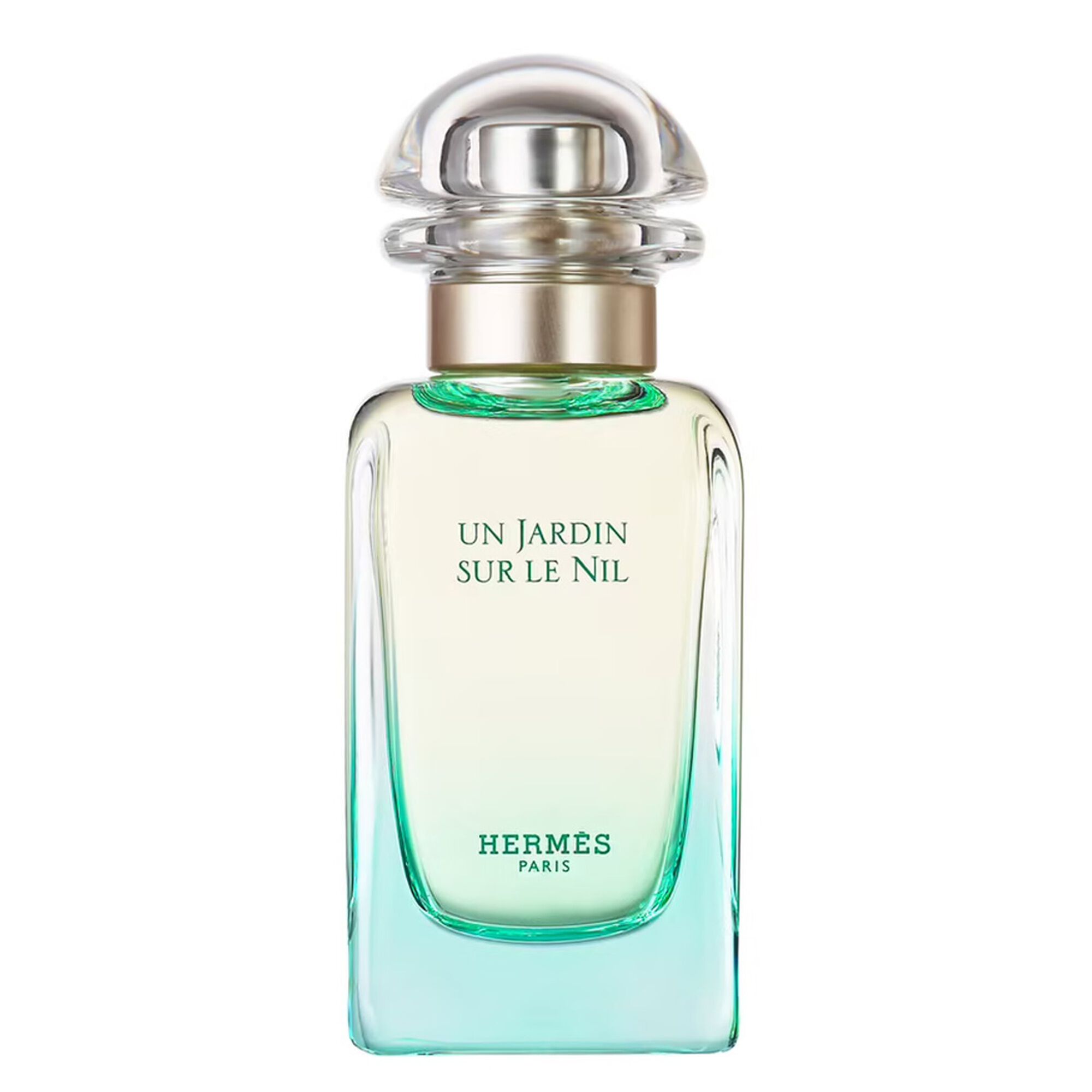
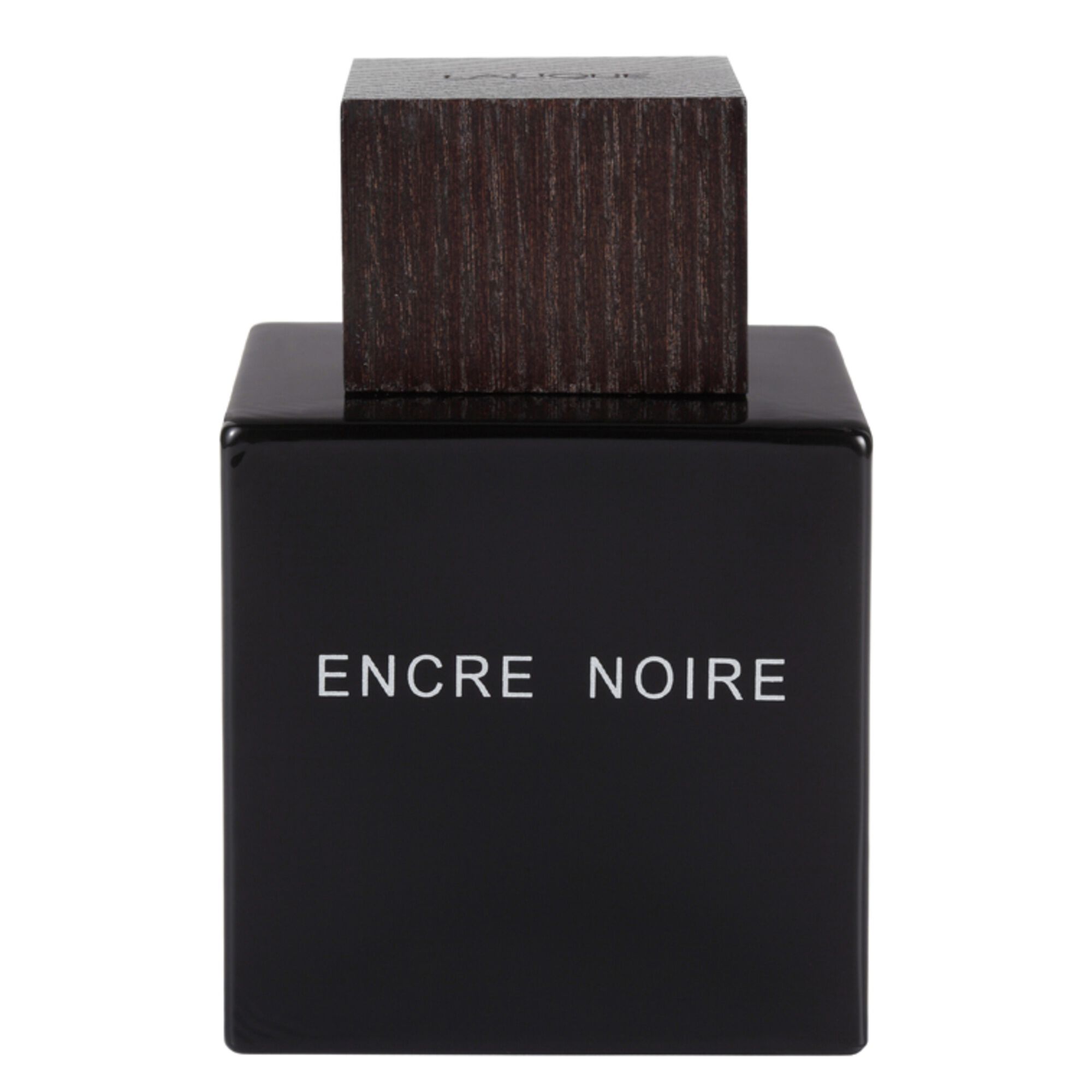
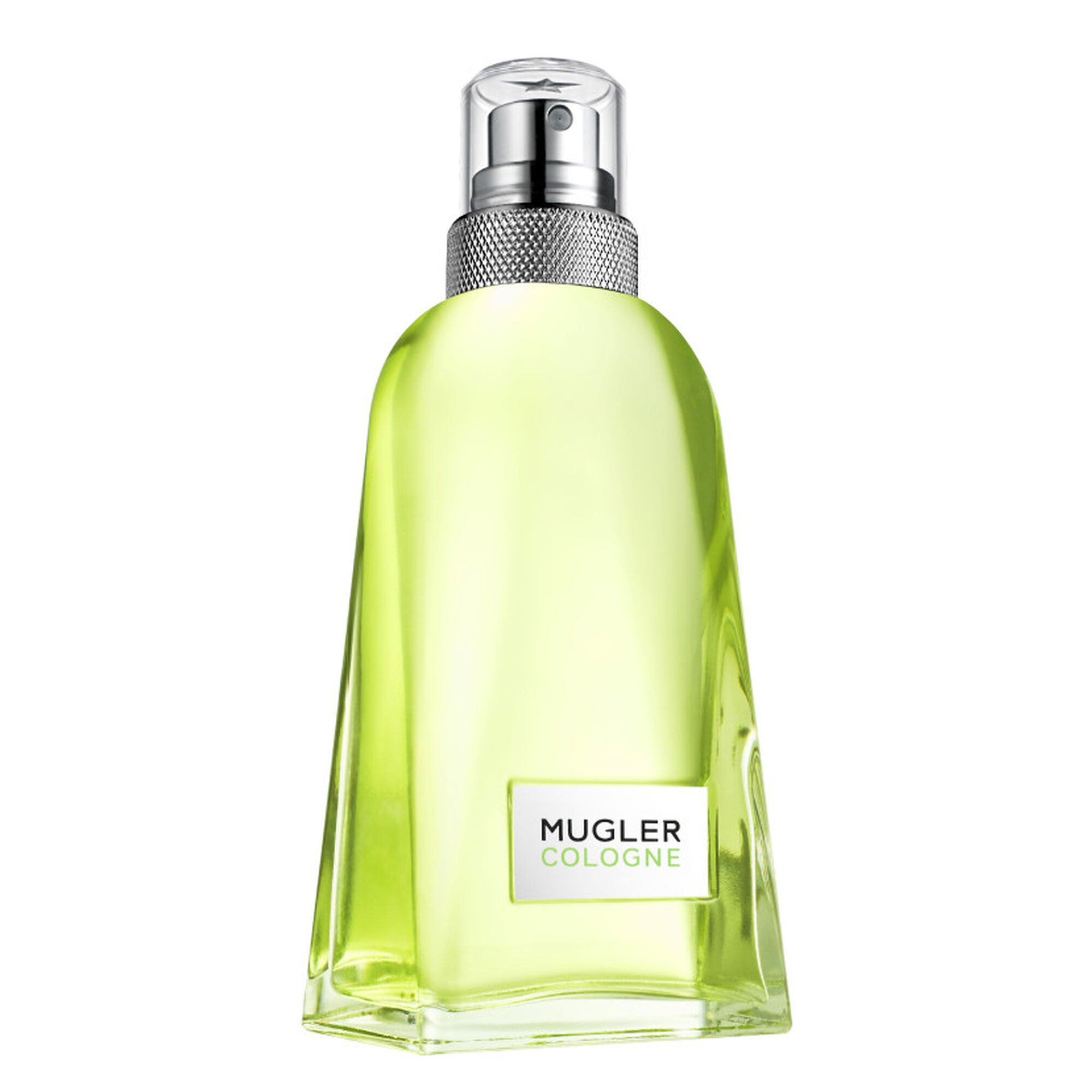
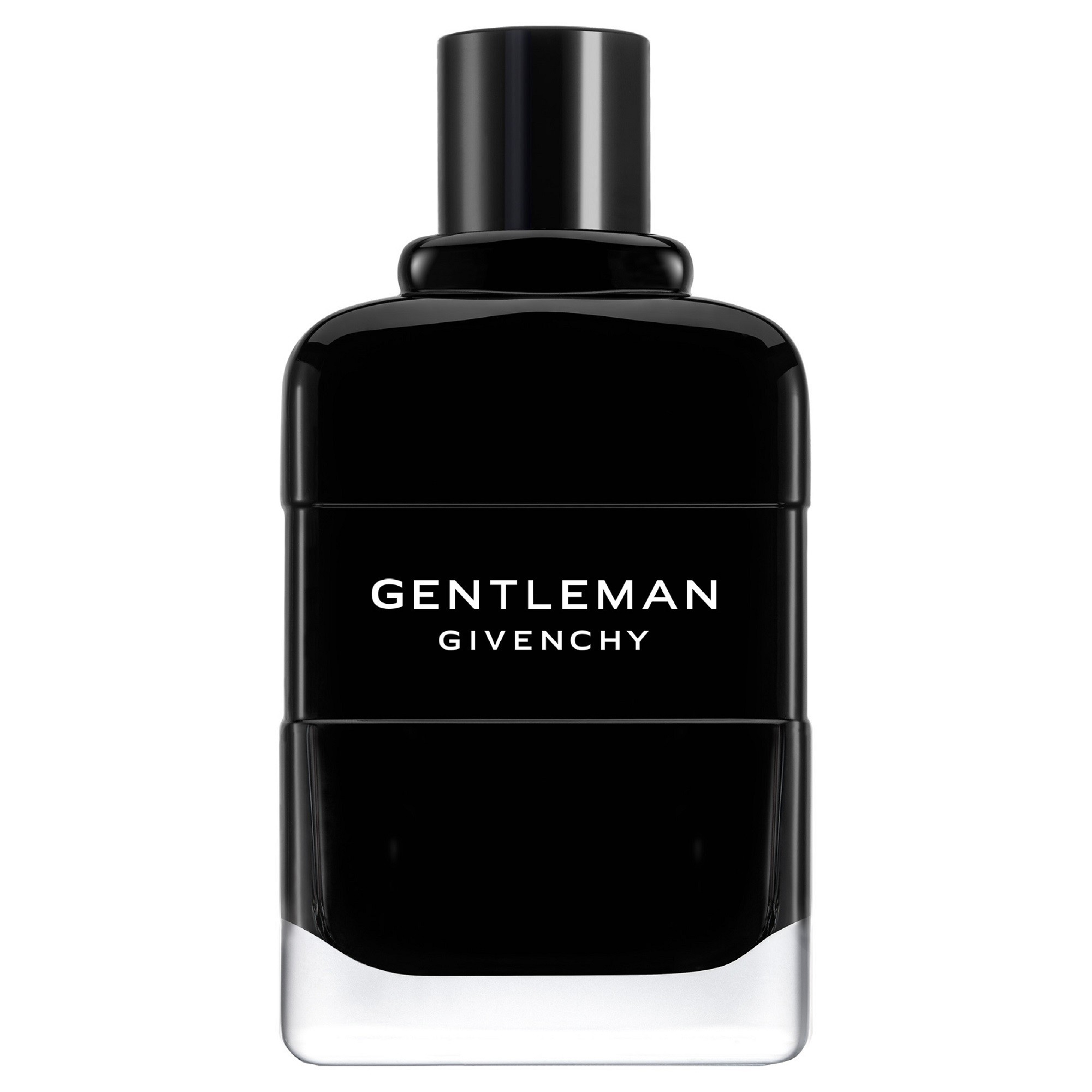
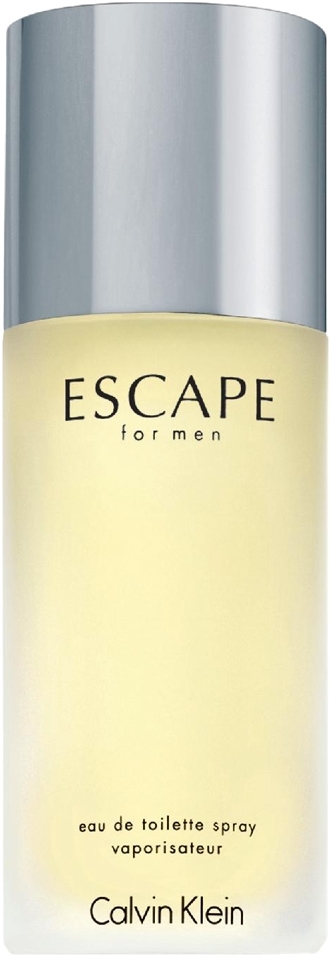
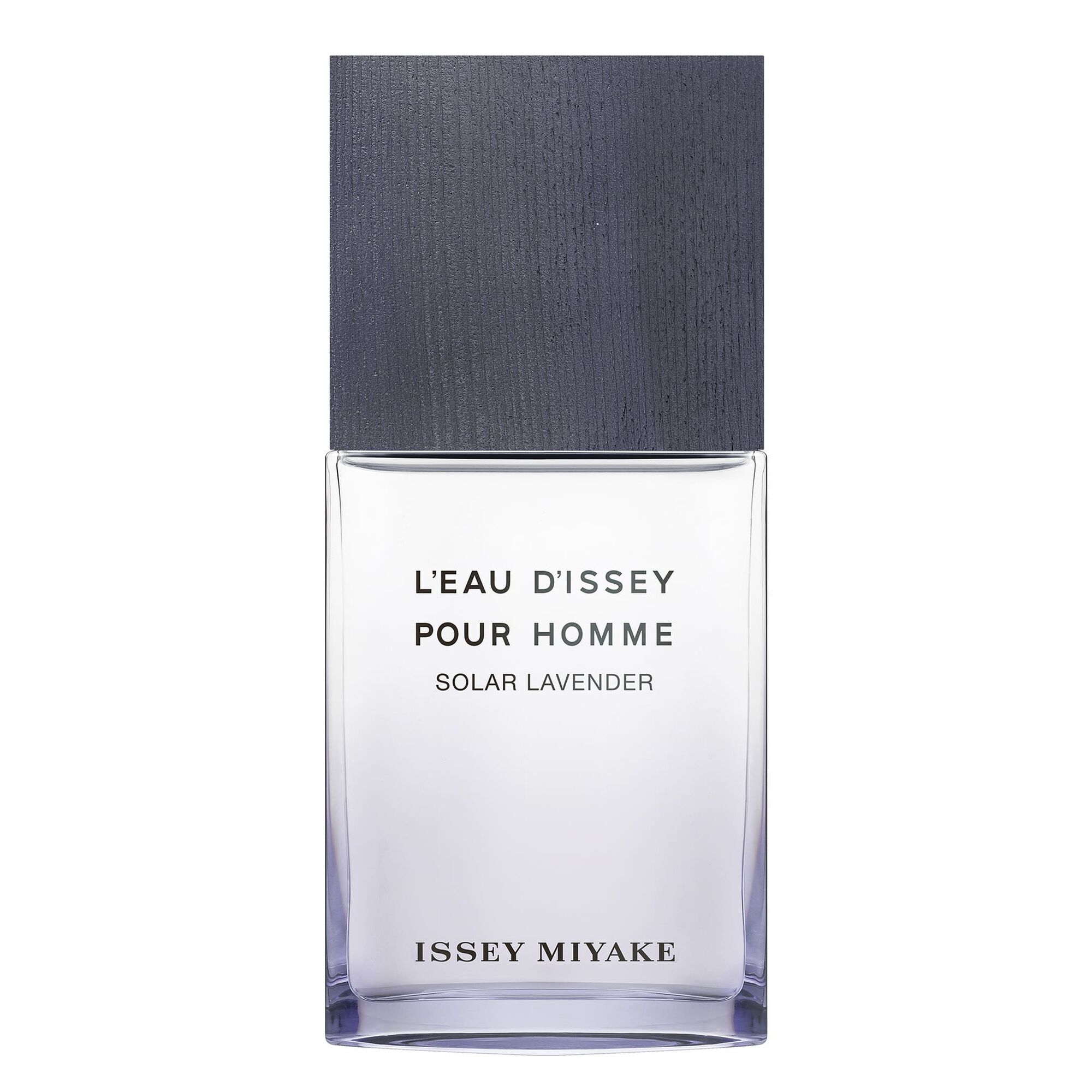
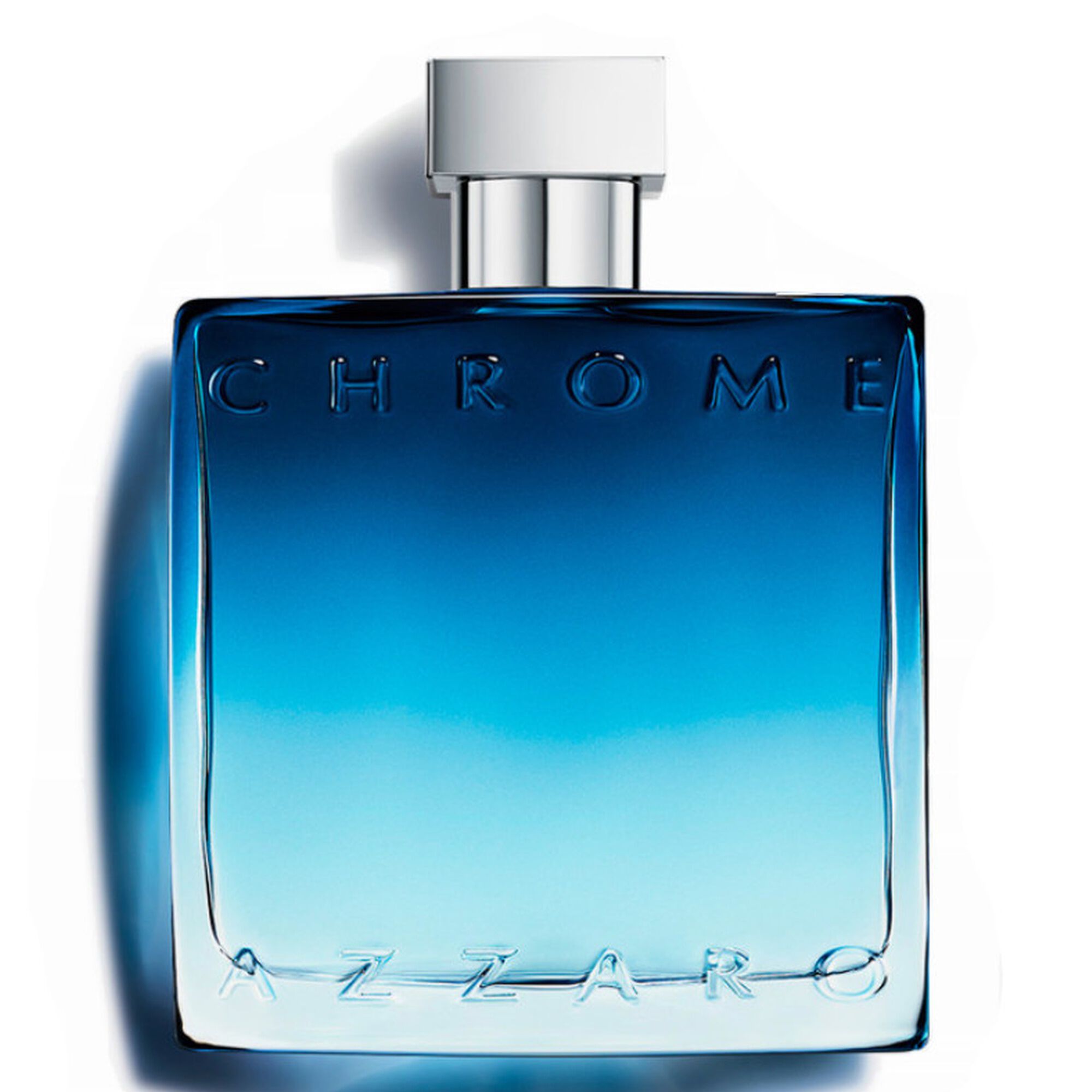
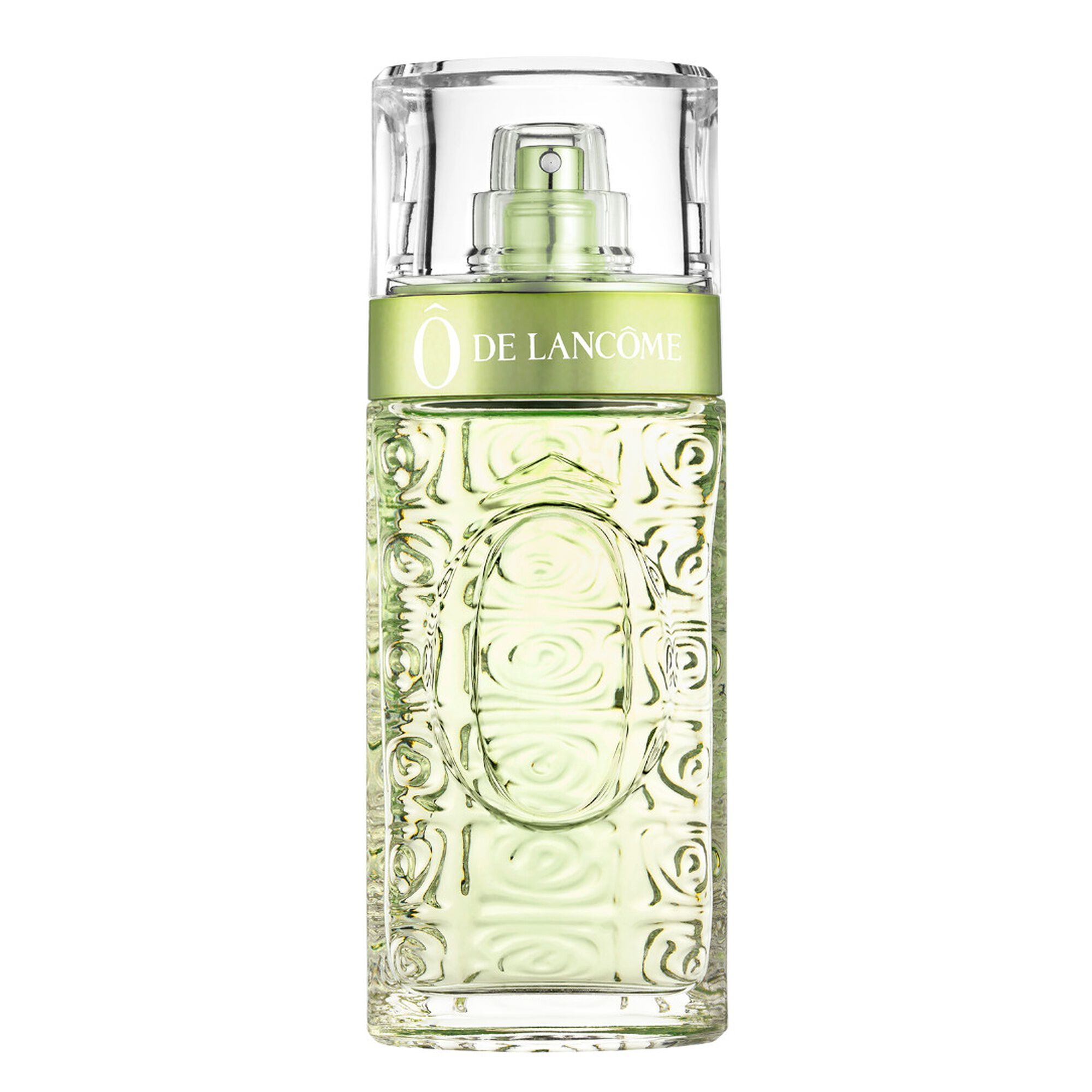
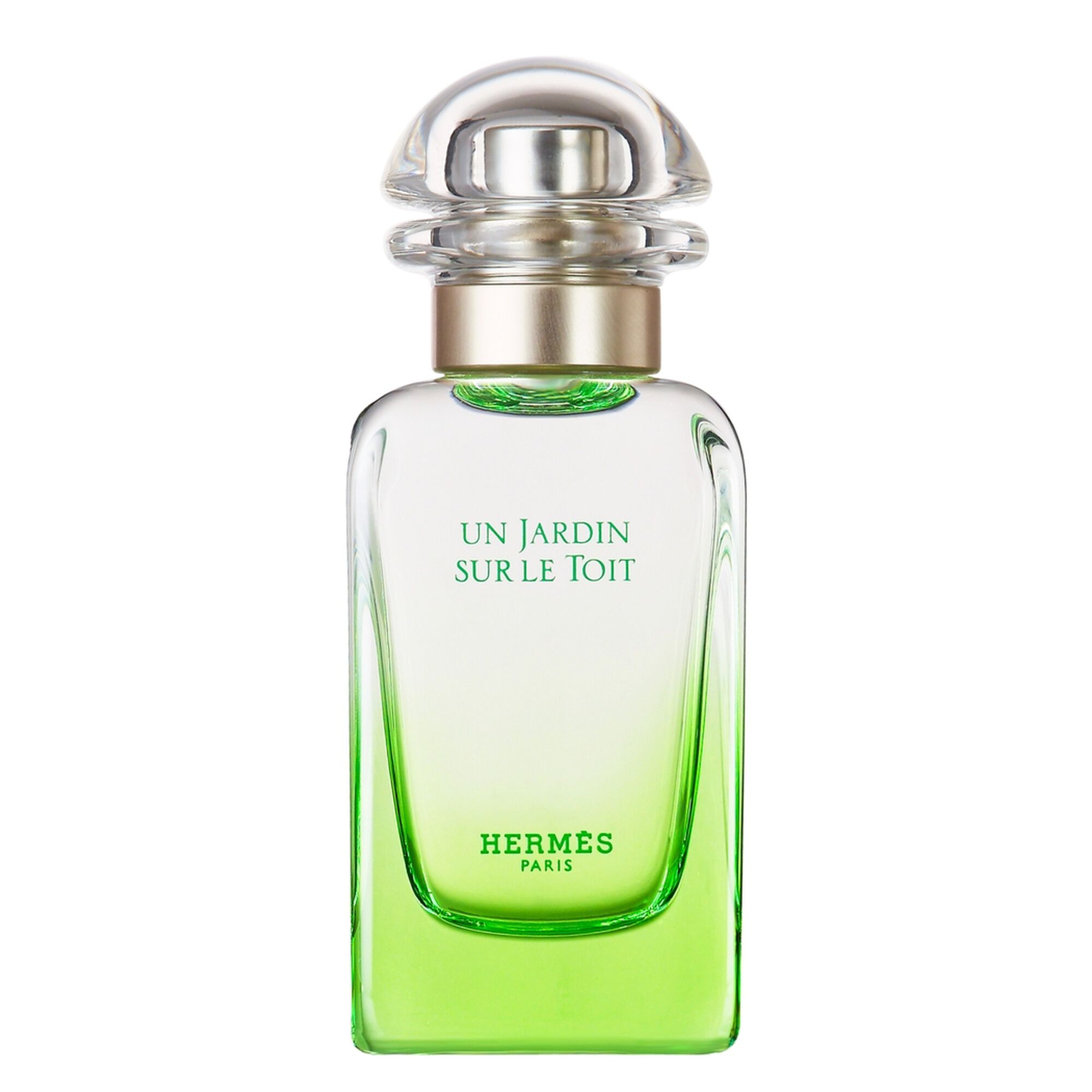
A selection covering every profile and every budget — from light herbaceous to deep vetiver. For men, our green aromatic men's selection offers even more targeted recommendations by profile.
Guerlain Vétiver EDT
~60 EUR — The absolute reference since 1959 at Guerlain. Earthy, smoky vetiver, tobacco, geranium: a distinguished masculine understatement that defined the codes of vetiver in French perfumery. For the man who wants a deep, timeless classic, to wear in every season.
Hermès Un Jardin sur le Nil EDT
~120 EUR — First instalment of the Jardins d'Hermès saga, created by Jean-Claude Ellena (2005). Green tomato, lotus, calamus: a vegetal portrait of the Nile with rare botanical precision. Fresh, airy, luminous. For those seeking a contemporary aquatic green aromatic, unisex, with no heaviness.
Lalique Encre Noire EDT
~35 EUR — Modern vetiver best-seller, excellent value for money. Massive vetiver over a base note of cypress and dark woods: a darker, woodier interpretation than the Guerlain, almost mineral. For the man who wants an assertive, contemporary, accessible vetiver.
Mugler Cologne Come Together EDT
~55 EUR — Modern, unisex herbaceous green aromatic. Bergamot, vetiver, cedar: a clean vegetal freshness, lightly woody, that plays on simplicity. Invigorating, energising, easy to wear every day. For those who want a green aromatic without overthinking it.
Givenchy Gentleman EDT
~75 EUR — Spicy green aromatic par excellence. Iris, pepper, vetiver: a contemporary masculine elegance that plays on the tension between fresh vegetal and warm pepper. Well-controlled sillage, solid longevity. For the man who wants a green aromatic with character.
Calvin Klein Escape for Men EDT
~30 EUR — 1990s aquatic green aromatic reference, still relevant. Aquatic mint, green tea, wood: a light, clean marine-vegetal freshness. For those seeking an affordable aquatic green aromatic, easy to wear in summer or at the office.
Issey Miyake L'Eau d'Issey Pour Homme EDT
~55 EUR — Aquatic-green masculine icon since 1994. Yuzu, lotus, sage: an airy, mineral vegetal freshness, lightly spiced. Moderate longevity, subtle sillage. For the man who wants a classic, clean aquatic green aromatic at a very accessible price.
Azzaro Chrome EDT
~35 EUR — Fresh-green aromatic men's best-seller. Bergamot, rosemary, green tea: a clean, direct aromatic freshness, ideal for everyday wear. Excellent value for money in the accessible segment. For the man who wants a reliable, no-surprises green aromatic.
Green aromatic fragrance for women: our selection
The women's green aromatic register centres on floral green and delicate springlike vegetal. The signature notes are hyacinth, blackcurrant leaf and galbanum — the latter bringing a slight vegetal bitterness that keeps the floral from becoming too sweet. The result is fresh, luminous, springlike: a femininity that smells of the garden rather than the greenhouse. For a full selection by profile, our green aromatic women's guide explores the subject in detail.
Lancôme Ô de Lancôme EDT
~55 EUR — Reference floral green aromatic for women, a French classic since 1969. Citrus fruits, hyacinth, galbanum: a light, springlike floral-green freshness, delicate without being understated to the point of disappearing. For the woman who wants an elegant, timeless women's green aromatic, to wear in spring and summer.
Hermès Un Jardin sur le Toit EDT
~120 EUR — Third instalment of the Jardins d'Hermès saga (2011). Green apple, rose, magnolia: an airy, luminous green floral, evoking a Parisian garden. Unisex, but worn predominantly by women. For those seeking a contemporary, delicate, springlike floral green aromatic.
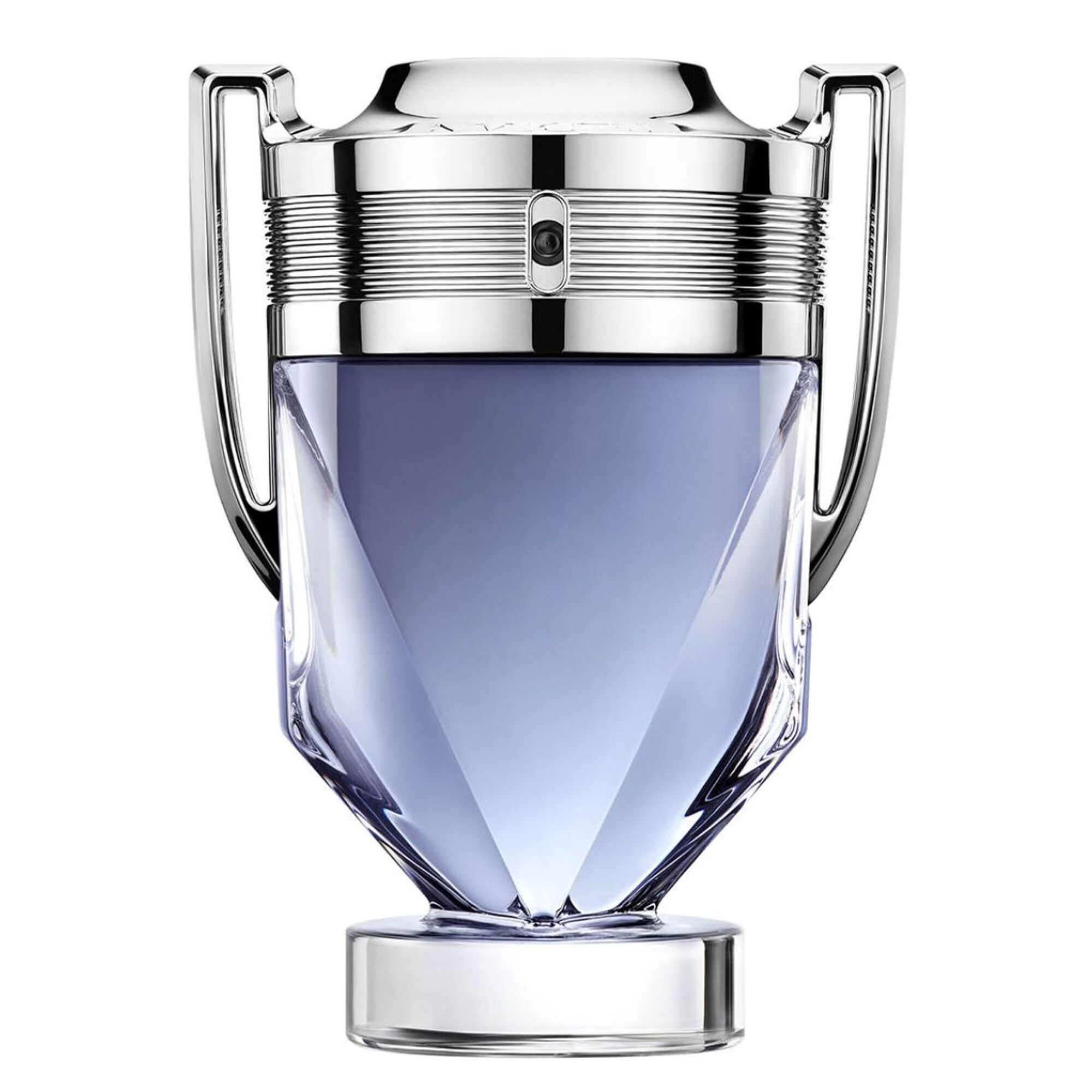
Paco Rabanne Invictus Platinum EDP
~85 EUR — Contemporary spicy green aromatic, deeper than the original Invictus. Ginger, cardamom, sandalwood: a warm, spicy vegetal freshness. For the man — or the woman who loves assertive fragrances — who wants a modern spicy green aromatic, with sillage, suited to mid-season wear.
Lancôme Ô de Lancôme and Hermès Un Jardin sur le Toit form the two pillars of the women's floral-green sub-cluster: one classic and citrus-driven, the other contemporary and airy. Two different ways of being a woman in a garden.
Green aromatic fragrance, fougère fragrance, green chypre: how to tell them apart?
This is the question I get asked most often in-store — and the one that sales staff tend to rush through. These three families look similar on the surface, but they work differently and appeal to distinct sensibilities.
| Family | Signature notes | Dominant character | Target audience |
|---|---|---|---|
| Green aromatic | galbanum, vetiver, cut grass, aromatic herbs | fresh vegetal, natural, invigorating | unisex, nature trend |
| Aromatic fougère | lavender, coumarin, oakmoss | classic woody-aromatic, clean | classic men's |
| Green chypre | bergamot, oakmoss, galbanum, labdanum | deep green, amber, sophisticated | unisex, niche |
The aromatic family: lavender, fougère and aromatic herbs (Société Française de Parfumeurs definition)
The aromatic fougère family, as defined by the Société Française de Parfumeurs, rests on a founding accord: lavender, coumarin and oakmoss. It is this accord that gives fougère its clean, lightly powdery, woody-aromatic character.
Mediterranean aromatic herbs — rosemary, thyme, sage — form the foundation of the aromatic dimension in the broader sense. In the SFP classification, the aromatic family encompasses all fragrances in which these herbs play a structuring role, with or without a pronounced green facet.
The green facet: galbanum, cut grass, vetiver — what sets green aromatic apart
What distinguishes green aromatic from pure fougère is the presence of raw materials that are specifically vegetal and fresh: galbanum, cut grass, vetiver, lentisk. These notes create a different sensation — less clean and classic than fougère, more raw and natural.
Sensorially, the difference is clear: fougère smells of shaving and masculine comfort; green aromatic smells of a garden after the rain. Both can contain lavender, but the context changes everything.
Green chypre: oakmoss, galbanum, bergamot — a misleading kinship
The classic chypre rests on a bergamot + labdanum + oakmoss accord. When galbanum and fresh vegetal facets are added, the result is green chypre — a deeper, more amber family than pure green aromatic.
The kinship with green aromatic is real (galbanum is common to both), but the labdanum and oakmoss of chypre bring a warmth and sophistication absent from green aromatic. Creed Green Irish Tweed and Bvlgari Eau Parfumée au Thé Vert illustrate these nuances well, each in its own way.
How to choose between green aromatic, fougère and green chypre?
In practice, here's how I guide customers: if you're after a natural, direct vegetal freshness, green aromatic is your family. If you're after a classic, reassuring lavender-woody accord, fougère is more suited. If you want a deeper green, with amber warmth and complexity, green chypre is the right choice.
To test these differences on concrete references, our green aromatic men's selection offers comparisons by profile.
Vetiver fragrance: the most iconic green note
What is vetiver in perfumery?
Vetiver — Chrysopogon zizanioides — is a tropical grass whose roots, not leaves, are distilled. This matters: unlike most green notes, which come from the aerial parts of plants, vetiver comes from the soil. This explains its earthy, smoky, slightly mineral profile, with a freshness that arrives in the background.
The main origins are Haiti, India (Java vetiver) and Java. Haitian vetiver is renowned for its smoky complexity; Indian vetiver is earthier and drier. Steam distillation of the roots yields a thick, highly concentrated oil, expensive as a raw material — which explains why many mass-market fragrances use synthetic molecules to reproduce its facets.
In fine perfumery, natural vetiver remains a noble raw material. Our complete feature on vetiver details its origins, distillation and olfactory profile.
Our vetiver and green aromatic selection at Tendance Parfums
Guerlain Vétiver — The founding reference (1959). Earthy, smoky vetiver, tobacco, geranium. A distinguished understatement that hasn't aged. The essential starting point for understanding this note.
Lalique Encre Noire — A contemporary, accessible interpretation. Dark, woody vetiver, almost mineral. More assertive than the Guerlain, less classic, very effective in terms of value for money.
Givenchy Gentleman — Spicy vetiver with iris. Vetiver isn't alone here: pepper and iris give it a modern elegance, more dressed-up than the two previous fragrances.
Vetiver: for women or for men?
This question comes up often. Historically, vetiver has been positioned as a men's note — Guerlain Vétiver, Lalique Encre Noire, most of the great classics are men's fragrances. But this binary divide no longer really holds.
Vetiver has been crossing codes for a long time. Several niche houses offer it as unisex or women's, and many women wear Guerlain Vétiver or Encre Noire without anyone finding it strange. What matters is whether the note suits you — earthy and smoky for a warm skin base note, or fresher vetiver for something airier.
How to wear a green aromatic fragrance
Green aromatic fragrance: which season?
Green aromatic is ideal for spring and summer. The immediate freshness of the vegetal notes is perfect for mild temperatures, and the herbaceous and aquatic sub-families work particularly well in the heat.
For mid-season (autumn, early winter), the vetiver and spicy green aromatic sub-families hold up better — their earthy or spicy depth suits cooler temperatures. Very light aquatic versions, on the other hand, tend to fade quickly in the cold.
Green aromatic fragrance: day or evening?
During the day, herbaceous and aquatic sub-families in EDT are perfect — light, fresh, unobtrusive. For the office, fresh herbaceous is particularly well suited: energising without being overwhelming.
In the evening, or for a dressier occasion, spicy or vetiver green aromatics in EDP take over. Givenchy Gentleman or Invictus Platinum have the sillage and depth needed to hold their own in a room in the evening. A customer recently told me she'd been wearing Lalique's Encre Noire in the evening for ten years — "because it smells of the outdoors even when you're inside." That's exactly it.
How much does a good green aromatic fragrance cost?
The family is well represented at every price point. At entry level (25-50 EUR), Azzaro Chrome EDT and Calvin Klein Escape for Men EDT offer honest, reliable green aromatic freshness. In the premium segment (50-100 EUR), Mugler Cologne Come Together, Givenchy Gentleman and Guerlain Vétiver offer more complexity and longevity. Above 100 EUR, the Jardins d'Hermès and niche houses move into a register of botanical precision and superior raw materials.
Frequently asked questions about green aromatic fragrances
What are the best green aromatic fragrances?
Among the most solid references: Guerlain Vétiver for classic earthiness, Hermès Un Jardin sur le Nil for botanical aquatic, Lalique Encre Noire for accessible modern vetiver, and Mugler Cologne Come Together for a unisex everyday herbaceous. The best choice depends on the profile you're after.
What exactly is a green aromatic fragrance?
A green aromatic fragrance combines fresh vegetal notes — galbanum, cut grass, vetiver, blackcurrant leaf — with Mediterranean aromatic herbs such as lavender, rosemary or basil. The result is fresh, natural and invigorating, very close to the sensation of living nature.
Which fragrance has a green scent?
The most literally "green" fragrances are those containing galbanum or cut grass in the top note. Guerlain Vétiver, Lalique Encre Noire and Hermès Un Jardin sur le Nil are among the most representative examples. Lancôme Ô de Lancôme offers a more delicate green floral version.
What is the difference between a green aromatic fragrance and a fougère fragrance?
Fougère rests on a lavender-coumarin-oakmoss accord: clean, woody, classic. Green aromatic, on the other hand, relies on raw vegetal notes — galbanum, cut grass, vetiver — for a more natural sensation, less reminiscent of shaving. The two can resemble each other, but the sensory starting point is different.
What are the best green aromatic fragrances for men?
For men, safe bets include Guerlain Vétiver (classic earthiness), Givenchy Gentleman (elegant spicy), Lalique Encre Noire (accessible dark vetiver) and Azzaro Chrome (everyday herbaceous). Our green aromatic men's selection offers complete recommendations by profile.
What is galbanum in perfumery?
Galbanum is a resin extracted from the plant Ferula galbaniflua, native to the Middle East. Its olfactory profile is green, peppery and slightly balsamic. It is the benchmark raw material for creating the "green" sensation in fine perfumery, used since Vent Vert by Balmain (1945).
Which green aromatic fragrance should a woman choose?
For a woman, the floral green register is the most suitable. Lancôme Ô de Lancôme is the timeless classic — hyacinth, galbanum, citrus fruits. Hermès Un Jardin sur le Toit offers a more contemporary, airy version. Our green aromatic women's guide details further options by profile.
What is the difference between a green fragrance and a fresh fragrance?
A "fresh" fragrance often refers to citrus fragrances — citrus fruits, eau de Cologne — or marine aquatics. A green fragrance draws its freshness from the vegetal: grass, leaves, resins. Fresh is often lighter and more fleeting; green has a more natural, slightly bitter texture, closer to living nature.