
Lalique Perfume: French Crystal Meets Fine Fragrance






Find out more
When a French crystal house enters perfumery
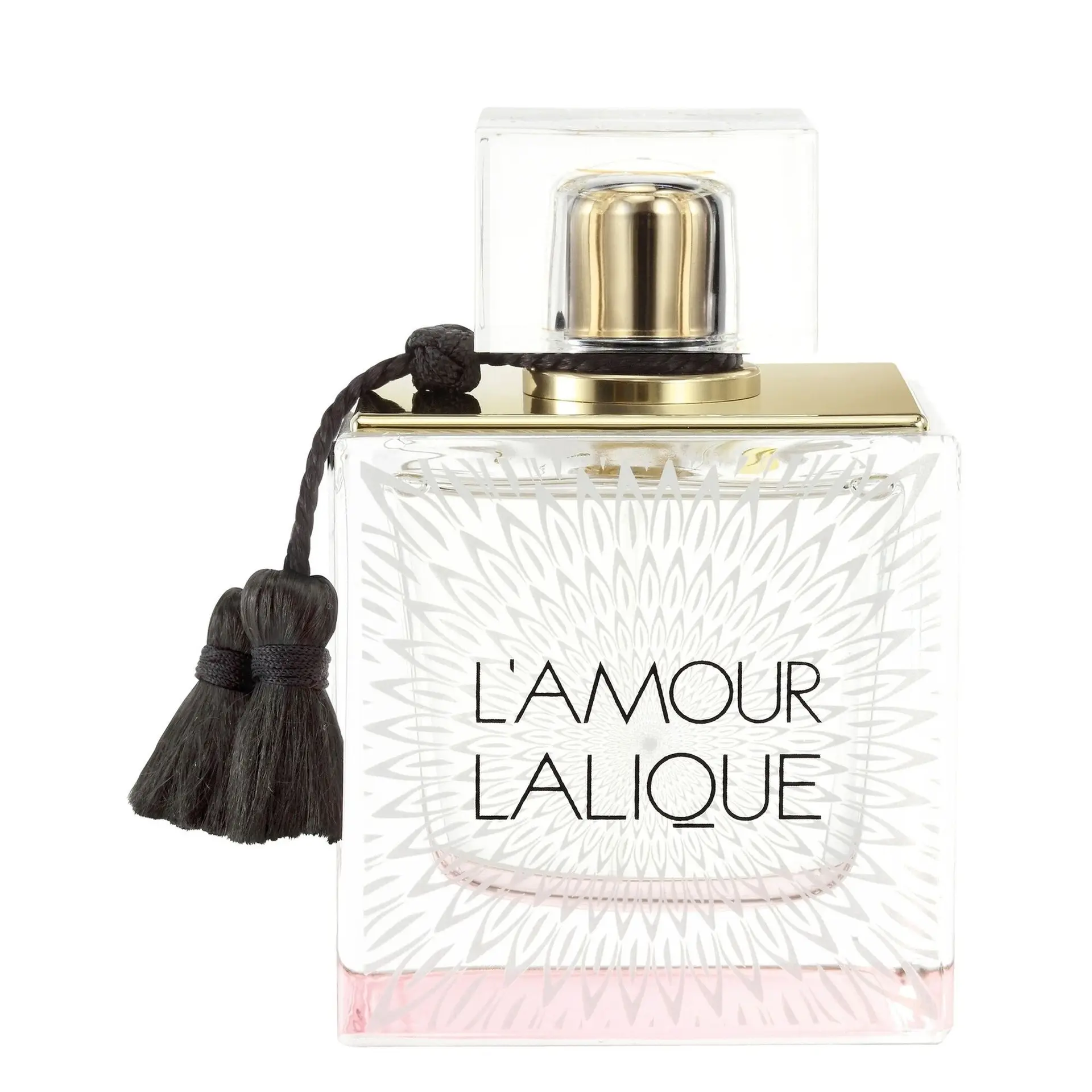
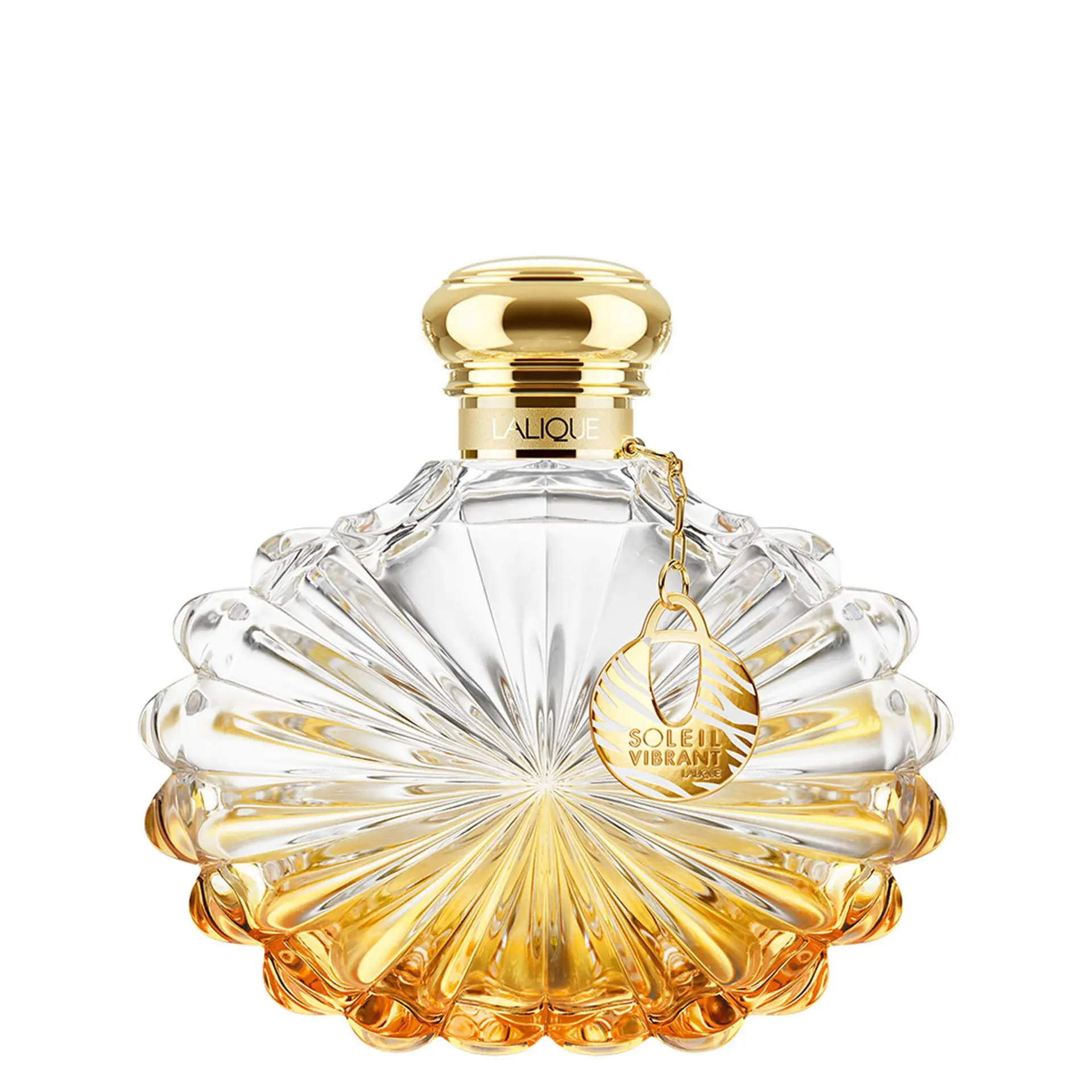
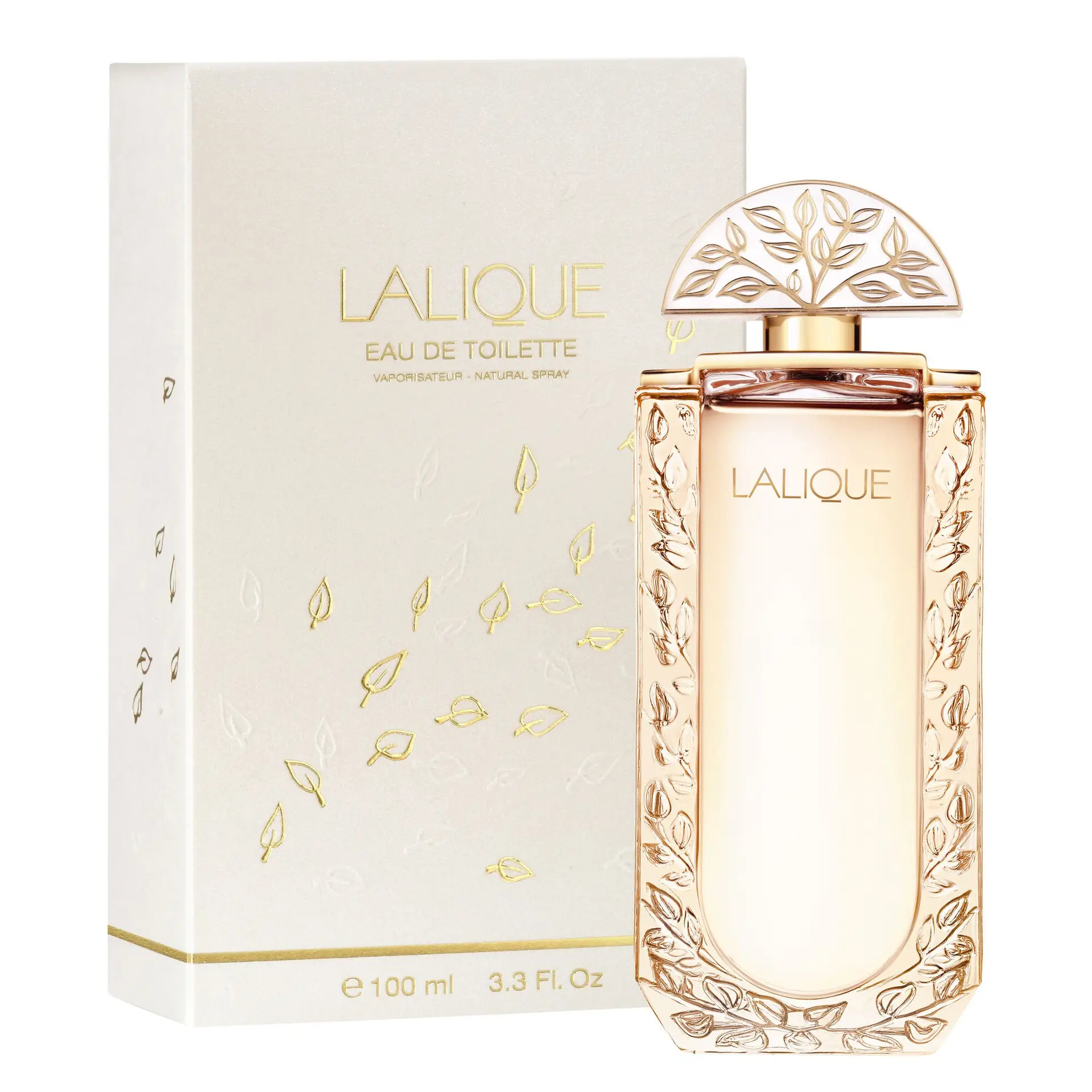
Lalique's fragrance story began in the 1990s, when this century-old French crystal house decided to apply its artistic expertise to perfumery. The challenge was bold: to transpose the excellence of crystal cutting into olfactory compositions. The first creations, such as Lalique de Lalique, immediately set this distinctive signature: fragrances conceived as total works of art, where the bottle is in dialogue with the scent. It quickly becomes clear that Lalique does not make disposable perfume: every launch follows the logic of a precious object made to last.
This approach explains why Lalique launches remain spaced out and measured. There is no question of saturating the market with three novelties a season: the brand prefers to refine each creation over months, even years. This creative patience is what fundamentally sets Lalique apart from conventional perfume brands, which are under greater commercial pressure.
Sculpted bottles that redefine fragrance luxury
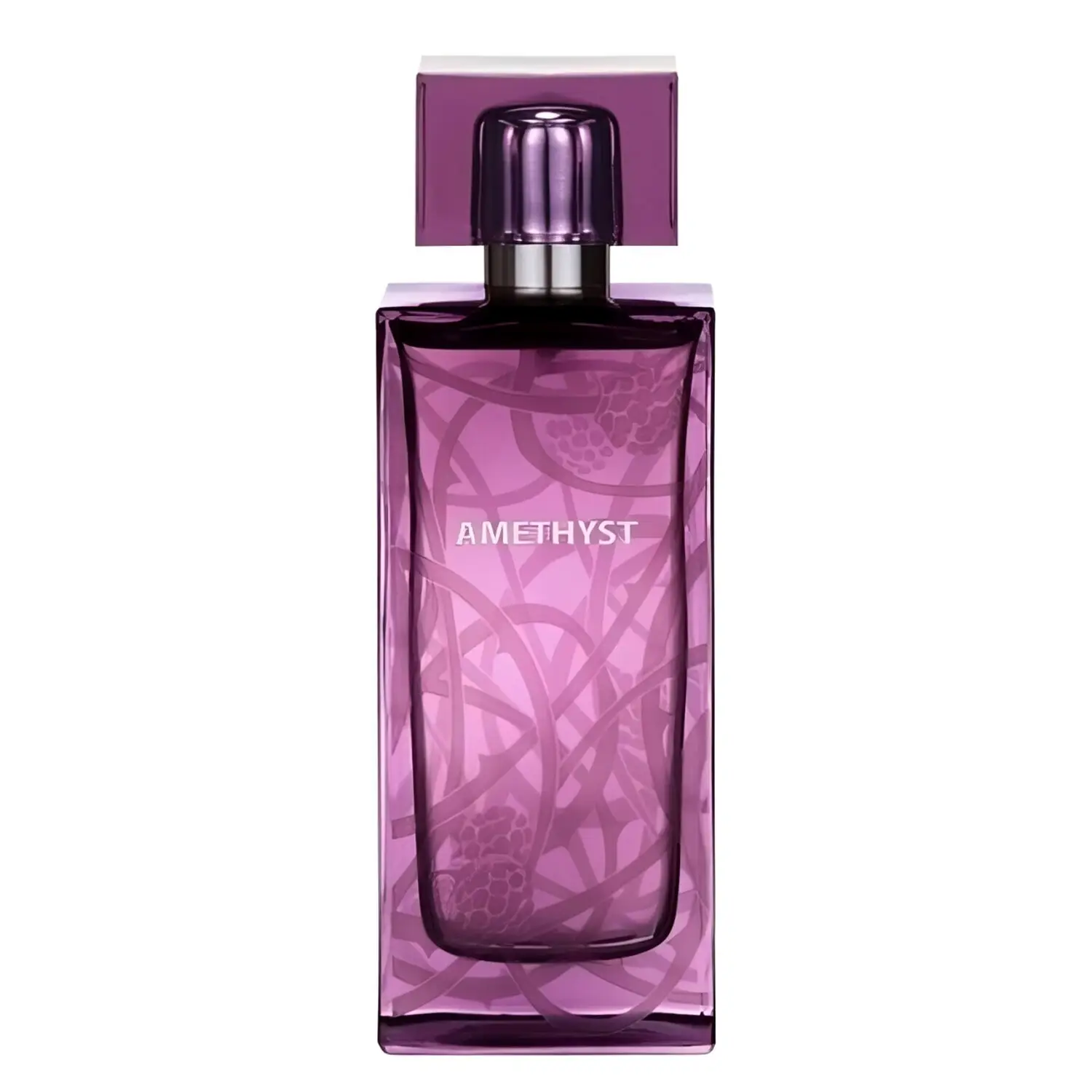
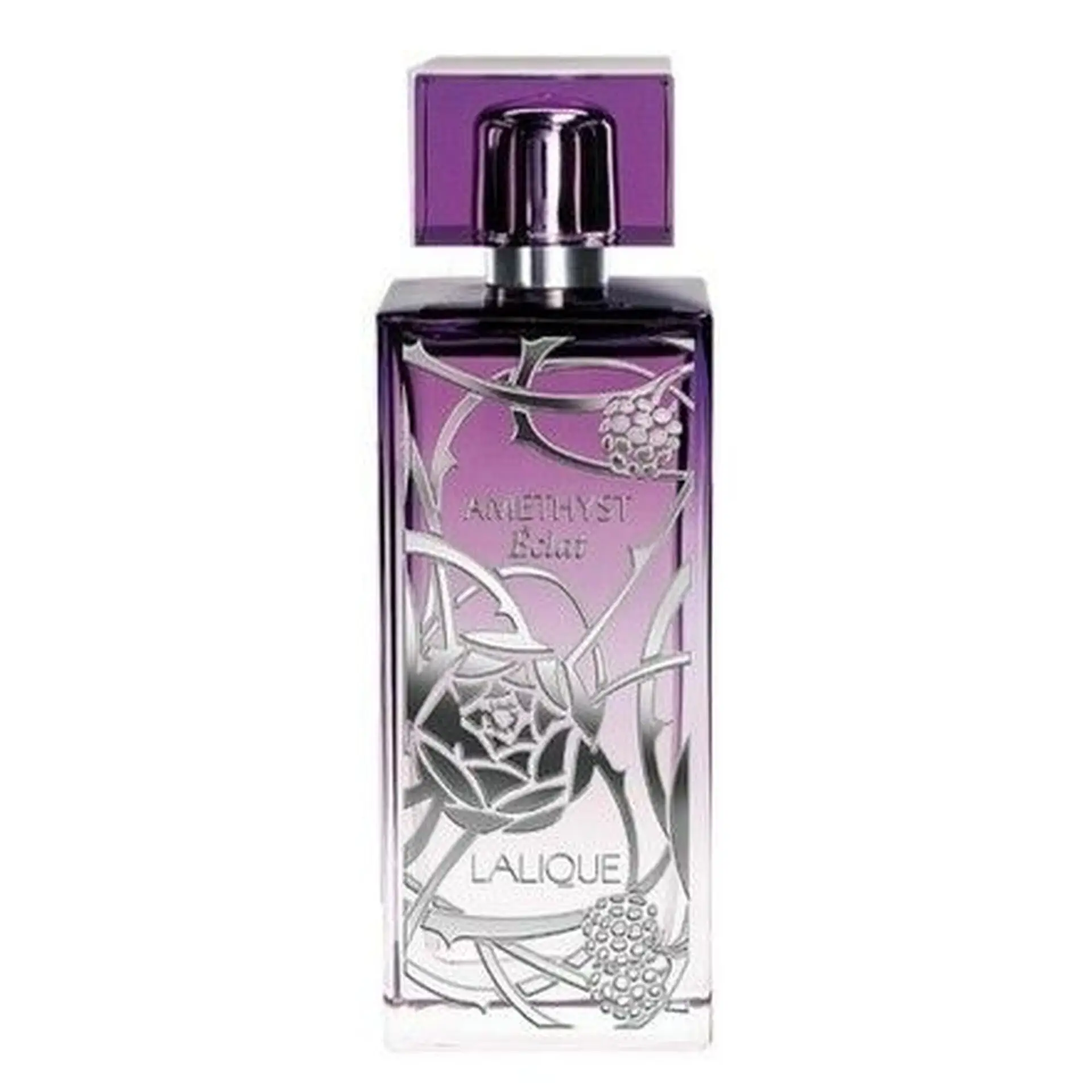
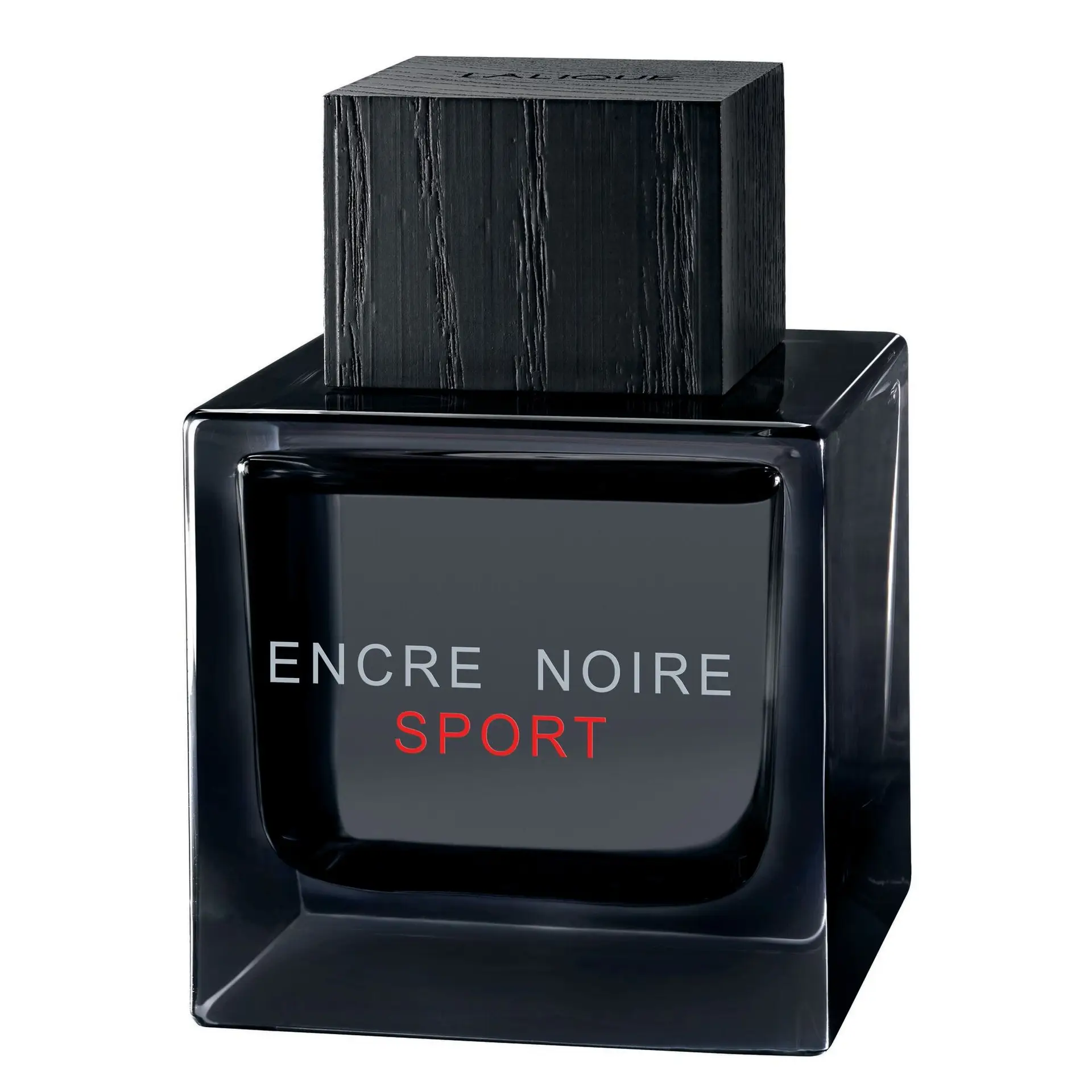
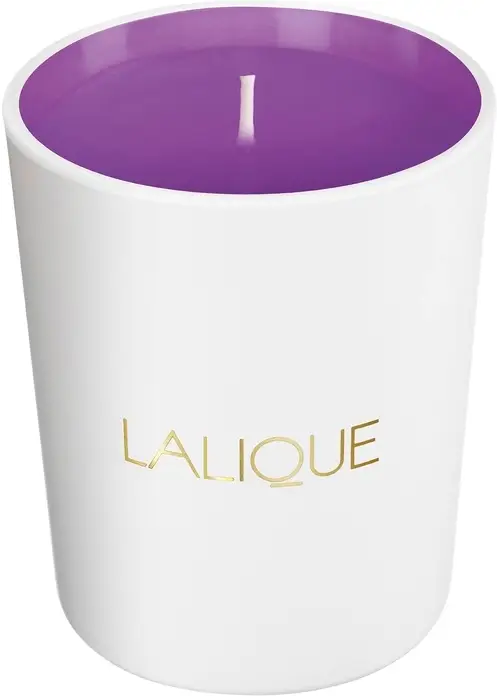
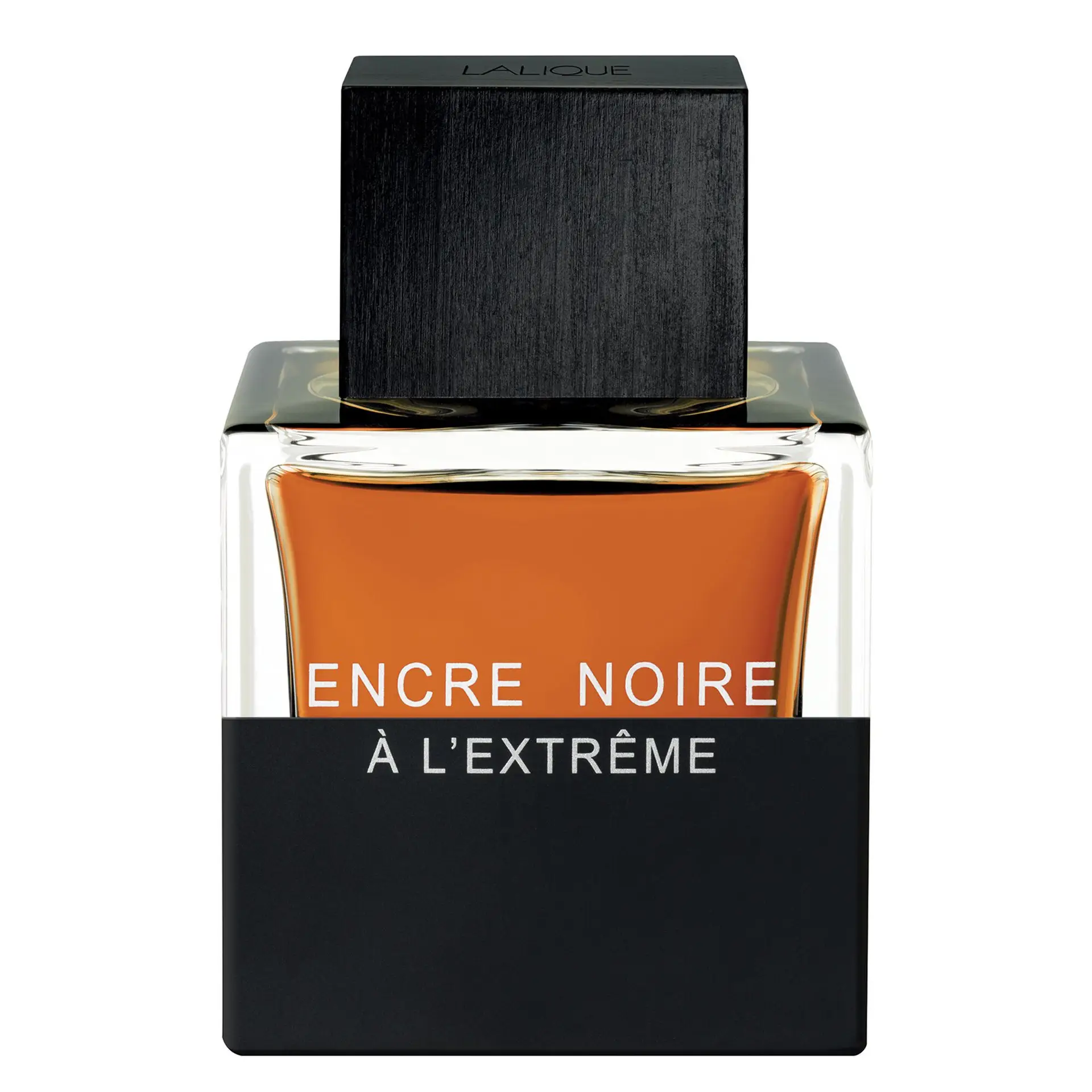
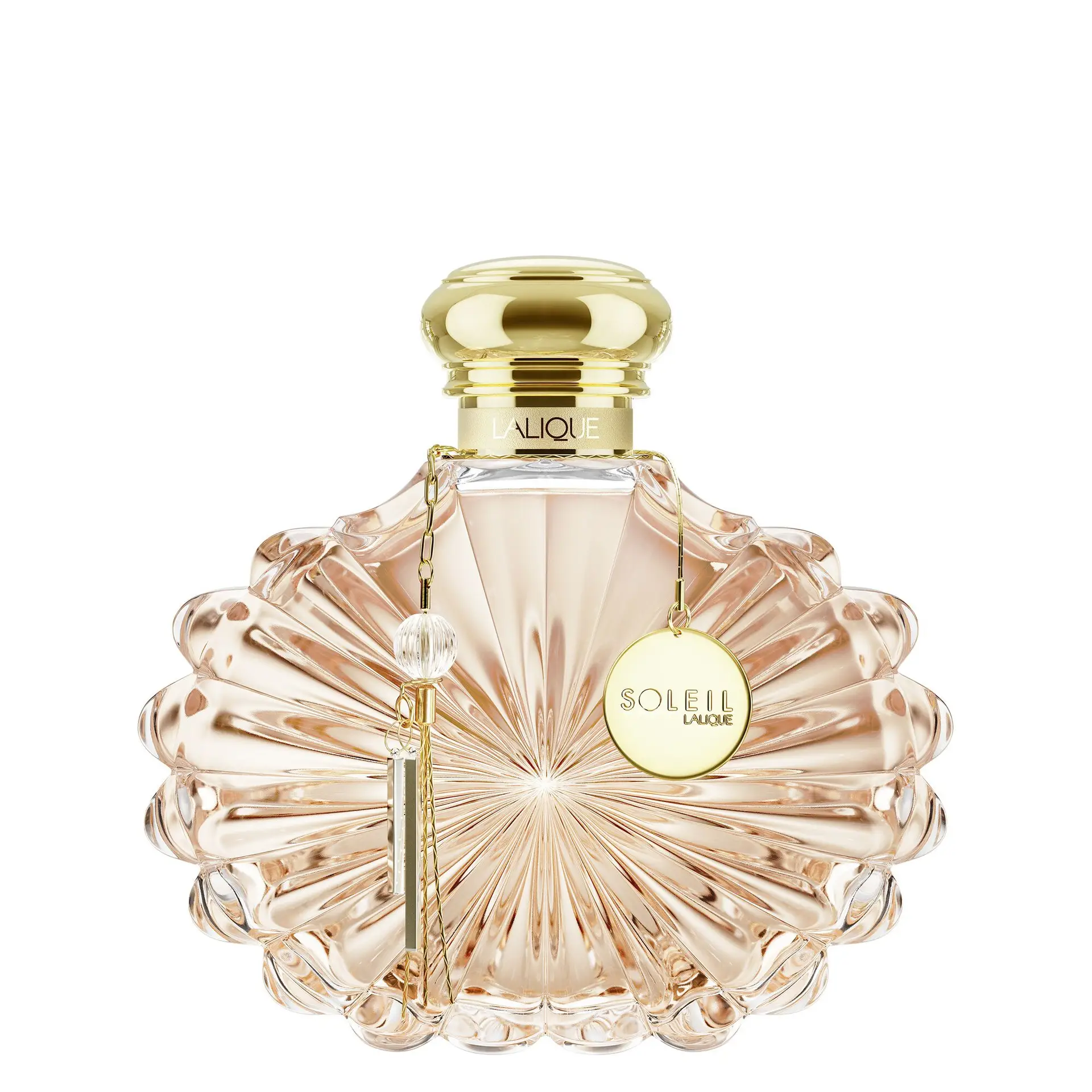
At Lalique, the bottle does not simply package the perfume: it extends it. Take Amethyst: its purple crystal reliefs are not decoration but a sculptural translation of the floral-fruity composition inside. The same goes for Encre Noire and its dark bottle with geometric facets, a perfect echo of this intense, woody masculine fragrance. It is this constant dialogue between container and content that puts Lalique in a category of its own in perfumery.
This mastery of crystal allows Lalique to offer limited editions of exceptional richness: think numbered bottles, collaborations with glass artists and bespoke creations. When you invest in a Lalique perfume, you acquire a piece of French craftsmanship that may gain value over time. Vintage Lalique bottles also regularly turn up at auction, a sign that this vision of perfume as an art object has found its audience of connoisseurs.
The Lalique fragrance style: between classicism and modernity
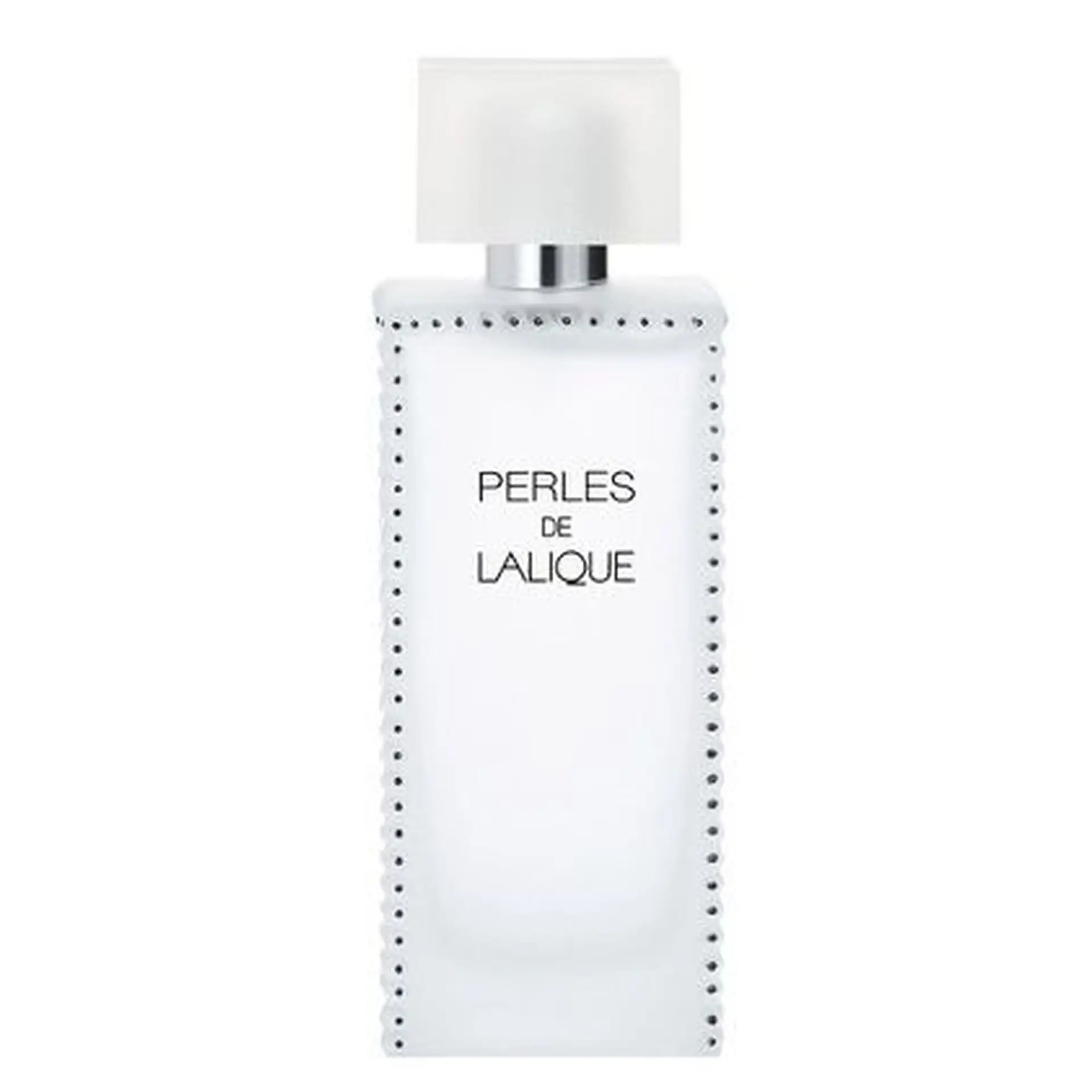
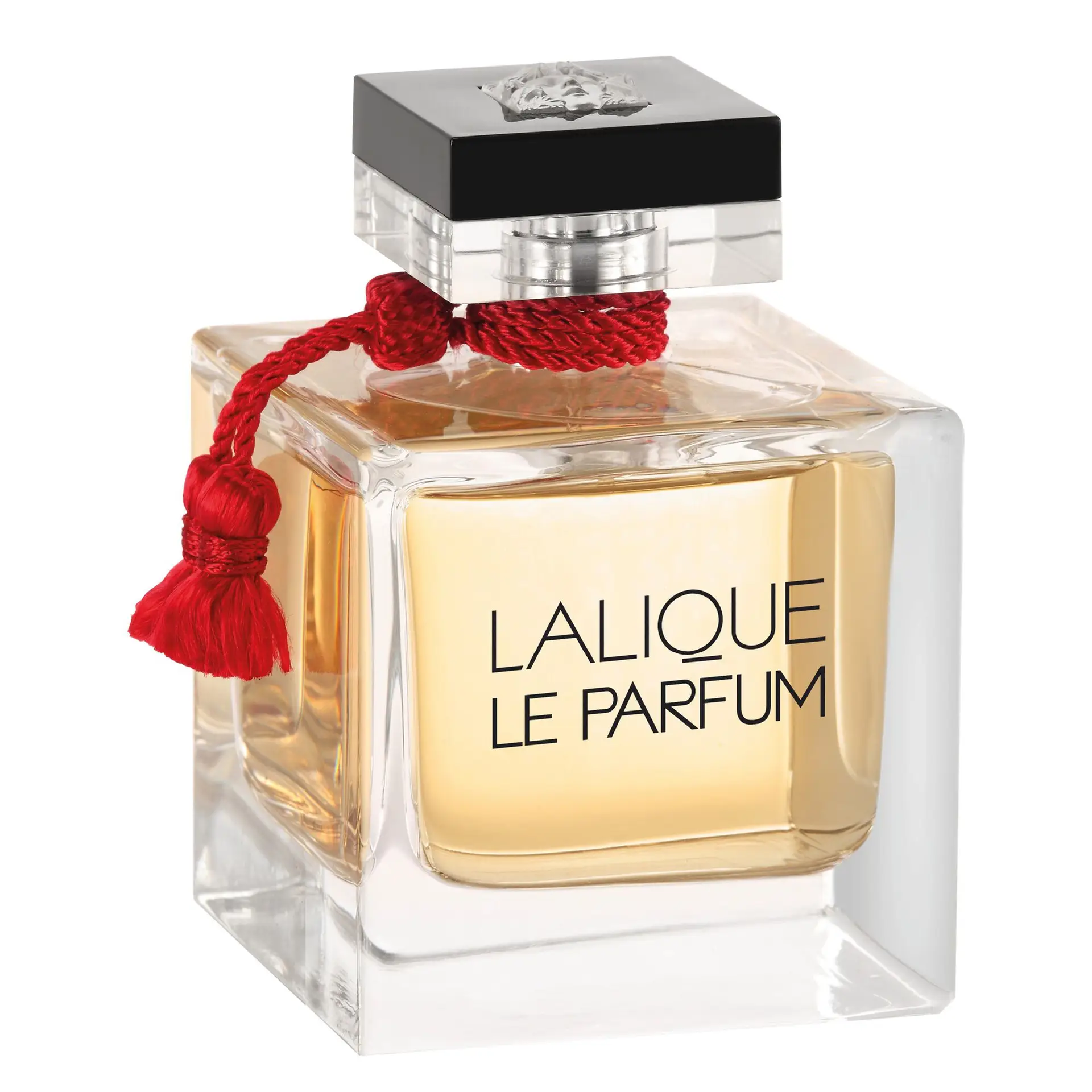
In terms of composition, Lalique cultivates a tension between French heritage and international modernity. Women's creations such as Fleur de Cristal or Perles de Lalique keep a "French perfume" character: sophisticated florals, powdery without heaviness, built on iris, rose and precious wood accords. But they include contemporary touches (exotic fruits, new spices) that anchor them in their time. It is a clever approach: Lalique avoids the pitfall of the old-fashioned perfume while retaining a distinctly French olfactory identity.
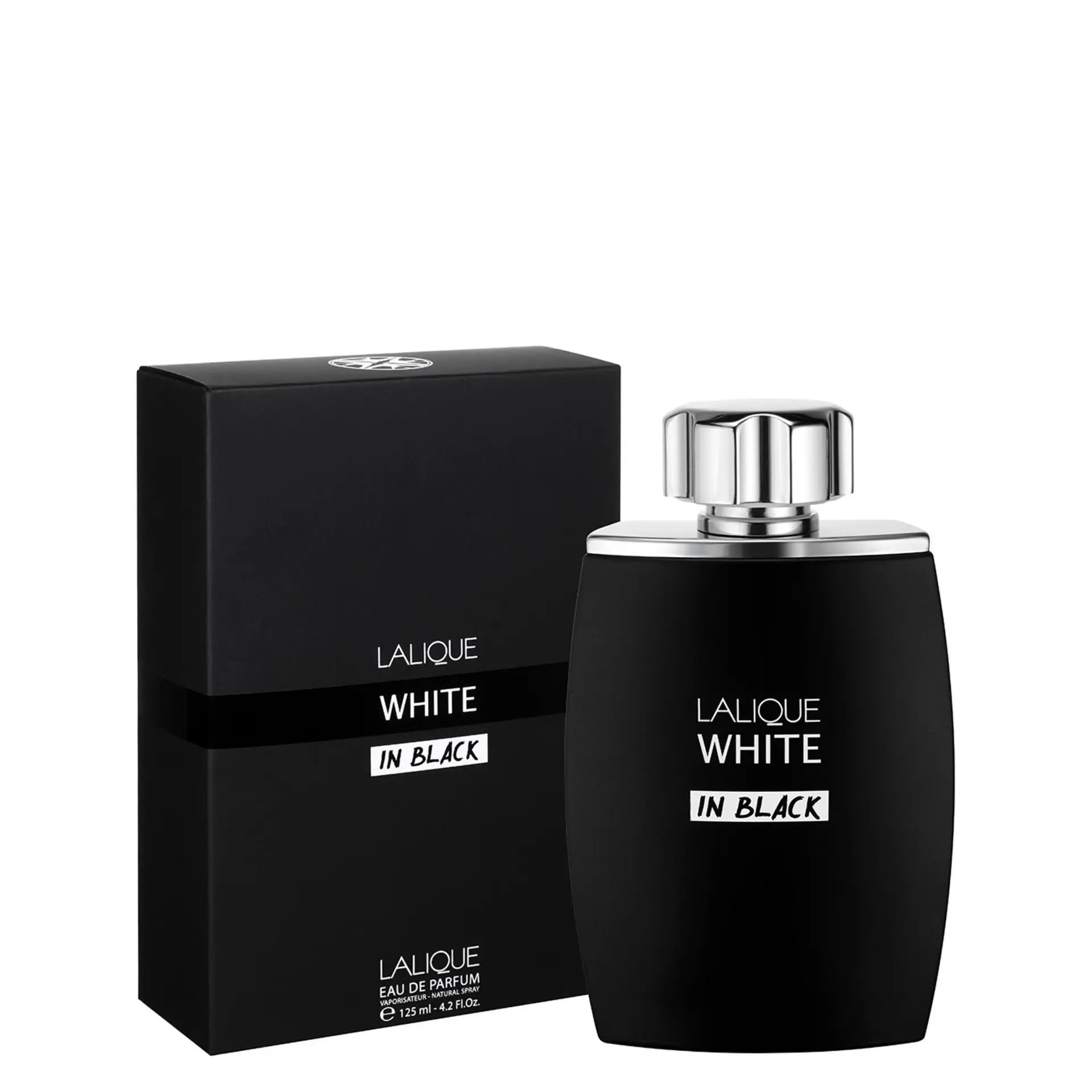
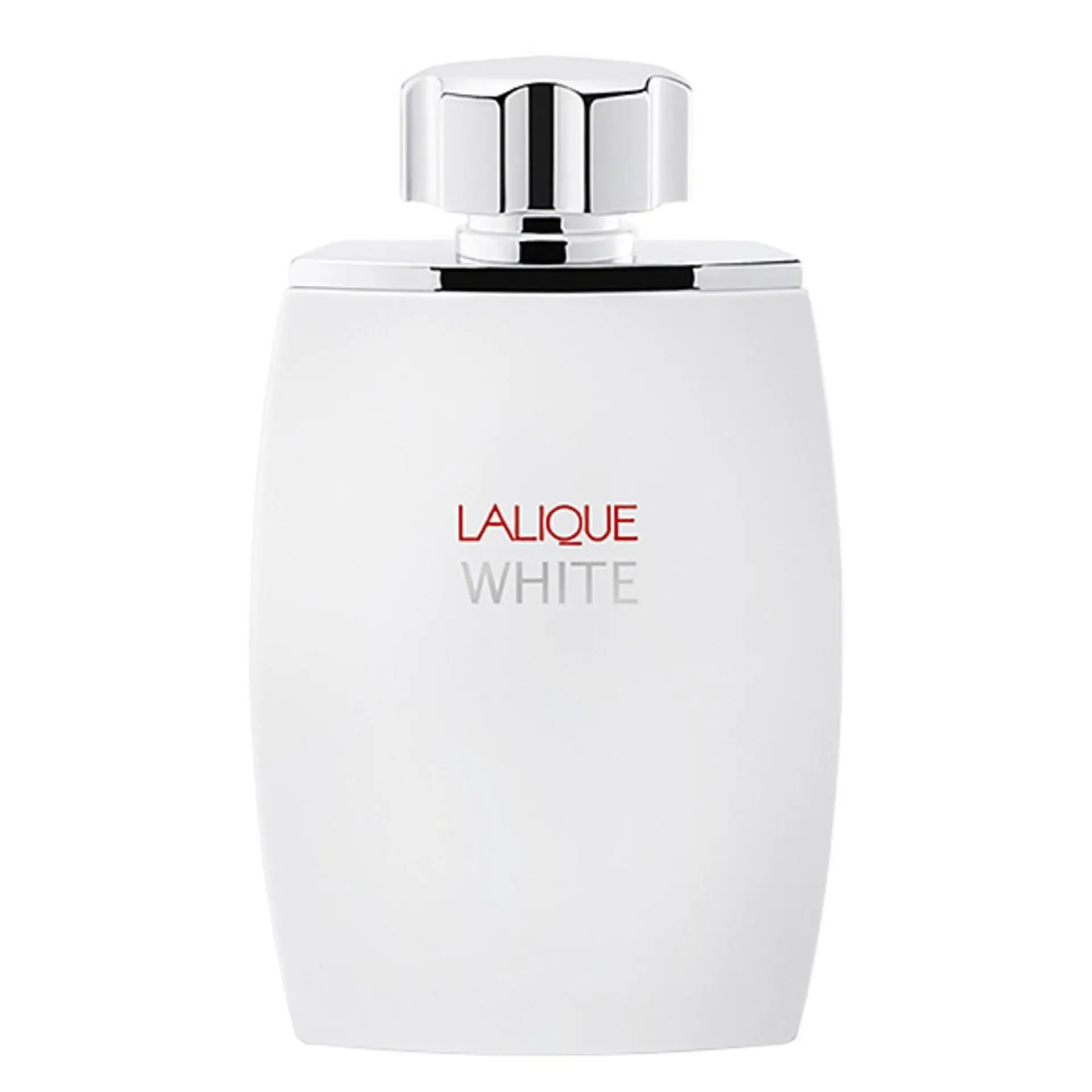
For men, the strategy differs slightly. Encre Noire fully embraces its woody-spicy masculinity, Equus plays the modern leather card, and Lion offers its take on the contemporary fougère. These are fragrances aimed at a discerning male audience, the kind who wear tailoring and collect Swiss watches. Lalique's men's fragrances are for those who look for distinction rather than easy seduction, originality rather than overly familiar safe bets.
Why Lalique justifies its luxury positioning
The positioning of Lalique fragrances comes down to three words: crystal, craftsmanship, rarity. Each Lalique bottle requires hours of manual work: engraving, polishing, quality control. Crystal moulds are costly to create and naturally limit production volumes. Add carefully selected fragrance raw materials, and the luxury positioning becomes clear. Lalique does not sell perfume by the litre: the brand offers collectable fragrance pieces.
This approach also explains why Lalique stands up better than most to changing fashions. It is the sign of a brand that has created an authentic, recognisable and endearing olfactory territory.
Frequently asked questions
Lalique applies its century-old expertise in French crystal to perfumery, creating total works of art where the bottle is in dialogue with the fragrance. Unlike conventional brands that multiply launches, Lalique favours a measured approach, with spaced-out creations refined over months, even years. This creative patience produces fragrances conceived as precious objects made to last.
At Lalique, the bottle does not simply package the perfume, it extends it. Take Amethyst, with its purple crystal reliefs that translate the floral-fruity composition into sculpture, or Encre Noire, whose dark geometric facets echo this intense, woody masculine fragrance. This mastery of crystal also allows for limited editions of exceptional richness, with numbered bottles and artistic collaborations.
Lalique perfumes are conceived as precious objects rather than disposable fragrances. Their approach favours quality and durability, which makes them well suited to special occasions or to anyone looking for a distinctive fragrance signature.
Lalique's fragrance story began in the 1990s, when this century-old French crystal house decided to apply its artistic excellence to perfumery. The challenge was bold: to transpose its mastery of crystal cutting into olfactory compositions. The first creations, such as Lalique de Lalique, immediately set this distinctive signature of fragrances conceived as total works of art.
Lalique perfumes appeal to collectors through their dual artistic dimension: the fragrance and the object. Each bottle is a sculpted piece of crystal in dialogue with the composition it contains. This olfactory silverwork approach turns each perfume into a lasting object of desire. The brand also offers limited editions with numbered bottles and collaborations with glass artists, adding to their precious, collectable character.