
Liquid Foundation: A Complete Guide to Finding Your Ideal Texture
Make-up liquid foundation is now the most widely used complexion base. This texture delivers exactly what you expect from an everyday foundation: buildable coverage that adapts to special occasions and ordinary days alike. Unlike compacts, which can quickly look like "too much", or BB creams, which are sometimes not enough, liquid foundation strikes the right balance between a natural look and effective coverage.
Why Choose a Liquid Foundation at Tendance Parfums
The textures on offer are not chosen at random. The range covers all these needs: hydrating SISLEY formulas for dry skin, mattifying Shiseido textures for oily areas, and Filorga innovations that blend skincare and make-up.
The brands in this selection are not there by chance either. Guerlain for its colour expertise (its complexion laboratory remains a benchmark) and Clarins for its skincare approach. Each house brings its own vision of the perfect complexion, and each formula meets specific needs.
Liquid foundation is ultimately about tailor-made personalisation. There is no "one size fits all" here, just ways of enhancing your natural complexion to suit your mood of the moment. That is exactly what makes this category so appealing: it makes it possible to adapt recommendations to every skin profile.
Our Fluid Foundation Products
37 products
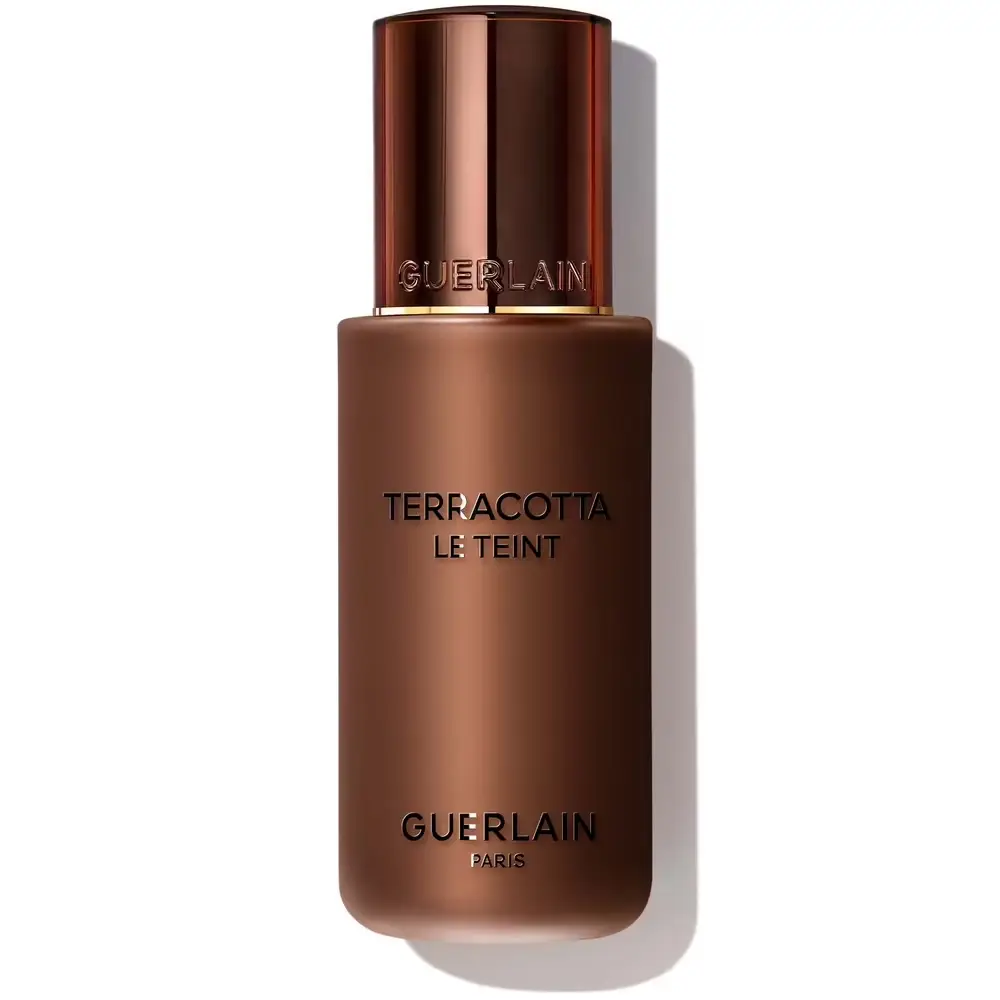
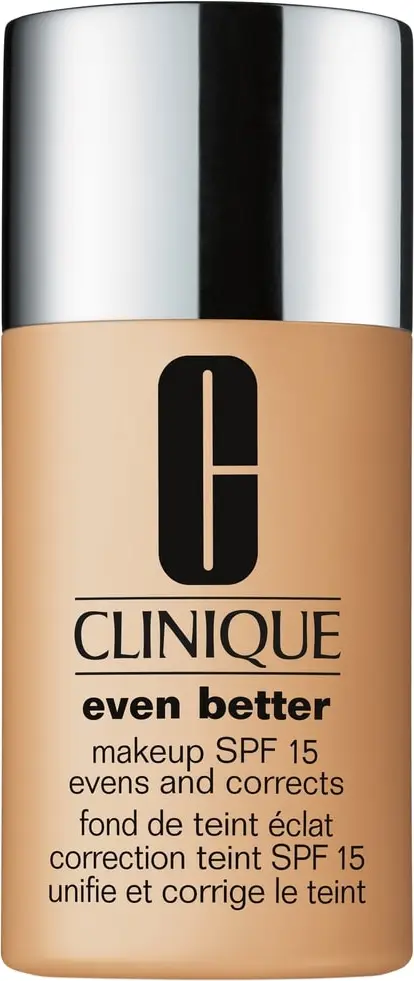
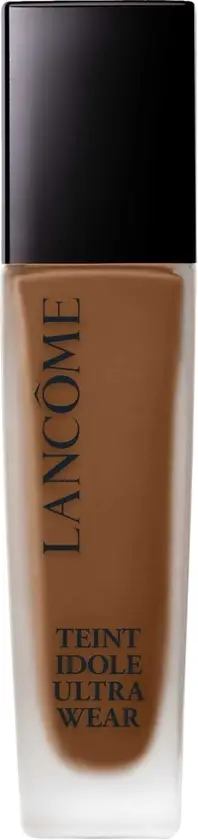
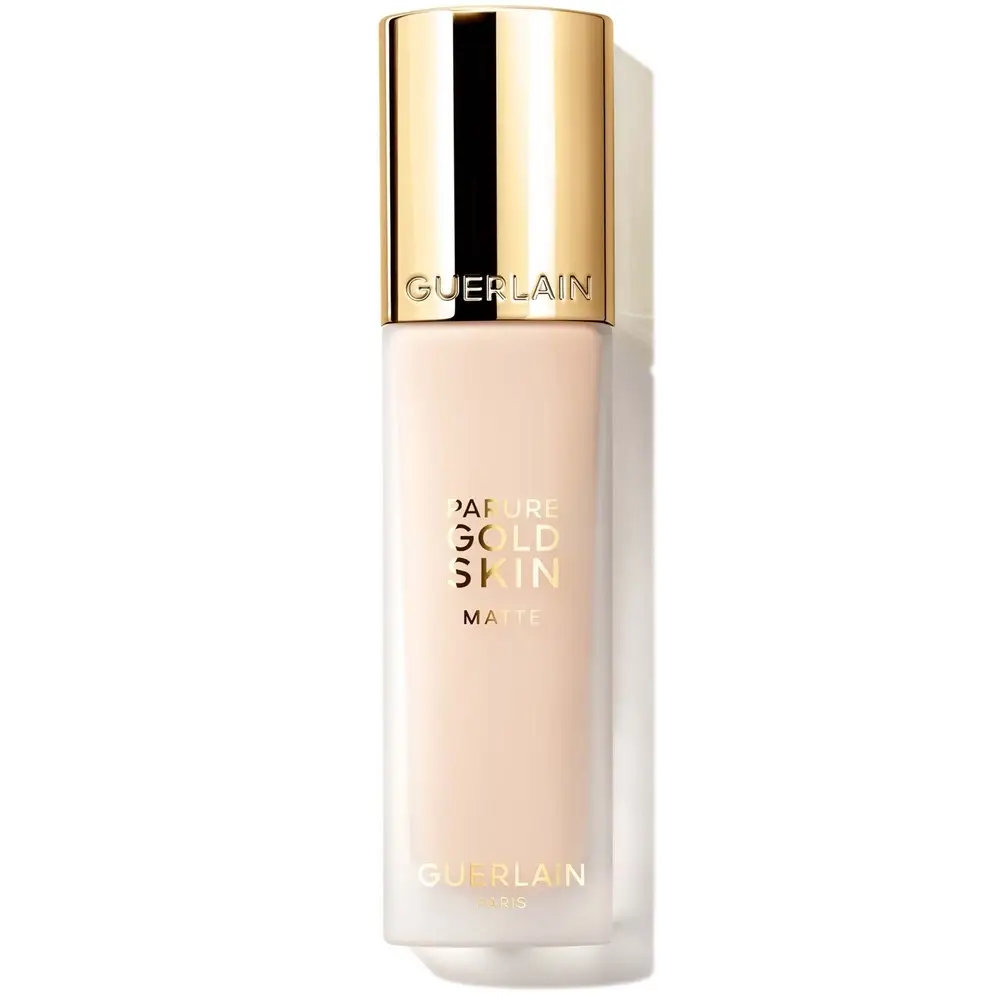
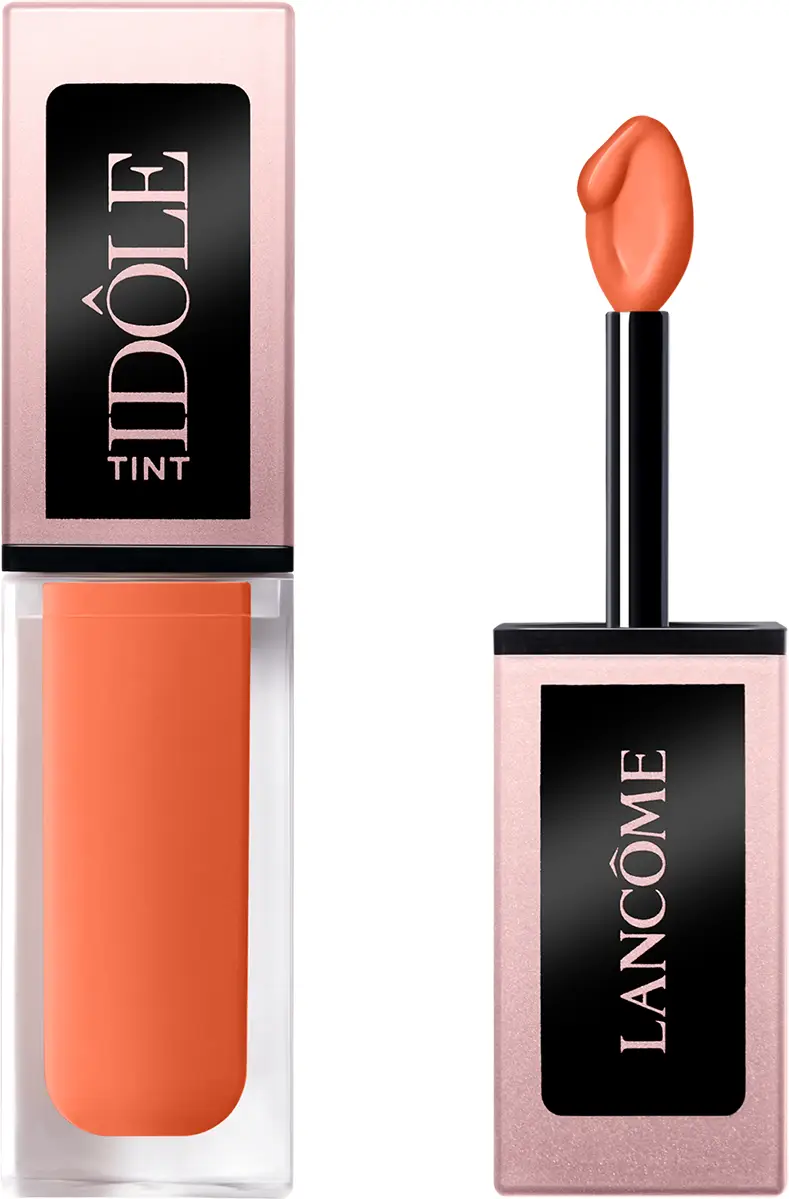
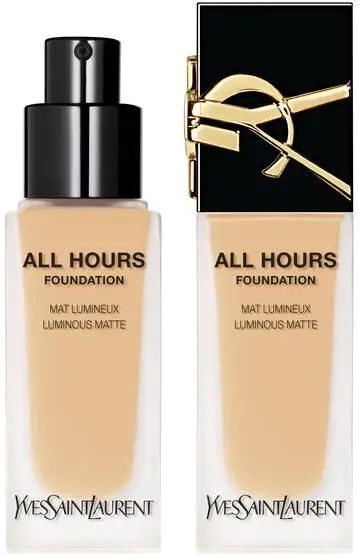
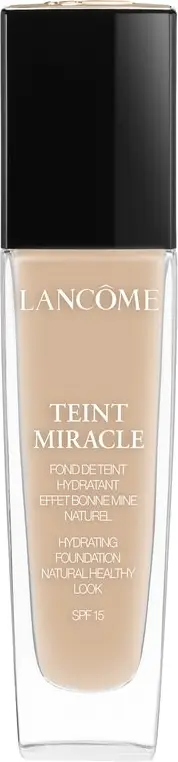

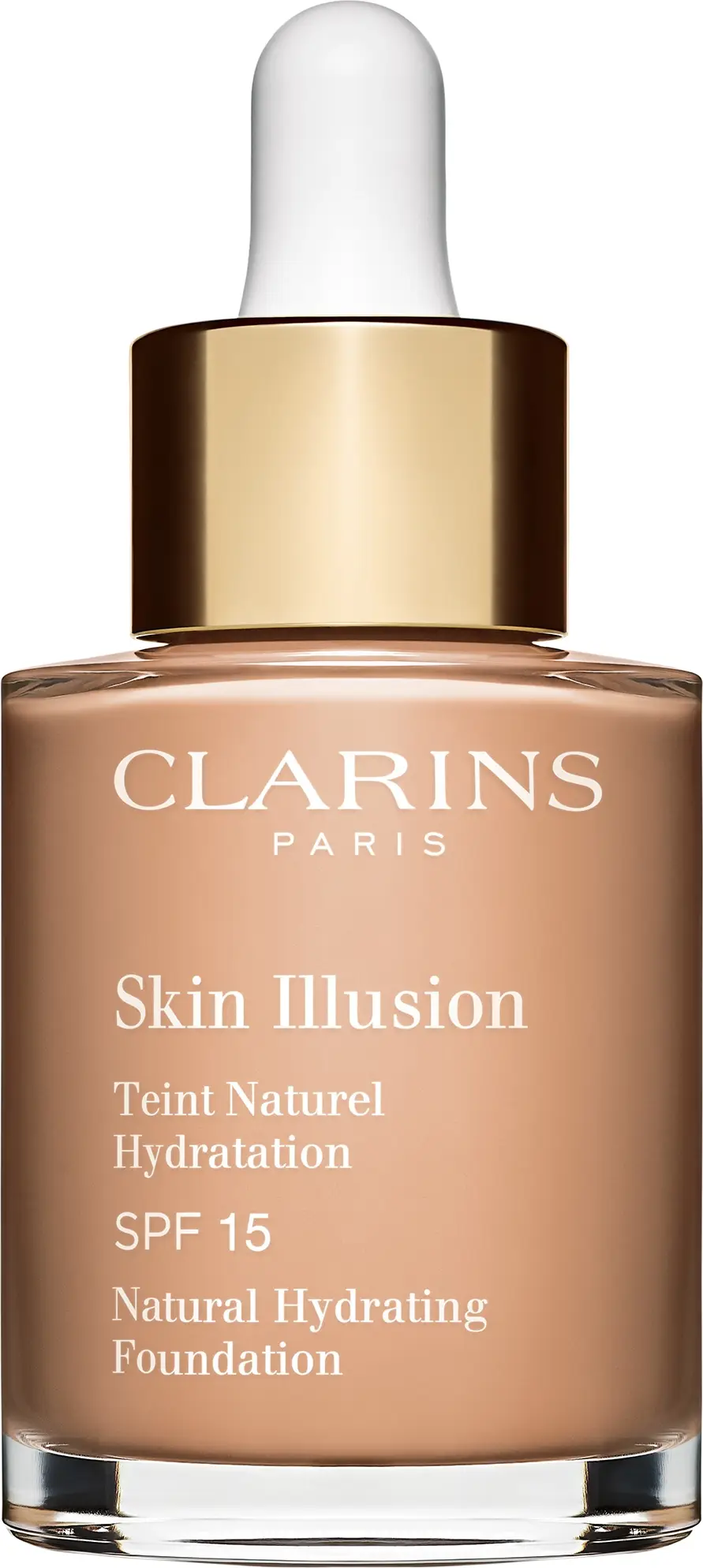
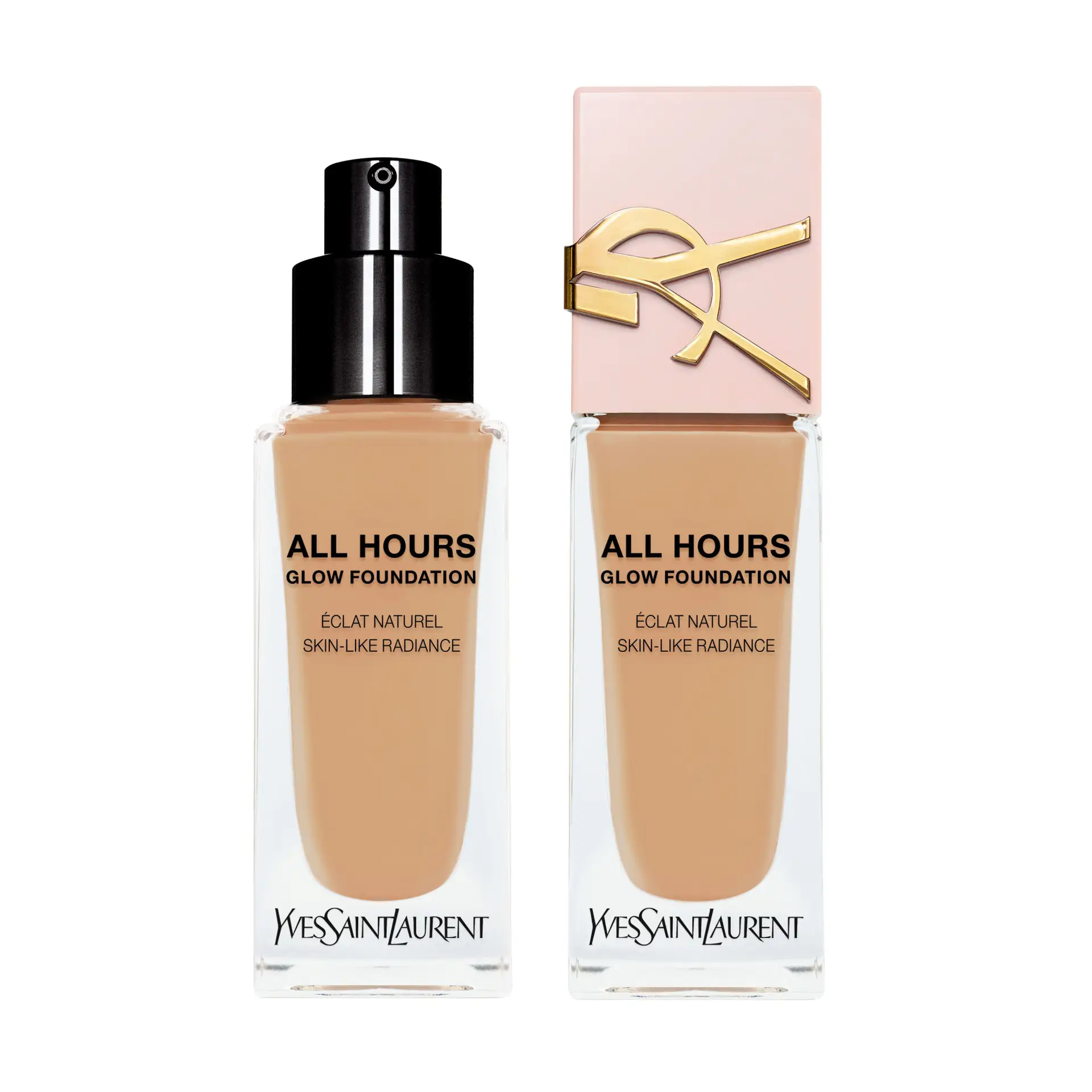
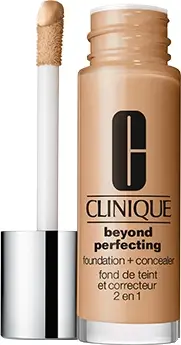
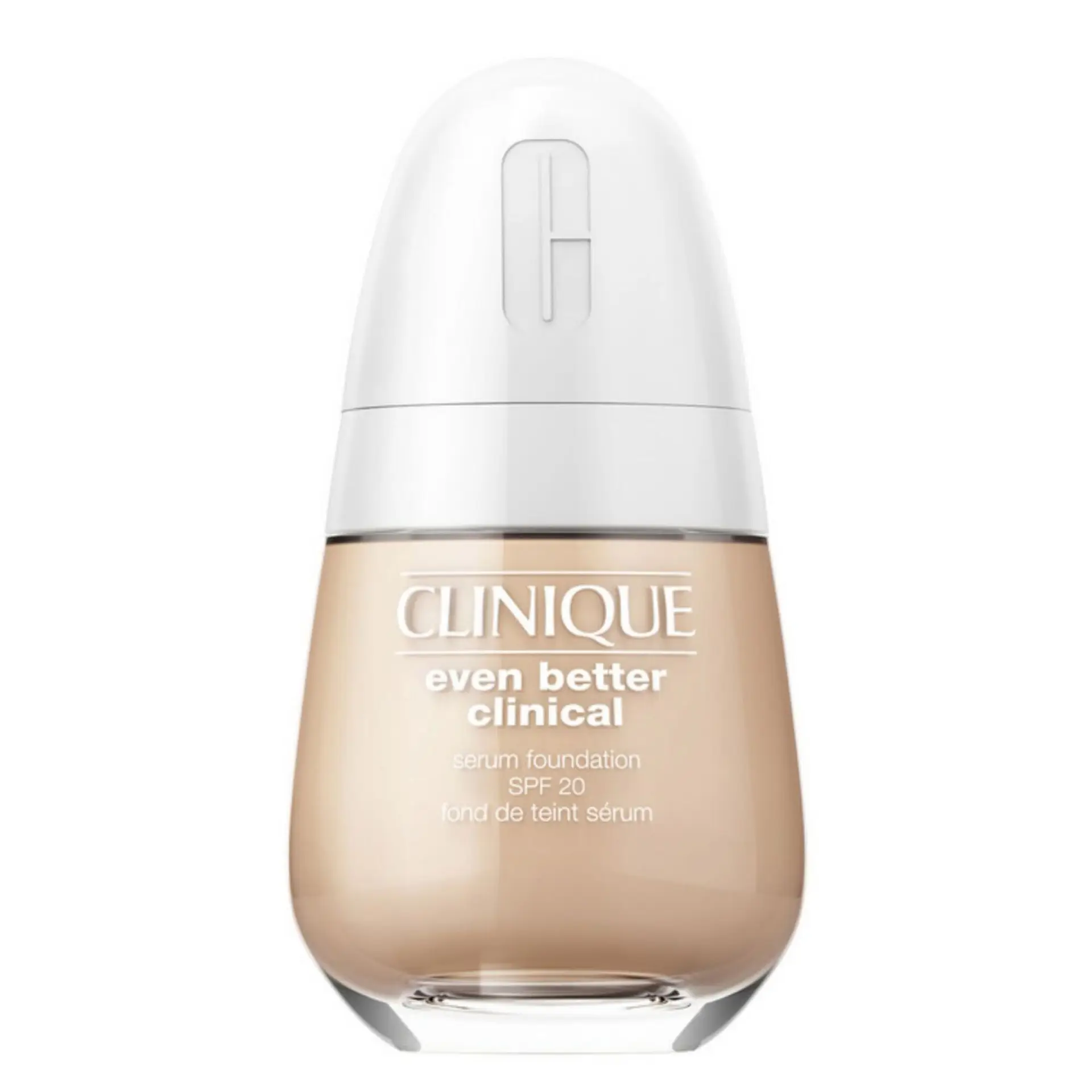
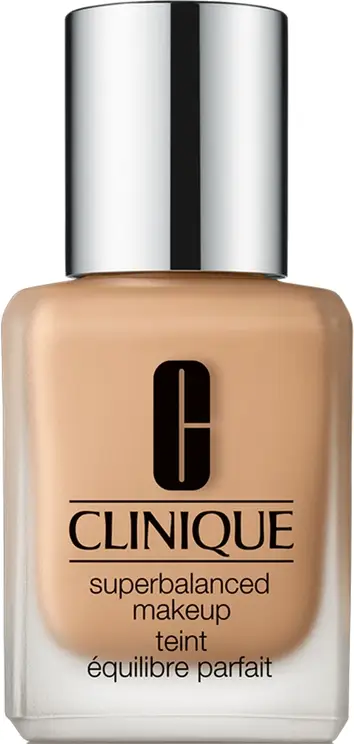
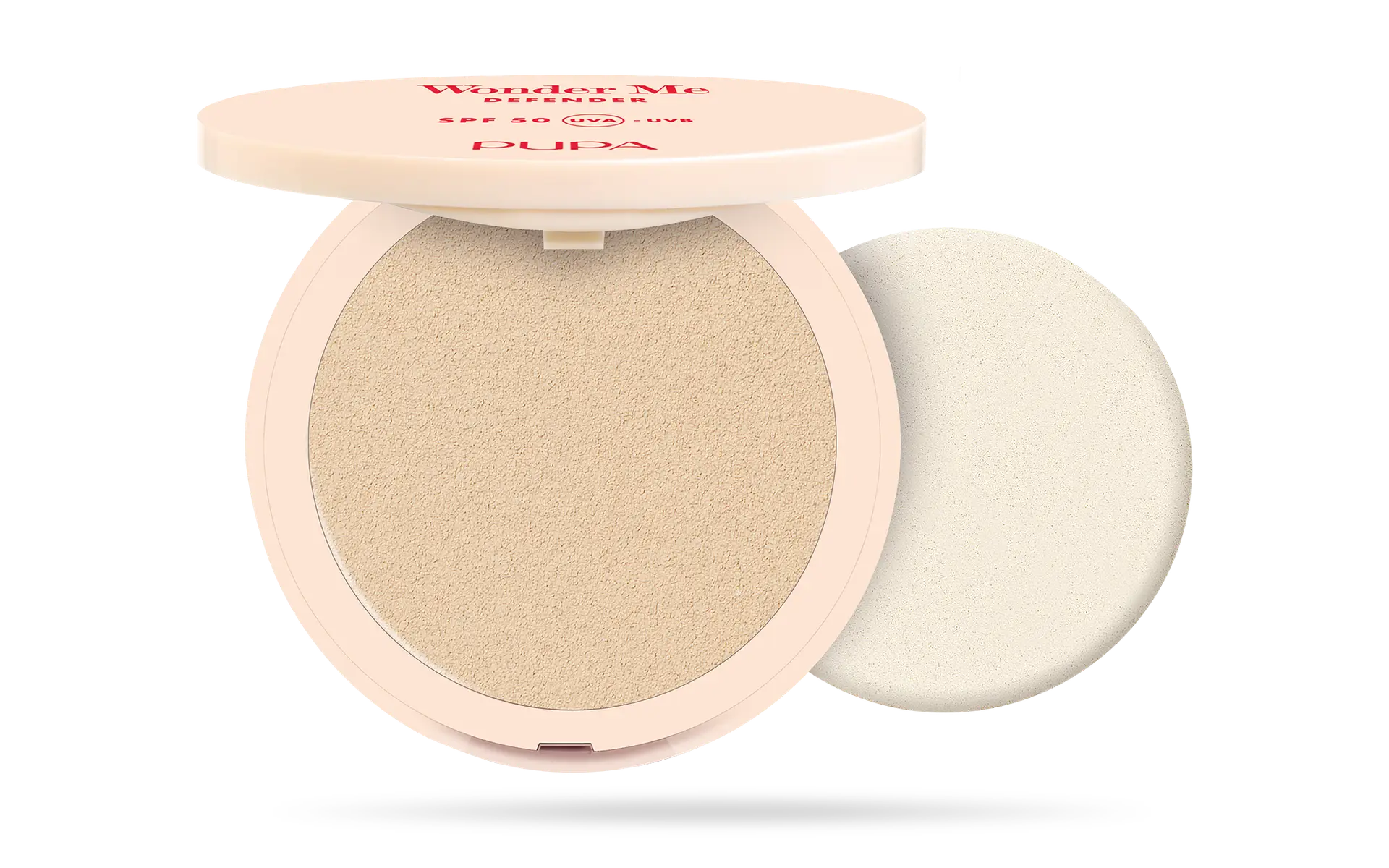
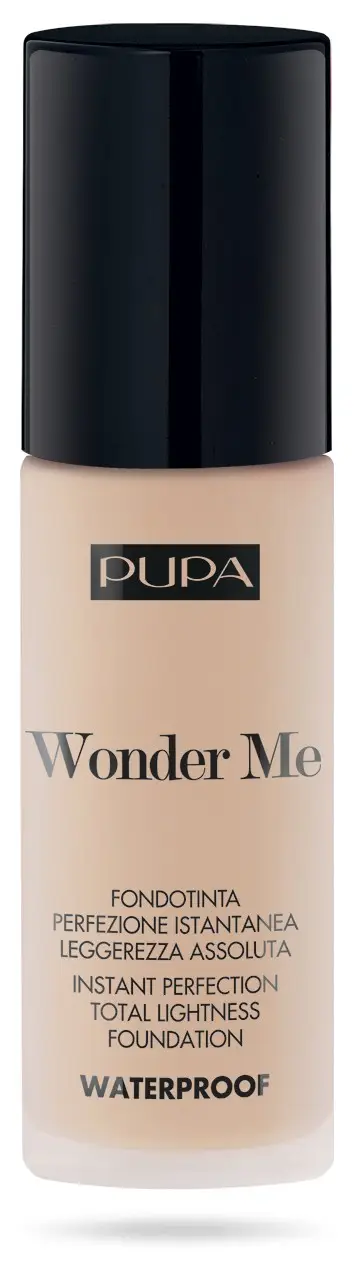
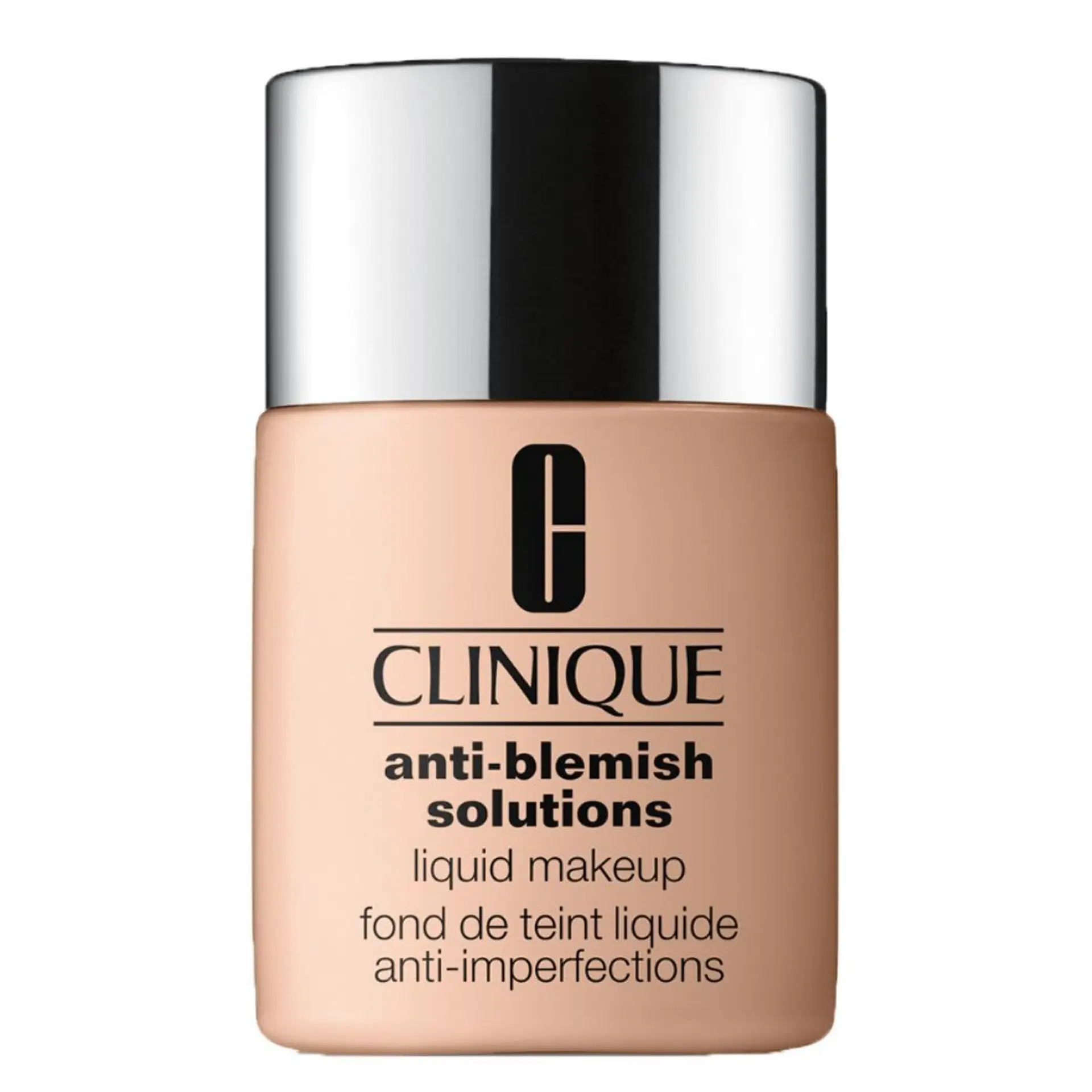
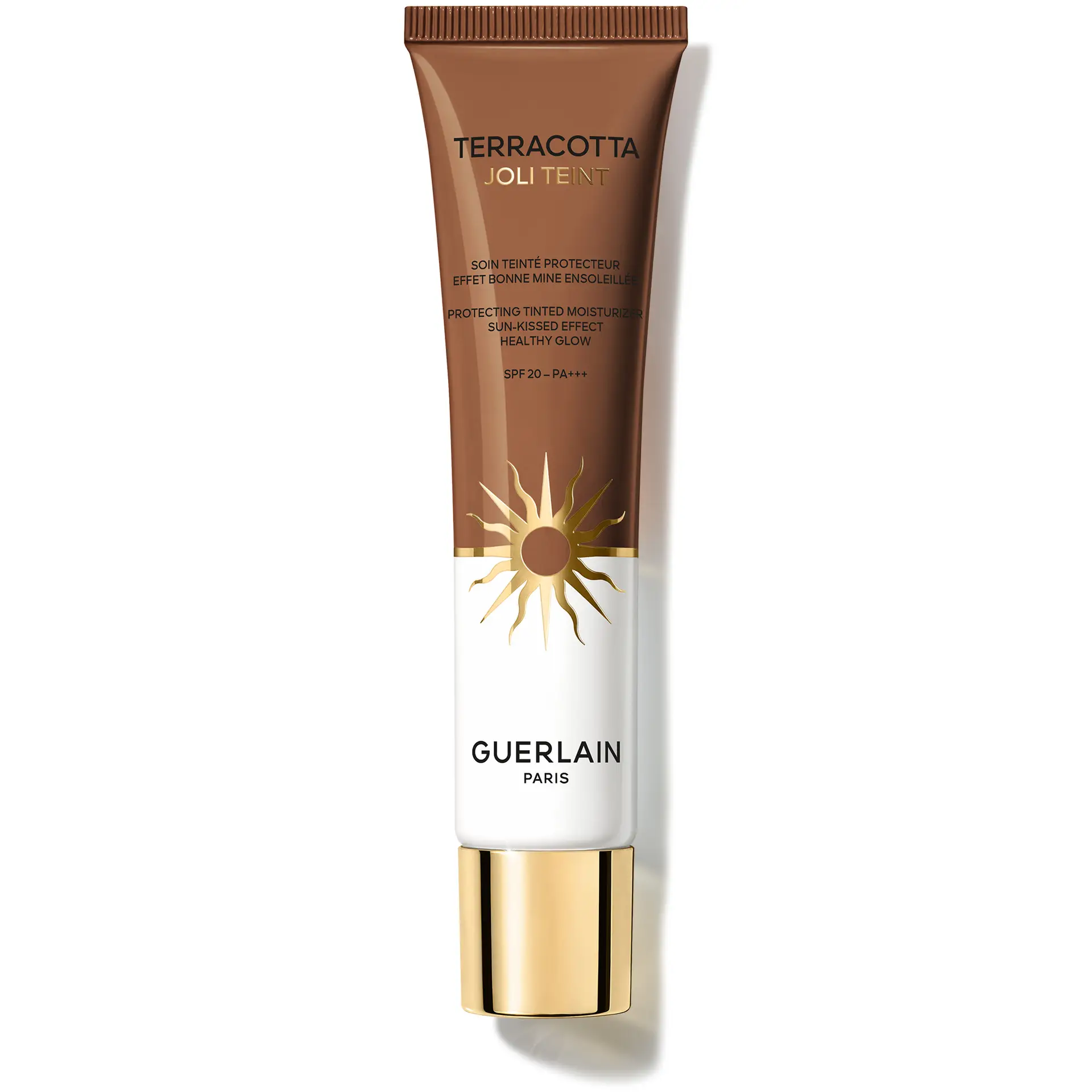
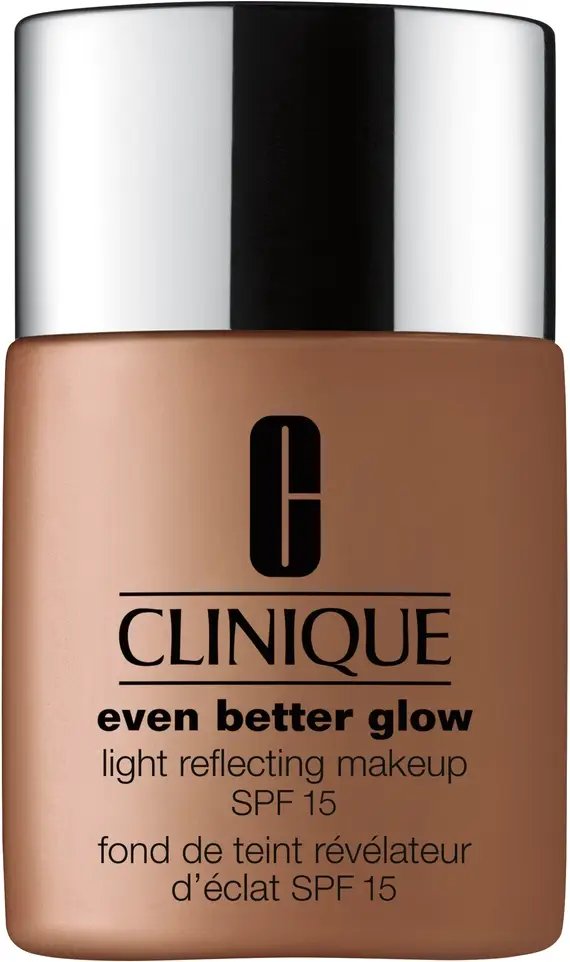
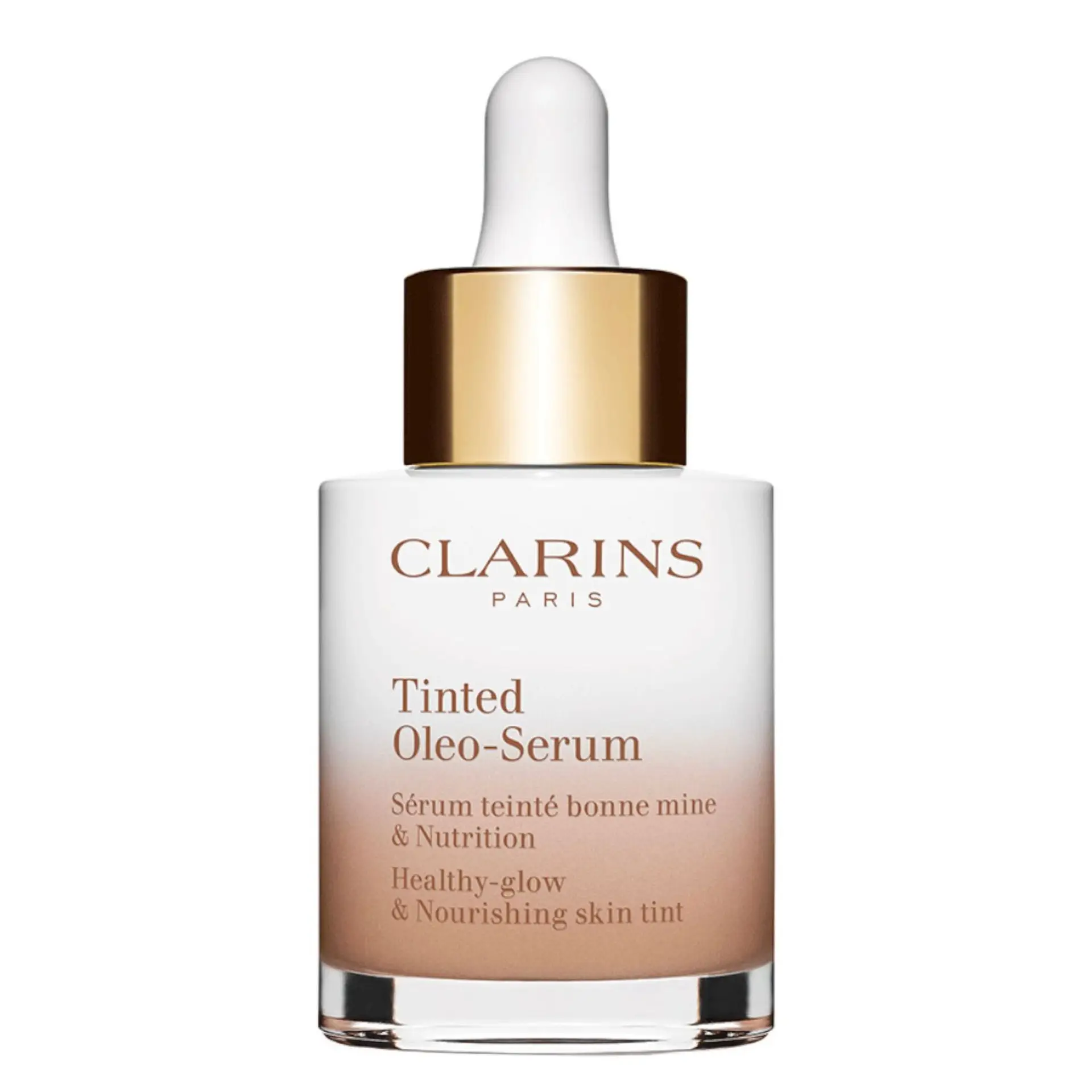
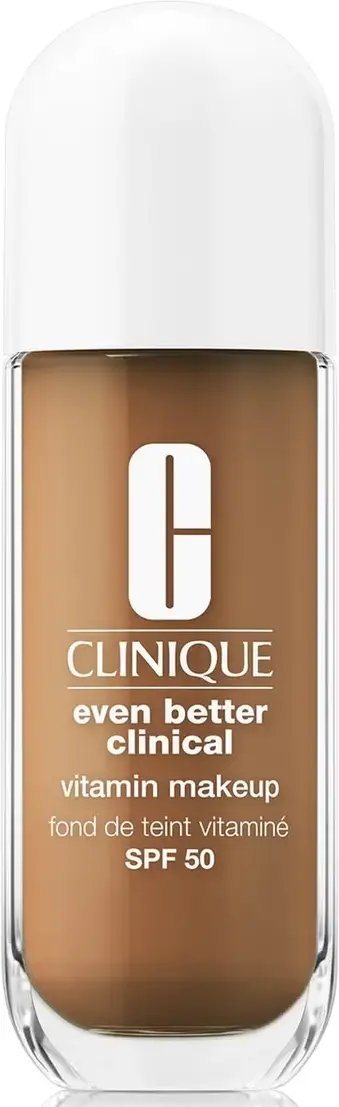
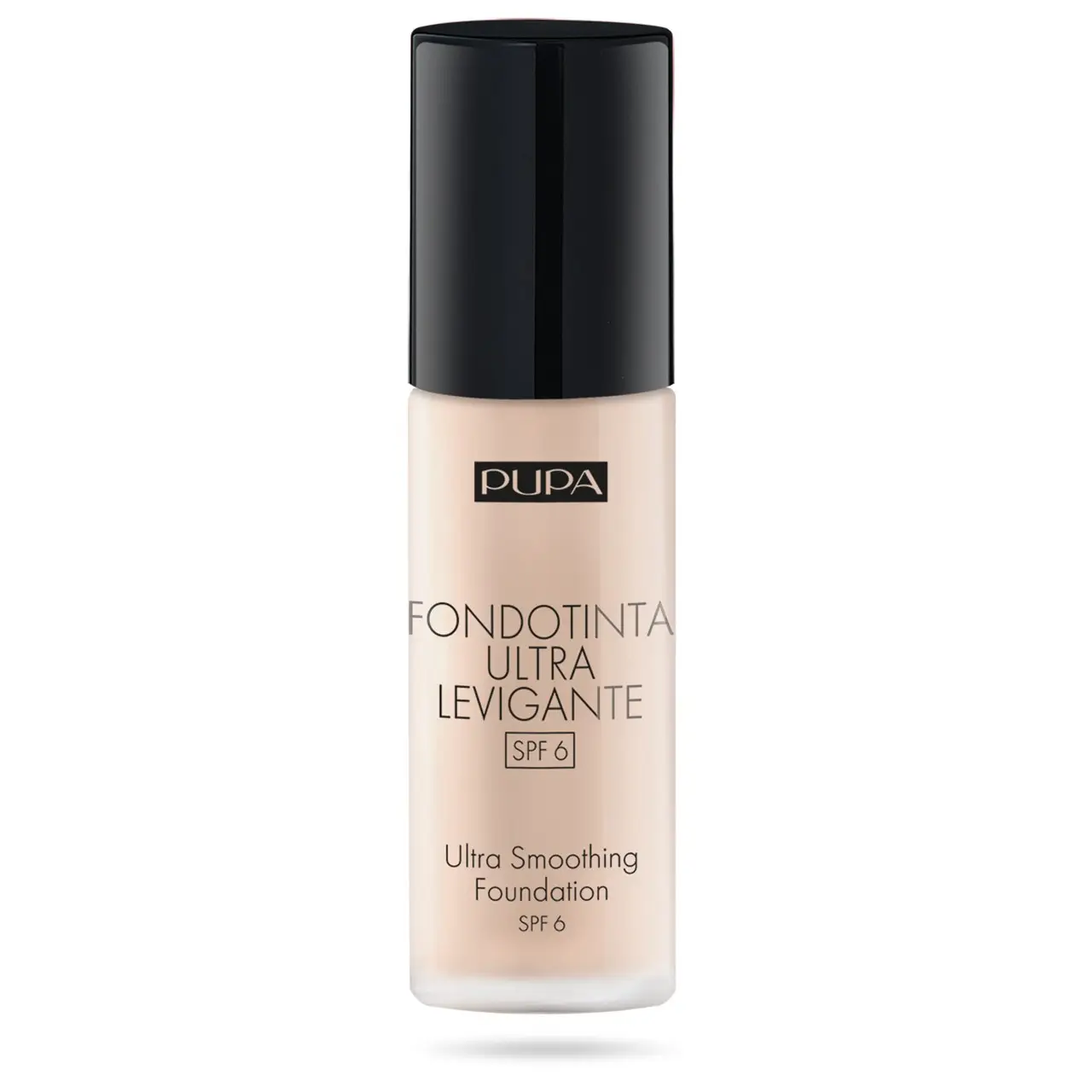
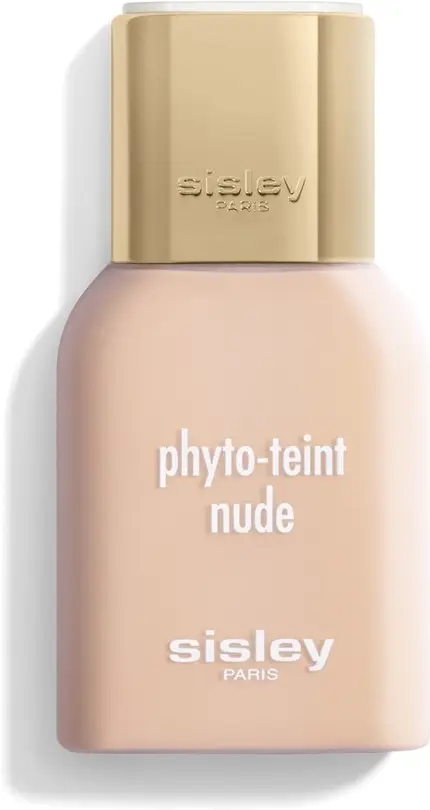
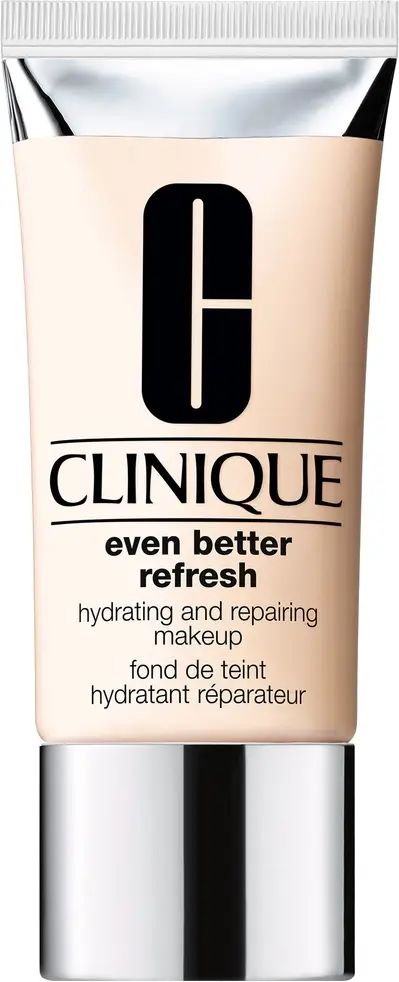
Find out more
Understanding the Families of Liquid Textures
A liquid foundation is not just powder diluted in water. Current formulas fall into several main families that are easy to recognise. Water-based formulas suit combination to oily skin, as they dry quickly and don't slip. Silicone-based formulas create that "blurring" effect that smooths over pores, perfect for evening out textured skin. And oil-based formulas, mainly recommended for mature skin, bring a glow from within that no highlighter can imitate.
Viscosity matters a great deal too. Truly fluid textures (such as tinted serums) need to be applied quickly but give the most natural finish. "Medium" textures, neither too thick nor too thin, are the easiest to work with for an even application and are often recommended for beginners. Denser fluids are closer to creams and offer fuller coverage, but they need to be blended well to avoid a mask-like effect.
Choosing According to Your Skin Type and Expectations
For combination skin, oil-free formulas are the usual recommendation, as they mattify the T-zone without drying out the cheeks. For dry skin, fluids enriched with hyaluronic acid or plant oils make all the difference. The Sisleÿa liquid foundation by SISLEY hydrates as much as it covers, thanks to the skincare actives built into the formula.
Mature skin has its own requirements. The most common question is: "What is the best liquid foundation for mature skin?" The answer: look for formulas containing peptides or plumping actives. The Forever Youth Liberator by YSL, with its glycan technology, is strong in this area. It lightly fills fine lines while evening out the complexion, and it doesn't settle into expression lines, a real plus after 50.
The Innovations Changing the Game
Today's liquid foundations have little in common with those of ten years ago. The current trend is all about "skincare-infused" formulas that care for the skin as much as they make it up. Filorga was a pioneer with its built-in anti-ageing complexes, but now every brand is following. The result: textures that improve with wear instead of oxidising.
Encapsulated pigment technology is also very popular. These micro-spheres release colour gradually on contact with the skin, which explains why some foundations seem to "adjust" to your skin tone in the minutes after application. Lancôme and Shiseido excel in this area.
Application and Routines for a Professional Finish
The success of a liquid foundation depends largely on how it is applied. Mastering the technique makes all the difference to the result. The first tip: never apply it straight onto the whole face with your fingers. Place a few drops on the back of the hand, then apply section by section with a kabuki brush or a slightly damp sponge. The warmth of the hand softens the texture and makes blending easier.
For pregnant women looking for safer options, fragrance-free formulas without controversial ingredients are preferable. The Clarins and Clinique ranges offer several clean options, dermatologically tested. Comfort remains the most important thing: during pregnancy, skin changes, and a foundation that used to suit can suddenly feel tight or tingly. Hence the value of testing before investing.
Frequently asked questions
Water-based foundations dry quickly and suit combination to oily skin well, as they don't slip and give a matte finish. Silicone-based formulas create a blurring effect that visually smooths pores and skin texture, ideal if you want to refine the look of your skin.
Truly fluid textures, such as tinted serums, need to be applied quickly as they dry fast. It is best to apply them section by section, patting in with the fingers or a damp sponge and working swiftly to avoid visible lines. The result is as natural as possible, but the movements need to be efficient.
For combination skin, oil-free formulas are recommended: they mattify the T-zone without drying out the cheeks. These textures adapt to the different areas of the face and prevent shine on the nose and forehead while keeping drier areas such as the cheekbones comfortable.
Yes. Liquid foundations enriched with hyaluronic acid or plant oils hydrate as much as they cover.
Medium textures, neither too thick nor too thin, are the easiest to work with for an even application. They are forgiving of small technique errors and make it easy to adjust the coverage. That is why they are often recommended for those new to complexion make-up.