
Lanvin: Parisian Elegance in a Bottle


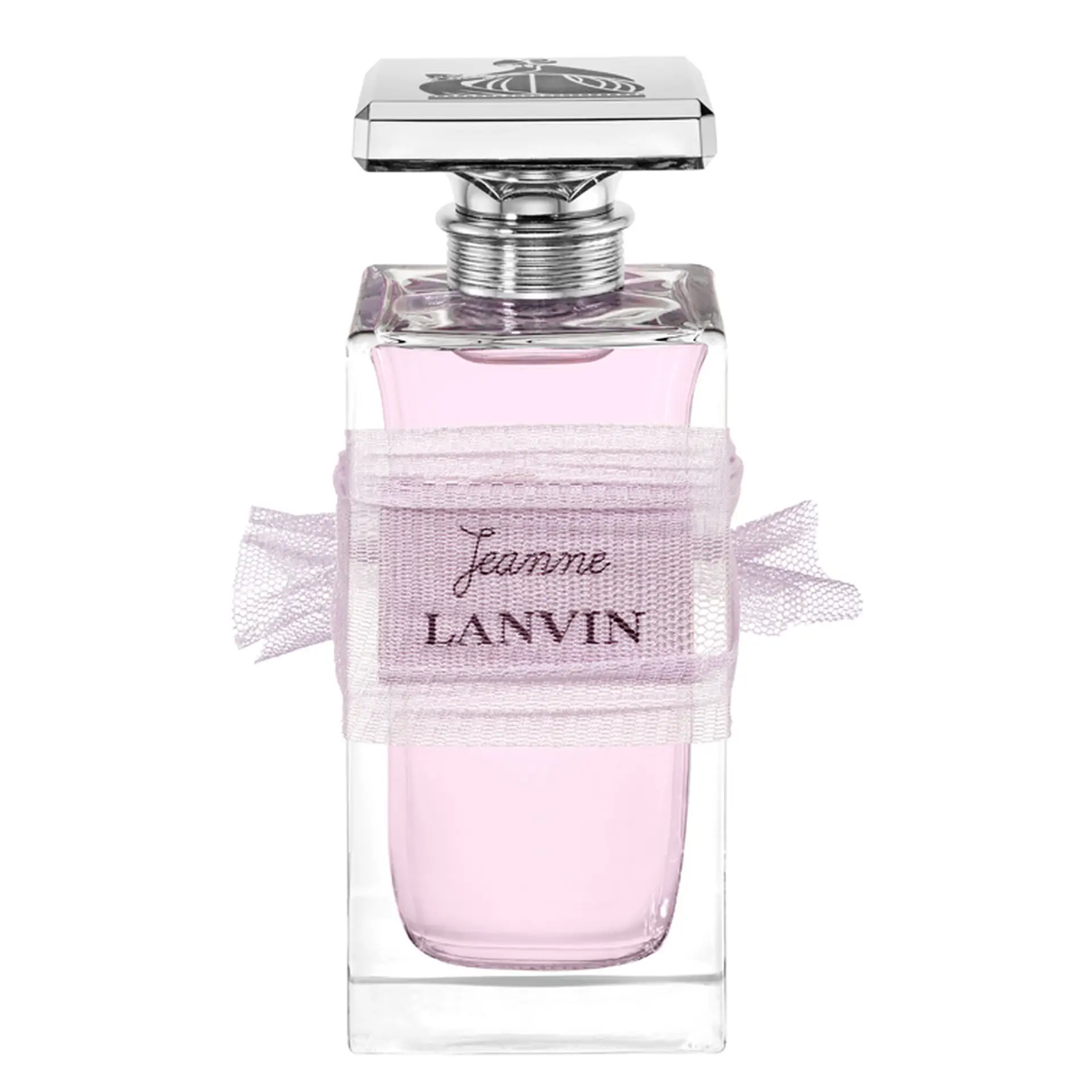
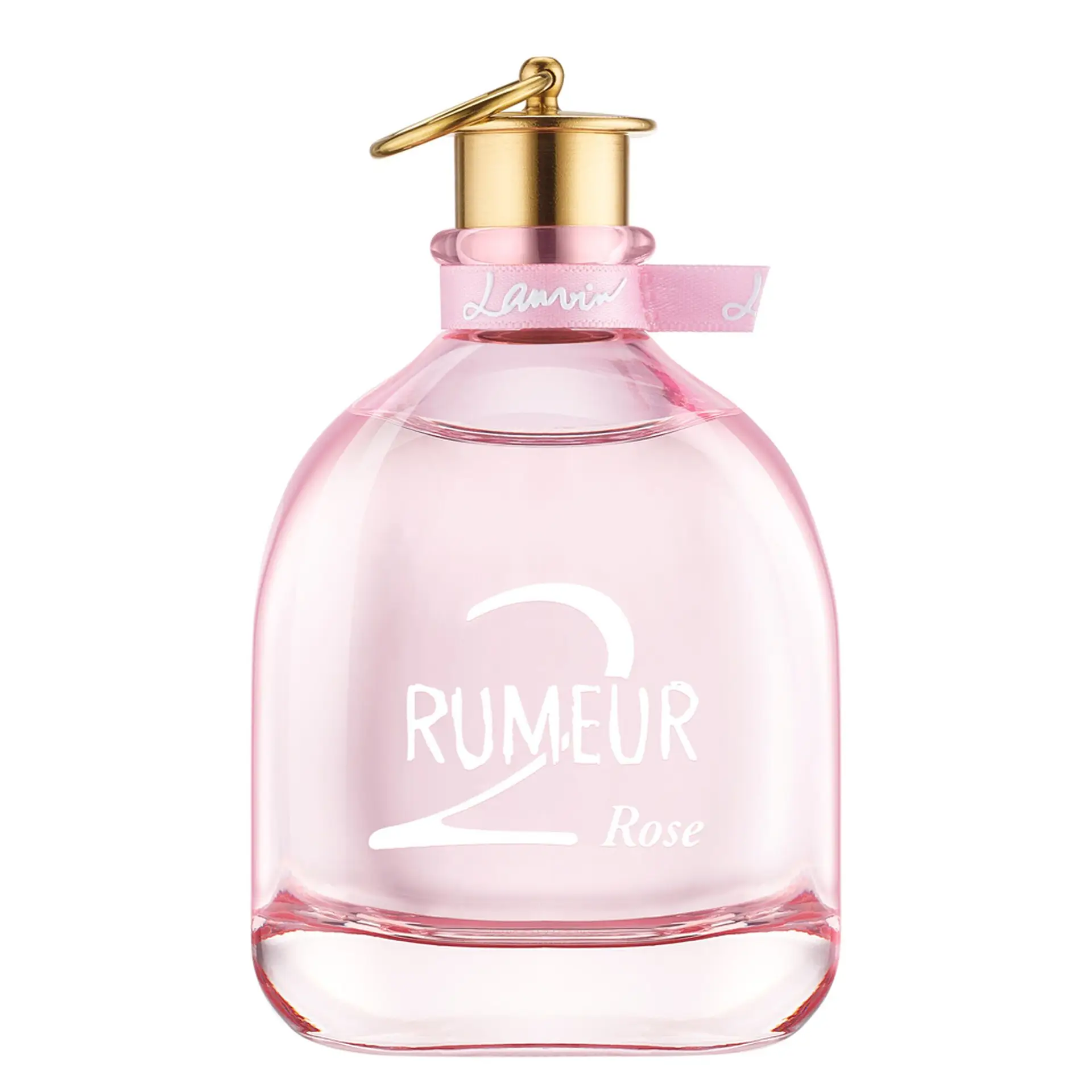

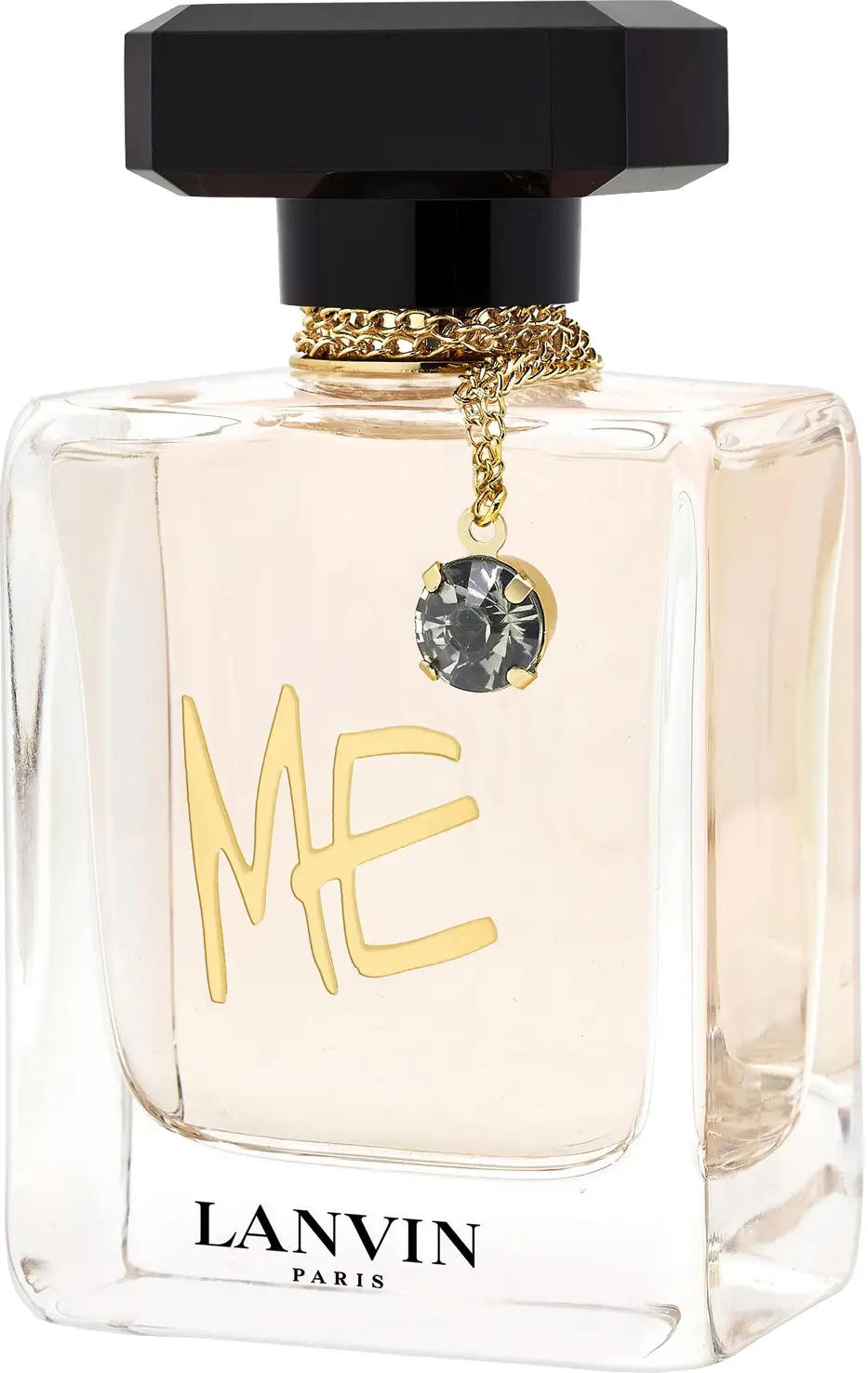
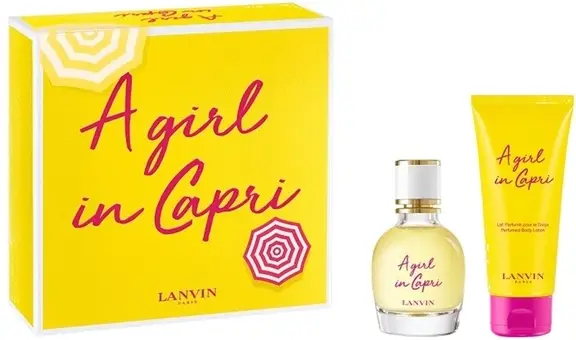
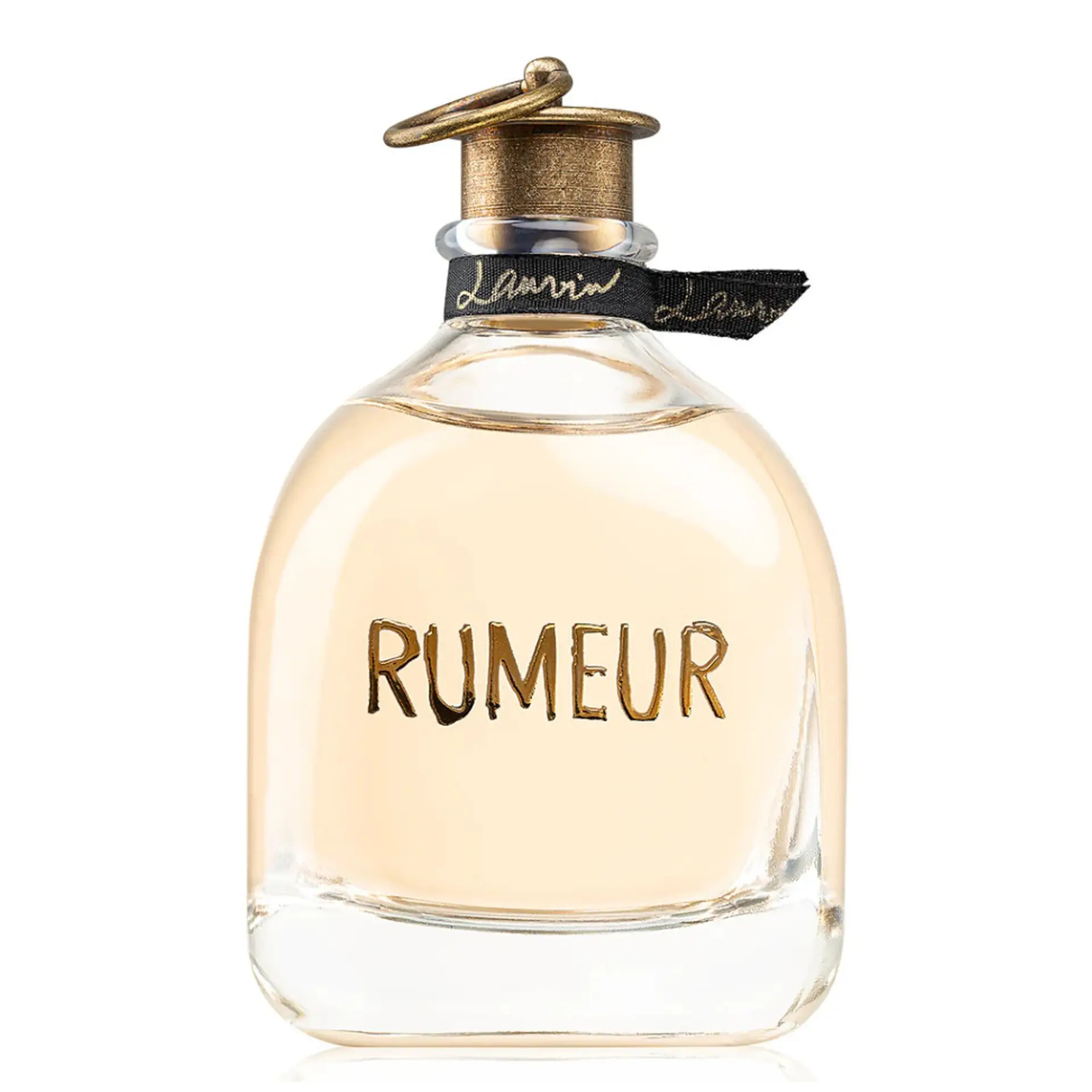
Find out more
From Couturier to Perfumer: Heritage and Modernity
When talking about Lanvin, one particularity cannot be ignored: it is the oldest French couture house still in operation. That longevity shows in its approach to perfumery, with no radical change but a constant evolution. The link between fashion heritage and fragrance is clear. Wearers expect to find the Parisian sophistication naturally associated with the brand.
Lanvin's move into perfumery dates back to the 1920s, and the brand has kept a couture approach ever since: each launch is conceived like a textile creation, with its volumes, its olfactory textures and its play of contrasts. It is less spectacular than some contemporary houses, but far more coherent.
Arpège and Its Descendants: The Brand's Floral DNA
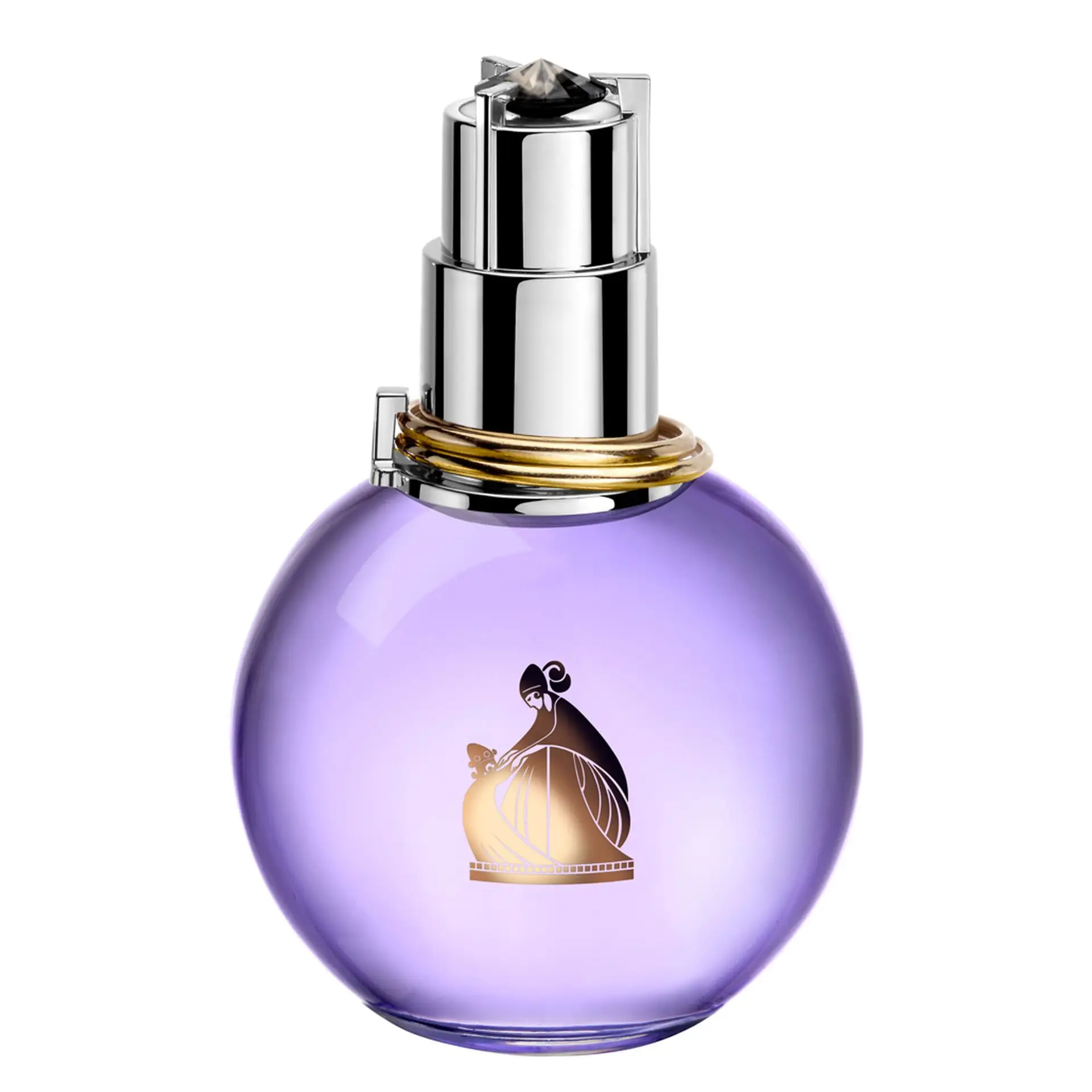
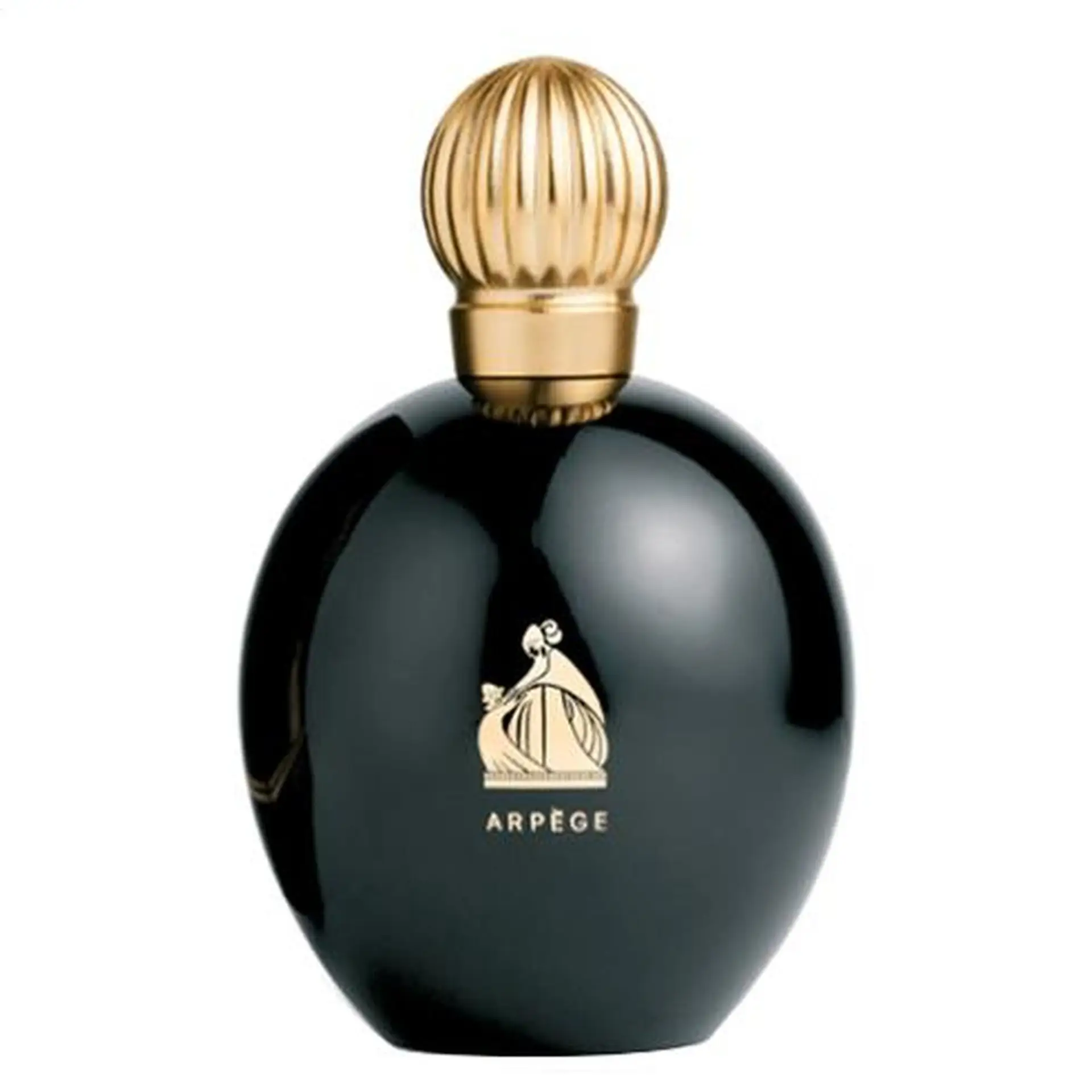
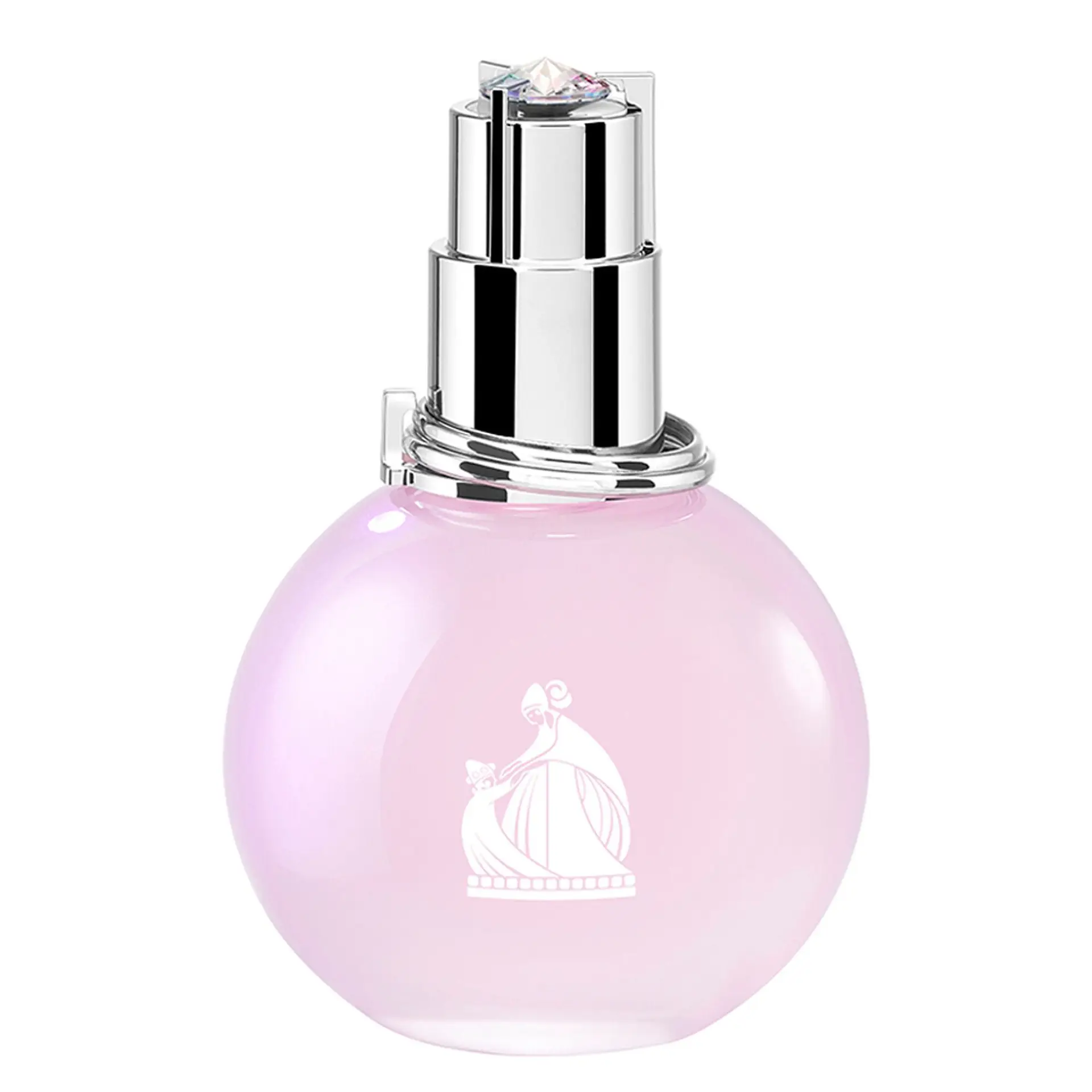
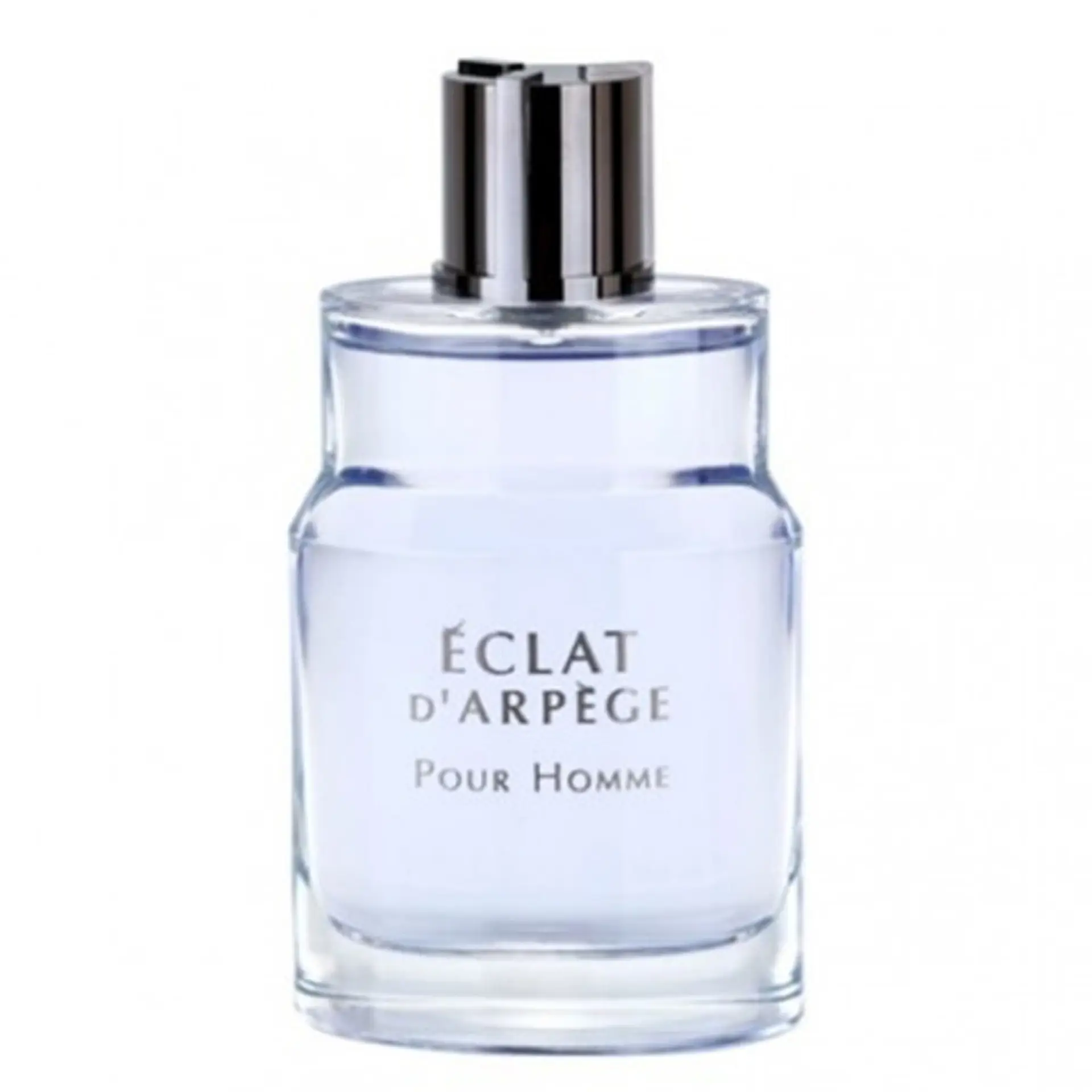
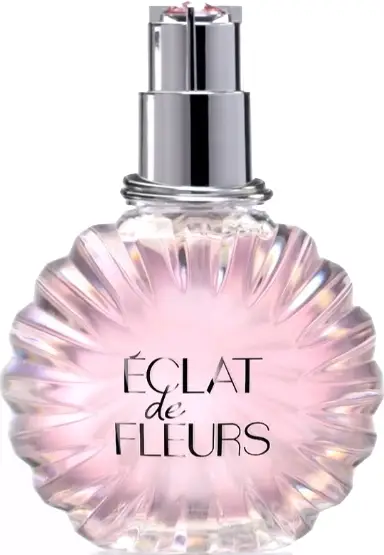
Arpège is something of the gold standard of the house, the fragrance every Lanvin enthusiast knows. Created in the 1920s, it perfectly embodies timeless French elegance. What is clever about Lanvin is how it has extended this floral DNA without ever betraying it. Eclat d'Arpège is the perfect example: fresher and more modern, yet with the same floral signature that makes the Lanvin hallmark instantly recognisable.
Arpège is recommended for big occasions, weddings or important evenings, while Eclat d'Arpège is the natural choice for everyday. The brand keeps its prestige while offering more accessible alternatives for daily wear.
L'Homme Lanvin: Masculine Elegance Without Ostentation
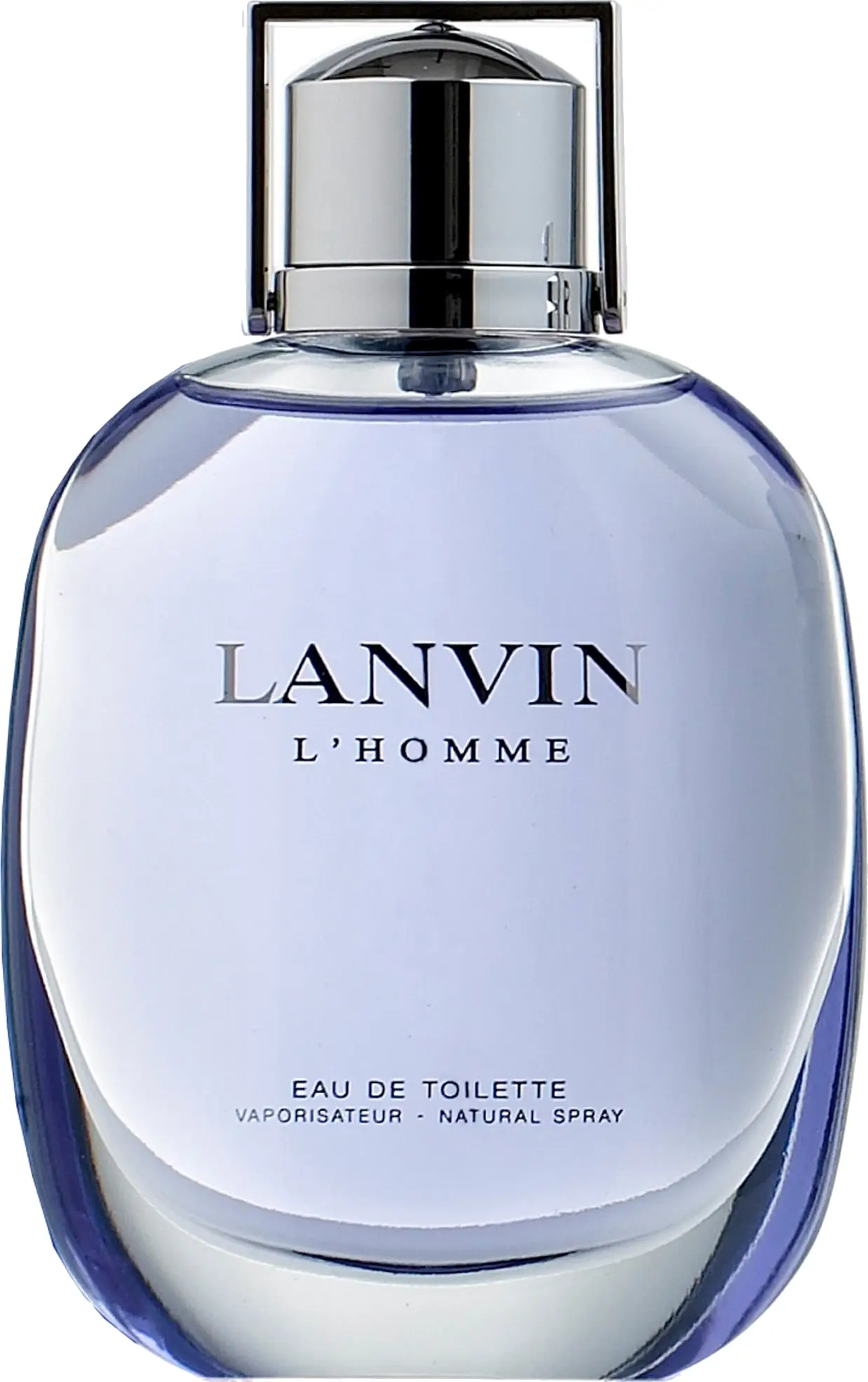
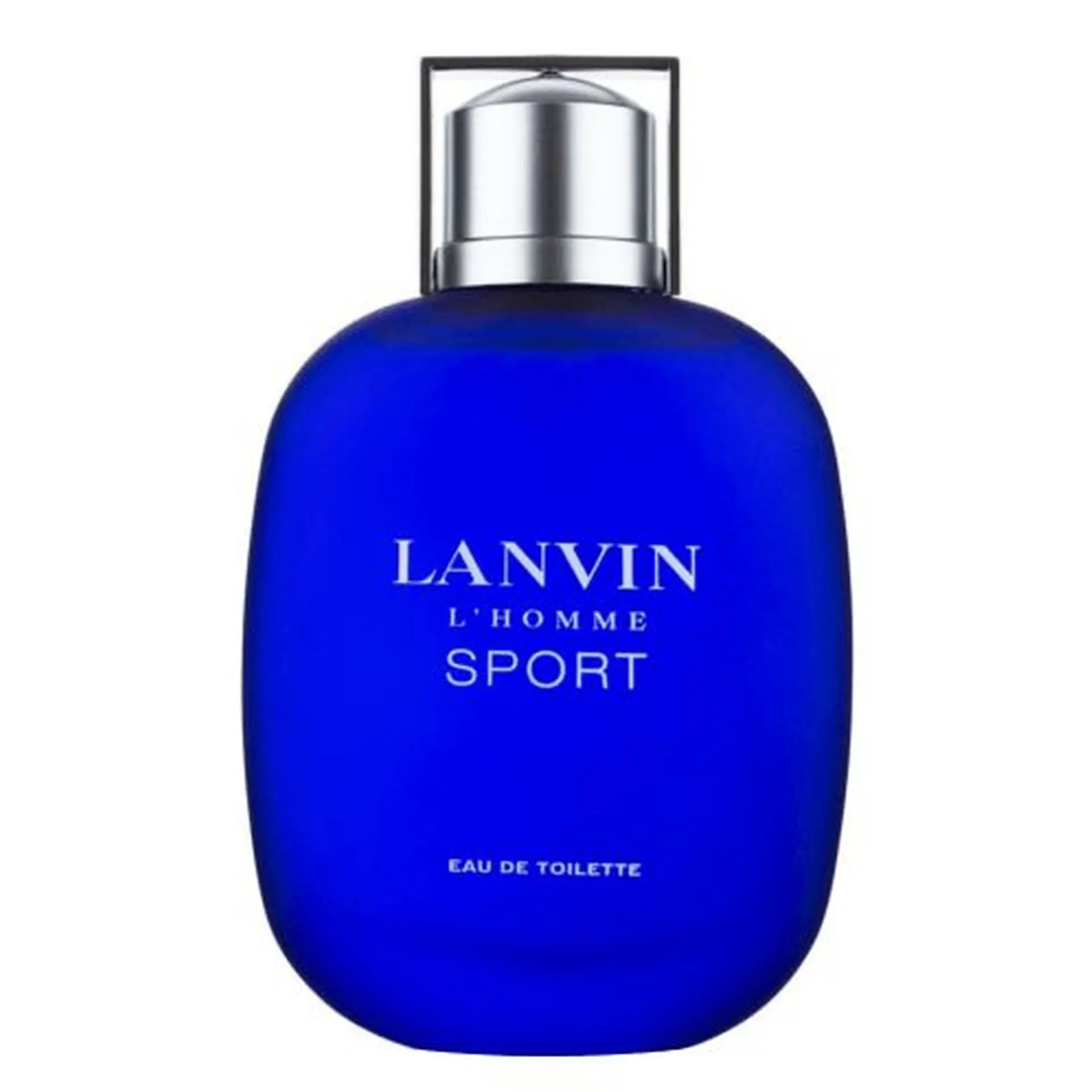
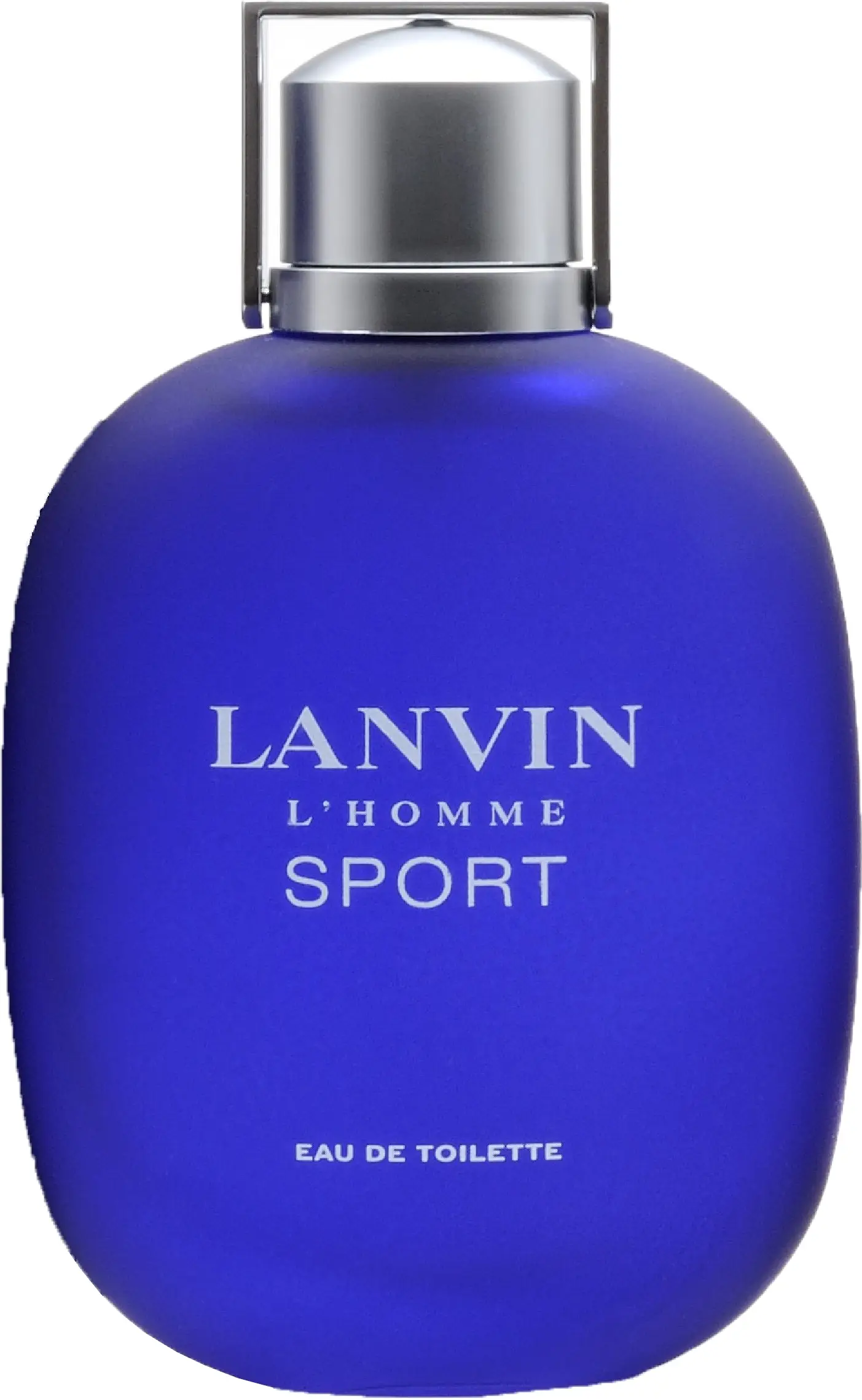
On the men's side, L'Homme and L'Homme Sport illustrate the Lanvin philosophy: elegance without overdoing it. These fragrances are aimed at those looking for something other than the usual blockbusters. L'Homme in particular plays on woody-spicy accords that do not shout their presence but leave a lasting impression. It is the kind of fragrance that is noticed in a lift, but subtly.
Lanvin's approach for men is a smart one: rather than escalating with showy names or explosive compositions, the brand relies on a discreet sophistication that fits its couture image.
Luxury Positioning: Between Accessibility and Prestige
The question often comes up: is Lanvin really a luxury brand? The answer is not so simple. In couture, it is pure Parisian luxury. In perfumery, it is more nuanced. Lanvin sits in an accessible premium segment, well above mass-market cosmetics.
It offers a way to own a piece of the Lanvin world. The fragrances keep a luxurious signature, with elegant bottles, carefully crafted compositions and evocative names. It is accessible luxury, a clever positioning that lets the brand reach a wider audience while preserving its prestige.
Frequently asked questions
Arpège is the house's historic fragrance, created in the 1920s, with a timeless floral signature that suits big occasions. Eclat d'Arpège keeps this floral DNA in a fresher, more modern version, ideal for everyday. Both share the same recognisable Lanvin hallmark, but Eclat is better suited to daily wear.
As the oldest French couture house still in operation, Lanvin brings its textile expertise to its fragrances. Each creation is conceived like a fashion piece, with its own volumes and olfactory textures. This approach favours artistic coherence over trends, giving sophisticated fragrances that evolve naturally.
For big occasions such as weddings or important evenings, Arpège is the reference choice with its timeless elegance. For everyday, Eclat d'Arpège brings Parisian sophistication in a more accessible version. Lanvin fragrances suit anyone wanting natural elegance without ostentation, with that typically French something extra.
Lanvin appeals to people who look for natural sophistication, a Parisian elegance that is never stiff. It is ideal for those who want a fragrance with character without extravagance. These fragrances offer the feeling of wearing a little piece of haute couture, with an openly modern outlook blended with French tradition.
It is the house's ability to create fragrances with character that remain within French elegance. Lanvin favours constant evolution over radical change, always keeping a coherent artistic direction. This approach gives fragrances that are less spectacular than some contemporary houses, but far more refined and timeless.