
Eye Makeup Brushes: Our Selection
Eye makeup brushes are a craft of their own, and above all a whole toolkit. We have brought together a selection so that you can find exactly what your eyelids need. No all-purpose brush that does a bit of everything and nothing well: true specialists, each with its own job. From the small blending brush that rescues a patchy transition to the flat brush that packs colour exactly where it belongs.
The complete professional toolkit
Our selection covers every technique, because a successful eye look often comes down to the right tool in the right place. Major houses such as Guerlain do not stop at beautiful eyeshadows: their brushes keep pace, with real attention to precision. At Clarins and Lancôme, you will find shapes designed to simplify the gestures, even for beginners. SISLEY focuses on extreme softness, Yves Saint Laurent on pure efficiency.
What really changes with a good eye brush is control. No more harsh lines that refuse to blend, no more eyeshadow landing haphazardly. With a suitable brush for each step (base, colour, blending, definition), makeup becomes seamless.
Our selection is there to help you find the brush that suits your technique and goals. A brush is a personal choice, and it is best made with full knowledge.
Find out more
The five types of brush that make all the difference
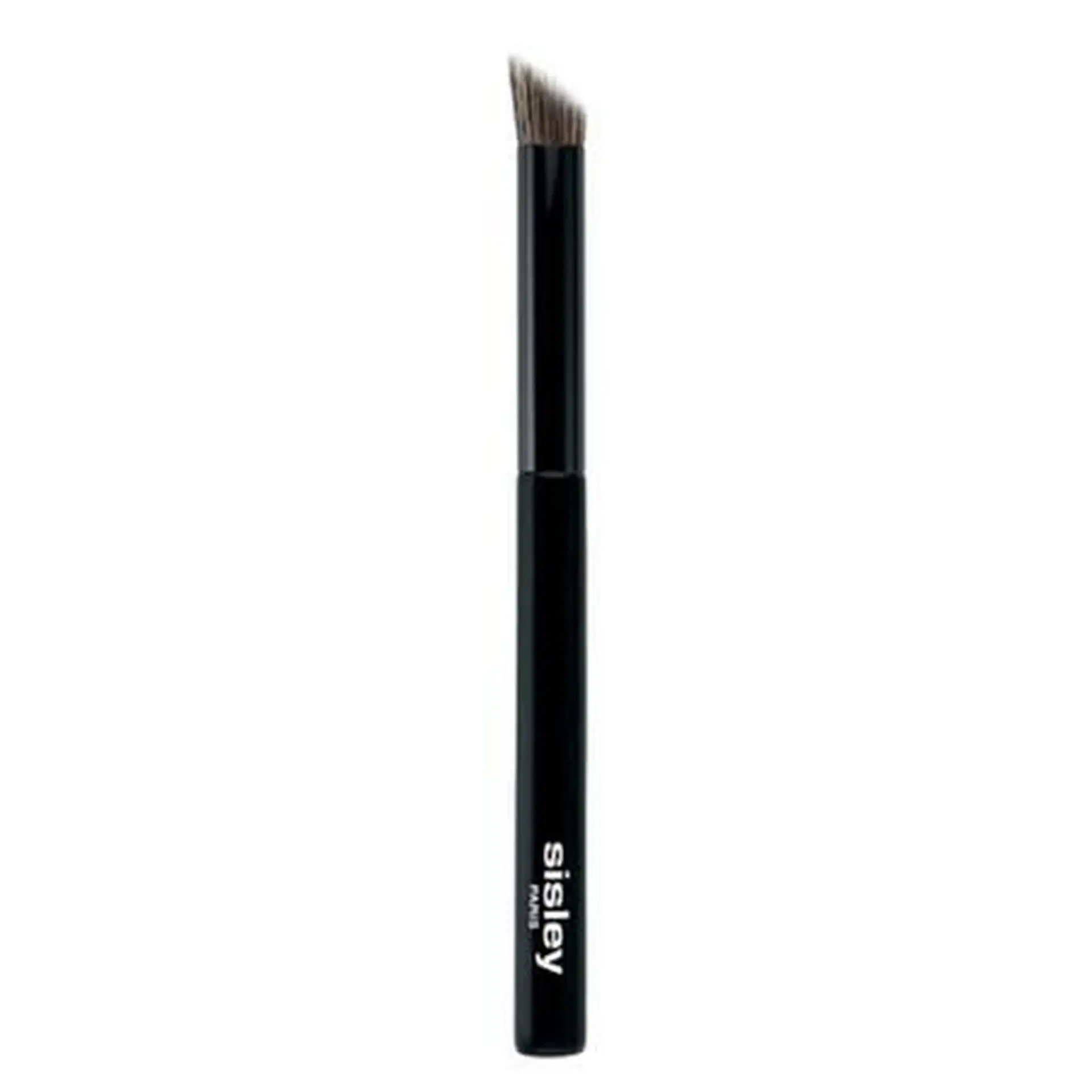
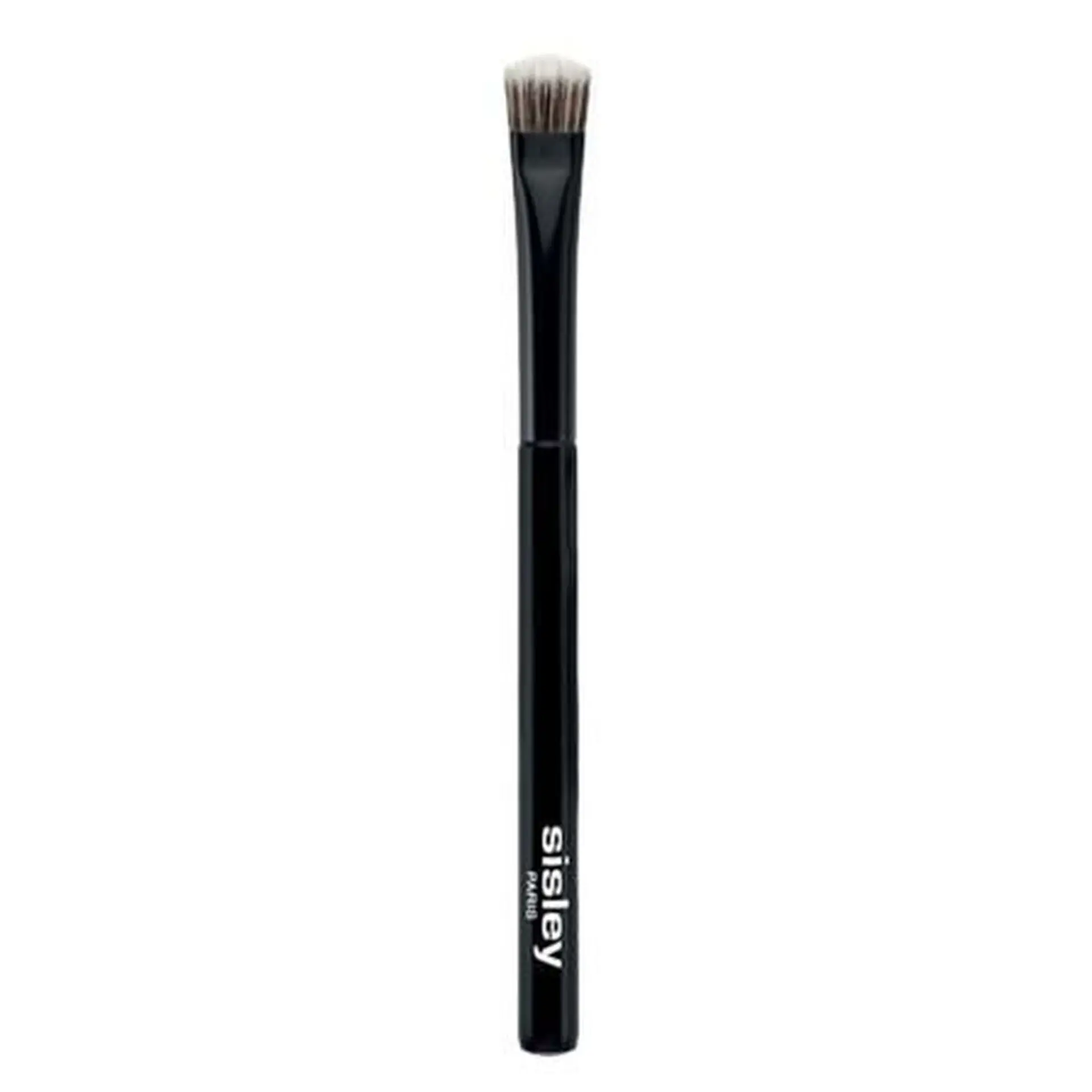
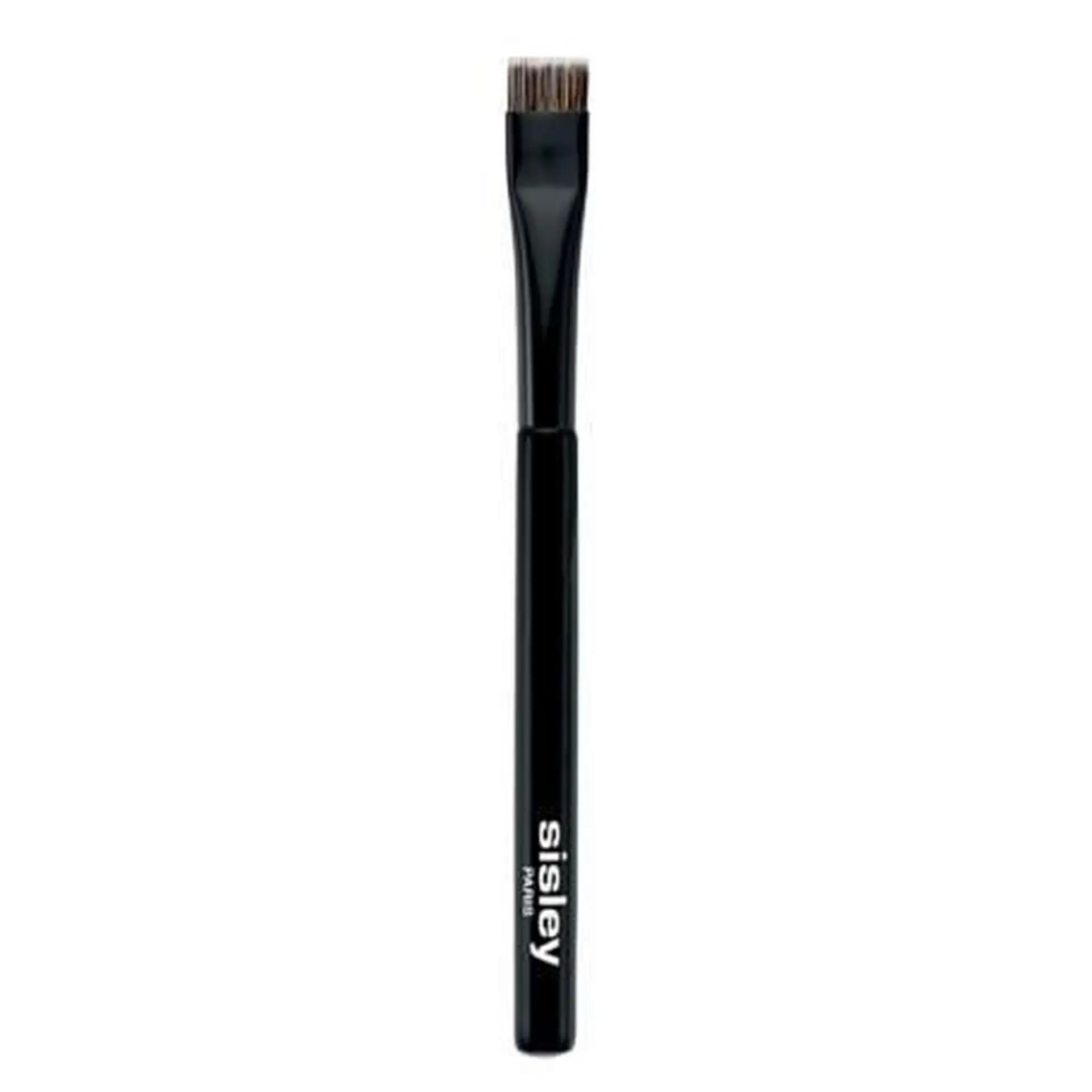
Eye makeup brushes work by specialisation. The flat brush (or shader) packs colour onto the mobile lid without spreading it everywhere. The blending brush, with its longer, airier bristles, diffuses colour and softens transitions. The small precision brush defines the lash line or the outer corner. The angled brush sculpts the brow bone. And the liner brush draws an eyeliner flick or the lower lash line.
Each shape meets a specific technical need, which is why a complete set often makes the difference between an average look and a professional finish. The logic stays the same: have the right tool for each step, and use them in order.
Natural versus synthetic fibres: the showdown
Natural or synthetic bristles for eye brushes? The answer depends on what you are applying. Natural fibres (often squirrel or sable) excel with powder textures: they pick up just the right amount of product and deposit it with unmatched softness. This is the choice of premium brands such as Guerlain or SISLEY for their blending brushes. On the other hand, they cope poorly with repeated washing and creamy textures.
Synthetic fibres, by contrast, handle everything: cream eyeshadows, bases, concealers, eyeliner. They are also more resistant to washing and more hygienic. Lancôme and Clarins often favour them, with ultra-precise shapes that natural hair cannot always achieve. A good approach is to mix the two: synthetic for wet textures and precision, natural for powders and blending. And if you had to choose only one type, a good-quality synthetic is the more versatile option.
When form follows function
For beginners, the shape of the brush guides the choice. A round, fairly full blending brush (like those in the Caron range) forgives imprecise movements and blends colours naturally. For anyone who has never tried a shaded eyelid look, it is ideal. By contrast, an angled brush demands more technique but offers pinpoint precision, perfect for defining the brow bone or intensifying the outer corner.
To draw an eyeliner line with a brush, the golden rule is firmness and fineness. A short, firm liner brush, like those from Yves Saint Laurent, allows you to control the line without wobbling. Load the brush moderately, rest your hand on your cheek for a steady support, and draw the line in small sections. The result is more natural than with a felt-tip pen, and more adjustable too. It takes a little practice, but once you get the knack, there is no going back.
Care that keeps brushes in top condition
A good eye brush deserves some pampering, especially when it is a significant investment. After each use, gently tap it on a tissue to remove excess powder. For weekly cleaning, use lukewarm water and a mild shampoo (or a specialist brush cleanser), rinse thoroughly and reshape the tip by hand. Dry flat, never standing in a glass, otherwise water seeps into the ferrule and loosens the bristles.
What ruins a brush is often neglect rather than normal wear. The difference in cost over time is considerable, and so is the difference in results: a clean brush deposits colour better, blends more easily and avoids unwanted mixing of shades. It is one of the most worthwhile beauty investments you can make.
Frequently asked questions
You need at least three different brushes to master eye makeup. Ideally, you would have the five essentials: the flat brush to pack on colour, the blending brush for transitions, the small precision brush to define, the angled brush for the brow bone and the liner brush. Each shape meets a specific technical need.
The flat brush packs colour directly onto the mobile lid without spreading it everywhere, whereas the blending brush has longer, airier bristles that diffuse colour and soften the transitions between shades. The two techniques are complementary: the flat brush to apply, the blending brush to soften and create harmonious gradients.
It really depends on what you are applying. Natural fibres such as squirrel hair excel with powder textures, which they pick up perfectly, but cope poorly with frequent washing. Synthetics handle everything, including creams, bases and eyeliner, and withstand washing better. A good approach is to mix the two according to your needs.
The logic is always the same: start with the flat brush to apply the main colour to the mobile lid, then use the blending brush to create transitions and gradients. Next comes the precision brush to define the lash line, the angled brush to sculpt the brow bone, and finally the liner brush to draw eyeliner if desired.
Each brush shape matches a specific function. The flat brush applies colour, the blending brush softens transitions, the precision brush defines the lash line, the angled brush sculpts the brow bone and the liner brush draws the eyeliner. Knowing these five types makes it easy to build up a professional set of brushes gradually.