
Grès Perfume: French Couture Elegance


Find out more
Madame Grès's legacy in contemporary perfumery
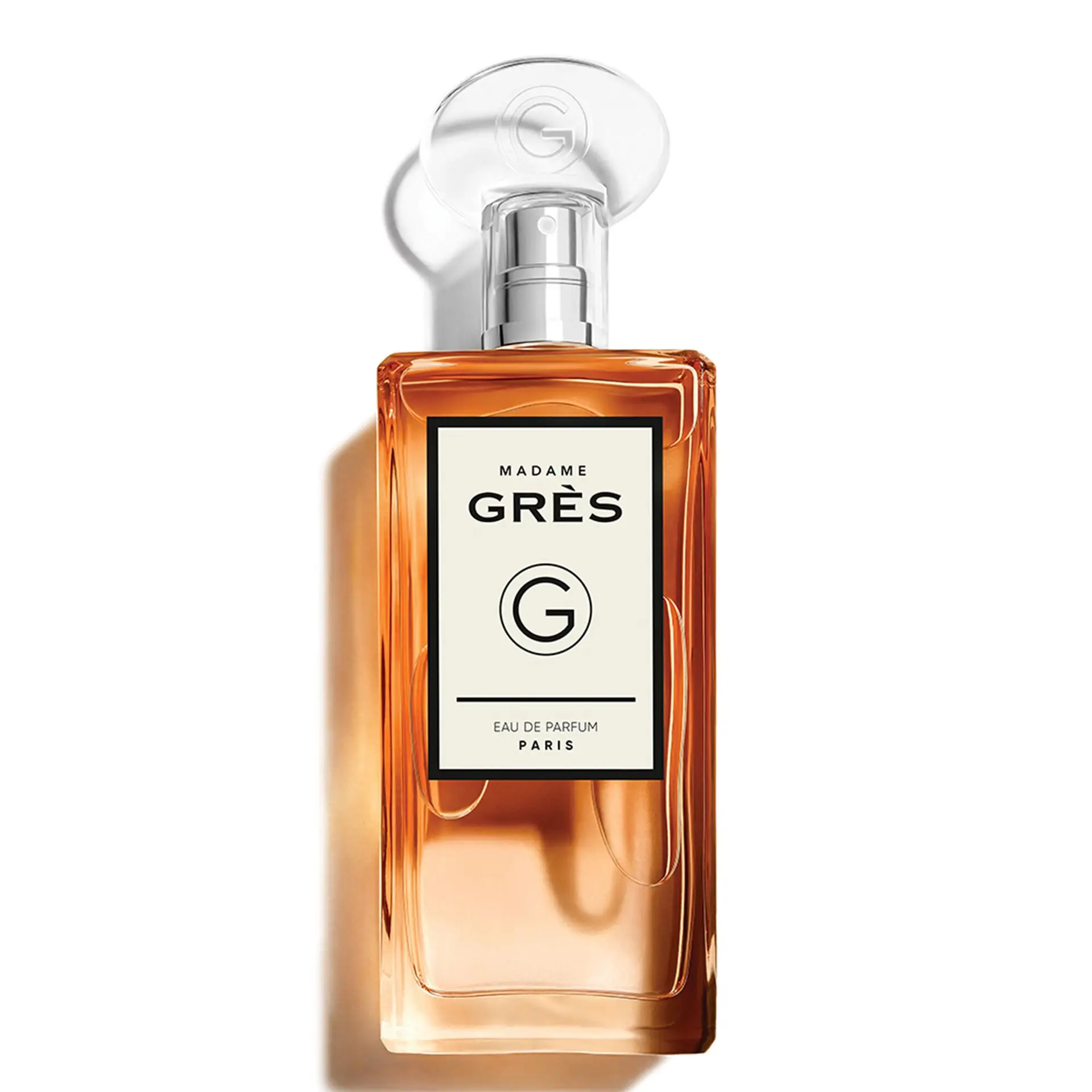
Madame Grès was nicknamed the "Phidias of couture", a reference to the ancient Greek sculptor. This passion for Hellenic statuary comes through in every fragrance created by the house. When you wear Madame Grès, the eponymous perfume launched to celebrate the founder's legacy, the aesthetic lineage is immediately clear. The floral oriental composition evokes those perfect drapes, that pursuit of pure beauty that defined the couturière's designs. This perfume appeals through its artistic dimension, a cultural reference that goes beyond simple attraction.
This sculptural approach to perfume sets Grès in a category of its own. Where other couture houses directly transpose their fashion codes, Grès chose to translate an aesthetic philosophy. The result is a coherent range in which every fragrance shares the same search for perfect harmony, the same balance between strength and grace that characterised the house's dresses. This is exactly what admirers of traditional French perfumes look for: a certain idea of beauty that never goes out of style.
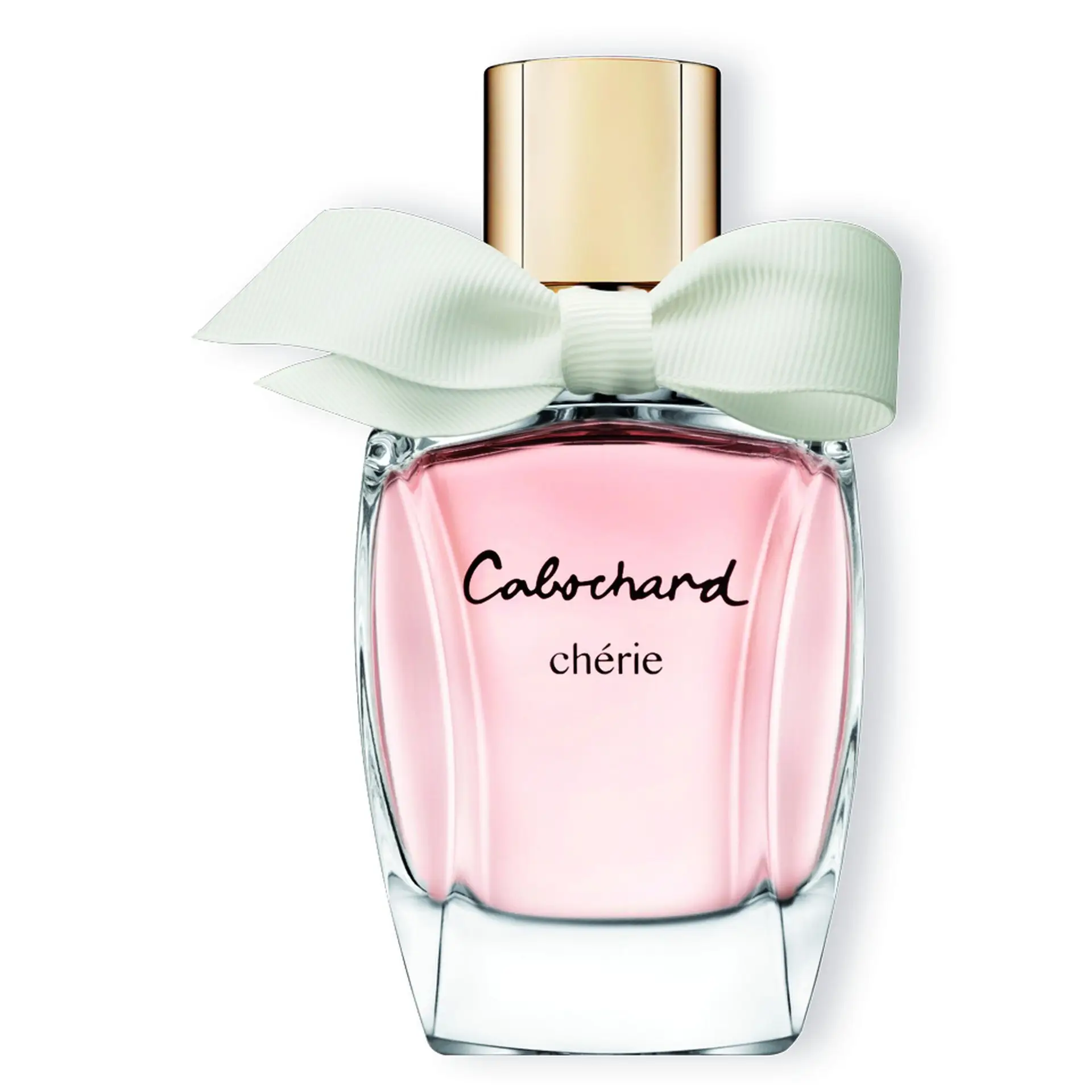
Cabochard and Cabotine: two temperaments, one standard
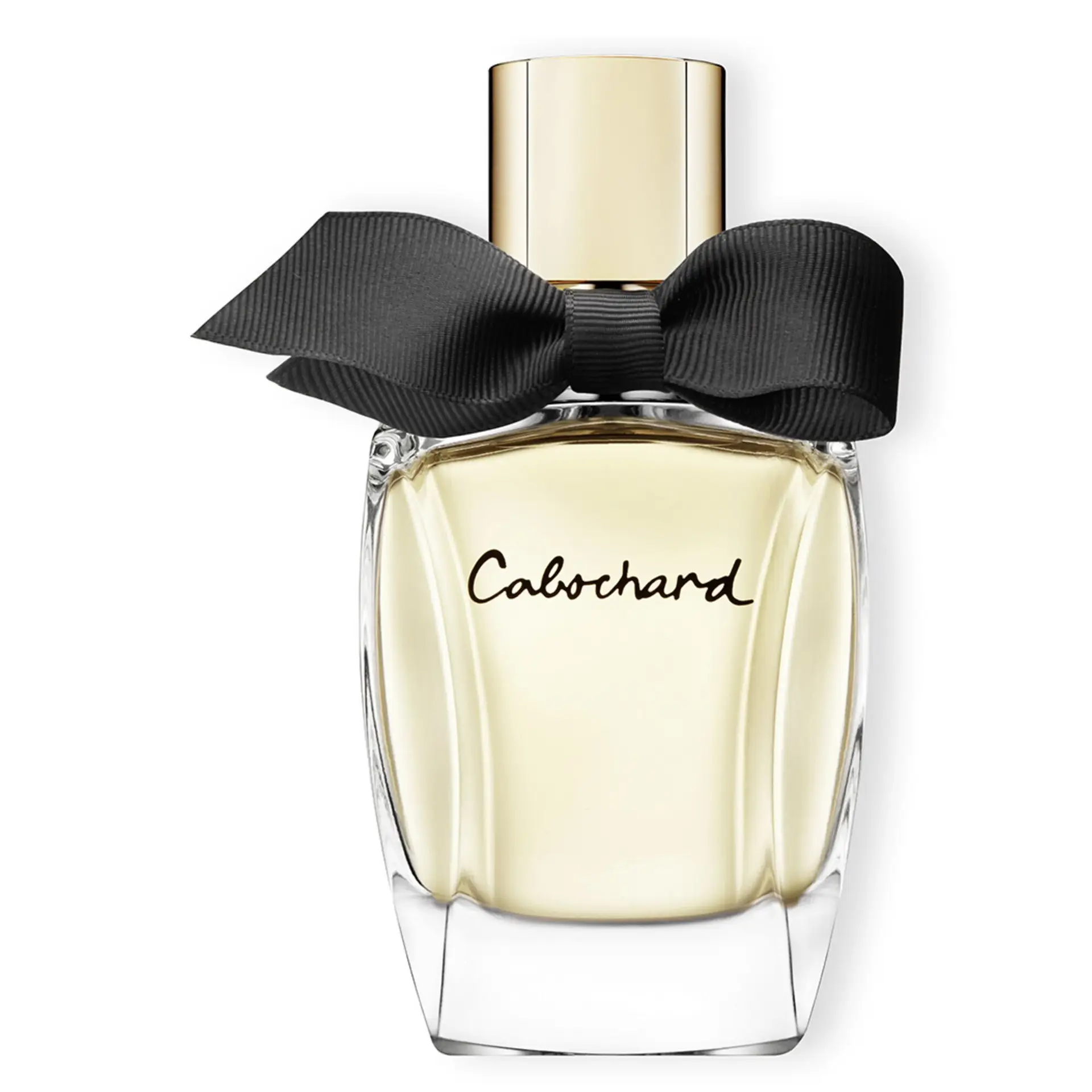
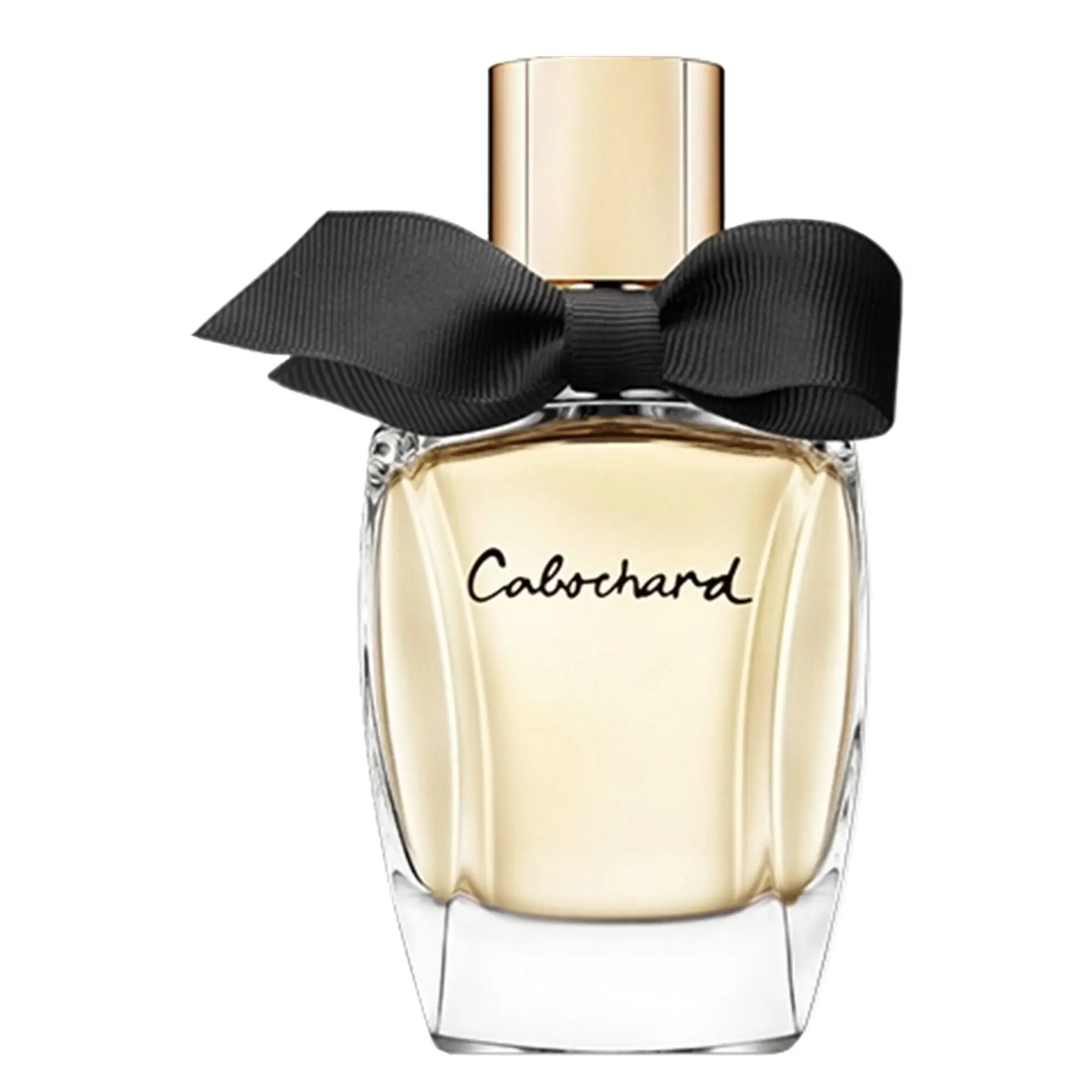
Cabochard is the most emblematic of the Grès fragrances, and also the most headstrong. This leathery chypre from the 1950s makes no concessions: you either embrace its assertive personality or walk away. Women who adopt it often wear it exclusively, as a definitive signature scent. Its distinctive leather note, almost masculine in its intensity, calls for real self-assurance. It is the perfume of women who own their temperament and have no wish to please everyone.
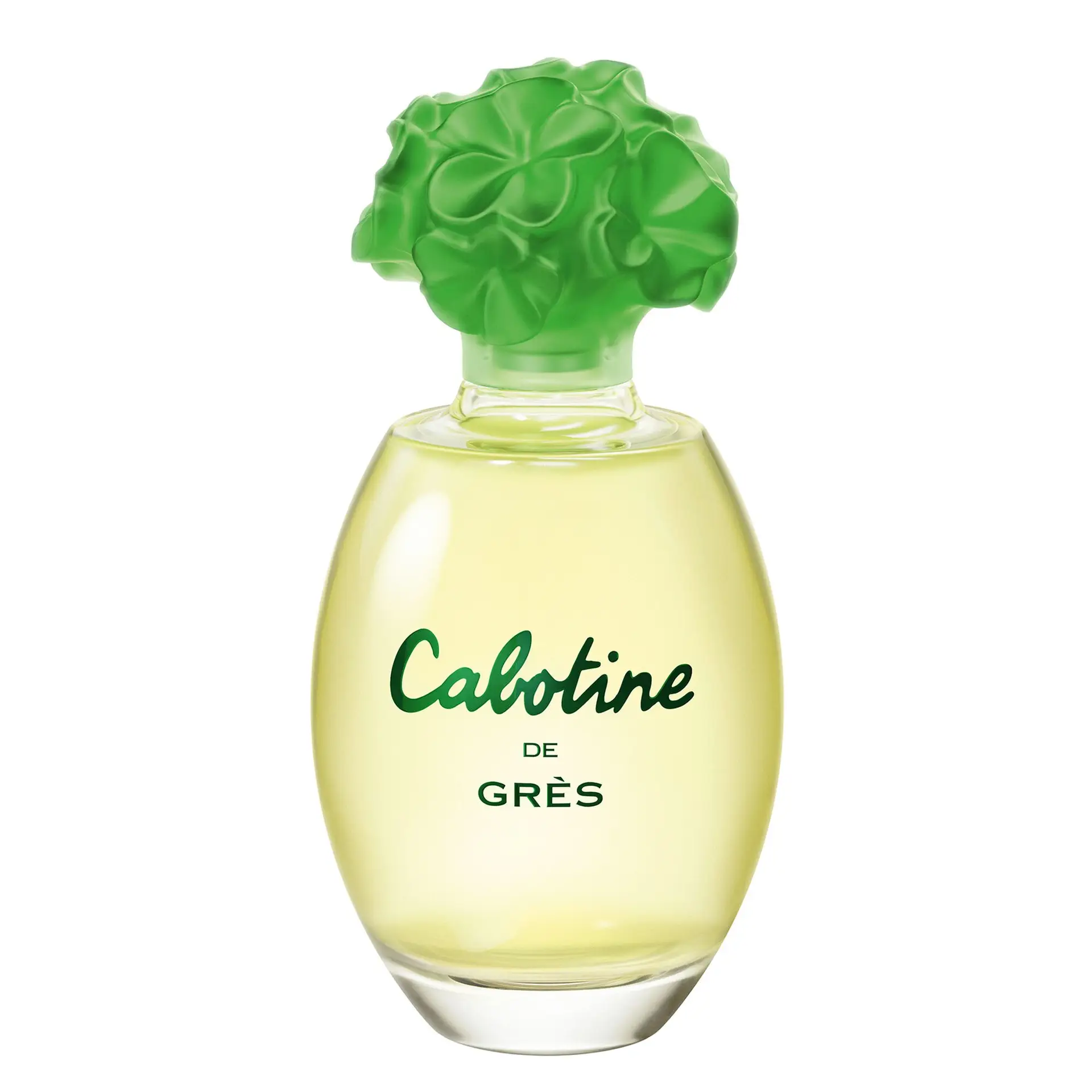
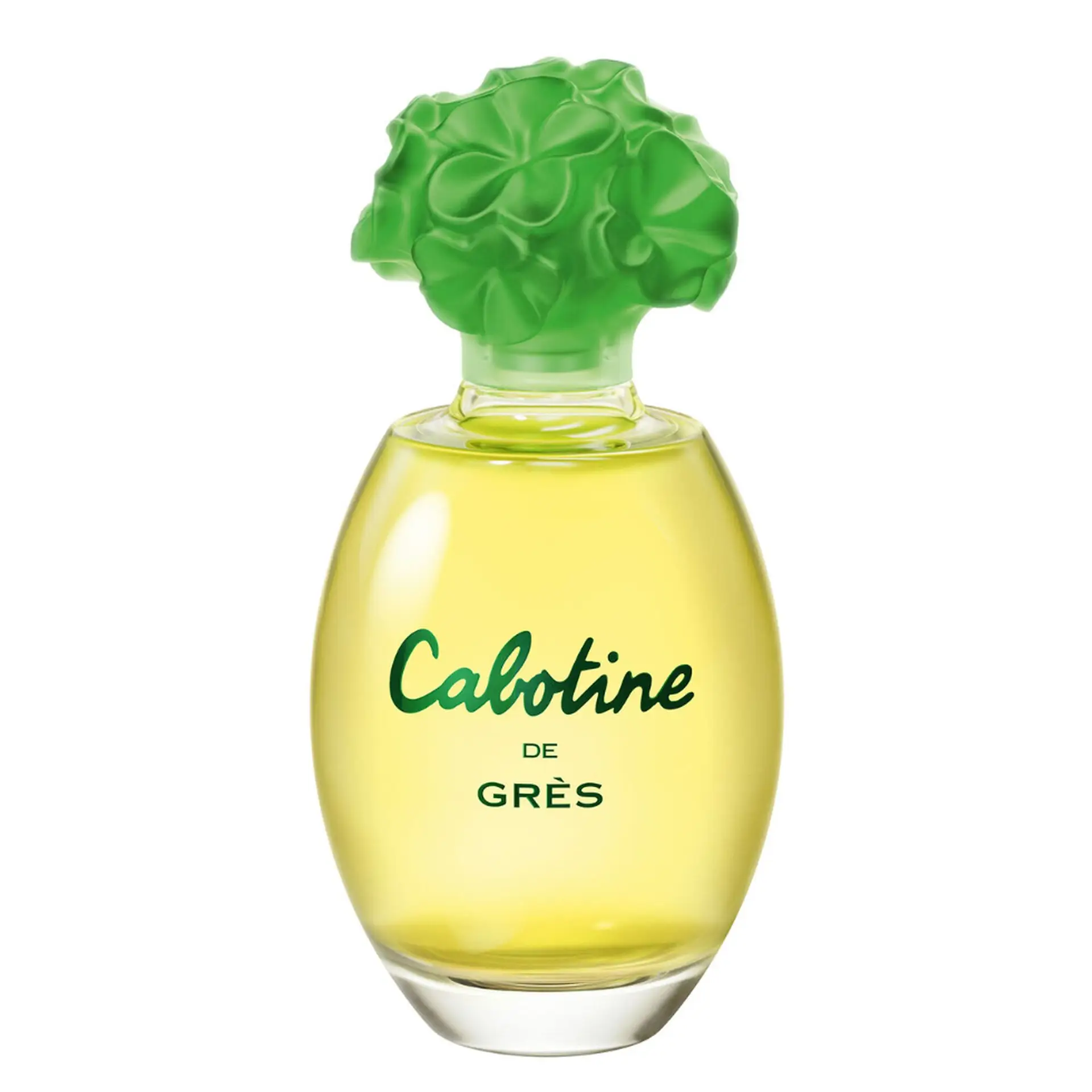
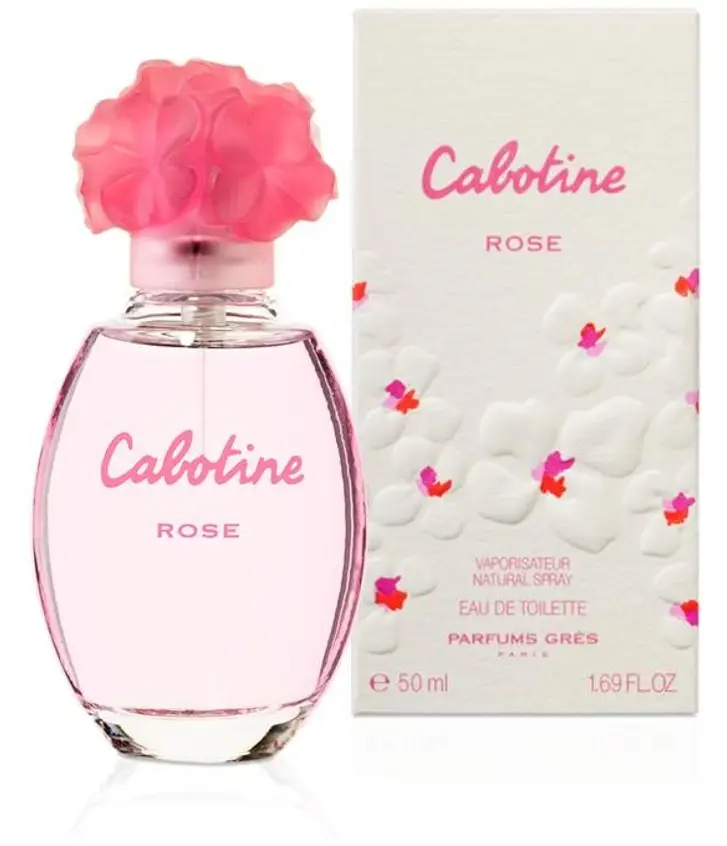
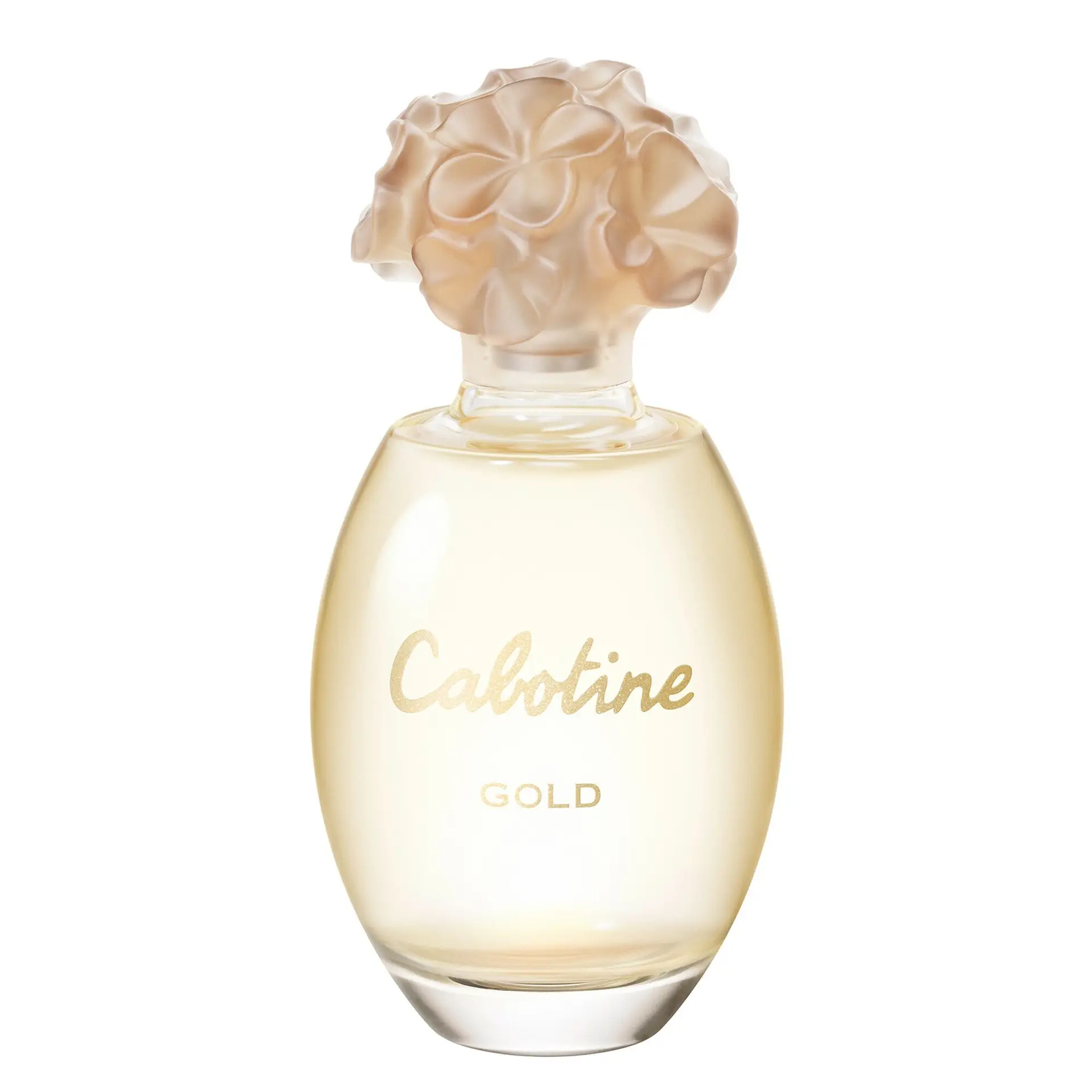
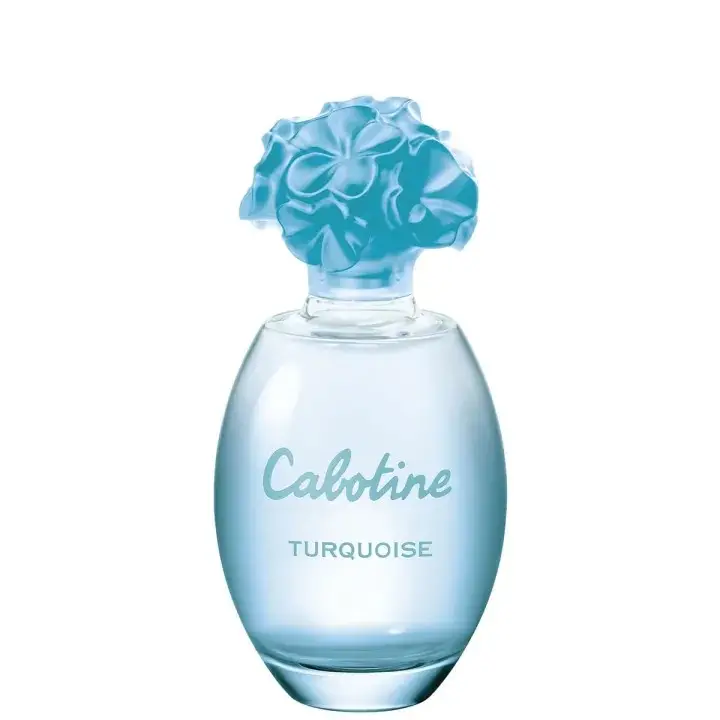
Cabotine offers a completely different register, more floral and more spontaneous, but with the same demand for quality. Launched in the 1990s, it won over a wider audience while keeping that recognisable Grès touch. Jasmine and tuberose are expressed with a freshness that avoids heaviness, which is clever and well judged. It is a natural first step for those discovering the brand, an ideal introduction before moving on to more complex compositions such as Cabochard. This Cabochard-Cabotine duality sums up the Grès philosophy rather well: offering different temperaments without ever compromising on quality.
What defines the Grès olfactive style
Grès fragrances have the particular quality of being instantly recognisable without becoming repetitive. There is a house signature, a certain way of handling raw materials that immediately evokes the brand. This very French approach to perfume, between tradition and modernity, can be found in the very construction of the compositions. The accords are clean and direct, without unnecessary flourishes, just like Madame Grès's drapes, which reached perfection through simplicity.
This aesthetic of elegant restraint explains why Grès fragrances age so well. Cabochard smells just the same today as it did twenty years ago, which is reassuring in a world where so many perfumes are reformulated to the point of losing their identity. At Grès, the house cultivates a consistency that lets loyal wearers always find their bearings. It is a rare luxury today, this fidelity to a certain French art of living that yields neither to fashion nor to purely commercial constraints.
Why Grès remains relevant today
In a contemporary fragrance landscape saturated with short-lived launches, Grès stands out as an exception. The brand offers perfumes that settle in for the long term, that accompany a woman for years rather than charming her for a single season. This approach fits current expectations of consumers who seek authenticity rather than novelty at any cost. Tried-and-tested favourites are making a strong comeback: these perfumes have proven themselves and continue to appeal.
The other asset of Grès perfume is its relative accessibility, which allows you to enjoy a piece of French savoir-vivre without overspending. Unlike certain niche houses with prohibitive pricing, Grès stays within reasonable ranges while offering quality compositions. This democratisation of French luxury matches what many fragrance lovers want: something beautiful and genuine, without ostentation. It is ultimately very consistent with the Grès spirit, that discreet but confident elegance that passes through the generations without ever going out of fashion.
Frequently asked questions
Madame Grès, whose real name was Germaine Krebs, was an exceptional French couturière nicknamed the "Phidias of couture". She mastered the art of draping and created her dresses directly on the mannequin, without a pattern, literally sculpting silk jersey. This artistic approach and pursuit of timeless beauty can be found today in every fragrance from the brand, with bottles whose clean lines reflect her sculptural aesthetic.
Cabochard and Cabotine represent two completely different temperaments. Cabochard is a leathery chypre from the 1950s with a very assertive character, featuring an intense, almost masculine leather note that divides opinion. It suits women who embrace a strong personality. Cabotine, by contrast, offers a more floral and accessible register, a gentler approach to the Grès world.
Cabochard is a very strong-willed perfume that makes no concessions. Its assertive personality and distinctive leather note call for real self-assurance. Women who adopt it often wear it exclusively and fully embrace their temperament. It is definitely a perfume for those who have no wish to please everyone and are looking for a bold signature scent.
Grès perfumes stand out for their unique sculptural approach. Rather than directly transposing fashion codes, the brand chose to translate an aesthetic philosophy inherited from Madame Grès. Each fragrance shares this search for perfect harmony and the balance between strength and grace that characterised the house's dresses. This artistic and cultural dimension goes beyond simple attraction.
Yes, the Madame Grès perfume was created specifically to celebrate the founder's legacy. Its floral oriental composition evokes those perfect drapes and the pursuit of pure beauty that defined the couturière's designs. It appeals through its artistic dimension and its cultural reference to ancient Greek aesthetics.