
Powder Brushes: Your Guide to a Flawless Complexion
The powder brush is the finishing step that makes all the difference in a successful complexion routine. Whether you want to set your foundation, mattify your T-zone or sculpt your cheekbones, the right brush determines the quality of the finish, and the best approach is to try different tools on your own skin.
Powder Brushes from Leading Beauty Houses
Our selection brings together creations from Guerlain, Lancôme, Clarins, Clinique, SISLEY, Yves Saint Laurent and Caron. Each brand has its own vision of the ideal brush: some favour the absolute softness of natural bristles, while others rely on the performance of synthetic fibres.
A powder brush is never a casual purchase; it is an investment in your daily beauty routine. The difference between a flawless application and a disappointing result often comes down to the quality of the bristles, the shape of the head and the balance of the handle.
Loose or pressed powder, light application or buildable coverage, each technique calls for its own tool. That is exactly why this selection exists: to help you find your way around this technical world and choose the right brush with confidence.
Our Powder Products
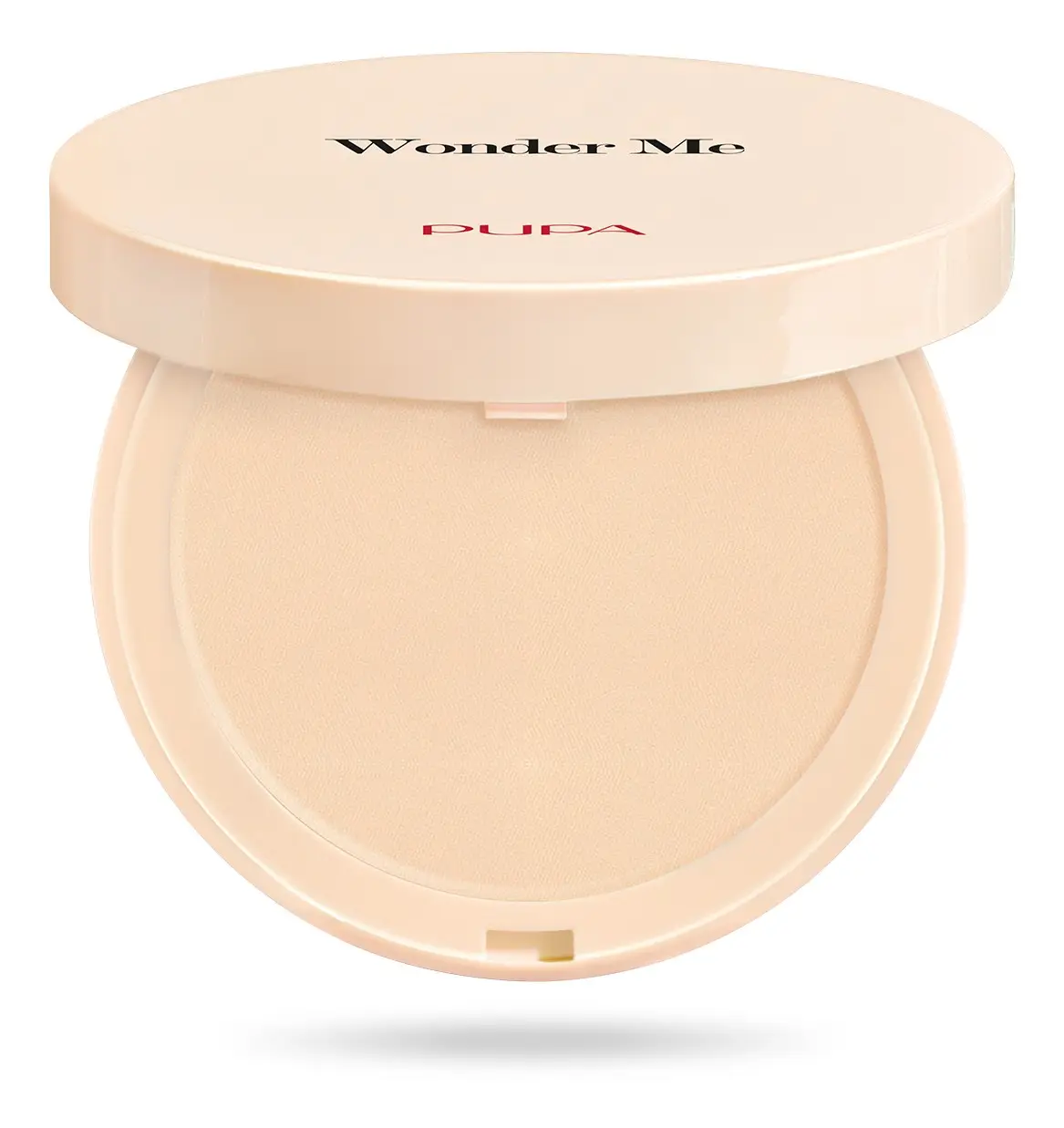
8 products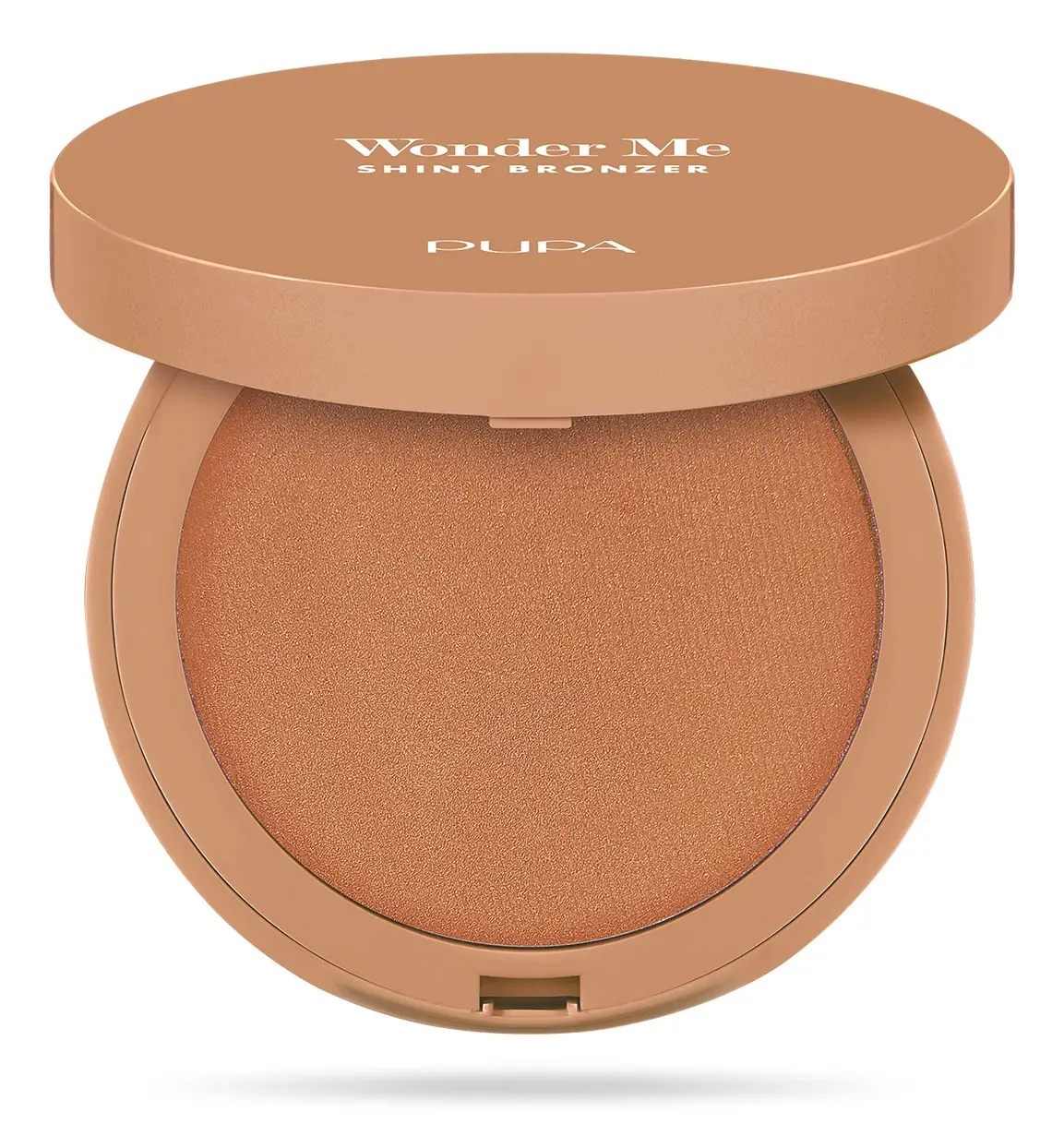
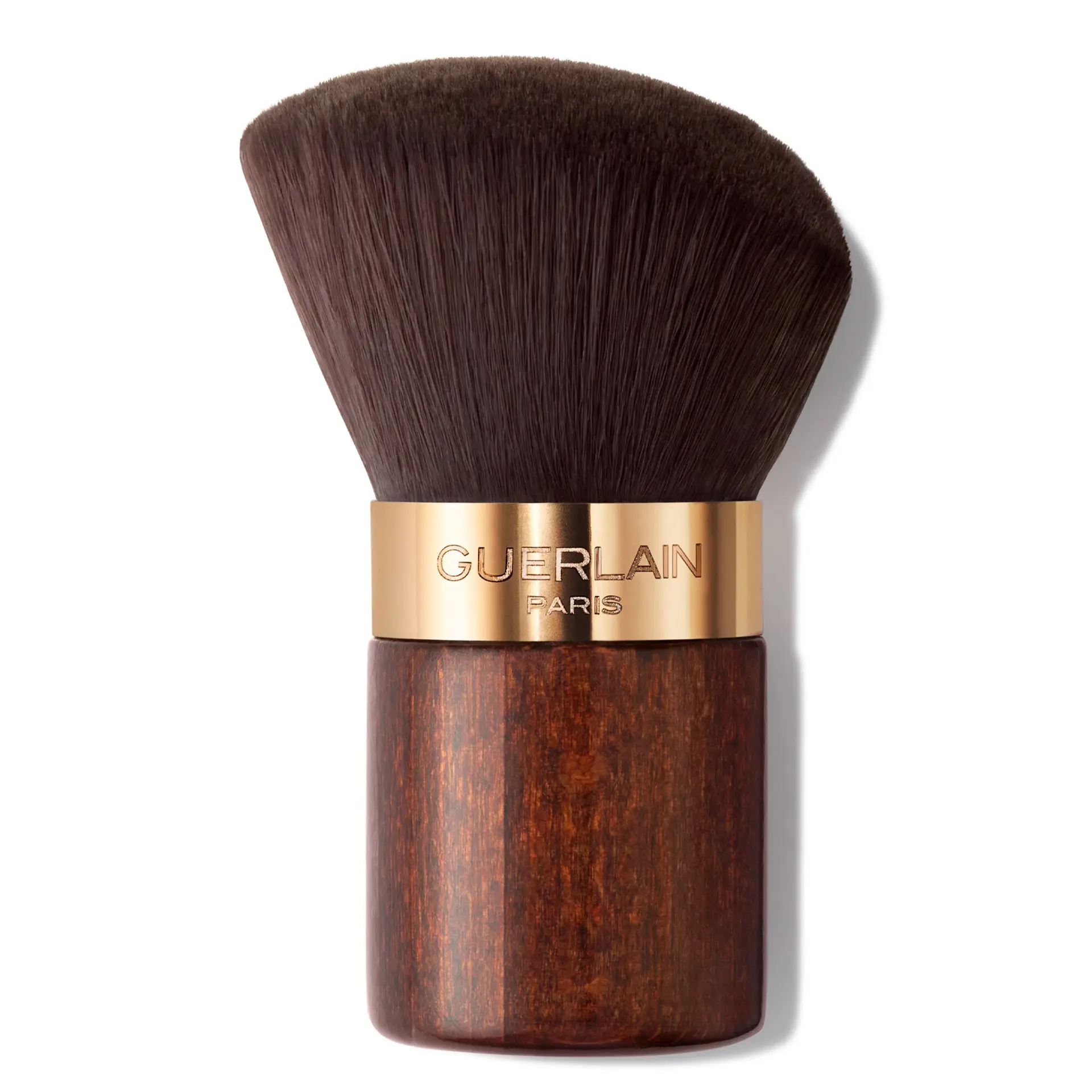
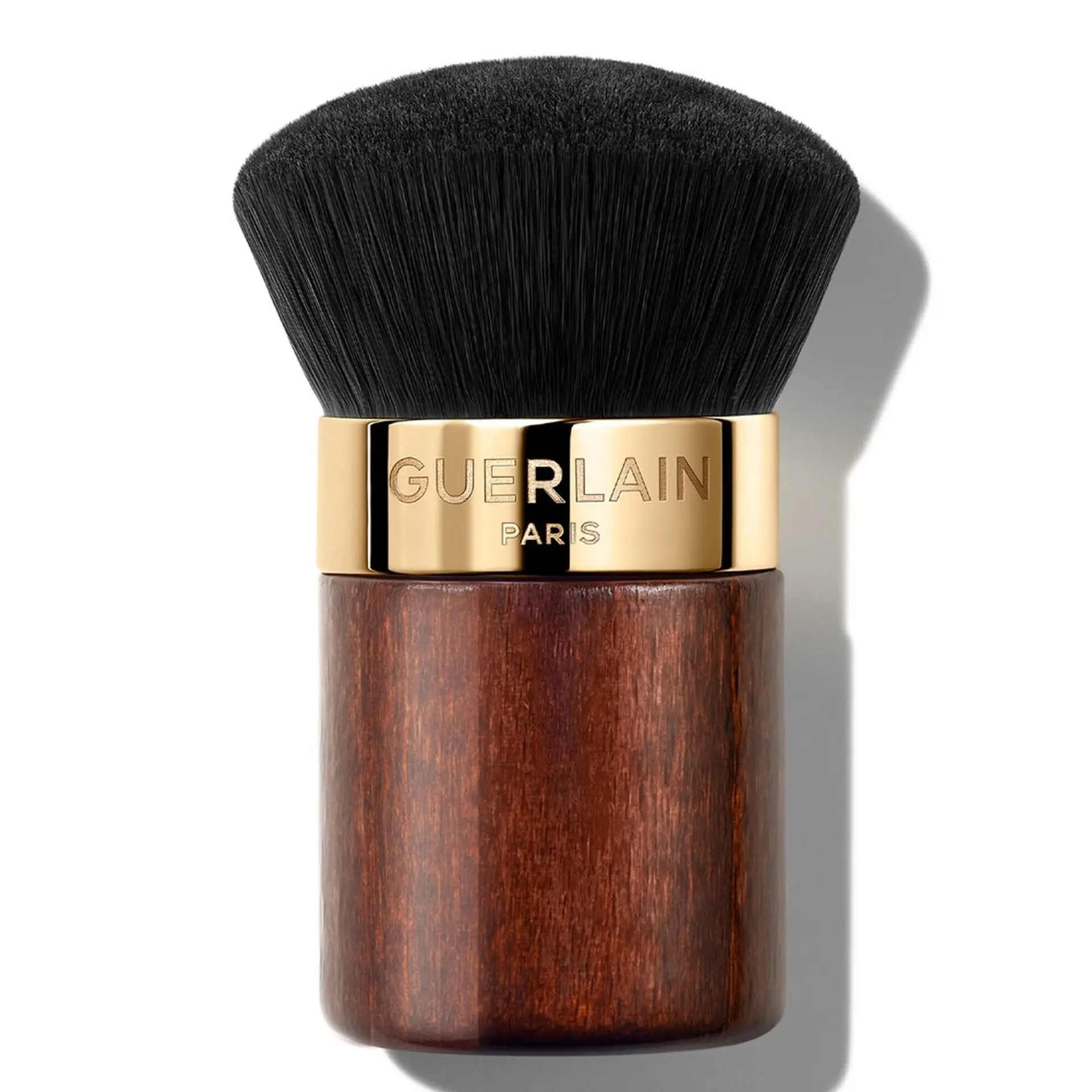
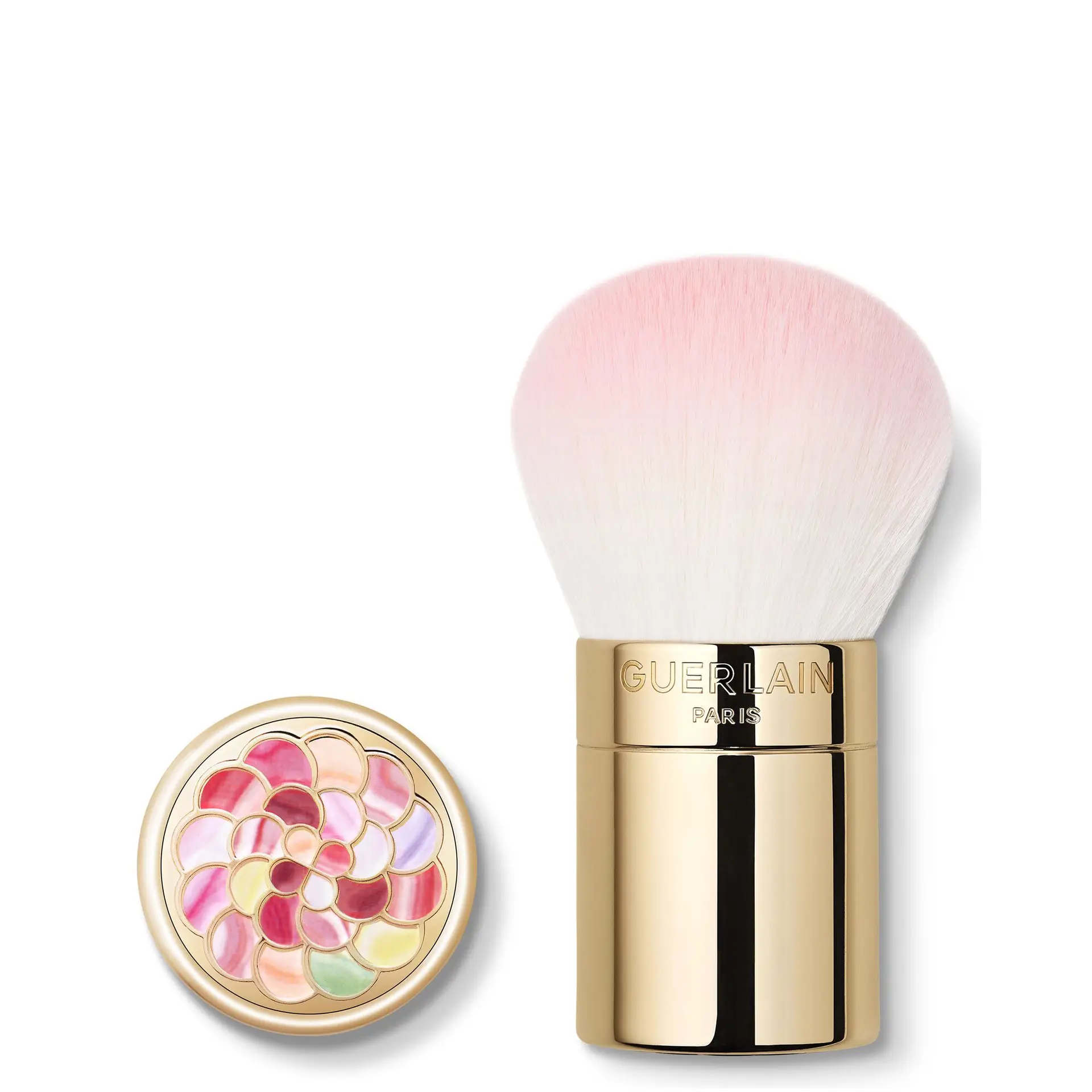
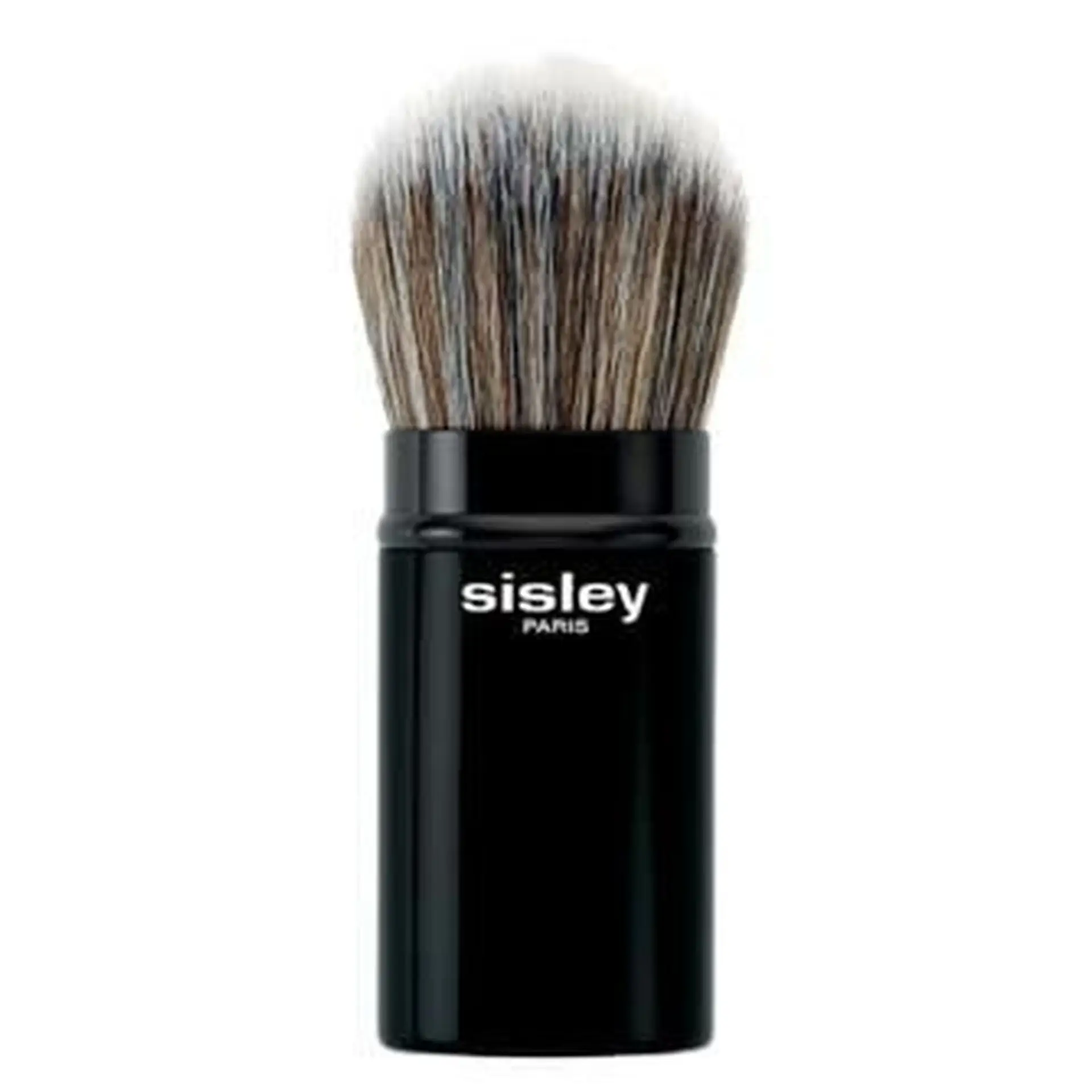
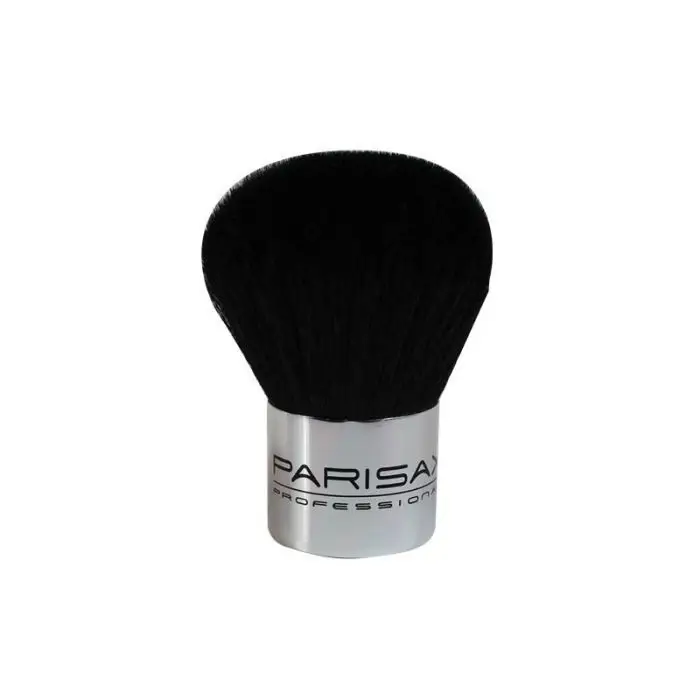
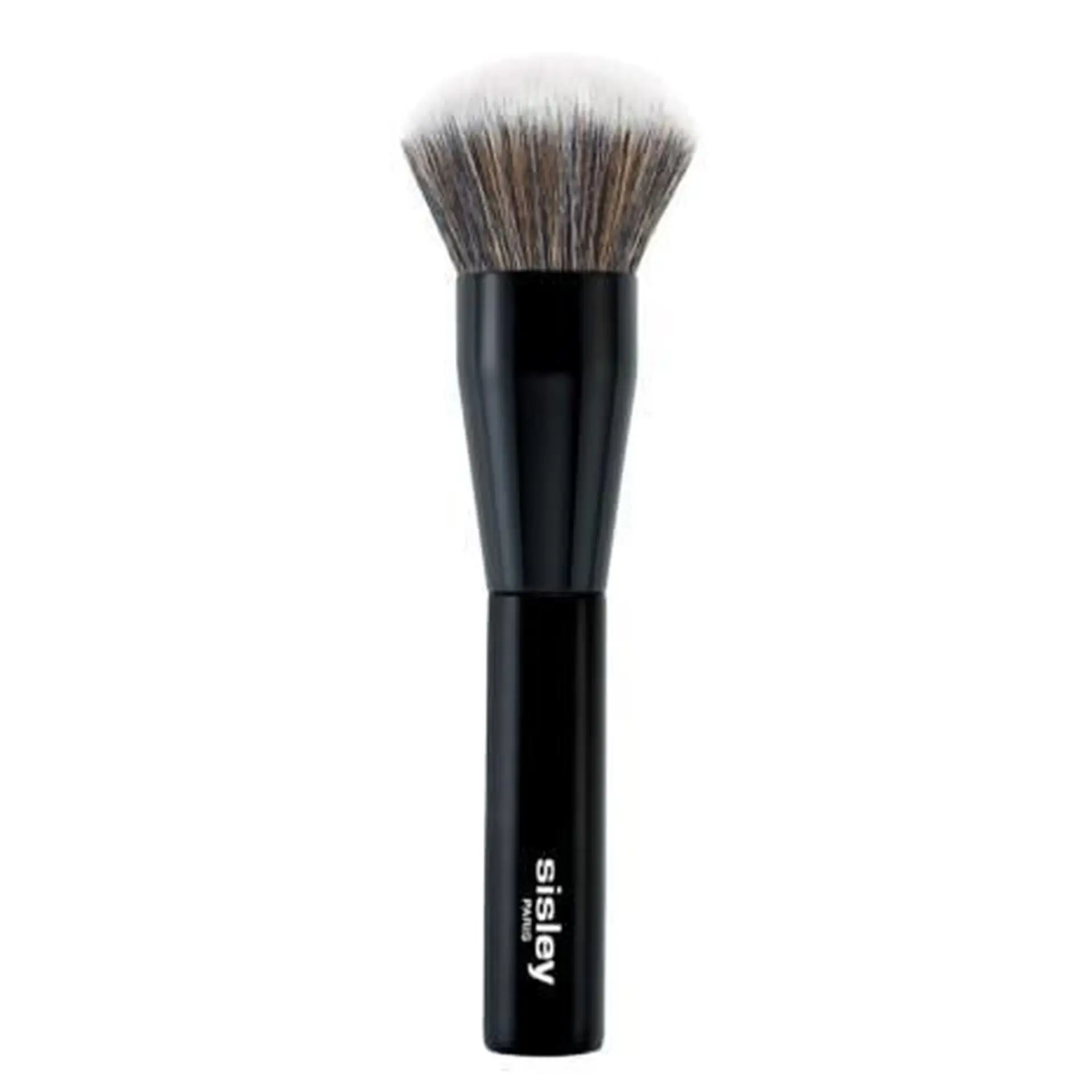
Find out more
Loose or Pressed Powder: Matching Your Brush to the Texture
One question comes up again and again: should you change brush depending on whether you use loose or pressed powder? Absolutely. A brush for loose powder needs to be larger, with long, soft bristles that pick up just the right amount of product without overloading. Kabuki brushes and large domed brushes excel here, as their natural bristles or the best synthetic fibres distribute the powder evenly over the whole face. For pressed powder, denser and often smaller brushes are preferable, allowing you to work area by area with precision. Firmer bristles pick up compact product better and deposit it exactly where it is needed.
Using the same brush for everything is a classic mistake: either loose powder creates a cloud of product everywhere except on the face, or pressed powder does not transfer enough.
The Technical Criteria That Make All the Difference
The shape of the brush head determines its best use: domed for a diffuse application over the whole face, flat and tapered for targeted touch-ups, angled for sculpting and defining. The difference between rounded and geometric shapes is felt immediately in use, so it is worth handling brushes before choosing to find the one that feels naturally right.
Natural bristles (goat, squirrel, sable) offer incomparable softness and ideal product pick-up for loose powders, but they require careful maintenance. Modern synthetic fibres, such as those developed by Lancôme or Clinique, stand up better to frequent washing and suit sensitive skin perfectly. The handle also plays its part: too short, and it makes sweeping movements awkward; too long, and it loses precision. The ideal length is generally between 16 and 20 cm, depending on your build and the way you move your hand.
Application Techniques for Your Complexion Goal
To set foundation without disturbing it, the "pressing" technique works better than traditional circular movements. Load the brush lightly, tap off the excess, then press gently onto the areas to be set: forehead, nose and chin. This method preserves the base while adding the necessary matte finish. When the aim is to mattify without foundation underneath, circular movements come back into their own, working from the centre of the face outwards for a natural finish.
Sculpting the face with powder calls for a different approach: an angled brush loaded moderately, swept along the natural areas of shadow (beneath the cheekbones, sides of the nose, temples). The trick is to always blend immediately afterwards with a clean brush or a slightly damp sponge. This step avoids harsh lines that give away artificial-looking make-up. Mastering these techniques makes it possible to achieve professional-looking results.
Caring for Your Brushes and Making Them Last
A quality brush can last for years if it is properly looked after. Washing weekly in lukewarm water with a mild shampoo preserves the softness of the bristles and prevents the build-up of residue that affects performance. Between full washes, a specialist brush cleansing spray used after each session keeps brushes hygienic without being harsh on the fibres. Synthetic brushes tolerate more frequent washing and dry faster than natural bristles.
Drying largely determines how long a brush lasts: always lay it flat, never stand it upright in a pot, which would deform the bristles as they dry. Brands such as SISLEY and Yves Saint Laurent often provide care guidelines specific to their brushes, and these recommendations reflect the technical characteristics of each tool. Damaged brushes after only a few months are generally the result of poor drying or overly harsh cleaning. Investing in good tools also means learning how to look after them.