
Serge Lutens Perfume: French Olfactory Excellence




Find out more
The legacy of a photographer turned perfumer
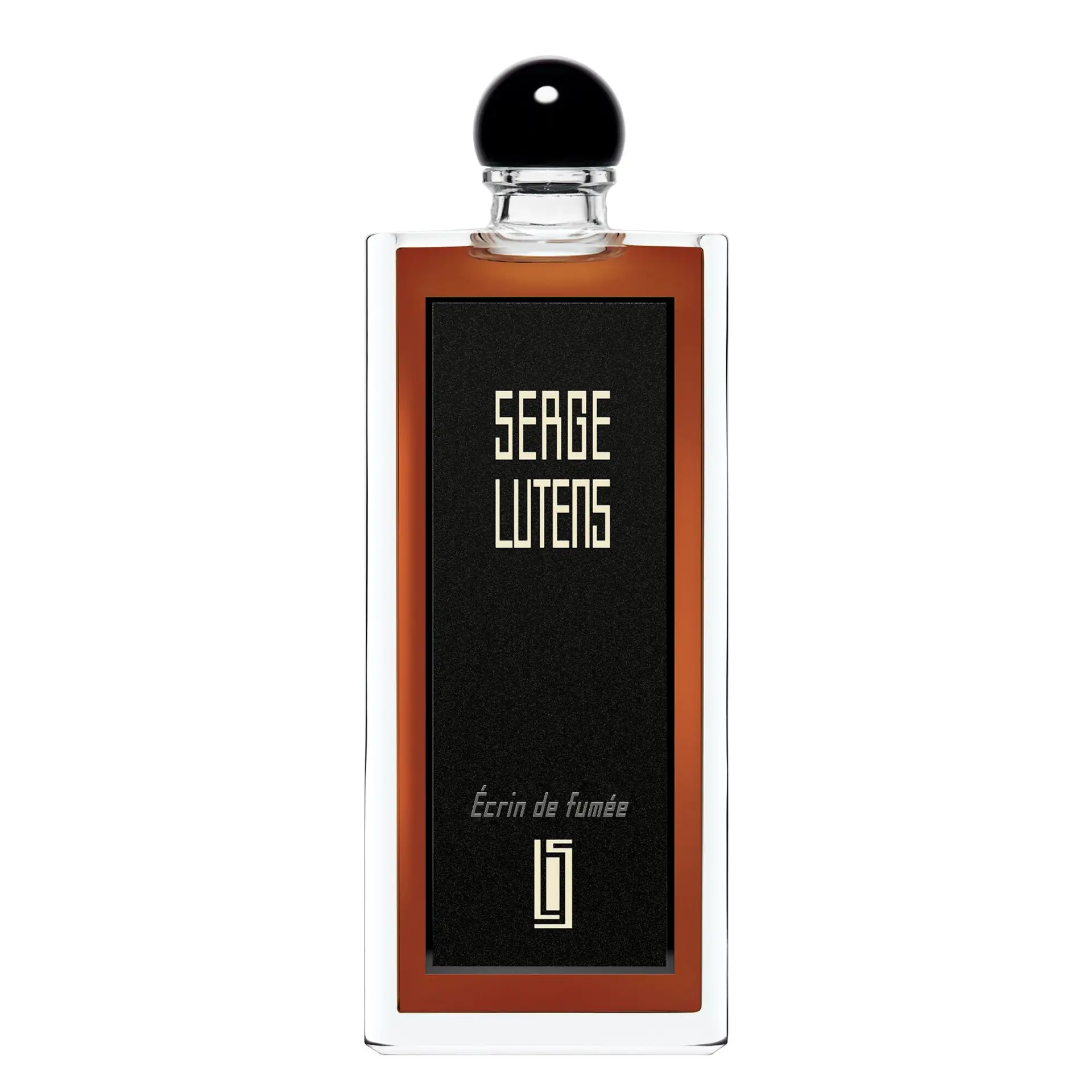
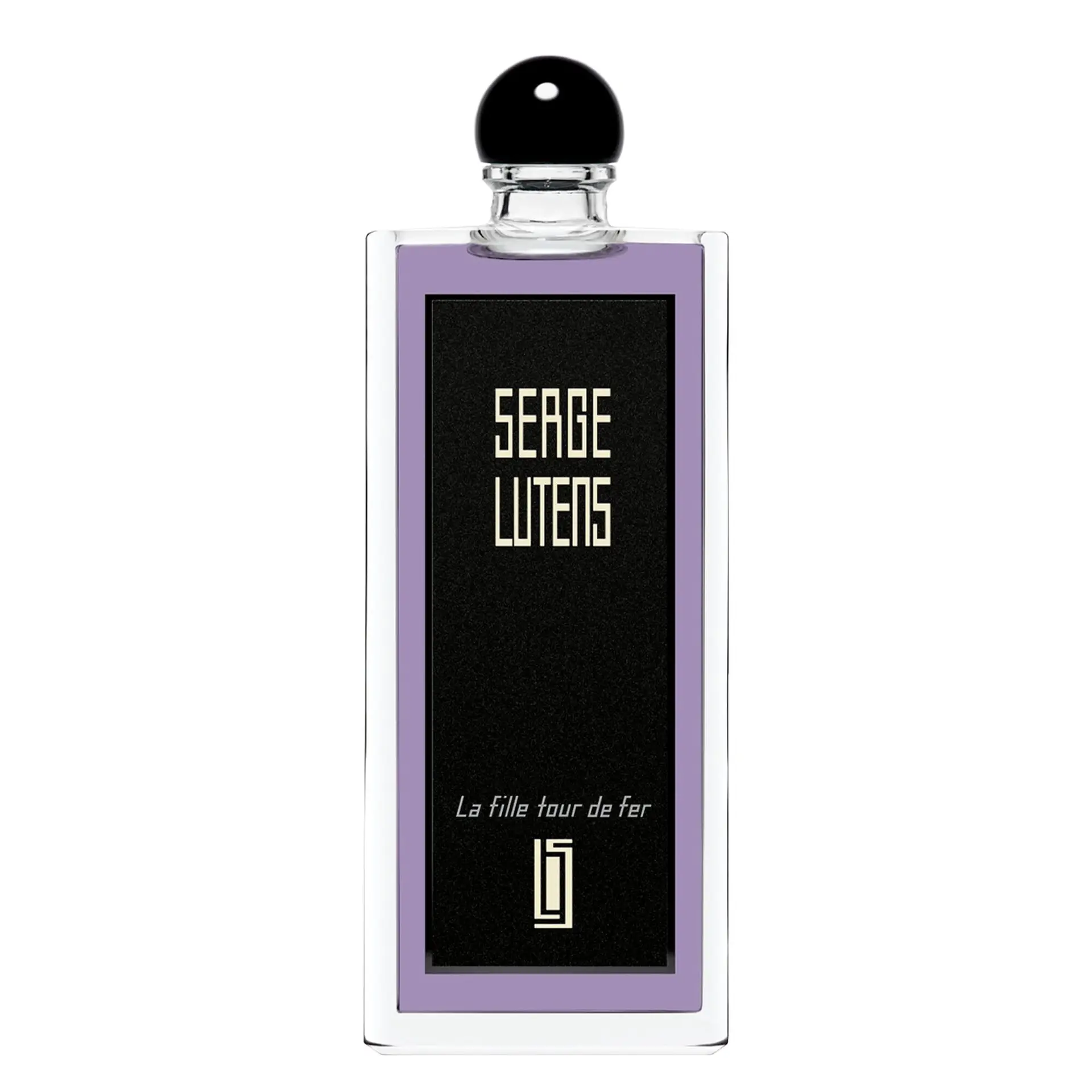
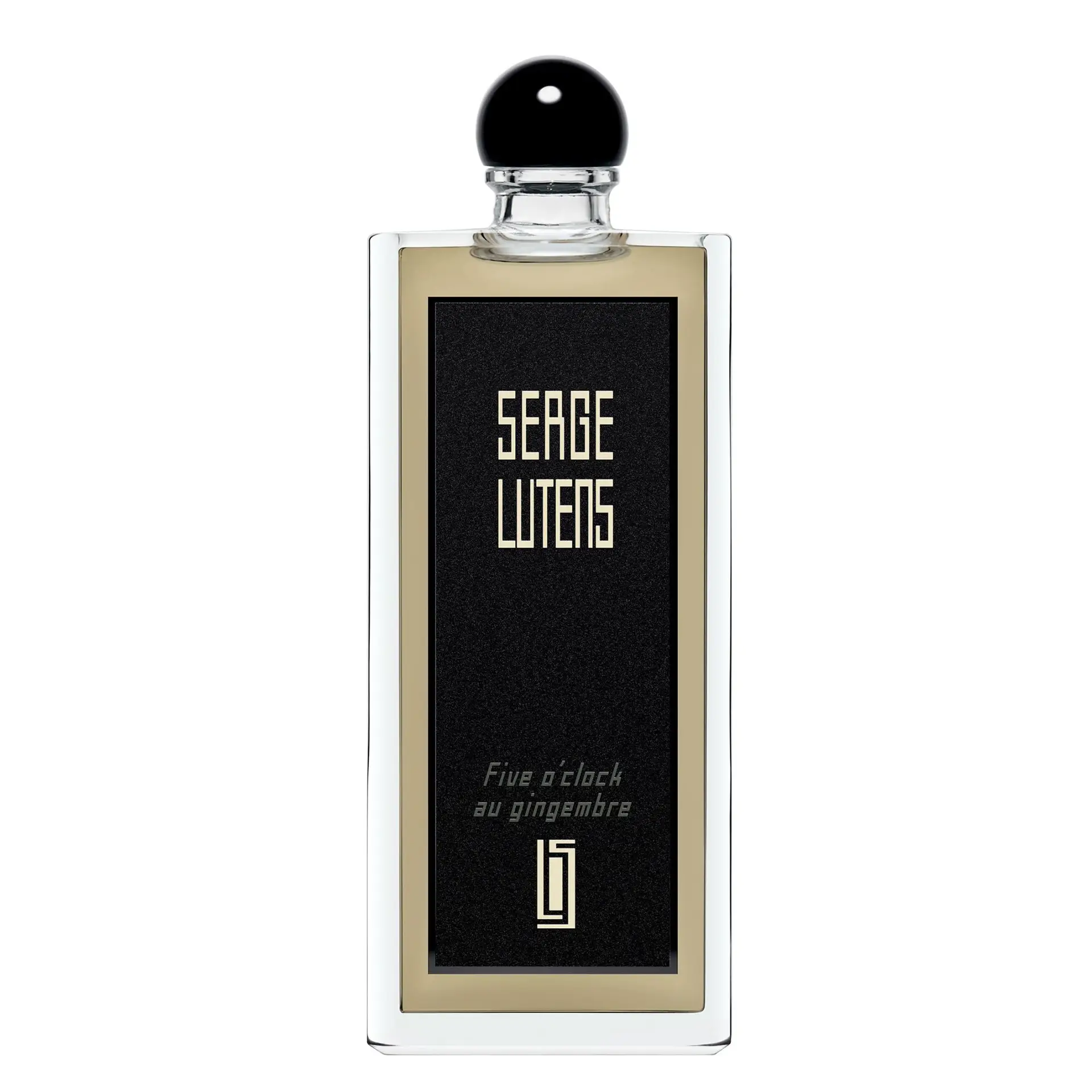
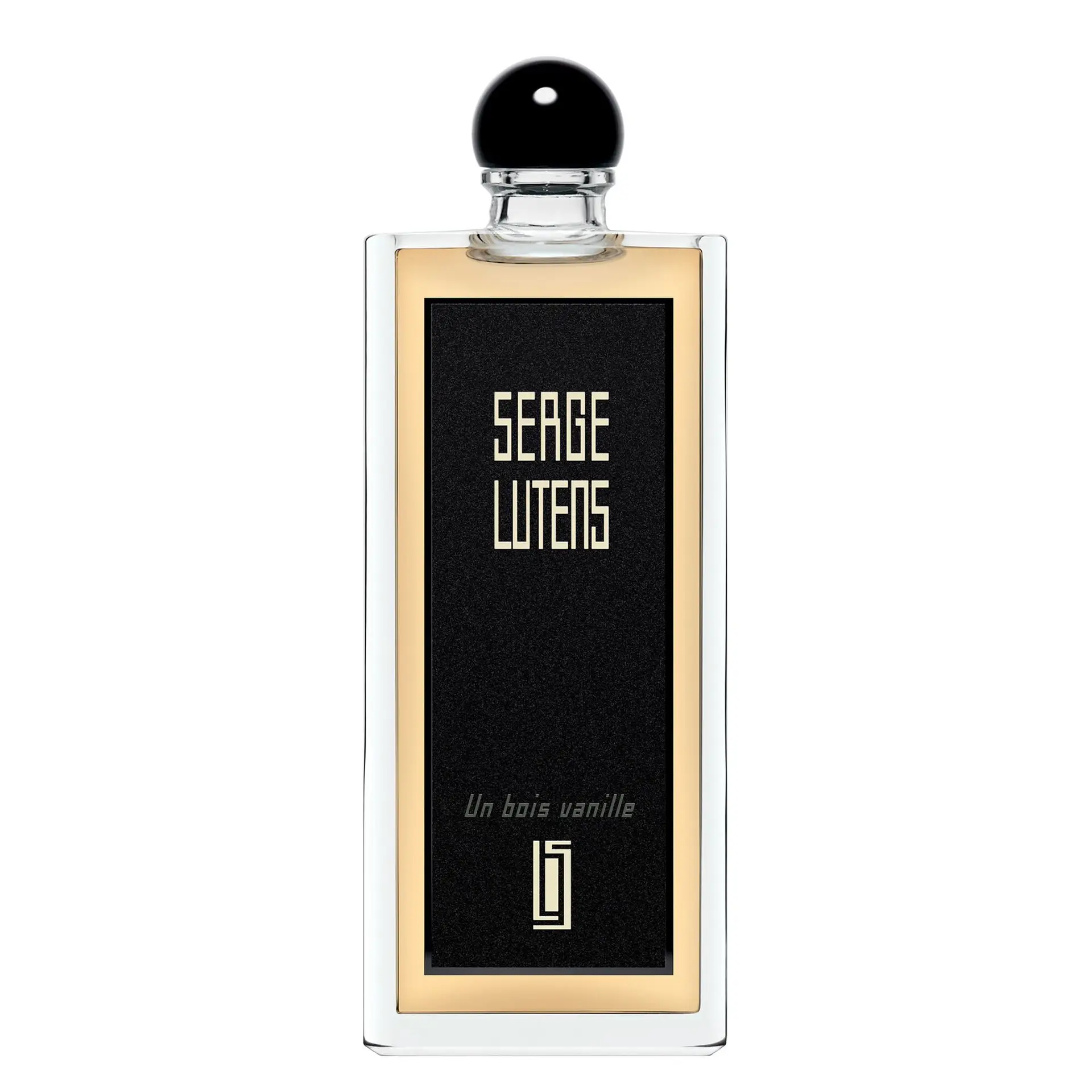
Serge Lutens came to perfumery by a roundabout route: photography and make-up artistry, then Shiseido. This artistic background shows in every composition: the perfumes are built like images, with striking contrasts and an unapologetic aesthetic. The man who elevated the Shiseido campaigns in the 1980s brings the same visual rigour to his fragrances.
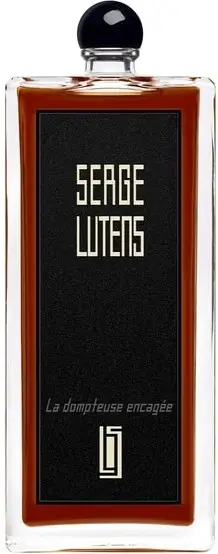
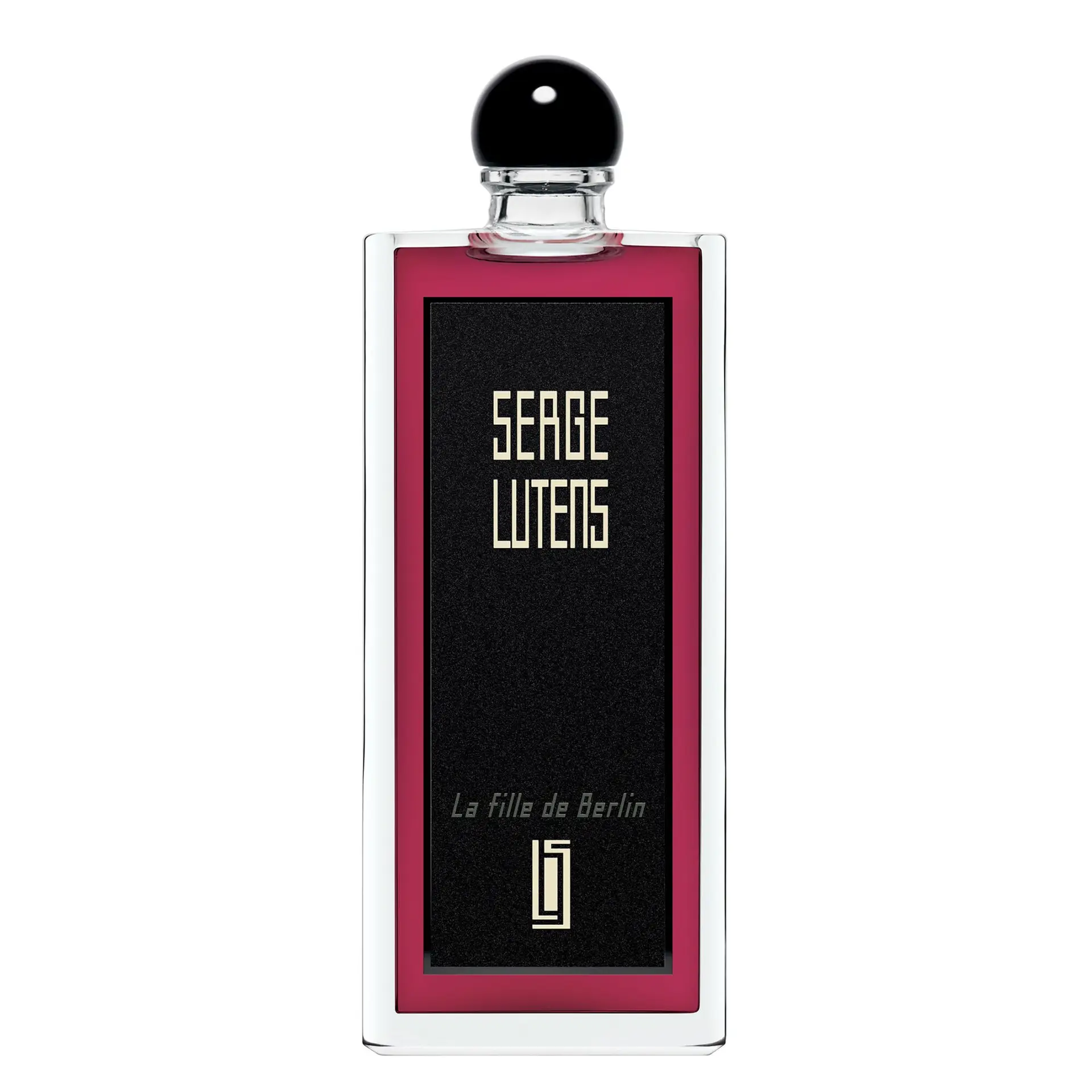
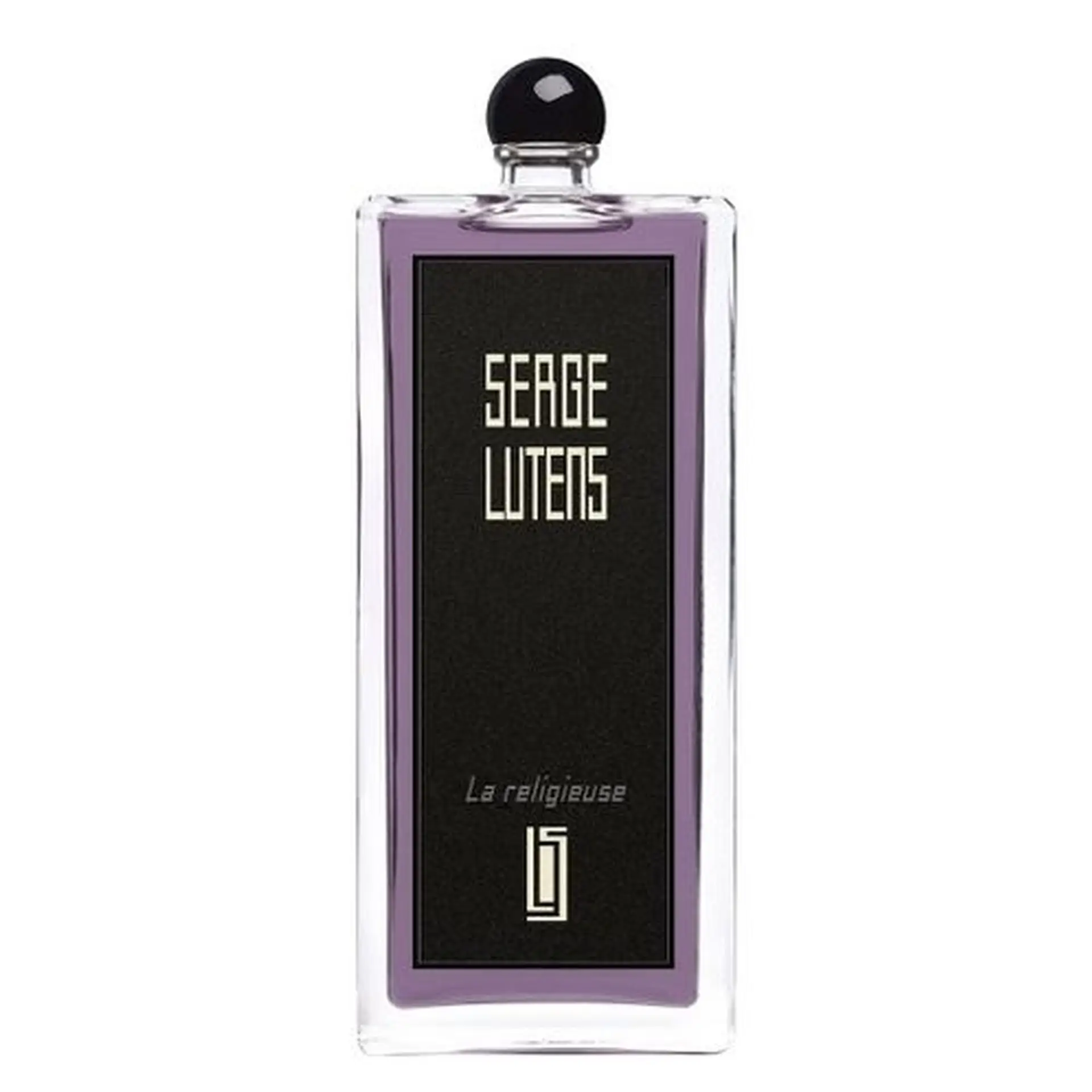
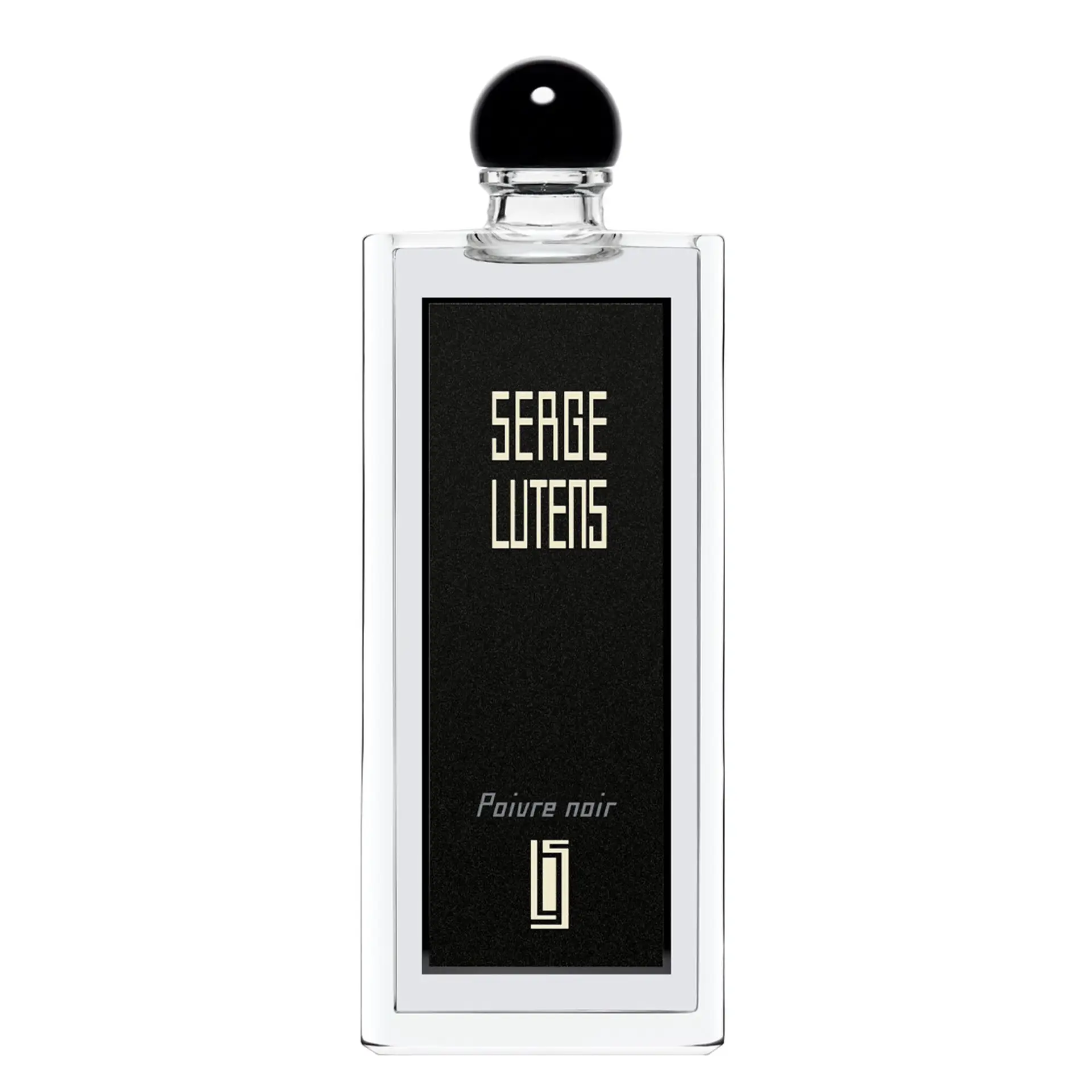
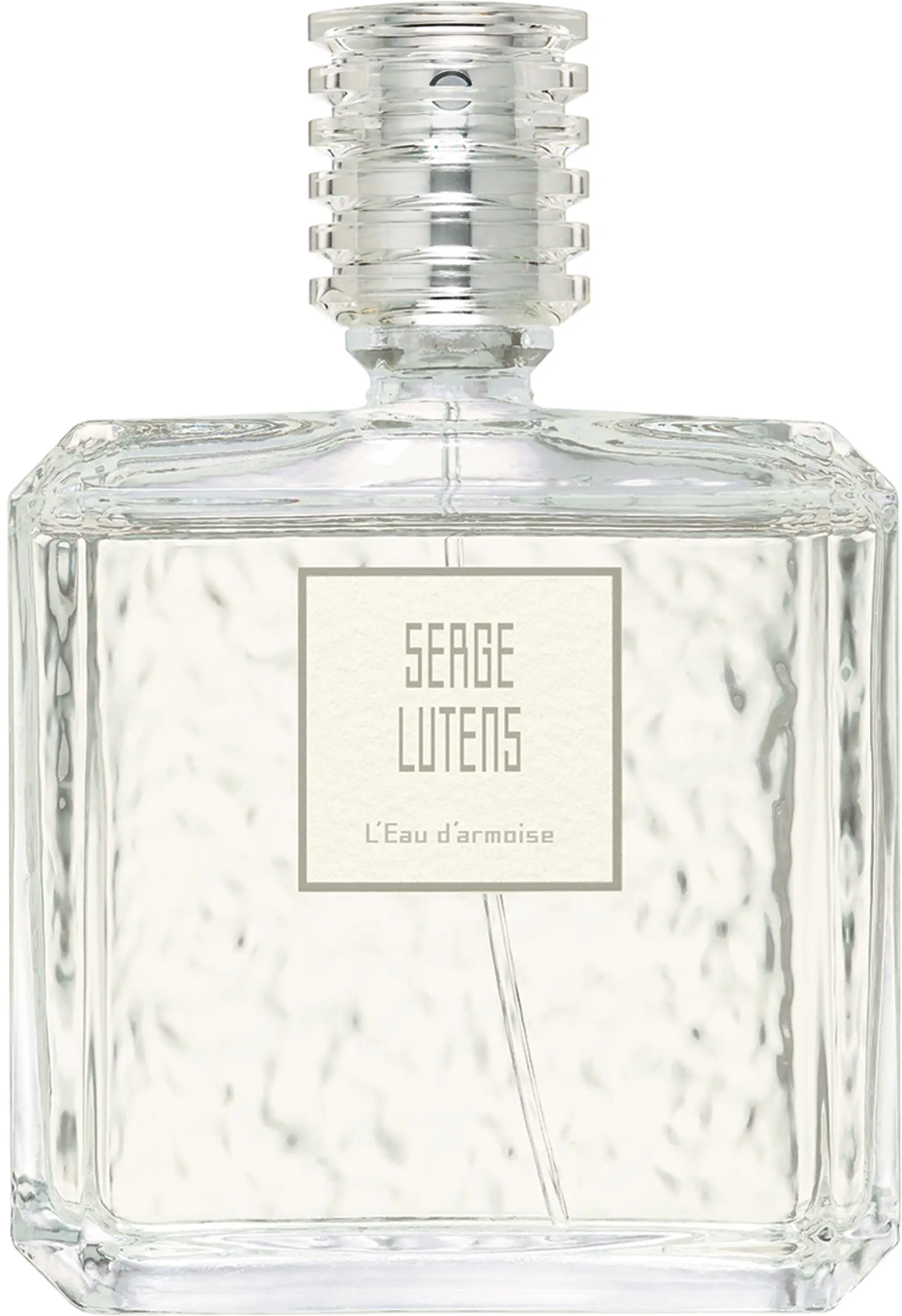
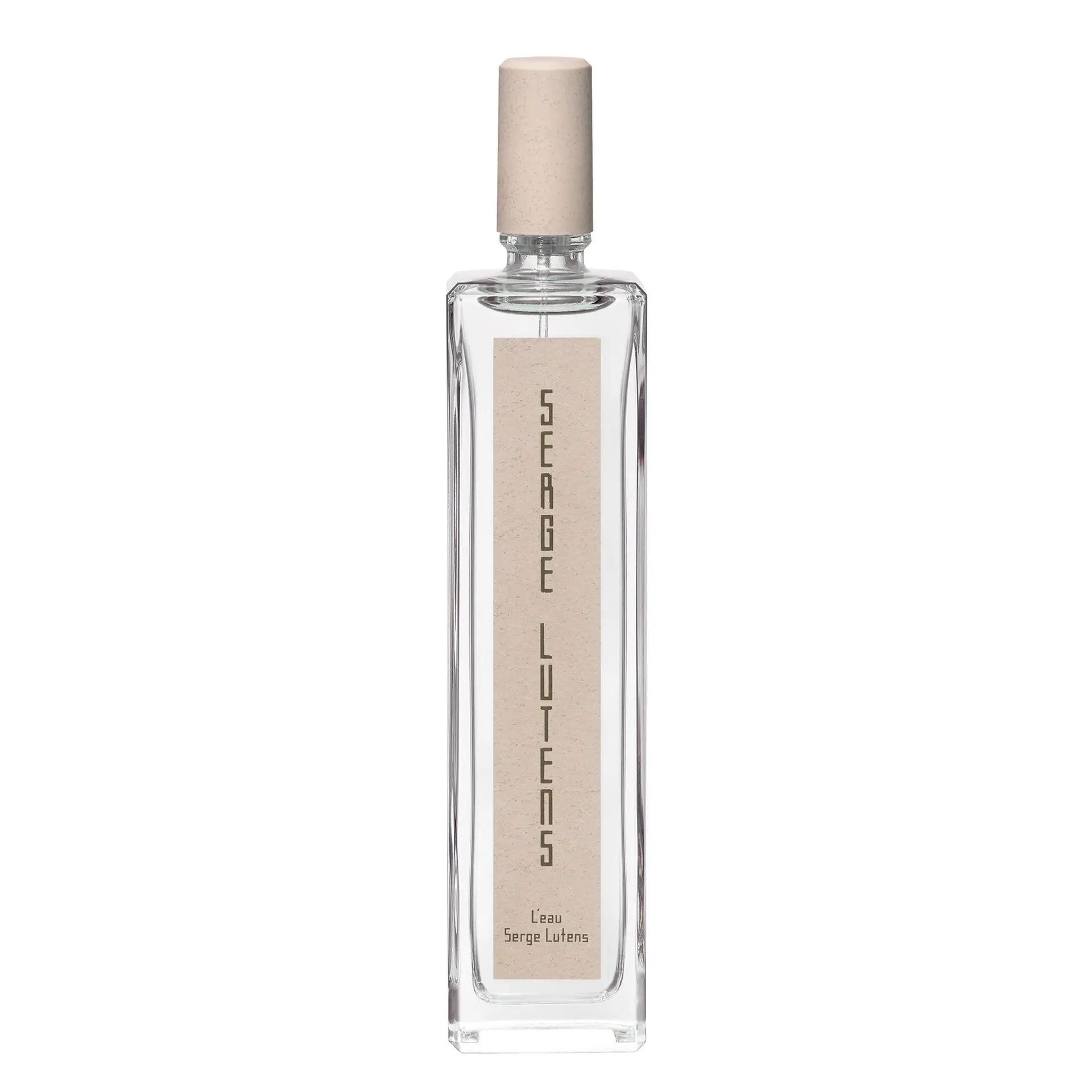
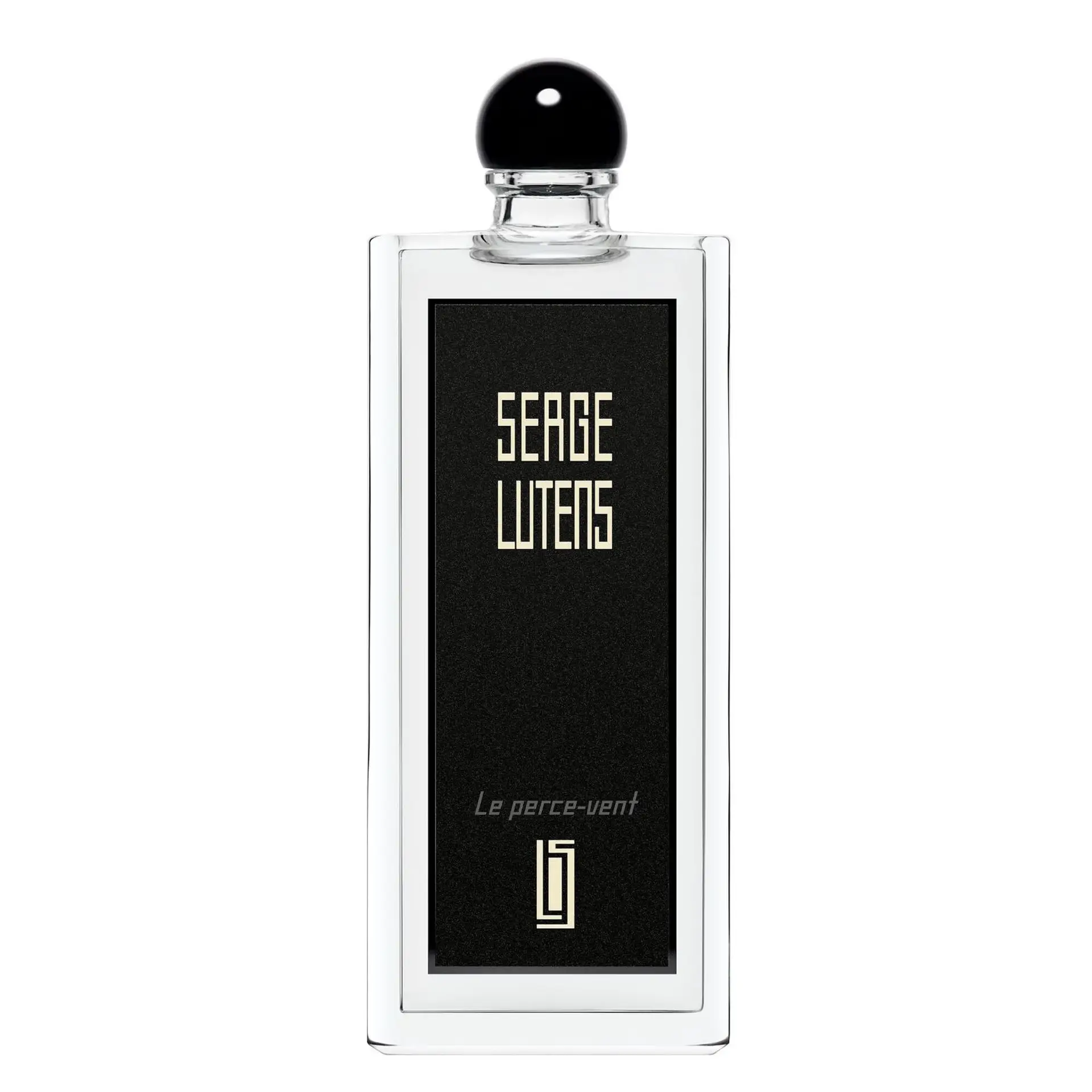
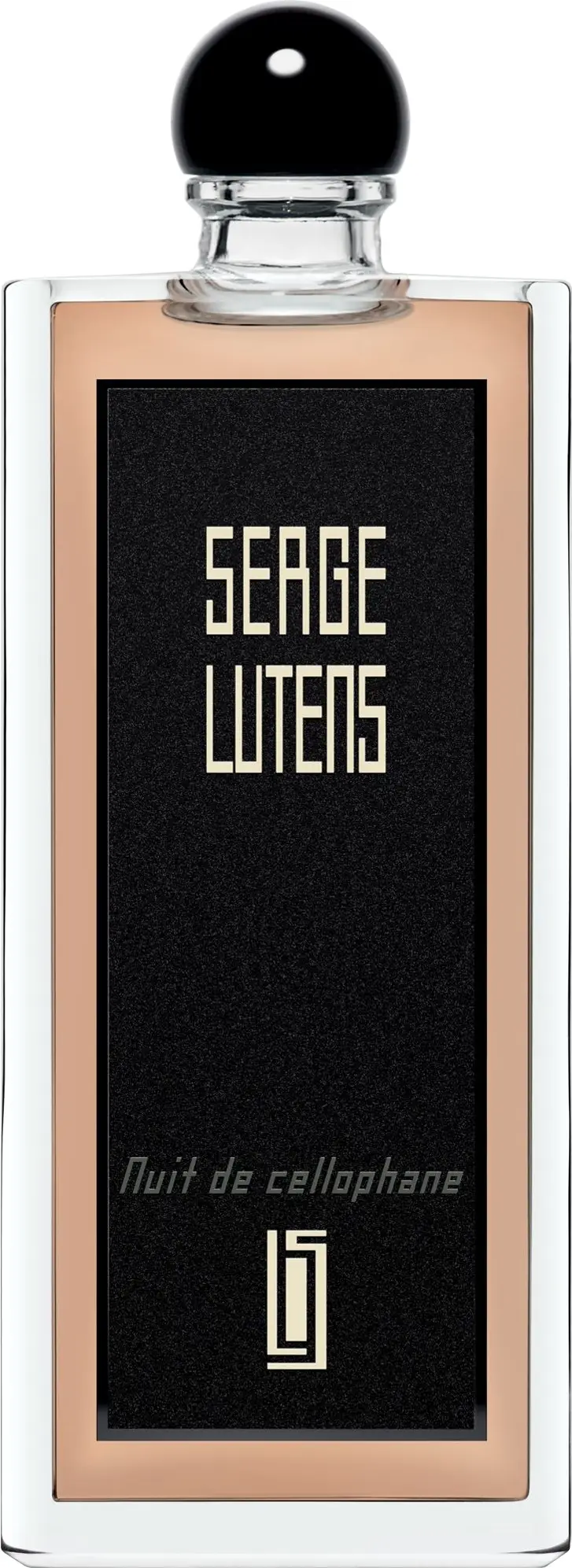
This dual culture explains why his perfumes resemble no others. Where many creators think first of profitability and wide appeal, Lutens composes first for emotion and aesthetic impact. The bottles themselves, those instantly recognisable square flacons, carry the signature of a former art director.
The icons that left their mark on French perfumery
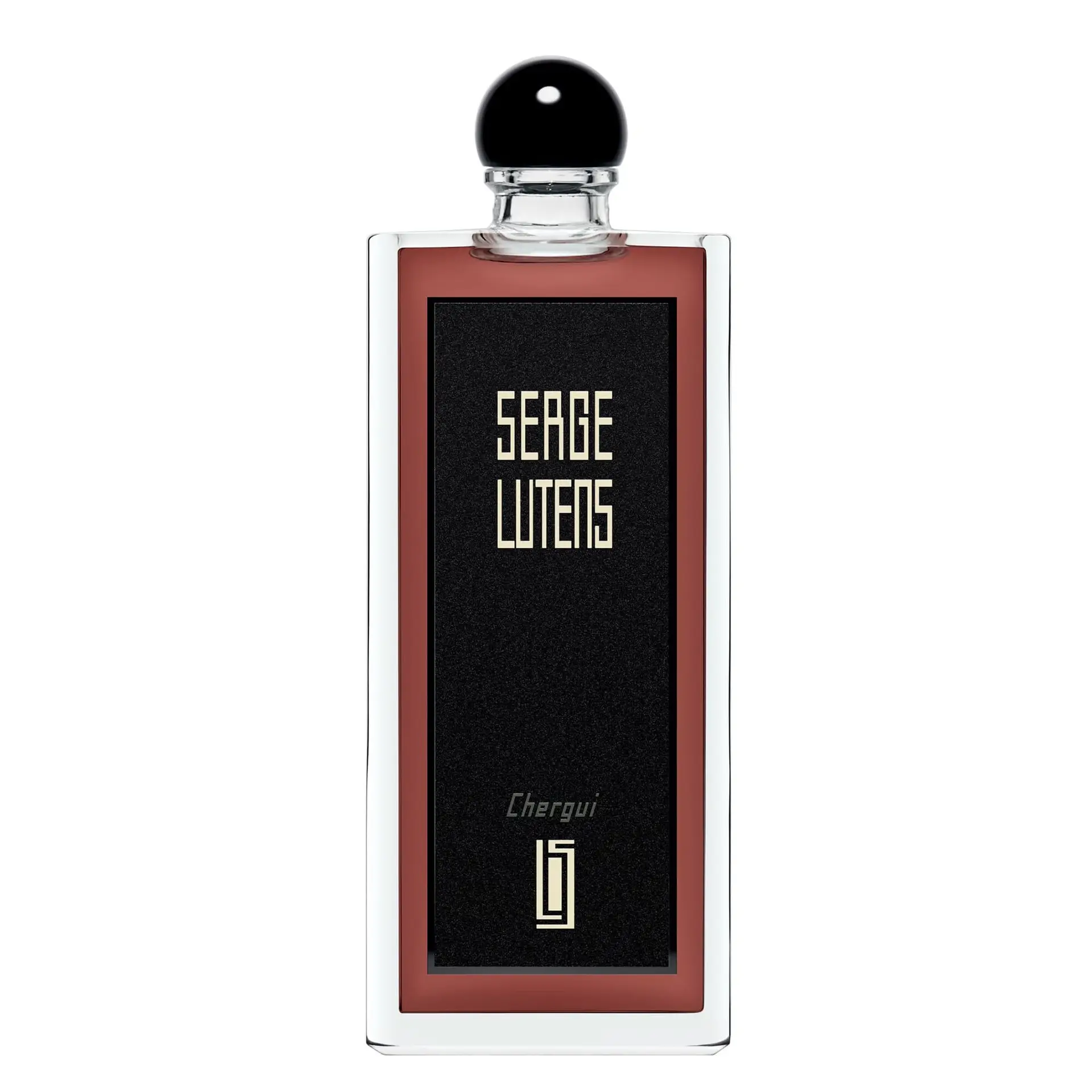
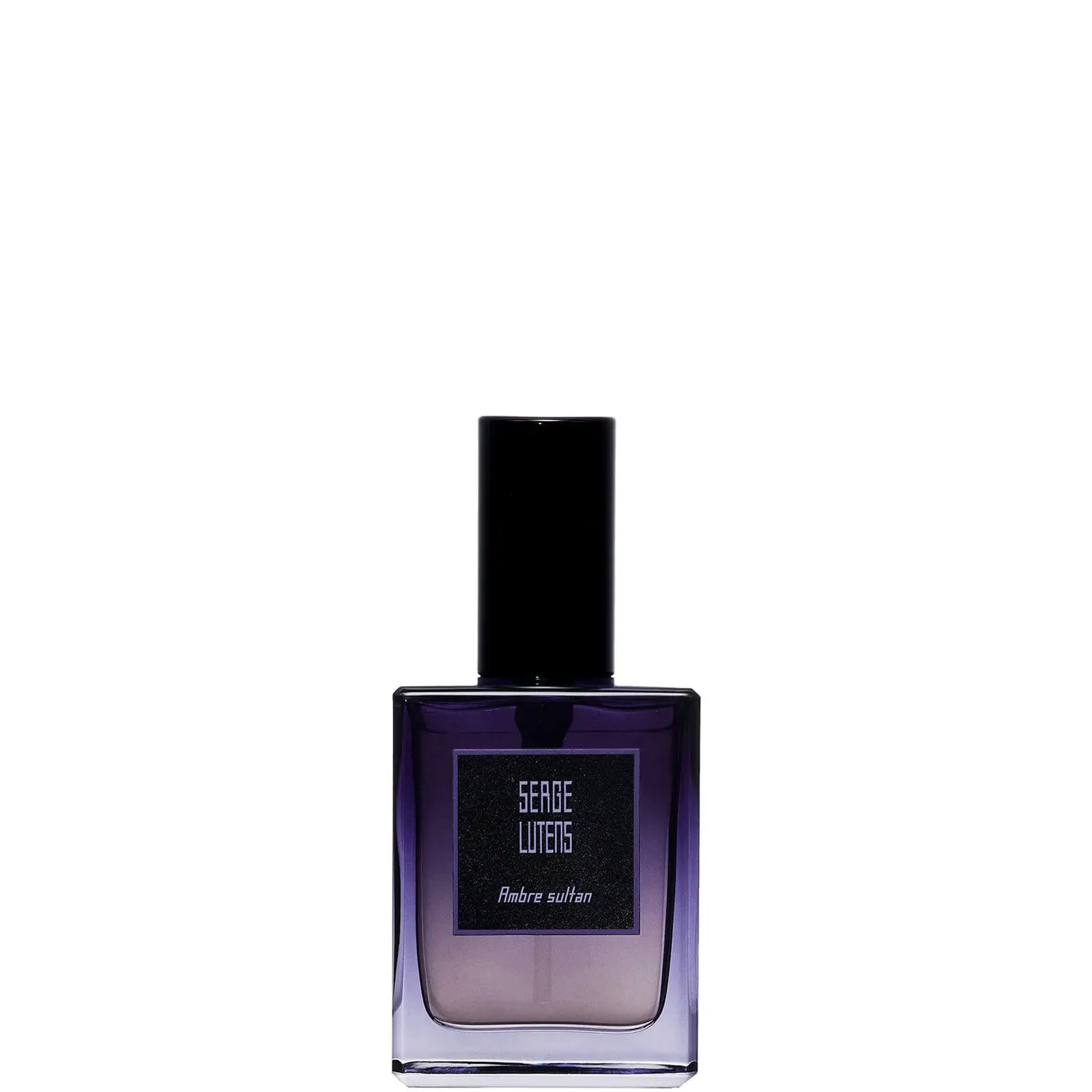
Chergui is a fragrance that consistently divides opinion. This blend of hay, honey and oriental spices either hooks you from the first second or feels too powerful. Ambre Sultan has quite simply influenced a whole generation of amber fragrances. Before its release, ambers this sensual and oriental were rare on the French market. Its influence can be found everywhere today.
Féminité du Bois deserves a special mention: it is probably one of the first truly unapologetic "unisex" perfumes. At the time, this approach was bold: mixing cedarwood, plum and cinnamon to create something that goes beyond masculine/feminine codes. It suits men and women alike, proof that the gamble was right. These three pillars (Chergui, Ambre Sultan, Féminité du Bois) laid the foundations of an instantly recognisable Lutens style.
Distinct collections and olfactory territories
The Collection Noire brings together the most radical creations, Datura Noir and Tubéreuse Criminelle, names that do not lie about their intensity. These perfumes demand real commitment: you do not wear them by chance, you choose them. By contrast, the Gratte-Ciel range offers more accessible compositions without losing the Lutens DNA. This clever segmentation lets everyone find their own level of olfactory intensity.
To begin, Fleurs d'Oranger or Clair de Musc (more consensual) are good starting points, before moving gradually on to the most distinctive creations. That is the strength of this architecture: an initiatory journey rather than a uniform catalogue. Serge Lutens perfumes work like an ecosystem: you enter through one door, then explore according to your curiosity and olfactory daring.
Why this brand divides enthusiasts so much
Serge Lutens perfumes never leave you indifferent. Lutens' approach is to compose first for himself, with an uncompromising artistic vision. The result: perfumes of absolute singularity that call for a little open-mindedness.
This radicalism sometimes throws those used to classic perfumeries. Someone accustomed to fresh marine scents or sweet gourmands may feel unsettled by the density of Borneo 1834 or the darkness of Cuir Mauresque. In a market saturated with "nice" perfumes, Lutens maintains total artistic rigour. His compositions speak to those who see perfume as an art, not a fashion accessory.
Frequently asked questions
Serge Lutens was first a photographer and art director, notably for Shiseido in the 1980s. This artistic background shows in every composition: his perfumes are built like images, with striking contrasts. This dual culture explains why his creations resemble no others and why even his square bottles carry the signature of a former art director.
Serge Lutens perfumes refuse all compromise and do not seek consensus. Where many creators think first of profitability and wide appeal, Lutens composes first for emotion and aesthetic impact. His compositions leave a mark and divide opinion in a good way: they create their own category rather than following existing trends.
Chergui consistently divides opinion with its blend of hay, honey and oriental spices. You either get hooked from the first second or find it too powerful. That is exactly the Lutens effect: intense perfumes that never leave you indifferent.
Absolutely! Féminité du Bois is probably one of the first truly unapologetic unisex perfumes. Its bold blend of cedarwood, plum and cinnamon goes well beyond traditional masculine/feminine codes. It suits men and women alike, which shows that this pioneering approach was the right one.
Yes, Ambre Sultan influenced a whole generation of amber fragrances. Before its release, ambers this sensual and oriental were rare on the French market. Its influence can be found throughout perfumery today. It has become an essential reference for anyone creating amber perfumes.