
Blush Brushes: Top Beauty Brand Picks
A blush brush is far more than a simple accessory in a makeup bag. It is the tool that turns an amateur application into a professional gesture, the difference between a natural, luminous result and an overdone look. No more streaky cheeks or overly intense colour that marks the skin. The right brush lets you adjust the intensity, blend the product seamlessly and achieve that sought-after healthy glow.
Brushes for Every Makeup Style
Our selection brings together creations from French and international makeup specialists: Guerlain, true to its high-quality natural bristles, chosen for their exceptional softness. Add the expertise of Lancôme with its ergonomic shapes designed for all face shapes, the precision of Clinique and its dermatologically tested brushes, and the innovation of SISLEY, which combines natural and synthetic bristles in unique creations, and you get a complete overview of the best application techniques. These brands invest in research and development to create ever more effective tools, tested by professional makeup artists before they are launched.
Each brand develops its own vision of the ideal brush according to its beauty DNA. Yves Saint Laurent creates sculptural brushes, as beautiful as they are effective, with gold ferrules that never tarnish. This variety lets everyone find the tool that suits their technique, face shape and favourite products. Beginners will appreciate generous, forgiving shapes, while more experienced users will opt for more technical, precise brushes.
Choosing a blush brush is never a matter of chance. It comes down to shape (angled to sculpt, rounded to soften, flat to sweep), density according to the intensity you want, the type of bristles (natural for loose powders, synthetic for creams) and above all how well it fits your daily makeup routine. A brush that is too large will be hard to control on a small face, while one that is too small will need several passes on a larger face. A good brush is a worthwhile investment, as it reduces product waste and noticeably improves the final finish.
Our Blush Products
4 products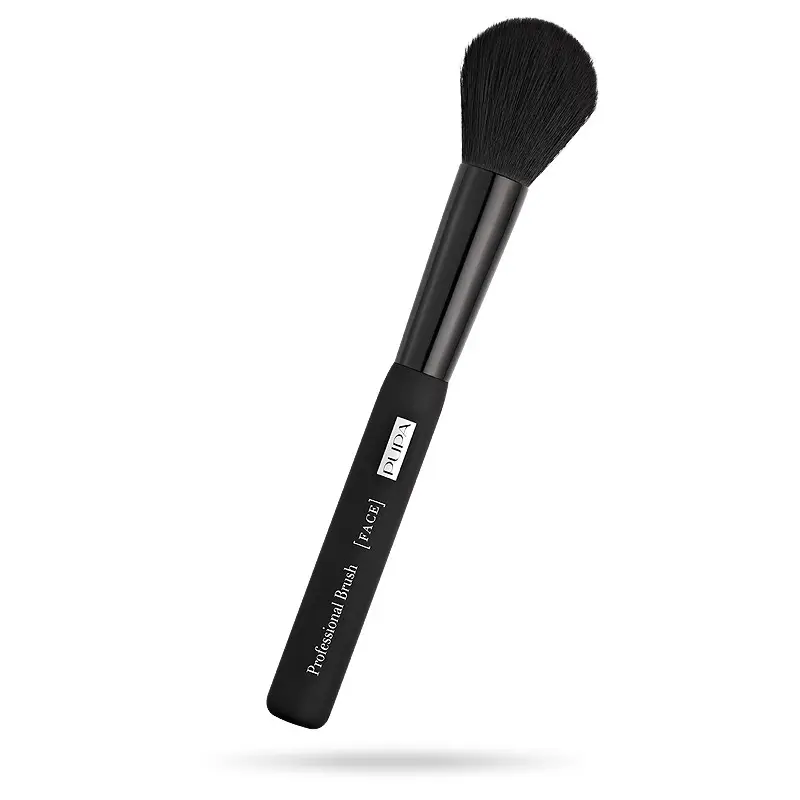
Find out more
Shapes and Densities: Understanding the Differences
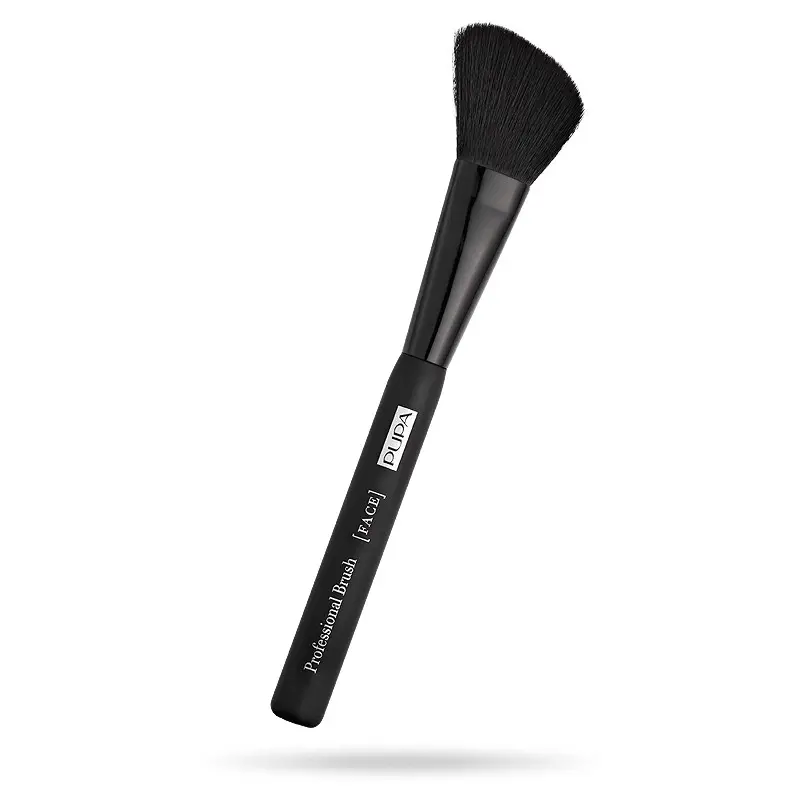
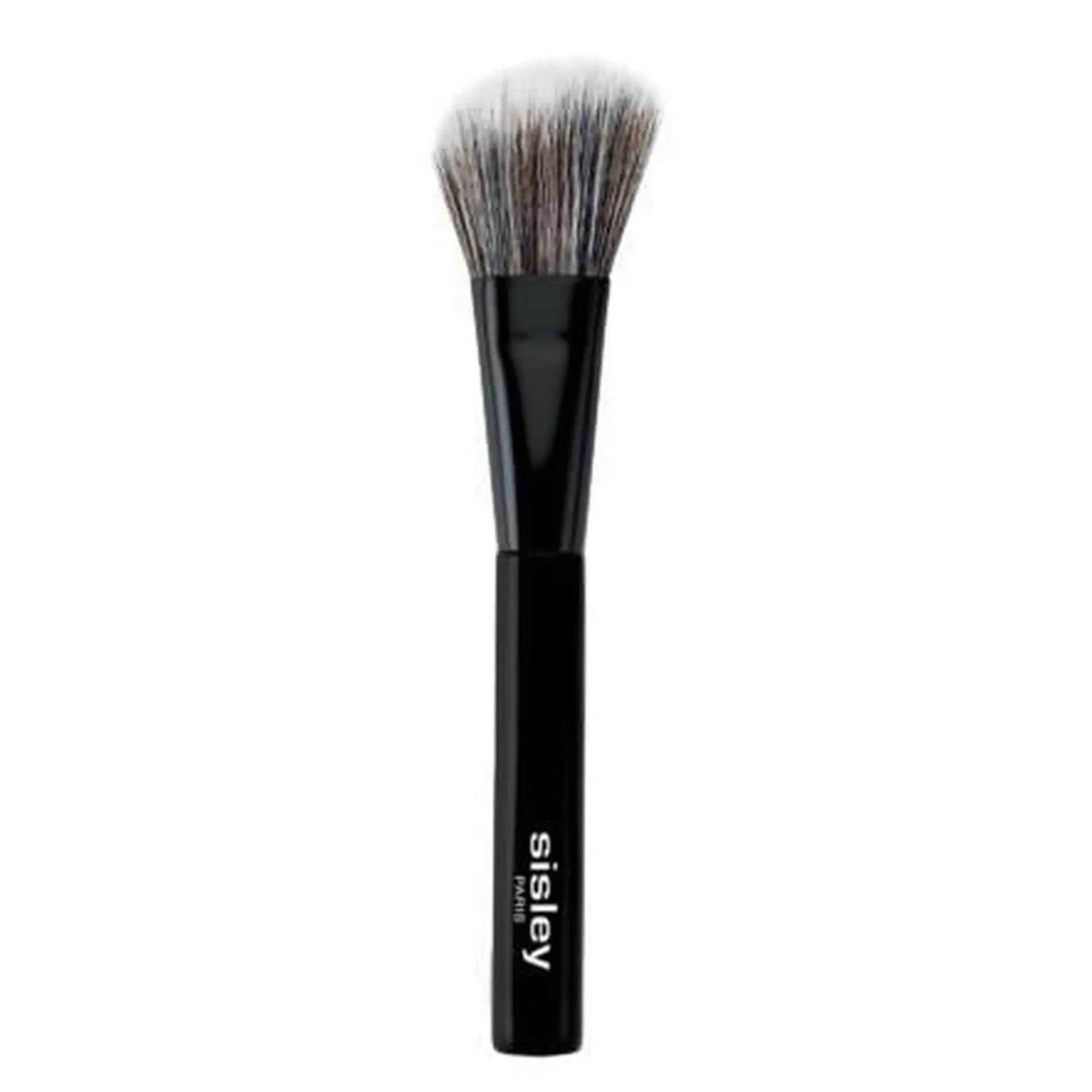
The angled brush remains the most versatile: its slanted cut lets you define the cheekbones precisely while blending naturally towards the temples. It is often recommended for beginners because it forgives imprecise movements. The round, fluffy brush excels with very light powder textures and soft, airy finishes, perfect if you like subtle, Parisian-style effects. Flat, dense brushes suit cream blushes or highly pigmented powders that call for precise control.
Many people underestimate the importance of density. A brush that is too full combined with a highly pigmented powder, and you are guaranteed a clown effect. Conversely, a brush that is too sparse will never pick up enough product to create the desired effect. Brands such as Guerlain and SISLEY excel at this delicate balance, with brushes that deposit just the right amount of product, no more and no less.
Natural Bristles or Synthetic Fibres: The Great Debate
Goat hair (used by premium brands) remains unbeatable for powder textures: its scaly structure grips pigments perfectly and releases them with adjustable intensity. Guerlain favours these natural fibres for its most prestigious brushes. But be careful: they need careful maintenance and cope badly with creamy textures, which can weigh them down for good.
New-generation synthetic fibres are changing the game. Lancôme develops technologies that rival natural bristles while offering impeccable hygiene. These brushes are easy to clean, dry quickly and work as well with powders as with liquid or cream textures. For those who use several blush formulas or share their tools, it is often the most practical choice.
Application Techniques: What Makeup Artists Don't Always Tell You
The famous two-finger rule deserves some nuance. This technique, which involves placing two fingers from the outer corner of the eye to determine where to apply blush, works on classic oval faces. But on round faces, it can accentuate roundness. On angular faces, it may harden the features. Professionals constantly adapt according to face shape and the effect they want.
Most people apply blush too low and too concentrated. The secret? Always start higher than you think (level with the pupil when looking straight ahead) and blend towards the temples. The brush should skim the skin rather than press into it: it is repeating the movement, not pressure, that builds intensity. A good blush brush should allow this gradual build-up without ever leaving a harsh line.
Care and Longevity: Investing for the Long Term
A quality brush can last for years if looked after properly. Natural bristles dislike water that is too hot and harsh detergents, and a weekly wash with mild soap is more than enough. Between uses, a cleansing spray (such as those from Clinique) removes residue without damaging the fibres. Synthetic brushes cope better with frequent, intensive cleaning.
Storage matters as much as cleaning. Brushes crammed into a makeup bag lose their original shape. Leaving them to dry flat (never upright with the bristles pointing up) protects the glue that holds the fibres in the metal ferrule. Individual protective cases are a detail that makes a difference to longevity. A well-maintained brush keeps its original performance for years, unlike entry-level ones that fall apart after a few months.
Frequently asked questions
The angled brush is more versatile and ideal for beginners, as its slanted cut defines the cheekbones precisely while blending naturally. It forgives imprecise movements. The round, fluffy brush suits light powder textures and very natural, subtle effects, such as a Parisian-style healthy glow.
Density determines how much product is deposited on the skin. A brush that is too full combined with a pigmented powder gives an overly strong effect, while one that is too sparse does not pick up enough product. The right balance lets you adjust the intensity and achieve exactly the effect you want.
Natural goat hair is unbeatable for powders because it grips pigments perfectly, but it needs more maintenance. Modern synthetic fibres are easy to clean, dry quickly and work with all textures. If you use several blush formulas, synthetic is the more practical option.
Flat, dense brushes are ideal for cream blushes or highly pigmented powders, as they offer precise control over application. Natural bristles cope badly with creamy textures, which can weigh them down, so opt for synthetic fibres for this type of formula.
Absolutely. The right brush completely transforms the application. No more streaky cheeks or overly intense colour that marks the skin. It lets you adjust the intensity, blend the product seamlessly and rediscover your favourite blushes.