
Clinique Perfume: Where Skincare Meets the Art of Fragrance


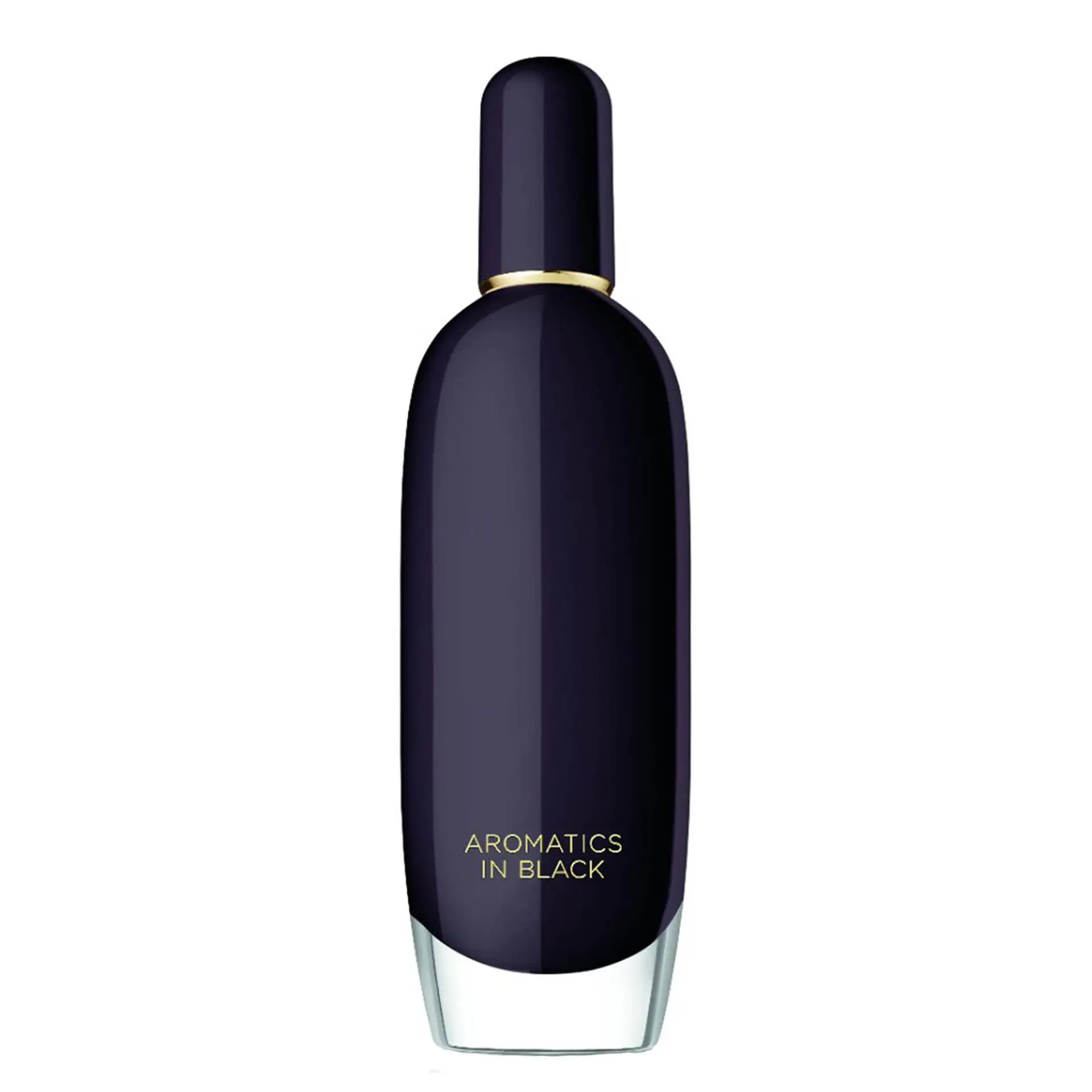
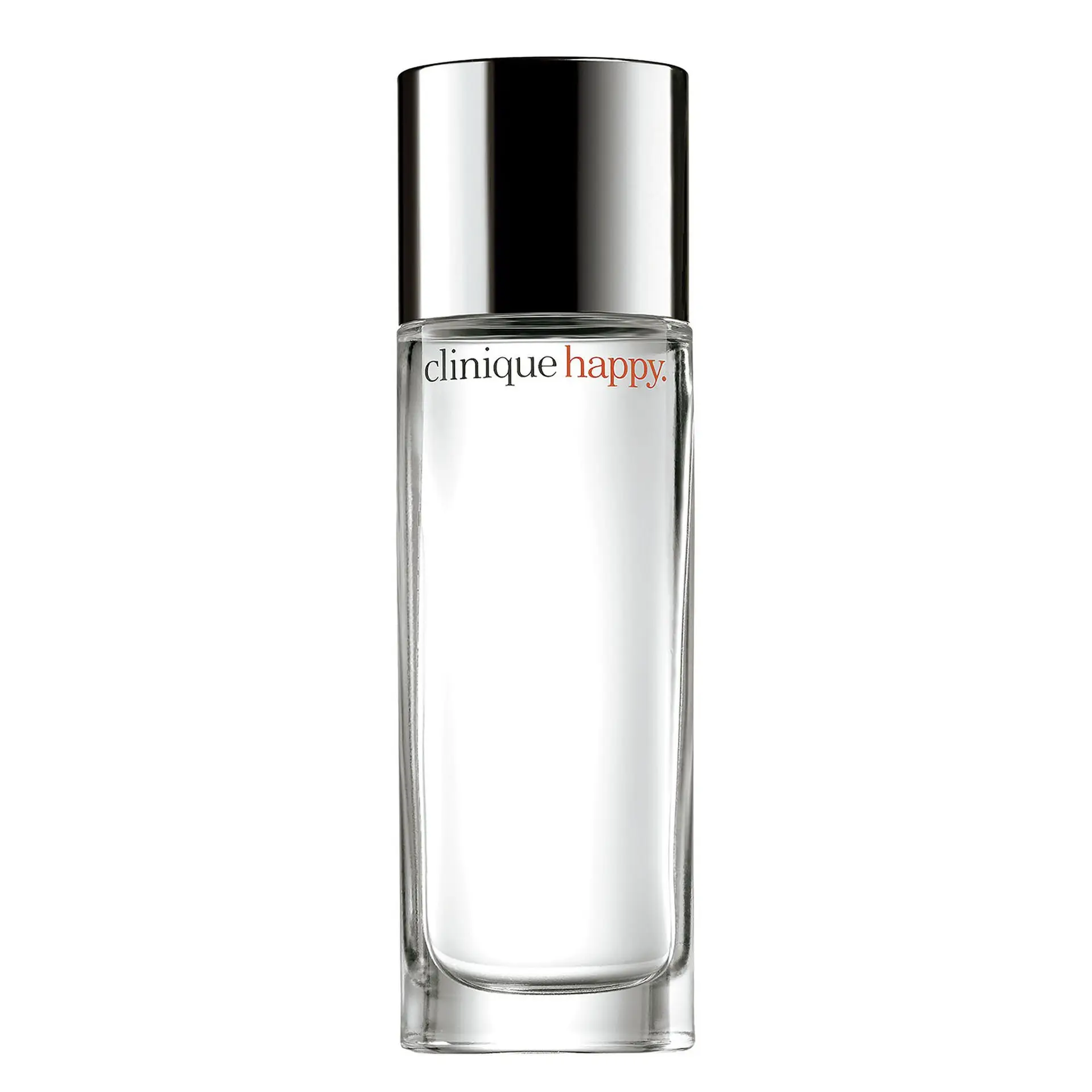
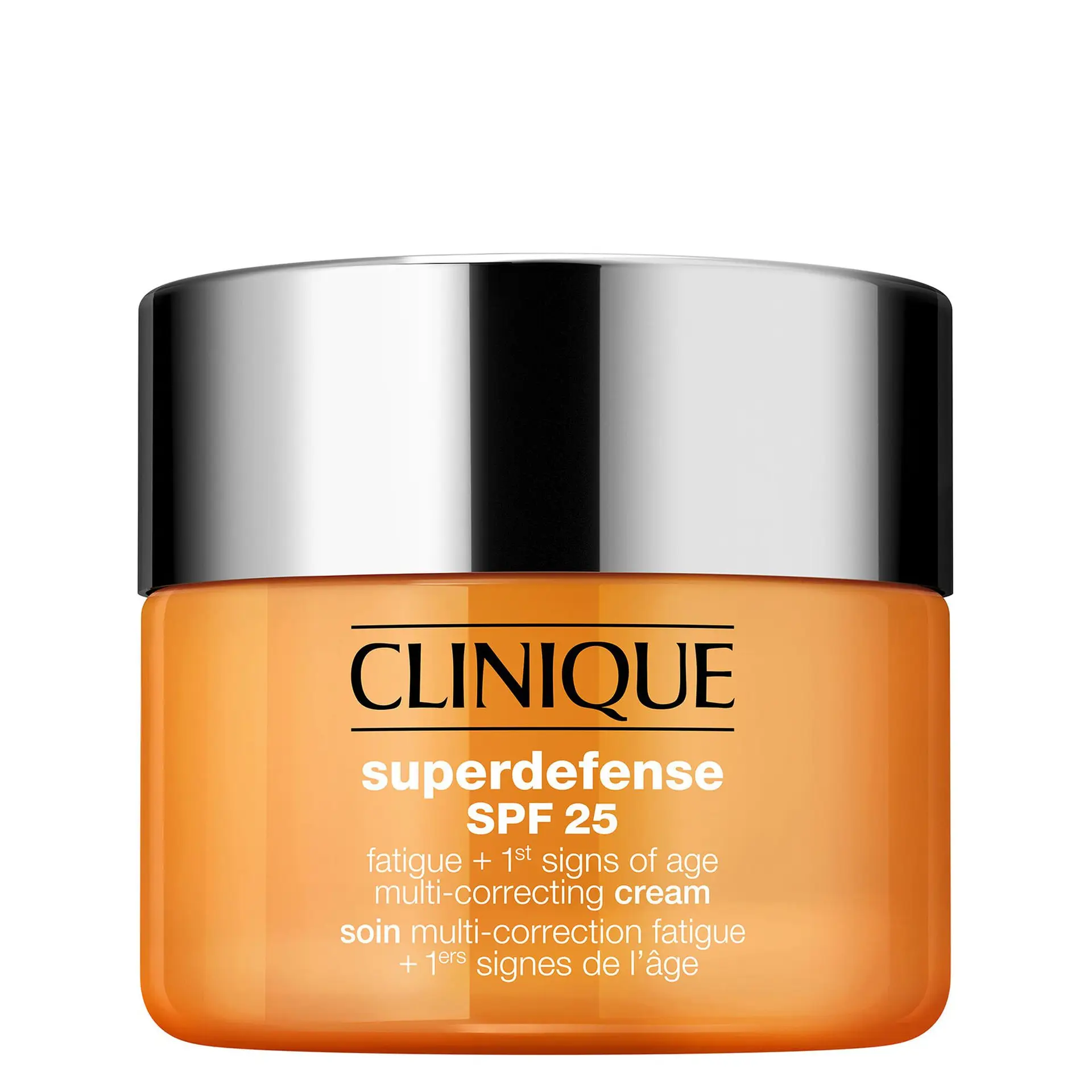
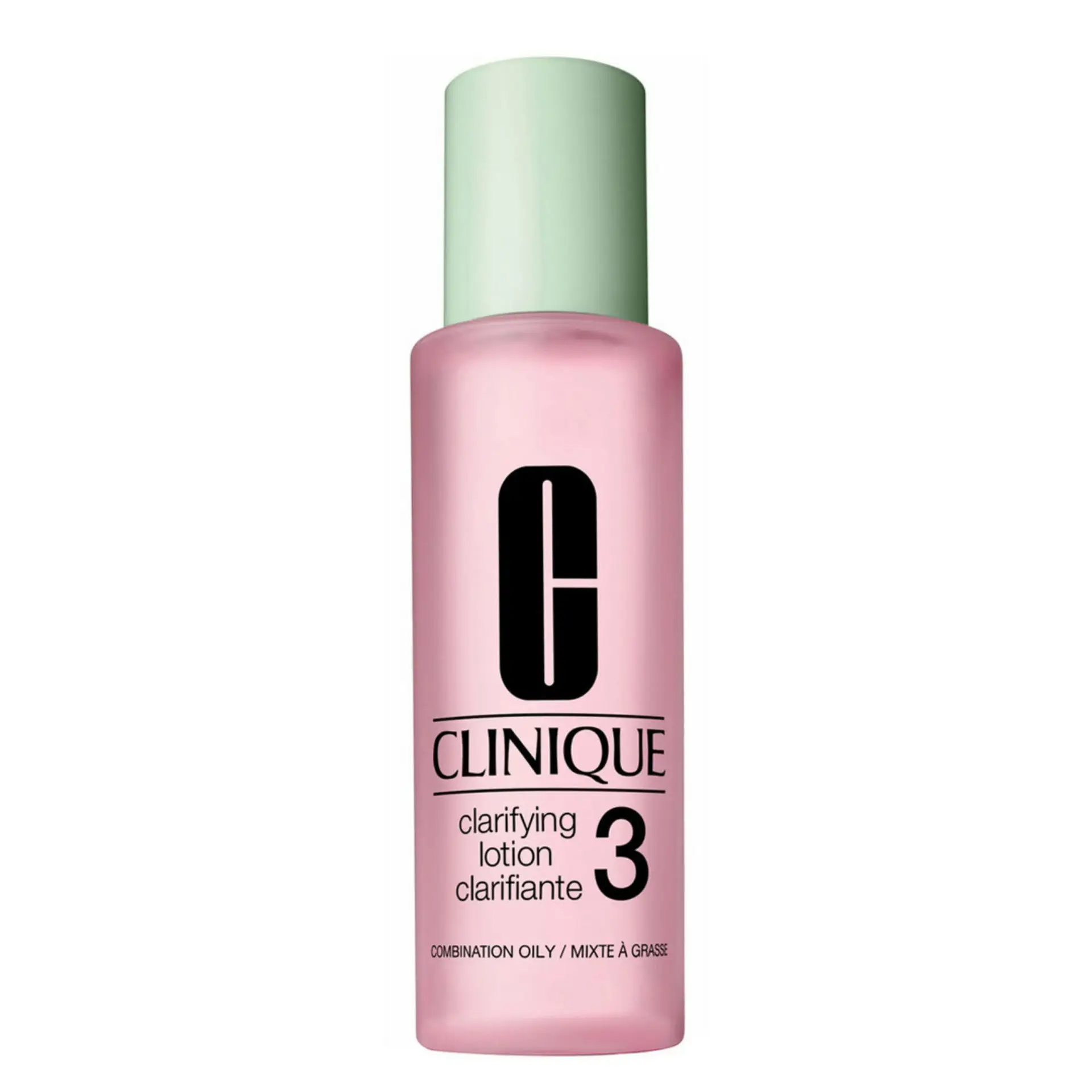
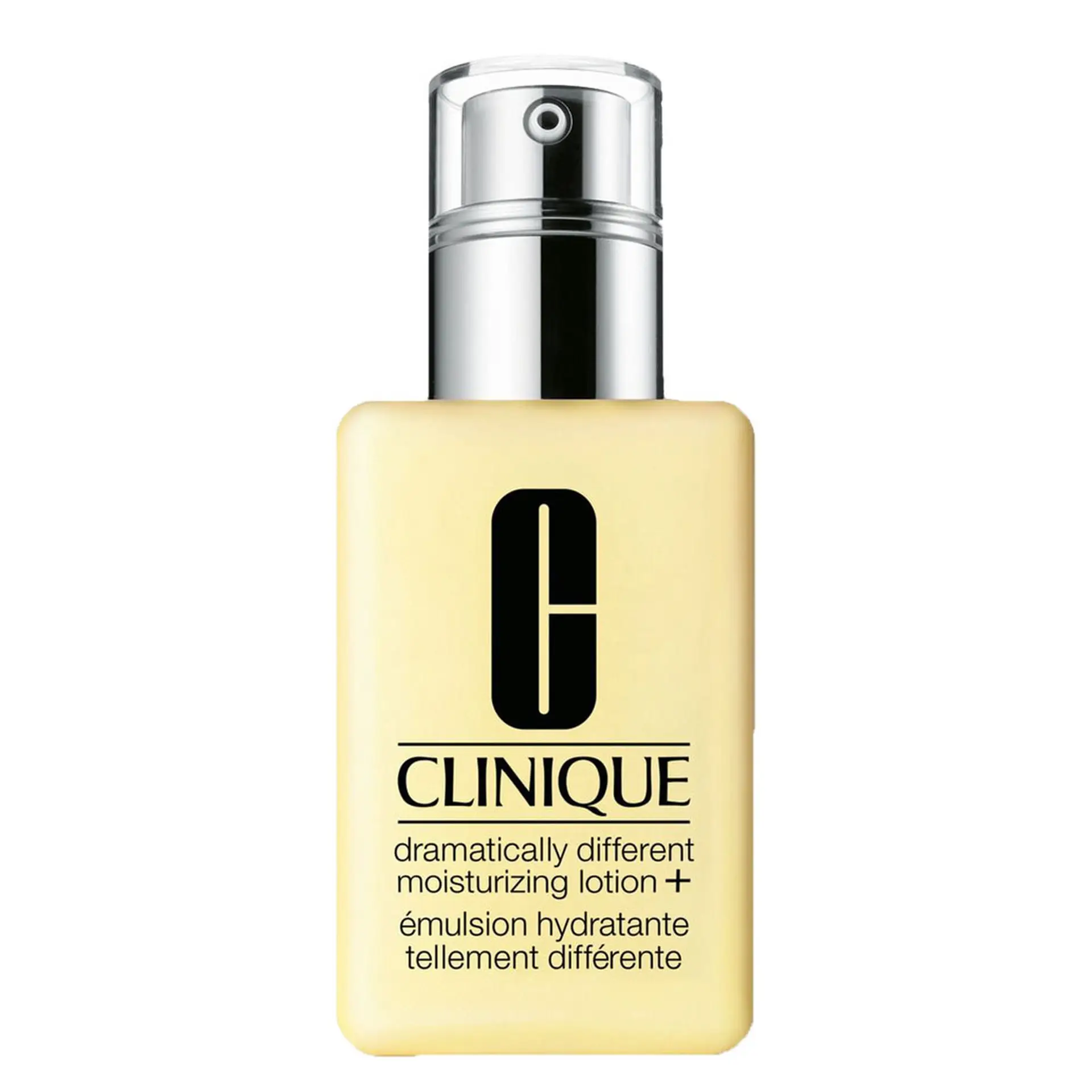
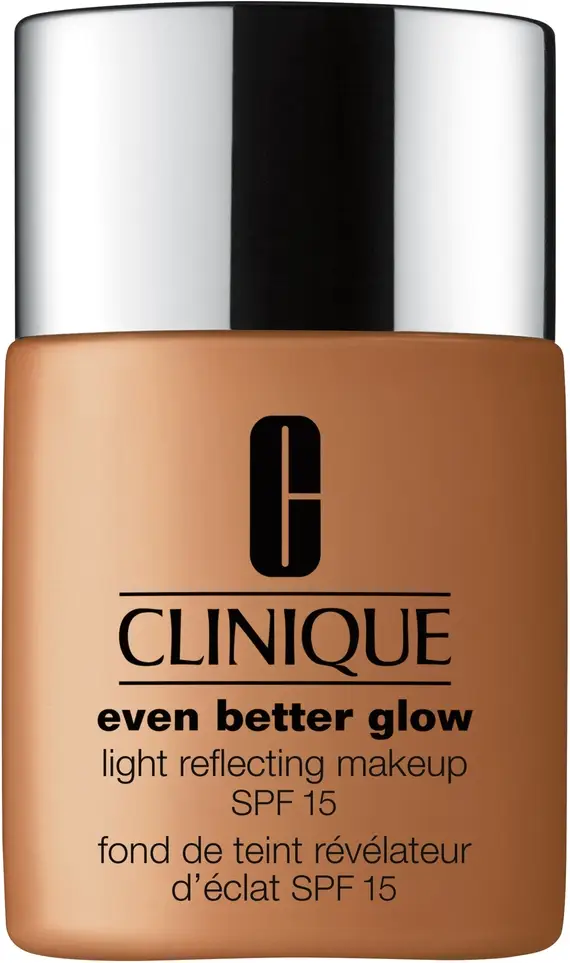

Find out more
Happy: the fragrance signature of American optimism
Happy is one of those perfumes that divide connoisseurs and win over the general public. Launched in the 1990s, this fruity floral reflects a certain American vision of happiness: direct, bright and without psychological detours. The citrus opening (bergamot, grapefruit, mandarin) sets the tone for a composition that refuses melancholy. Some may see naivety in it, but it can equally be read as a form of creative courage in a market that often favours complexity for its own sake.
Happy works like a litmus test: either you love that sparkling freshness straight away, or you find it "too simple". The heart notes (freesia, lily, rose) and the musky base balance the whole without ever weighing it down. It is exactly the kind of perfume suited to anyone who simply wants to "smell good" without overthinking it, and there is nothing pejorative in that. Sometimes, effectiveness is worth more than convoluted concepts.
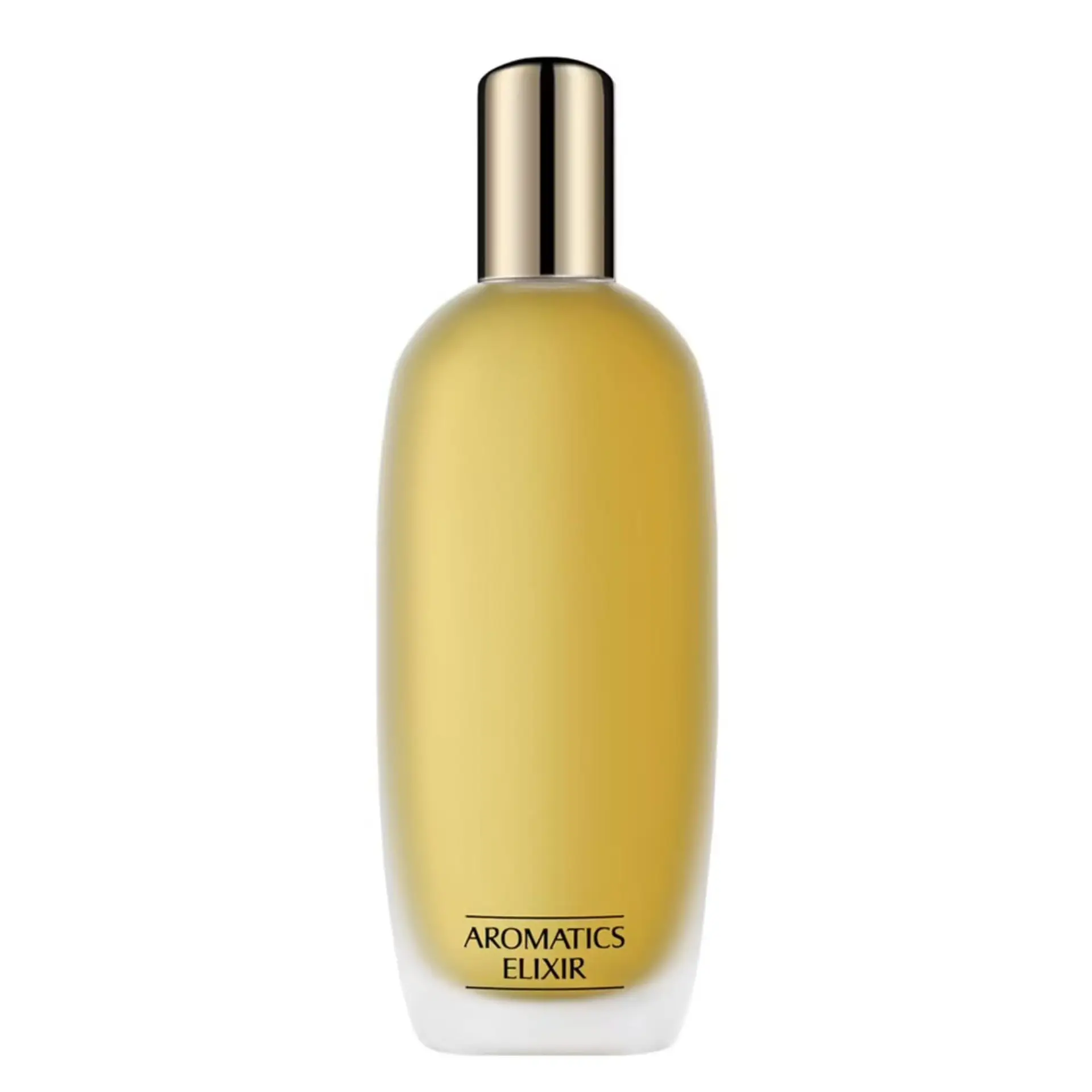
Aromatics Elixir: the mysterious oddity that has intrigued for years
If Happy plays the consensus card, Aromatics Elixir takes a completely different path. This oriental floral composition is disconcerting from the very first seconds, a mix of green notes, spices and resins that looks nothing like what you would expect from a brand like Clinique. And that is precisely its charm: the ability to surprise when you least expect it.
The perfume evolves fascinatingly on the skin: the almost medicinal top notes give way to a complex floral heart (rose, ylang-ylang, jasmine) before settling into a deep amber base. It is easy to see why some public figures have made it their signature scent: this is the kind of perfume that stays in the memory and sparks curiosity. Aromatics Elixir proves that Clinique perfume can also play in the league of niche, more distinctive compositions when it feels like it.
The dermatological approach applied to perfumery
What fundamentally sets Clinique apart from other players in the market is its focus on skin tolerance, inherited from its cosmetic DNA. Its perfumes are formulated without problematic allergens and dermatologically tested. These constraints might restrict creativity but, paradoxically, push perfumers to innovate. This "hypoallergenic" approach partly explains why Clinique compositions favour freshness and lightness.
This makes the range a good fit for sensitive skin, for people who react to classic fragrances, and for those new to perfume who prefer to start gently. Clinique perfume thus acts as a gateway into the world of fragrance, a positioning less glamorous than that of the luxury houses, but socially useful.
Happy for Men and the logical extension into men's fragrance
The men's version of Happy illustrates the Clinique philosophy perfectly: take the codes that work and adapt them without radically transforming them. Happy for Men keeps the optimistic spirit of the original while giving it a more masculine slant with greener, woodier notes. The result avoids the pitfall of the "bland unisex fragrance", a trap that brands often fall into when attempting a gender transposition.
This men's extension also reveals the discreet but real ambition of Clinique perfume: to build a coherent fragrance world around identifiable values (freshness, well-being, accessibility). It is a strategy less spectacular than heavily marketed launches, but one that builds perfumery credibility step by step. Men who discover Clinique through skincare can then turn to the fragrances, with the halo effect at work.
Frequently asked questions
Happy and Aromatics Elixir represent two completely opposite sides of Clinique. Happy is a direct, bright fruity floral with sparkling citrus that reflects a straightforward American vision of happiness. Aromatics Elixir, by contrast, is a mysterious oriental floral composition that is disconcerting from the first seconds, with green notes, spices and resins. It is a complex perfume that evolves a great deal on the skin and stays in the memory.
Yes, this is one of Clinique's particular strengths. The brand applies the same standards to its perfumes as to its skincare: formulas tested by dermatologists and no major allergens. This approach, inherited from the brand's roots (it was founded in 1968 by Evelyn Lauder), gives fragrances designed like skincare.
Happy suits everyday wear and any moment when you want to give off positive energy. Its sparkling citrus freshness and light floral composition make it a great choice for the office, nights out with friends, or simply when you want to feel good without overthinking it. It is the kind of perfume suited to anyone who wants to smell good naturally, with no surprises.
Clinique embraces its dermatological roots rather than the couture or jewellery heritage of other houses. This approach gives perfumes with an immediate freshness and no frills, with a focus on clean beauty ahead of its time. Where others favour complexity for its own sake, Clinique focuses on effectiveness and formulas that respect the skin, which can disconcert purists but appeals to those looking for simplicity.
It opens with almost medicinal top notes that can be disconcerting, then reveals a complex floral heart of rose, ylang-ylang and jasmine, before settling into a deep amber base. This transformation explains why some public figures have made it their signature scent: it is a perfume that intrigues and stays in the memory.