
Nail Polish Remover: Our Make-Up Selection
Nail polish remover deserves a closer look. Gentle acetone-free formulas suit sensitive nails, while stronger removers are designed to take off gel or semi-permanent polish, so the choice shouldn't be left to chance.
Expert Brands for Every Need
Guerlain and Sisley feature in the selection. On the practical side, Hérôme offers highly technical solutions for the most hard-wearing manicures, with professional removers designed for stubborn gels.
The key question is which remover suits which use. Taking off an ordinary polish on a Sunday evening and removing gel capsules are very different jobs. Fortunately, with Yves Saint Laurent's quick wipes, Lancôme's precise corrector pens and Clarins' oil-enriched formulas, there is a suitable option for every situation. YSL wipes are ideal for quick touch-ups. Lancôme pens let you correct a smudge without redoing the whole manicure. Clarins removers, enriched with argan oil and vitamin E, nourish the nail while they cleanse. The important thing is not to sacrifice the health of your nails to save time.
Our advice: it is better to choose a good remover and use it properly than to save on a product that causes damage, which can lead to costly repair treatments later.
Our Nail Polish Remover Products
3 products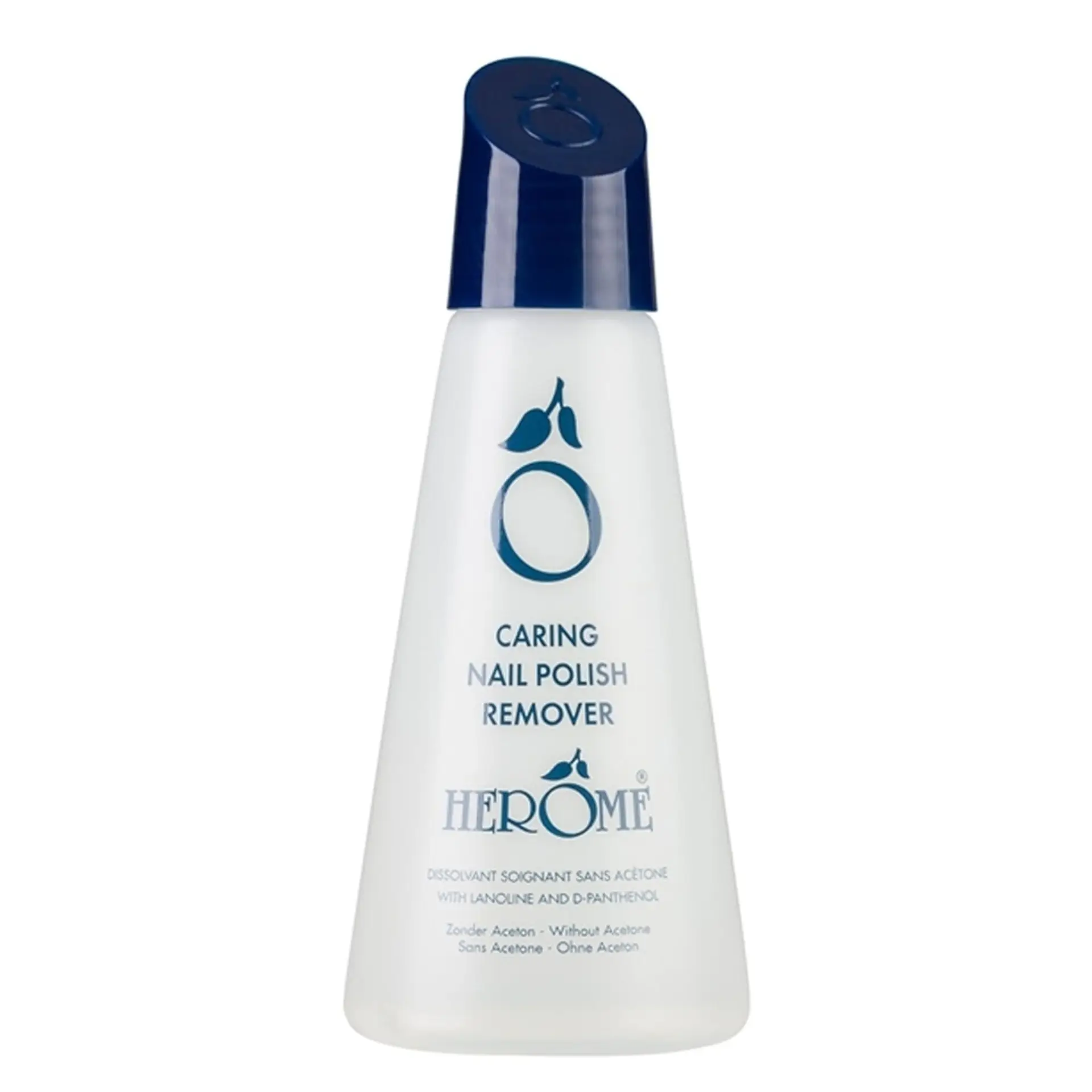
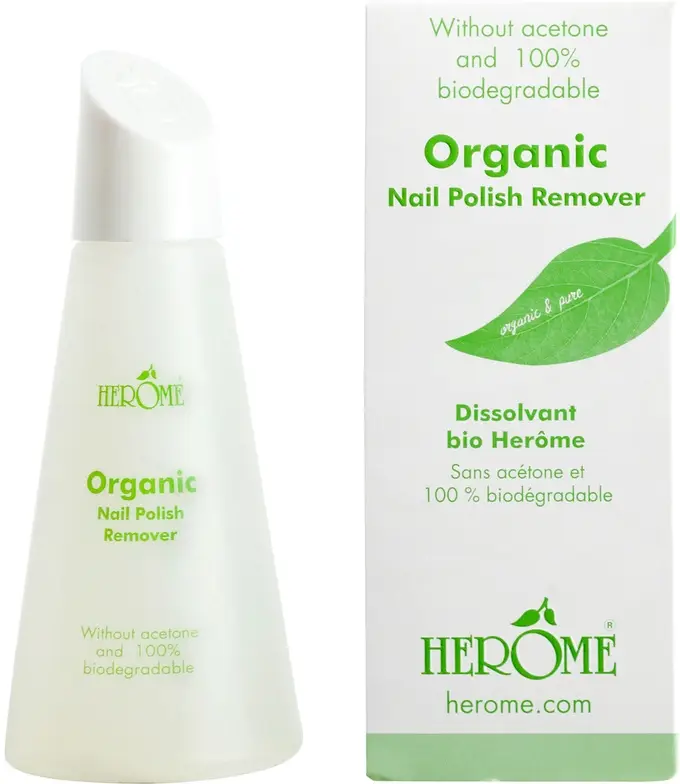
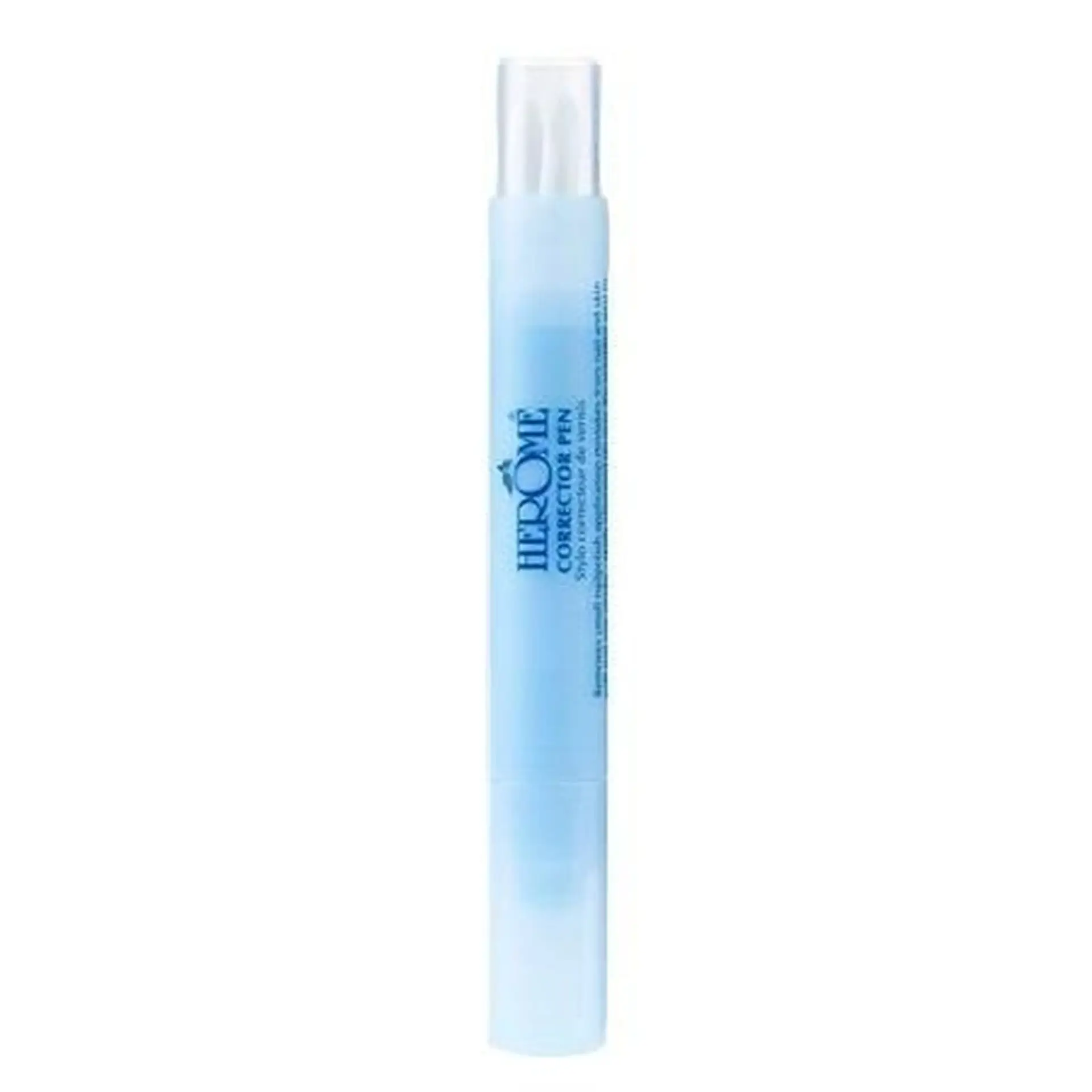
Find out more
Acetone or Acetone-Free: The Choice That Changes Everything
The difference between acetone and a standard remover is a bit like comparing a hammer with a screwdriver: each has its own use. Pure acetone is mainly used to soften and lift nail extensions or very stubborn semi-permanent polish. It is the heavy-duty option when gel nails refuse to budge. But be careful: acetone is very drying, so nails and hands need to be well moisturised afterwards.
Acetone-free removers work more gently. Enriched with sweet almond oil at Caron or soothing extracts at Sisley, they help preserve the nail's natural moisture. They are recommended for everyday use and for anyone with thin, brittle nails. Admittedly, a glittery, stubborn polish sometimes needs a second go, but the long-term condition of your nails is well worth that little extra patience.
Practical Formats: Wipes, Pens and Classic Bottles
Clinique wipes stand out for their lint-free texture and a formula that leaves no greasy residue. They are especially recommended for travellers or for anyone doing their nails at the office (yes, it happens more often than you might think).
Corrector pens, such as those from Guerlain, are the ultimate precision tool. A little polish overspill? Just a tip soaked in remover and it's sorted. The only drawback is that they run out quickly if used too generously. For big removal jobs, nothing beats the good old bottle and cotton wool, which is more economical and more effective over larger areas.
How to Remove Gel Nails Successfully at Home
To remove a gel nail or semi-permanent polish, technique matters as much as the product. It is always advisable to start by lightly filing the surface to break the top coat, which makes it much easier for the remover to penetrate. Next, use cotton pads soaked in acetone remover, held in place with aluminium foil wraps for about ten minutes. It is less glamorous than the salon, but it works.
The real trick: never force it by scraping with a metal tool. If the polish doesn't lift easily after the soaking time, the application needs to be left longer or a different remover is needed. Always finish with a rich, nourishing cream, as the cuticles and the skin around the nail will thank you. Lancôme removers often include moisturising agents to limit this drying effect.
Common Mistakes with Nail Polish Remover and Cotton Wool
The first classic mistake is using an acetone remover every day "because it's quicker". This is often where the problem lies: a remover that is too harsh for daily use. To remove ordinary polish, a gentle formula is quite enough, so keep acetone for the difficult cases.
The second pitfall is neglecting the quality of the cotton wool. Poor-quality cotton that sheds will leave fibres on the nail and make the next polish application harder. Finally, one last important point: never shake a bottle of nail polish remover. Unlike polish, it serves no purpose and may alter the formula.
Frequently asked questions
Acetone is the strong option for removing semi-permanent polish or stubborn nail extensions. It works quickly but is very drying, so moisturising afterwards is recommended. Acetone-free removers, enriched with sweet almond oil or soothing extracts, work more gently and preserve the nail's natural moisture. They are ideal for everyday use or fragile nails.
Wipes have their advantages: they don't fray like cotton wool and stop the product running everywhere. Clinique's, for example, have a lint-free texture and leave no greasy residue. They are handy for travel or quick touch-ups, but for big removal jobs the classic bottle remains more economical and effective.
With a good-quality acetone-free remover, you can use it daily without a problem. These gentle formulas help preserve the nail's natural moisture. Pure acetone, on the other hand, should be kept for occasional use because it is very drying. In every case, moisturising the nails and cuticles after use is recommended to keep them supple and strong.
Glitter polishes demand a little more patience, especially with an acetone-free remover. The trick is to soak the cotton pad generously, rest it on the nail for a few seconds to let the product work, then press and slide rather than rub. Sometimes it takes a second go, but this is better for the long-term condition of your nails.
A corrector pen, such as the one from Guerlain, is the ideal precision tool for fixing small polish overspills or cleaning around the edge of the nail. Its tip allows fine work that is impossible with cotton wool. It is perfect for rescuing a smudged manicure without starting again. The only drawback is that it runs out quickly if overused, so it is best kept for finishing touches and touch-ups.