
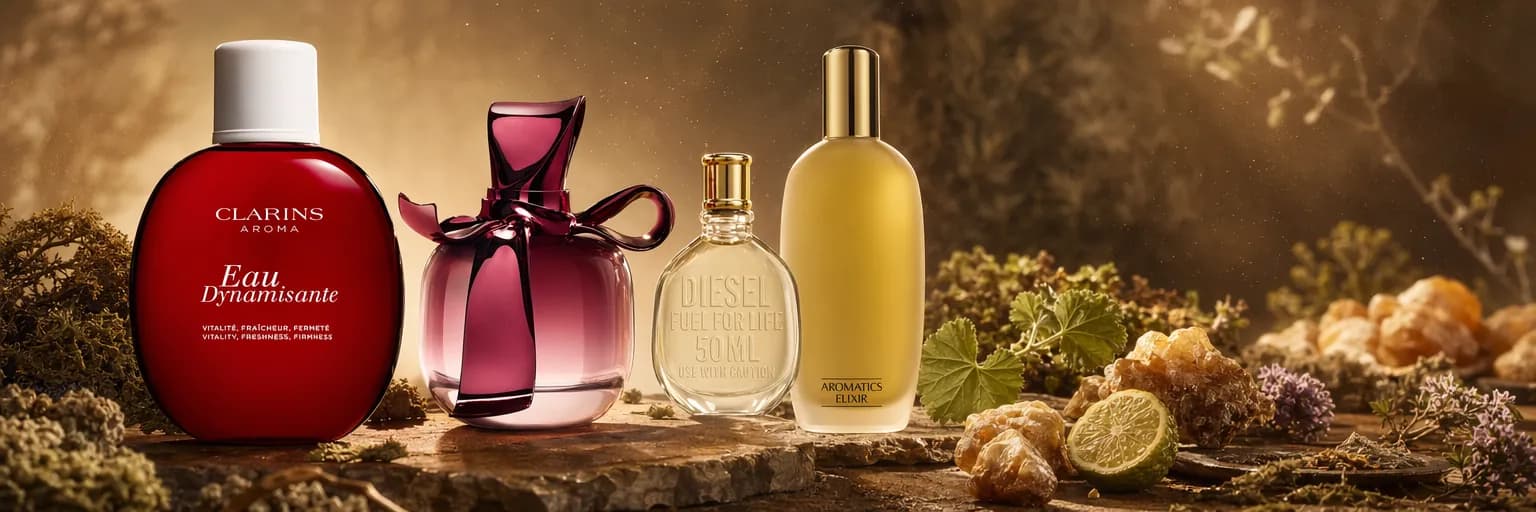
Chypre perfume: the timeless elegance of a legendary family
When a customer walks into Tendance Parfums asking for "something elegant, with character, not too floral", I almost always think of the chypre family first. Not out of habit, but because this olfactory architecture has something rare about it: a vegetal, mineral depth that stands the test of time, a structured sillage that doesn't shout.
The chypre olfactory family is one of the great founding architectures of modern perfumery. It rests on a precise triad of notes, it has more than a century of history behind it, and it continues to produce perfumes that rank among the most beautiful ever created.
This guide covers everything: definition, sub-families, a selection for women and men, differences from neighbouring families, regulation, and wearing tips. Let's get started.
What is a chypre perfume?
Olfactory definition: the founding triad of chypre
A chypre perfume is recognisable by its tripartite architecture. At the top, bergamot — a fresh, slightly bitter citrus that opens the composition with clarity. At the heart, a floral accord (rose, jasmine, geranium) or an aromatic one (lavender, sage). At the base, the founding combination: oakmoss, labdanum and patchouli.
It is this base note that defines everything. It gives chypre its dry, vegetal, slightly earthy profile, with a longevity that few other families can claim. Labdanum brings a warm, animalic resin; oakmoss, an almost tactile woody-marine texture; patchouli, an earthy depth that anchors the whole composition.
The result is a structured parfum, with a clear architecture from top to base, with no soft transitions. This is what's known as a dry-vegetal-mineral profile.
Historical origins: François Coty and the founding act of 1917
In 1917, François Coty launched a parfum he simply called "Chypre". The name was inspired by the vegetal and resinous scents associated with the Mediterranean island — labdanum, rockrose, aromatic plants. This parfum inaugurated a new olfactory structure, the bergamot-oakmoss-labdanum triad, and gave its name to an entire family.
Two years later, in 1919, Jacques Guerlain created Mitsouko. It is the first great classic of the chypre family: a velvety peach over a base of oakmoss and labdanum, with a complexity and depth that remain absolute reference points more than a century later.
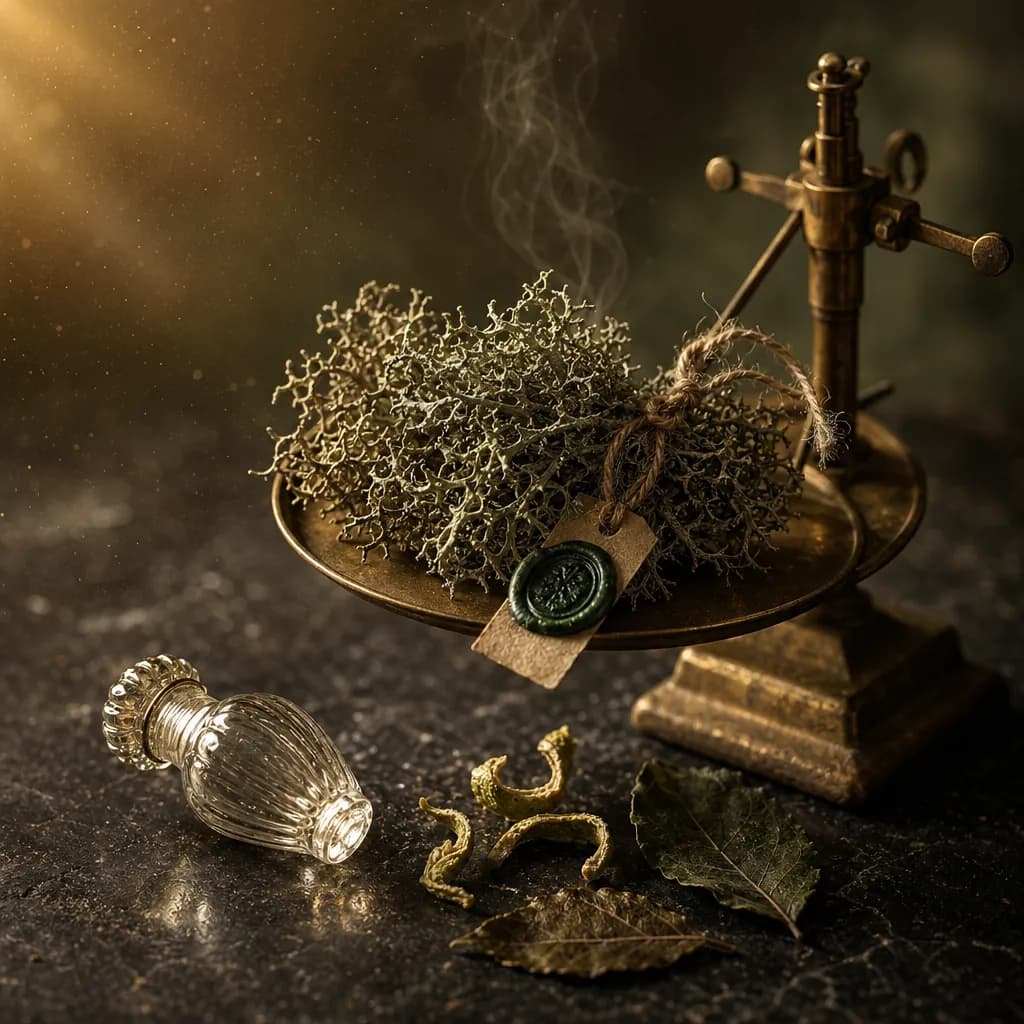
Did you know? In 1917, François Coty created the parfum "Chypre", which gave its name to an entire olfactory family — a first in the history of modern perfumery. Inspired by the vegetal and woody scents of the Mediterranean island, this parfum inaugurated the tripartite bergamot-oakmoss-labdanum structure that would become canonical.
Why are chypre perfumes so elegant and timeless?
The answer is partly chemical. The earthy, vegetal molecules of oakmoss and labdanum absolute have a naturally high longevity: they evaporate slowly, which gives chypre that long, progressive sillage that unfolds on the skin over several hours.
There's also a psychological dimension. Chypre accords have long been associated with sophistication, assertive character, a certain idea of adult elegance — not decorative elegance, but the kind that endures over time. These are perfumes that demand a little attention, that reward the person wearing them.
That's why I often recommend them to people looking to move away from compositions that are too smooth or too sweet. A chypre has a backbone.
The 5 chypre sub-families
| Name | Olfactory profile | Typical notes | Examples |
|---|---|---|---|
| Floral chypre | Elegant-feminine | Bergamot, rose, jasmine, oakmoss, labdanum | Mitsouko Guerlain, Aromatics Elixir Clinique |
| Fruity chypre | Lively-modern | Bergamot, peach, blackcurrant, patchouli, oakmoss | Lancôme Trésor, Guerlain Mitsouko |
| Woody chypre | Dry-structured | Cedar, vetiver, patchouli, oakmoss, labdanum | Hermès Terre d'Hermès, Mugler Alien |
| Aromatic chypre | Fresh-masculine | Lavender, sage, rosemary, oakmoss, patchouli | Azzaro Pour Homme, Paco Rabanne Pour Homme |
| Leather chypre | Deep-sophisticated | Leather, labdanum, oakmoss, iris, rockrose | Knize Ten, Cabochard Grès |
Floral chypre
Floral chypre is the most classic sub-family, and undoubtedly the most represented in the history of women's perfumery. Bergamot opens onto a heart note of rose and jasmine, sometimes enriched with iris or ylang-ylang, before descending into an oakmoss and labdanum base note.
Guerlain's Mitsouko is its founding archetype. Clinique's Aromatics Elixir represents a denser, almost medicinal version, with geranium and labdanum pushing the composition towards something very assertive. To explore this family further, our guide to floral perfumes offers useful pointers.
Fruity chypre
The fruity note — peach, blackcurrant, apricot — adds vibrancy and depth to the classic chypre structure. It modernises the accord without altering its essence. Mitsouko belongs to both categories here: its velvety peach over oakmoss is the perfect example of founding fruity chypre. Lancôme Trésor, softer and powdery, is the mass-market version from the 1990s.
Patchouli plays a key role in this sub-family: it gives body to the fruity note and stops the composition from becoming too light.
Woody chypre
When cedar, vetiver and sandalwood take on greater importance in the base note, we move into woody chypre. This is a drier, more mineral sub-family, often perceived as more masculine — although Mugler Alien, with its jasmine sambac and white oakmoss, shows that woody chypre can be feminine and radiant.
Hermès Terre d'Hermès is the contemporary reference for men's woody chypre. To explore this olfactory direction further, our dossier on woody perfumes complements this overview nicely.
Aromatic chypre
Lavender, sage, rosemary and basil replace the floral heart note in this predominantly masculine sub-family. The result is a fresh, structured parfum, with an aromatic lightness at the top and chypre depth in the base note. Azzaro Pour Homme (1978) and Paco Rabanne Pour Homme (1973) are the two pillars of this category.
There's an obvious kinship with the fougere family, and the line between the two can be blurred — I'll come back to this in the comparison section.
Leather chypre
Leather chypre is the deepest and most mysterious sub-family. Leather, labdanum absolute, oakmoss, iris and rockrose combine to create dark, sophisticated compositions with strong character. Knize Ten is a historic men's reference. Cabochard by Grès, created in 1959, is one of the great feminine classics of this sub-family — a dense, almost austere composition that fully embraces its character.
Our selection: the best chypre perfumes for women 2026
To explore this selection further, our complete guide to chypre perfumes for women presents detailed profiles by sub-family and occasion.
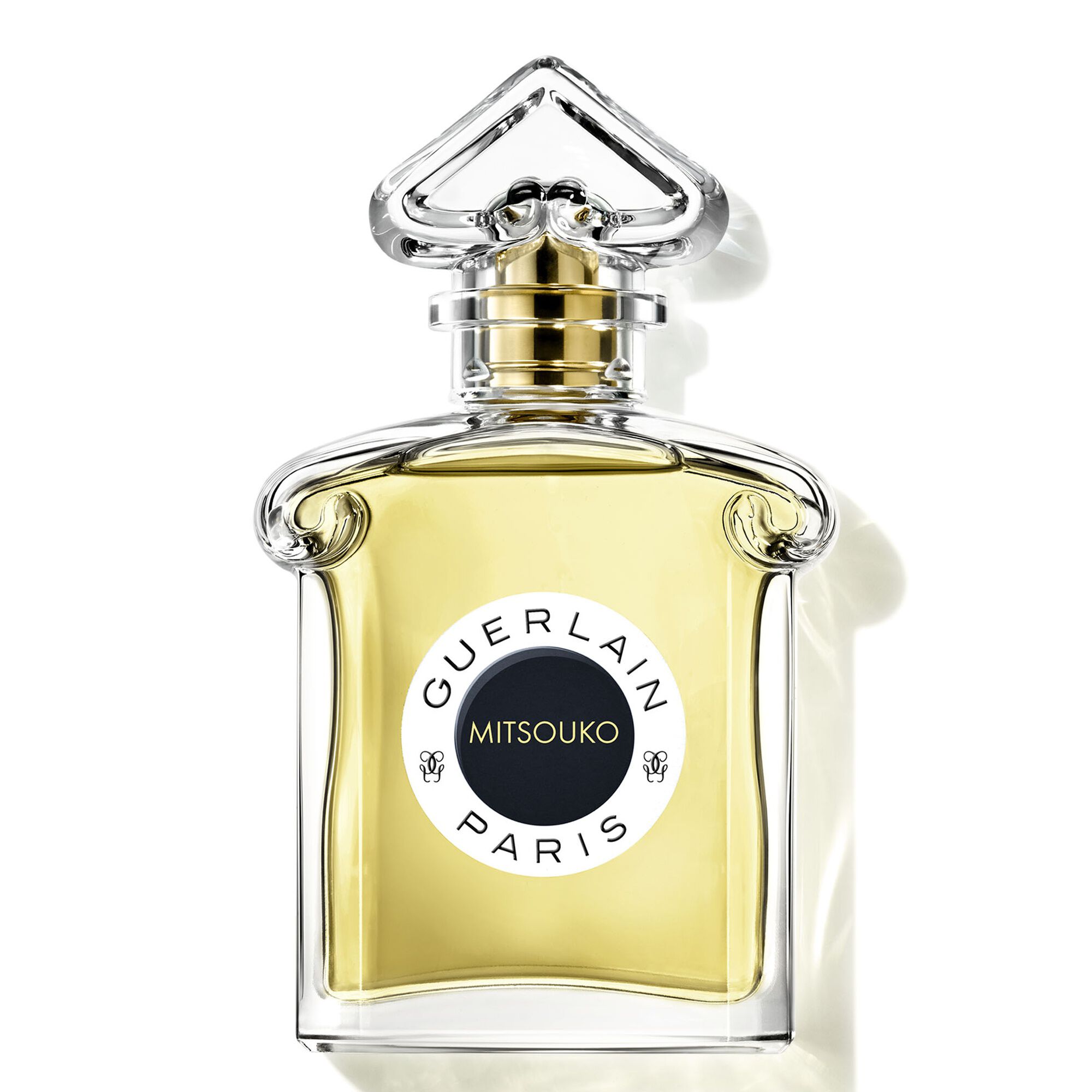
Guerlain Mitsouko EDP — Guerlain
Created in 1919 by Jacques Guerlain, Mitsouko remains the benchmark of the chypre family. Velvety peach at the top, rose and jasmine at the heart, oakmoss and labdanum in the base: a vegetal, mineral depth that few modern perfumes have managed to match. For anyone seeking a reference chypre with strong character. See also the Guerlain brand.
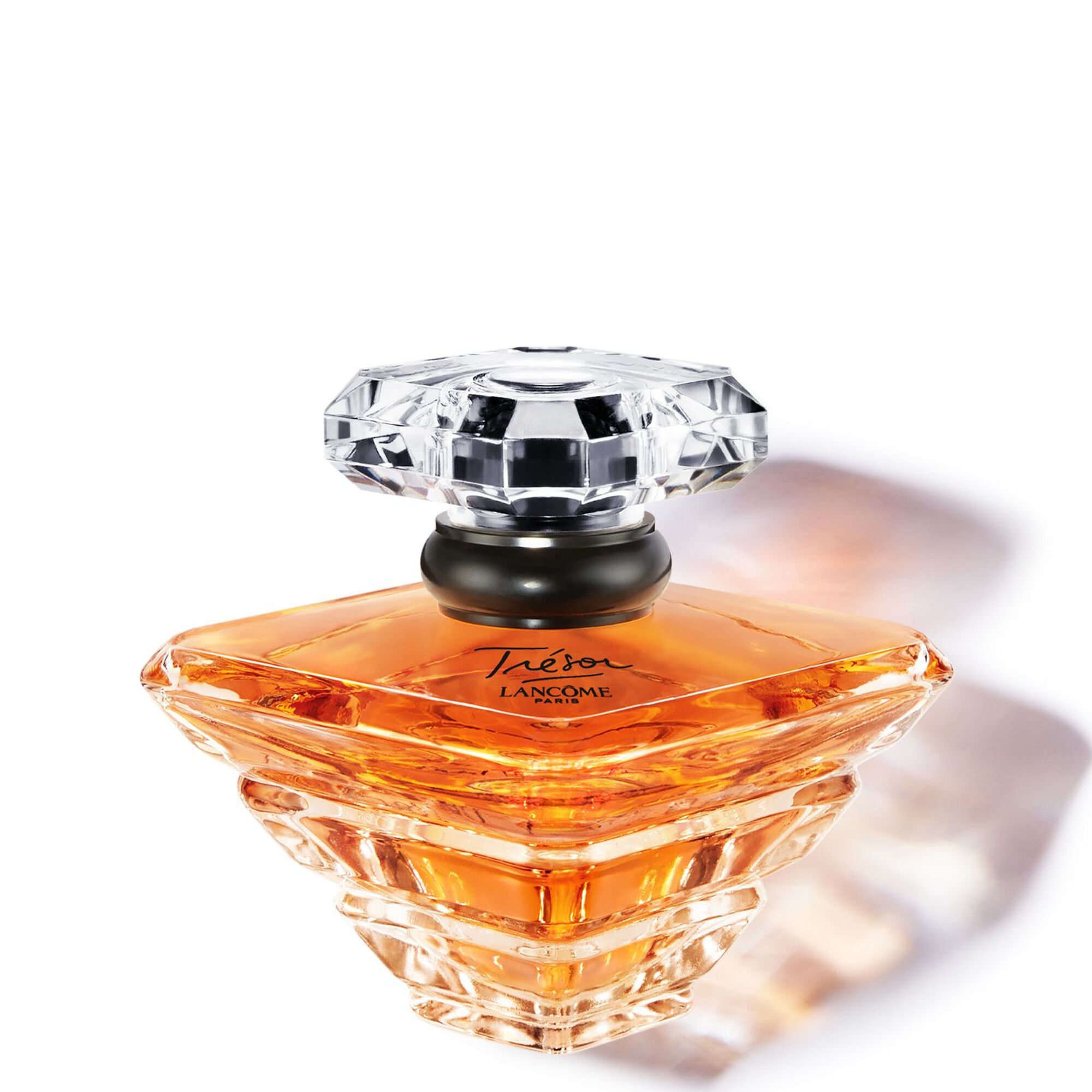
Lancôme Trésor EDP — Lancôme
A best-selling women's chypre since 1990. Rose and iris over an amber oakmoss base note give a soft, powdery, generous floral chypre. Accessible without being banal, it has won over several generations. For the woman who wants an elegant, reassuring chypre without austerity. See also the Paco Rabanne brand for other chypre options.
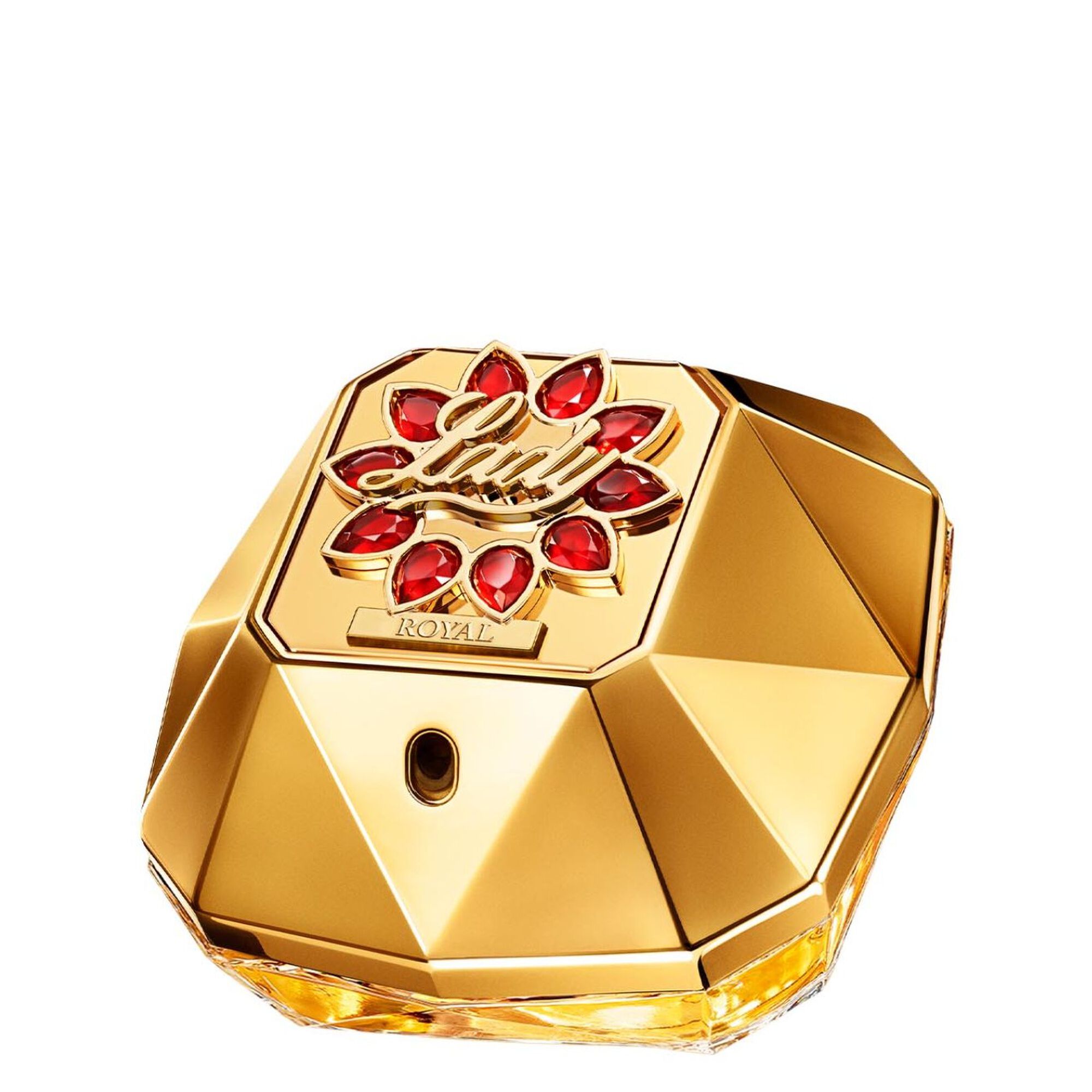
Paco Rabanne Lady Million Royal — Paco Rabanne
In its recognisable diamond-shaped flacon, Lady Million Royal combines floral and fruity notes at the top, jasmine and rose at the heart, patchouli and oakmoss at the base. A bright, festive floral chypre with strong sillage. For the woman who loves to assert herself and is looking for a modern chypre without complexes.
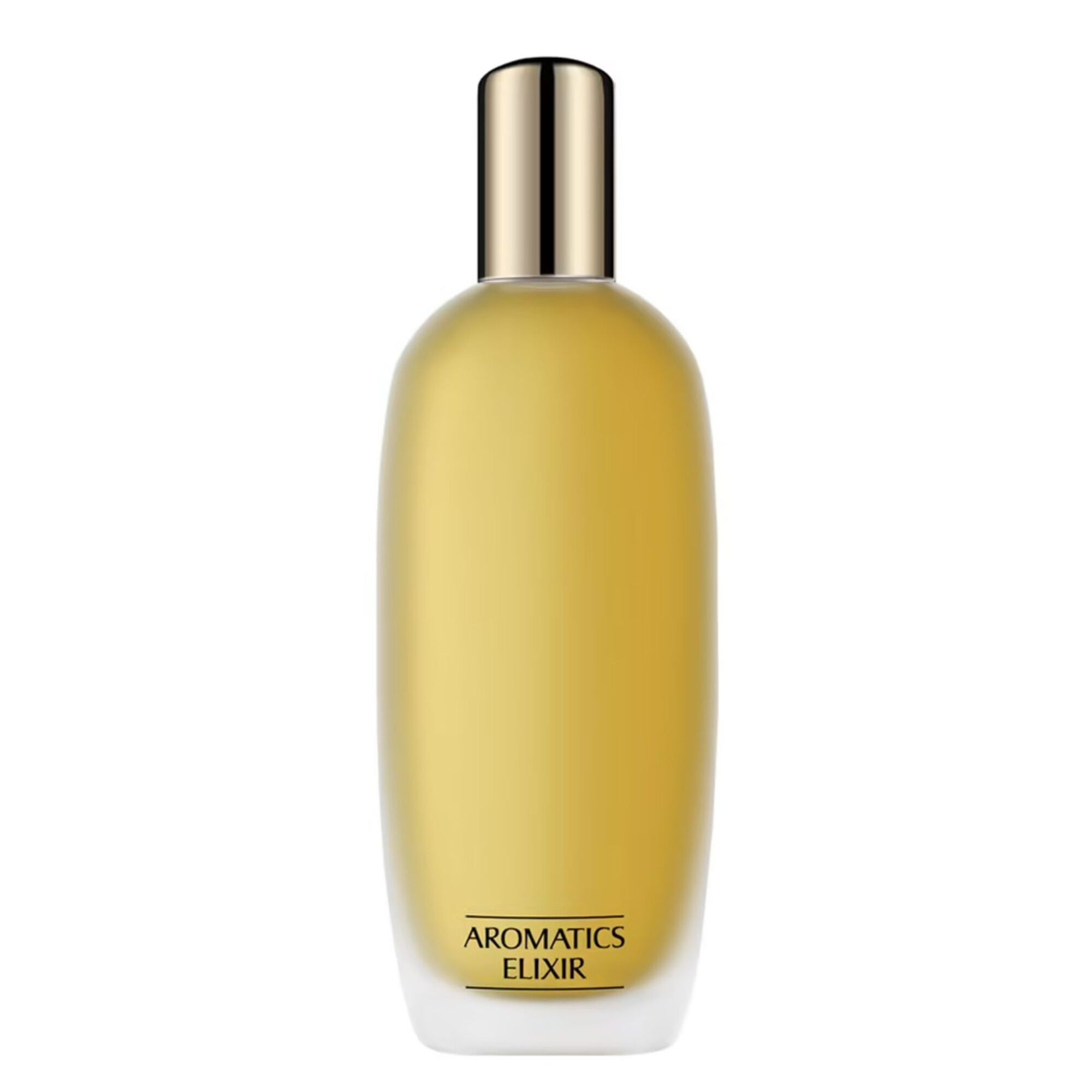
Clinique Aromatics Elixir EDP — Clinique
Launched in 1971, Aromatics Elixir divides as much as it fascinates. Rose and geranium at the top, ylang-ylang and jasmine at the heart, oakmoss, labdanum and rockrose in the base note: a dense, almost medicinal composition that fully embraces its character. For the woman who wants a parfum with strong identity, far from trends.
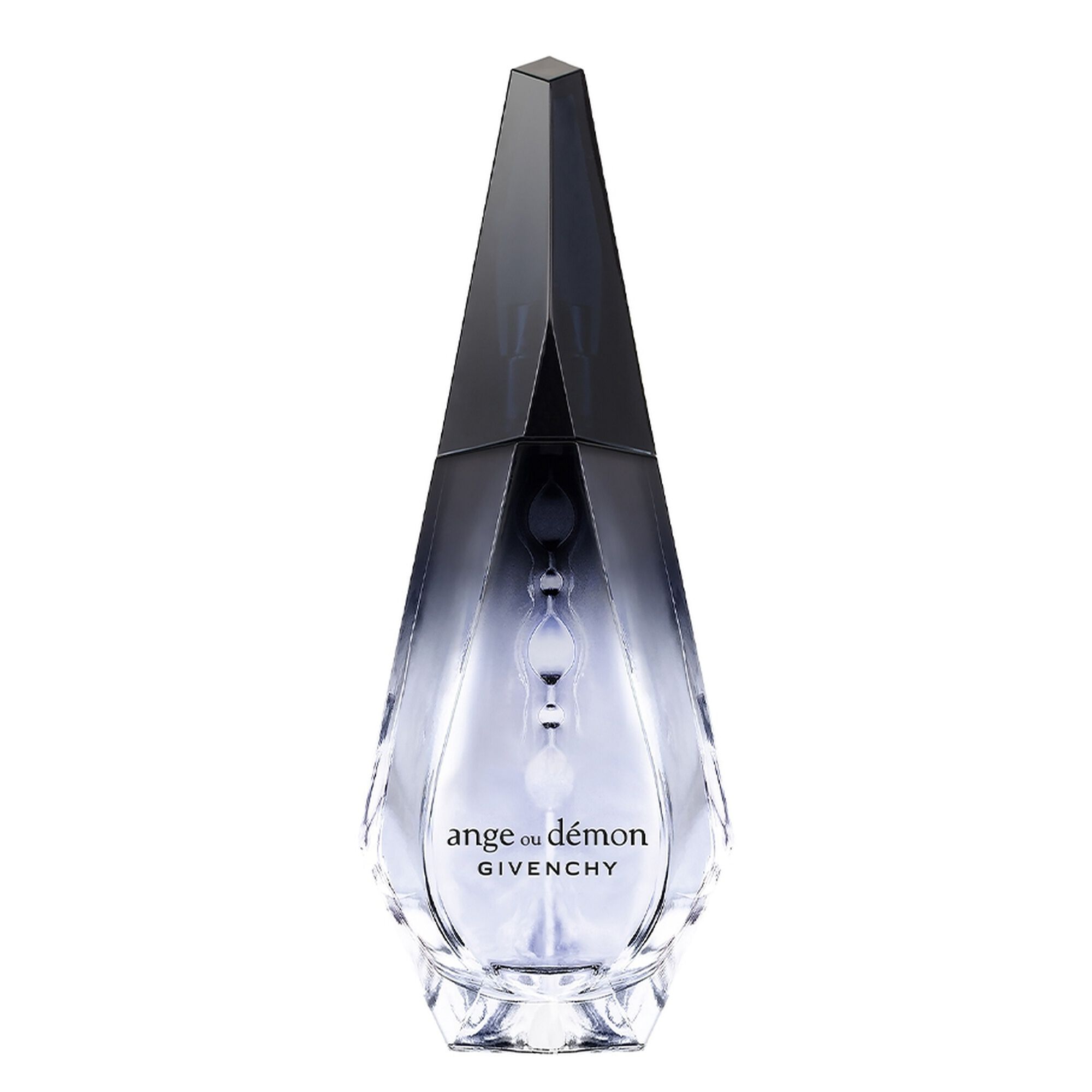
Givenchy Ange ou Démon EDP — Givenchy
A modern feminine woody floral chypre, between light and depth. Bergamot and lily at the top, iris and jasmine at the heart, guaiacwood and oakmoss in the base note. The composition is structured, elegant, with a marked sillage that lasts over time. For the woman seeking a contemporary chypre with character and complexity.
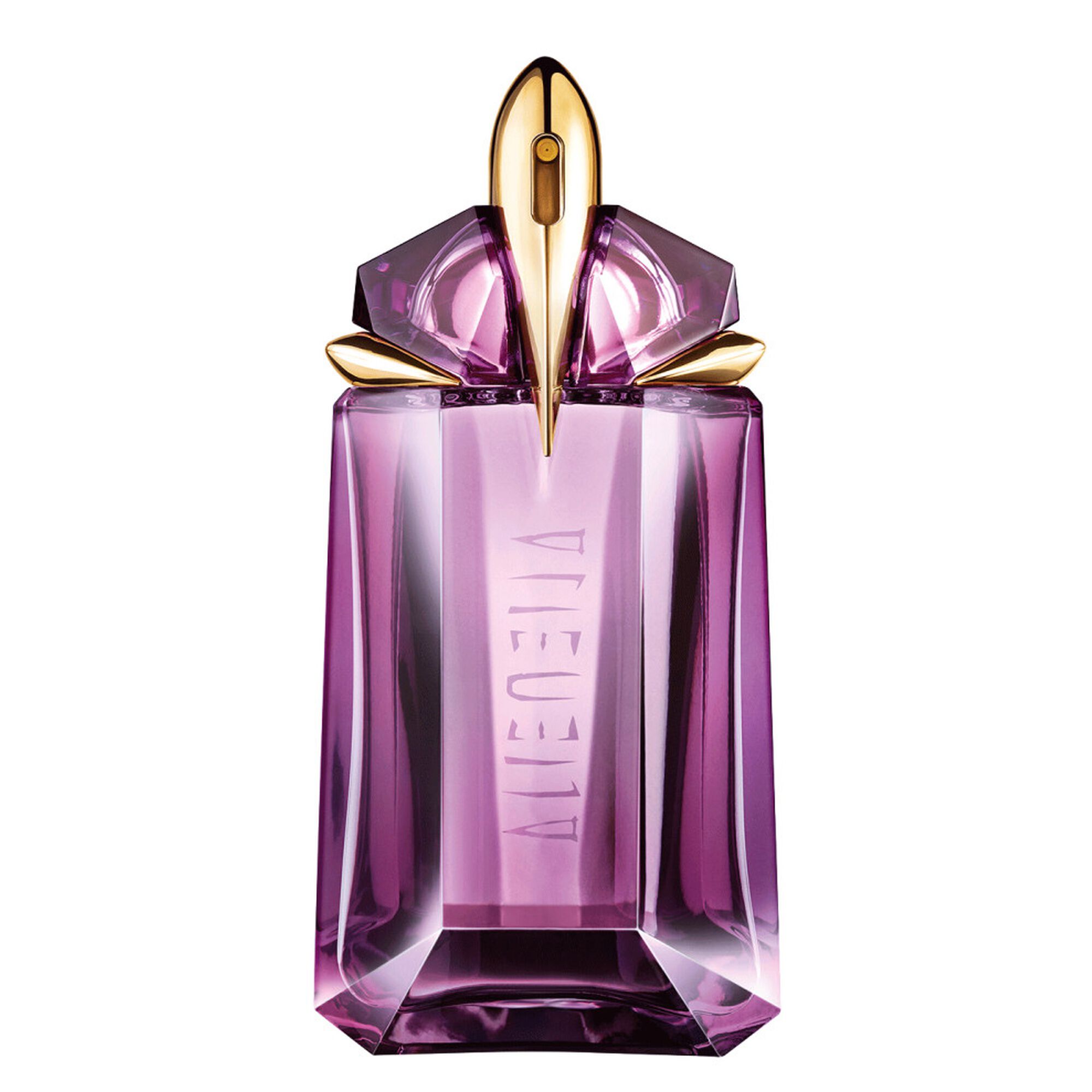
Mugler Alien EDP — Mugler
Alien is a radiant, mineral woody chypre, unique within the category. Jasmine sambac at the heart, cashmerewood and white oakmoss in the base note: a luminous, almost solid composition with remarkable longevity. For the woman who wants a modern, enveloping woody chypre, without the dryness of the classics.
A word on leather chypre for women. It is the deepest, least accessible sub-family at first, but often the most memorable. Leather, labdanum, iris and rockrose create dark, refined compositions, far from trends. Clinique Aromatics Elixir and Givenchy Ange ou Démon can serve as gateways into this register: their rockrose and labdanum base note gives a glimpse of that depth without the intensity of pure leather chypre. For the curious, Cabochard by Grès (1959) remains the encyclopaedic reference for feminine leather chypre.
Our selection: the best chypre perfumes for men 2026
Men's chypre mainly comes in two directions: aromatic (lavender, sage, rosemary over oakmoss) and woody (cedar, vetiver, patchouli over oakmoss). In both cases, the structure remains the same: a deep, vegetal base note, a dry, lasting sillage, an elegance that doesn't need to try too hard. Our complete selection of chypre perfumes for men covers a broader spectrum, from entry-level to niche references.
Azzaro Pour Homme EDT — Azzaro
Created in 1978, Azzaro Pour Homme is the icon of men's aromatic chypre. Lavender and basil at the top, sage and rosemary at the heart, vetiver and oakmoss in the base note: an architecture that defined an entire genre. An accessible classic with strong character, it remains an absolute reference for the man who wants a structured, timeless chypre. See also the Azzaro brand.
Paco Rabanne Pour Homme EDT — Paco Rabanne
Launched in 1973, Paco Rabanne Pour Homme is understated and elegant. Lavender and rosemary at the top, geranium at the heart, vetiver and oakmoss in the base note: a dry, structured composition that has stood the test of decades without ageing. For the man seeking a subtle, refined men's chypre, without following trends.
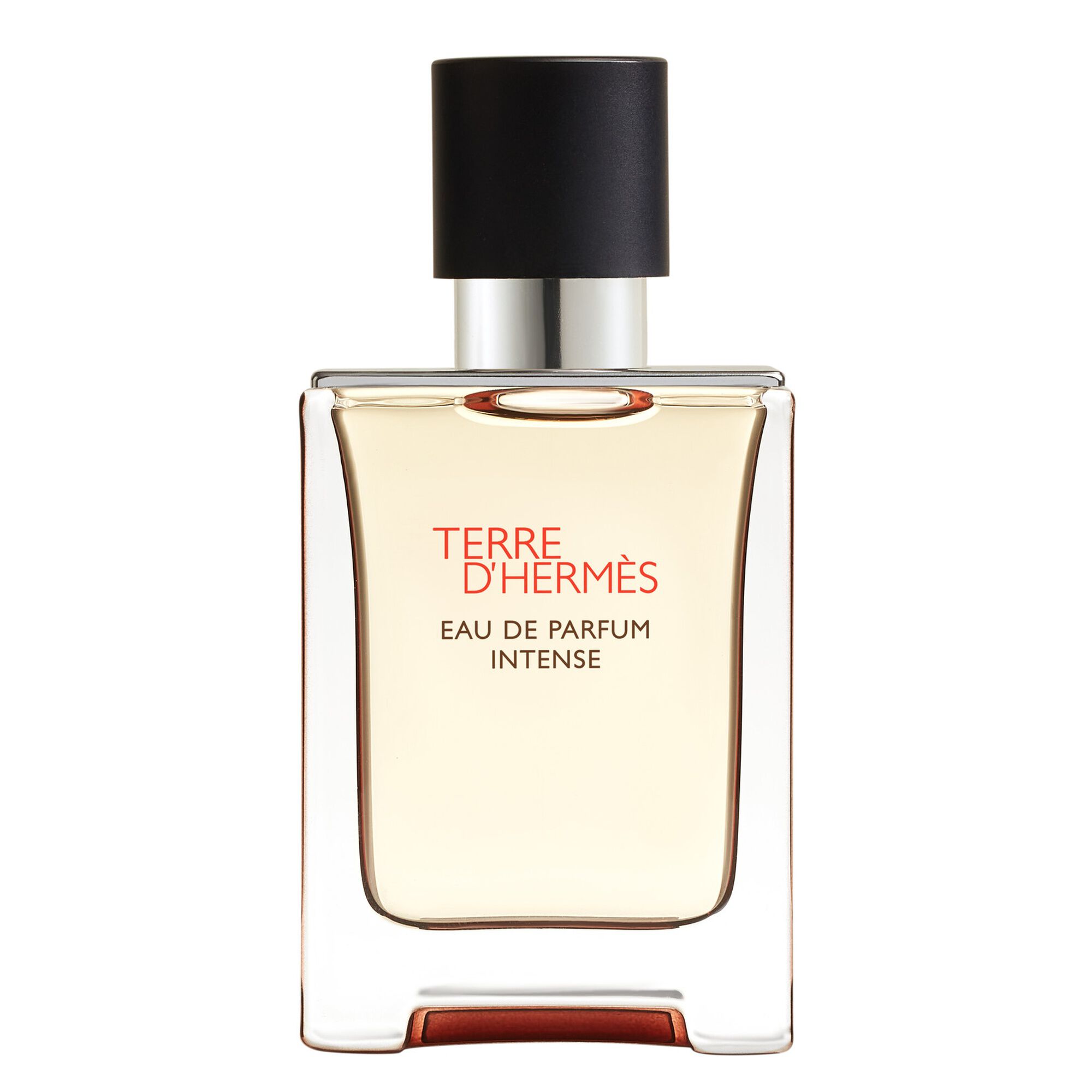
Hermès Terre d'Hermès — Hermès
Created by Jean-Claude Ellena in 2006, Terre d'Hermès is the reference for contemporary men's woody chypre. Grapefruit and pepper at the top, vetiver and cedar in a mineral base note: a dry, earthy chypre of understated elegance. Premium without ostentation. For the man who wants a contemporary chypre between nature and sophistication.
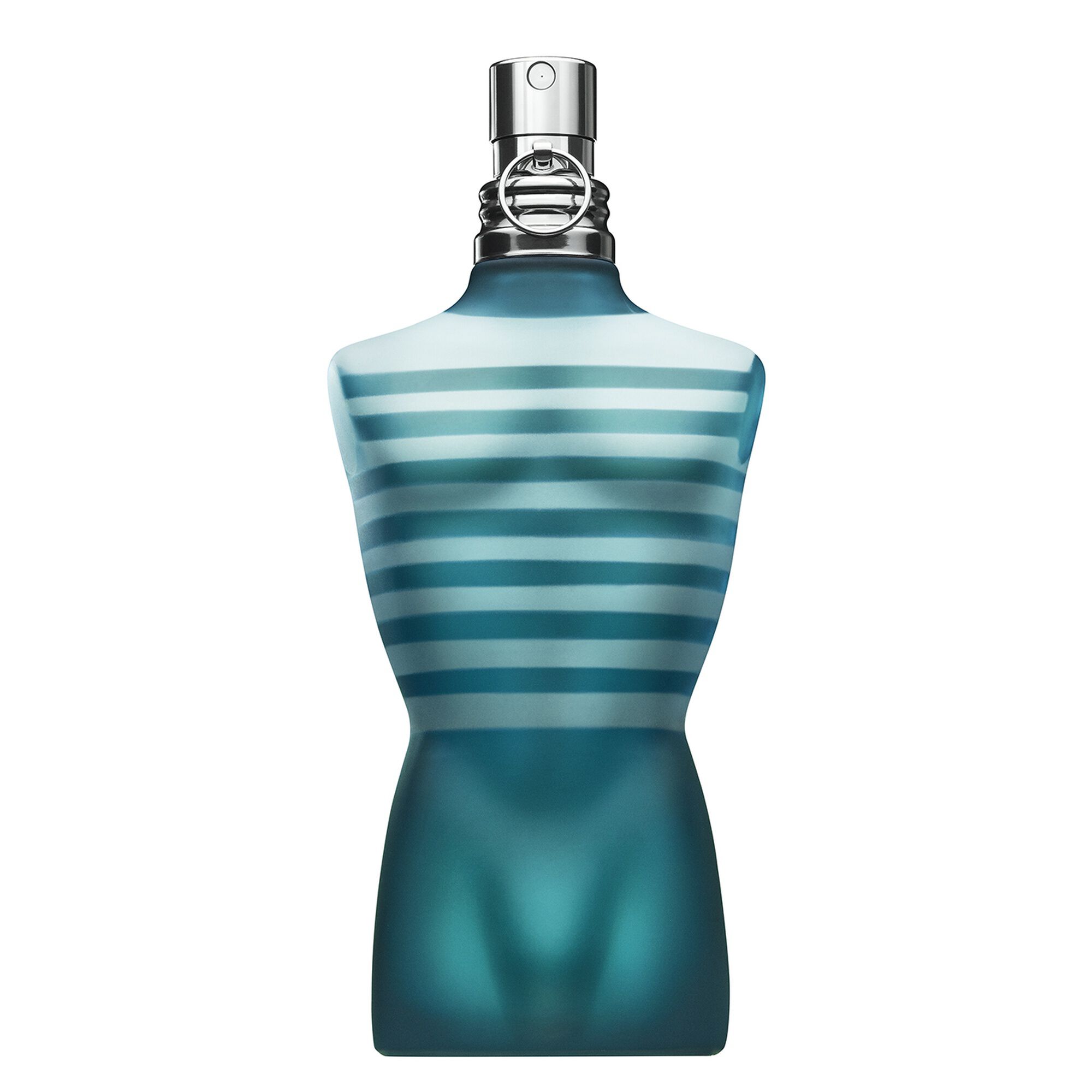
Jean Paul Gaultier Le Male EDT — Jean Paul Gaultier
In its iconic torso-shaped flacon, Le Mâle combines lavender and mint at the top, warm spices at the heart, sandalwood and oakmoss in the base note. A sensual, accessible fougere chypre, a best-seller since 1995. For the man who wants a modern classic with strong sillage, between aromatic freshness and spicy warmth.
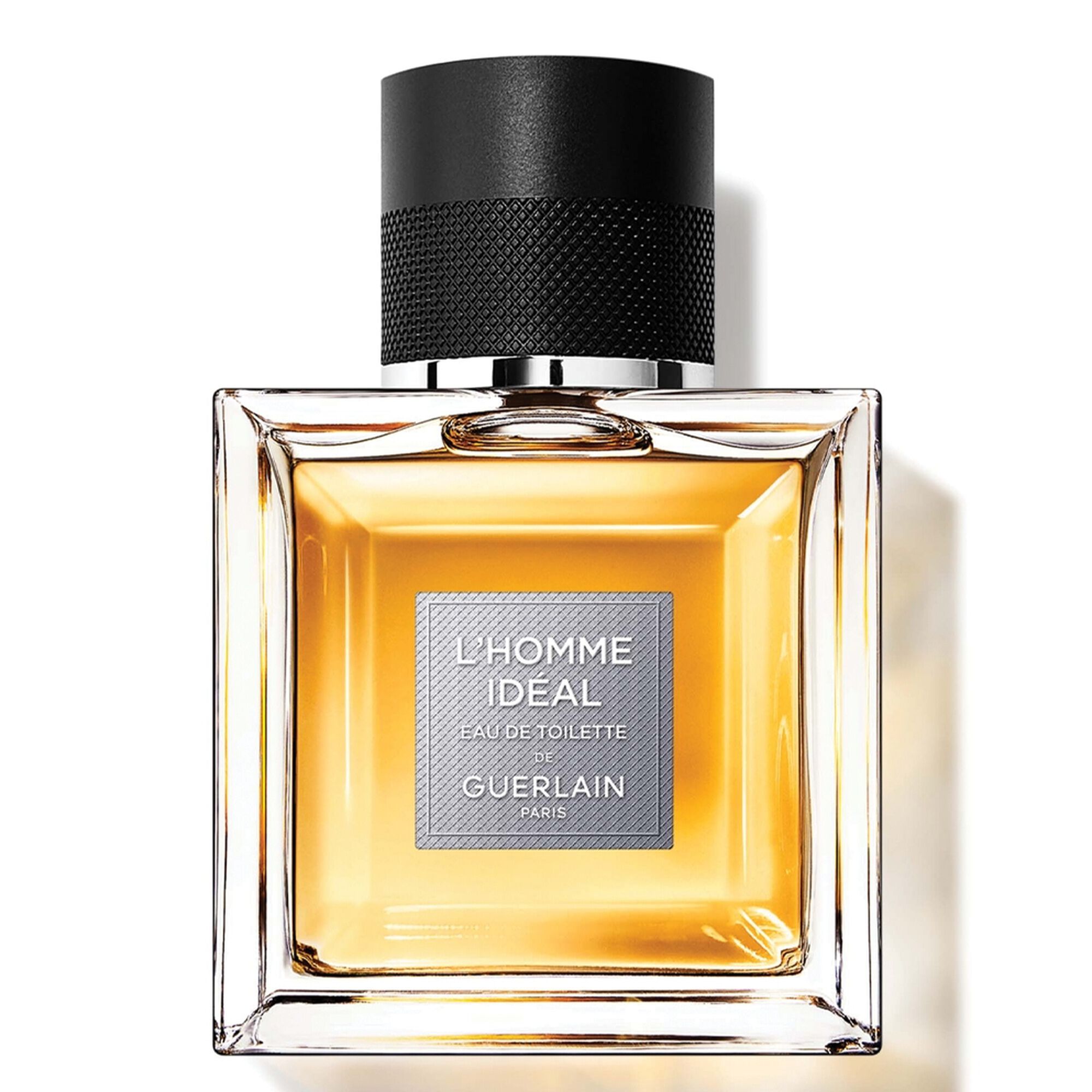
Guerlain L'Homme Idéal EDT — Guerlain
L'Homme Idéal (2014) is Guerlain's contemporary men's woody chypre. Bergamot and lavender at the top, iris and almond at the heart, cedar and oakmoss in the base note: an elegant, accessible composition, between classicism and modernity. For the man who wants a chypre Guerlain for today, without the solemnity of the great classics.
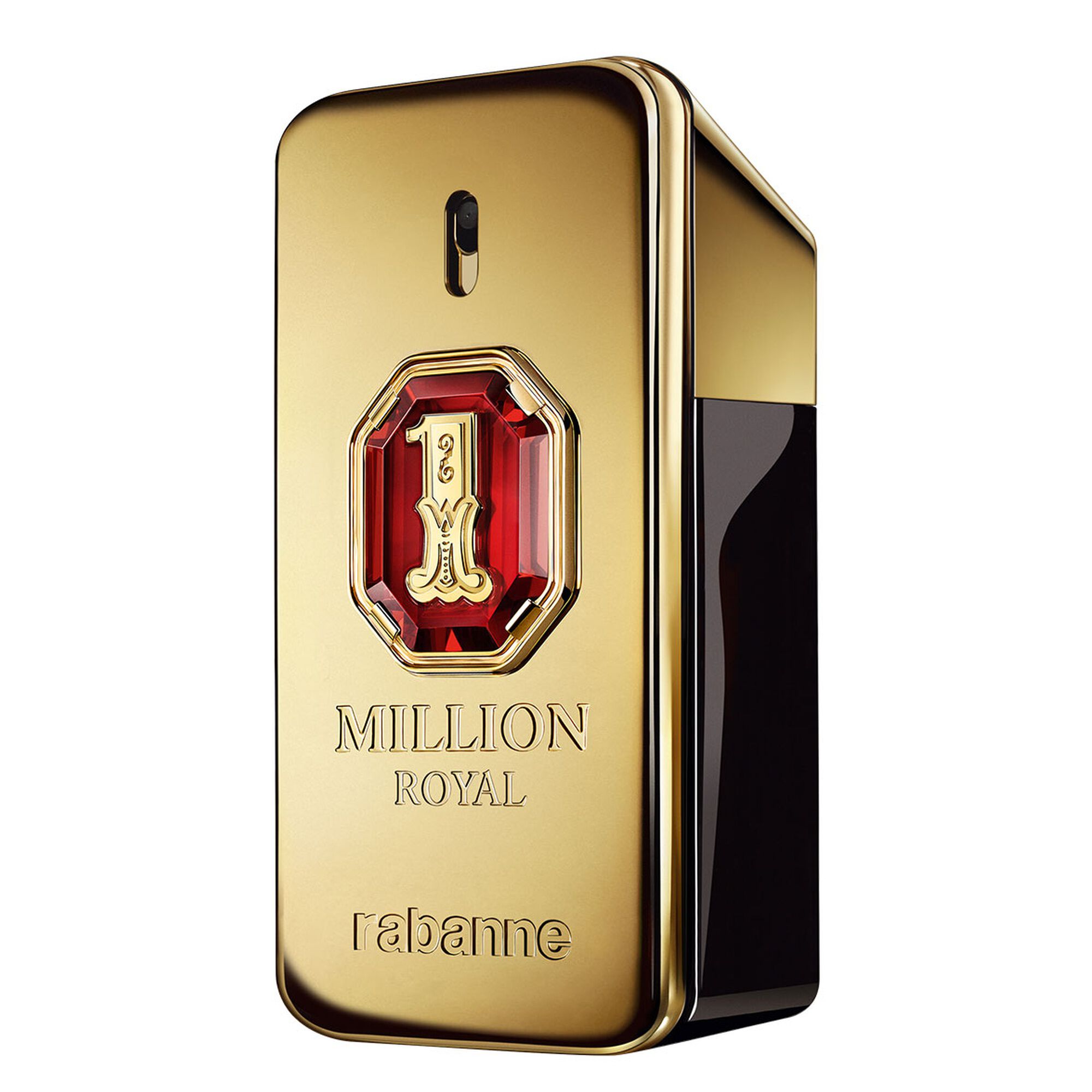
1 Million Royal — Paco Rabanne
In the tradition of the great modern men's chypres, 1 Million Royal pushes the structure towards a more intense, deeper register. Leather, precious woods and patchouli in the base note, spices and fruity notes at the top: an assertive composition with strong sillage, for the man who wants a contemporary chypre with depth and presence.
For niche enthusiasts, two names deserve to be mentioned outright: Hermès Barénia, the reference for high-end men's leather chypre, and Creed Green Irish Tweed, a woody chypre that has influenced an entire generation of perfumers. These two compositions represent what the men's chypre family can achieve at its very best.
Chypre perfume vs woody perfume vs fougere perfume: how to tell them apart
This is the question I get asked most often in-store — and that's understandable, since these three families share notes and a certain common dryness. Here are the key distinctions.
| Family | Signature notes | Dominant profile | TP examples |
|---|---|---|---|
| Chypre | Bergamot, oakmoss, labdanum, patchouli | Vegetal-mineral, structured, dry | Mitsouko, Azzaro Pour Homme, Terre d'Hermès |
| Woody | Cedar, vetiver, sandalwood, guaiacwood | Dry-direct, earthy, linear | Terre d'Hermès (pure woody), L'Homme Idéal |
| Fougere | Lavender, coumarin, oakmoss, geranium | Aromatic-fresh, classic masculine | Le Mâle JPG, Paco Rabanne Pour Homme |
Chypre: the bergamot-oakmoss-labdanum triad
The chypre family is defined by its tripartite structure: bergamot at the top, floral or aromatic accord at the heart, oakmoss and labdanum in the base note. It is this vegetal-mineral base note that gives chypre its characteristic depth and longevity. Coty Chypre (1917) is the founding act — a composition that has never been reissued identically, but whose structure has spawned hundreds of perfumes.
Woody: when cedar and vetiver take over
In a woody perfume, oakmoss and labdanum take a back seat. It is cedar, vetiver, sandalwood and guaiacwood that structure the composition. The profile is drier, more direct, often more linear. Less vegetal-mineral complexity, more pure woody texture. Terre d'Hermès, depending on the concentration, can lean one way or the other — it's a perfume that illustrates well the boundary between the two families.
Fougere: lavender, coumarin and mousse — chypre's masculine cousin
Fougere shares with chypre the use of oakmoss in the base note. But its signature note is coumarin — a molecule with the scent of freshly cut hay and almond — combined with lavender and geranium. Houbigant's Fougère Royale (1882) is the founding act of this family, even predating Coty Chypre. Fougere is historically more masculine, fresher, more aromatic than chypre. Jean Paul Gaultier's Le Mâle and Paco Rabanne Pour Homme illustrate this kinship with the chypre family well while remaining within a fougere register.
How to choose between the three families?
If you're looking for a vegetal-mineral composition with depth and a structured sillage, go for chypre. If you prefer something drier, more direct, with a dominant woody texture, woody is better suited. If you love fresh aromatics, lavender, the classic masculine side without the weight of a resinous base note, fougere is your family. All three directions can be found in our catalogue — don't hesitate to ask for advice if you're torn between two flacons.
Chypre perfume and oakmoss: the founding note in question
Oakmoss: what is it?
Oakmoss is extracted from a lichen, Evernia prunastri, which grows on oak branches in Europe and North Africa. It is harvested by hand, and production is limited.
Its scent is hard to describe without having smelled it: woody, earthy, slightly marine, with an almost damp texture that evokes woodland after rain. It is this note that gives the great classic chypres their characteristic mineral depth. No synthetic substitute reproduces it exactly — that's the whole issue.
IFRA regulation and the reformulation of the great classics
IFRA (the International Fragrance Association) progressively restricted the use of oakmoss between 2003 and 2011, due to its allergenic potential — mainly caused by two molecules, atranol and chloroatranol. The restrictions first limited authorised concentrations, then reduced them to levels that make the traditional olfactory expression of the note difficult.
The consequences were directly felt in the great classics. Guerlain's Mitsouko and Clinique's Aromatics Elixir were reformulated. Perfumers turned to synthetic substitutes — Evernyl, Clearwood — which partially reproduce the woody-earthy profile of natural oakmoss, but without its characteristic complexity and texture.
The debate over the authenticity of contemporary formulas is real. Some perfume enthusiasts believe that current versions of the great chypre classics have lost something essential. Others feel that perfumers have adapted their compositions with skill. I think both positions have their share of truth.
Our chypre selection at Tendance Parfums: 3 references to know
Guerlain Mitsouko — The archetype. Oakmoss, labdanum and velvety peach: the founding fruity chypre, reformulated but still deep. A reference every perfume enthusiast should have smelled at least once.
Azzaro Pour Homme — The reference men's aromatic chypre. Oakmoss and vetiver in the base note, lavender and aromatics at the top: a composition that has held up since 1978 without ageing a day.
Lancôme Trésor — The accessible floral chypre. Oakmoss, rose and iris: a best-seller that remains one of the most generous and elegant entry points into the chypre family.
How to wear a chypre perfume
Which season suits a chypre perfume?
Deep chypres — leather, woody, dense floral — are at their best in autumn and winter. The warmth of the skin activates the resins and oakmoss, and the base notes unfold better when the air is cold and dry.
For mid-season and spring, the floral chypre and fruity chypre sub-families are better suited: their relative lightness and fruity vibrancy work well with mild temperatures. In summer, men's aromatic chypre — Azzaro Pour Homme, Paco Rabanne Pour Homme — remains very wearable thanks to its aromatic freshness at the top.
Chypre perfume for day or evening?
During the day, I'd recommend aromatic and fruity chypres in EDT: their sillage is structured without being overpowering, and their freshness holds up well over several hours. In the evening, leather and woody chypres in EDP really come into their own — their depth and mystery suit night-time settings and special occasions better.
The great classics — Mitsouko, Aromatics Elixir — can be worn at any time of day, but they demand a context: these are perfumes that deserve to be worn with intention.
How much does a good chypre perfume cost?
There's something for every budget. In the 25-50 EUR range, you'll find accessible classics such as Azzaro Pour Homme or Paco Rabanne Pour Homme, often available in supermarkets and perfumeries. Between 50 and 100 EUR, the choice widens to include Lancôme Trésor, Lady Million Royal, Terre d'Hermès, Givenchy Ange ou Démon. Above 100 EUR, you enter premium and niche territory: Guerlain Mitsouko EDP, Creed Green Irish Tweed, Hermès Barénia. A good chypre doesn't have to be expensive — but the family's great compositions are often found in the higher price segments.
Frequently asked questions about chypre perfumes
What exactly is a chypre perfume?
A chypre perfume is defined by its tripartite structure: bergamot at the top, floral or aromatic accord at the heart, oakmoss and labdanum in the base note. This vegetal-mineral, dry and structured profile dates back to the creation of the parfum "Chypre" by François Coty in 1917.
What are the best chypre perfumes?
Among women's references, Guerlain Mitsouko and Lancôme Trésor are absolute classics. For men, Azzaro Pour Homme and Hermès Terre d'Hermès stand out as pillars of men's chypre. The best choice depends above all on your profile and the sub-family that suits you.
What does a chypre scent smell like?
A chypre scent is vegetal, mineral, slightly earthy and dry. It evokes woodland, damp moss, with a citrus freshness on opening. It's a deep, structured profile that lasts over time — the opposite of sweet or light floral compositions.
What are the best floral chypre perfumes for women?
Guerlain Mitsouko EDP remains the founding reference. Lancôme Trésor EDP is more accessible and soft. Clinique Aromatics Elixir offers a dense, assertive floral chypre. Givenchy Ange ou Démon offers a contemporary, floral and woody version.
What is the best chypre perfume for men?
Azzaro Pour Homme EDT is the absolute reference for men's aromatic chypre. Hermès Terre d'Hermès dominates the contemporary woody chypre segment. For a woody chypre by Guerlain, L'Homme Idéal EDT is an elegant, modern option.
What is the difference between a chypre perfume and a woody perfume?
Chypre is built on the bergamot-oakmoss-labdanum triad: a vegetal-mineral, complex profile, with a resinous base note. Woody perfume foregrounds cedar, vetiver or sandalwood, with a drier, more direct profile. Some perfumes, such as Terre d'Hermès, sit at the border between the two families.
Why has oakmoss been restricted in perfumery?
IFRA restricted oakmoss (Evernia prunastri) between 2003 and 2011 due to its allergenic potential, linked to two molecules: atranol and chloroatranol. Great chypre classics such as Mitsouko or Aromatics Elixir were reformulated using synthetic substitutes such as Evernyl or Clearwood.
What is a "chypre anniversary" and what perfume should you give?
The chypre anniversary marks 25 years of marriage. For an olfactory gift worthy of the occasion, Guerlain Mitsouko EDP is a highly meaningful choice — a century-old, deep perfume that lasts. Lancôme Trésor EDP is a more accessible, equally elegant alternative for celebrating 25 years together.