
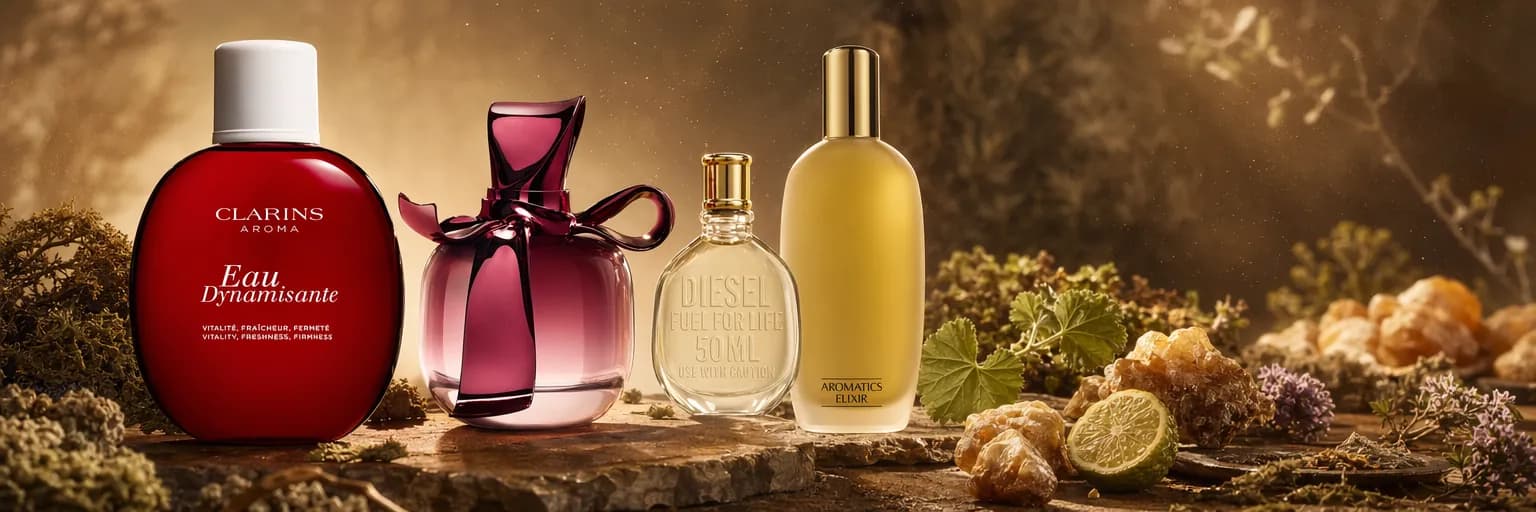
Fruity chypre perfume: luminous freshness and natural character
Twelve years advising customers on perfume, and the fruity chypre family remains the one that surprises me most. It brings together women who want something natural without being dull, men looking for a woody fragrance with depth, and enthusiasts who want to understand why Mitsouko has fascinated them since their very first sniff. It's not the easiest family to explain in thirty seconds — but that's precisely what makes it so interesting.
The fourth best-selling olfactory family in France, fruity chypre combines a luminous freshness on opening with a woody, earthy base note that lasts over time. This guide covers everything: composition, the five sub-families, the best references for her and him, a comparison with floral chypre and woody chypre, and answers to the questions my customers ask most often.
What is a fruity chypre perfume?
Olfactory definition: the composition of a fruity chypre perfume
A fruity chypre perfume is built on a three-part architecture inherited from the great chypre family: a citrus opening dominated by bergamot, a floral or fruity heart note, and a deep base note made up of oakmoss, labdanum and patchouli. It's this base that gives all chypres their recognisable character — earthy, slightly bitter, grounded.
The fruity enrichment sits on top of this foundation. Depending on the formula, you'll find peach or apricot for a velvety touch, blackcurrant or raspberry for a vibrant acidity, or exotic fruits such as mango, lychee or passion fruit for a more sun-drenched dimension. These fruity notes lighten the woody base without erasing it — that's the whole balance of the genre.
What differentiates a fruity chypre from a simple fruity perfume is precisely this foundation. The fruity family can exist without woody depth; fruity chypre, by contrast, is inconceivable without its base accord. Cistus, a vegetal resin closely related to labdanum, also contributes to this warm, slightly animalic signature that characterises the great chypres.
Historical origins of the fruity chypre family
The story begins in 1917. François Coty launches Chypre, a perfume that borrows its name from the Mediterranean island — long associated with fragrant resins and woods in ancient tradition. This founding chypre accord — bergamot, oakmoss, labdanum — would go on to serve as the template for an entire generation of perfumes.
Two years later, in 1919, Jacques Guerlain creates Mitsouko, and this is where fruity chypre truly comes into being. By incorporating synthetic lactones evoking ripe peach, he creates something entirely new: a woody-earthy accord with a milky, fruity roundness. Diorella by Edmond Roudnitska in 1972, then Ysatis by Givenchy in 1984, extend this lineage with more floral or more powdery variations.
The great turning point comes in the 2000s. IFRA (International Fragrance Association) progressively restricts the use of natural oakmoss, a central raw material in the classic chypre accord, due to its allergenic potential. Reformulations become unavoidable. Many chypres lose some of their original edge — which explains why vintage versions of Mitsouko or Hermès's Calèche smell different from today's formulas. Synthetic patchouli and oakmoss partially take over, with varying results depending on the house.
Why are fruity chypre perfumes so luminous?
The answer is as much chemical as it is aesthetic. Fruity molecules — lactones, esters — are light and volatile. They rise quickly, capturing attention on opening, giving that impression of immediate freshness. But beneath them, the woody-earthy base note of the chypre foundation creates a contrast in density that anchors the perfume to the skin.
This contrast between freshness and depth produces a sense of relief. The perfume doesn't evaporate flat — it evolves. The longevity of a well-formulated fruity chypre ranges between 6 and 10 hours depending on the concentration, with a natural sillage that never overwhelms the room. This is what I call an effortlessly elegant perfume: it's noticed without imposing itself.
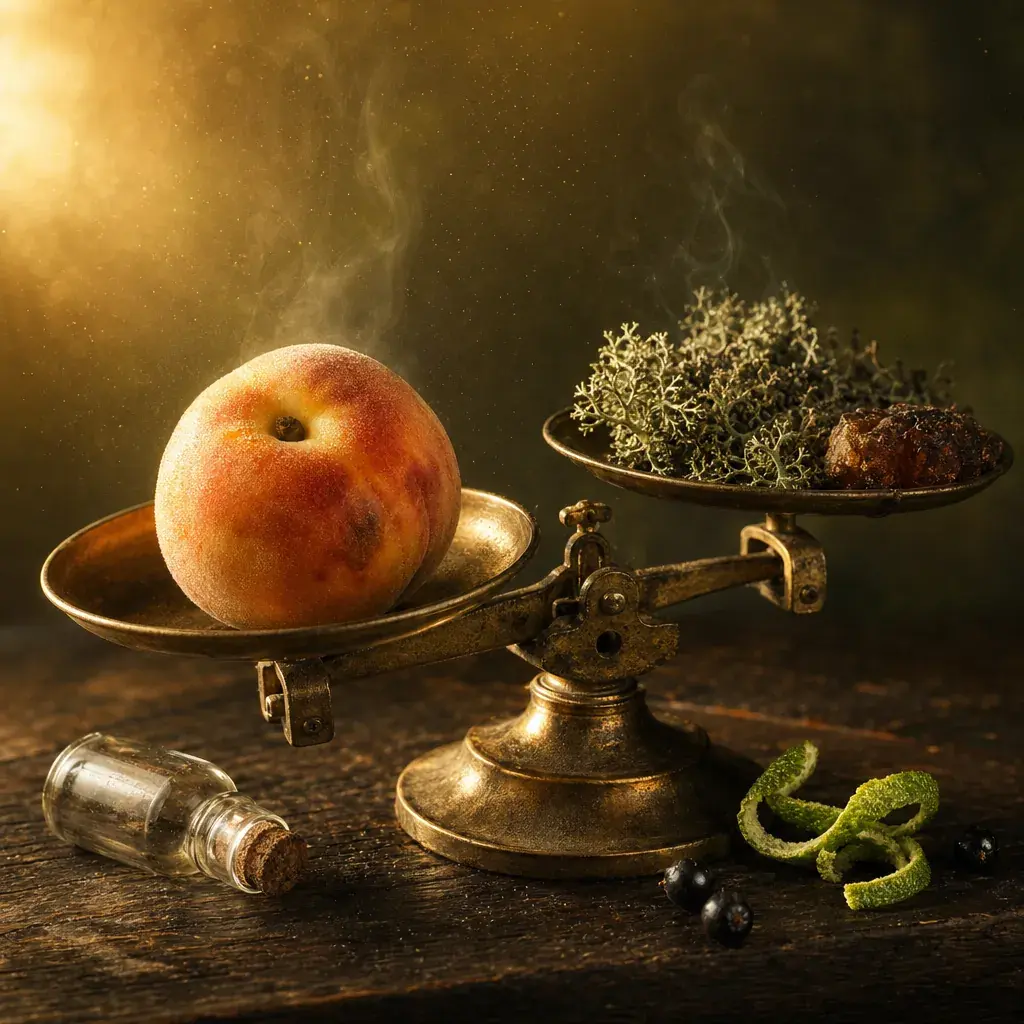
Did you know? Mitsouko by Guerlain (1919) is the first fruity chypre perfume in history. Its peach note, achieved through synthetic lactones, changed the course of modern perfumery. More than a century after its creation, it remains the absolute benchmark of the family.
The 5 fruity chypre sub-families
| Name | Olfactory profile | Typical notes | Examples |
|---|---|---|---|
| Fruity peach chypre | juicy-velvety | peach, apricot, bergamot, oakmoss, labdanum | Mitsouko Guerlain, Chloé Nomade |
| Fruity berry & blackcurrant chypre | vibrant-tangy | blackcurrant, raspberry, blackberry, redcurrant, patchouli | Narciso Rodriguez For Her |
| Fruity floral chypre | luminous-feminine | rose, peony, peach, jasmine, oakmoss | Chloé EDP, Lancôme Trésor |
| Exotic fruity chypre | sun-drenched-tropical | mango, lychee, passion fruit, cedar, vetiver | Versace Bright Crystal, Paco Rabanne Olympéa |
| Men's fruity chypre | fresh-woody | grapefruit, green apple, patchouli, vetiver, cedar | Hugo Boss Bottled, Lacoste Essential |
Fruity peach chypre
This is the founding sub-family. Peach brings a velvety roundness that softens the woody base without drowning it. Apricot often plays a supporting role, adding a subtle golden acidity. Bergamot on opening provides the freshness, while labdanum in the base note grounds the whole in something warm and slightly animalic.
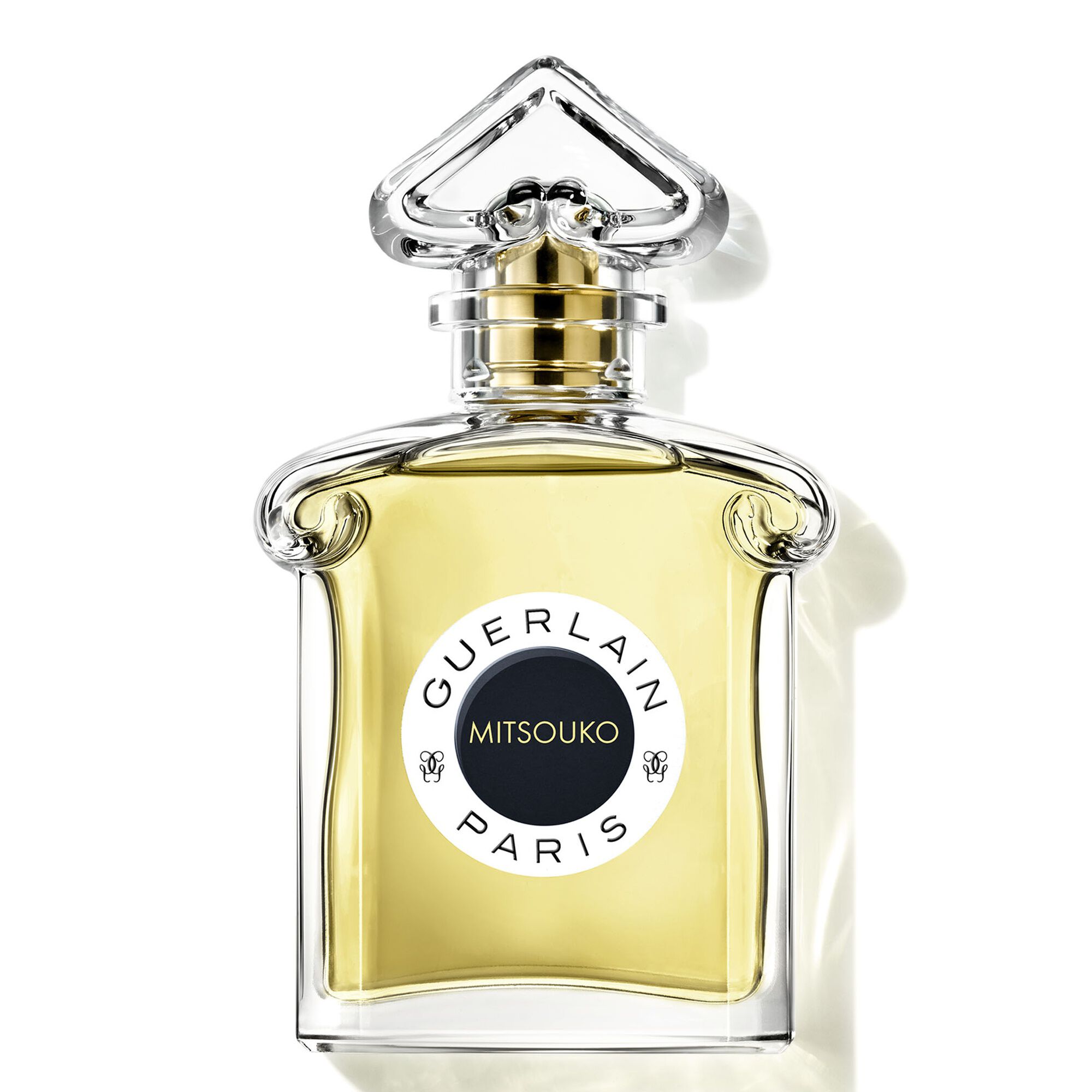
Mitsouko by Guerlain remains the absolute benchmark. Chloé Nomade is its most successful contemporary version — the same velvety peach on a woody foundation, but with a fresher, more immediately accessible character.
Fruity berry & blackcurrant chypre
Here, the fruit is vibrant and tangy. Blackcurrant, raspberry, blackberry and redcurrant bring an almost electric tension to the patchouli base. This is the most invigorating sub-family, well suited to younger skin types or lovers of sharp freshness.
Narciso Rodriguez For Her is the best-known example — its musk and rosewood note pairs with a subtle blackcurrant for a surprisingly sensual result. Less obvious than peach chypres, but very effective.
Fruity floral chypre
Rose, peony, jasmine and geranium enrich the fruity heart note. This is the most feminine and versatile sub-family — it borrows from the floral chypre family while retaining a fruity note that lightens the whole.
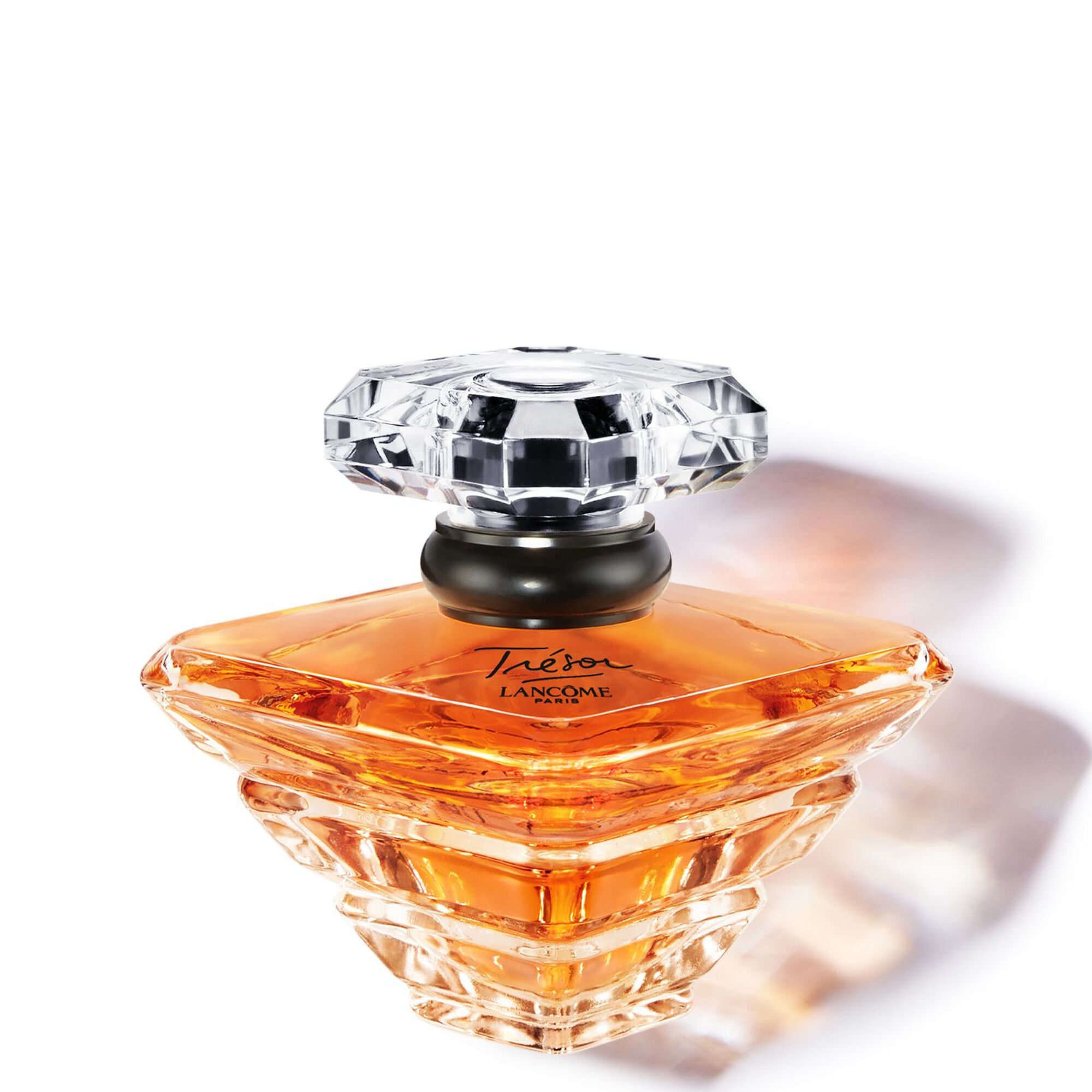
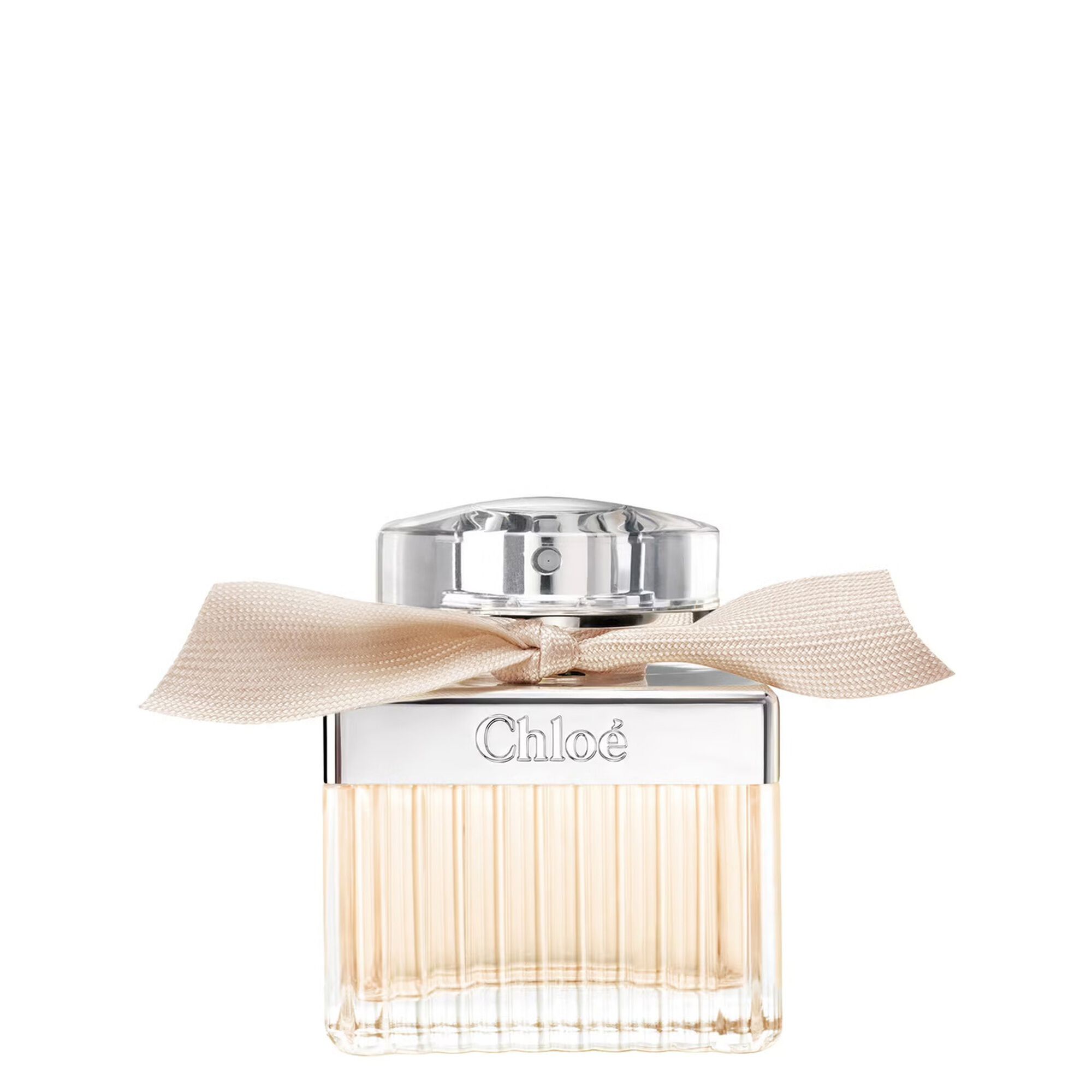
Chloé EDP and Lancôme Trésor are the two standout references in this segment. The first plays on a delicate rose-peach, the second on a more powdery apricot-lilac. Two different approaches to the same territory.
Exotic fruity chypre
Mango, lychee, passion fruit: these sun-drenched notes give chypre an almost summery dimension. Cedar and vetiver in the base note balance the fruity generosity with woody dryness. This is often the gateway into the family for those used to beach fragrances or light fruity eaux.
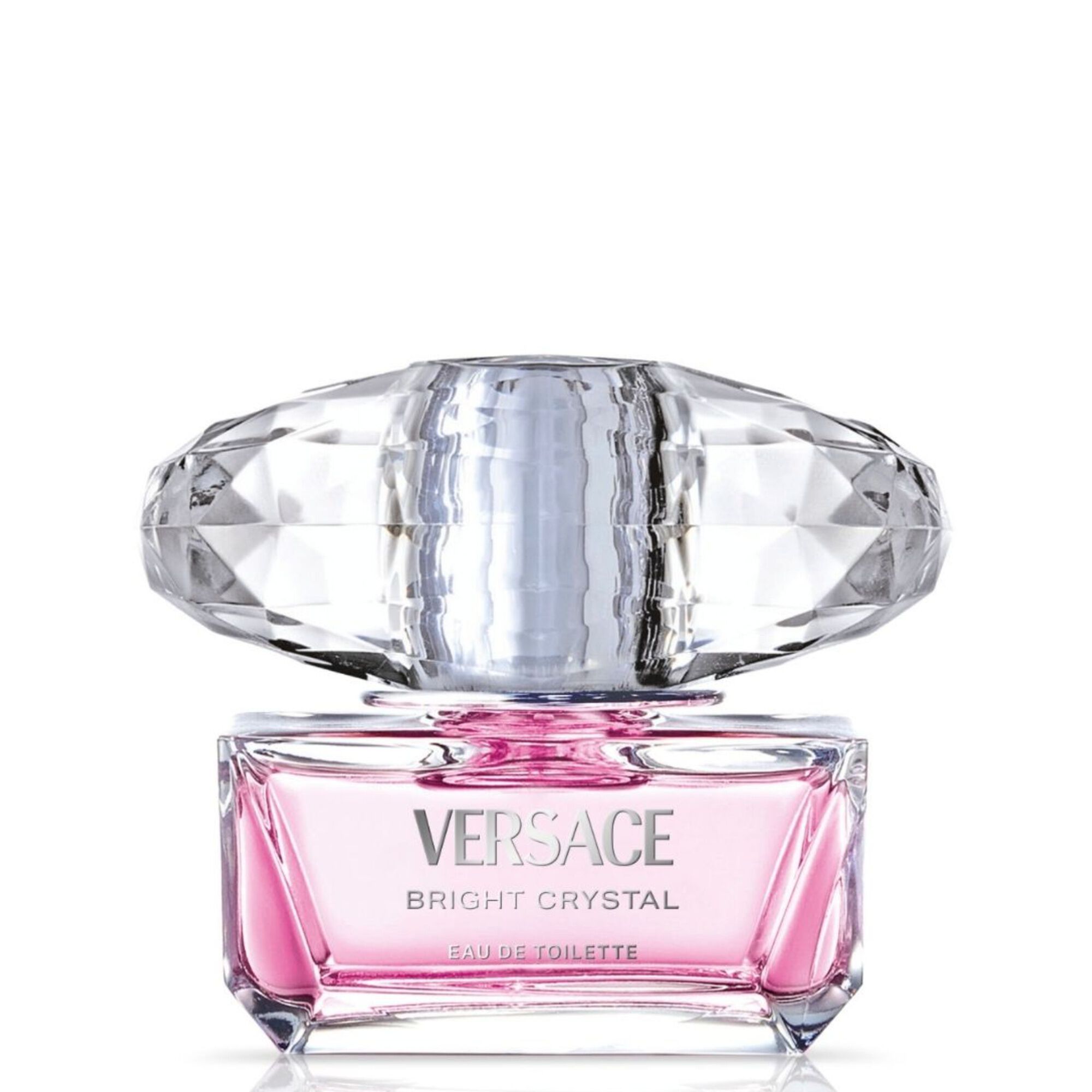
Versace Bright Crystal and Paco Rabanne Olympéa cover this territory with different approaches — one fresher and lighter, the other more assertive and long-lasting.
Men's fruity chypre
Grapefruit and green apple replace peach in this variation. The vetiver-patchouli-cedar base note remains chypre at heart, but the opening is more herbaceous and less milky. This is a fresh-woody territory, less immediately identifiable as "chypre" to the general public, but just as well structured.
Hugo Boss Bottled and Lacoste Essential illustrate this profile well. To go further into this segment, our men's fruity chypre guide details the nuances.
Our selection: the best fruity chypre perfumes for her, 2026
For a full overview of all the feminine references in the family, our fruity chypre for her selection complements this guide with detailed profiles.
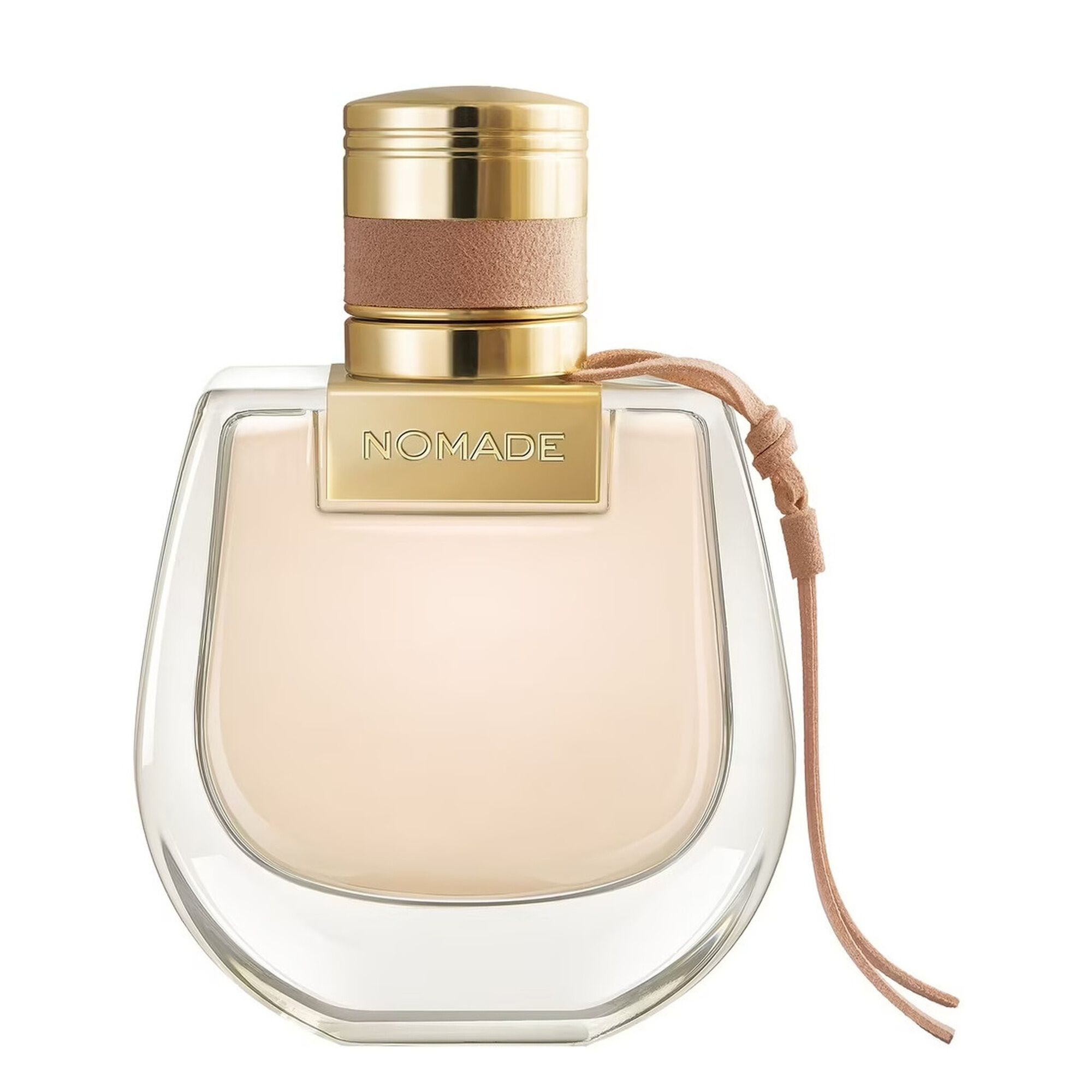
Chloé Nomade EDP — Chloé — ~85 EUR
Velvety peach on freesia and oakmoss — Chloé Nomade is the quintessential modern fruity peach chypre. Luminous, natural, with solid longevity that never feels heavy. For the woman who wants a fruity chypre that's easy to wear every day. The Chloé brand delivers here one of its finest recent formulas.
Emporio Armani Because It's You EDP — Emporio Armani — ~70 EUR
Peach and rose on a soft, slightly milky chypre base note. Airy sillage, solid longevity for the price. This is fruity floral chypre without austerity — accessible, feminine, ideal for daytime wear. A best-seller that lives up to its reputation.
Guerlain Mitsouko EDP — Guerlain — ~110 EUR
The first fruity chypre in history (1919). Lactone peach on oakmoss and labdanum — a depth and complexity that few modern perfumes can match. For anyone who wants to understand the roots of the entire fruity chypre family. The Guerlain house remains the guardian of this ultimate reference.
Lancôme Trésor EDP — Lancôme — ~80 EUR
Rose, lilac and apricot on an amber-woody base note. A classic feminine floral chypre, sophisticated and instantly recognisable. For the woman who loves a fruity chypre with elegance and assertive character. The Lancôme house holds a genuine pillar of its catalogue here.
Chloé EDP — Chloé — ~75 EUR
Rose-peach on a delicate chypre accord. A fresh, natural feminine best-seller, with a lightness that belies its longevity. For anyone wanting a luminous fruity floral chypre without any heaviness whatsoever. A reliable choice in the accessible premium segment.
Versace Bright Crystal EDT — Versace — ~55 EUR
Pomegranate, peony and lychee on a musk and mahogany base note. Fresh, invigorating, perfect for summer. An ideal gateway into the fruity chypre family for those coming from light fruity eaux. Accessible price, generous sillage.
Paco Rabanne Olympéa EDP — Paco Rabanne — ~80 EUR
Vanilla-tinged fruity chypre accord, jasmine and white pepper. Assertive sillage, solid longevity — this is exotic fruity chypre with character. For the woman who wants something modern and noticed, without tipping into sugary fruitiness.
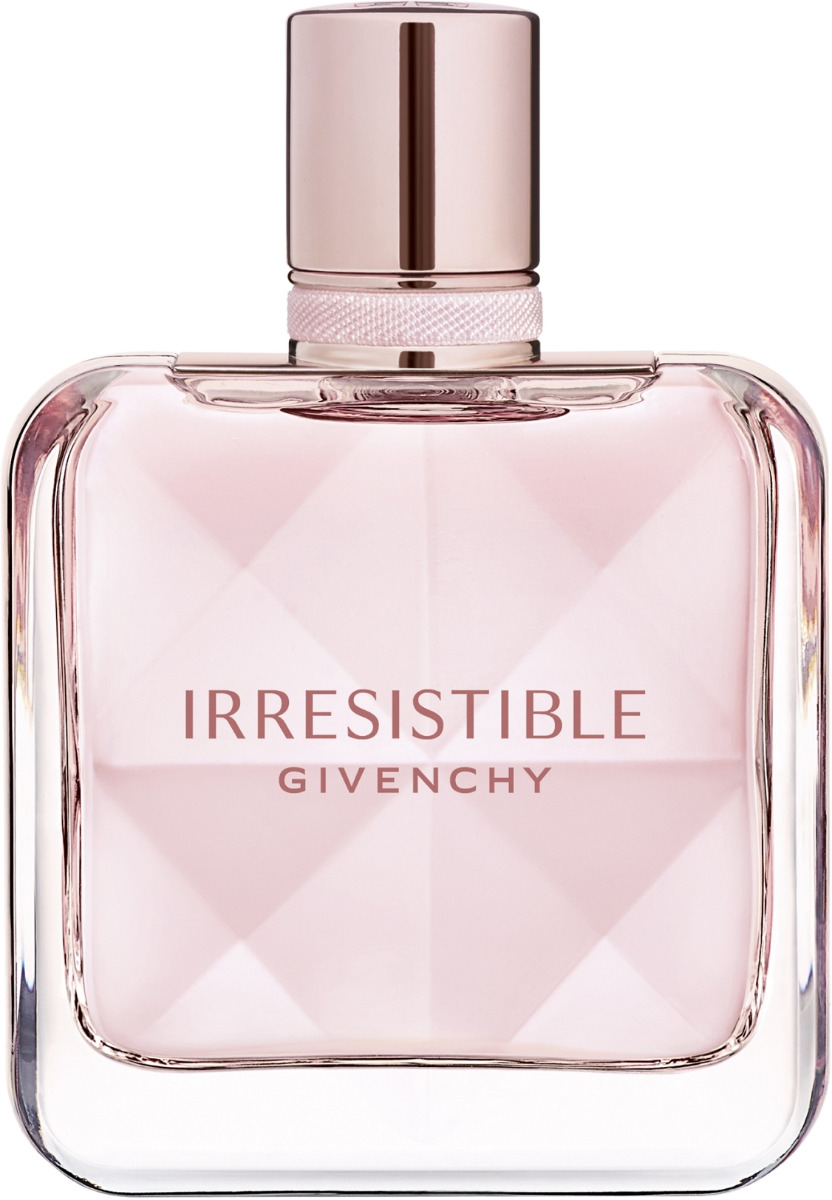
Givenchy Irresistible EDP — Givenchy — ~90 EUR
Damask rose, pear and sandalwood. A contemporary fruity floral chypre, luminous and elegant. For the woman seeking a fruity floral chypre with a modern woody touch. A well-constructed formula, accessible without being ordinary.
Our selection: the best fruity chypre perfumes for him, 2026
Men's fruity chypre is a territory I love to champion in-store — because it's often misunderstood. Customers who've worn Hugo Boss Bottled for ten years don't necessarily realise they're wearing a chypre. Yet it's precisely the woody-fruity structure of the chypre accord that gives these perfumes their longevity and their depth.
The codes of this sub-family are clear: grapefruit or green apple on opening, a vetiver-patchouli-cedar base note, sometimes with a touch of green grass or tomato leaf that reinforces the natural character. Less milky than peach chypre, fresher and more herbaceous.
To go further, our men's fruity chypre guide details the alternatives and profiles by occasion.
Hugo Boss Bottled EDT — Hugo Boss — ~55 EUR
Green apple, cinnamon and cedar on a sandalwood and vetiver base note. The benchmark for men's fruity chypre — versatile, well constructed, suited to the office as much as to weekends. A catalogue best-seller for good reason: it works on almost every skin type.
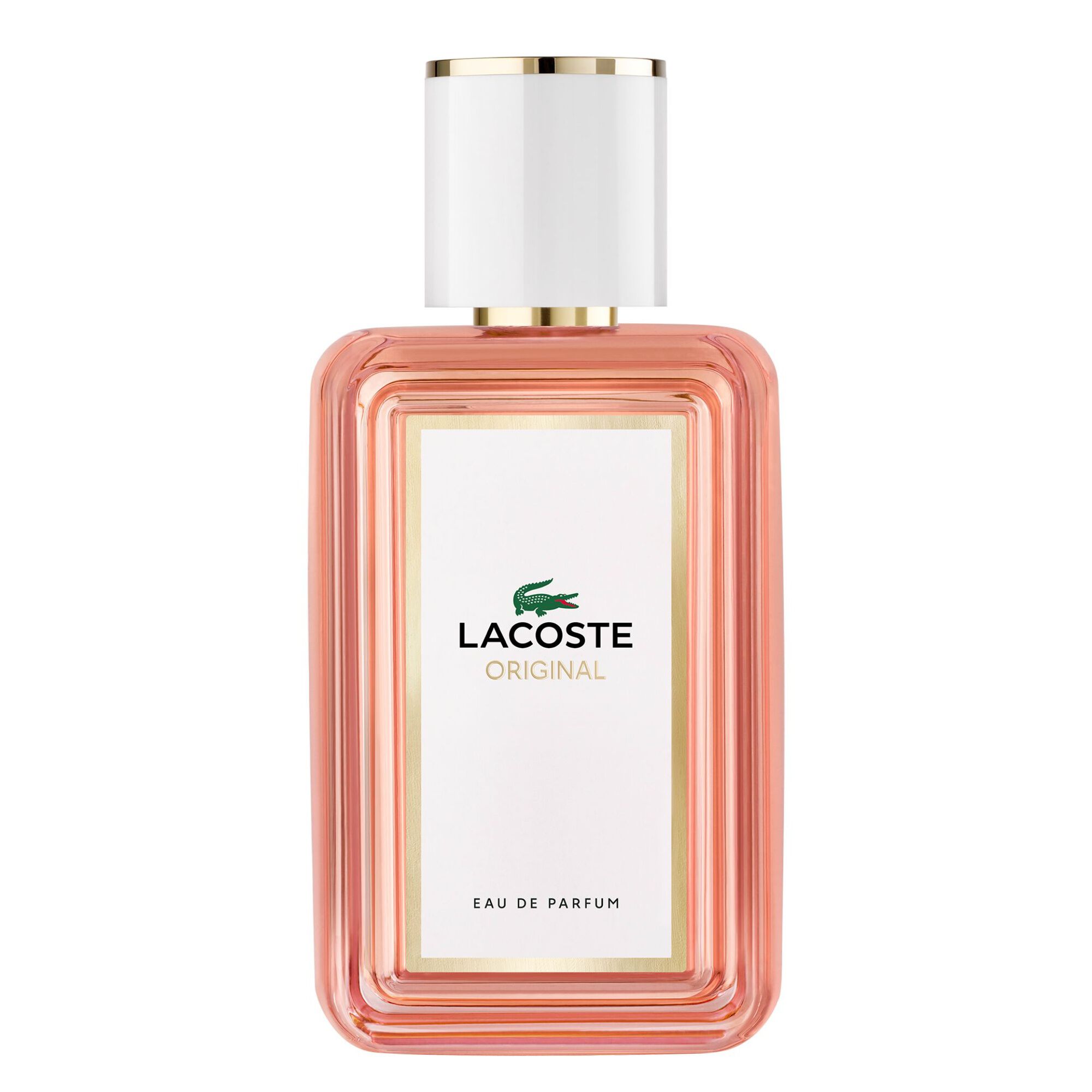
Lacoste Essential EDT — Lacoste — ~45 EUR
Green tomato, blackcurrant and patchouli on a vetiver base note. Fresh, natural, invigorating — a tangy fruity chypre that fully embraces its vegetal character. For the man seeking something less conventional than the classic amber-woody fragrances. Excellent value for money.
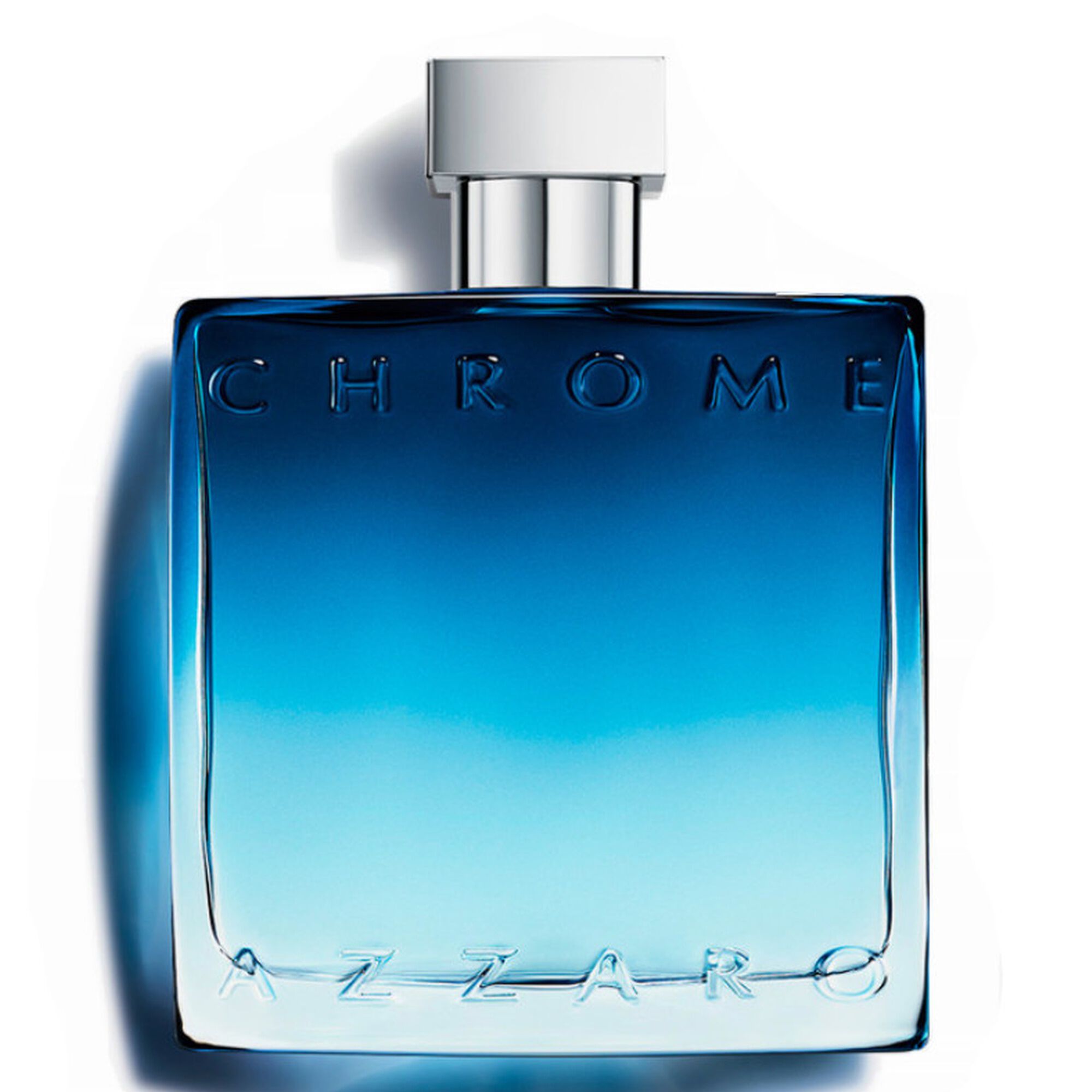
Azzaro Chrome EDT — Azzaro — ~35 EUR
Bergamot, neroli and coriander on a cedar and musk base note. An airy aquatic-fruity chypre, subtle, with a freshness that lasts without imposing itself. Best value for money in this segment — ideal as an entry-level fruity chypre or as a warm-season fragrance.
Two closely related alternatives deserve a mention: Lacoste Essential Sport EDT, more aquatic, and Hugo Boss Bottled Night EDT, more amber-spicy — two variations on the same men's fruity chypre territory.
Fruity chypre, floral chypre, woody chypre: how to tell them apart
| Sub-family | Dominant notes | Character | Who is it for? |
|---|---|---|---|
| Fruity chypre | peach, blackcurrant, bergamot, oakmoss | luminous, fresh, natural | Anyone seeking freshness and character for everyday wear |
| Floral chypre | rose, jasmine, peony, labdanum | elegant, feminine, sophisticated | Anyone who loves florals with depth and longevity |
| Woody chypre | vetiver, cedar, patchouli, chypre accord | dry, deep, characterful | Anyone wanting a woody fragrance with structure and character |
Fruity chypre: juicy freshness on a woody foundation
Fruity chypre is the most accessible sub-family within the chypre family. Its peach, blackcurrant or bergamot top note gives a luminous, immediate opening. The oakmoss-patchouli base note provides structure without weighing it down. It's a perfume that suits many contexts — daytime, mid-season, skin types that need a little depth without heading towards dry woody territory.
Its natural character comes from this contrast between the juicy fruit and the earthy wood. Nothing artificial about this tension — it exists in nature, in a ripe peach resting on damp moss.
Floral chypre: floral elegance on a chypre accord
Floral chypre puts the floral heart note centre stage. Rose, jasmine, peony — the great white or pink flowers dominate, carried by a labdanum and oakmoss base note that gives them depth. This is a more feminine, more sophisticated sub-family, with a timelessness that fruity chypre doesn't always have.
If you love florals but find rose eaux too light, floral chypre is often the answer. It lasts, it evolves, it has presence.
Woody chypre: masculine and feminine depth
Woody chypre pushes the dial towards dryness and depth. Vetiver, cedar, patchouli — the woody notes take precedence over the fruity or floral. This is the most characterful sub-family, one that requires a little olfactory experience to be fully appreciated. It suits both women and men looking for something assertive and long-lasting.
How to choose your chypre sub-family?
The season and the occasion often guide the choice. For everyday wear in spring or summer, fruity chypre is the most versatile — its natural freshness suits the heat. For a more formal occasion or a winter context, floral chypre or woody chypre bring more presence.
If you're after luminous freshness with character: fruity chypre. If you're after floral elegance with depth: floral chypre. If you're after a structured woody fragrance with personality: woody chypre. Leather chypre, less common, is reserved for enthusiasts of very assertive perfumes with animalic notes.
To continue exploring with concrete references, our fruity chypre for her selection is a good starting point.
Fruity peach chypre perfume: the signature note of a legendary family
Peach in perfumery: from natural peach to synthetic lactone
Natural peach is difficult to extract — its scent doesn't survive classic extraction processes. What we smell in a perfume is almost always a synthetic reconstruction. Lactones — particularly the C10 and C12 lactones, known as gamma-decalactone and gamma-dodecalactone — reproduce the creamy, velvety roundness of the ripe fruit with remarkable fidelity.
It was Jacques Guerlain who, in 1919, incorporated these molecules into Mitsouko. The result changed everything: a milky peach note on a base note of oakmoss and labdanum, with a complexity perfumers had not yet explored. To go further into this note, our feature on peach in perfumery traces its complete history.
Bergamot often plays a complementary role in peach chypres — it brings the citrus freshness that balances the milky roundness. Without it, the peach would risk tipping into gourmand territory.
Our fruity peach chypre selection at Tendance Parfums
Chloé Nomade EDP — Chloé: velvety peach on freesia and oakmoss. The modern fruity peach chypre, luminous and natural. A Chloé reference for anyone wanting the peach note without the historical complexity of Mitsouko.
Emporio Armani Because It's You EDP — Emporio Armani: peach and rose on a soft chypre base note. An accessible best-seller with an airy sillage. The peach here is lighter, almost floral — ideal for a first approach to the note.
Guerlain Mitsouko EDP — Guerlain: lactone peach on oakmoss and labdanum. The absolute historic reference — complex, deep, unmatched. To understand where the entire fruity chypre family comes from.
Feminine peach or unisex peach?
Peach crosses genders more easily than one might think. Mitsouko has always been worn by both men and women — its woody depth makes it unisex in practice, even if the marketing of its era didn't present it that way. Chloé Nomade, on the other hand, is positioned as modern feminine: its lightness and freesia bring it closer to contemporary everyday wear for women.
References such as Chanel Cristalle or the original version of Dior's Miss Dior Chérie also illustrate this fruity peach chypre territory — but these formulas have evolved considerably with IFRA reformulations, and their current versions no longer exactly reflect the original profile.
How to wear a fruity chypre perfume?
Fruity chypre perfume: which season?
Fruity chypre is ideal in spring and summer. Its natural freshness suits the heat — the light fruity notes rise well with body warmth, and the woody base note never becomes oppressive. It also suits mid-season very well.
For autumn, I often recommend switching to deeper sub-families: fruity peach chypre or exotic fruity chypre hold up better in cooler temperatures. Light fruity chypres, on the other hand — EDT versions built around blackcurrant or grapefruit — lose some of their appeal below 10 degrees.
Fruity chypre perfume: day or evening?
During the day, EDTs and light formulas built around berries or bergamot are perfect. They're subtle, fresh, suited to shared spaces. Fruity berry chypre is particularly well suited to the office.
In the evening or for a special occasion, you move up in concentration and depth: an EDP fruity peach chypre such as Chloé Nomade or Mitsouko, or an exotic fruity chypre such as Olympéa, take on a different dimension on warm skin. These are perfumes that evolve throughout the evening.
How much does a good fruity chypre perfume cost?
The accessible segment starts around 30-50 EUR — Azzaro Chrome EDT is a good example. The premium segment covers 50-100 EUR and includes the majority of the women's references in this selection. Beyond 100 EUR, you enter luxury and niche territory: Guerlain's Mitsouko EDP sits in this bracket, justified by the complexity of its formula and its historic status. A good fruity chypre needn't cost a fortune — but the most carefully constructed formulas are generally found from 60-70 EUR upwards.
Frequently asked questions about fruity chypre perfumes
What is a fruity chypre perfume?
A fruity chypre perfume combines the classic chypre accord — bergamot on top, oakmoss and labdanum in the base note — with fruity notes (peach, blackcurrant, mango, lychee) that bring freshness and luminosity. It's a luminous, natural family, with a woody depth that sets it apart from simple fruity fragrances.
What are the best fruity chypre perfumes for women?
Among the strongest references: Chloé Nomade EDP for a luminous peach chypre, Guerlain Mitsouko EDP for the historic reference, Lancôme Trésor EDP for elegant floral chypre, and Versace Bright Crystal EDT for an accessible entry into the family.
What is a chypre scent?
A chypre scent is built on a base accord composed of bergamot, oakmoss, labdanum and often patchouli. It is both fresh and earthy, slightly bitter, with a natural depth. To understand this family fully, our guide to fruity chypre perfumes is the best starting point.
Which perfume is famous for its chypre?
Mitsouko by Guerlain (1919) is the absolute historic reference. Among modern classics, Chloé Nomade EDP, Lancôme Trésor and Hugo Boss Bottled EDT are among the most recognised. Oakmoss is the central raw material in all these accords.
What is the difference between a fruity chypre perfume and a floral chypre perfume?
Fruity chypre highlights fruity notes — peach, blackcurrant, bergamot — for a fresh, luminous character. Floral chypre favours rose, jasmine or peony for a more feminine and sophisticated elegance. Both share the same woody chypre base note, but the overall atmosphere is different.
What is the best fruity chypre perfume for men?
Hugo Boss Bottled EDT remains the most versatile reference — green apple, cedar, vetiver. Lacoste Essential EDT offers a tangier profile with its green tomato and blackcurrant. Azzaro Chrome EDT is the best option for a light, accessible fruity chypre.
What is oakmoss in perfumery?
Oakmoss is a natural extract from lichen that grows on oak trees. It brings a woody, slightly bitter and earthy note, which forms the base of all the great chypre accords. Its allergen content has led IFRA to restrict its use since the 2000s, which has altered many classic formulas. Our feature on oakmoss details its regulatory history.
Why have chypre perfumes become rarer since the 2000s?
IFRA regulation has progressively limited natural oakmoss, a central raw material in the classic chypre accord, due to its allergenic potential. Perfumers have had to reformulate or replace this ingredient with synthetic alternatives, which has altered the olfactory profile of many historic chypres and slowed the creation of new ones.