
Chypre floral fragrance: the green, floral elegance of an iconic family
I've been working with chypre florals for over ten years, and it's the family that resists me the most — in a good way. Every time I think I know it, a flacon surprises me. In-store, customers often arrive with a vague image: "something elegant, not too sweet, with character." Very often, it's a chypre floral they're looking for without realising it.
The chypre floral family is one of the oldest in French perfumery. It dates back to 1917 and has shaped decades of creation. This guide gives you all the keys to understanding it: its composition, its sub-families, its development after 2012, and a selection of eleven references covering every profile and every budget.
What is a chypre floral fragrance?
Olfactory definition: the chypre trilogy and its floral heart
A chypre floral fragrance rests on a founding three-pillar accord: bergamot as a top note (fresh, slightly bitter), oakmoss as a base note (earthy, marine, also slightly bitter), and labdanum as a base note (warm, animalic, woody resin). This is the chypre accord in its purest form.
On this structured base, the chypre floral adds a floral heart note — rose, jasmine, muguet, peony, freesia, iris, ylang-ylang, orange blossom depending on the version. The flower softens and feminises the base accord without erasing it. It gives it luminosity.
The base note remains earthy and woody: patchouli, vetiver, cistus, sometimes amber or white musk. It's these deep layers that give the chypre floral its longevity and structured sillage. This is a complex family, one that unfolds in several stages on the skin.
Unlike pure floral families, the chypre floral is not reducible to the flower alone. The flower is there, but it converses with something darker, more earthy. It's this tension that makes it elegant.
Historical origins: from the island of Cyprus to French perfumery
Beware of a common confusion: the chypre family does not originate from the island of Cyprus, and it has no direct geographical connection to it. The name comes from the parfum Chypre created by François Coty in 1917, itself inspired by the Mediterranean aromatic plants associated with the island — bergamot, oakmoss, labdanum. It's a poetic tribute, not a designation of origin.
This Coty parfum laid the foundations for an entire family. Two years later, in 1919, Jacques Guerlain created Mitsouko — a chypre floral with a velvety peach note, which remains today one of the absolute references of French perfumery. The family then took shape throughout the 20th century: Femme by Rochas in 1944, Miss Dior Originale in 1947, L'Air du Temps by Nina Ricci in 1948.
The codification of the family as a distinct olfactory category happened gradually, as perfumers and houses identified the common traits of these creations: the bergamot-oakmoss-labdanum accord, the earthy-woody base note, the floral heart note.
Why are chypre floral fragrances so elegant?
The answer is chemical as much as cultural. The earthy molecules of oakmoss and labdanum create a base that "holds" the parfum on the skin. The sillage is structured, not diffuse. You sense someone passing by, not a cloud floating around.
The added florals — rose, jasmine, iris — are flowers with strong olfactory character, not light or sweet flowers. They bring depth, not softness. This marriage of earthy and floral produces something both natural and refined at once.
Culturally, chypre florals have dressed decades of women who didn't want to smell "cute." This is a family that embraces character. It's feminine without being fragile, sophisticated without being cold.
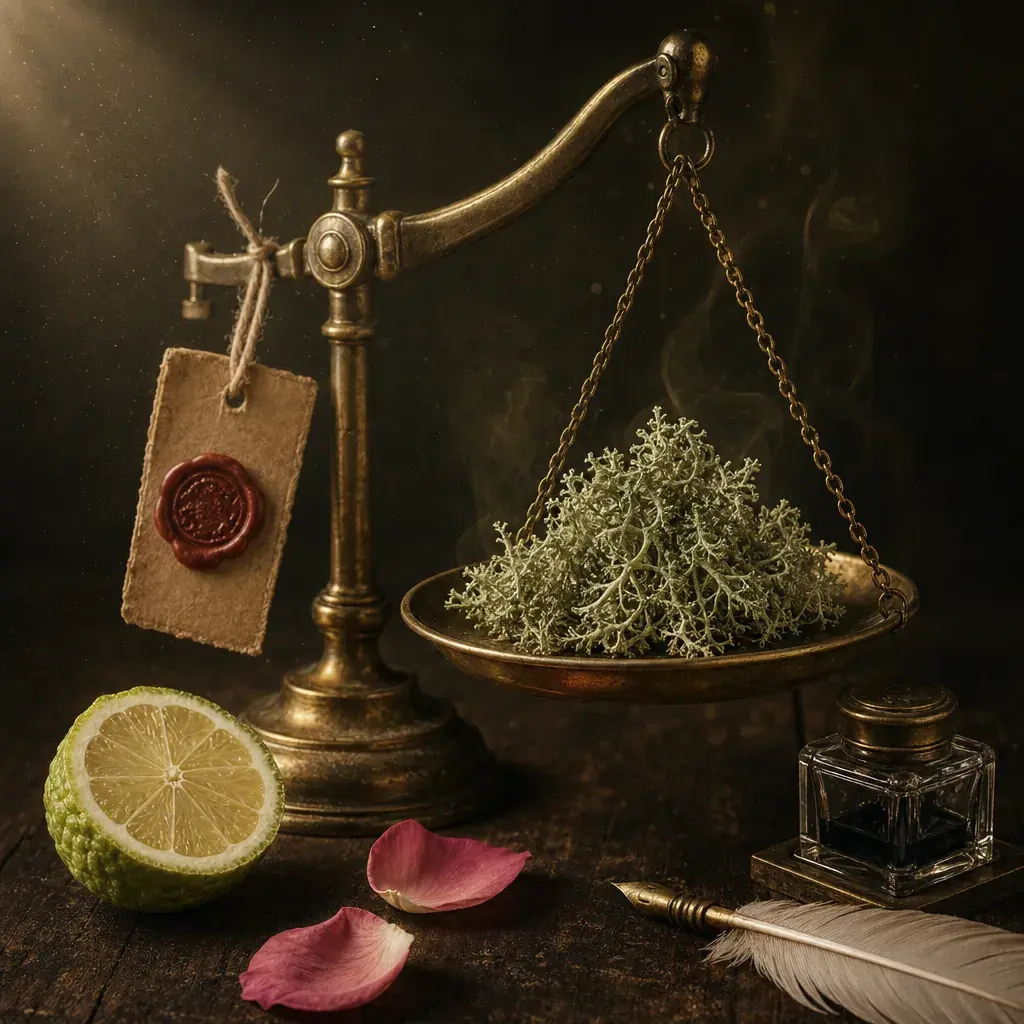
Did you know? Chypre by Coty (1917) is the parfum that gave its name to an entire olfactory family, inspired by the Mediterranean island and its aromatic plants — bergamot, oakmoss, labdanum. François Coty never revealed the exact formula, but this founding parfum spawned decades of chypre creations, from Mitsouko (1919) to Narciso Rodriguez For Her (2003).
The 5 chypre floral sub-families
| Name | Olfactory profile | Typical notes | Examples |
|---|---|---|---|
| Classic chypre floral | Elegant-timeless | Oakmoss, bergamot, rose, jasmine, labdanum, patchouli | Mitsouko Guerlain, Miss Dior Originale |
| Modern chypre floral | Luminous-airy | Peony, freesia, muguet, peach, cedar, white musk | Narciso Rodriguez For Her, Lancôme Trésor |
| Fruity chypre floral | Fresh-gourmand | Peach, blackcurrant, raspberry, rose, oakmoss, patchouli | Guerlain Idylle, Givenchy Ange ou Démon Le Secret |
| Powdery chypre floral | Soft-veiled | Iris, violet, heliotrope, old-fashioned rose, oakmoss, amber | Lancôme Trésor, Lancôme La Vie Est Belle |
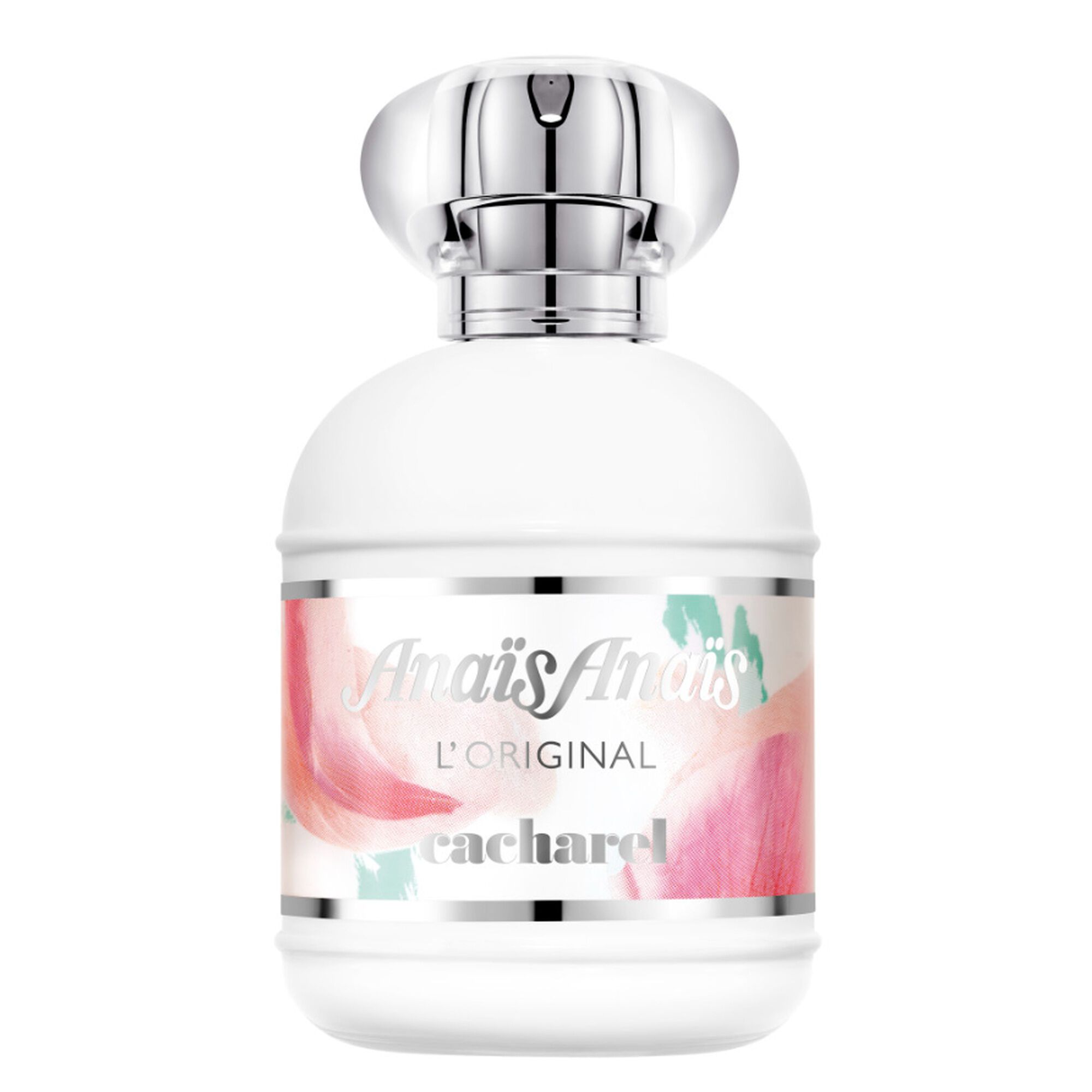
| Green chypre floral | Herbaceous-natural | Galbanum, violet leaf, cut grass, jasmine, vetiver, oakmoss | Cacharel Anaïs Anaïs, Chanel No 19 |
Classic chypre floral
This is the original form. The bergamot-oakmoss-labdanum accord is fully expressed, the floral heart note revolves around rose and jasmine, the base note is earthy and woody (patchouli, vetiver). The sillage is assertive, the longevity long-lasting.
Mitsouko by Guerlain is the archetype. L'Air du Temps by Nina Ricci is a more accessible and luminous version. Miss Dior Originale (factual mention) also belongs to this family in its original formulation. These fragrances have crossed the decades without ageing because their structure is solid.
Modern chypre floral
Born after the restrictions on natural oakmoss, the modern chypre floral lightens the earthy base and favours airier florals: peony, freesia, muguet. The base note remains structured (cedar, white musk, patchouli in a soft version), but it is less dark.
Narciso Rodriguez For Her (2003) is the reference for this sub-family. Lancôme Trésor offers a more powdery version. These fragrances are more accessible at first approach, but they retain the structured signature of the chypre.
Fruity chypre floral
Peach, blackcurrant or raspberry are added to the chypre accord to give it a fresh, slightly gourmand dimension. This is not a sweet chypre — oakmoss and patchouli remain present. But the tension between fruity and earthy creates something very modern.
Guerlain Idylle and Givenchy Ange ou Démon Le Secret illustrate this sub-family well. To go further into fruity chypres, our chypre fruity feature explores the nuances in more depth.
Powdery chypre floral
Iris, violet and heliotrope take precedence over the floral heart note. The base note is soft, veiled, amber. The earthy side of oakmoss is softened by amber and musk. This is the most "comfortable" sub-family, the most enveloping.
Lancôme Trésor and La Vie Est Belle embody this orientation. These are fragrances that stay on the skin for a long time, with a subtle, warm presence.
Green chypre floral
Galbanum, violet leaf or cut grass bring an herbaceous, natural dimension. Jasmine and vetiver anchor the fragrance in something green and fresh. This is the sub-family closest to nature, the most "countryside."
Cacharel Anaïs Anaïs is the quintessential accessible example. Chanel No 19 (factual mention) and Sisley Eau de Campagne (factual mention) represent more assertive versions. For lovers of chypre woody, the green chypre is often a natural gateway.
Our selection: the best chypre floral fragrances for women 2026
The chypre floral family offers a broad palette, from the densest classic to the airiest modern. I've gathered here eight references that I regularly recommend in-store, covering every profile. For an even more detailed selection, our chypre floral women's guide explores each profile in depth.
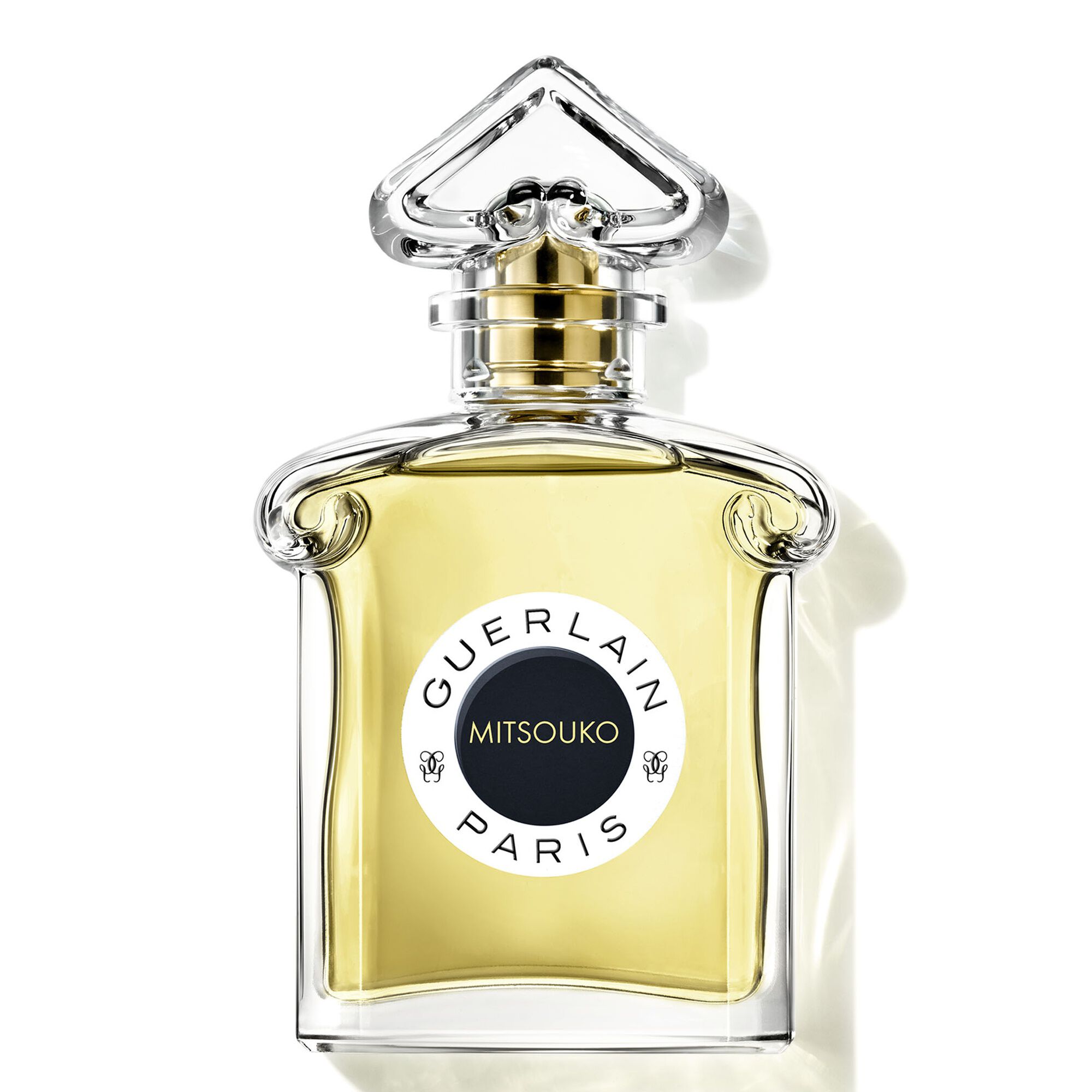
Mitsouko EDP (Guerlain)
Classic chypre floral — 1919 — From 90 EUR
The absolute archetype. Bergamot, velvety peach, rose and jasmine over a base note of oakmoss, labdanum and vetiver: an earthy, floral elegance that nothing has matched since. For anyone who wants to understand what a chypre is in its purest, most sophisticated form. A landmark Guerlain reference in our catalogue.
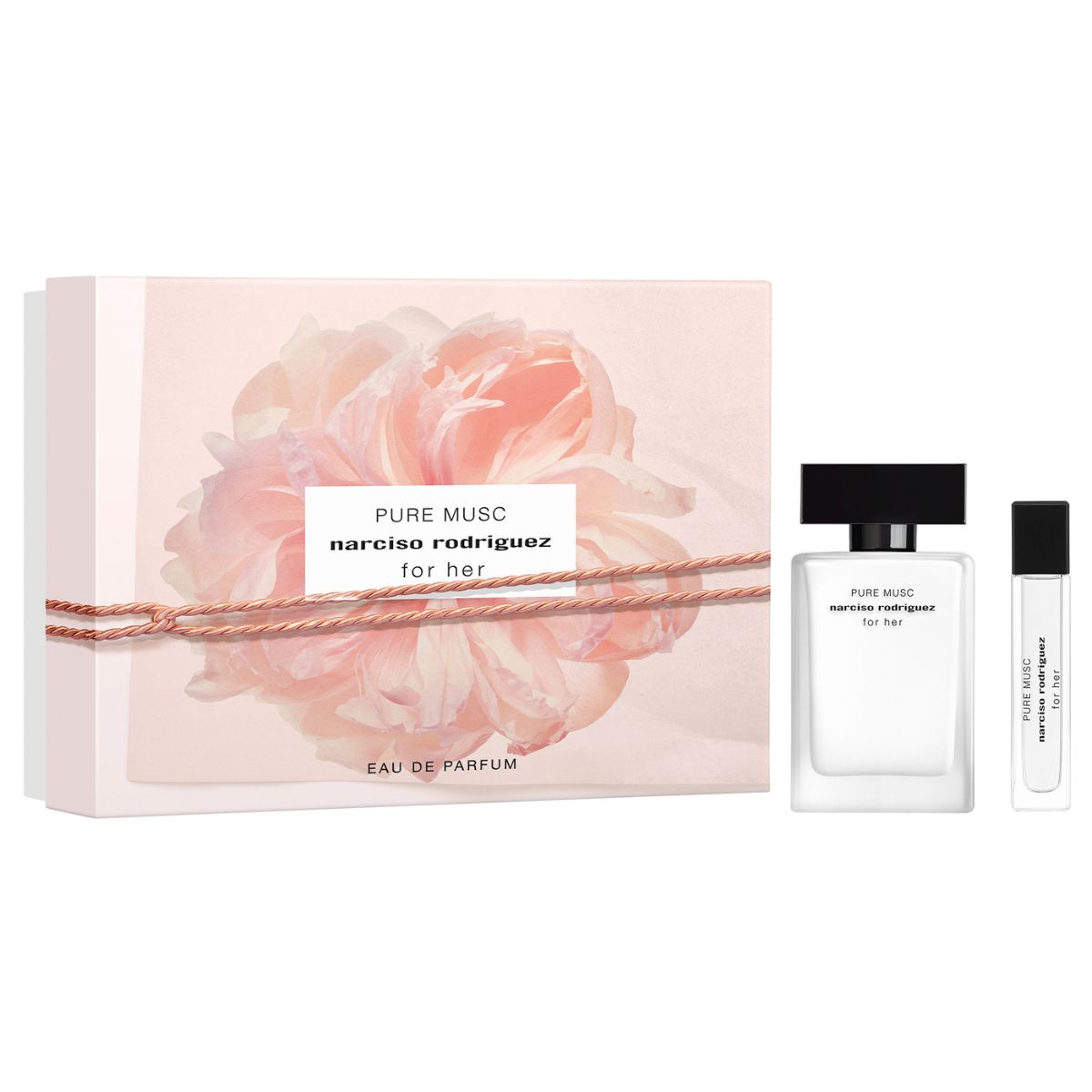
For Her EDP (Narciso Rodriguez)
Modern chypre floral — 2003 — From 65 EUR
The contemporary reference for the post-IFRA chypre. White musk and freesia over a base note of patchouli and cedar: a luminous, structured femininity, neither too floral nor too woody. A best-seller from the Narciso Rodriguez catalogue, ideal for a first approach to the modern chypre.
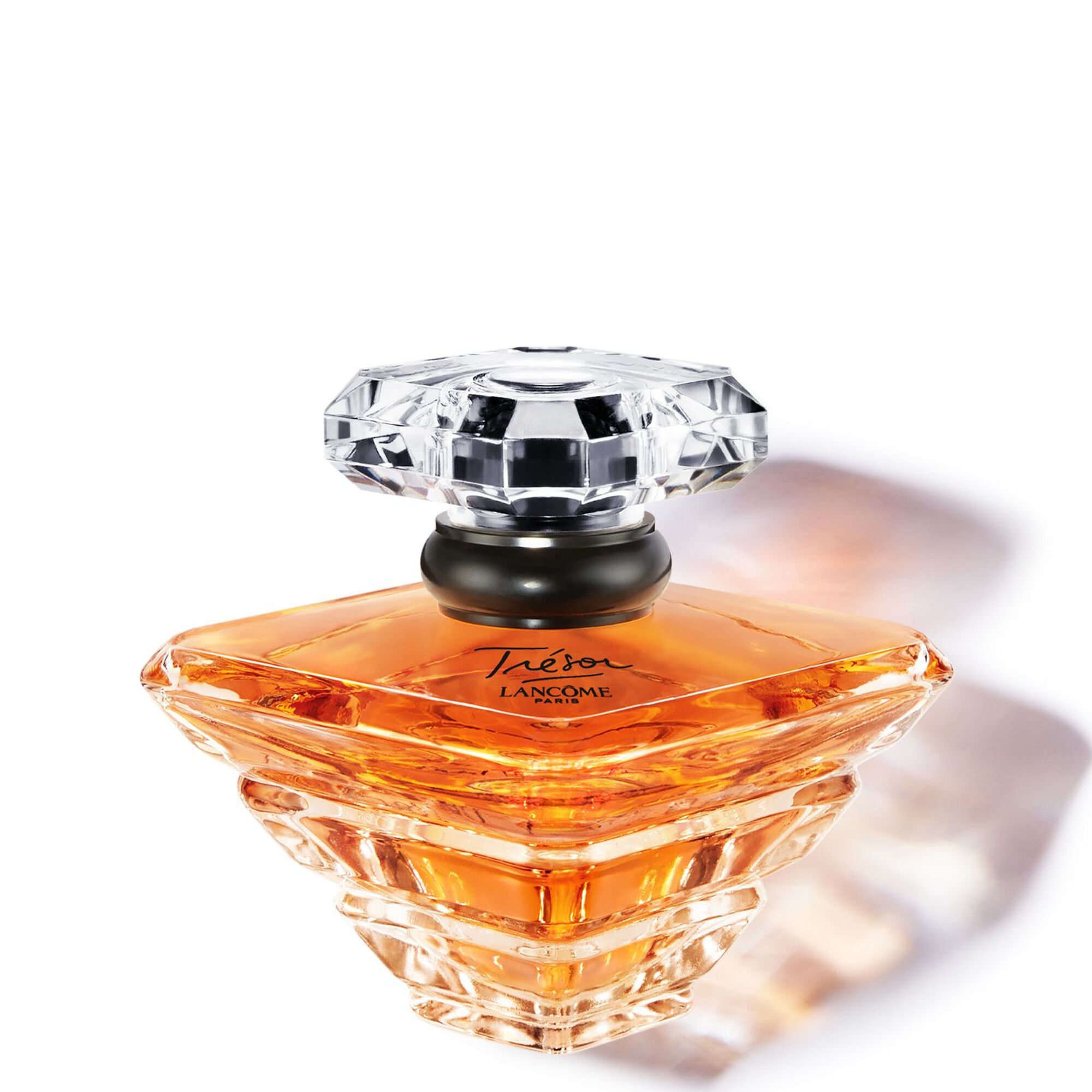
Trésor EDP (Lancôme)
Powdery chypre floral — 1990 — From 60 EUR
The quintessential powdery feminine chypre classic. Rose and iris over a base note of amber and patchouli: a veiled, refined softness, the signature of a discreet elegance. For the woman who loves warm, powdery florals, without heaviness. A safe bet at Lancôme.
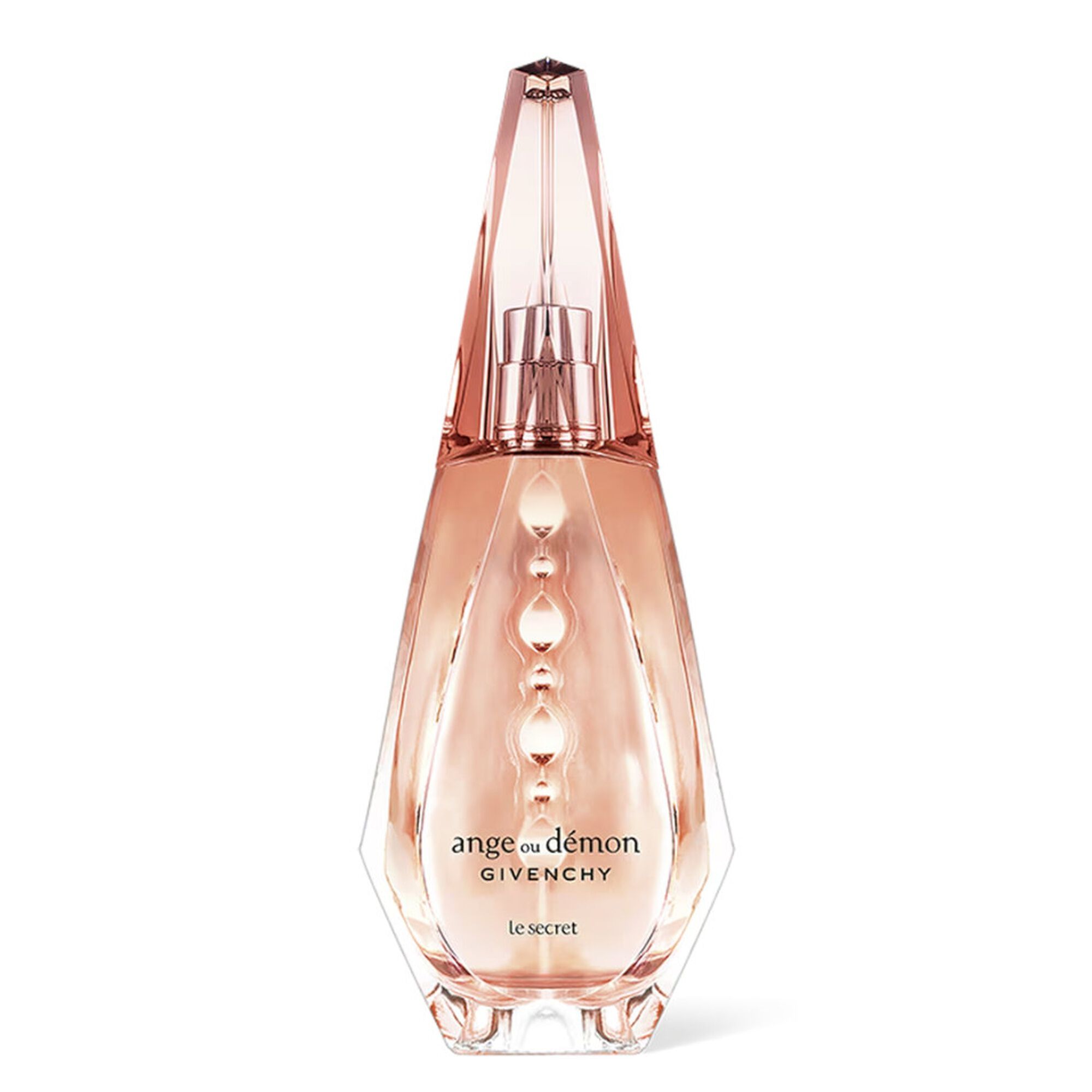
Ange ou Démon Le Secret EDP (Givenchy)
Fruity chypre floral — 2009 — From 70 EUR
Mandarin and peony as top notes, jasmine and muguet as heart notes, patchouli and cedar as base notes: a well-structured fruity-floral freshness. For anyone seeking an accessible, modern chypre, with character but without heaviness. A lovely entry point into the chypre floral family.
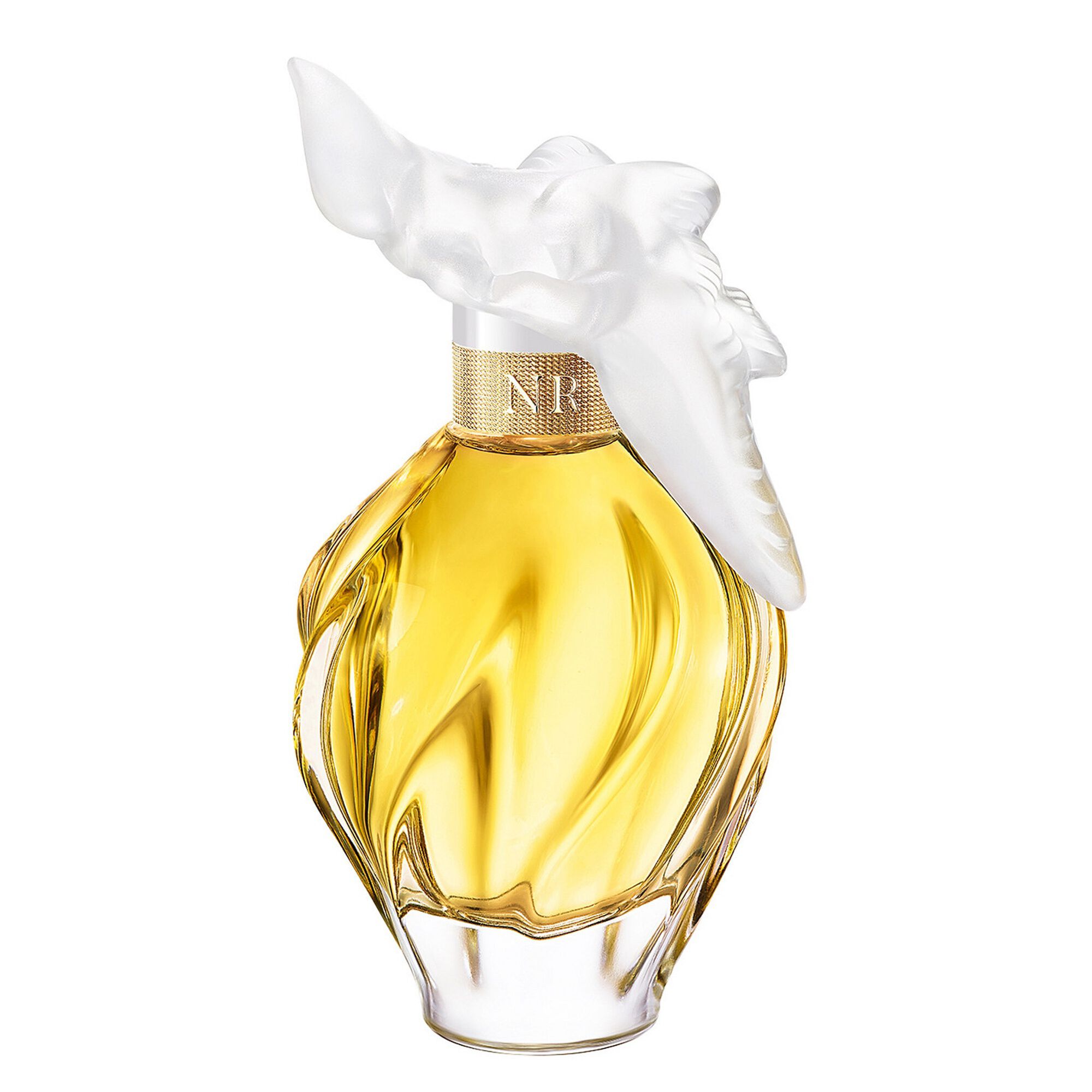
L'Air du Temps EDT (Nina Ricci)
Classic chypre floral — 1948 — From 40 EUR
Bergamot and rose as top notes, jasmine and iris as heart notes, a subtle woody-amber base note: a natural, feminine floral elegance. For anyone who wants a classic chypre without Mitsouko's density, at a very accessible price. Seventy-five years in the making, and it still holds up.
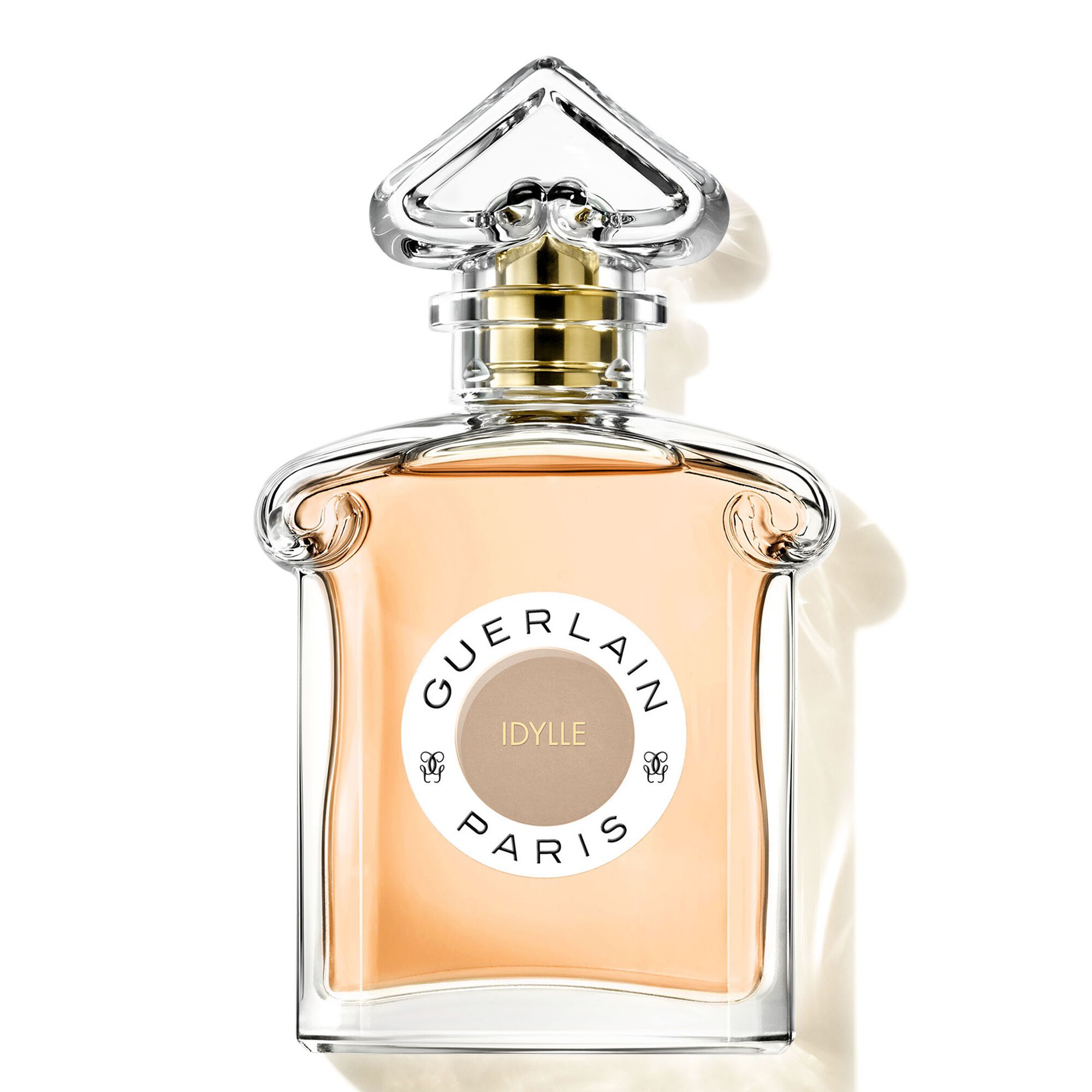
Idylle EDP (Guerlain)
Fruity chypre floral — 2009 — From 75 EUR
Rose and peony over a base note of patchouli and white musk, with a touch of peach and freesia: a luminous, natural floral-fruity freshness. For the woman who loves chypres without the pronounced earthy dimension of the classics. Guerlain's vision of the contemporary chypre floral.
Anaïs Anaïs EDT (Cacharel)
Green chypre floral — 1978 — From 25 EUR
Herbaceous galbanum and rose over a base note of oakmoss and cedar, with jasmine and ylang-ylang as heart notes: a natural, floral, slightly earthy freshness. For anyone seeking an authentic green chypre at a gentle price, with real character. The best value-for-character ratio in the accessible segment.
For Her Fleur Musc EDP (Narciso Rodriguez)
Modern chypre floral — 2010 — From 60 EUR
Peony and freesia over a base note of white musk and patchouli: airier and more luminous than For Her EDP, this Narciso Rodriguez variation focuses on floral delicacy. For anyone who loves For Her but wants something lighter. A structured, very wearable femininity.
Our selection: the best chypre floral fragrances for men 2026
The men's chypre is less charted territory than the women's chypre — and that's precisely what makes it interesting. The codes here are different: woody takes precedence over floral, the base note is more structured (vetiver, assertive patchouli, cedar), and the floral expresses itself often through iris or lavender rather than rose or peony. References such as Hermès Calèche (factual mention, a classic chypre floral with unisex connotations) or Chanel No 19 (factual mention, a unisex green chypre) show that the family has always crossed genders.
Our chypre floral men's selection covers three complementary profiles.
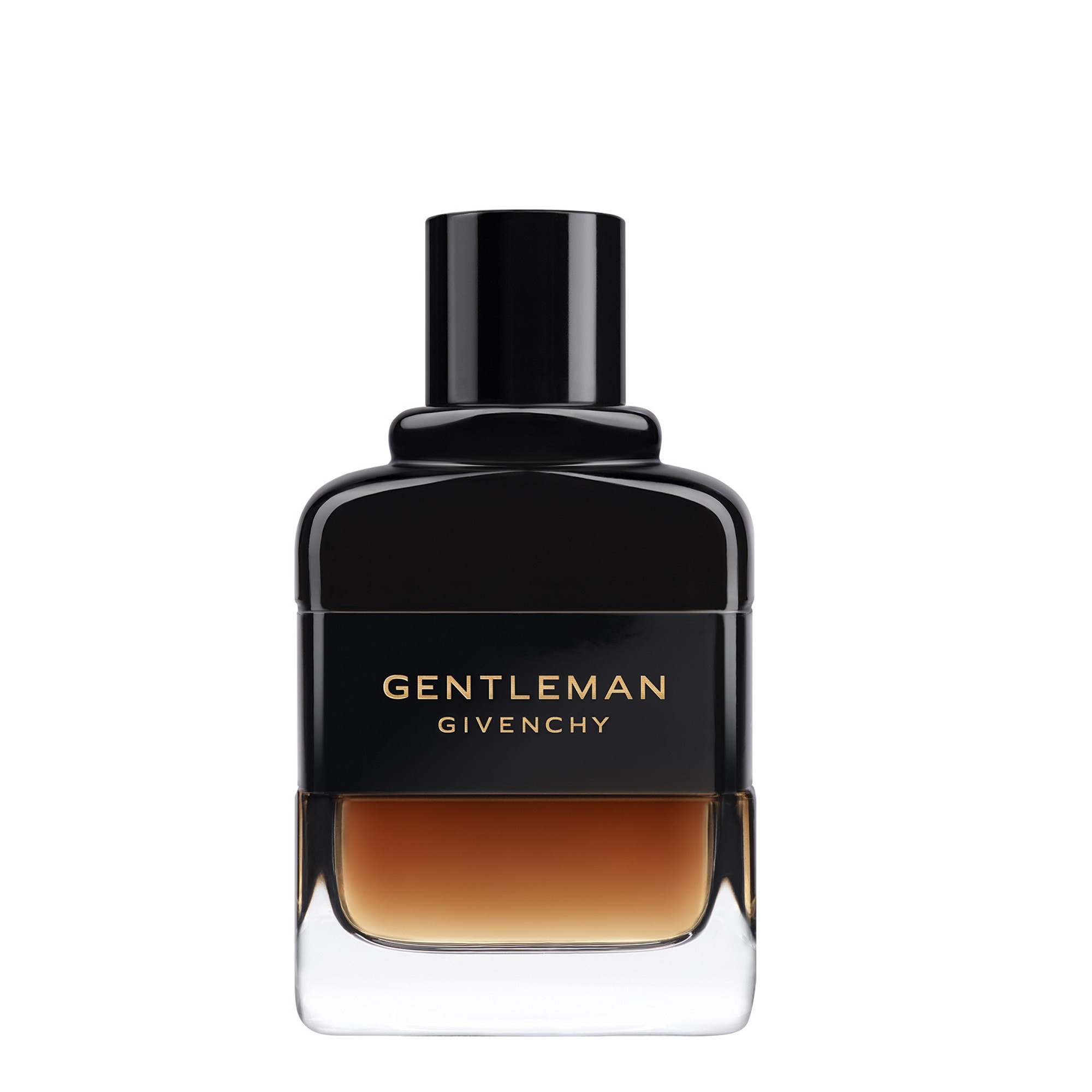
Gentleman EDP (Givenchy)
Modern chypre floral — 2017 — From 75 EUR
A men's best-seller in the catalogue. Iris and bergamot as top notes, patchouli and vetiver as base notes: a structured, refined elegance, neither too floral nor too woody. For the man seeking a modern, identifiable chypre, with character but without aggressiveness. A safe bet for the office as well as the evening.
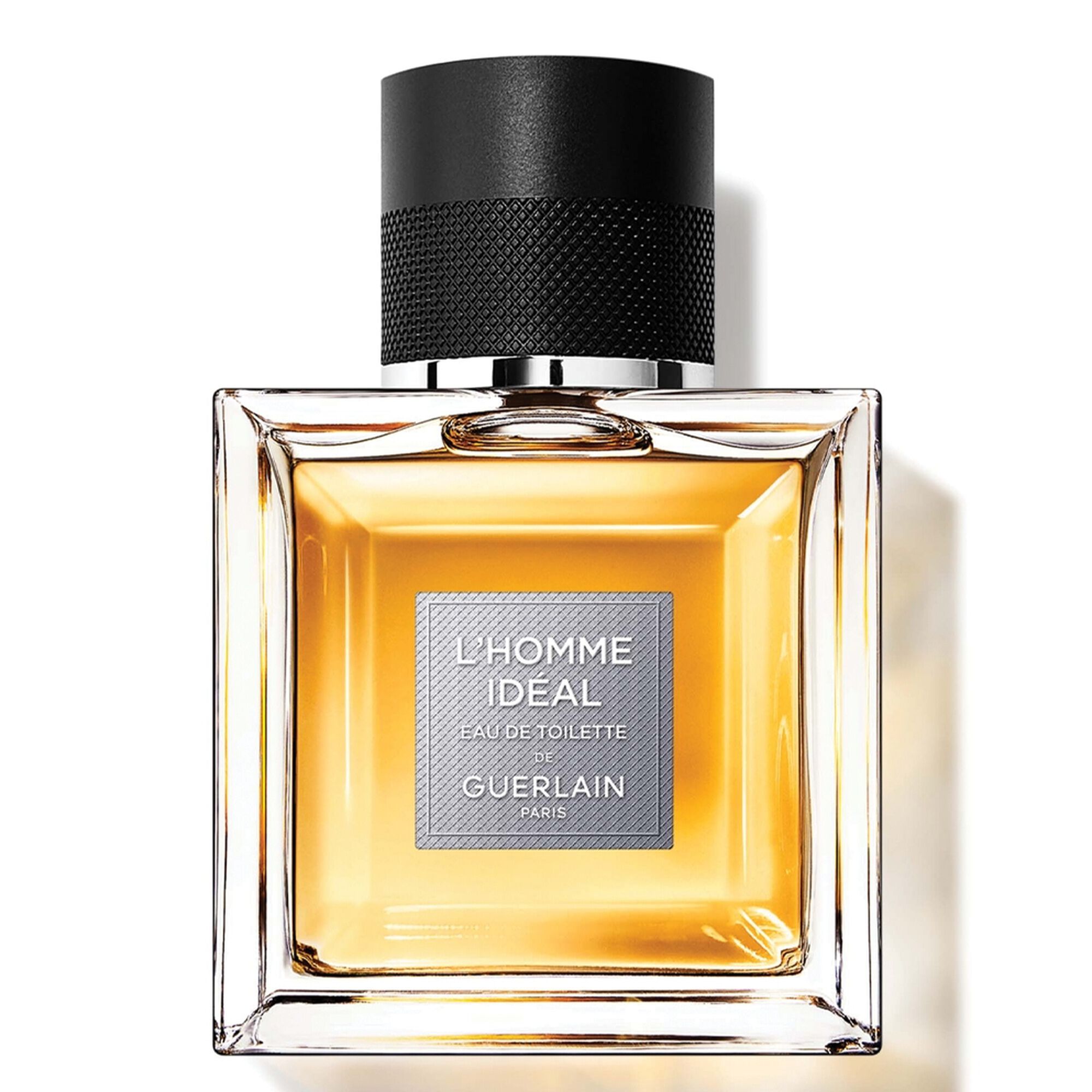
L'Homme Idéal EDP (Guerlain)
Woody chypre floral — 2014 — From 80 EUR
Bergamot and lavender as top notes, iris and patchouli as heart notes, vetiver and tonka bean as base notes: an accessible, captivating men's chypre, with a soft, gourmand warmth. Guerlain's vision of the woody men's chypre, structured without being cold. For the man who wants a chypre with depth.
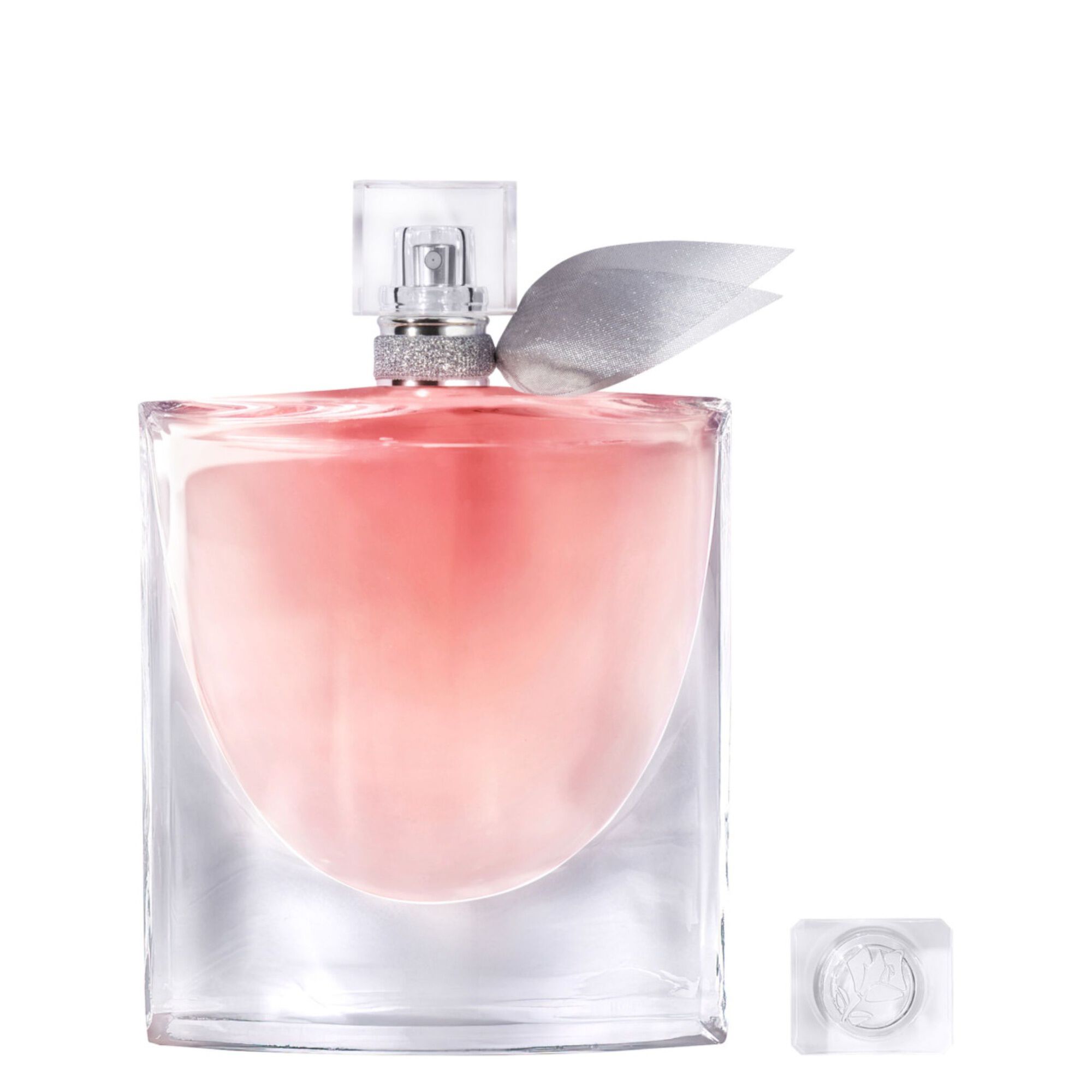
La Vie Est Belle EDP (Lancôme)
Powdery chypre floral — 2012 — From 65 EUR
Iris and jasmine over a base note of patchouli and praline: an accessible, luminous floral-powdery softness. Classed as a powdery chypre for its iris-patchouli-jasmine structure, although its gourmand base note (praline) also brings it close to floral gourmand — a nuance worth noting. The catalogue's absolute best-seller, worn as much by women as by certain men who embrace the powdery.
Classic chypre floral vs modern chypre floral: a family in transition
| Era | Signature notes | Regulation | Emblematic examples |
|---|---|---|---|
| Classic (1917-2000) | Natural oakmoss, labdanum, bergamot, rose, jasmine | No restriction — oakmoss unrestricted | Coty Chypre 1917, Mitsouko 1919, Miss Dior 1947, Femme Rochas 1944 |
| Contemporary (2000-2026) | Synthetic oakmoss, Ambroxan, Iso E Super, white musk | IFRA 2012: oakmoss restriction (Evernia prunastri) | Narciso Rodriguez For Her 2003, Guerlain Idylle 2009, La Vie Est Belle 2012 |
The classic chypre (1917-2000): the age of oakmoss
For nearly a century, natural oakmoss was the absolute pillar of the chypre family. Coty's Chypre in 1917, Guerlain's Mitsouko in 1919, Rochas's Femme in 1944, Miss Dior Originale in 1947: all these fragrances used natural oakmoss without restriction. Its earthy, marine, slightly bitter scent gave classic chypres their distinctive base note — dense, long-lasting, almost animalic.
These original formulas are impossible to reproduce identically today. Vintage flacons found among collectors smell different from current versions. This is not a question of quality — it's a question of raw material.
The 2012 IFRA restriction: when oakmoss changed the game for the whole family
In 2012, IFRA (International Fragrance Association) strongly restricted the use of Evernia prunastri — the lichen from which natural oakmoss is extracted — due to its established allergenic potential. The permitted limit in leave-on products (fragrances, creams) dropped to very low levels, making classic formulations impossible to maintain.
All the major houses had to reformulate. Some sought to preserve the spirit of the chypre accord using synthetic alternatives. Others chose a more radical shift towards lighter profiles. The result: an entire generation of reformulated chypre fragrances, sometimes unrecognisable to fans of the original versions.
The contemporary chypre floral: new materials, same DNA
Perfumers found alternatives. Iso E Super brings a woody-creamy dimension. Ambroxan reproduces certain amber facets of labdanum. Synthetic oakmoss attempts to recreate the earthy signature of natural oakmoss, with varying results depending on the formula.
Narciso Rodriguez For Her (2003), created before the strictest restrictions but already in a post-classic spirit, has become the reference for the contemporary chypre floral. Its white musk-patchouli-freesia structure shows that a structured, elegant chypre can be made without massive oakmoss. Guerlain Idylle and Narciso Rodriguez For Her illustrate this direction well.
How to recognise a true chypre floral today?
Even reformulated, a chypre floral retains identifiable traits. Look for bergamot in the opening (fresh, slightly bitter), a long-lasting earthy-woody base note (even if the oakmoss is synthetic within it), and a structured sillage that doesn't dissolve within a few hours. Labdanum is often still present, in one form or another.
What distinguishes a chypre from a simple woody floral is this tension between the freshness of bergamot, the softness of the floral heart note and the earthy depth of the base note. If all three layers are there, you have a chypre — even a contemporary one.
Chypre floral fragrance: oakmoss, the heart of a legendary family
What is oakmoss?
Oakmoss is extracted from a lichen — Evernia prunastri — that grows on oak and other tree trunks in Central Europe and the Balkans (Yugoslavia, Morocco, southern France). The harvest is manual, seasonal, and the processing involves solvent extraction or steam distillation.
Its scent is unique: earthy, marine, slightly bitter, with woody facets and an almost "wet" touch. It's a material that integrates into an accord without dominating it — it structures more than it perfumes in the foreground. Its rarity and the constraints related to its regulation make it today one of the most expensive raw materials in natural perfumery.
To learn everything about this fascinating material, our oakmoss feature covers its history, chemistry and uses in perfumery.
Our chypre floral selection at Tendance Parfums
Recently, a customer asked me to show her "what oakmoss really changes." I placed three flacons on the counter: Mitsouko, For Her, Trésor. Three different readings of the same family, three different relationships with oakmoss. That's when the demonstration becomes tangible.
Mitsouko (Guerlain) — The absolute archetype. Oakmoss and labdanum as base notes, velvety peach as a heart note: oakmoss is fully expressed here, earthy and long-lasting. This is the chypre in its purest expression.
Narciso Rodriguez For Her — The post-IFRA reference. The chypre accord is rebuilt here with white musk and patchouli in place of massive oakmoss. Structured without being earthy, this is the contemporary chypre in its most accomplished form.
Trésor (Lancôme) — The powdery chypre floral. Rose, iris and amber over a base note of patchouli: oakmoss is subtle here, almost melted into the amber. For anyone who wants the chypre structure without the pronounced earthy side.
Oakmoss: feminine or masculine?
Oakmoss has no gender. Historically, it has structured just as many masculine fragrances as feminine ones — classic men's fougères contain just as much of it as feminine chypres. What gave it a "feminine" connotation was its association with the great chypre florals of the 20th century.
Today, the contemporary unisex chypre sets the record straight. Fragrances such as Chanel No 19 (factual mention, a green chypre) have always been worn indiscriminately. Oakmoss is a material of character, not a gendered material.
How to wear a chypre floral fragrance?
Chypre floral fragrance: for which season?
The chypre floral is at its best in spring and autumn. Spring offers it a natural resonance with awakening florals; autumn amplifies its earthy, woody notes. It's the family of transitional seasons.
In summer, the lighter sub-families work best: green chypre floral (Anaïs Anaïs, for example) or modern chypre floral (For Her Fleur Musc). In winter, the classic chypre or powdery chypre — denser, more enveloping — hold up better against the cold.
Chypre floral fragrance: day or evening?
During the day, I recommend eau de toilette versions and lighter sub-families: modern chypre floral, green chypre, fruity chypre. They are more subtle, fresher, suited to professional or everyday contexts.
In the evening, eau de parfum versions and denser sub-families come into their own: powdery chypre, classic chypre. Mitsouko in eau de parfum for a special occasion is an obvious choice. Leather chypre (a darker variant, with leather in the base note) is also an option for assertive evenings.
How much does a good chypre floral fragrance cost?
The family covers a broad spectrum. At entry level (25-50 EUR), Anaïs Anaïs EDT or L'Air du Temps EDT offer a true chypre floral with character. In the premium segment (50-100 EUR), For Her EDP, Trésor EDP or Gentleman EDP are safe bets. Above 100 EUR, Mitsouko EDP or niche creations offer more complex formulations and rarer raw materials.
A good chypre floral doesn't require a high budget. What matters is the coherence of the accord — bergamot, earthy base note, floral heart note — not the price of the flacon.
Frequently asked questions about chypre floral fragrances
What are the best chypre floral fragrances?
It all depends on the profile you're looking for. For a dense, timeless classic: Mitsouko by Guerlain. For a luminous modern chypre: For Her EDP by Narciso Rodriguez. For an accessible chypre: Anaïs Anaïs by Cacharel. Each sub-family has its own references.
What exactly is a chypre fragrance?
A chypre fragrance is built on a three-part accord: bergamot as a top note, oakmoss as a base note, labdanum as a base note. This accord creates an earthy, structured, long-lasting profile. The family takes its name from Coty's Chypre parfum (1917), inspired by Mediterranean aromatic plants, and not from the island itself.
What's the difference between a chypre floral and a chypre fruity?
The chypre floral puts the floral heart note (rose, jasmine, peony) in the foreground. The chypre fruity adds notes of peach, blackcurrant or raspberry that give a fresh, slightly gourmand dimension. Both share the same earthy base, but the fruity is more accessible and more modern at first approach.
What are the best chypre floral fragrances for women?
Our women's selection covers every profile: Mitsouko for the classic, For Her EDP for the modern, Trésor for the powdery, Idylle for the fruity, Anaïs Anaïs for the green. Our chypre floral women's guide details each profile with recommendations by budget.
Which chypre floral fragrance should a man choose?
The men's chypre relies on iris, vetiver and patchouli rather than rose. Gentleman EDP by Givenchy is the catalogue's men's best-seller. L'Homme Idéal EDP by Guerlain offers a woodier, more gourmand version. Our chypre floral men's selection explores all the options.
What is oakmoss in perfumery?
Oakmoss is extracted from the lichen Evernia prunastri, harvested in Central Europe and the Balkans. Its scent is earthy, marine, slightly bitter. It's the material that gives classic chypres their distinctive base note. Since 2012, its use has been strongly restricted by IFRA. Our oakmoss feature covers the whole subject.
Why have chypre fragrances changed since 2012?
In 2012, IFRA strongly restricted natural oakmoss (Evernia prunastri) for its allergenic potential. All houses had to reformulate their classic chypres. The new formulas use synthetic alternatives (Iso E Super, Ambroxan, synthetic oakmoss) that recreate the chypre accord without natural oakmoss. The result is different, but the family remains identifiable.
Which chypre floral fragrance has good longevity?
Classic and powdery chypre florals generally last 8 to 12 hours on the skin. Mitsouko EDP and Trésor EDP are among the most long-lasting in the catalogue. Eau de parfum versions always last longer than eau de toilette versions. Applying to pulse points (wrists, neck, inner elbow) improves diffusion and longevity.