
Woody Chypre Perfume: The Sophisticated Elegance of a Timeless Family
After twelve years advising customers in-store, I always come back to the same conviction: woody chypre perfumes are among the hardest to explain, and among the easiest to fall in love with. They have that rare quality of seeming instantly familiar while remaining mysterious as the hours go by.
The woody chypre family is one of the most sophisticated and influential olfactive architectures in the entire history of perfumery. It rests on a century-old founding accord, now expressed across five sub-families that cover very different territories — from the dry, earthy classic to deep patchouli, via velvety florals or luminous fruity notes.
This guide gives you everything you need to understand this family, choose from our eleven selected references at Tendance Parfums, and find the woody chypre that truly suits you.
What is a woody chypre perfume?
Olfactive definition: the founding trilogy of the chypre accord
A woody chypre perfume rests on a highly recognisable three-part structure. On top, bergamot brings a bright, slightly bitter hesperidic freshness. At the heart note, a floral or woody accord — rose, jasmine, iris, or cedar depending on the version. In the base note, the founding trilogy: oakmoss, labdanum and patchouli, which give these perfumes their resinous depth and remarkable longevity.
In the woody variation specifically, this base note is enriched with ligneous materials: dry, mineral cedar, earthy vetiver, creamy sandalwood, smoky guaiacwood. These woody notes amplify the chypre structure without drowning it, adding a drier, deeper, sometimes darker dimension.
It is this balance — freshness on top, complexity at the heart, depth in the base — that makes this family so hard to imitate and so easy to recognise.
Historical origins: from the island of Cyprus to François Coty
The scents that make up the chypre accord existed long before modern perfumery. In antiquity, the Mediterranean island of Cyprus was renowned for its resins, aromatic plants and mosses — materials that Greek and Roman merchants exported across the entire Mediterranean basin.
It was François Coty who, in 1917, crystallised these olfactive references into a parfum named Chypre — thereby laying the foundations of an entire family. Two years later, Jacques Guerlain created Mitsouko (1919), which would become one of the most accomplished expressions of fruity chypre. These two creations set the codes that contemporary perfumery still explores today.
The modern woody variation owes much to Serge Lutens and Christopher Sheldrake, who created Féminité du Bois in 1992 — a turning point that steered the family towards a drier, more assertive woodiness, freed from the floral conventions of the time.
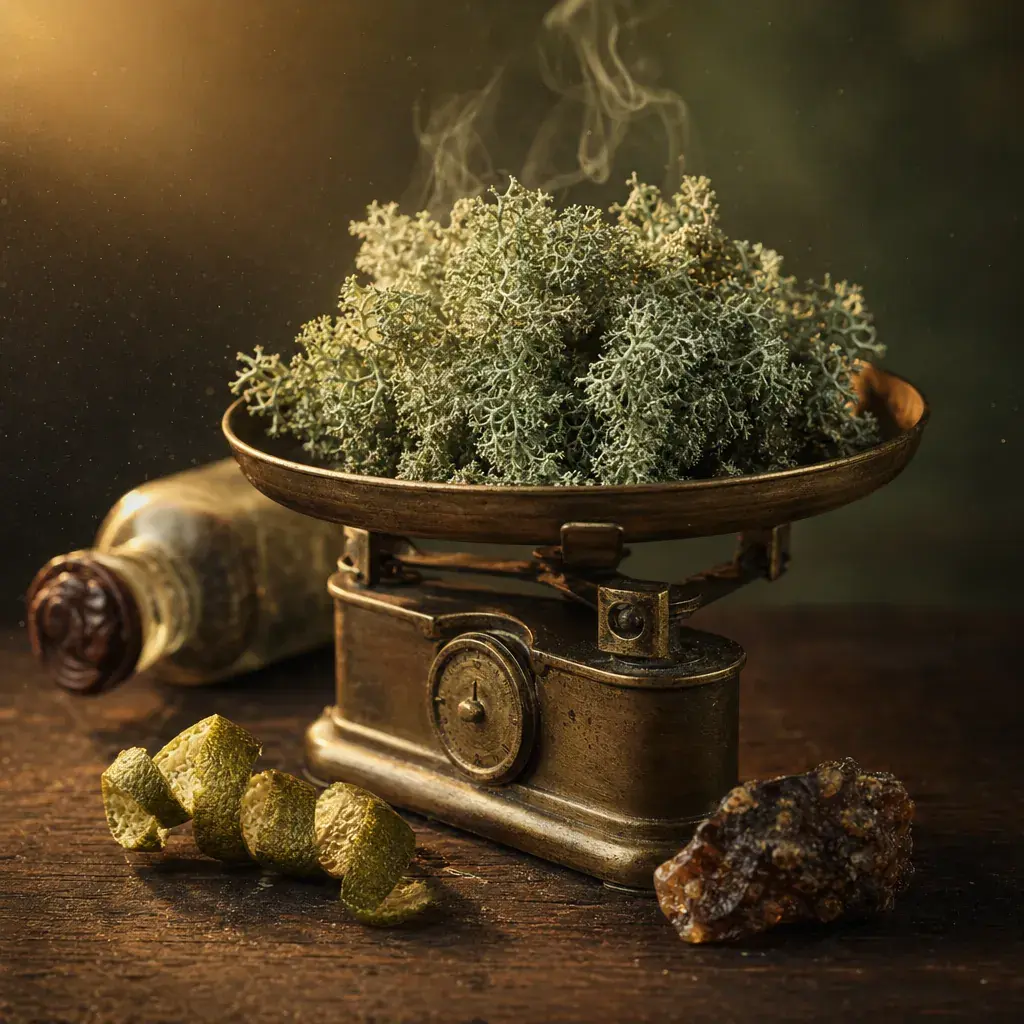
Did you know? The chypre family takes its name from the parfum Chypre created by François Coty in 1917, inspired by the scents of the Mediterranean island — a bergamot-oakmoss-labdanum accord that revolutionised modern perfumery and laid the foundations of an entire olfactive family.
Why are woody chypre perfumes so timeless?
The answer lies largely in chemistry. Oakmoss — Evernia prunastri — has a molecular structure that interacts differently with each skin, creating a personal sillage that varies slightly from wearer to wearer. This skin-to-skin quality, combined with the longevity of labdanum and patchouli, explains why woody chypres hold so well and leave such a distinctive trace.
Psychologically, these perfumes evoke deep associations: natural elegance, sophistication without ostentation, a subtle yet assertive presence. They don't seek to seduce through immediacy — they assert themselves over time. That's what makes them timeless: they work as well today as they did fifty years ago, and will probably work just as well fifty years from now.
The 5 woody chypre sub-families
| Name | Olfactive profile | Typical notes | Examples |
|---|---|---|---|
| Classic woody chypre | dry-elegant-earthy | oakmoss, labdanum, bergamot, patchouli, cedar | Féminité du Bois, Mitsouko |
| Floral woody chypre | feminine-sophisticated-velvety | rose, jasmine, iris, oakmoss, sandalwood | Trésor, Alien Goddess |
| Fruity woody chypre | modern-bright-tangy | peach, bergamot, blackcurrant, patchouli, oakmoss | Mitsouko, Amethyst |
| Aromatic woody chypre | masculine-fresh-earthy | vetiver, cedar, lavender, oakmoss, rosemary | Encre Noire, Vétiver Oriental |
| Patchouli woody chypre | deep-earthy-sensual | patchouli, oakmoss, labdanum, rose, vetiver | Patchouli Reminiscence, Borneo 1834 |
Classic woody chypre
This is the purest form of the family: bergamot on top, a subtle floral accord at the heart, and that dry base note of oakmoss, labdanum and cedar that gives the parfum its earthy, elegant character. Nothing excessive, nothing overdone.
Féminité du Bois by Serge Lutens is the founding icon on the feminine side. Mitsouko by Guerlain, more fruity, also touches this classic territory through the depth of its base note. To go further into oakmoss within this accord, our dedicated feature covers its chemistry and history in detail.
Floral woody chypre
Here, the floral heart note takes centre stage: rose, jasmine, iris, sometimes geranium or ylang-ylang, carried by a base note of sandalwood and oakmoss. The result is velvety, sophisticated, feminine without being sugary.
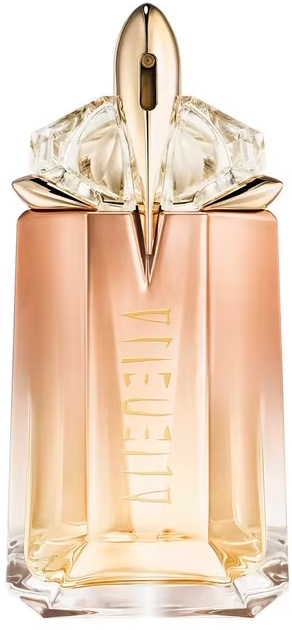
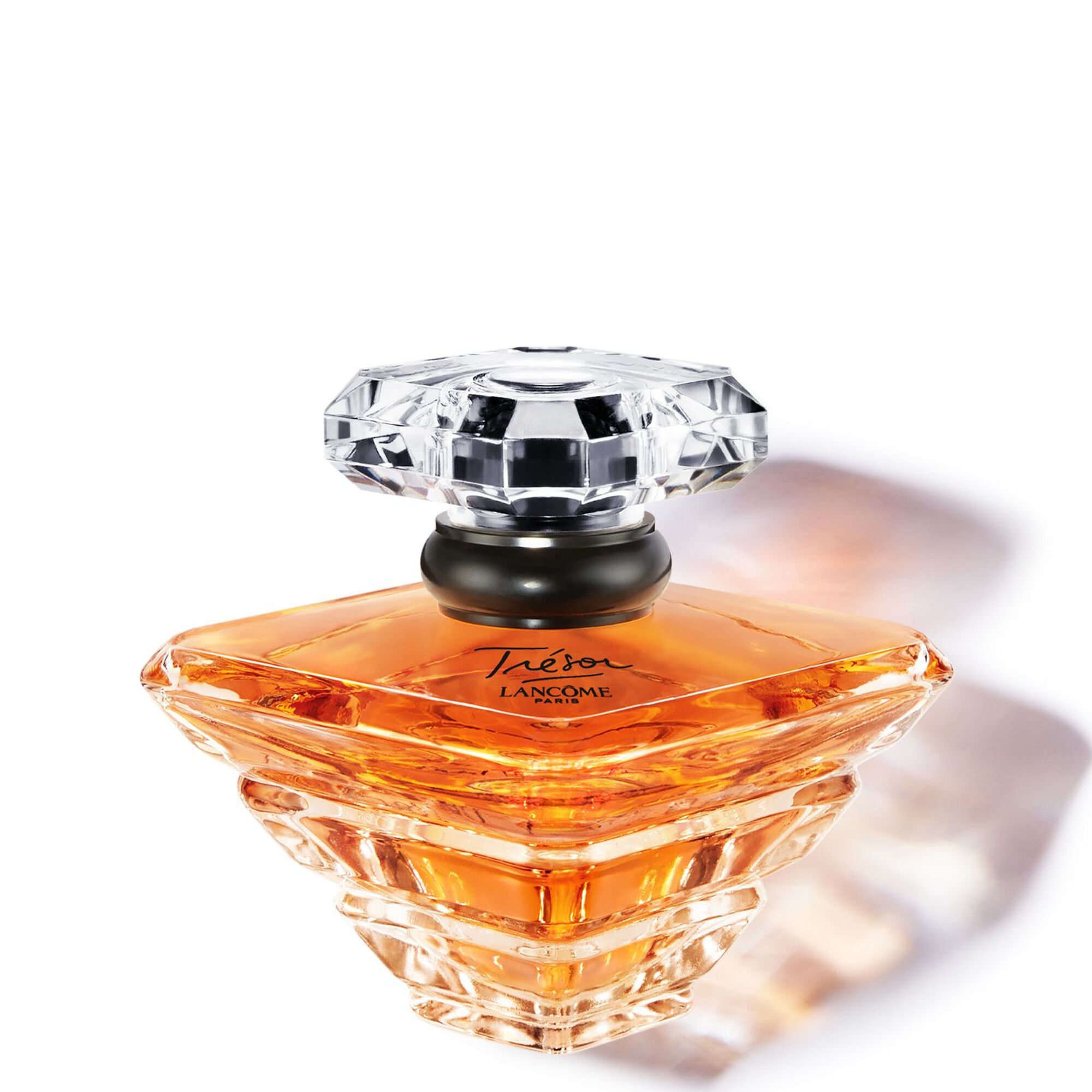
Lancôme Trésor and Mugler Alien Goddess represent two generations of this sub-type: one rooted in the classic codes of the 1990s, the other brighter and more solar. Both share that enveloping floral chypre quality, which lingers on the skin for hours without ever feeling heavy.
Fruity woody chypre
The most popular modernisation of the family. Peach, blackcurrant, bergamot brighten the chypre structure, giving it a tangy, luminous edge that appeals to a wider audience. The base note remains anchored in patchouli and oakmoss — that's what distinguishes a fruity chypre from a simple fruity floral.
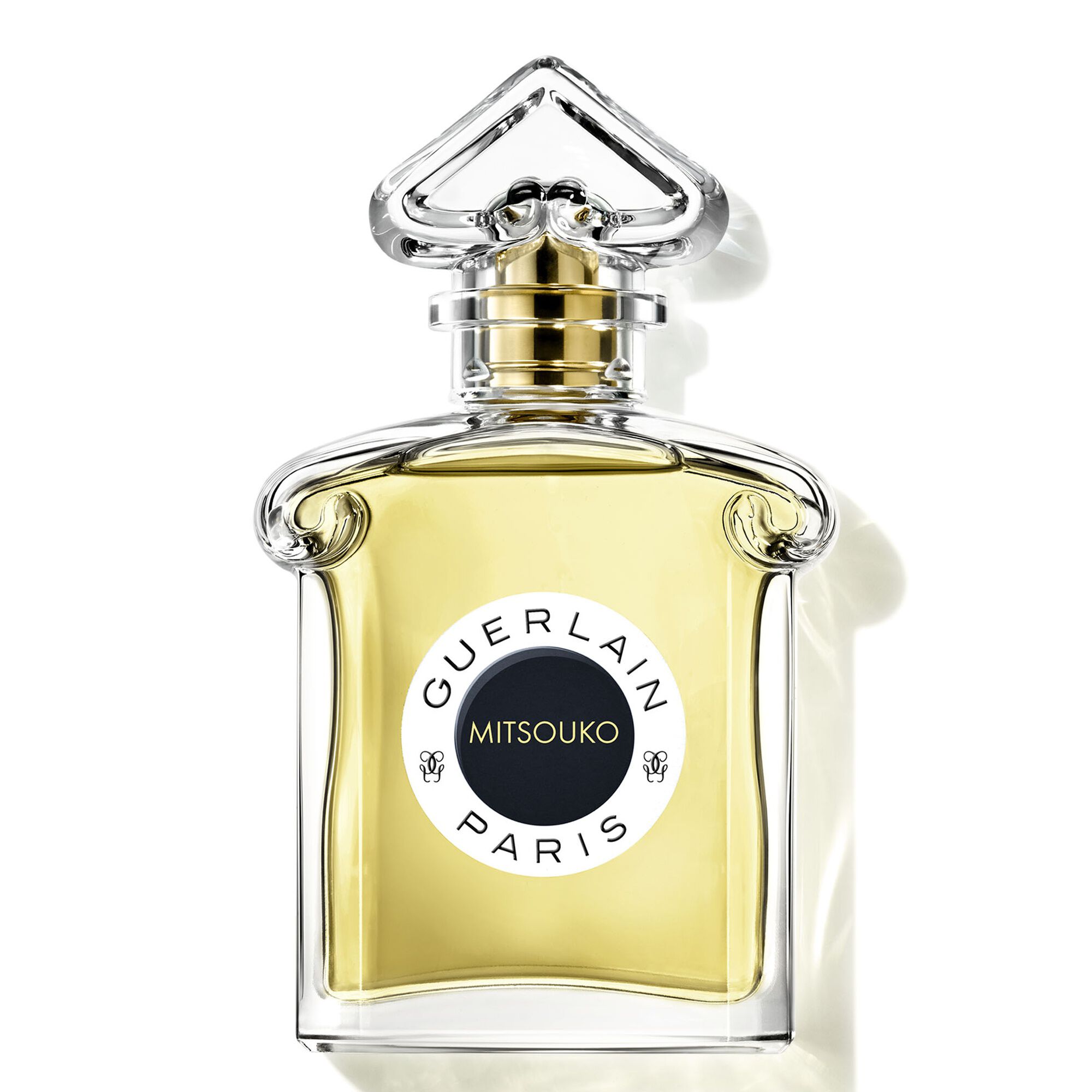
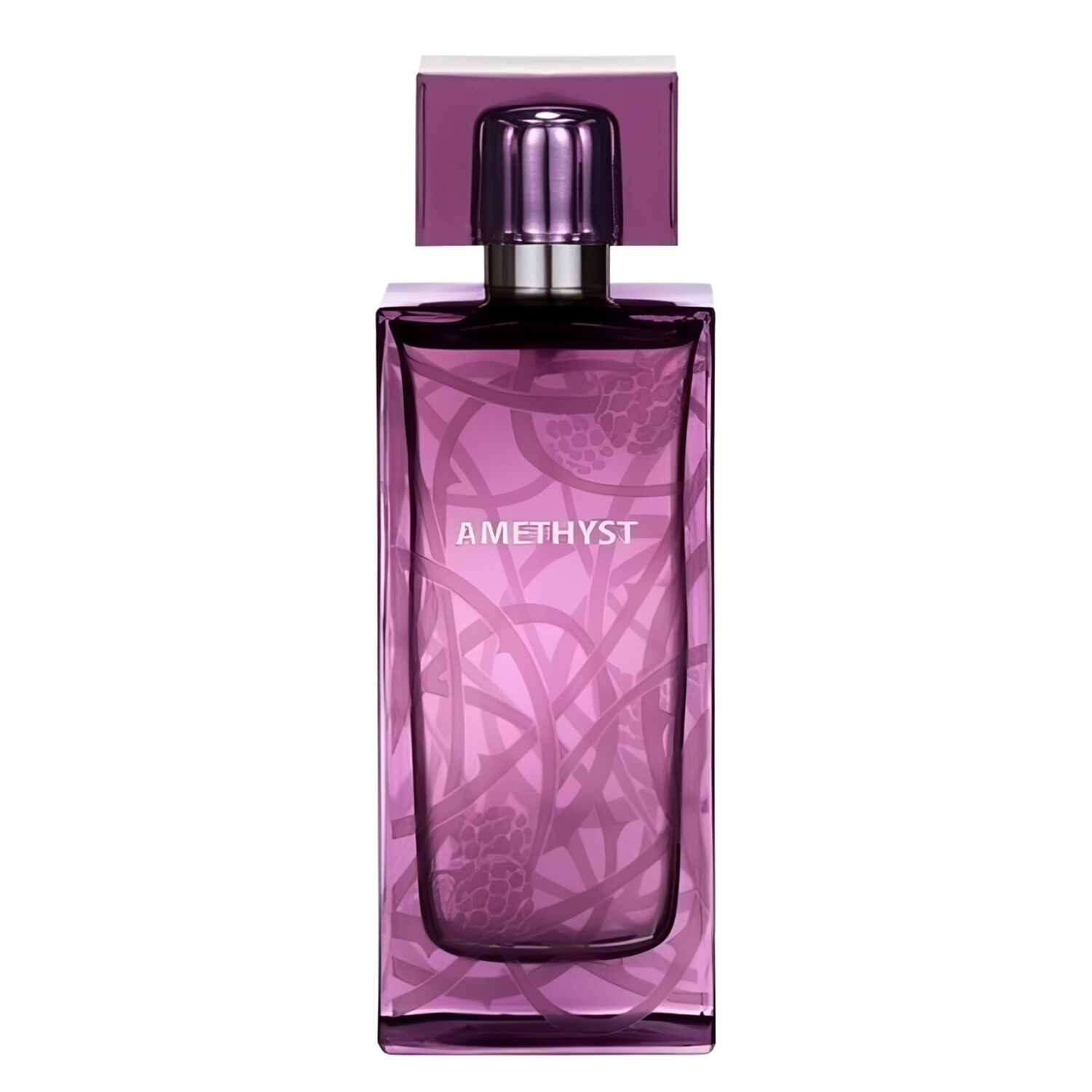
Mitsouko by Guerlain is the absolute historical reference. Lalique Amethyst offers a more accessible, contemporary version. To delve into the patchouli note within this accord, our note feature explains its many facets.
Aromatic woody chypre
A more masculine, fresher, earthier profile. Vetiver and cedar dominate, supported by aromatic notes such as lavender or rosemary. Oakmoss remains present but fades behind the minerality of vetiver. This family is close to aromatic woody, but with that resinous chypre depth that changes everything.
Lalique Encre Noire is the best-seller of this sub-type: mineral, dry vetiver, instantly identifiable. Serge Lutens Vétiver Oriental pushes further towards depth and character. To learn everything about vetiver in perfumery, our dedicated page covers it in full.
Patchouli woody chypre
The deepest, most captivating sub-family, and one of the most sought-after in-store. Patchouli is treated here as the dominant note — earthy, slightly camphoraceous, sensual — over a base note of oakmoss and labdanum that amplifies its resonance.
Reminiscence has built a significant part of its identity on this sub-cluster, with the Patchouli EDP as its absolute best-seller and Borneo 1834 by Serge Lutens as the niche reference. This sub-type attracts a very loyal following: once converted to patchouli chypre, customers rarely turn back.
Our selection: the best woody chypre perfumes for women 2026
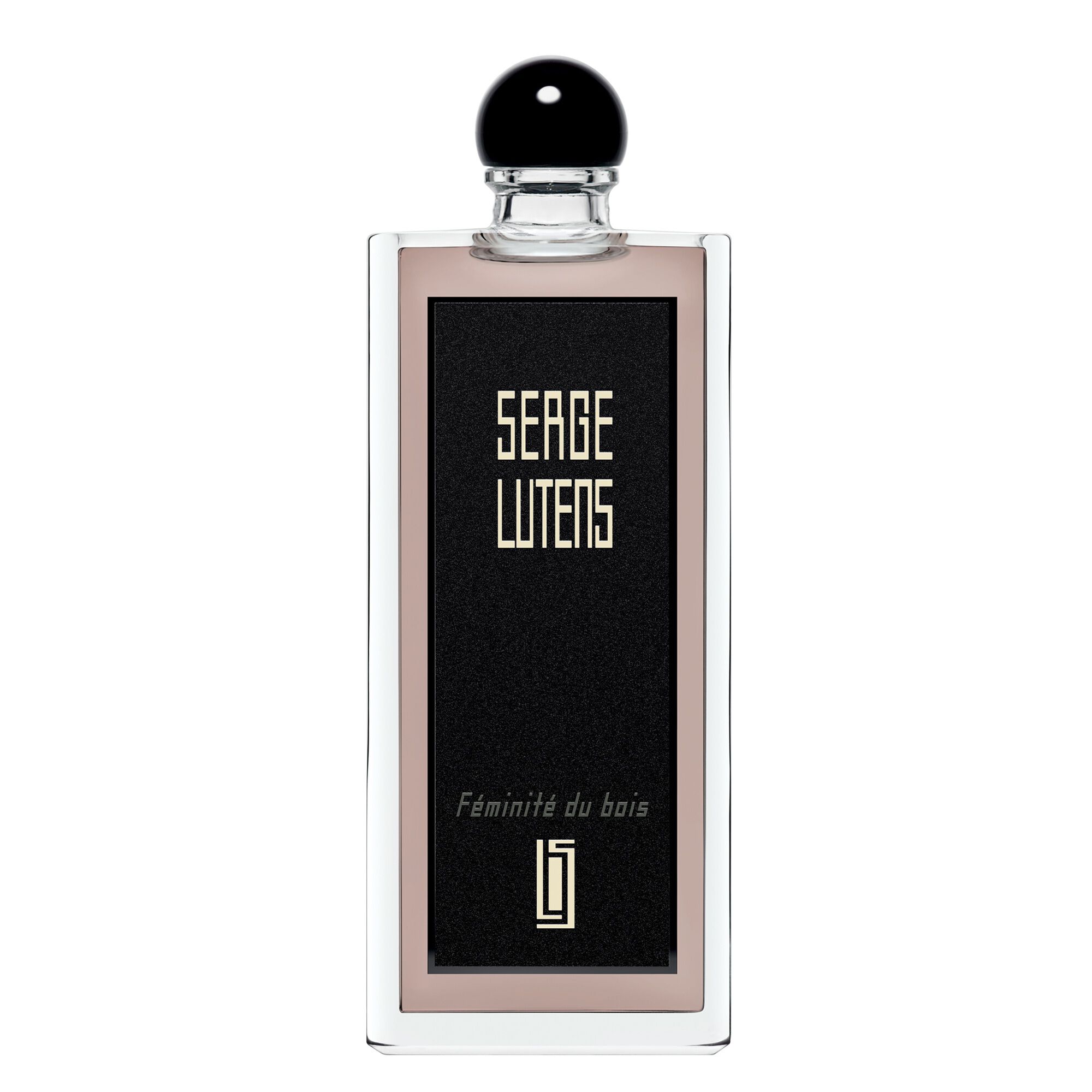
Féminité du Bois — Serge Lutens — 78 EUR
The founding icon of modern feminine woody chypre, created by Pierre Bourdon and Christopher Sheldrake in 1992. Dry, deep Atlas cedar, soft plum, subtle spices. A vision of woodiness that redefined femininity in niche perfumery. For anyone wanting an elegant classic chypre, free of floral cliché. The house of Serge Lutens set a benchmark with this flacon that many have tried to surpass.
Reminiscence Patchouli EDP — Reminiscence — 55 EUR
The absolute best-seller of the patchouli chypre sub-cluster. Deep, earthy patchouli over a base note of oakmoss and labdanum, with a touch of rose that softens the whole. A direct, no-nonsense fragrance that has built loyalty for years. For anyone who loves woody chypres with real, unapologetic depth. Accessible and instantly recognisable.
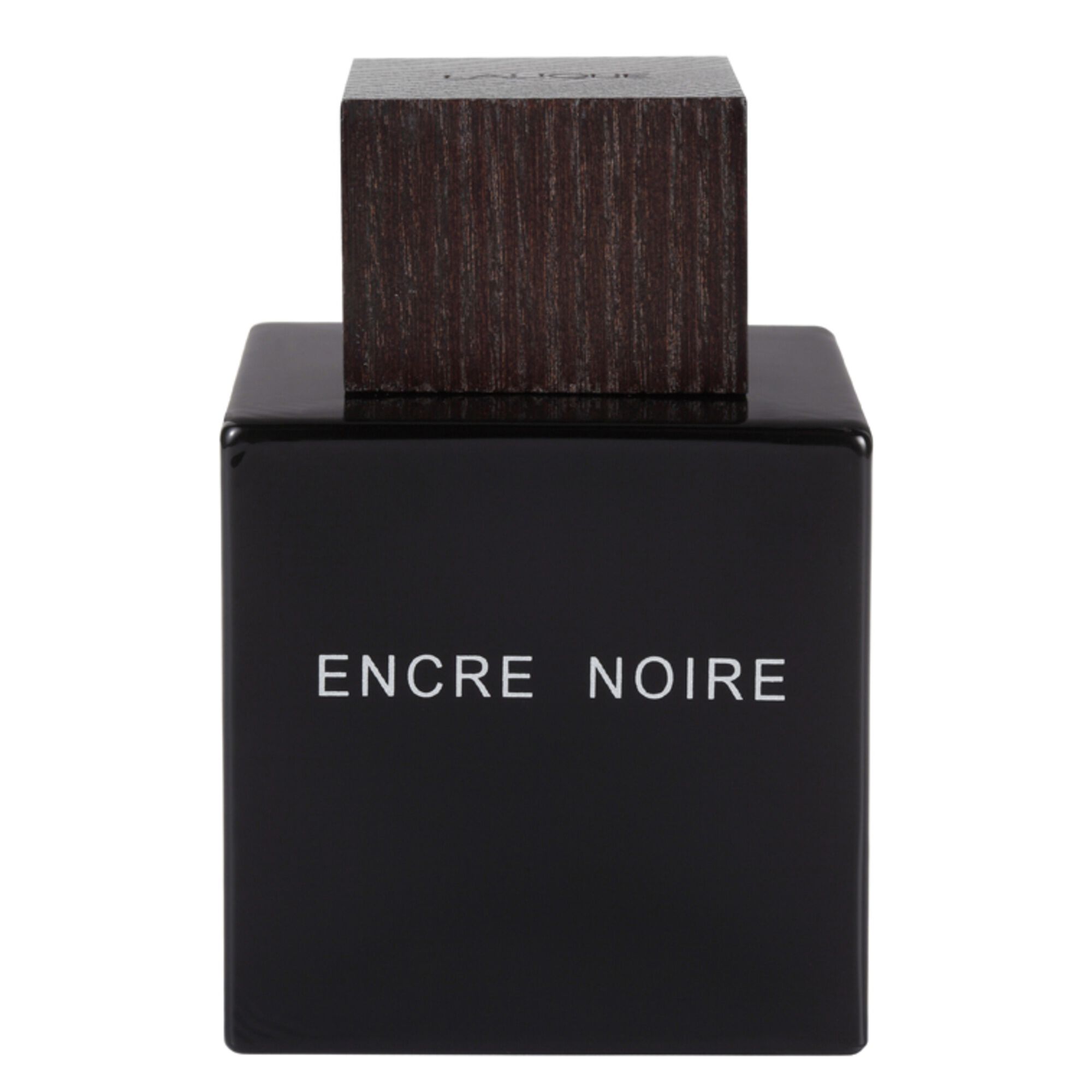
Encre Noire EDP — Lalique — 45 EUR
The masculine-unisex best-seller of aromatic chypre, offered by Lalique at a very accessible price. Mineral, dry vetiver over a base note of oakmoss and cypress. Understated, elegant, with solid longevity throughout the day. Excellent value for discovering the aromatic chypre family without a significant investment.
Mitsouko EDP — Guerlain — 89 EUR
The absolute reference of fruity chypre, created in 1919 by Jacques Guerlain. Velvety peach over a base note of oakmoss, labdanum and vetiver, with a heart note of ylang-ylang and jasmine of rare depth. A composition of such complexity that it unfolds over several hours. For anyone wanting to understand the full range of the chypre family.
Alien Goddess EDP — Mugler — 65 EUR
A modern feminine best-seller with a floral woody chypre facet. Bright bergamot on top, solar jasmine at the heart, base note of sandalwood and Cashmerewood. An accessible, warm floral chypre that appeals to a wide audience. For anyone seeking a woody chypre without austerity, with real presence but no heaviness.
Trésor EDP — Lancôme — 72 EUR
An icon of feminine floral chypre since 1990. Rose and iris over a base note of sandalwood and oakmoss, with a sophisticated, velvety softness that has stood the test of time. For anyone who loves classic, feminine and refined floral chypres. A parfum that lives up to its name: a safe bet, dense and generous.
Patchouli Elixir EDP — Reminiscence — 79 EUR
An enriched, deeper version of Patchouli Reminiscence. Guaiacwood and labdanum amplify the earthy patchouli, the woodiness gains more thickness, and the longevity is superior. For anyone wanting to trade up within the patchouli chypre sub-cluster without leaving the Reminiscence universe. Denser, longer-lasting, more assertive.
The patchouli woody chypre sub-cluster deserves particular attention. It brings together perfumes that place patchouli in the foreground, supported by oakmoss and labdanum: an earthy, deep, sensual profile, found at Reminiscence with its two references Patchouli and Patchouli Elixir, but also in Borneo 1834 by Serge Lutens, a niche version that is more concentrated and darker. This sub-type builds a very specific — and very loyal — following. To explore all our references in this direction, our woody chypre selection for women details the options by profile.
Our selection: the best woody chypre perfumes for men 2026
Masculine woody chypres share a common profile: aromatic, dry, anchored in vetiver and cedar, with that oakmoss base note that adds depth without heaviness. This is a family suited to men who want a parfum with character, present without being overpowering. To go further, our woody chypre selection for men covers the entire segment.
Vétiver Oriental EDP — Serge Lutens — 85 EUR
A dry, elegant masculine chypre vetiver, a Serge Lutens signature. Deep, earthy vetiver, vegetal galbanum on top, base note of oakmoss and resin. An assertive aromatic chypre, radical in its statement, for the man who wants a woody chypre with real character. No compromise on depth — that's its strength.
Oud EDP — Reminiscence — 69 EUR
A natural bridge between woody chypre and woody oriental. Warm oud over a base note of patchouli and oakmoss, with a touch of rose and labdanum. A fragrance that fluidly crosses both families. For anyone wanting to explore chypre through a deep woody entry point, with an oriental warmth that tempers the classic austerity.
Amethyst EDP — Lalique — 48 EUR
An accessible unisex fruity chypre, a bridge to the fruity sub-cluster. Blackcurrant and bergamot on top, base note of patchouli and oakmoss, with cedar for longevity. A bright, modern fruity chypre that modernises the classic accord without betraying it. Very good value for a first approach to the family.
Borneo 1834 EDP — Serge Lutens — 105 EUR
A niche patchouli chypre, the most accomplished version of the sub-cluster. Massive patchouli and bitter cacao over a base note of oakmoss, labdanum and cedar. Dense, deep, for connoisseurs. Recently, a customer asked me for "the most serious parfum you have" — this is the one I put on the counter. He didn't hesitate for long.
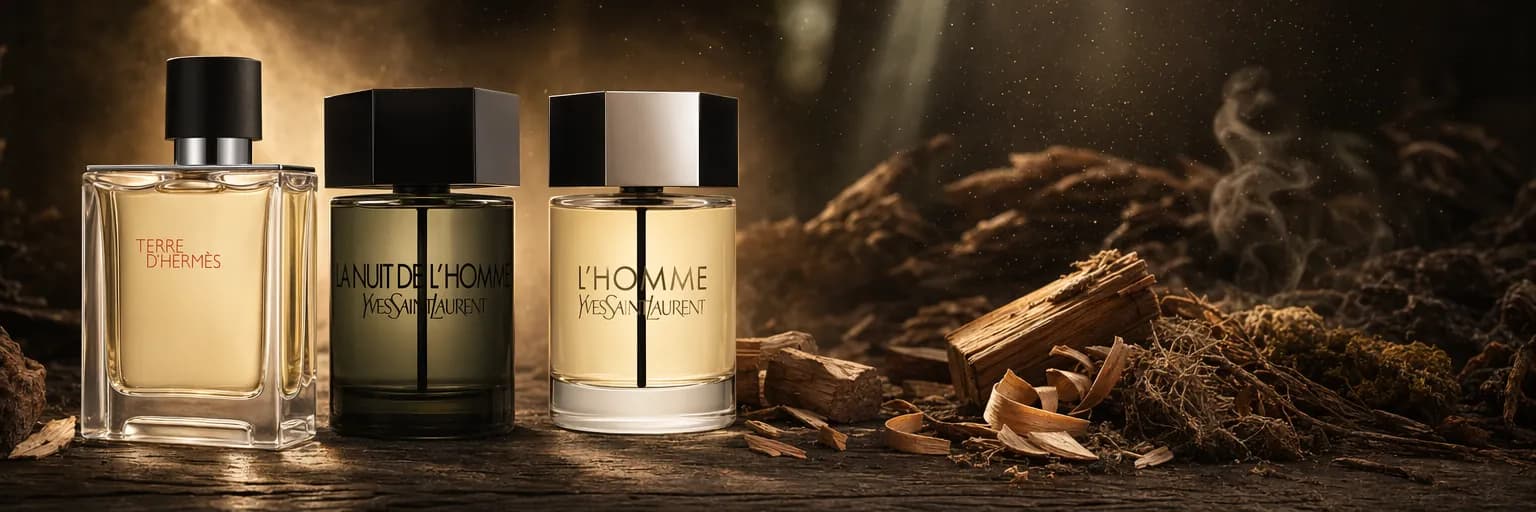
Two references outside our catalogue deserve a mention to put this segment into context: Hermès Terre d'Hermès remains the mainstream reference for masculine woody chypre, accessible and instantly identifiable. Tom Ford Moss Breches represents the most radical niche approach to the contemporary oakmoss accord — a useful benchmark for placing our selections.
Woody chypre, floral chypre, fruity chypre: what are the differences?
| Sub-family | Dominant notes | Reference era | Target audience |
|---|---|---|---|
| Classic chypre | oakmoss, labdanum, bergamot, cedar | 1917-1970 | Connoisseurs, dry-elegant profiles |
| Floral chypre | rose, jasmine, iris, sandalwood, oakmoss | 1970-1990 | Women, sophisticated floral profiles |
| Fruity chypre | peach, blackcurrant, bergamot, patchouli | 1980-today | Wide audience, bright-modern profiles |
Classic chypre: the founding accord by François Coty
The Chypre parfum by François Coty (1917) laid the foundations for the entire family: fresh bergamot on top, oakmoss, labdanum and cistus in the base note. This accord is mineral, dry, slightly earthy, with remarkable longevity. Guerlain Mitsouko (1919) extended this vision by adding a fruity dimension. These two creations are historical landmarks — they are not part of our commercial selection, but they shed light on everything that followed.
Floral chypre vs woody chypre: two expressions of the same elegance
Floral chypre puts the floral heart note in the foreground — rose, jasmine, iris, geranium — over a base note of sandalwood and oakmoss. The result is velvety, sophisticated, instantly appealing. Woody chypre, on the other hand, replaces this floral heart with cedar, vetiver or bare sandalwood, giving a drier, more direct, sometimes more masculine profile.
Trésor by Lancôme perfectly illustrates classic floral chypre. Féminité du Bois shows what woody chypre can do when it fully embraces its dryness. Both are refined — but they speak to different profiles.
Fruity chypre: the modernisation of the family
From the 1980s onwards, perfumery began incorporating fruity notes into the chypre accord — peach, blackcurrant, tangy bergamot — to lighten its structure and broaden its appeal. This movement produced more accessible, brighter perfumes, without losing the depth of the chypre base note.
Today, fruity chypre is the best-selling variation of the family. Lalique Amethyst is a good contemporary example: blackcurrant and bergamot on top, patchouli and oakmoss in the base note. Miss Dior (1947) had already explored this direction with pioneering elegance — a historical mention only, with no commercial equivalent in our catalogue.
How to choose your chypre sub-type?
A dry, elegant profile, not particularly drawn to florals: classic or aromatic chypre. A softer profile, fond of florals but wanting depth: floral chypre. A bright, modern profile, seeking a woody chypre without austerity: fruity chypre. A deep, earthy, sensual profile: patchouli chypre. In-store, I often suggest smelling Encre Noire and Trésor side by side — the two extremes of the family are better understood by contrast.
Woody chypre perfume and oakmoss: the material that ties it all together
What is oakmoss in perfumery?
Oakmoss — Evernia prunastri in botanical terms, oakmoss in IFRA standards — is a lichen harvested mainly from oaks and conifers in Central Europe. Its scent is hard to describe simply: earthy, slightly iodic, resinous, with an almost mineral dimension. It is what gives classic chypres their characteristic depth.
In 2012, IFRA (International Fragrance Association) drastically reduced the permitted doses of natural oakmoss in compositions, due to its allergenic potential. This restriction forced perfumers to reformulate many classics and develop synthetic alternatives: Evernyl (which recreates the earthy-woody side) and Iso E Super (more woody-cedar, less lichen). To learn everything about this material and its alternatives, our oakmoss feature covers it in full.
Our woody chypre selection at Tendance Parfums
Three references from our catalogue particularly well illustrate the role of oakmoss in the woody chypre accord:
Féminité du Bois — Serge Lutens — 78 EUR. Dry cedar and oakmoss in dialogue: the icon of feminine woody chypre, where oakmoss supports the woodiness without dominating it. A landmark reference for understanding the classic accord.
Reminiscence Patchouli — Reminiscence — 55 EUR. Patchouli and oakmoss in direct pairing: the house of Reminiscence built its reputation on this frank, earthy, no-nonsense accord. An accessible best-seller, ideal for a first approach to patchouli chypre.
Encre Noire — Lalique — 45 EUR. Mineral vetiver and oakmoss: aromatic chypre in its driest, most understated version. Hard to beat on value in this family.
Natural vs synthetic oakmoss: impact on sillage and longevity
The difference between a formula with natural oakmoss and one reformulated with synthetic alternatives is real — but not always to the detriment of the latter. Natural moss brings organic complexity, slightly variable from batch to batch, with a sillage that evolves very differently depending on the skin. Synthetic alternatives such as Evernyl are more stable, more predictable, and allow for more even diffusion.
What I've observed in-store since the wave of post-2012 reformulations: customers who knew the original versions often perceive a loss of depth in the base note. New customers, on the other hand, find the current versions more accessible, less austere. Neither better nor worse — just different. It's a real topic for lovers of classic chypres, and I had to retest several references to update my advice.
How to wear a woody chypre perfume
Woody chypre perfume: which season?
Woody chypres are among the most versatile perfumes for autumn and winter: their resinous depth and dense sillage suit cooler temperatures perfectly. In the transitional seasons — September, October, March, April — they also work very well.
For spring and summer, lighter sub-families take over: floral chypre and fruity chypre cope better with heat, their hesperidic top note remaining legible. Classic and patchouli versions can become heavy in a heatwave — better saved for evenings or air-conditioned spaces.
Woody chypre perfume: day or evening?
Aromatic chypre and fruity chypre are the profiles best suited to everyday wear: fresh, subtle, legible at any hour. In EDT, they are even more appropriate for the office or an active day.
In the evening, EDP versions of classic chypre or patchouli chypre come into their own: their captivating sillage and resinous depth suit a more intimate setting better. For a special occasion, niche versions — Féminité du Bois, Borneo 1834, Vétiver Oriental — bring an extra dimension.
How much does a good woody chypre perfume cost?
The accessible segment starts around 25-50 EUR: Lalique Encre Noire (45 EUR) and Lalique Amethyst (48 EUR) offer genuine chypre quality at this price point. The premium segment covers 50-100 EUR: Reminiscence Patchouli (55 EUR), Mugler Alien Goddess (65 EUR), Lancôme Trésor (72 EUR), Féminité du Bois (78 EUR), Guerlain Mitsouko (89 EUR). Beyond 100 EUR, you enter niche territory: Borneo 1834 (105 EUR) and Serge Lutens references in general. A good woody chypre doesn't necessarily require a large budget — but niche versions offer a complexity and longevity that are hard to find elsewhere.
Frequently asked questions about woody chypre perfumes
What is a woody chypre perfume?
A woody chypre perfume combines the classic chypre structure — bergamot on top, oakmoss and labdanum in the base note — with dominant woody notes: cedar, vetiver, sandalwood or patchouli. It's a deep, elegant family with excellent sillage. Our complete guide details all the sub-families.
What does a chypre scent smell like?
The chypre scent is a combination of hesperidic freshness (bergamot, citrus) and resinous depth (oakmoss, labdanum, cistus). Earthy, slightly woody, with an almost mineral dimension. It's hard to describe but instantly recognisable. Oakmoss is its signature material.
What are the best woody chypre perfumes?
Among our references: Féminité du Bois for the feminine classic, Reminiscence Patchouli for accessible patchouli chypre, Encre Noire for the masculine aromatic, Mitsouko for historical depth. Each sub-family has its own references depending on the profile you're after.
Which woody chypre should women choose?
For an elegant classic chypre: Féminité du Bois. For a velvety floral chypre: Trésor. For a modern fruity chypre: Amethyst. For a deep patchouli chypre: Reminiscence Patchouli. Our women's selection covers every profile with personalised advice.
What is the best chypre parfum for men?
It all depends on the profile. For a dry, mineral aromatic chypre: Lalique Encre Noire. For an assertive chypre with character: Vétiver Oriental by Serge Lutens. For a niche patchouli chypre: Borneo 1834. Our men's selection details the options by intensity and occasion.
What is the difference between a woody perfume and a chypre perfume?
A woody perfume highlights ligneous notes (cedar, sandalwood, vetiver) without a particular chypre structure. A chypre perfume rests on the bergamot-oakmoss-labdanum trilogy, which gives it its resinous depth and characteristic sillage. Woody chypre combines both: dominant woody notes over a chypre architecture.
What is a well-known parfum with chypre?
The best-known references: Mitsouko by Guerlain (1919, fruity chypre), Féminité du Bois by Serge Lutens (1992, classic woody chypre), Reminiscence Patchouli (best-selling patchouli chypre). Historically, the Chypre parfum by François Coty (1917) is the founding act of the entire family.
Which perfumes contain oakmoss?
Natural oakmoss (Evernia prunastri) is now heavily restricted by the 2012 IFRA regulations. Among our selections, Féminité du Bois, Reminiscence Patchouli and Encre Noire use oakmoss accords, natural or synthetic depending on current formulations. Our oakmoss feature details the current formulations.