
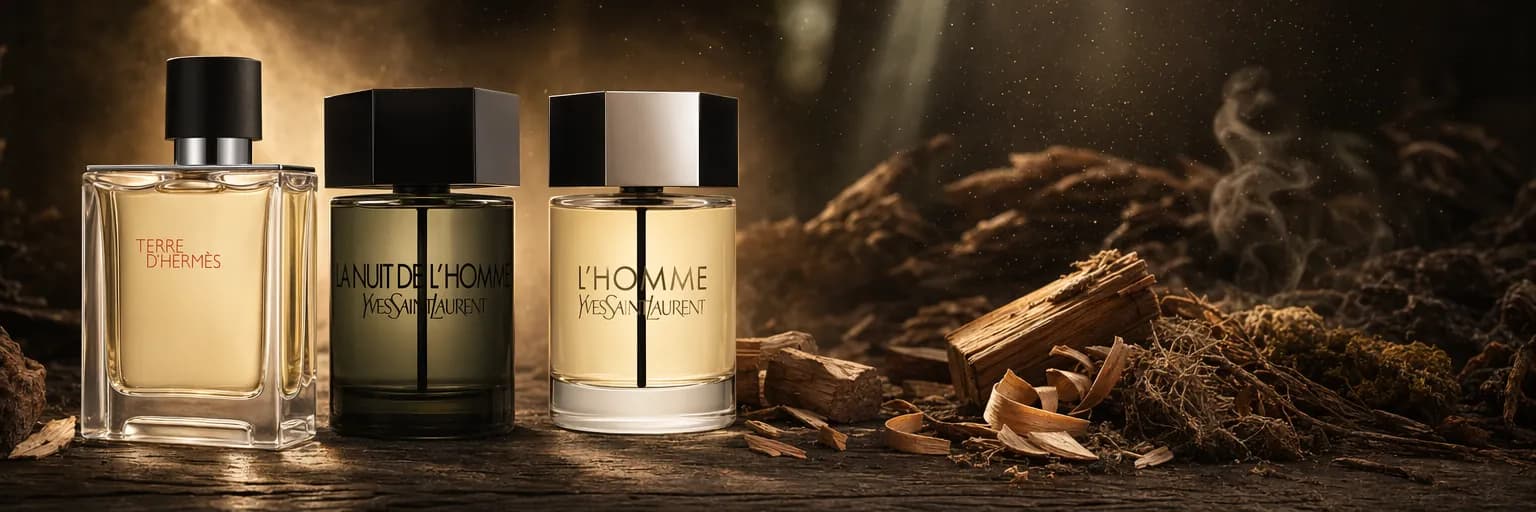
Woody spicy parfum: warmth, depth and character
When a customer comes into the shop and tells me they want "something warm, with character, not too floral," I almost always know where to take them: the woody spicy shelf. It's the family that speaks to me most, the one I've been recommending since my early years at Tendance Parfums. And I'm not the only one who loves it: woody spicy fragrances make up the second best-selling men's olfactory family in France, behind aromatic aquatics, but with far stronger customer loyalty.
This guide covers everything you need to know: composition, sub-families, differences from spicy oriental, and a selection of eleven references I've smelled and shortlisted for their quality-to-profile ratio. Whether you're after a dry woody scent for everyday wear or an opulent oud for a special occasion, you'll find plenty to choose from here.
What is a woody spicy parfum?
Olfactory definition: the composition of a woody spicy parfum
A woody spicy parfum rests on two pillars that complement without blending into one another: a ligneous structure in the base note, and a palette of spices that enlivens it in the heart note or top.
On the woody side, the most widely used raw materials are sandalwood (creamy, milky), cedar (dry, slightly camphorous), vetiver (earthy, smoky, rooty), patchouli (deep, earthy, sensual), oud (resinous, animalic, complex), guaiacwood (smoky, slightly woody-floral), Cashmerewood (soft, powdery, warm), incense (sacred, smoky, slightly lemony) and plant resins such as benzoin or labdanum.
On the spicy side, we find black pepper (piquant, dry, sharp), pink pepper (fruity, delicate, subtly peppery), cardamom (fresh, slightly eucalyptus-like), cinnamon (warm, sweet, woody), ginger (fresh, slightly lemony), clove (intense, warm, slightly numbing), nutmeg (warm, spicy, slightly ligneous) and saffron (metallic, leathery, deep).
These two families of materials are often supported by complementary notes: amber (warm, luminous), labdanum (resinous, animalic), musk (clean or animalic depending on the molecule), iris (powdery, slightly buttery) and leather (dry, smoky, animalic).
The strength of a successful woody spicy composition lies in the balance between the dryness of the wood and the warmth of the spice. Too much wood without spice, and you slide towards pure woody. Too much spice without wood, and you tip over into oriental.
Origins and history of the woody spicy family
The woody spicy family as we know it today has its roots in men's perfumery of the 1960s-1970s. This was an era when houses sought to create fragrances that were both virile and sophisticated, far removed from the light eaux de Cologne of the pre-war years.
Habit Rouge by Guerlain (1965) is often cited as one of the founders of the warm men's woody spicy register: leather, spices, noble woods, an amber base note. Antaeus by Chanel (1981) pushes the dial towards dry, patchouli-forward woody, with an intensity that stood in sharp contrast to the fragrances of its time.
The real revival came in the 2010s, with two simultaneous phenomena: the rise of unisex woody fragrances (worn by both women and men) and the growing popularity of oud. This agarwood resin, used for centuries in Arab and Indian perfumery, gradually entered the catalogues of major Western houses, then those of more accessible brands. Today, woody spicy fragrances can be found at every price point, from entry-level to niche.
Why do woody spicy perfumes have so much character?
The answer is partly chemical. The aromatic molecules that make up woody and spicy notes are generally heavy, with low volatility and a slow evaporation rate. This is what gives woody spicy fragrances their remarkable longevity: between 8 and 12 hours on skin for a well-formulated EDP, and a sillage that fills the room without being overpowering.
But there's also a psychological dimension. Wood evokes warmth, protection, solidity. Spice adds piquancy, alertness, seduction. Together, they create an olfactory signature perceived as deep and sophisticated, culturally associated with maturity and self-confidence.
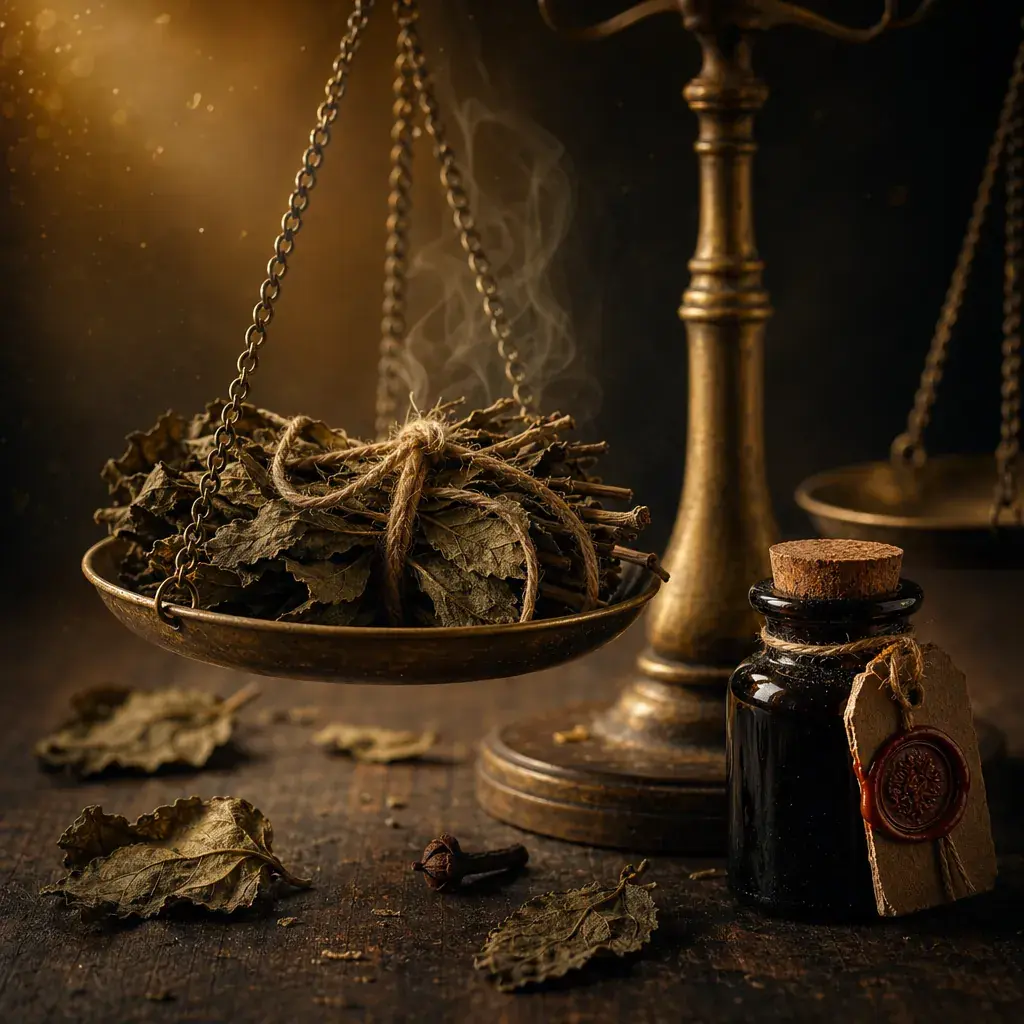
Did you know? Patchouli, the flagship note of woody spicy fragrances, is one of the rare raw materials that improves with age — like a great wine, its earthy scent softens and grows more complex after several years in cask. Perfumers sometimes store batches of patchouli aged 10 to 20 years to enrich their compositions.
The 5 woody spicy sub-families
| Name | Olfactory profile | Typical notes | Examples |
|---|---|---|---|
| Dry woody spicy | dry-mineral-sharp | cedar, vetiver, black pepper, pink pepper, ginger | Lalique Encre Noire, Zadig & Voltaire This is Him |
| Warm woody spicy | warm-enveloping-amber | sandalwood, cardamom, cinnamon, nutmeg, amber | Guerlain Habit Rouge, Azzaro Wanted |
| Patchouli woody spicy | earthy-deep-sensual | patchouli, clove, vetiver, labdanum, incense | Reminiscence Patchouli, Thierry Mugler A*Men |
| Oud woody spicy | opulent-resinous-smoky | oud, sandalwood, saffron, rose, resin | Reminiscence Oud, Tom Ford Oud Wood |
| Feminine woody spicy | soft-woody-spicy-floral | soft sandalwood, pink pepper, iris, white cedar, cardamom | Serge Lutens Féminité du Bois, YSL Libre |
Dry woody spicy
Dry woody is the most mineral of the five. Cedar and vetiver dominate here, dry and almost sharp, supported by black pepper or ginger which add relief without sweet warmth. No amber, little or no vanilla: this is an austere family in the best sense of the word.
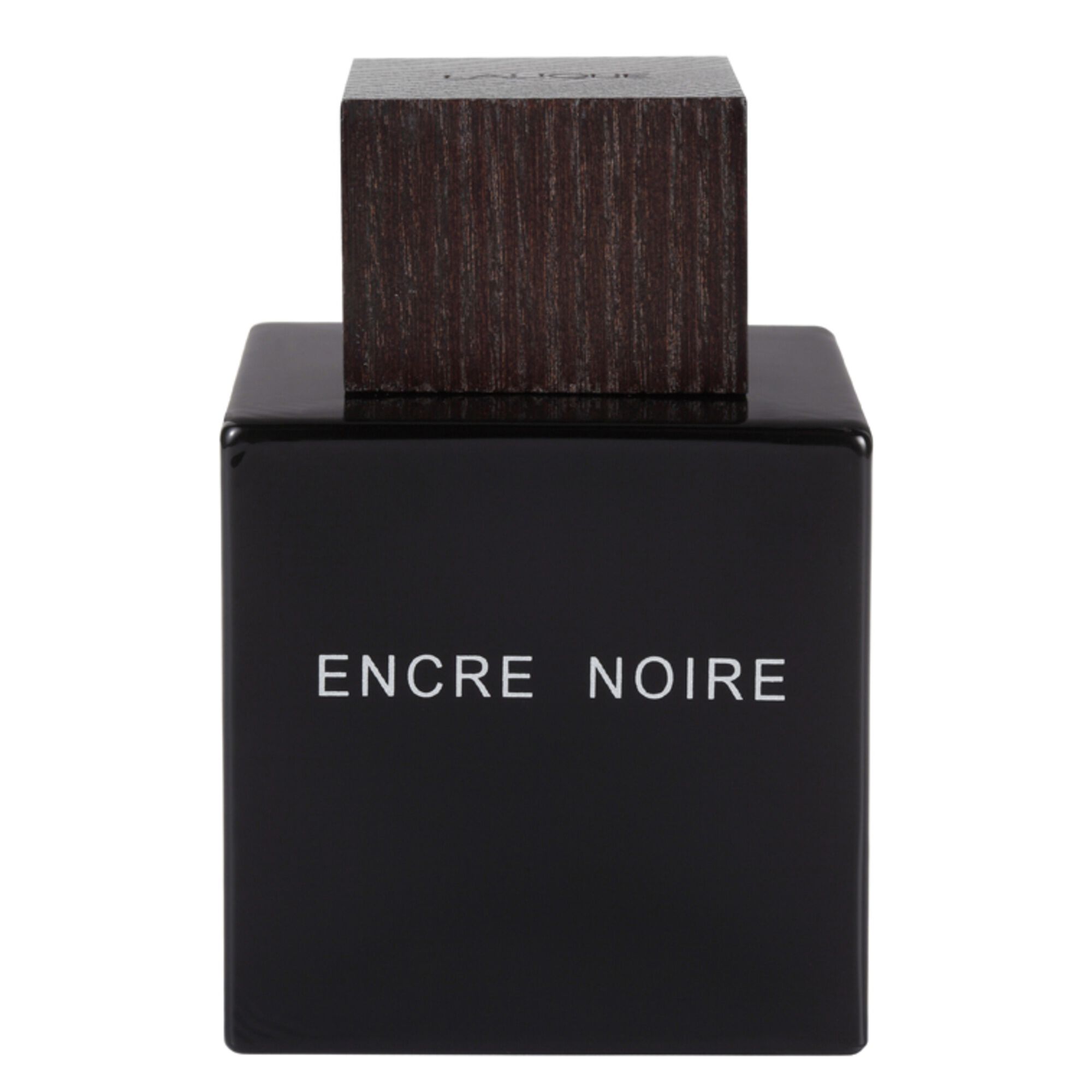
Lalique Encre Noire is the most frequently cited example among enthusiasts: vetiver-cedar-cypress, intense, almost mineral. Zadig & Voltaire This is Him offers a more accessible, everyday version, with a fresh spicy touch that lightens the whole.
Warm woody spicy
Here, sandalwood takes the place of cedar, and amber replaces the mineral edge. The profile is enveloping, warm, sometimes slightly sweet without being gourmand. Cardamom, cinnamon and nutmeg play a central role: they add warmth without weighing things down.
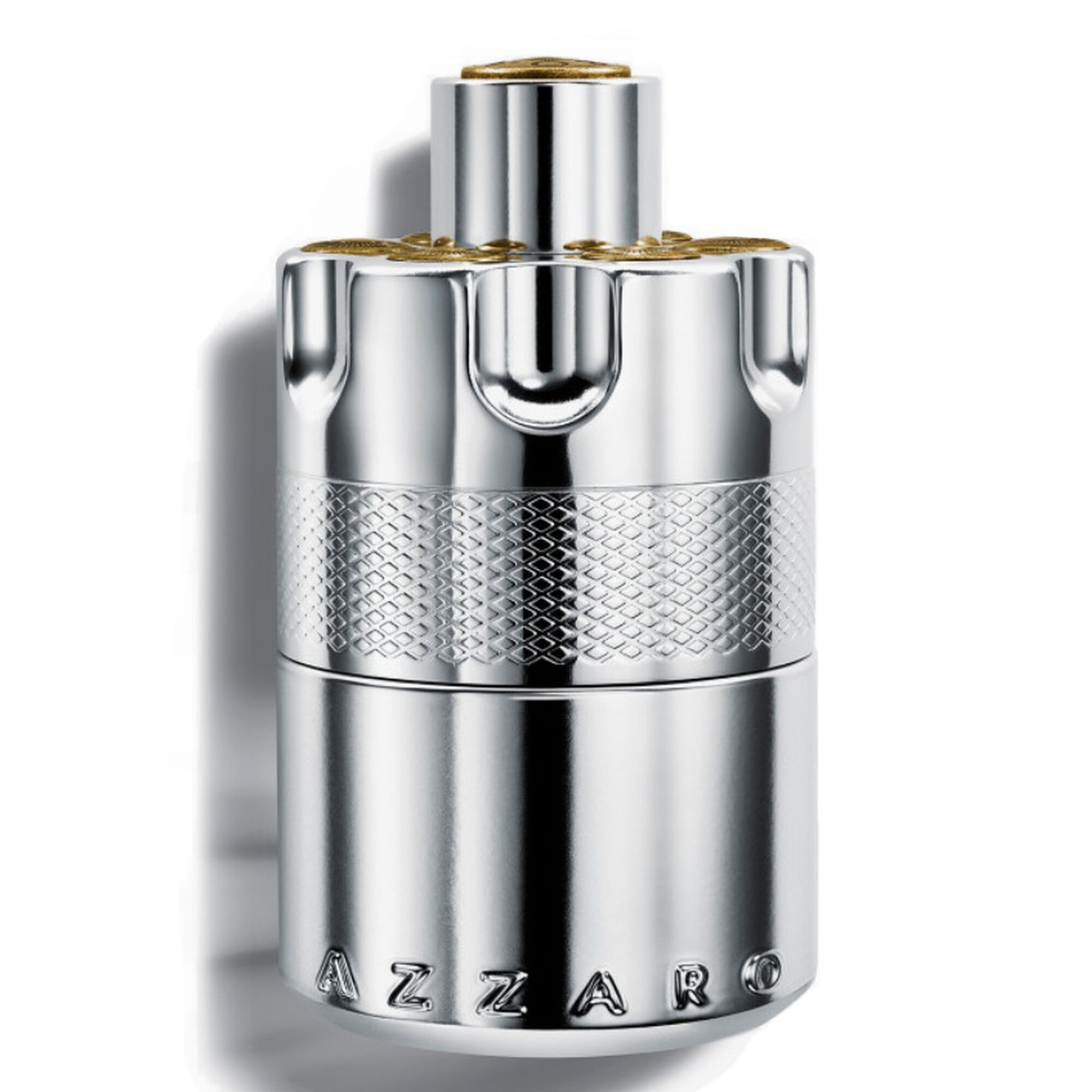
Guerlain Habit Rouge remains the historic reference of this sub-family. Azzaro Wanted is the best-selling contemporary interpretation: cardamom-cedar-amber, generous sillage, accessible.
Patchouli woody spicy
Patchouli woody is the most earthy, the deepest of the sub-families. Patchouli takes centre stage, often paired with clove, vetiver, labdanum and incense. It's a family that divides opinion: you either love it or avoid it entirely. Those who love it rarely switch families.
Reminiscence Patchouli is the house's accessible reference, generous and direct. Thierry Mugler A*Men adds a gourmand dimension (coffee, tar) that makes it a darker, more contemporary version.
Oud woody spicy
Oud woody is the most opulent of the five. Oud — a resin extracted from agarwood infected by a fungus, mainly in India, Bangladesh and Southeast Asia — brings a resinous, animalic, sometimes smoky depth that few other materials can match. It is generally paired with sandalwood, saffron, rose and resin to create dense, long-lasting compositions.
Reminiscence Oud offers an accessible entry point into this register. Tom Ford Oud Wood (mentioned for factual reference, not stocked by us) is often cited as the leading Western niche reference in the sub-family. For product links, see our pepper note page, which also covers related spicy oriental accords.
Feminine woody spicy
Long considered an exclusively masculine register, the woody spicy family has opened up to women's perfumery since the 1990s. The profile here is softer: white sandalwood, pink pepper, iris, white cedar, cardamom — delicate rather than powerful spices, creamy rather than dry woods.
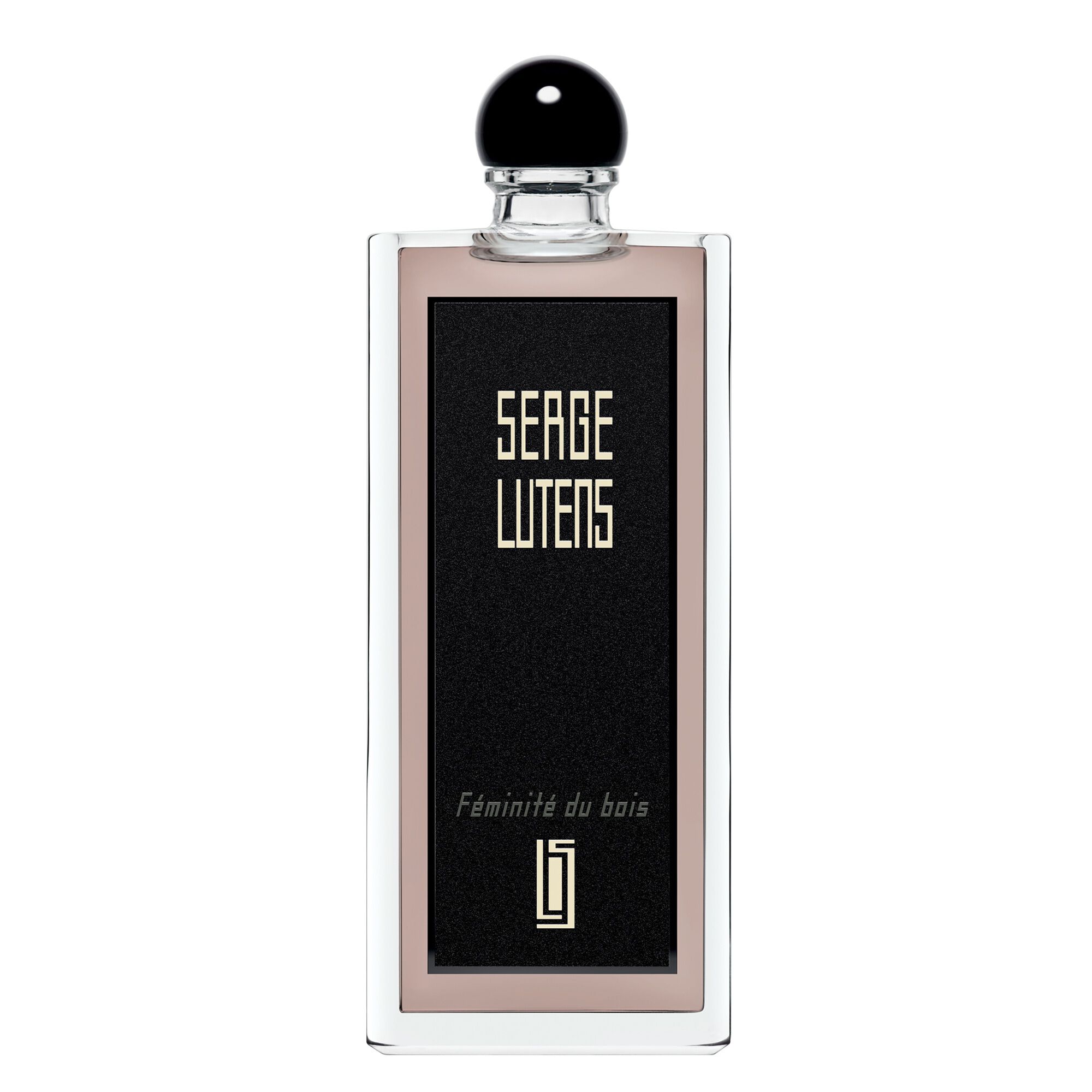
Serge Lutens Féminité du Bois (1992) laid the foundations of this sub-family. YSL Libre is today its mainstream best-seller: lavender, amber, cedar — assertive yet accessible to newcomers.
Our selection: the best woody spicy perfumes for men 2026
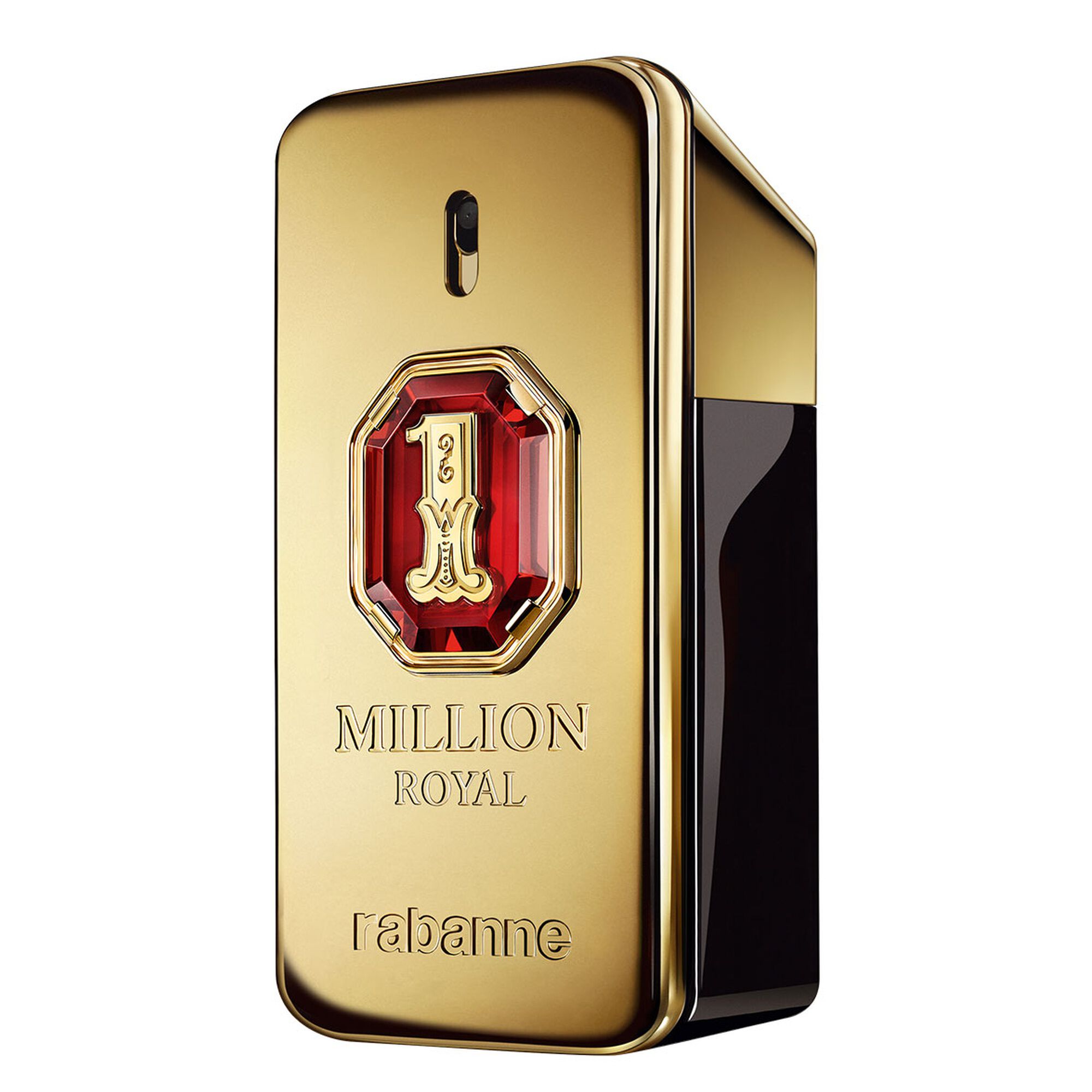
Men's woody spicy fragrances cover a very wide spectrum, from accessible daily wear to opulent evening options. Here are the six references I regularly recommend in-store, for every profile and every budget. For more, our woody spicy men's selection breaks down each profile with occasion-based suggestions.
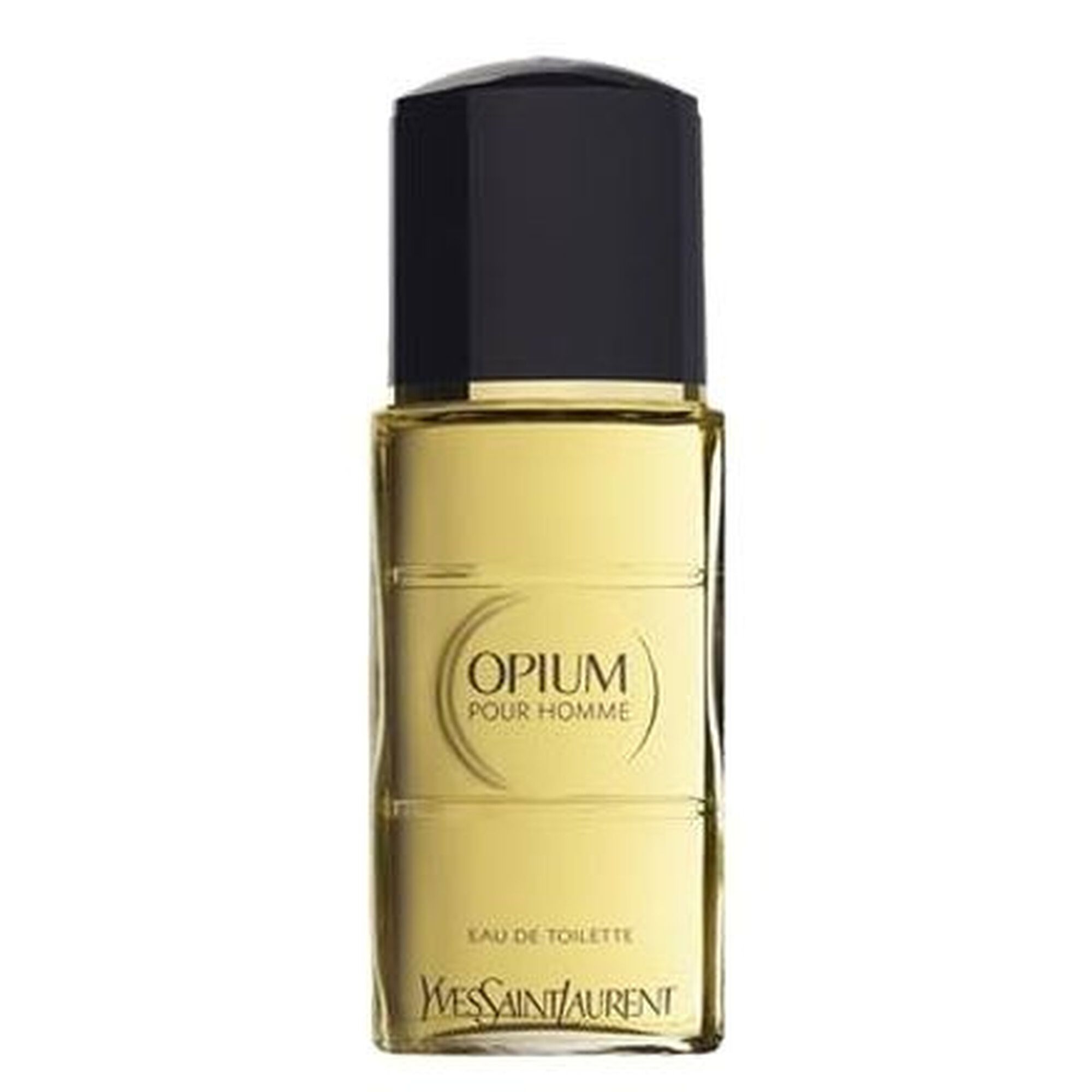
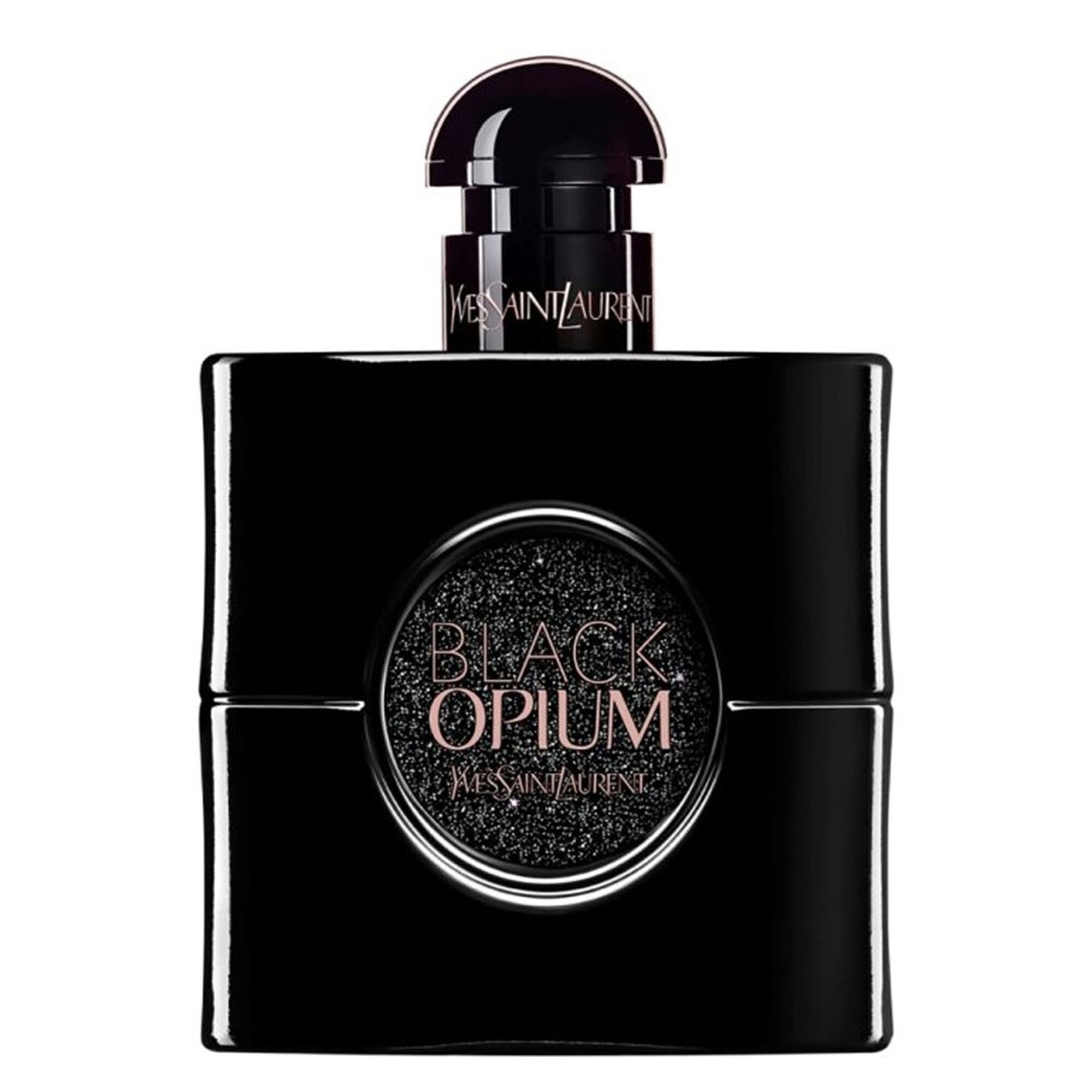
Opium pour Homme EDT (Yves Saint Laurent)
~55 EUR — An iconic men's warm, deep and enveloping woody spicy fragrance. Warm spices, noble woods, an amber base note: an assertive character that doesn't aim to please everyone. For the man who embraces an intense fragrance, with strong sillage, far from today's smooth woody scents. Yves Saint Laurent delivers one of its great masculine successes here.
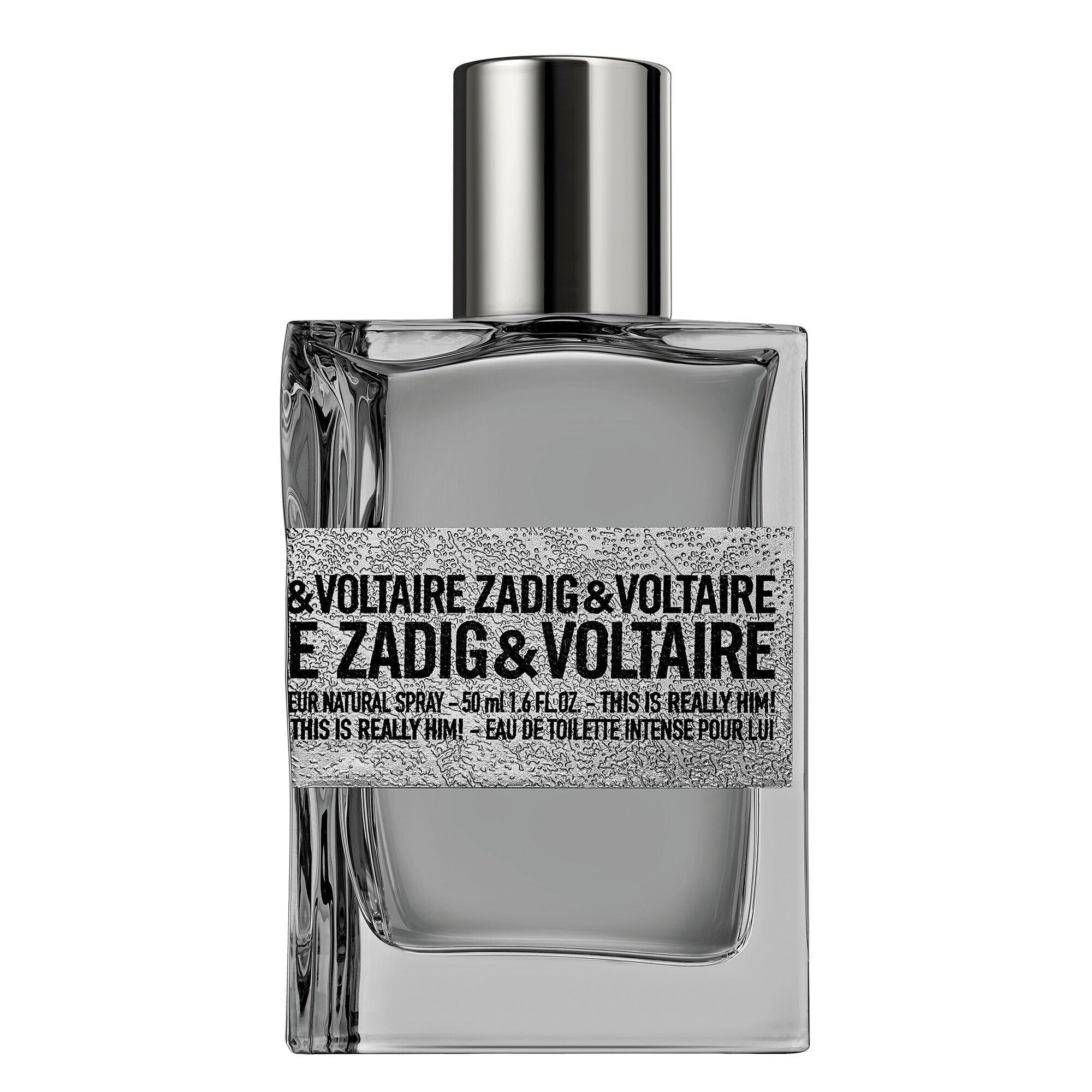
This is Him EDT (Zadig & Voltaire)
~40 EUR — An accessible best-seller of modern dry woody. Cedar, vetiver, cardamom, pepper: mineral and fresh, well-controlled sillage. Excellent for everyday office or weekend wear. The best quality-to-profile ratio in this selection for anyone starting out with woody spicy fragrances without wanting to invest heavily.
A\*Men EDT (Thierry Mugler)
~60 EUR — A reference for deep, dark patchouli-coffee woody spicy. Earthy patchouli, coffee, tar, lavender: a fragrance that owns its intensity. For the man who wants a gourmand woody spicy scent, far from clean, consensual woody accords. Remarkable longevity, dense sillage.
Wanted EDT (Azzaro)
~45 EUR — Accessible warm woody spicy, cardamom-cedar-amber-vetiver. Generous sillage, good longevity of 7-8 hours. A solid choice for a relaxed evening out or an event. For anyone seeking the warmth of a warm woody scent without committing to niche territory.
Encre Noire EDT (Lalique)
~50 EUR — The reference for dry, mineral woody spicy. Vetiver, cedar, cypress, incense: sharp, smoky, almost austere. Regularly cited among the best men's vetivers on Fragrantica. For lovers of intense dry woody scents, with no sugar or softness. A parfum that takes a little experience to fully appreciate.
1 Million EDT (Paco Rabanne)
~55 EUR — A mainstream icon of festive, warm woody spicy. Cinnamon, leather, amber, grapefruit: seductive, instantly recognisable. Very strong commercial volume, assertive sillage. For an evening out, an event, or simply for anyone who loves accessible, no-risk warm woody scents.
Our selection: the best woody spicy perfumes for women 2026
The feminine woody spicy family took time to establish itself — the codes of woody were long perceived as masculine. Since the 1990s, that has changed. Soft sandalwood, pink pepper, iris, white cedar and cardamom have made it possible to create woody spicy fragrances that are both assertive and feminine, with character but no harshness.
The founding act of this sub-family remains Féminité du Bois by Serge Lutens (1992, created by Pierre Bourdon and Christopher Sheldrake): a dry Atlas cedar lifted with soft spices and plum, which proved that a woody fragrance could be feminine without becoming floral. Since then, references such as Le Labo Santal 33 (contemporary niche, not stocked by us) have confirmed the appetite for confidently unisex woody spicy fragrances.
For more in this register, our woody spicy women's selection offers profiles classified by intensity and occasion.
Féminité du Bois EDP (Serge Lutens)
~95 EUR — The founding act of feminine woody spicy, still as relevant in 2026. Dry Atlas cedar, cinnamon, ginger, sandalwood, plum: a feminine take on woody that is both dry and sensual. For the woman who loves fragrances with character, far from sweet florals. Serge Lutens hasn't aged a day.
Libre EDP (Yves Saint Laurent)
~85 EUR — A contemporary feminine woody spicy best-seller. Lavender, amber, white cedar, orange blossom: assertive, warm, long-lasting. A warm woody scent with character, accessible to those discovering the family. Generous sillage, solid 8-hour longevity. The ideal gateway into premium feminine woody spicy fragrances.
Oud EDP (Reminiscence)
~65 EUR — An accessible entry into oud woody spicy, unisex and deep. Oud, sandalwood, saffron, rose, resin: a generous interpretation, less opulent than niche versions, but with real woody depth. Reminiscence delivers an honest, accessible reference here that stays true to the material.
Woody spicy or spicy oriental parfum: how to choose?
This is the question I hear most often in-store, and honestly, it's a fair one. Both families share common spices, a certain warmth, and marked longevity. But their structure is fundamentally different.
| Criterion | Woody spicy | Spicy oriental |
|---|---|---|
| Dominant structure | Ligneous (cedar, vetiver, sandalwood) | Resinous-amber (labdanum, benzoin, vanilla) |
| Spices | Supporting the wood, dry or fresh | Supporting the amber, warm and sweet |
| Base note | Dry, earthy, smoky | Warm, sweet, balsamic |
| Sillage | Assertive, deep, mineral | Enveloping, opulent, sensual |
| Examples | Lalique Encre Noire, Serge Lutens Borneo 1834 | Guerlain Habit Rouge, Paco Rabanne 1 Million |
| Best for | Those who love dry, characterful woody scents | Those who love amber warmth and spicy softness |
Woody spicy: the dryness of wood in the foreground
In a woody spicy fragrance, it's the wood that structures the composition. Cedar brings its mineral dryness, vetiver its rooty, smoky depth, sandalwood its creamy texture. The spices — pepper, cardamom, ginger — punctuate this structure without sweetening it. The result is dry, deep, sometimes austere. This is a family that speaks to those who love raw materials, ligneous textures, fragrances that don't try to seduce you instantly.
Spicy oriental: amber warmth in the foreground
In a spicy oriental, it's amber and resins that dominate. Labdanum, benzoin and vanilla create a warm, slightly sweet, balsamic base note. The spices — cinnamon, clove, saffron — amplify this warmth rather than drying it out. The sillage is more enveloping, more opulent, sometimes sweeter. This is a more immediately accessible family, more universally appealing in its warmth.
Spicy notes shared between the two families
Cardamom, cinnamon, ginger, saffron: these four spices appear in both families. But their role shifts depending on the context. In a woody spicy fragrance, cardamom is fresh and dry, lightening the wood. In a spicy oriental, it is warmer, reinforcing the amber. Cinnamon is dry and almost woody in a dry woody fragrance, sweet and enveloping in an oriental. Same palette, different use — that's the whole subtlety of perfumery.
Our quick-choice guide: woody spicy vs spicy oriental according to your profile
Do you love dry, mineral fragrances that last without being sweet? Head towards woody spicy. I recommend Encre Noire by Lalique for lovers of intense dry woody scents, Wanted by Azzaro for an accessible warm woody fragrance, or Féminité du Bois by Serge Lutens for an assertive feminine take.
Do you prefer enveloping warmth, a slightly sweet base note, an opulent sillage? Spicy oriental will suit you better. In our catalogue, Paco Rabanne 1 Million sits at the border of both families — warm woody spicy with a very oriental amber-leather base note. Opium pour Homme also plays on this border, with its warm spices and woody-amber base note. And YSL Libre offers women a warm woody fragrance that flirts with oriental without quite crossing over.
Woody spicy parfum with patchouli and pepper: the signature notes
What is patchouli in perfumery?
Patchouli is extracted from the dried, fermented leaves of Pogostemon cablin, a plant of the lamiaceae family grown mainly in Indonesia and India. Extraction is carried out by steam distillation: the dried leaves are subjected to a flow of steam that carries off the aromatic molecules, and the distillate is then cooled to separate the essential oil from the water.
Its olfactory profile is earthy, woody, slightly sweet, with an animalic depth that can be unsettling neat. An icon of the 1970s — associated with hippie movements and counterculture — it has since been rehabilitated by contemporary perfumery as a noble, complex base note.
What makes it unique is its behaviour with ageing: the older patchouli gets, the softer it becomes. Earthy notes round out, the profile grows creamier, more complex. That's why perfumers often work with patchouli that has been aged for several years.
In my view, Reminiscence is the house that has best popularised patchouli in accessible perfumery. Since the 1970s, the brand has made it their signature. Their Patchouli EDP is a direct, generous reference, earthy-woody, without frills. It's patchouli as it is — bold, deep, with no attempt to smooth it out.
Black pepper and pink pepper: two spices, two personalities
These two peppery notes actually have little in common, apart from their name.
Black pepper (Piper nigrum) is a true spice, piquant, dry, slightly woody. In perfumery, it often plays as a top note: it opens the fragrance with a frank, almost sharp piquancy, before giving way to the heart notes. It reinforces dry woody accords, adds relief to vetiver-cedar compositions, and brings a direct, virile dimension.
Pink pepper (Schinus molle) is actually a berry from the Peruvian pepper tree, a South American tree with no botanical connection to black pepper. Its profile is fruity, delicate, subtly floral — more of a berry than a spice, really. In perfumery, it's used as a top note or heart note to bring lightness and freshness to woody or floral accords. It's the one found in most modern feminine woody spicy fragrances.
Serge Lutens uses pepper with rare mastery. Borneo 1834 is the most striking example: patchouli, cacao, camphor, a complex construction where the spices play in the background yet structure the whole composition. Serge Lutens treats spices as materials in their own right, not as mere effects.
Our woody spicy patchouli and pepper selection at Tendance Parfums
Patchouli EDP (Reminiscence) — ~45 EUR — Earthy, generous patchouli, the house's accessible reference. Direct, deep, no detours. The definition of the genre.
Borneo 1834 EDP (Serge Lutens) — ~110 EUR — Patchouli-cacao-camphor, the niche reference of earthy woody spicy. Complex, intense, for lovers of deep, unconventional woody fragrances.
A\*Men EDT (Thierry Mugler) — ~60 EUR — Patchouli-coffee-tar, a gourmand men's woody spicy fragrance. Dark, intense, long-lasting. For those who want patchouli with a contemporary dimension.
How to wear a woody spicy parfum?
Woody spicy parfum: which season?
Woody spicy fragrances are made for autumn and winter. Cooler temperatures slow the evaporation of heavy molecules and allow the sillage to unfold gradually, without becoming overpowering. In the height of summer heat, a warm or patchouli woody spicy fragrance can become overwhelming.
For mid-season — spring or early autumn — the lighter sub-families work well: dry woody spicy (cedar, vetiver, pepper) or feminine woody spicy (soft sandalwood, pink pepper, iris) adapt well to intermediate temperatures. The aromatic families are also worth considering for mid-season if you're after more freshness.
Woody spicy parfum: day or evening?
For daytime, favour dry woody EDTs: Zadig & Voltaire This is Him, Lalique Encre Noire. Well-controlled sillage, mineral profile, discreet in enclosed spaces.
For evening, warm, patchouli or oud woody spicy fragrances in EDP are better suited: Opium pour Homme, A*Men, Féminité du Bois. Body warmth amplifies their sillage and depth.
For a special occasion, oud or parfum concentration: Serge Lutens Borneo 1834, Reminiscence Oud. These fragrances deserve to be worn when given room to breathe.
How much does a good woody spicy parfum cost?
The accessible segment (25-50 EUR) delivers very good results: Zadig & Voltaire This is Him, Azzaro Wanted, Reminiscence Patchouli. These are well-constructed fragrances with decent longevity.
The premium segment (50-100 EUR) opens up more complex formulations and higher-quality raw materials: Mugler A*Men, Lalique Encre Noire, YSL Libre, Reminiscence Oud.
Beyond 100 EUR, you're in niche and luxury territory: Serge Lutens Borneo 1834, Féminité du Bois. The difference is real — higher concentration, rarer raw materials, more singular formulation. But a well-chosen woody spicy fragrance at 45 EUR is worth more than a 150 EUR niche parfum that doesn't suit you.
Frequently asked questions about woody spicy perfumes
Which perfumes are woody spicy?
A parfum is woody spicy when it combines a dominant ligneous structure (cedar, vetiver, sandalwood, patchouli, oud) with spicy notes in the heart note or top (pepper, cardamom, cinnamon, ginger). Accessible examples include: Azzaro Wanted, Lalique Encre Noire, Zadig & Voltaire This is Him.
What exactly is a woody spicy parfum?
It's an olfactory family that combines ligneous raw materials (cedar, sandalwood, vetiver, patchouli, oud) and spices (black pepper, cardamom, cinnamon, saffron). The result is warm, deep, with a marked sillage and good longevity. The structure is dry-woody, unlike spicy oriental, which is sweeter-amber.
What is the best woody spicy parfum for men?
It all depends on the profile you're after. For a dry, mineral woody scent: Lalique Encre Noire. For an accessible warm woody scent: Azzaro Wanted. For an intense patchouli woody scent: Thierry Mugler A*Men. For a festive warm woody scent: Paco Rabanne 1 Million.
What is the best woody spicy parfum for women?
For a first step into the family: YSL Libre, an accessible warm woody scent. For an assertive niche version: Serge Lutens Féminité du Bois, the founding reference of feminine woody spicy since 1992. For a unisex oud woody scent: Reminiscence Oud, deep and accessible.
What is the difference between a woody parfum and a woody spicy parfum?
A woody parfum relies mainly on ligneous notes — cedar, vetiver, sandalwood — without pronounced spices. A woody spicy parfum adds a layer of spices (pepper, cardamom, cinnamon, saffron) that bring relief, warmth and character. Pure woody is more mineral and subtle; woody spicy is more assertive and long-lasting.
What are the most widely used spicy notes in perfumery?
Black pepper and pink pepper are the most common, followed by cardamom, cinnamon and ginger. Saffron, nutmeg and clove are more intense and used sparingly. Each spice plays a distinct role: black pepper opens and cuts through, cardamom freshens, cinnamon warms, saffron adds a metallic depth.
Does a woody spicy parfum last a long time?
Yes, that's one of the hallmarks of the family. Woody and spicy molecules are heavy and have low volatility, which gives them a longevity of 8 to 12 hours on skin for a well-formulated EDP. An EDT will last 6 to 8 hours. Concentration (EDT, EDP, parfum) affects longevity, but the quality of the raw materials plays an equally important role.
What is the difference between woody spicy and spicy oriental?
In a woody spicy fragrance, it's the wood (cedar, vetiver, sandalwood) that structures the composition — the spices bring it to life. In a spicy oriental, it's amber and resins (labdanum, benzoin, vanilla) that dominate — the spices reinforce this sweet warmth. Woody spicy is drier and more mineral; spicy oriental is more enveloping and balsamic.