

Sandalwood perfume: buying guide and best fragrances 2026
Sandalwood is a woody base note, creamy and slightly sweet, extracted from the wood of the Santalum tree. Soft, enveloping, slow to fade, it appeals to women and men alike, to newcomers seeking an accessible woody scent as well as to connoisseurs seeking depth. This guide will help you understand the note, identify your olfactory profile and choose from our selection of fragrances tested and rated by our customers.
The sandalwood note in perfumery: what is it?
Sandalwood is a woody, creamy base note, recognisable by its milky softness, its gentle warmth and its remarkable longevity on the skin.
Origin and extraction
Sandalwood is derived mainly from the Santalum album tree, native to South India (the Mysore region), and from Santalum spicatum, grown in Australia. The essential oil is obtained by steam distillation of the heartwood and roots, which must be several decades old to develop their aromatic richness. This maturity requirement makes the raw material precious. In modern perfumery, synthetic molecules such as Javanol or Santaliff are also used, reproducing the creamy, woody facets of natural sandalwood while guaranteeing a stable supply.
Olfactory facets
Sandalwood offers a multi-faceted olfactory profile: woody and dry on opening, it quickly warms up to reveal a creamy, almost milky texture, with a light sweet touch and a powdery nuance. Some sandalwoods also show a discreet smoky dimension or an almost amber-sandalwood facet when paired with vanilla or tonka bean.
Position in the fragrance pyramid
Sandalwood occupies the base of a fragrance almost exclusively. It belongs to those base notes that fix the composition, extend its longevity and give the whole a warm foundation. It begins to reveal itself thirty minutes to an hour after spraying and can linger for several hours on the skin.
Sandalwood's natural accords
Sandalwood pairs naturally with many fragrance families. It amplifies the softness of florals (jasmine, rose, magnolia), brings depth to hesperidic notes (bergamot, cedrat), balances the power of patchouli and pairs with vanilla to create enveloping orientals. It also blends beautifully into spicy accords (cardamom, clove) and chypre constructions, where it replaces or complements oakmoss.
What are the best fragrances with a sandalwood note?
Our selection brings together the sandalwood fragrances most appreciated by Tendance Parfums customers. Each reference was chosen on the basis of verified reviews posted on our site and actual sales recorded over the past twelve months. Below you'll find suggestions for every profile — from fresh, accessible woody scents to warm orientals, in eau de toilette as well as eau de parfum — with prices ranging from 28 to 56 EUR.
Our favourites, reviewed
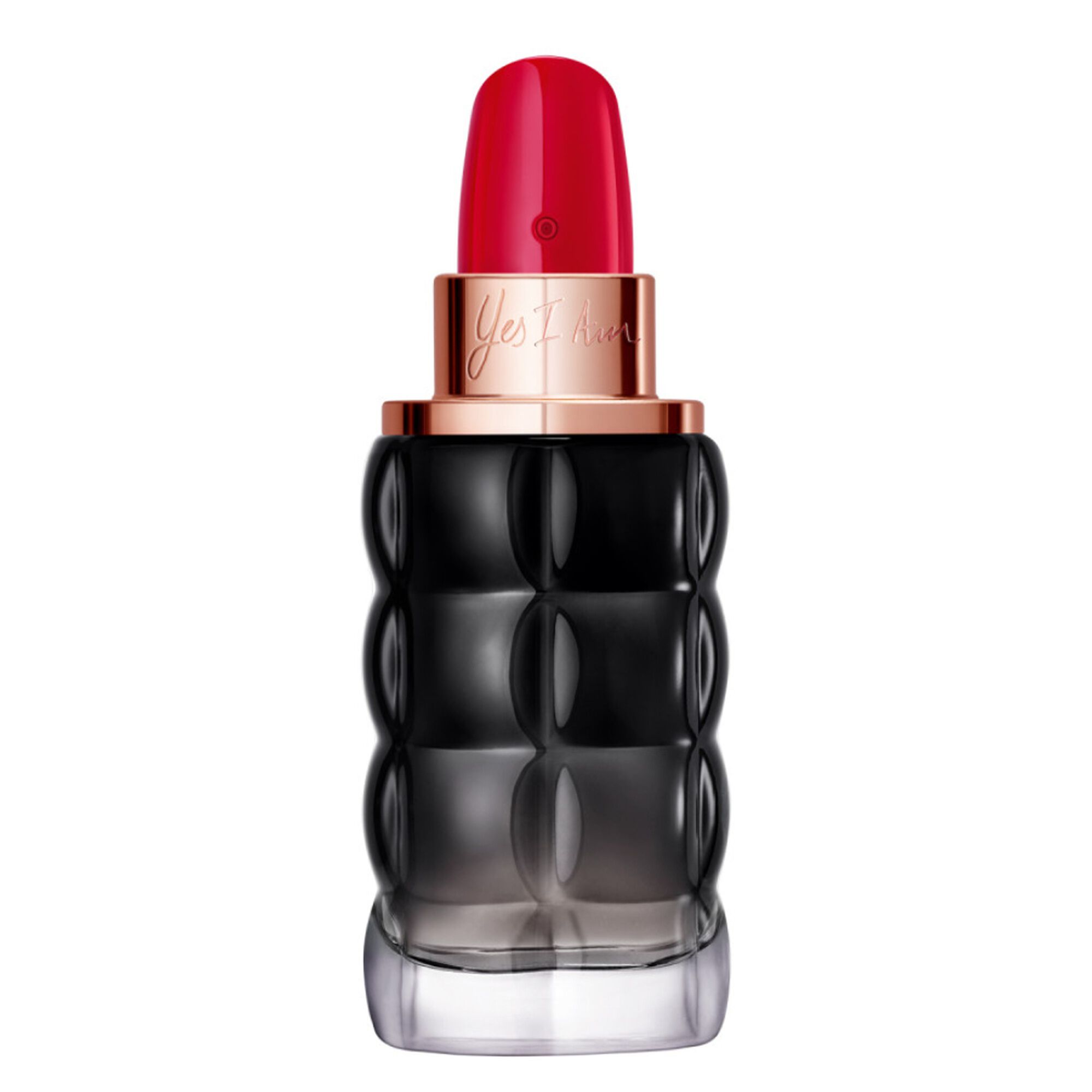
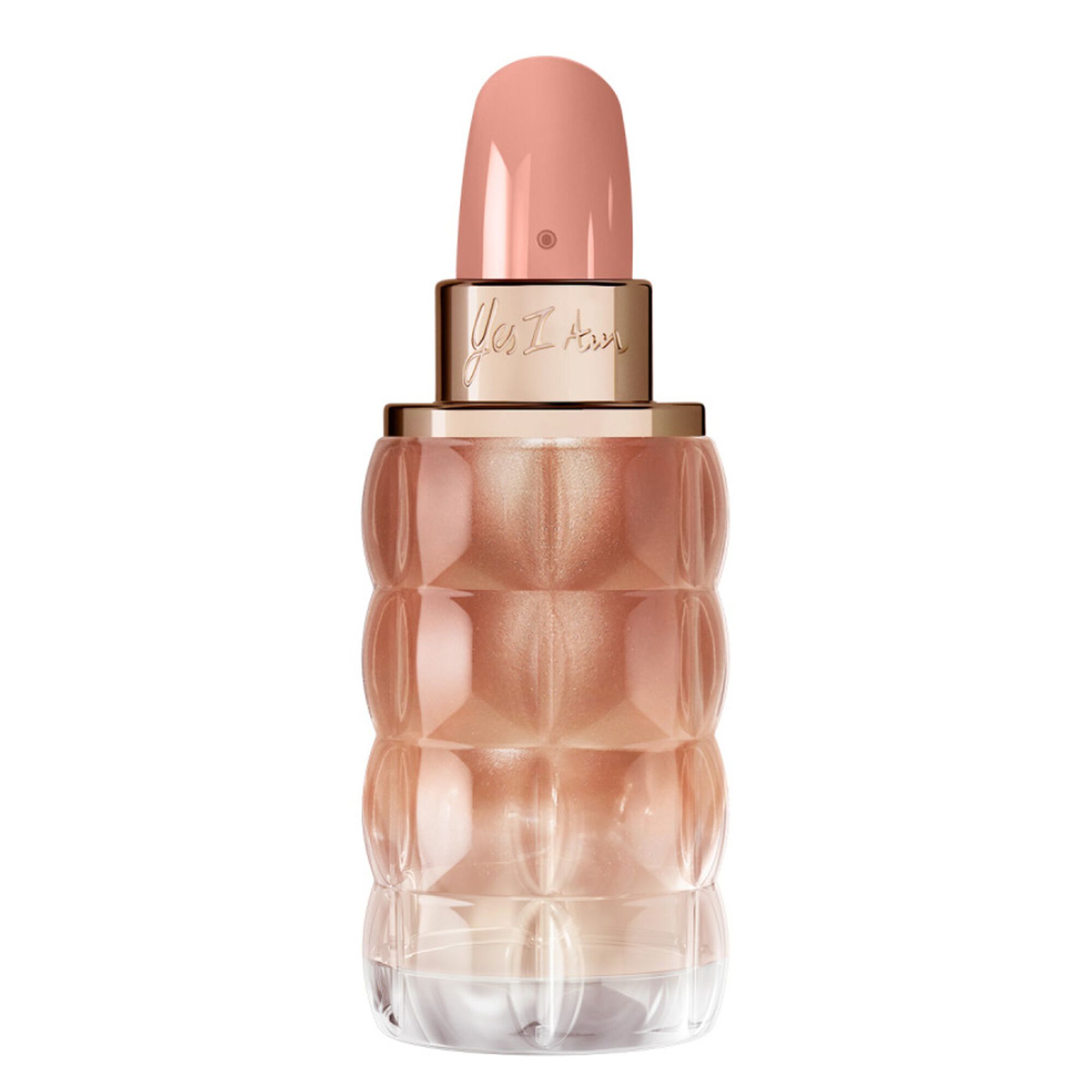
Cacharel Yes I Am — With a rating of 4.84/5 across 55 verified reviews, Yes I Am is the floral oriental sandalwood that most consistently wins over our customers. Jasmine and orange blossom bloom over a base of vanilla and coumarin that sandalwood discreetly warms. A generous accord, sweet without excess, accessible from 28 EUR. Our customers put it well: "Fair price, meets my expectations."
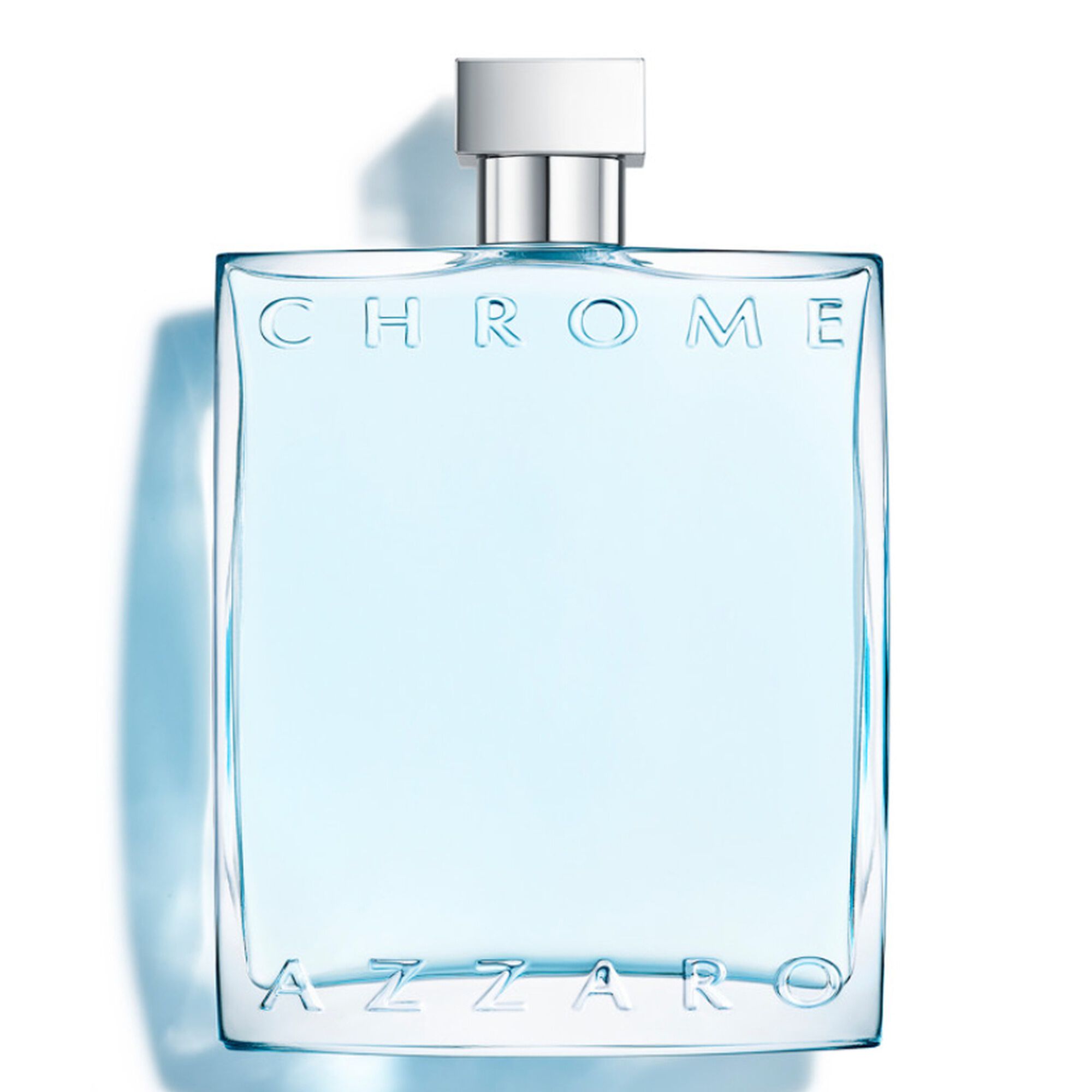
Azzaro Chrome — Chrome is one of our most consistently popular hesperidic aromatics. Cedrat and cardamom bring freshness up top, while Brazilian rosewood and oakmoss create a woody base into which sandalwood blends naturally. Clean, fresh, masculine. One customer sums it up: "One of my favourite fragrances, absolutely charming and full of freshness." At 31,50 EUR, the value for money is hard to beat.
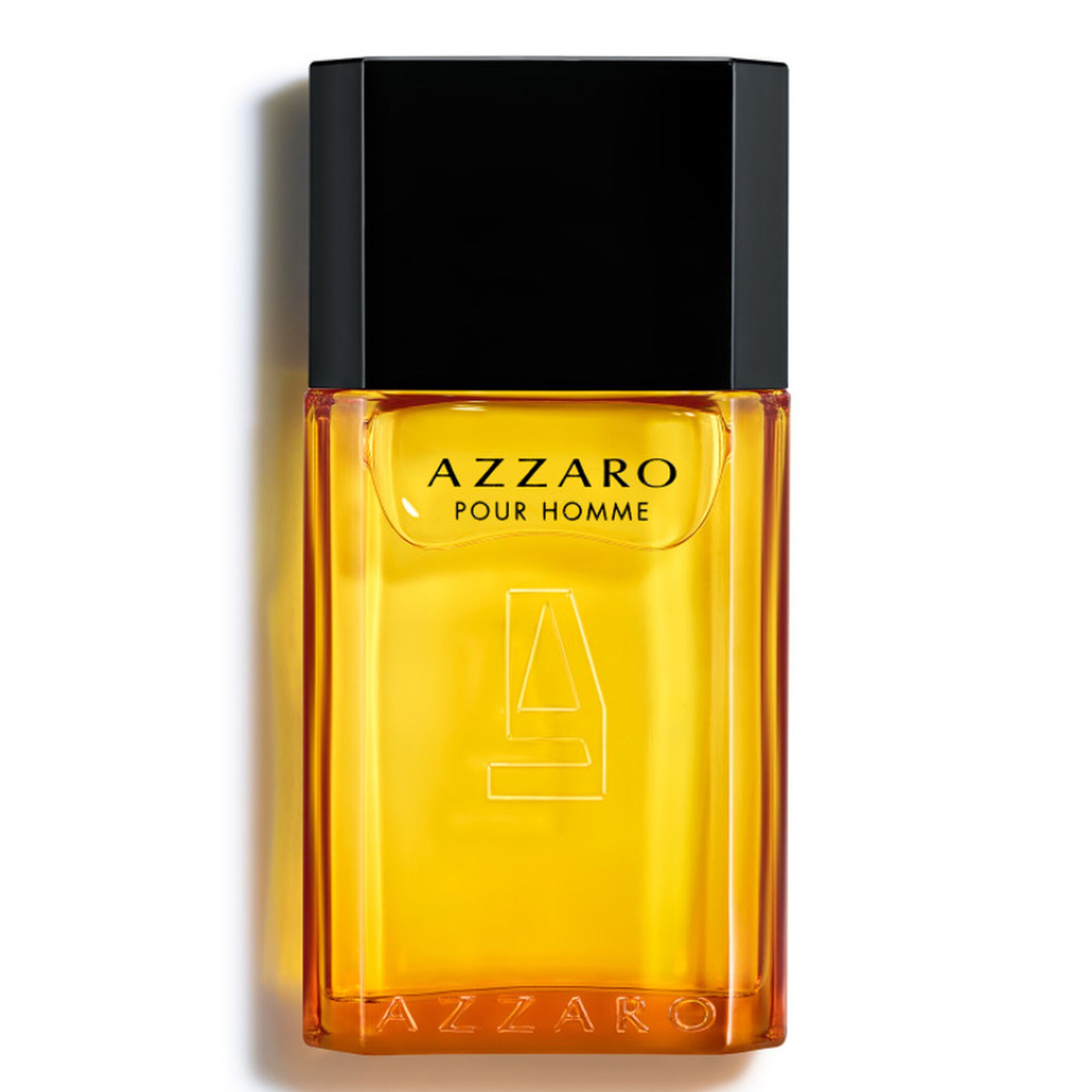
Azzaro Pour Homme — An aromatic fougere reference at 43,50 EUR, rated 4.67/5 by 88 verified reviews. Vetiver, juniper berries and patchouli make up a virile woody signature in which sandalwood provides the warmth of the base note. A masculine classic that stands the test of time without ageing.
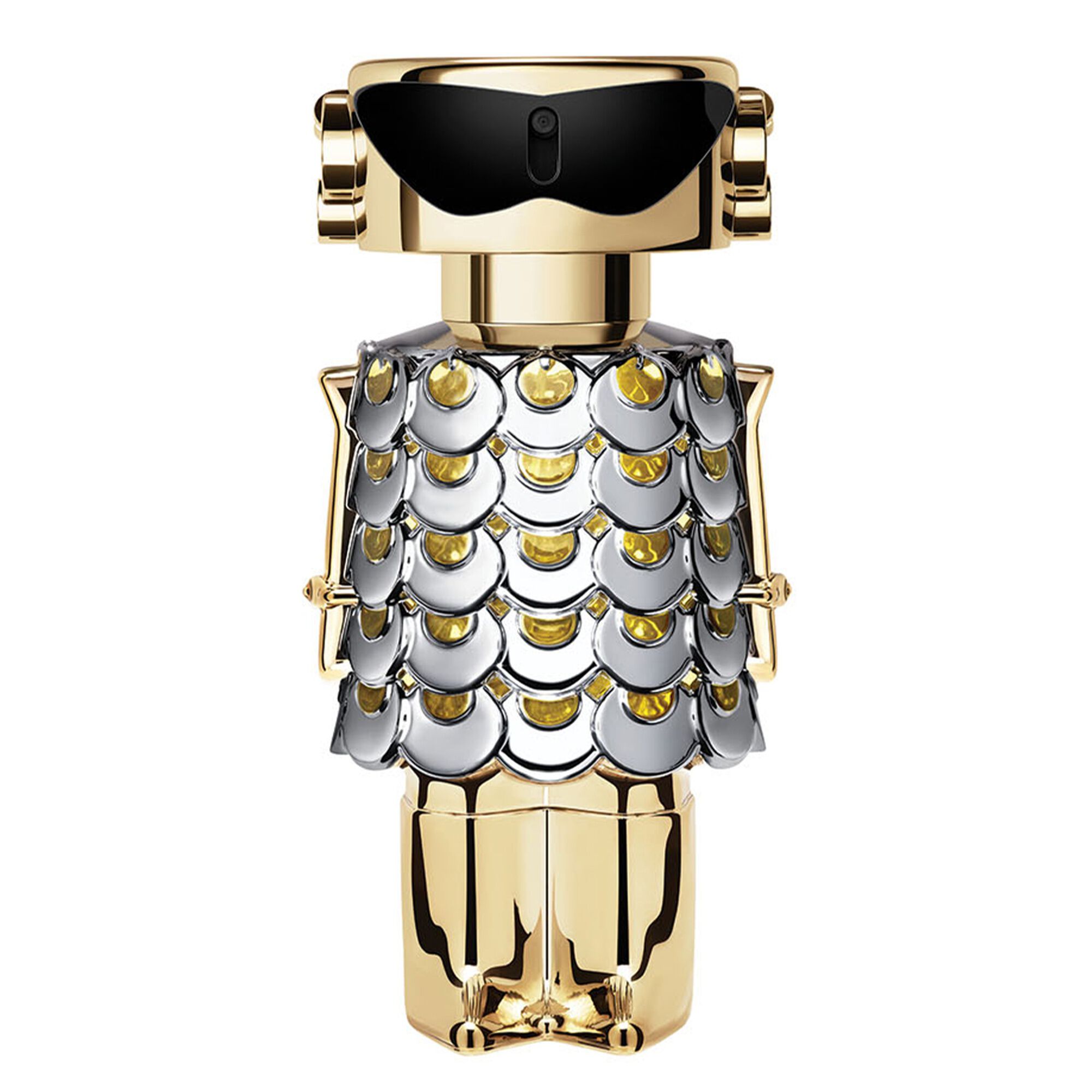
Rabanne Fame — At 50 EUR, Fame is the selection's floral woody musk sandalwood. Jasmine and mango bring radiance and sensuality, bergamot opens the composition, and sandalwood anchors the whole in a sensual depth. Rated 4.8/5 across 10 reviews. One customer even ordered Fame for its sculpted metallic flacon, "a decorative object" as much as a perfume.
Sandalwood for women, for men: how to choose?
Sandalwood is one of the rare truly cross-gender notes: it expresses itself differently depending on the compositions it supports, yet remains recognisable across every register.
For women
In fragrances designed for women, sandalwood often plays the role of a silky base beneath floral or fruity accords. Paired with jasmine, rose or peach, it brings roundness and sensuality without weighing the composition down. Women's eau de parfum built around sandalwood is particularly suited to the in-between seasons — spring and autumn — as well as to winter evenings, when its enveloping warmth is an asset. For a lighter, more everyday result, look towards a floral or fruity-sandalwood composition.
For men
For men, sandalwood often features in spicy woody or aromatic fougere accords. It brings a warm, confident signature, less sweet than vanilla, softer than cedar. Men's eau de toilette with a sandalwood note is versatile: it works in the office as well as in the evening, all year round, with a slight preference for the colder months when its warmth truly comes into its own.
Unisex and non-gendered
Some woody musk or spicy oriental compositions are designed without a declared gender and appeal to women and men alike. This is sandalwood's natural playground, as it carries no strong gendered code.
Practical tips for testing
Being a base note, sandalwood takes time. Spray on the inner wrist and wait at least an hour before judging: that's when the note reveals its full creamy, woody dimension. If you're torn between several references, test them on different days rather than on two wrists on the same day.
The Tendance Parfums numbers
What our own online perfumery data says about the sandalwood note — figures you won't find anywhere else:
- Fragrances with a sandalwood note available in our catalogue, from 27 EUR to 92 EUR (core range 34-66 EUR).
- The best-seller among our customers over the past 12 months: Azzaro Azzaro Pour Homme.
- Average rating of our selection: 4.7/5 across 356 verified customer reviews.
- Prices and stock updated continuously; free delivery from 59 EUR of purchases.
Frequently asked questions
What is a sandalwood eau de toilette and how does it differ from a sandalwood eau de parfum? A sandalwood eau de toilette generally contains a lower concentration of odorous materials than an eau de parfum, giving it a lighter diffusion and shorter longevity. As sandalwood is a resinous base note, it remains clearly perceptible in both formats. Eaux de toilette are better suited to everyday wear and warm seasons, eaux de parfum to evenings and winter.
What are the best sandalwood fragrances for men? Men's sandalwood fragrances often belong to the aromatic fougere or spicy woody families. In our catalogue, Azzaro Pour Homme (4.67/5), Azzaro Chrome (4.71/5) and Hugo Boss Bottled (5/5) are among the most purchased men's references with a sandalwood note, priced between 31,50 and 47,50 EUR.
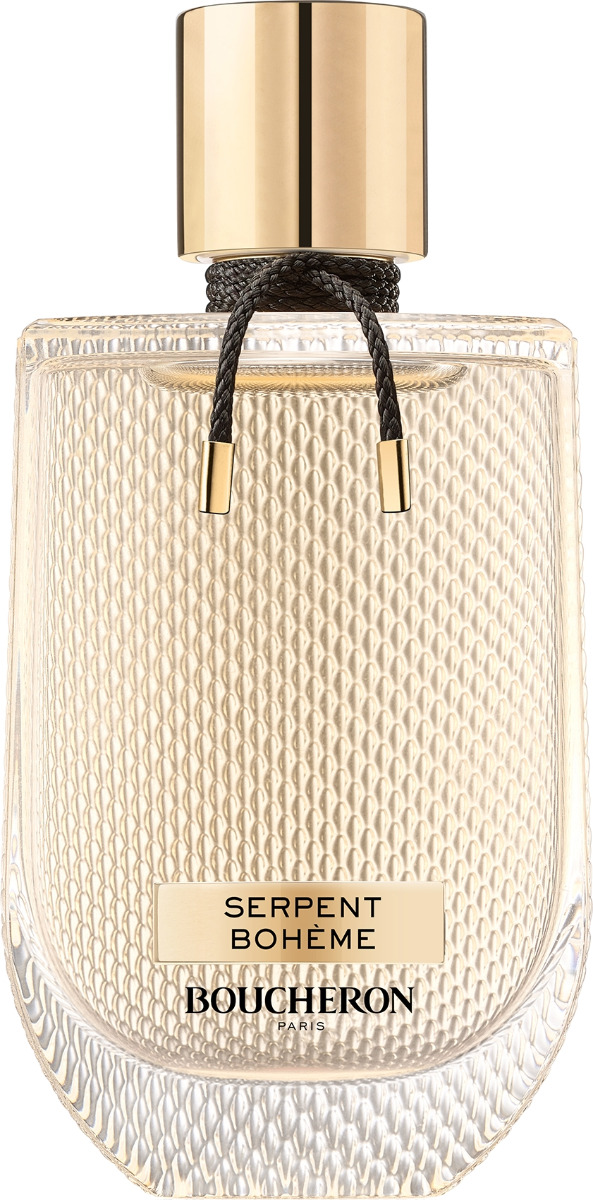
Which sandalwood fragrances should women choose? For a women's sandalwood fragrance, look towards floral or fruity accords in which sandalwood provides base-note depth. Cacharel Yes I Am (4.84/5, 28 EUR) and Cacharel Yes I Am Glorious (4.8/5, 28 EUR) are our highest-rated women's references. Rabanne Fame and Boucheron Serpent Bohème offer a more sophisticated register at around 36 to 50 EUR.
Is sandalwood a long-lasting note in perfumery? Yes, sandalwood is a base note known for its longevity. It's one of the most tenacious woody notes in perfumery: it takes time to reveal itself (around 30 to 60 minutes after application) but can remain perceptible for several hours on the skin and sometimes all day on clothing.
What is the difference between sandalwood and cedar in perfumery? Sandalwood and cedar are both woody base notes, but their character differs markedly. Cedar is dry, slightly pencil-shaving-like, more angular. Sandalwood is creamy, soft, slightly sweet and milky. In practice, a cedar fragrance feels more austere and mineral, while a sandalwood fragrance feels more enveloping and sensual.