
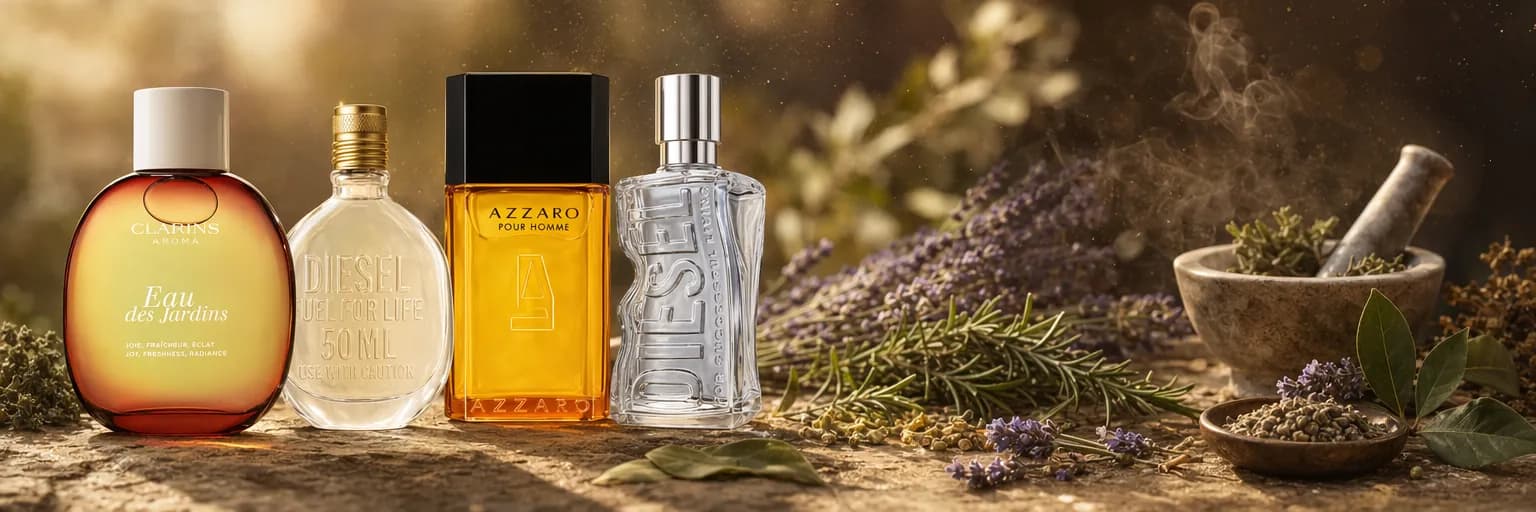
Aromatic perfume: the herbaceous freshness of a timeless family
In twelve years behind the counter at Tendance Parfums, I've seen hundreds of customers come through looking for "something fresh, clean, a bit natural." Nine times out of ten, what they were describing without knowing it was an aromatic perfume. The second most-worn men's fragrance family in Europe, right behind woody scents, it accounts for millions of bottles sold every year — and yet few people actually know how to name it.
This guide explains what an aromatic perfume actually is, how to tell its five sub-families apart, and how to choose among eleven references we know well and offer at Tendance Parfums. No unnecessary jargon, no list of superlatives: just what you need to know to find yours.
What is an aromatic perfume?
Olfactive definition: what makes up an aromatic perfume
In perfumery, "aromatic" does not refer to culinary herbs or aromatherapy. It's a precise fragrance family, built around fresh or dried herbs as its vegetal heart note.
The most widely used aromatic notes are lavender, rosemary, sage, thyme, basil, tarragon, mint, chamomile and geranium. These herbs make up the family's vegetal signature: they bring freshness, crispness and that herbaceous character which immediately evokes nature.
These central notes are generally paired with woody notes — cedar, vetiver, patchouli — which anchor the sillage and give it longevity. Fresh aromatic perfumes also incorporate green tea, cut grass, fougere or oakmoss notes, which lighten the composition and heighten the sense of vibrancy. It's this combination of herbs + wood + freshness that defines the aromatic profile as a whole.
Historical origins of the aromatic family
The aromatic family as we know it today was formally born in the 19th century. Its founding act: Houbigant's Fougère Royale, created in 1882 by perfumer Paul Parquet. It was the first perfume to structure a lavender-coumarin-oakmoss accord deliberately and coherently. This three-part accord laid the foundations for the entire aromatic fougere family, and it still features in dozens of contemporary perfumes.
The official codification of the aromatic family within the French classification of fragrance families came later, over the course of the 20th century, as perfumers multiplied its variations. Historically, this family was conceived and worn by men — that male dominance remains very clear in sales volumes, even as the unisex trend has been gaining ground since the 2020s.

Did you know? Houbigant's Fougère Royale (1882), the first aromatic perfume of the modern era, invented the lavender-coumarin-oakmoss accord that still structures the entire aromatic family today. Its name refers to the fern (fougère in French) — a plant that actually has no scent of its own — because perfumer Paul Parquet was trying to recreate the imagined scent of a forest after rain.
Why are aromatic perfumes so invigorating?
The answer is partly chemical. Aromatic molecules — linalool and linalyl acetate in lavender, camphor in rosemary, eucalyptol in certain sages — are light and volatile. They diffuse quickly, rise fast in the top notes, and create that characteristic airy, tonic sillage. The longevity of a fresh aromatic typically ranges from four to eight hours, depending on concentration and skin.
There's also a psychological dimension. These herbaceous notes evoke nature, cleanliness, energy. In our olfactory memory, they're associated with fresh morning air, Mediterranean scrubland, the lavender fields of Provence. This natural, energising register explains why aromatics are so often chosen for everyday and professional wear: they don't overwhelm, they accompany without imposing themselves.
The 5 aromatic sub-families
| Name | Olfactive profile | Typical notes | Examples |
|---|---|---|---|
| Aromatic fougere | Fresh-herbaceous-masculine | Lavender, geranium, coumarin, oakmoss, rosemary | Azzaro Pour Homme, Paco Rabanne Pour Homme |
| Aromatic woody | Dry-herbaceous-sophisticated | Rosemary, sage, cedar, vetiver, patchouli | Hermès Terre d'Hermès, Acqua di Giò Profondo |
| Aromatic fresh / aquatic | Light-invigorating-summery | Mint, basil, green tea, citrus, lavender | Armani Acqua di Giò, Issey Miyake L'Eau d'Issey |
| Aromatic spicy | Warm-piquant-masculine | Thyme, cardamom, black pepper, ginger, sage | YSL Kouros, YSL L'Homme |
| Aromatic green / floral | Vegetal-bright-unisex | Basil, cut grass, violet, jasmine, tarragon | Guerlain Eau de Guerlain, Sisley Eau de Campagne |
Aromatic fougere
This is the founding sub-family, the one that started it all. Aromatic fougere rests on the classic lavender-geranium-coumarin-oakmoss accord, to which rosemary adds an extra herbaceous touch. The profile is fresh, herbaceous, resolutely masculine. Azzaro Pour Homme (1978) and Paco Rabanne Pour Homme (1973) are its two most iconic representatives — two bottles I've had to retest several times to tell apart, given how much they share the same backbone, yet each with its own character.
Aromatic woody
Here, dry herbs meet a dense woody base. Rosemary and sage dominate the heart note, while cedar, vetiver and patchouli build a dry, sophisticated base note. The profile is less fresh than the fougere, deeper, more long-lasting. Hermès Terre d'Hermès and Armani Acqua di Giò Profondo illustrate the two facets of this aromatic woody style well: one mineral and peppery, the other darker and marine.
Aromatic fresh / aquatic
The most-worn sub-family in summer. Peppermint, basil, green tea and citrus create a lively, bright opening, sometimes softened by lavender. The base note stays light, often musky or lightly woody. Armani Acqua di Giò defined the codes of this sub-family in 1996; Issey Miyake L'Eau d'Issey Pour Homme offers a more refined, hesperidic version, between fresh sage and dry woods.
Aromatic spicy
Thyme, cardamom, black pepper and ginger come to warm and spice up an already assertive aromatic base. Sage often acts as the pivot between the vegetal and the piquant. YSL Kouros (1981) remains the absolute reference of this sub-family — a perfume that divides opinion, but fully owns its character. YSL L'Homme offers a more contemporary, accessible version, with ginger and basil in the top notes.
Aromatic green / floral
Less well-known, this is the most unisex and brightest of the sub-families. Basil, cut grass, tarragon and violet create a vegetal, fresh profile, nuanced by jasmine or other florals. Guerlain Eau de Guerlain and Sisley Eau de Campagne are two classic factual references — two perfumes that show aromatics can also be delicate and feminine. L'Artisan Parfumeur Fou d'Absinthe also explores this green register with great originality.
Our selection: the best men's aromatic perfumes 2026
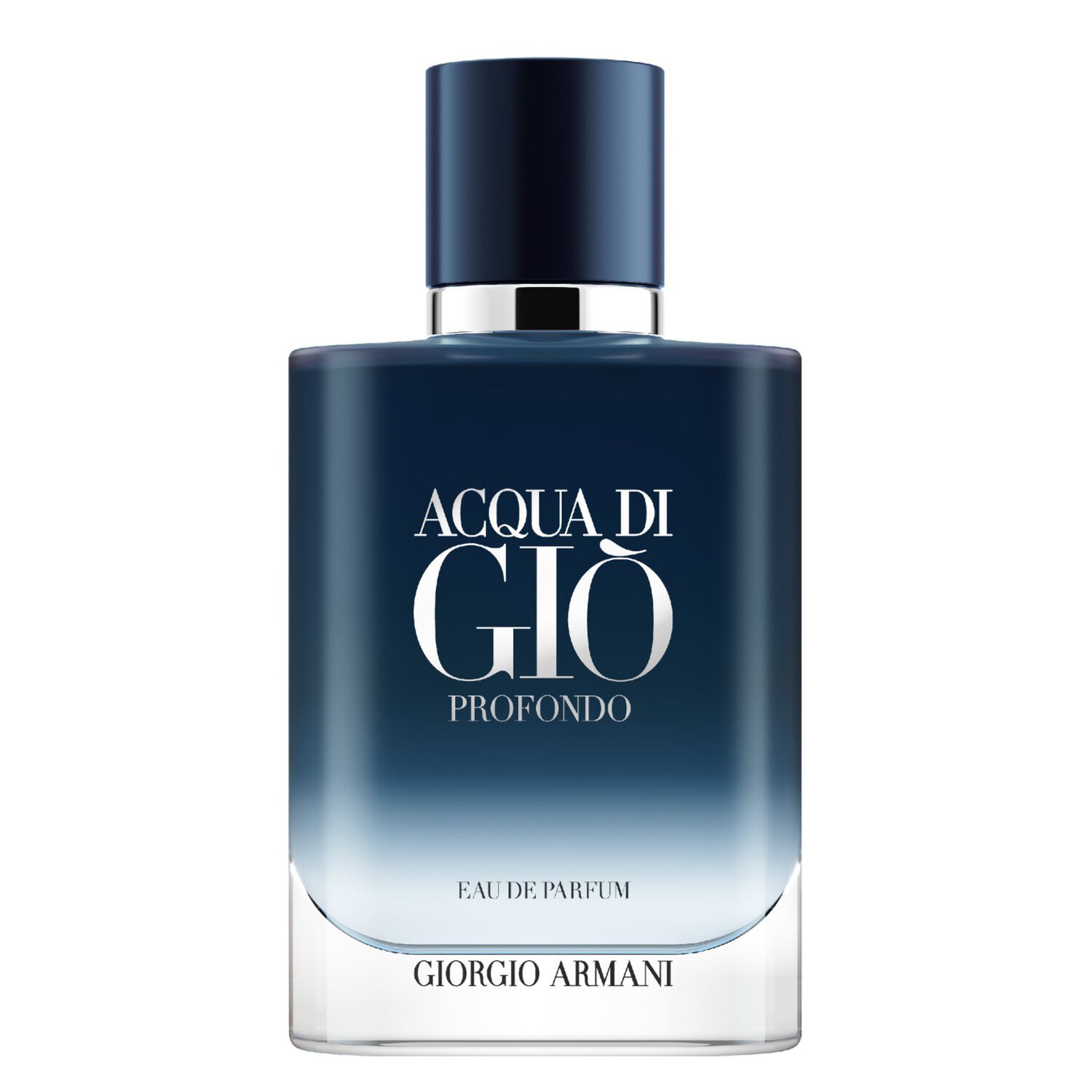
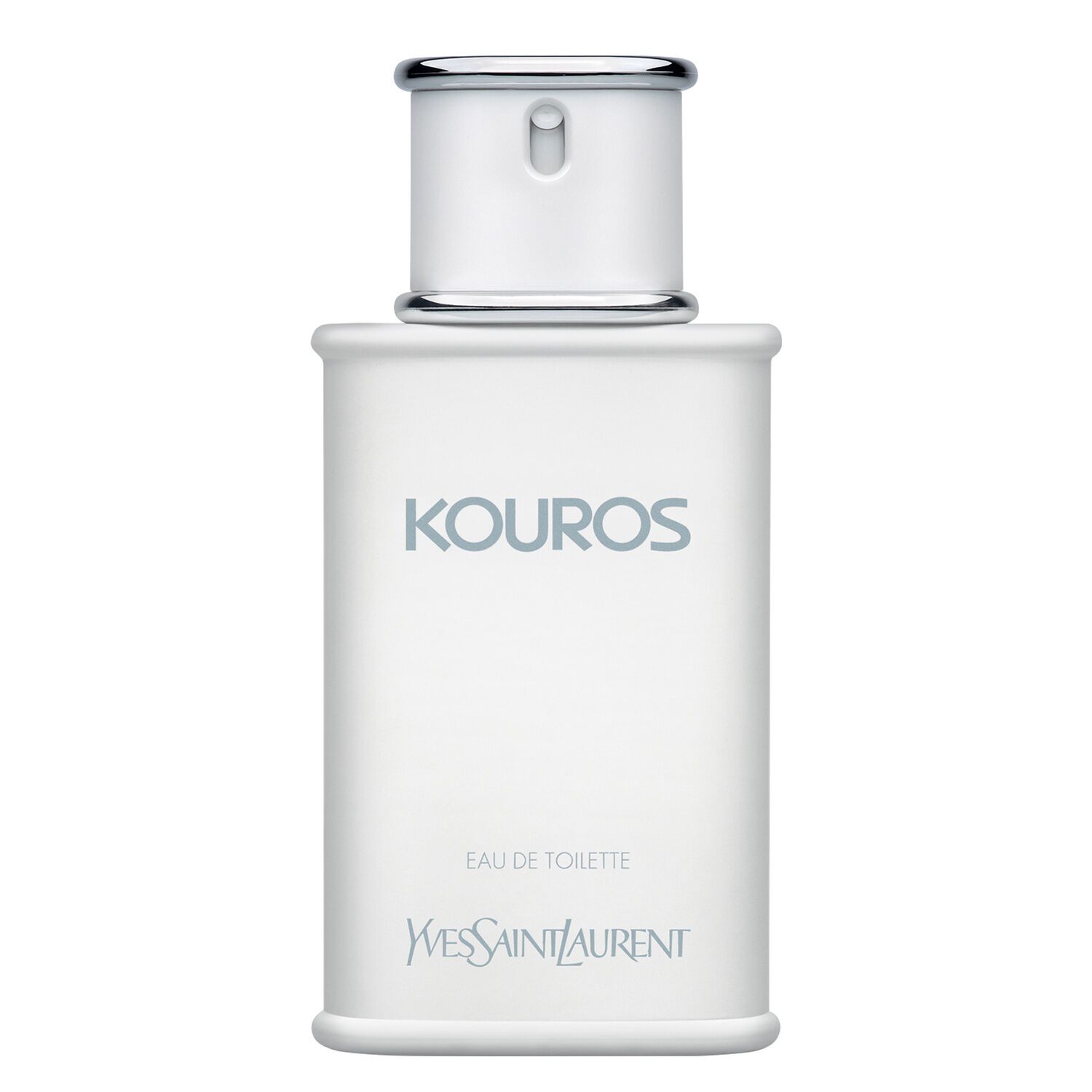
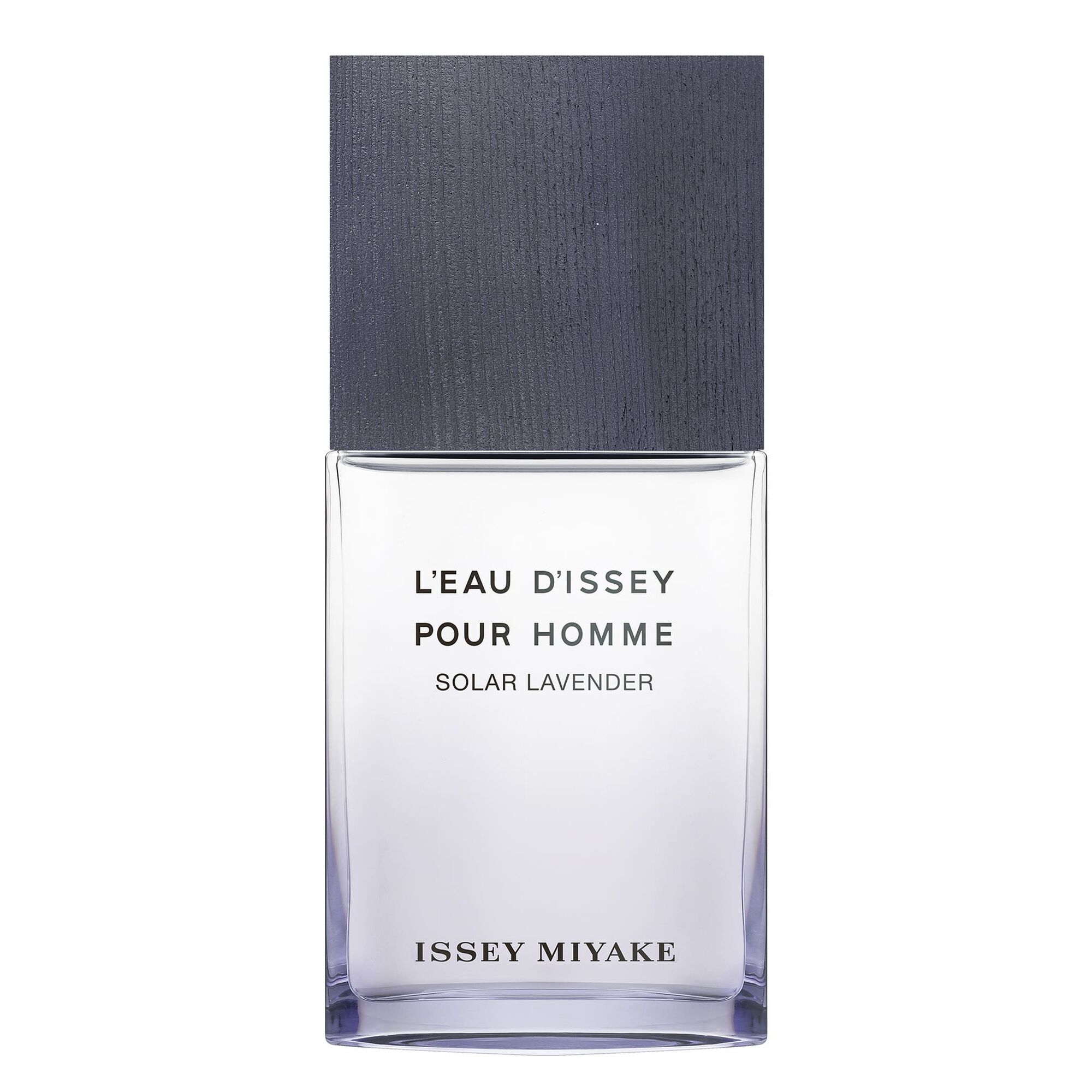
To take your exploration further, our men's aromatic selection details each profile with usage and seasonal advice.
Azzaro Pour Homme — Azzaro EDT
The founding icon of the aromatic fougere family since 1978. Lavender and rosemary open onto a heart note of geranium and jasmine, before oakmoss and coumarin lay down a classic, structured base note. A timeless, accessible herbaceous aromatic that remains the reference point for understanding where the family began. For the man who wants a masculine classic without artifice. Anchor brand Azzaro.
Acqua di Giò — Giorgio Armani EDT
The world's benchmark aquatic aromatic since 1996. Rosemary and coriander over a base note of cedar and white musk: a marine, herbaceous freshness that remains universal and luminous. Best-seller in the Tendance Parfums catalogue, a global best-seller. For the man seeking a fresh, light, versatile aromatic to wear from spring through autumn. Anchor brand Giorgio Armani.
Acqua di Giò Profondo — Giorgio Armani EDP
The woody, deep variation on Acqua di Giò (2020). Rosemary and cypress open onto a heart note of labdanum and sage, before patchouli and vetiver build a dense, sophisticated base note. An aromatic woody perfume that lasts all day, to be worn in any season. For the man who wants Armani's freshness with more character and depth.
Kouros — Yves Saint Laurent EDT
The icon of masculine aromatic spicy since 1981. Armoise and tarragon in the top notes, sage and geranium in the heart note, amber and vetiver in the base note: an assertive, warm, herbaceous sillage that fascinates as much as it surprises. This perfume leaves no one indifferent — that's its strength. For the man who owns a strong-character aromatic spicy and an assertive sillage.
L'Eau d'Issey Pour Homme — Issey Miyake EDT
The reference for refined aromatic aquatic since 1994. Yuzu and sage open onto a delicate floral heart note, before cedar and vetiver lay down a dry, airy woody base note. A light herbaceous freshness, unisex in spirit, excellent for everyday spring-summer wear. For those seeking a fresh aromatic that's more minimalist than Acqua di Giò. In this same sunny, herbaceous register, L'Eau d'Issey pour Homme Solar Lavender pushes lavender towards an even brighter summer character — a lovely alternative for sunny days.
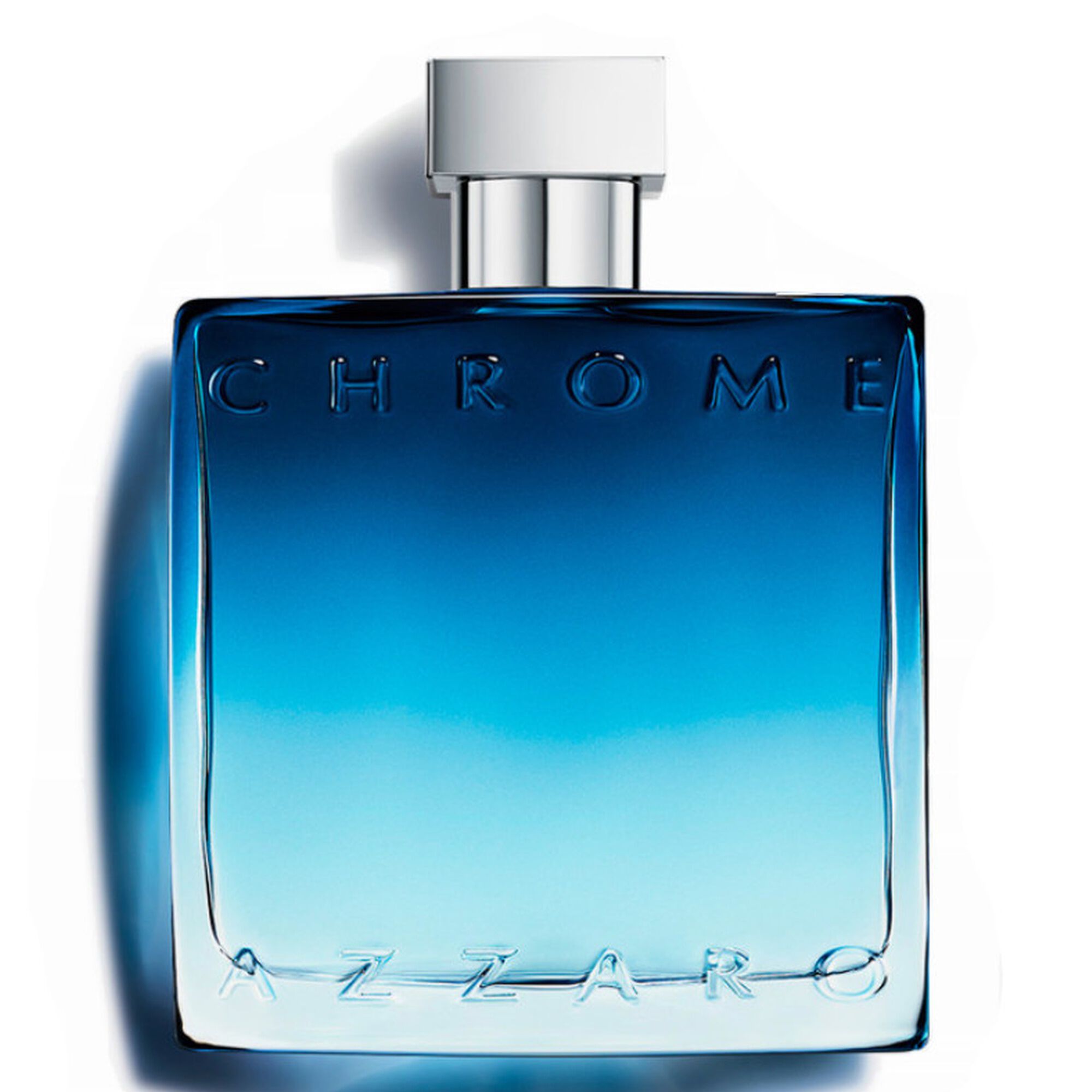
Chrome — Azzaro EDT
An accessible fresh aromatic from Azzaro, our anchor brand. Rosemary and neroli in the top notes, jasmine and coriander in the heart note, cedar and white musk in the base note: a clean, invigorating aromatic, easy to wear every day. Excellent value for money for a first aromatic or to round out a collection. High-volume item in the Tendance Parfums catalogue, accessible segment.
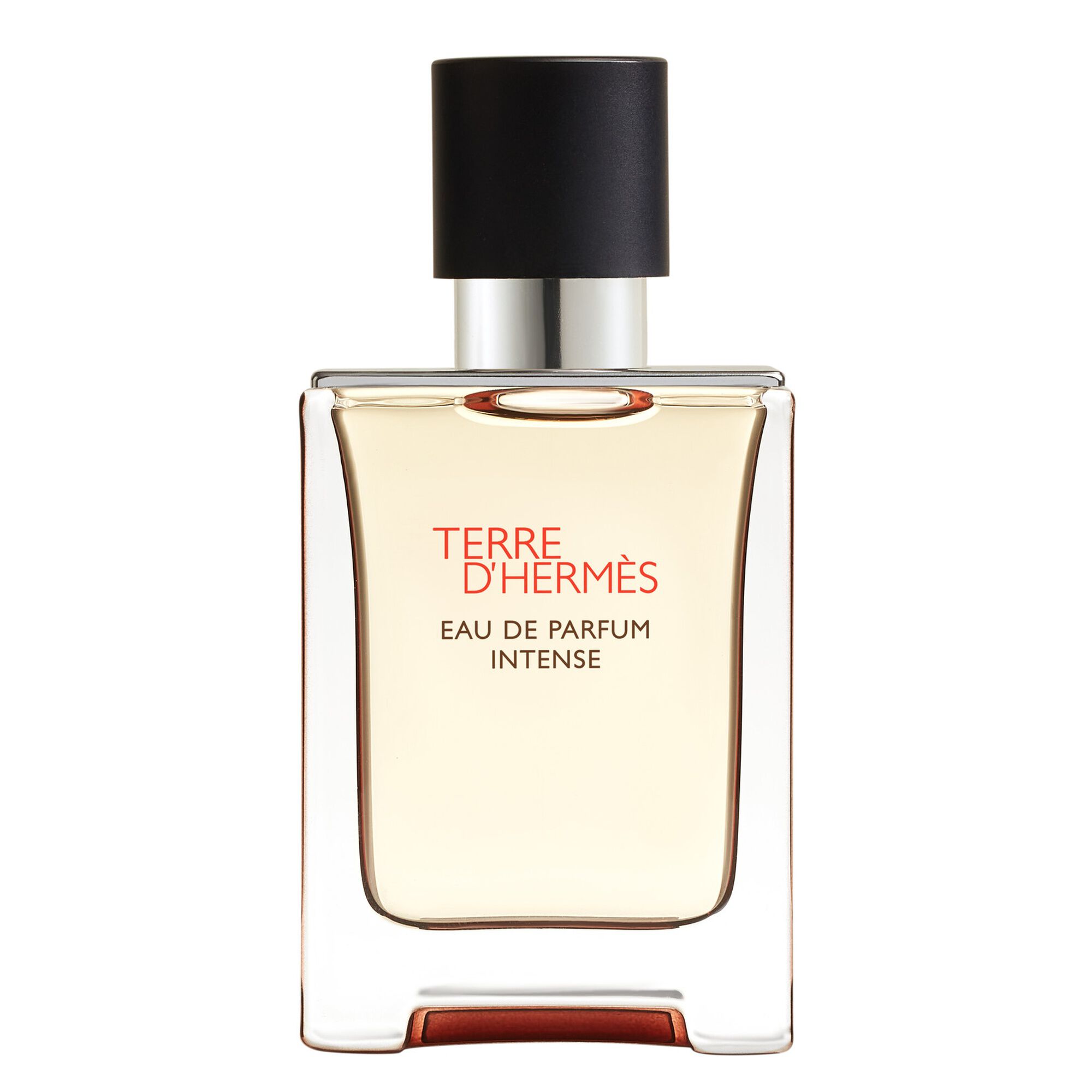
Terre d'Hermès — Hermès EDT
The prestige reference for aromatic woody since 2006. Grapefruit and pepper in the top notes, geranium and vetiver in the heart note, cedar and flint in the base note: a unique herbaceous minerality, dry and elegant. Best-seller across all categories in our catalogue. For the man who wants a characterful, long-lasting aromatic woody, worn from the office to the weekend. Brand Hermès.
The aromatic fougere sub-family deserves a word of its own. It's the classic masculine archetype: lavender and rosemary in the top notes, coumarin and oakmoss in the base note, geranium as the pivot. Azzaro Pour Homme is its most accessible icon; Paco Rabanne Pour Homme, released five years earlier in 1973, is its direct predecessor. Caron Pour un Homme is also a classic reference in this sub-family, carried by a generous lavender and a powdery base note — worth knowing to understand the family's history.
Our selection: the best woody and spicy aromatic perfumes 2026
The aromatic woody and aromatic spicy codes share the same logic: the herbs are no longer fresh but dry, warmed by a base of cedar and vetiver for the woody version, or spiced with thyme, cardamom and black pepper for the spicy one. The result is denser, more sophisticated, better suited to cold seasons or evening occasions.
For those seeking an aromatic in the feminine register, our women's aromatic selection offers references suited to this style.
Paco Rabanne Pour Homme — Paco Rabanne EDT
A classic aromatic fougere that predates Azzaro Pour Homme. Lavender and sage in the top notes, oakmoss and coumarin in the base note: a structured, understated aromatic fougere without artifice. Accessible segment, excellent for those wanting a pure aromatic fougere in its most direct form. Less well-known than its successor Azzaro, but just as historically significant.
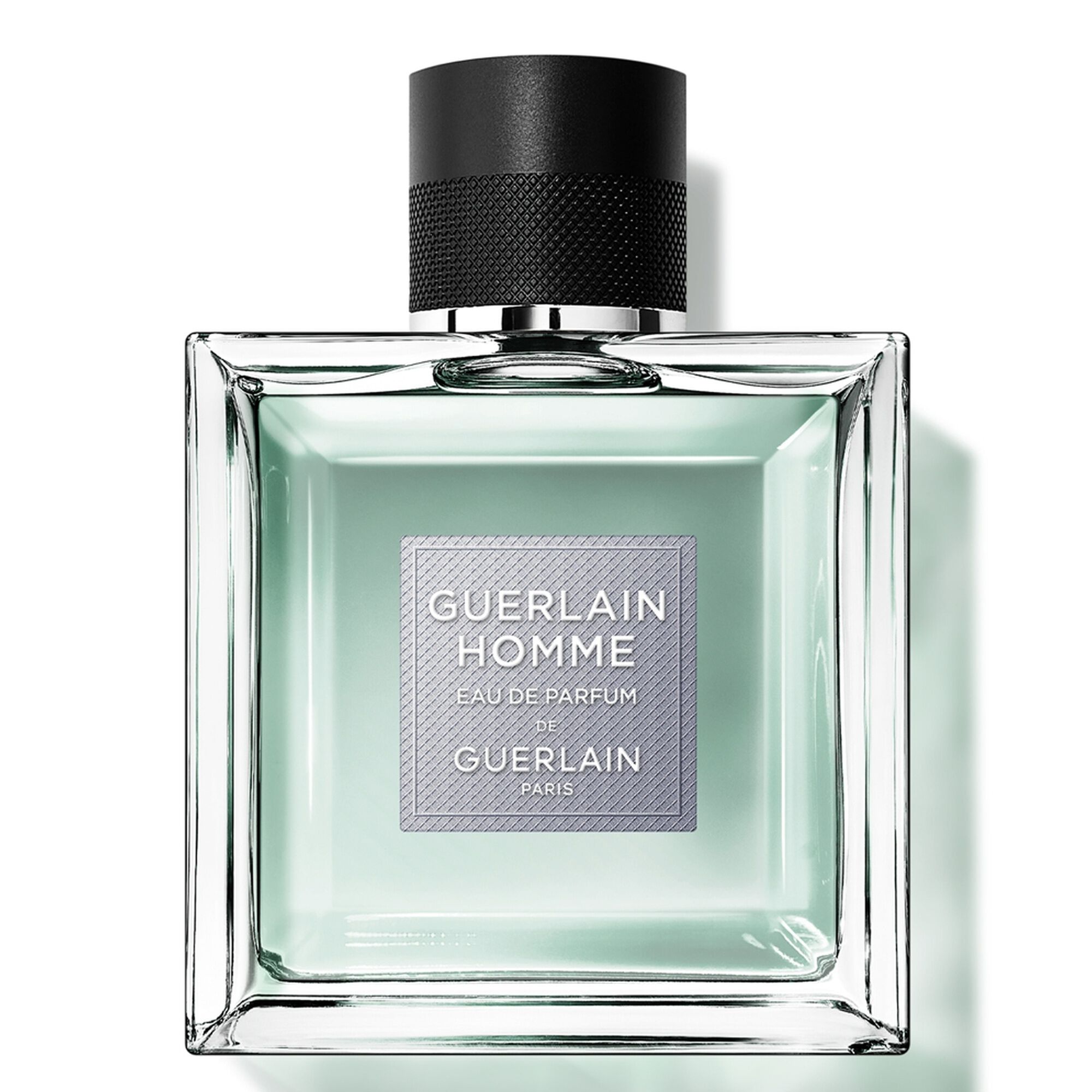
Guerlain Homme — Guerlain EDT
A modern men's aromatic woody from Guerlain (2008). Peppermint and bergamot open onto a heart note of iris and cedar, before vetiver and amber lay down an elegant, dry woody base note. A herbaceous freshness that evolves into a refined woody character. For the man who wants a contemporary, sophisticated aromatic woody to wear year-round.
Hypnôse Homme — Lancôme EDT
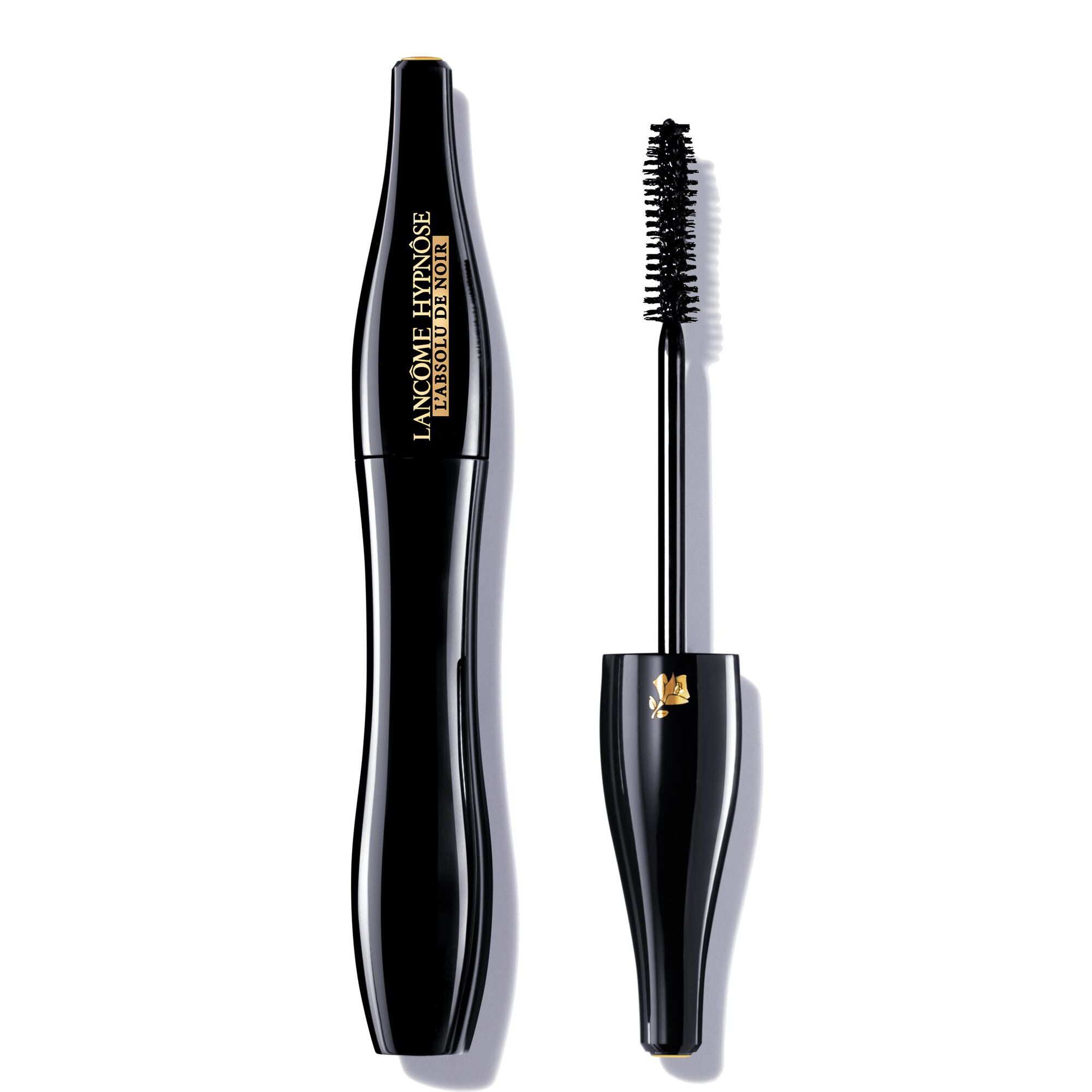
An accessible men's aromatic fougere from Lancôme (2007). Cardamom and rosemary in the top notes, lavender and geranium in the heart note, oakmoss and cedar in the base note: a slightly spicy, well-built aromatic fougere, modern in its balance. For the man who wants a contemporary aromatic fougere without paying a prestige price tag. In a more intense, nocturnal register, Hypnôse l'Absolu de Noir extends this aromatic heritage towards a darker, more enveloping base note — worth discovering for autumn evenings.
L'Homme — Yves Saint Laurent EDT
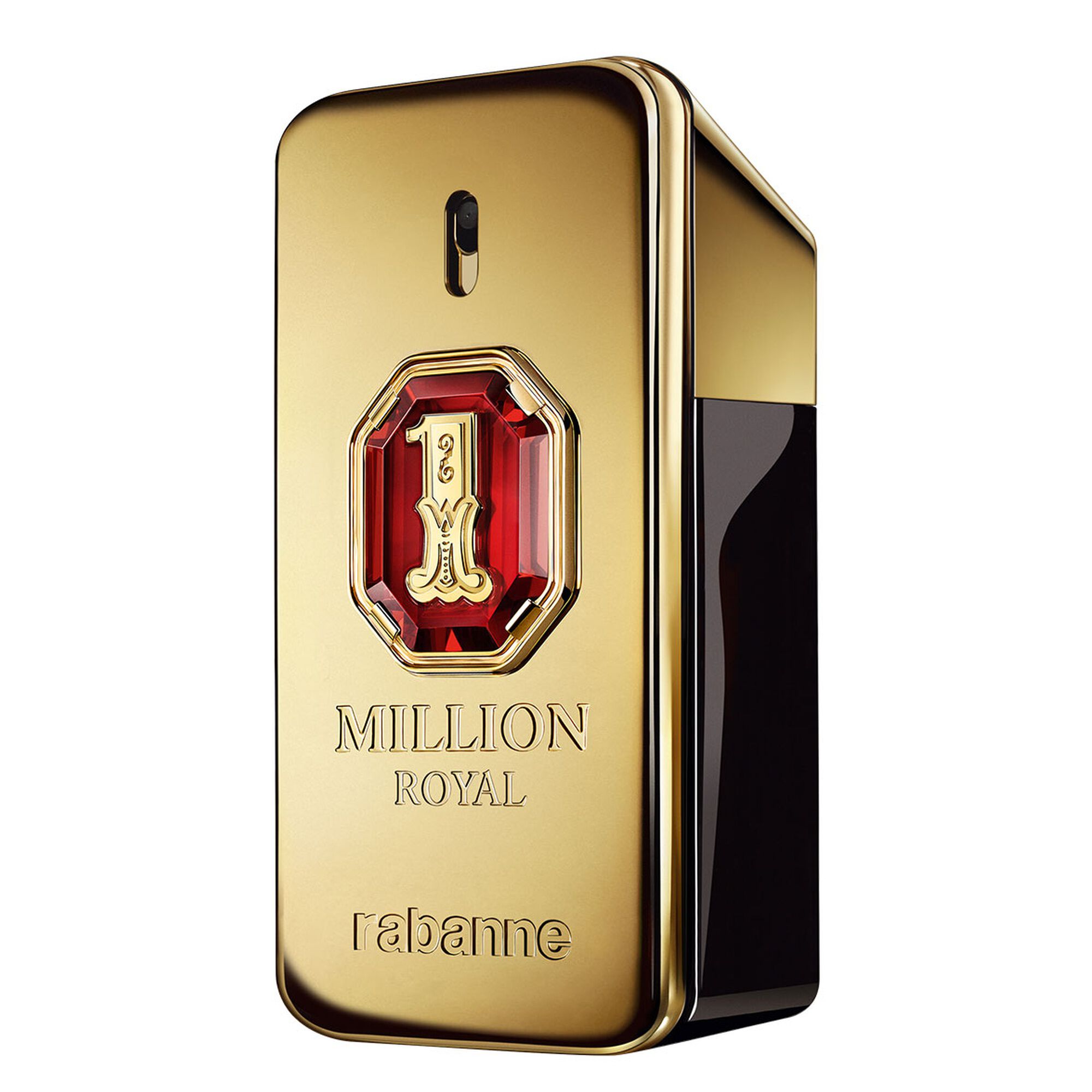
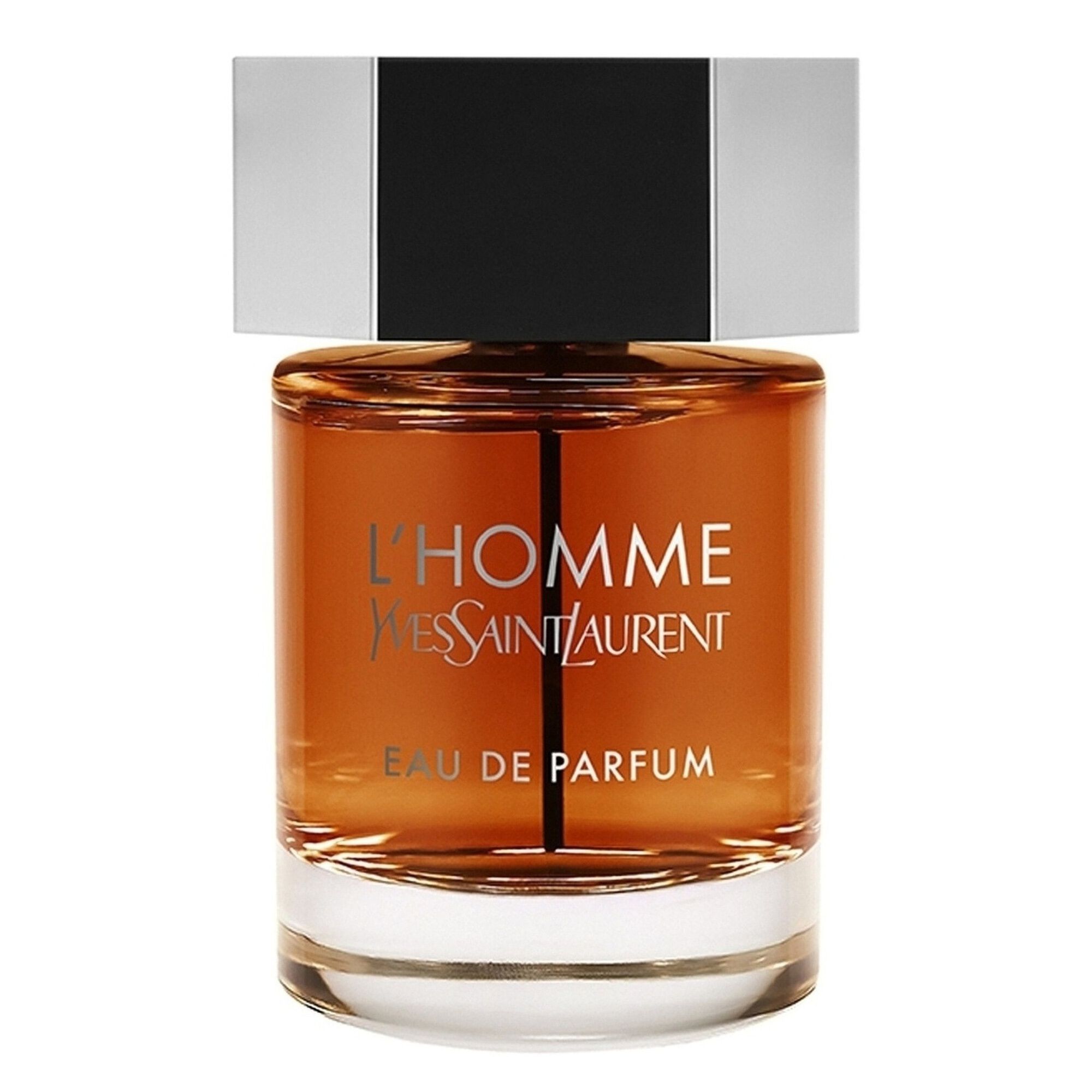
A modern men's aromatic spicy from YSL (2006). Ginger and white pepper in the top notes, basil and iris in the heart note, sandalwood in the base note: an elegant, dry and versatile aromatic spicy. Best-seller in the Tendance Parfums catalogue, from the office to dinner. For the man who wants a contemporary aromatic spicy, less assertive than Kouros, more accessible for everyday wear. In a more opulent spicy register, 1 Million Royal pushes the warmth and character even further — a fine option for evenings when you want to make an impression.
Two factual references worth knowing in this register: Lalique Encre Noire, an accessible niche aromatic woody built on smoky vetiver and cool armoise; and Caron Pour un Homme, a classic aromatic fougere with generous lavender, a historic reference in the family.
Aromatic perfume, fougere perfume, woody aromatic perfume: what's the difference?
This is the question I hear most often in-store — and it's understandable, since these three terms overlap in everyday language. Here's how to distinguish them clearly.
| Family | Dominant notes | Signature accord | Target audience |
|---|---|---|---|
| Pure aromatic | Lavender, rosemary, sage, mint, basil | Fresh herbs + light woody or musky base note | Men and unisex, all ages |
| Fougere | Lavender, coumarin, oakmoss, geranium | Three-part lavender-coumarin-oakmoss accord | Men, classic, 30-60 years |
| Woody aromatic | Rosemary, sage, cedar, vetiver, patchouli | Dry herbs + dry woody base | Sophisticated men, 25-50 years |
The aromatic family: fresh herbs, lavender and rosemary at the heart of the sillage
A pure aromatic perfume is defined by its vegetal notes: lavender, rosemary, sage, mint, basil. The register is fresh-herbaceous, natural, airy. The base note is light — woody or musky — and never overshadows the herbs. Azzaro Pour Homme and Armani Acqua di Giò are two representative examples, each in its own sub-family: one a structured fougere, the other aquatic and luminous.
What sets pure aromatics apart from other families is precisely this vegetal lightness. It doesn't seek to impress, it accompanies.
The fougere: the legendary coumarin-lavender-oakmoss accord
Fougere is not a note: it's a constructed accord. Houbigant's Fougère Royale (1882) invented it by combining lavender, coumarin and oakmoss in a precise three-part structure. This architecture creates a profile that is fresh, slightly sweet and earthy, very different from a pure herbaceous aromatic.
All fougere perfumes contain this founding accord, even in modernised forms. Caron Pour un Homme and Davidoff Cool Water are two classic expressions, decades apart. What unites them: oakmoss as the base, lavender as the through-line, coumarin as the soft, powdery binder.
Woody aromatic: when herbs meet cedar and vetiver
The aromatic woody profile is the driest and most sophisticated of the three. Here, the herbs — rosemary, sage — are dried, less fresh, and laid over a base of cedar, vetiver or patchouli that gradually takes over the sillage. Hermès Terre d'Hermès illustrates this mineral, woody density well; Armani Acqua di Giò Profondo offers a darker, marine version.
These perfumes hold up better in winter and are perfectly suited to evening occasions.
How to choose between pure aromatic, fougere and woody aromatic?
If you're after a light, natural freshness for everyday wear, fresh aromatic is your starting point — look towards Acqua di Giò or L'Eau d'Issey Pour Homme.
If you want a structured masculine classic with good longevity and a recognisable base note, fougere is the way to go — Azzaro Pour Homme or Paco Rabanne Pour Homme are the two most direct entry points.
If you're seeking depth, sophistication and a sillage that evolves on the skin, woody aromatic is the right direction — Terre d'Hermès remains the prestige reference, Acqua di Giò Profondo a more accessible alternative.
Aromatic lavender perfume: the signature note of a timeless family
What is lavender in perfumery?
The lavender used in perfumery is mainly Lavandula angustifolia, known as true lavender or fine lavender. It grows at altitude — in Provence, in the Vaucluse, in the Alpes-de-Haute-Provence, but also in Bulgaria's Rose Valley. Its dedicated page covers all its variations in detail.
It is distinct from lavandin (Lavandula x intermedia), a hybrid grown on lower ground, more productive but more camphoraceous and less refined. In high-end perfumery, it's true lavender that dominates, for its characteristic molecules: linalool, soft and floral, and linalyl acetate, slightly fruity and herbaceous. These two compounds give lavender its character, both fresh and enveloping.
In a fougere accord, lavender plays the role of a top and heart note: it brings freshness and crispness, before coumarin and oakmoss take over. Houbigant's Fougère Royale (1882) established this use as a founding reference — an architecture still found intact in dozens of contemporary perfumes.
Our lavender & aromatic selection at Tendance Parfums
Azzaro Pour Homme — Lavender and rosemary in the top notes, oakmoss and coumarin in the base note: the fougere accord in its most classic, most accessible form. An aromatic fougere icon, anchor brand Azzaro.
Acqua di Giò — Aquatic lavender paired with rosemary over a base note of cedar and white musk: a universal, luminous herbaceous freshness, perfect for summer. Anchor brand Giorgio Armani.
Kouros — Armoise and tarragon in the top notes, sage and geranium in the heart note: an assertive herbaceous aromatic spicy, very different from the previous two, for those wanting a spicy, characterful lavender.
Feminine lavender or masculine lavender?
Lavender has long been perceived as a masculine note in Western perfumery — through its association with classic fougeres and structured aromatics. But this binary view is increasingly being questioned. Since the 2020s, the unisex trend has been progressing markedly: women wear Azzaro Pour Homme, men wear floral lavenders.
Sisley Eau de Campagne and Guerlain Eau de Guerlain show that lavender can be delicate, vegetal and luminous, with no gendered connotation whatsoever. Lavender crosses genders because it is, above all, a natural, fresh note — and freshness belongs to no one.
How to wear an aromatic perfume
Which season suits an aromatic perfume?
Fresh and aquatic aromatics are perfect for spring and summer: their airy sillage and volatility make them natural allies of mild temperatures. Autumn suits them well too, especially aromatic fougeres, which gain depth as the air cools.
For winter, it's better to turn to the denser sub-families: aromatic woody and aromatic spicy hold up better in the cold and offer a more enveloping sillage. A perfume like Terre d'Hermès or YSL L'Homme works perfectly all year round, but is particularly at home from October to March.
Aromatic perfume for day or evening?
During the day, and especially in a professional setting, the lighter sub-families are the natural choice: a fresh aromatic in EDT diffuses discreetly without overwhelming the space. Acqua di Giò and L'Eau d'Issey Pour Homme are two examples of perfumes you can wear without hesitation in an office or a meeting.
In the evening, you can turn up the intensity: aromatic woody or spicy in EDP offers a more assertive, more present sillage, better suited to nights out and dinners. For a sporty or casual occasion, aquatic aromatic remains the most obvious choice — invigorating, energising, without excess.
How much does a good aromatic perfume cost?
The accessible segment (€25-50) covers solid references such as Azzaro Chrome or Paco Rabanne Pour Homme — genuinely well-built perfumes, not uninteresting entry-level scents. The premium segment (€50-100) includes most of the best-sellers: Acqua di Giò, L'Eau d'Issey, Kouros, YSL L'Homme. Above €100, you enter prestige and niche territory: Terre d'Hermès, Guerlain Homme, and accessible niche references such as Lalique Encre Noire. There are good aromatics at every price point — the sub-family and olfactive profile matter far more than the price tag.
Frequently asked questions about aromatic perfumes
What is an aromatic perfume?
An aromatic perfume is a fragrance built around fresh or dried herb notes — lavender, rosemary, sage, basil, mint — paired with woody or fresh notes. It's the second most-worn men's fragrance family in Europe, valued for its fresh, natural, invigorating character.
What are the most well-known aromatic perfumes?
The best-known references are Azzaro Pour Homme (1978), Armani Acqua di Giò (1996), Hermès Terre d'Hermès (2006) and YSL Kouros (1981). These four perfumes cover the main sub-families: fougere, aquatic, woody and spicy.
What does the term "aromatic" mean in perfumery?
In perfumery, "aromatic" refers to a precise fragrance family, centred on herbs — lavender, rosemary, sage, thyme, basil. This term does not refer to culinary plants or aromatherapy. For a full definition, the aromatic family page details its composition, sub-families and history.
What is the difference between an aromatic perfume and a fougere perfume?
Aromatic is defined by its fresh herb notes, with a light base note. Fougere is a constructed accord — lavender, coumarin, oakmoss — more structured and slightly powdery. All fougeres contain aromatic notes, but not all aromatics are fougeres. Azzaro Pour Homme belongs to both families.
What is the best aromatic perfume for men?
It depends on the profile you're after. For a universal fresh aromatic: Armani Acqua di Giò. For a structured masculine classic: Azzaro Pour Homme. For a sophisticated woody: Hermès Terre d'Hermès. For an assertive spicy: YSL Kouros. There's no absolute best — there's the one that suits your skin and your mood.
Are there aromatic perfumes for women?
Yes. The aromatic family is historically masculine, but it's increasingly welcoming unisex and feminine creations. References such as Sisley Eau de Campagne or Guerlain Eau de Guerlain show that herbs and lavender work beautifully in the feminine register. Our women's aromatic selection offers references suited to this style.
What is the difference between a woody aromatic perfume and a fresh aromatic perfume?
Fresh aromatic relies on light, volatile notes — mint, green tea, citrus, aquatic lavender — for an airy sillage, ideal in summer. Woody aromatic pairs dry herbs with a base of cedar, vetiver or patchouli, for a denser, more long-lasting profile, suited to autumn-winter or evening occasions.
In which season should you wear an aromatic perfume?
Fresh and aquatic aromatics are made for spring and summer. Aromatic fougeres work well year-round, with a preference for spring and autumn. Woody and spicy aromatics are better suited to autumn and winter. Acqua di Giò is the perfect example of a summer aromatic perfume; Terre d'Hermès holds up in every season.