
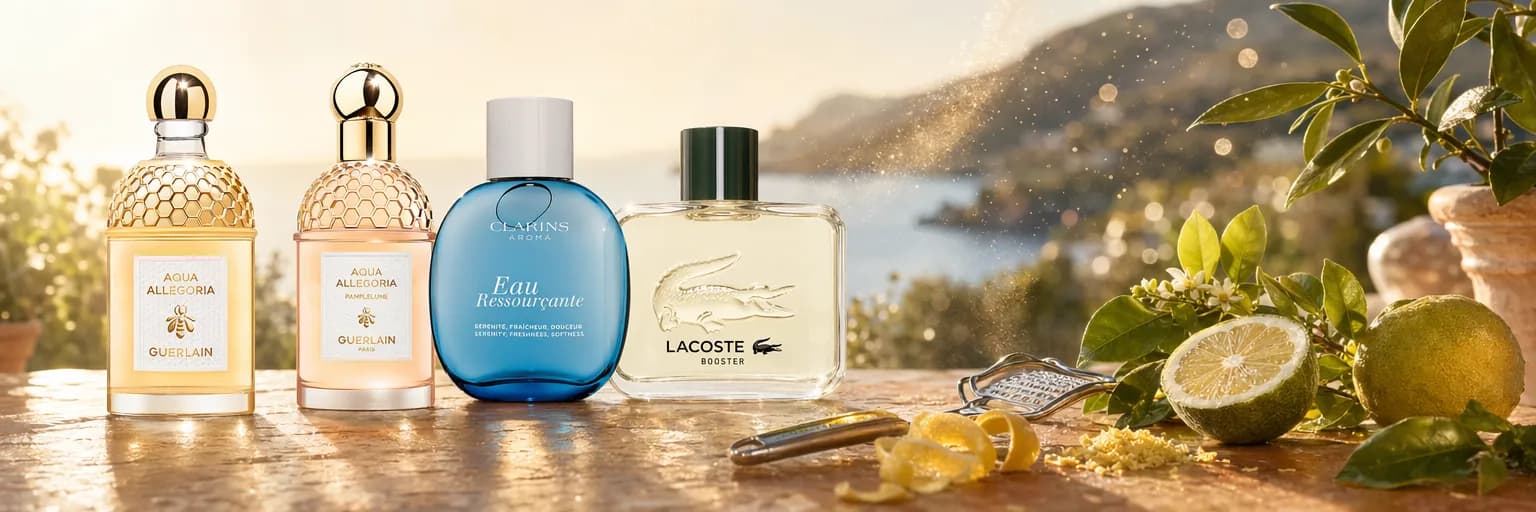
Citrus perfume: the luminous freshness of citrus fruits in perfumery
Twelve years I've been working in perfumery, and the Citrus family remains the one I recommend most often — not because it's easy, but because it's honest. A well-crafted citrus fruit on the skin says something immediate and genuine. It's the most widely worn fresh family in the world, and one of the oldest in Western perfumery. Yet many customers come into the shop saying "I want something fresh" without knowing there are five very different ways of being Citrus. This guide gives you the keys: composition, sub-families, a selection of eleven tried-and-tested references, and the real answers about longevity — because yes, citrus notes evaporate quickly, and no, that's not inevitable.
What is a citrus perfume?
Olfactory definition: the composition of a citrus perfume
A citrus perfume is built around dominant citrus notes in the top of the pyramid. The classic raw materials are bergamot, lemon, mandarin, bitter orange, grapefruit, cedrat and lime. More contemporary versions incorporate Asian citrus fruits such as yuzu (Japan, Korea) or combava (Southeast Asia), with a more complex, slightly spicy profile.
Extraction is done cold, by mechanical expression of the zest — no heat, to preserve the fragile aromatic molecules. This process yields essences that are very faithful to the fruit, but also highly volatile. The molecules responsible for this characteristic freshness are mainly limonene (dominant in almost all citrus fruits), linalool (more floral, present in bergamot and neroli) and linalyl acetate (slightly fruity, a natural fixative). It's this molecular lightness that makes citrus notes so sparkling and luminous — and also explains their limited lifespan on the skin.
The olfactory result is fresh, invigorating, often tangy on opening, with a sense of cleanliness and immediate energy. A good citrus fragrance doesn't smell like "household cleaner" — it smells of freshly pressed zest, sun-kissed, slightly bitter, with a complexity that depends on the base note chosen by the perfumer.
Historical origins of the Citrus family
The word "hesperide" comes from ancient Greek: the Hesperides were nymphs who guarded the garden of golden apples, located at the edge of the known world. By extension, the "fruits of the Hesperides" referred to citrus fruits in botanical tradition. Perfumery adopted this term to name an entire family.
The first eaux de Cologne of the eighteenth century are the direct ancestors of modern Citrus fragrances. In 1709, Johann Maria Farina created in Cologne a citrus-based eau with rosemary and lavender that would spread across the whole of Europe. In 1853, Guerlain signed Eau de Cologne Impériale, another founding milestone. These light, fresh formulas answered a demand of the time: something elegant yet subtle, that could be worn during the day.
The modern Citrus fragrance as we know it took a decisive turn in 1966, when Edmond Roudnitska created Eau Sauvage for Dior — a formula blending bergamot, hedione (a synthetic floral molecule) and woody notes. This parfum changed the game for men's perfumery and laid the foundations for the contemporary Citrus Aromatic style.
Why are citrus perfumes so universal?
The answer is both chemical and psychological. Chemically, citrus molecules are light and highly volatile: they express themselves strongly and quickly, creating an impression of immediate impact, before giving way to the base note. This top-note dynamic (15 to 30 minutes of maximum expression) is perceived as pleasant and non-aggressive by almost everyone.
Psychologically, citrus fruits are associated with freshness, cleanliness, energy and sunshine in practically every culture. It's no coincidence that hygiene products the world over use citrus notes — it's a universal olfactory reflex.
The Citrus family is also one of the rare families to cross genders and seasons effortlessly. A well-constructed citrus fragrance works as well on feminine as on masculine skin, in summer as in mid-season (for woody or aromatic versions). And in terms of budget, Citrus fragrances cover every segment, from the affordable flacon to premium niche.
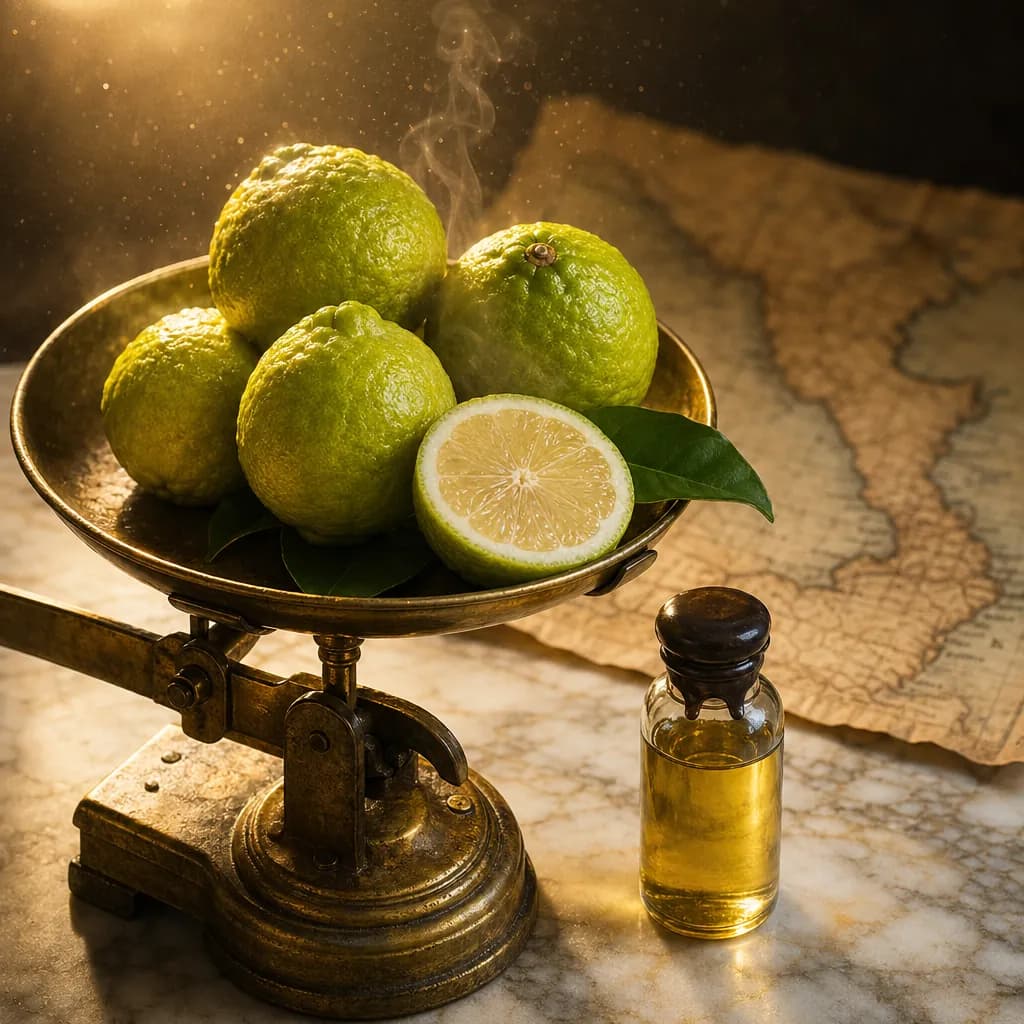
Did you know? Calabrian bergamot (Citrus bergamia) grows exclusively along a coastal strip of around 100 km in Italian Calabria. This region produces 80% of the world's bergamot — a raw material that supplies both luxury perfumery and Earl Grey tea. Without Calabria, there would be no bergamot as we know it.
The 5 Citrus sub-families
| Name | Olfactory profile | Typical notes | Examples |
|---|---|---|---|
| Citrus Aromatic | Fresh-herbaceous | Bergamot, lavender, rosemary, basil, mint | Eau Sauvage Dior, Le Male JPG |
| Citrus Floral | Fresh-delicate | Neroli, orange blossom, bergamot, rose, jasmine | L'Eau d'Issey, Aqua Allegoria |
| Citrus Aquatic | Fresh-marine | Grapefruit, lime, marine notes, cedar | L'Eau d'Issey PH, Invictus |
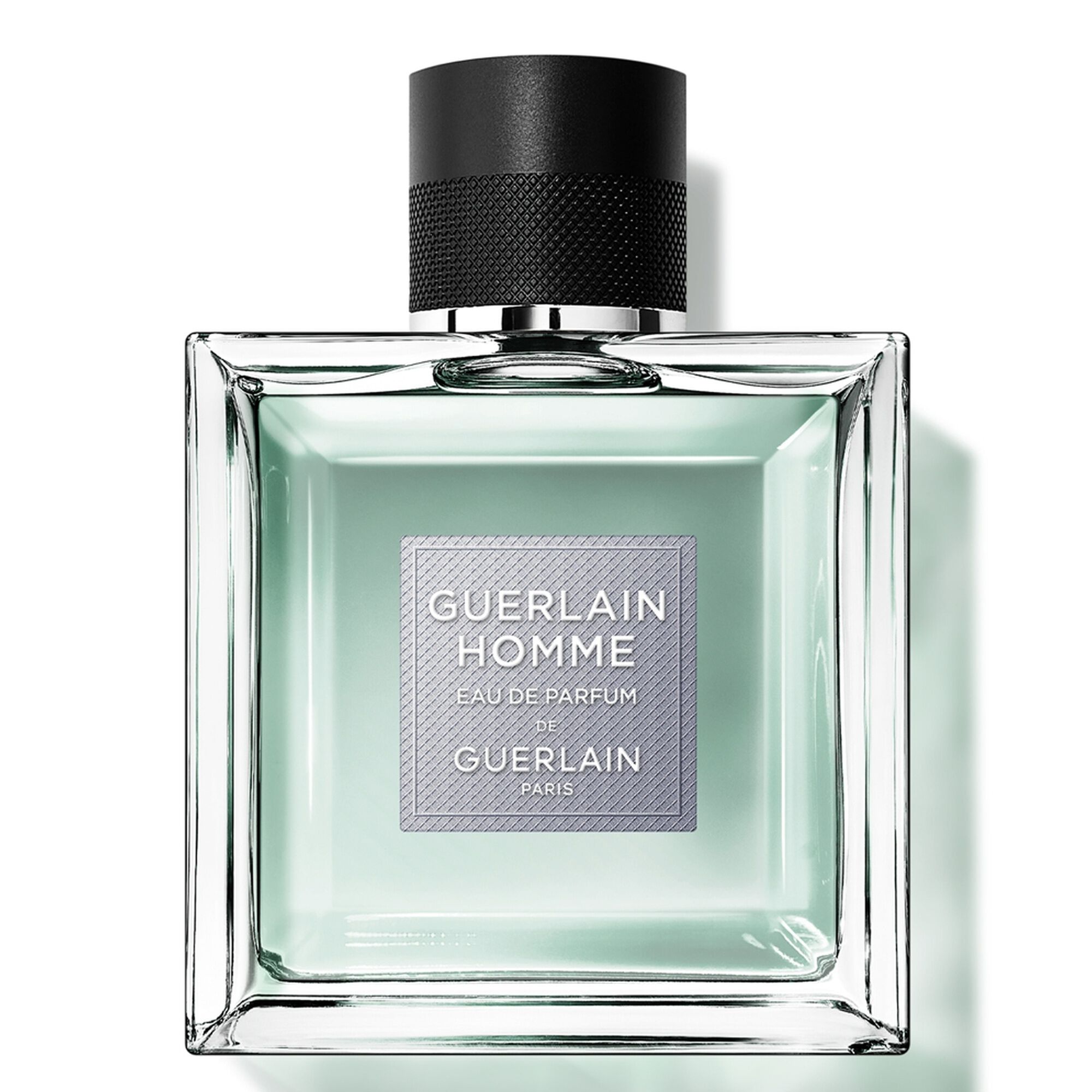
| Citrus Woody | Fresh-dry | Bergamot, cedar, vetiver, sandalwood, pepper | Guerlain Homme, Man Glacial |
| Citrus Gourmand / Fruity | Fresh-sweet | Mandarin, orange, pink grapefruit, light vanilla | Bright Crystal, La Vie Est Belle |
Citrus Aromatic
This is the oldest and most masculine branch of the group. Bergamot and lemon are paired here with fresh herbs — lavender, rosemary, basil, mint — to create a fresh-herbaceous profile that's both invigorating and structured. This is the aromatic family at its most luminous.
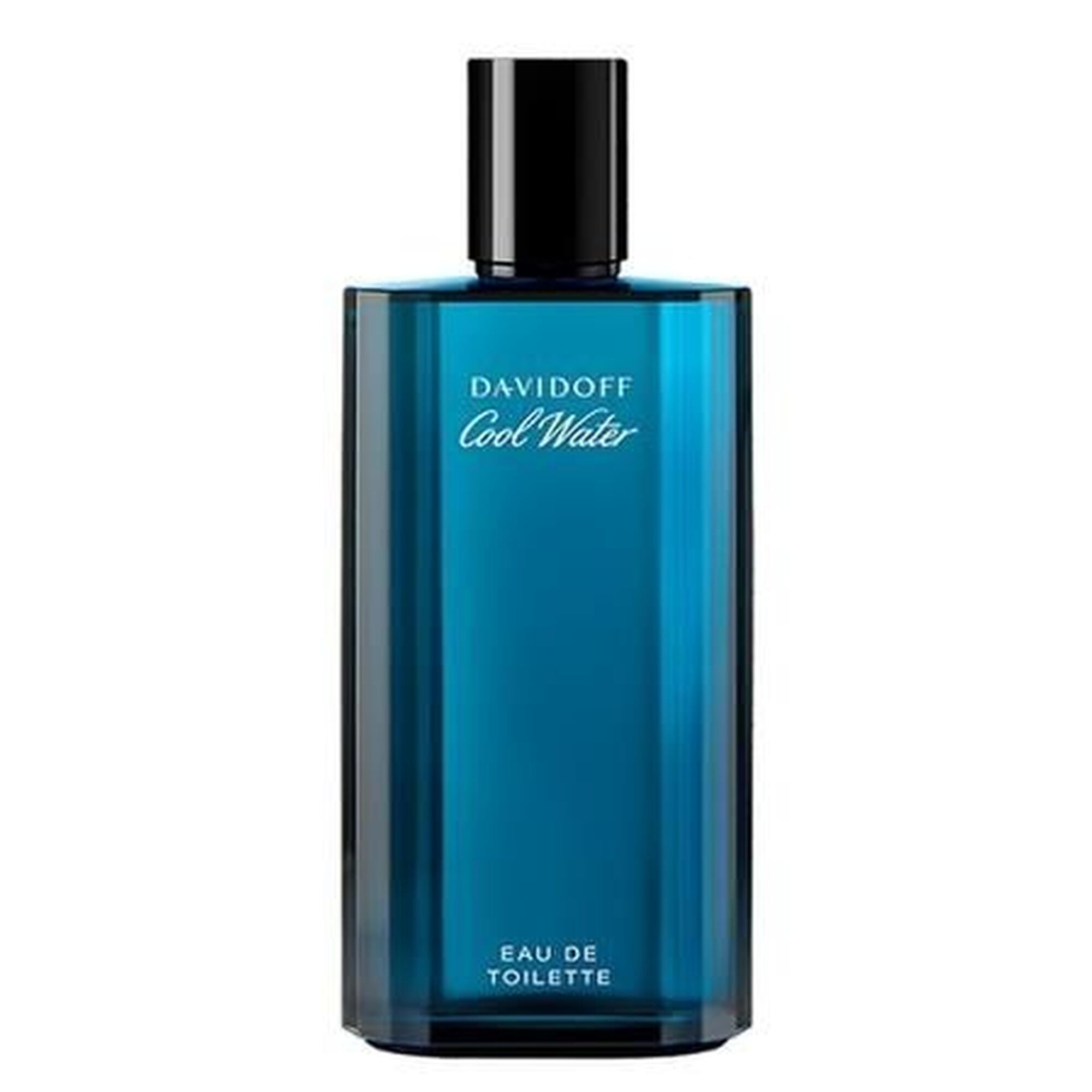
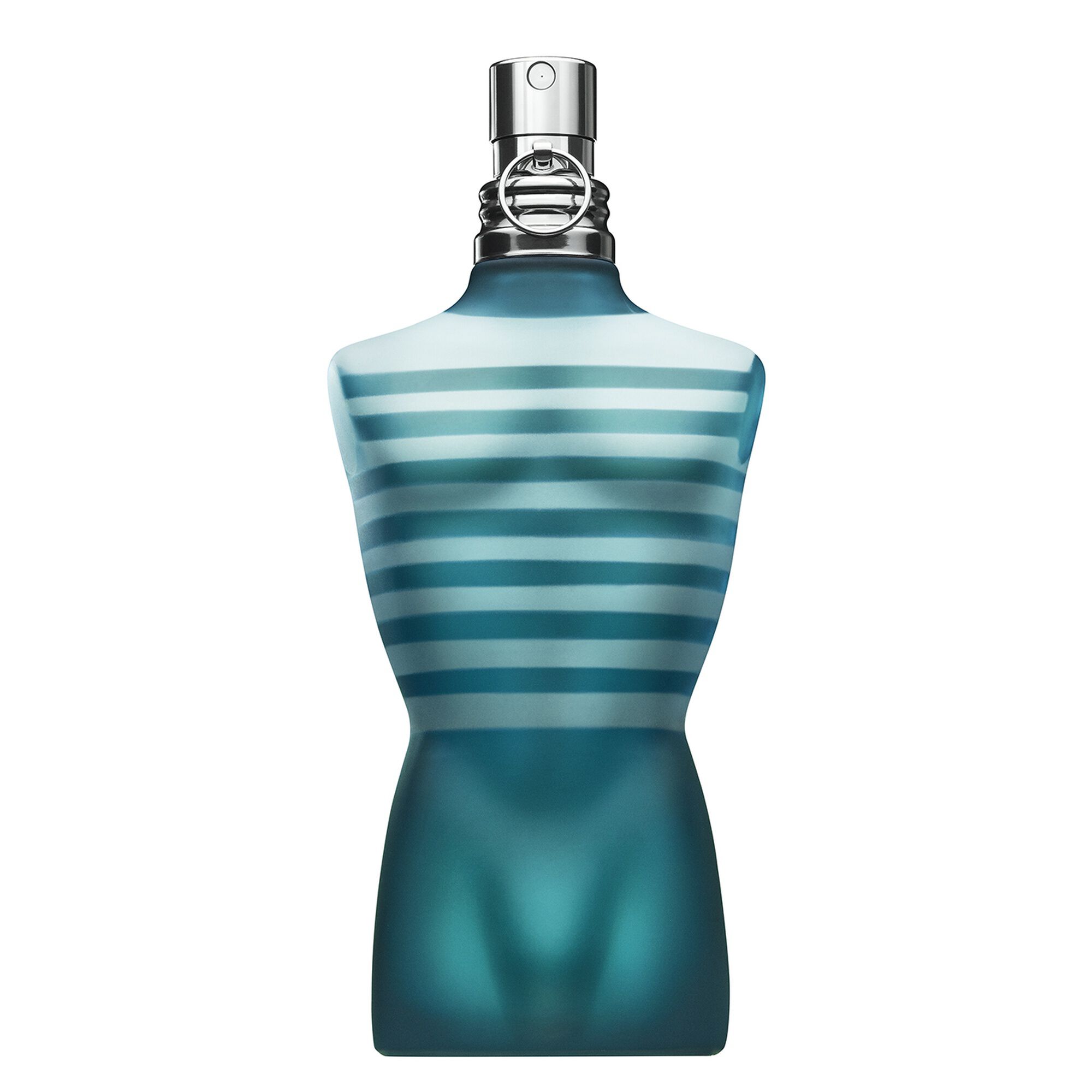
Dior's Eau Sauvage (1966) remains the major cultural reference of this branch. In our catalogue, Jean Paul Gaultier Le Male embodies this Citrus Aromatic style with a warmer touch (lavender on a vanilla base), while Cool Water offers a more sporty, accessible version. Versatile across seasons, this profile works from spring through to autumn.
Citrus Floral
Here, citrus fruits are softened by contact with flowers. Neroli, orange blossom, rose, jasmine or muguet come to round off the acidity of the top notes and create a more delicate freshness — traditionally more feminine in its codes, though the profile is fully unisex. This is the floral family at its most airy.
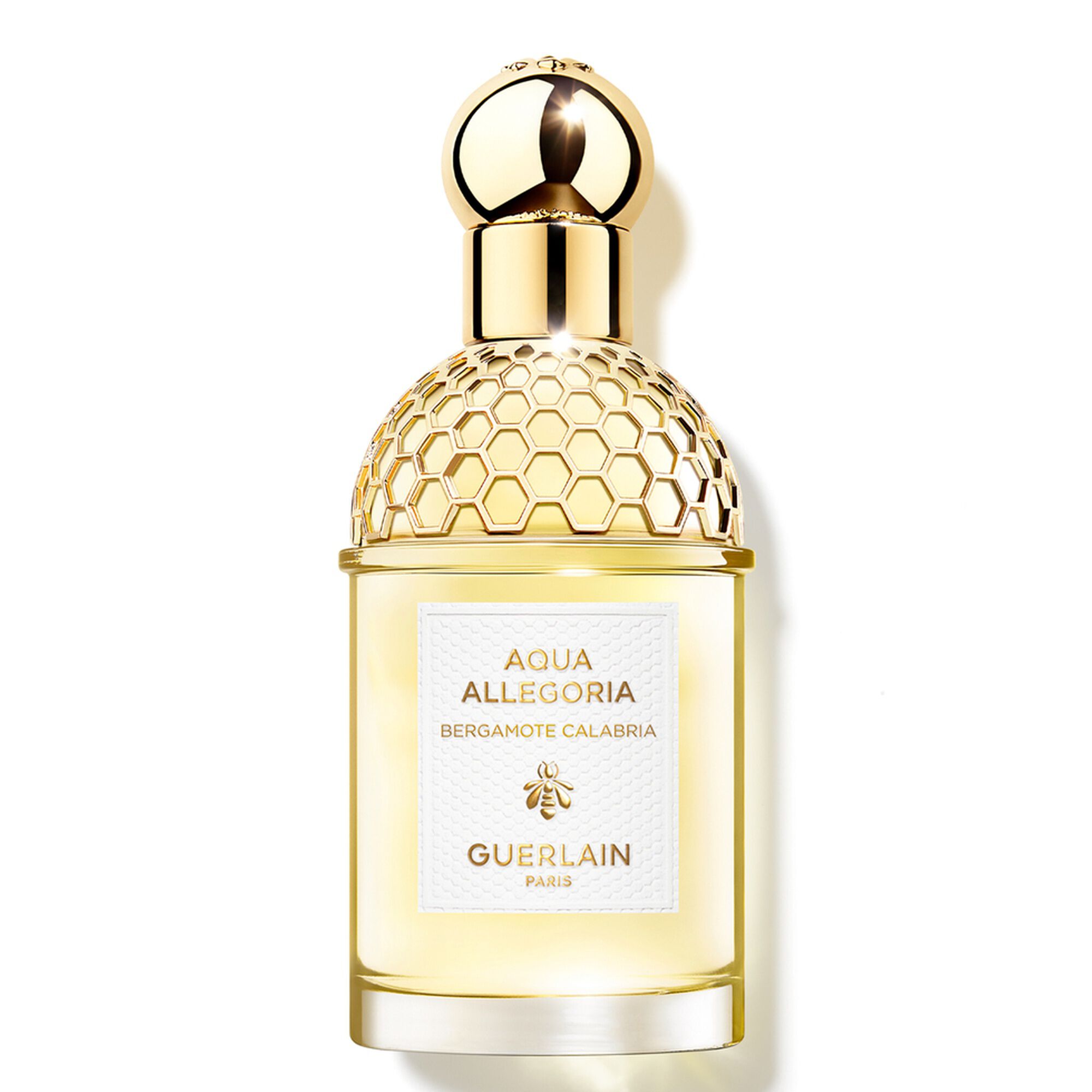
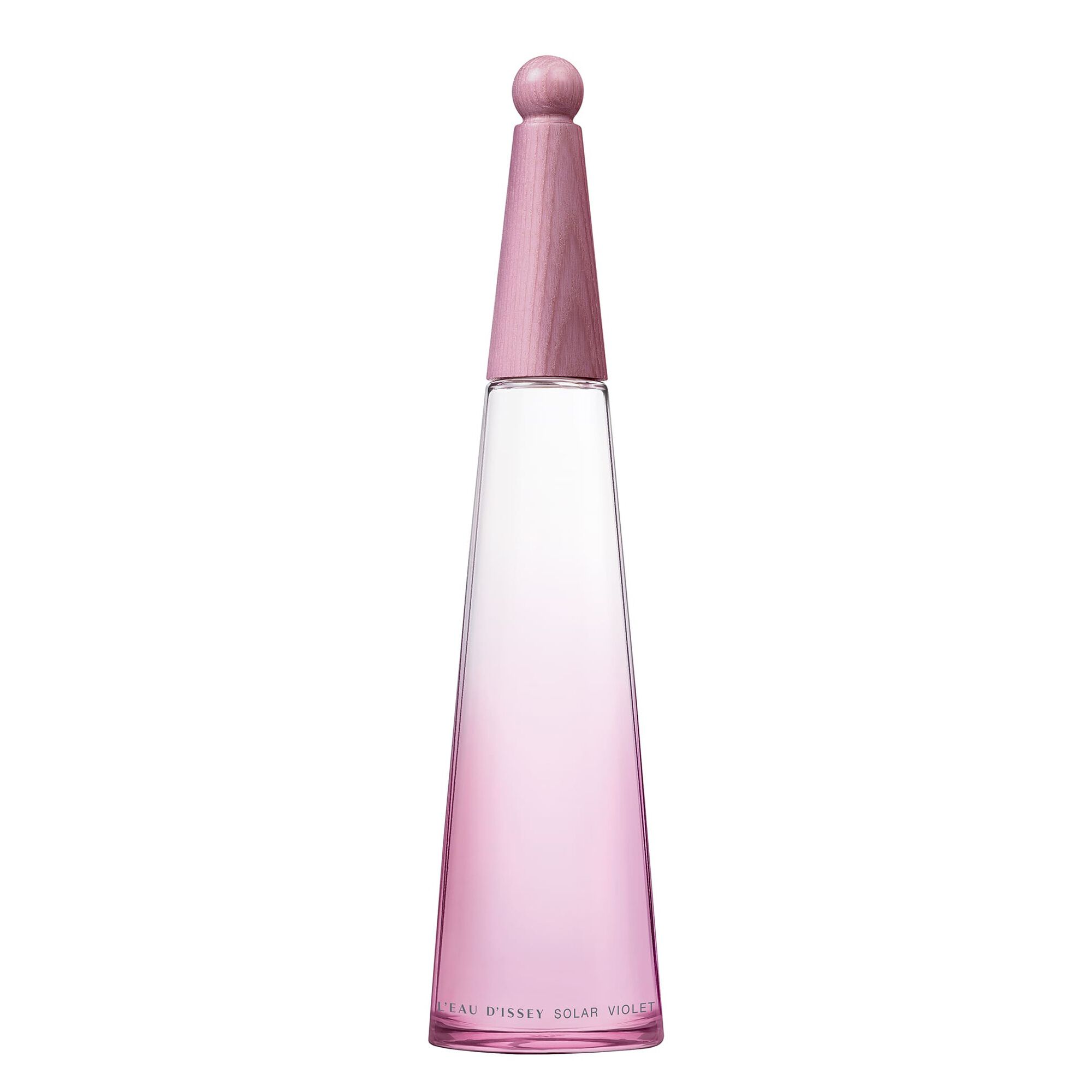
L'Eau d'Issey by Issey Miyake has been the feminine reference of this branch since 1992. Guerlain's Aqua Allegoria range, notably Aqua Allegoria Bergamote Calabria, offers a very luminous, slightly floral version. Freesia and rose often act as a bridge between the zesty top notes and the light woody base notes. For a more contemporary take on Citrus Floral for women, L'Eau d'Issey Solar Violet extends this heritage with a sun-kissed violet touch.
Citrus Aquatic
Here, citrus fruits meet marine and ozonic notes to create the most direct and sporty freshness. Grapefruit and lime often dominate the top notes, while cedar and white amber anchor the base note. This is the aquatic family at its most energetic.
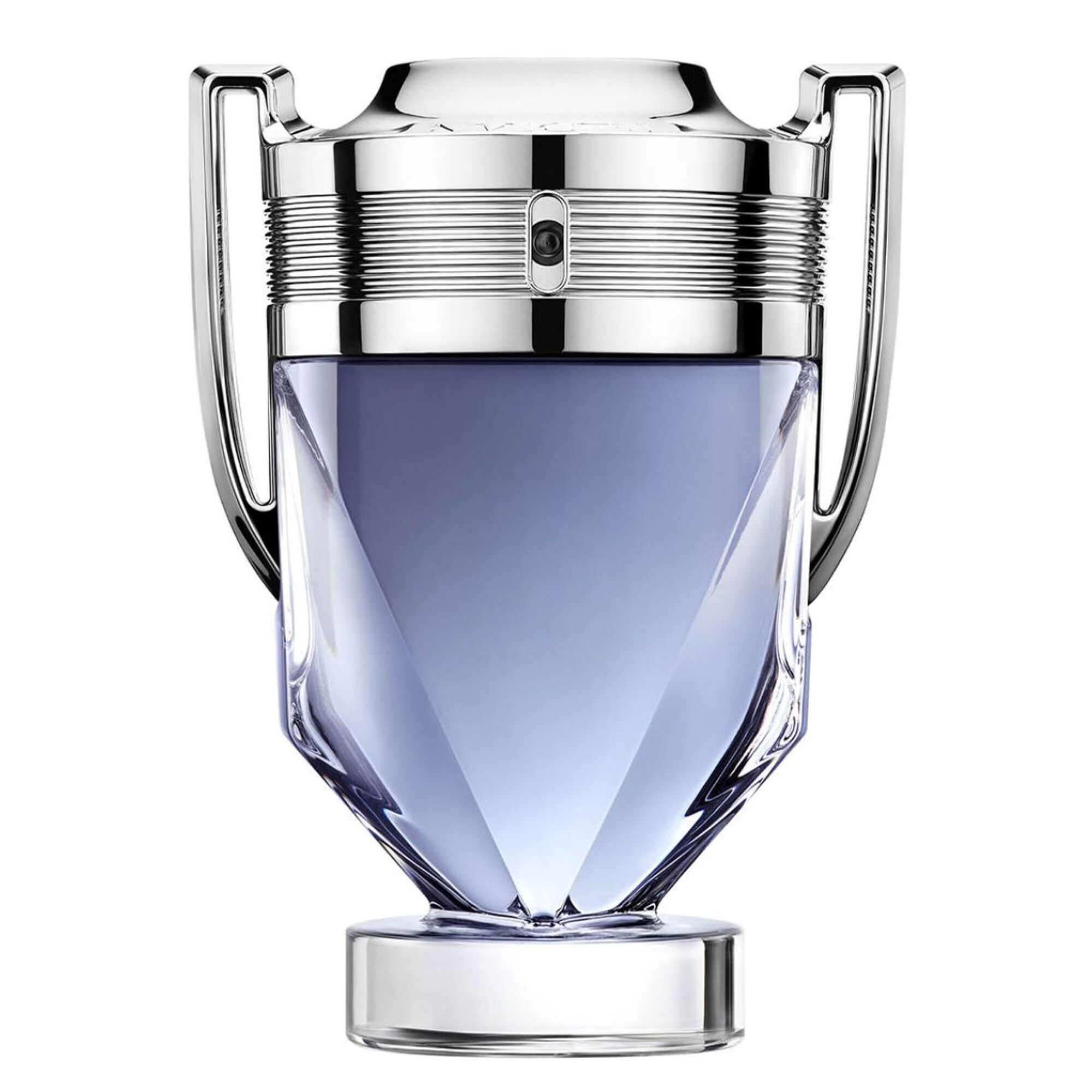
L'Eau d'Issey Pour Homme by Issey Miyake (1994) and Invictus illustrate the two registers of this branch well: the former, cleaner and more streamlined; the latter, more assertive and with greater sillage. For a more recent aromatic-aquatic version for men, L'Eau d'Issey pour Homme Solar Lavender brings a luminous lavender dimension to a marine base. Ideal for summer and sport.
Citrus Woody
This is the most interesting branch when it comes to longevity. By pairing bergamot and lemon with cedar, vetiver, sandalwood or white pepper base notes, the perfumer creates an anchor that slows the evaporation of the citrus top notes. The result is a fresh yet deep Citrus fragrance that truly lasts on the skin.
Guerlain Homme EDT and Bvlgari Man Glacial Essence EDP are the two references in our catalogue for this segment. For niche enthusiasts, Hermès Terre d'Hermès remains the great reference for Citrus Woody menswear — a parfum that set the standard for the genre in the early 2000s.
Citrus Gourmand / Fruity
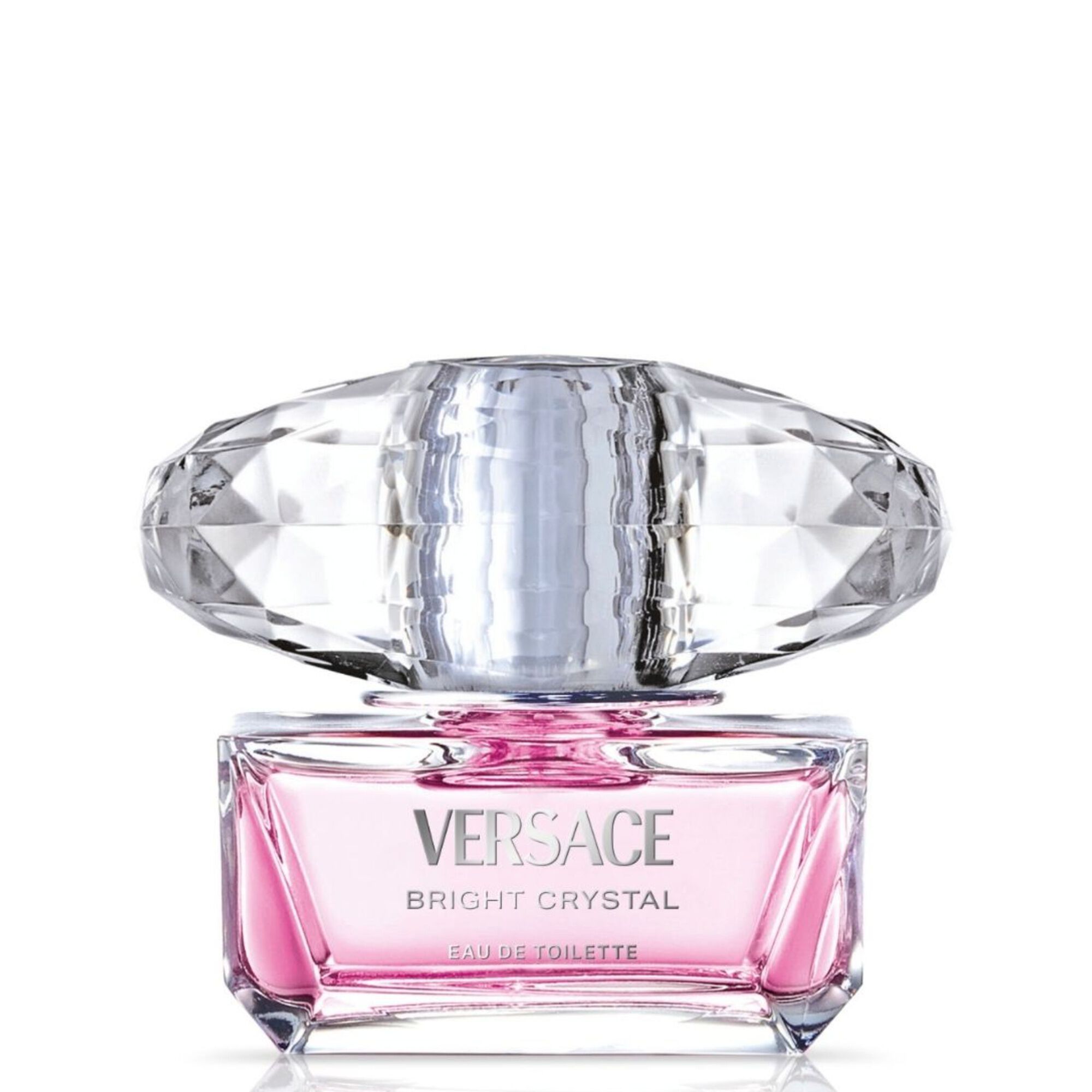
The most recent and most accessible branch. Mandarin, orange and pink grapefruit are paired here with red berries, light vanilla or soft floral notes to create a slightly sweet freshness that's never heavy. Bright Crystal and Trésor embody this predominantly feminine profile well, balancing freshness and softness.
Our selection: the best citrus perfumes for women 2026
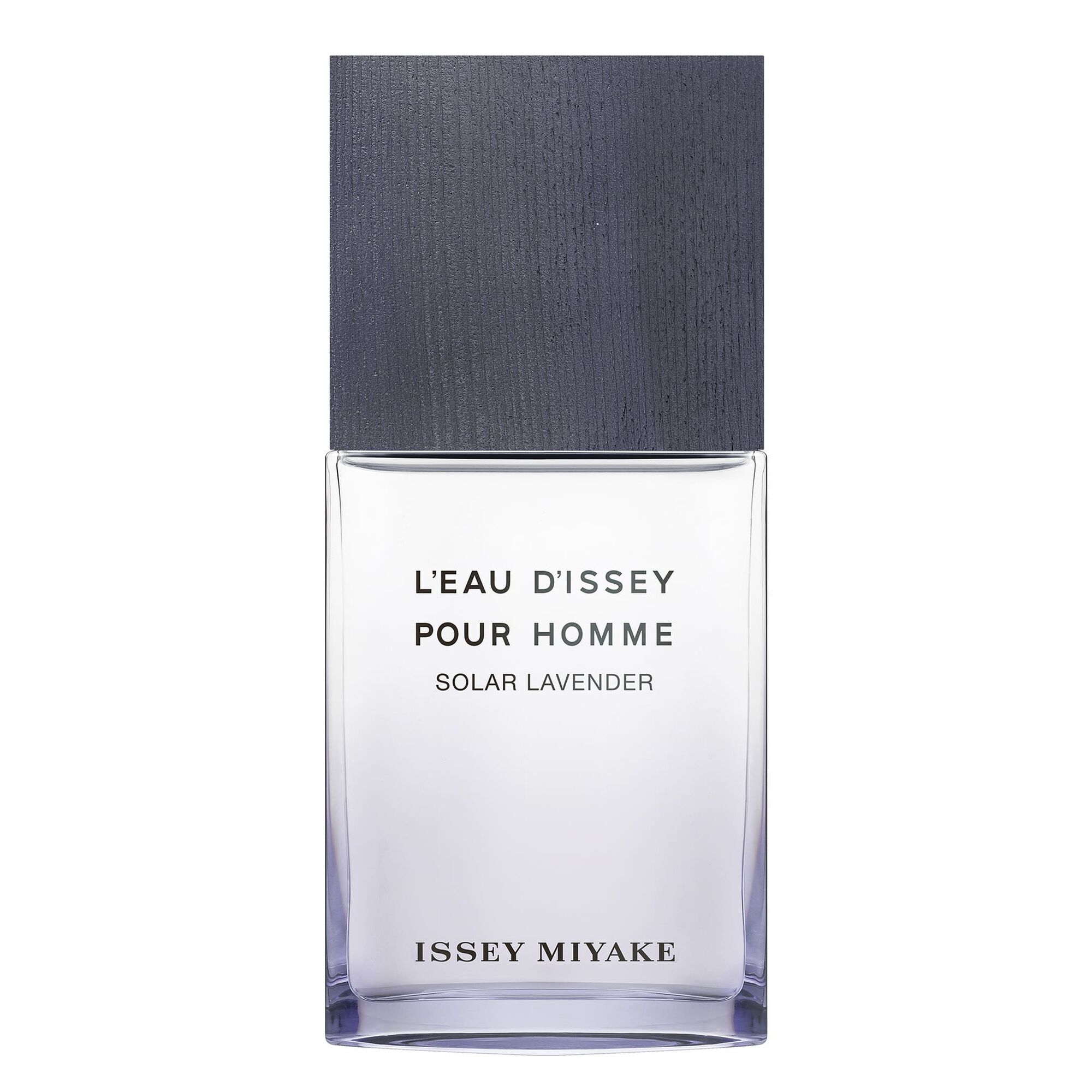
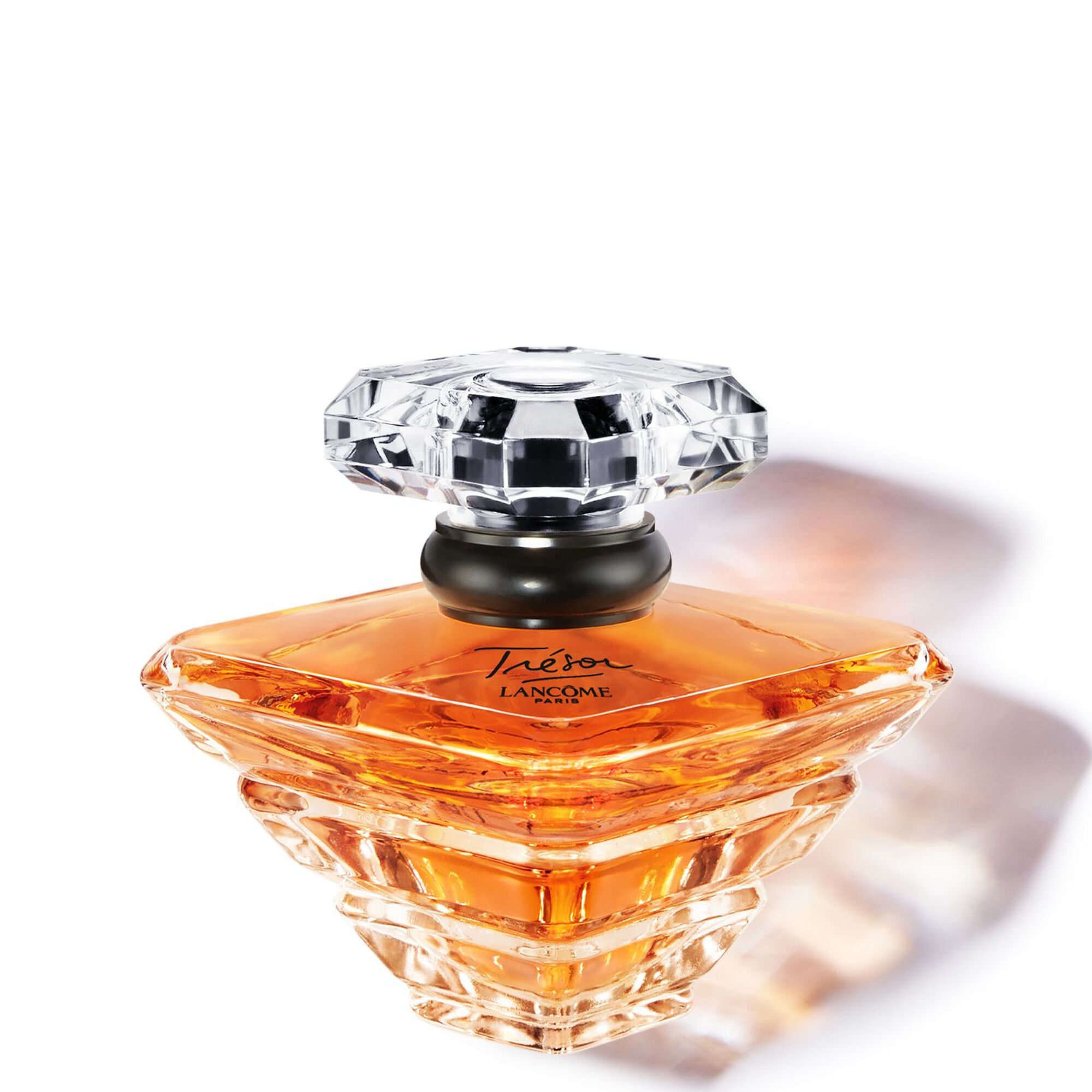
To take your choice further, our Citrus women's selection breaks down profiles by occasion and season.
Guerlain Aqua Allegoria Bergamote Calabria EDT
Calabrian bergamot takes centre stage in Guerlain's iconic range. A luminous, slightly floral freshness, sun-kissed without being sweet. This is the quintessential Citrus reference from Guerlain — ideal for spring and summer, unisex in its codes, immediately appealing.
L'Eau d'Issey Miyake EDT
A feminine Citrus-Floral best-seller since 1992. Neroli and lotus flower on top, a subtle cashmerewood base: an airy, delicate freshness that carries through the seasons without ever feeling heavy. The feminine reference in the fresh-floral segment, and one of the most widely worn perfumes in the world.
Versace Bright Crystal EDT
Mandarin and pomegranate on top, peony and magnolia at the heart, cashmerewood as the base note. A luminous, highly accessible fruity-floral Citrus fragrance, perfect for women seeking a slightly sweet freshness without tipping into gourmand territory. Light, easy to wear, effective.
Lancôme La Vie Est Belle Eau de Toilette
The bridge between Citrus and floral gourmand: bergamot and pear on top, iris and jasmine at the heart, a very subtle vanilla base. Fresher than the iconic EDP, ideal for daytime and warm seasons. It's one of our feminine best-sellers — a safe bet from the Tendance Parfums catalogue.
Bvlgari Omnia Crystalline EDT
Bamboo, water lily and cashmerewood over a muguet base. Absolute transparency and lightness — Bvlgari's Citrus-Floral parfum for the woman who wants an almost imperceptible freshness, like a second skin. One of the most subtle and elegant references in the segment.
Our selection: the best citrus perfumes for men 2026
Men's Citrus fragrances are mainly divided into three registers: aquatic (the most sporty and direct), aromatic (more herbaceous and versatile) and woody (deeper, with better longevity). Our Citrus men's selection covers these three profiles with references tried and tested in-store.
Two names deserve an editorial mention: Hermès Terre d'Hermès remains the great reference for Citrus Woody in classic perfumery, and Maison Francis Kurkdjian Aqua Universalis plays the same role on the niche side — two useful benchmarks for placing the profiles in our selection.
L'Eau d'Issey Pour Homme EDT
The menswear reference for Citrus Aquatic since 1994. Yuzu and mandarin on top, cedar and vetiver as the base: a clean, invigorating marine freshness that remains legible without ever being aggressive. This is the parfum I recommend first to any man looking for a clean, well-constructed aquatic fragrance.
Davidoff Cool Water EDT for Men
An icon of the men's aquatic segment since 1988. Mint and lavender on top, marine notes and cedar as the base: sporty freshness at its finest. Accessible, recognisable, effective. For a no-risk Citrus Aquatic fragrance, this is the obvious choice — and it still sells extremely well in store.
Guerlain Homme EDT
Bergamot and lemon on top, cedar and vetiver as the base: Guerlain's Citrus Woody fragrance for men. More depth and longevity than pure aquatics, with that subtle elegance so typical of the house. For the man who wants to move beyond the sporty register without giving up freshness.
Paco Rabanne Invictus EDT
Grapefruit and marine notes on top, a woody-amber accord as the base. A men's Citrus-Aquatic-Woody best-seller, with assertive sillage and solid longevity for a Citrus fragrance. For the man who wants presence without heaviness — one of the most requested perfumes in store across all seasons.
Jean Paul Gaultier Le Male EDT
Lavender, bergamot and mint on top, vanilla and sandalwood as the base. A Citrus-Aromatic icon for men since 1995 — soft lavender over a warm base, a formula that has crossed three decades without ageing. Accessible, generous, instantly recognisable. A reference I recently had to retest — it still holds up just as well.
Bvlgari Man Glacial Essence EDP
Yuzu and arctic cedar on top, a woody-mineral base. Bvlgari's premium Citrus Woody fragrance — more intense and longer-lasting than a classic aquatic, with the crystalline freshness so typical of the house. For the man seeking a Citrus fragrance with character and genuine staying power on the skin.
Citrus Aromatic, Aquatic or Woody: how to choose?
| Sub-family | Dominant notes | Ideal season | Recommended profile |
|---|---|---|---|
| Citrus Aromatic | Bergamot, lavender, rosemary, basil | Spring, summer, mid-season | Men or women seeking versatile herbaceous freshness |
| Citrus Aquatic | Grapefruit, marine notes, cedar | Summer, sport, warm weather | Active men, everyday summer use |
| Citrus Woody | Bergamot, cedar, vetiver, sandalwood | Mid-season, autumn | Men or women wanting a long-lasting Citrus fragrance |
Citrus Aromatic: when citrus fruits meet herbs
Lavender, rosemary and basil bring a herbaceous dimension that structures the citrus top notes and anchors them in something more complex. The result is fresh but not neutral — there's character, a slight vegetal edge that makes the profile very versatile across seasons.
This is the profile I often recommend to people who find aquatics too "smooth": the aromatic style keeps the freshness but adds relief. Jean Paul Gaultier Le Male is the most accessible masculine example. To explore this register further, our aromatic family page details the nuances.
Citrus Aquatic: amplified marine freshness
Ozonic notes and marine accords amplify the sense of freshness in citrus fruits, creating an almost "air-conditioned" effect on the skin. Grapefruit and lime dominate, while cedar anchors the base without weighing it down. This is the most immediate, most sporty, most effective profile in hot weather.
L'Eau d'Issey Pour Homme and Invictus cover the two registers of this segment — the former more streamlined, the latter with greater sillage. If you're torn between the two, think about the occasion: discreet everyday wear or a statement outing.
Citrus Woody: the depth that anchors citrus fruits
This is the most effective answer to the longevity problem of Citrus fragrances. Vetiver, cedar, sandalwood and cashmerewood create a resinous base that slows the evaporation of the top notes and extends their presence on the skin. You keep the freshness, and you gain the longevity.
Guerlain Homme EDT and Bvlgari Man Glacial Essence EDP are our two references in this segment. These are also the perfumes I recommend for mid-season and autumn, when a pure aquatic would feel too light.
How to choose according to your profile and the season?
In short: if you're after versatility and a herbaceous profile, go for aromatic. If you want maximum freshness for summer or sport, aquatic is for you. If longevity is your main criterion, woody is the right choice. Our product pages in the Citrus men's and Citrus women's sections let you filter by profile and season to refine your selection.
Citrus perfume with bergamot: the queen note of noble citrus fruits
What is bergamot in perfumery?
Bergamot (Citrus bergamia) is a hybrid citrus fruit grown almost exclusively in Calabria, southern Italy. Its essence is extracted cold by mechanical expression of the zest — the same process as for other citrus fruits, but the resulting material is remarkably complex: tangy freshness, slight bitterness, almost honeyed floral nuances. No other citrus fruit combines so many dimensions in a single ingredient.
It's also one of the most expensive raw materials in the citrus segment, due to the geographical rarity of its cultivation and the finesse of the extraction process. In perfumery, bergamot plays a dual role: a luminous, tangy top note, but also a natural fixative thanks to its linalyl acetate content, which slightly slows the evaporation of other components. Given everything this note carries, it deserves its own dedicated feature.
Our bergamot selection at Tendance Parfums
Aqua Allegoria Bergamote Calabria — Guerlain: Calabrian bergamot on its own, with a light floral touch. Pure, luminous, slightly tangy freshness. Guerlain's reference in the bergamot segment, unisex and sun-kissed.
Eau Parfumée au Thé Vert — Bvlgari: a founding reference in the Citrus-tea segment. Bergamot and green tea on top, cedar as the base, a clean and airy accord. An icon of accessible freshness, as relevant as ever.
An editorial mention is worth making here: Hermès Eau des Merveilles, which pairs bergamot with driftwood in a unique accord, remains a reference in the woody bergamot segment — not carried in our catalogue, but worth knowing to place the territory.
Bergamot: feminine or masculine?
Bergamot is the unisex note par excellence. It has no gender of its own — it's the base note that decides. On a bed of jasmine and rose, it becomes feminine and floral. On vetiver and cedar, it takes on a masculine, dry dimension. On green tea, it stays neutral and streamlined.
Houses such as Diptyque (L'Eau des Hespérides) or Atelier Cologne (Clémentine California) have turned this ambiguity into a strength, offering deliberately unisex bergamot fragrances worn by men and women alike. In store, I never ask "is this for a man or a woman?" when someone talks to me about bergamot — I ask "do you want something fresh-floral, fresh-woody, or fresh-tea?"
How to wear a citrus perfume?
Which season suits a citrus perfume best?
Pure Citrus fragrances — aquatic and floral — are in their element in spring and summer. Warmth amplifies the citrus top notes and makes them even more invigorating. In summer, even a light Citrus fragrance becomes noticeable on warm skin.
Aromatic and woody versions work very well in mid-season: the herbaceous or woody profile provides enough body to avoid feeling too light below 15°C. On the other hand, a pure Citrus fragrance in the depths of winter tends to disappear within minutes — cold skin doesn't hold volatile molecules well.
How can you improve the longevity of a citrus perfume?
This is the question I hear most often after a Citrus purchase. The volatility of citrus fruits is real: the top notes express themselves strongly for 15 to 30 minutes, then fade. A few habits really make a difference.
Apply to moisturised skin — an unscented cream fixes the molecules far better than dry skin. Target your pulse points: wrists, inner elbow, base of the neck, behind the knees. Avoid rubbing after application, as this breaks down the molecules. If you really want longevity, choose an EDP concentration rather than EDT, or go straight for a Citrus Woody fragrance — the cedar and vetiver base note naturally extends the presence of the citrus top notes.
What budget should you set for a good citrus perfume?
The Citrus segment is one of the most accessible in perfumery. Between 25 and 50 EUR, you'll find solid references (Cool Water, certain Bvlgari fragrances). Between 50 and 100 EUR, you gain access to the great classics and premium ranges from the major houses (Issey Miyake, Versace, Guerlain). Above 100 EUR, you enter niche and luxury territory (Maison Francis Kurkdjian, Hermès, Diptyque) — finer raw materials, more complex formulations, but not necessarily a better match for your skin.
Frequently asked questions about citrus perfumes
What is a citrus perfume?
A citrus perfume is dominated by citrus notes on top — bergamot, lemon, mandarin, grapefruit, yuzu. The term comes from the Hesperides, Greek nymphs who guarded the garden of golden fruit. It's the most widely worn fresh family in the world, divided into five sub-families depending on the chosen base note.
What are the best citrus perfumes?
It all depends on the profile you're after. For a feminine Citrus Floral fragrance, L'Eau d'Issey remains the reference. For a men's aquatic fragrance, L'Eau d'Issey Pour Homme or Invictus. For a woody fragrance with longevity, Guerlain Homme or Bvlgari Man Glacial Essence.
What's the best citrus perfume for women?
For a light floral freshness, L'Eau d'Issey Miyake or Aqua Allegoria Bergamote Calabria. For something more fruity, Versace Bright Crystal. For a transparent, almost skin-like profile, Bvlgari Omnia Crystalline. Our Citrus women's selection covers every profile.
Which men's citrus perfume would you recommend?
For a clean aquatic fragrance, L'Eau d'Issey Pour Homme. For a warm aromatic fragrance, Jean Paul Gaultier Le Male. For a woody fragrance with character, Bvlgari Man Glacial Essence. Our entire Citrus men's selection is available to help you refine your choice.
What's the difference between a citrus perfume and an aromatic perfume?
A citrus perfume is centred on citrus fruits on top. An aromatic perfume is structured around fresh herbs — lavender, rosemary, basil, thyme. Citrus Aromatic is the sub-family that combines both: citrus fruits on top, herbs at the heart. To find out more, our aromatic family page details the nuances.
What is bergamot in perfumery?
Bergamot (Citrus bergamia) is a citrus fruit grown almost exclusively in Calabria, Italy. Its essence, extracted cold from the zest, offers a tangy freshness with unique floral nuances. It's present in the majority of citrus perfumes and often acts as a natural fixative in the top note. Everything about this note: bergamot feature.
What is the Diptyque L'Eau des Hespérides perfume?
L'Eau des Hespérides is a unisex Diptyque parfum, created in 1980, combining bergamot, mandarin and cedarwood in a deliberately streamlined citrus-woody accord. It's an editorial reference in the niche Citrus segment, worn by men and women alike. Not carried in our catalogue, but often cited as a benchmark for the genre.
Do citrus perfumes last a long time on the skin?
This is their well-known limitation: citrus molecules are highly volatile and fade within 15 to 30 minutes as a top note. To improve longevity, apply to moisturised skin, target your pulse points, and choose an EDP concentration or a Citrus Woody fragrance — the cedar and vetiver base note naturally extends the presence of the citrus fruits.