
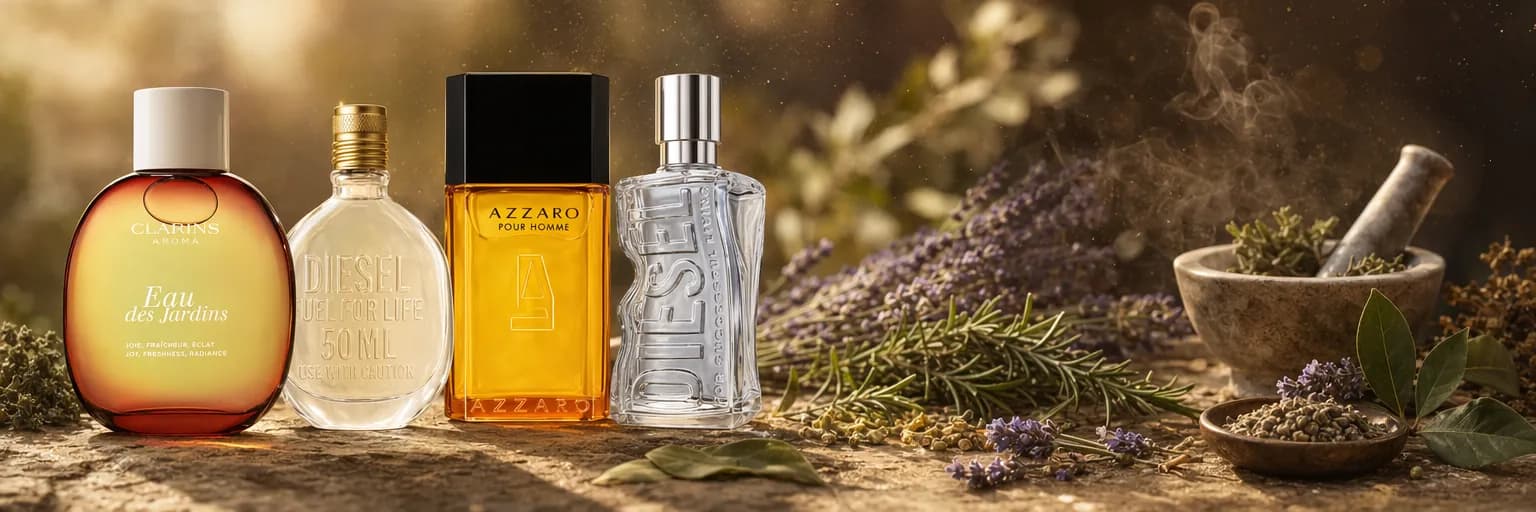
Fougere aromatic parfum: freshness, elegance and timeless character
Twelve years advising on perfumes, and the aromatic fougere family remains the one that surprises me most. It's everywhere — on the shelves of every perfumery, in the wardrobes of your fathers and your sons — and yet it remains misunderstood. It's often dismissed as "that lavender-clean thing for men from the 80s". That's reductive.
Fougere is actually one of the most influential families in modern perfumery. It all began in 1882 with Houbigant's Fougère Royale: a fictional, founding accord that gave rise to hundreds of men's fragrances. In this guide, I'll explain what a fougere parfum really is, how to tell its sub-families apart, and how to choose from our best references at Tendance Parfums.
What is a fougere parfum?
Olfactory definition: the composition of a fougere parfum
A fougere parfum is built on a founding triptych: lavender, oakmoss and coumarin. These three ingredients form the base accord, around which complementary notes are added: geranium, bergamot, tonka bean, vetiver, cedar, and often aromatic herbs such as basil, rosemary or thyme.
Coumarin deserves a dedicated feature, such is its central role in the fougere accord. It's a synthetic molecule — isolated from tonka wood in the late 19th century — that gives off a slightly sweet scent of cut hay, with a touch of sweet almond. It softens the lavender, fixes the oakmoss, and gives fougere its characteristic roundness. Without coumarin, the accord would be too dry, too herbaceous.
Oakmoss, for its part, brings a woodland dimension, slightly earthy, which anchors the accord in something natural and solid. Lavender, meanwhile, provides the top-note freshness. Together, these three components create something clean, herbaceous, elegant — an immediately recognisable signature.
Historical origins: Fougère Royale and the fictional accord
In 1882, the perfumer Paul Parquet created a composition for the house of Houbigant that would change the game in world perfumery. He named it Fougère Royale. The accord he invented — lavender, oakmoss, coumarin — was bold for its time, as it made extensive use of synthetic coumarin, then brand new.
Then in 1889, Guerlain released Jicky, considered the first great fougere parfum in history to achieve wide distribution. Caron's Pour un Homme, in 1934, popularised the accord with the male mainstream through a generous lavender-coumarin composition that remains a benchmark today. The Société Française des Parfumeurs would later codify the fougere family as a fully-fledged olfactory category, alongside florals, orientals and woods.
Creed Green Irish Tweed and Penhaligon's Sartorial are two contemporary examples that show what niche perfumery has done with this accord: more refined, more complex, but still faithful to the founding triptych.
Why are fougere parfums so timeless?
The answer is both chemical and psychological. Chemically, the herbaceous and lactonic molecules of lavender, combined with the stability of oakmoss, produce moderate to strong projection with solid longevity. This isn't a parfum that evaporates in two hours.
Psychologically, fougere has been associated for over a century with cleanliness, elegance and a form of natural masculinity — neither aggressive nor precious. That's perhaps why it crosses generations without really ageing. The family's historic male dominance is gradually eroding: more and more women are adopting fougeres, particularly the floral and fresh versions.
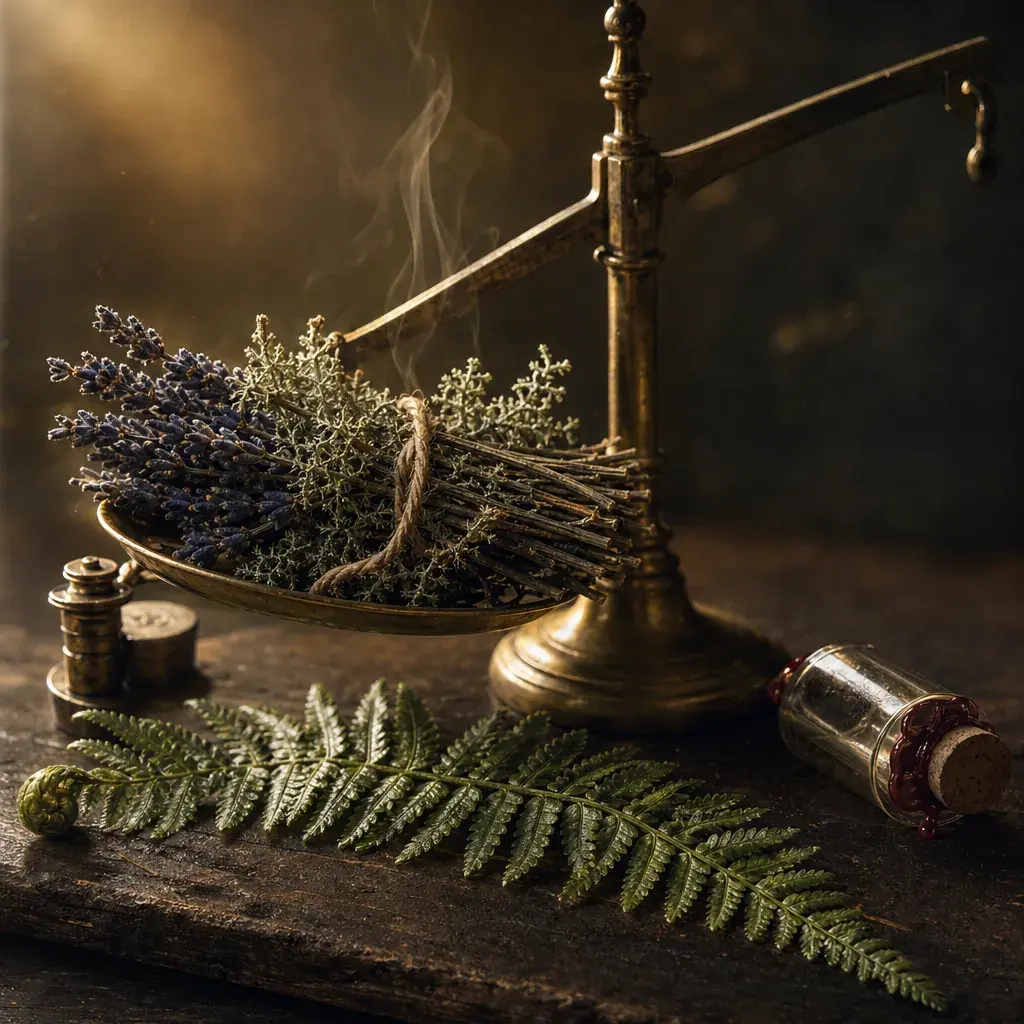
Did you know? Fougere is a fictional accord: the fern plant has no scent at all. In 1882, the perfumer Paul Parquet created a composition for the house of Houbigant — lavender, oakmoss, coumarin — and gave it the poetic name "Fougère Royale". This fictional accord is today the backbone of hundreds of men's perfumes worldwide.
The 5 sub-families of aromatic fougere
| Name | Olfactory profile | Typical notes | Examples |
|---|---|---|---|
| Classic aromatic fougere | fresh-herbaceous-clean | lavender, oakmoss, coumarin, geranium, bergamot | Azzaro Pour Homme, Paco Rabanne Pour Homme |
| Woody fougere | dry-deep-masculine | cedar, vetiver, sandalwood, oakmoss, lavender | Issey Miyake Fusion d'Issey, Hugo Boss Bottled |
| Fresh / aquatic fougere | airy-marine-invigorating | lavender, marine notes, mint, citrus, oakmoss | Lacoste Essential, L'Eau d'Issey Pour Homme |
| Spicy / amber fougere | warm-sensual-modern | lavender, tonka bean, amber, cardamom, oakmoss | Azzaro Wanted |
| Floral fougere | soft-powdery-fresh | lavender, rose, geranium, iris, oakmoss | Guerlain Jicky |
Classic aromatic fougere
This is fougere in its purest expression: lavender in the top note, geranium and bergamot in the heart note, oakmoss and coumarin in the base note. Fresh, herbaceous, clean. Azzaro Pour Homme (1978) and Paco Rabanne Pour Homme (1973) are its most emblematic representatives — two perfumes that defined elegant masculinity in their era. Calvin Klein Eternity for Men belongs to the same lineage, with a touch of basil that gives it a slightly greener edge. To learn more, our lavender feature details this ingredient's role in the fougere accord.
Woody fougere
When cedar, vetiver and sandalwood join the classic accord, fougere becomes drier, deeper, more assertive. This is the direction taken by Issey Miyake Fusion d'Issey and Hugo Boss Bottled. Vetiver wood adds an earthy, smoky dimension that further masculinises the accord. This sub-family shares certain aspects with the woody family, whose depth and longevity it echoes.
Fresh / aquatic fougere
Born in the 1990s, this sub-family shook up the codes of traditional fougere. Marine notes, mint and citrus replace or lighten the oakmoss, for a result that's airier, more invigorating. Issey Miyake's L'Eau d'Issey Pour Homme laid the groundwork for this modernisation. Lacoste Essential is today one of its most accessible expressions. This direction moves closer to the fresh aromatic family.
Spicy / amber fougere
The current trend. Cardamom, tonka bean and amber warm up the lavender-oakmoss accord for a warmer, more contemporary sillage. Azzaro Wanted perfectly illustrates this development: the lavender is still there, but wrapped in a spicy-amber blend that gives it new depth.
Floral fougere
Rarer, more sophisticated. Lavender mingles with rose, iris and geranium, over a soft oakmoss base note. Guerlain Jicky (1889) is the absolute historical reference — a unisex, powdery parfum that has crossed the centuries without a single wrinkle. It's also the sub-family that attracts women the most, and it's easy to see why.
Our selection: the best fougere parfums for men 2026
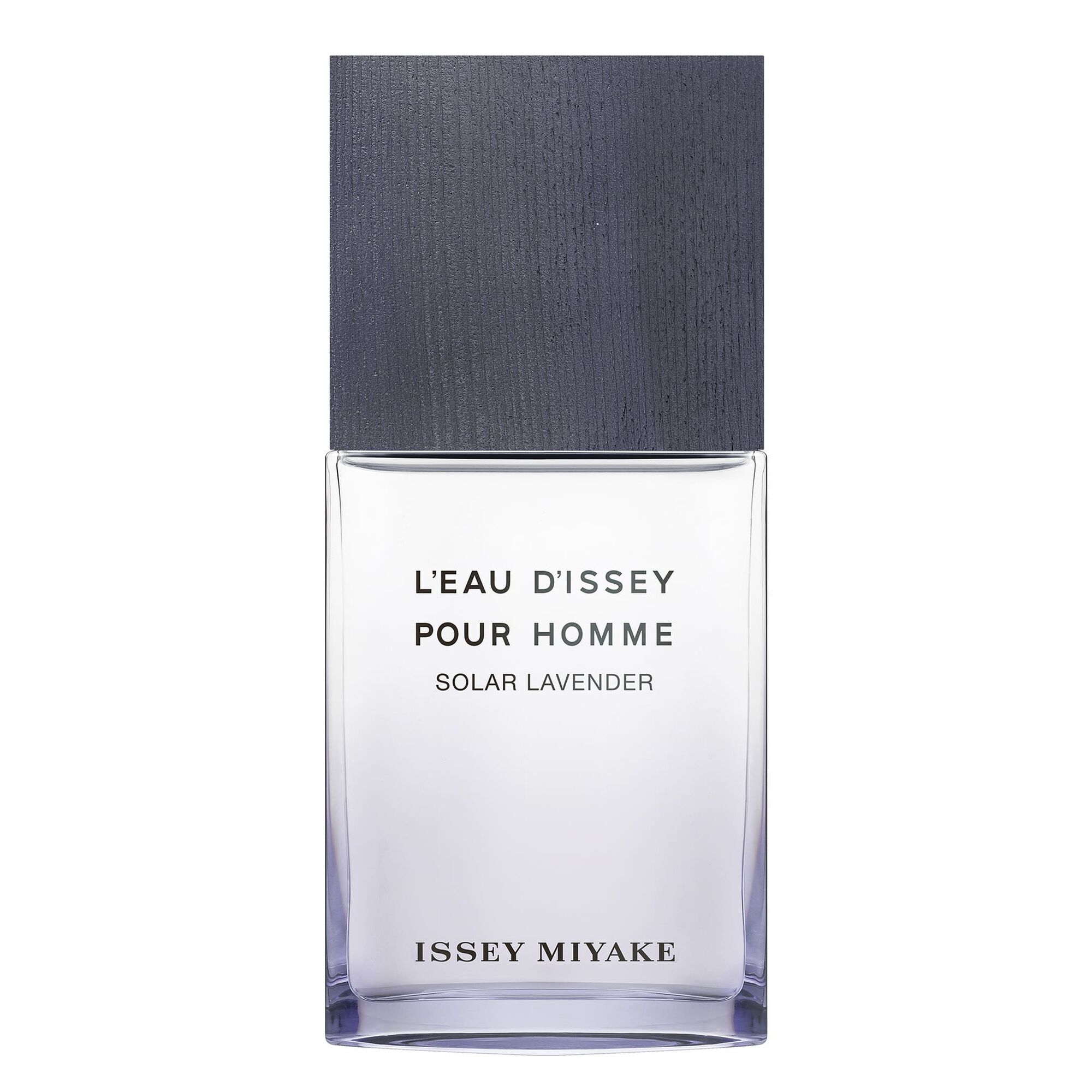
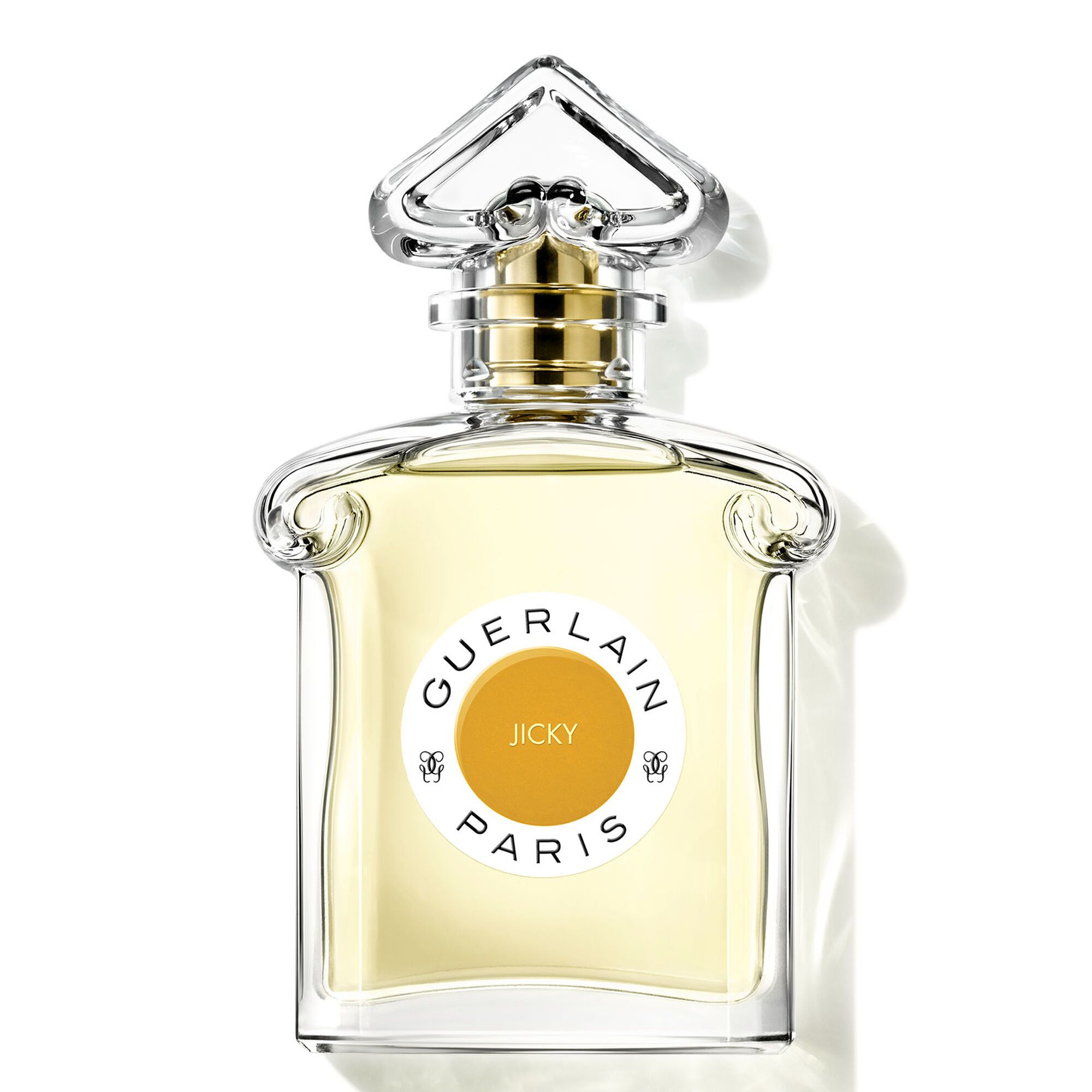
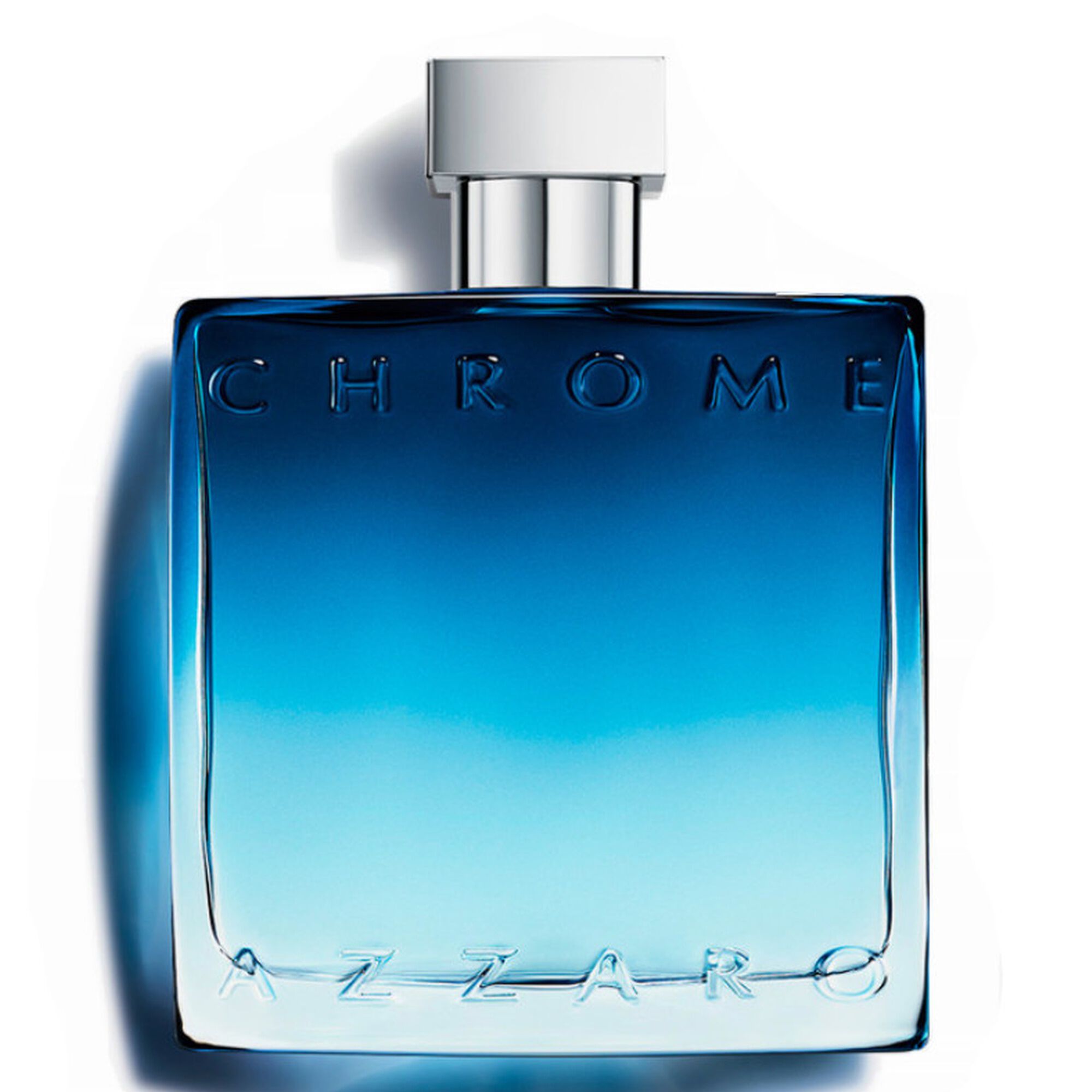
To help refine your choice, our men's fougere selection details each profile with usage tips and alternatives by budget.
Azzaro Pour Homme EDT
The absolute icon of classic aromatic fougere. Lavender, basil, dill in the top note; oakmoss, vetiver and coumarin in the base note. A fresh-herbaceous-clean accord that defined elegant masculinity in the 1970s-1980s. Timeless, accessible, and still just as relevant today. The ultimate Azzaro reference.
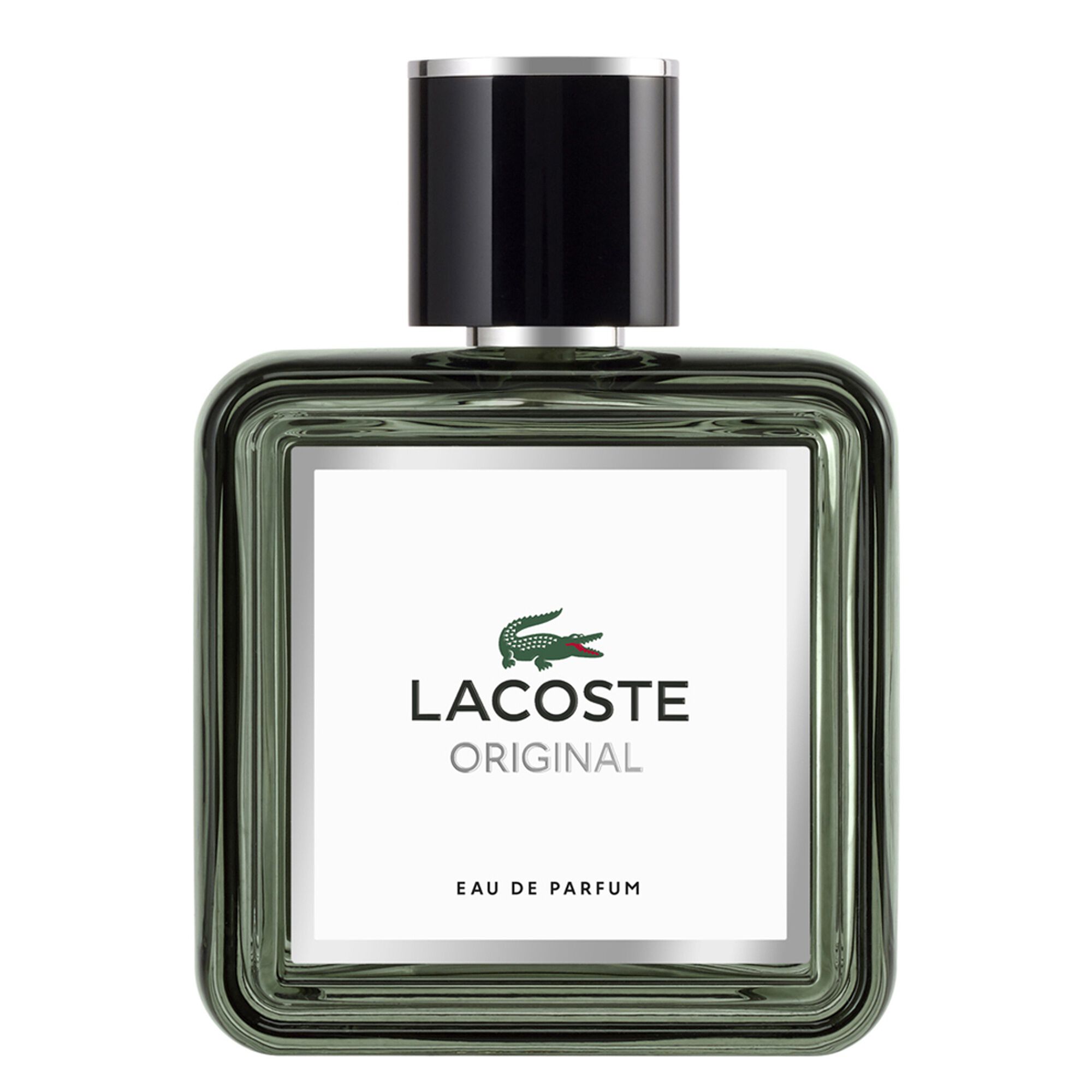
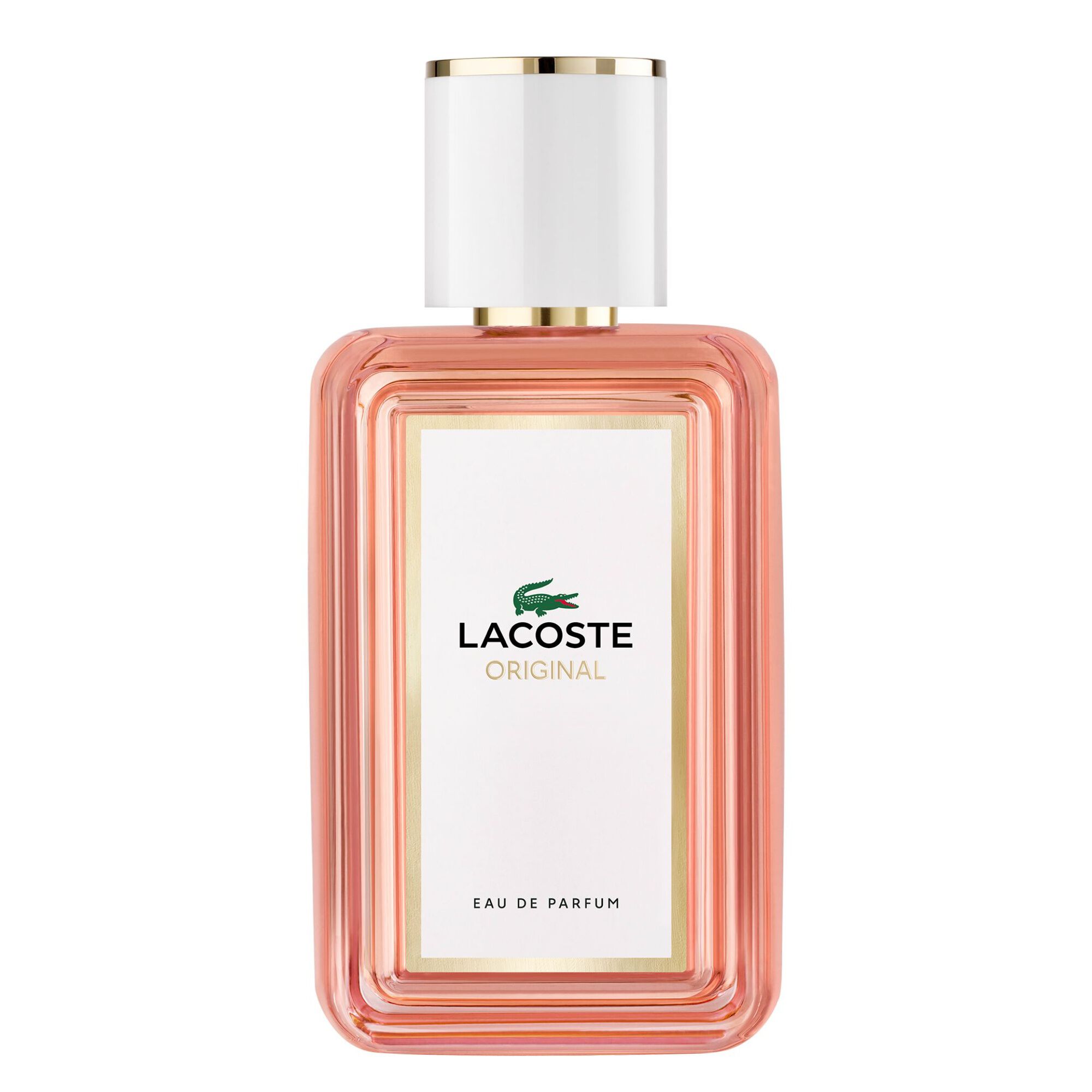
Lacoste Original EDT
An accessible and instantly recognisable classic aromatic fougere. Rosemary and geranium in the top note, oakmoss and cedar in the base note. Clean, fresh, natural. For the man who wants a classic fougere without breaking the bank, it's often the first one I recommend in-store. A safe bet from Lacoste.
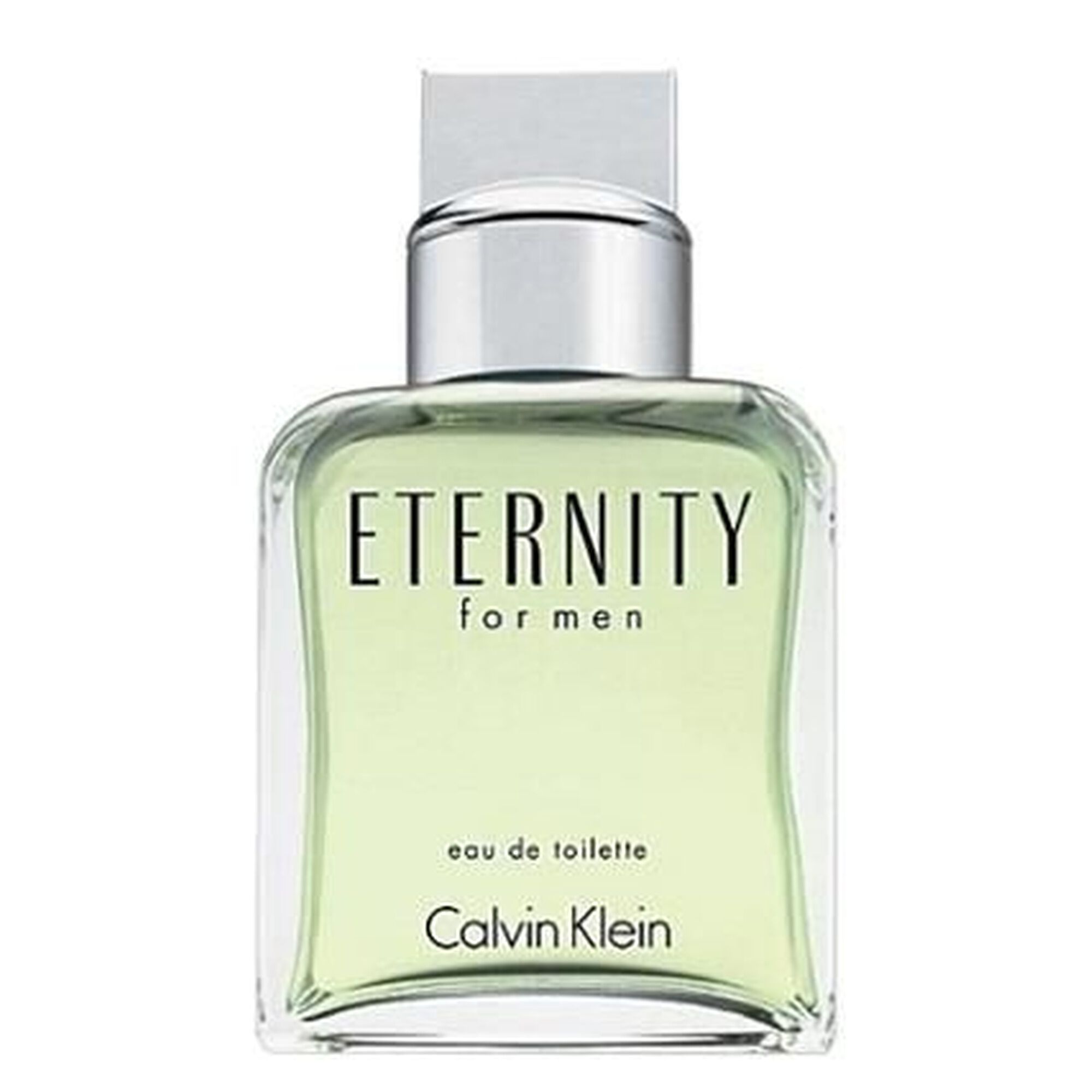
Calvin Klein Eternity for Men EDT
An aromatic fougere reference from the 1990s, regularly cited in specialist press rankings. Lavender and basil in the top note, sandalwood and oakmoss in the base note. Fresh, elegant, sophisticated. Excellent value for money, strong olfactory recognition, and longevity that exceeds expectations for its price.
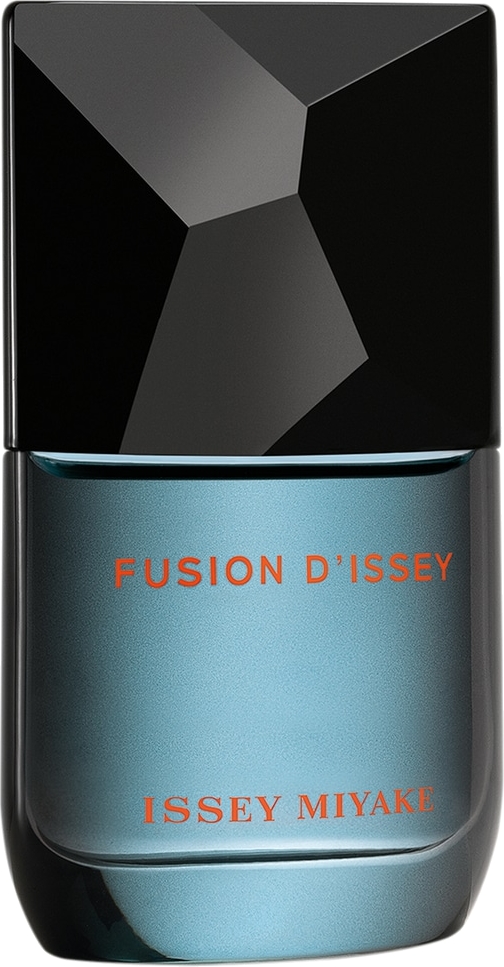
Issey Miyake Fusion d'Issey EDT
Modern woody fougere, with lavender in the top note and cedar-vetiver in the base note. A dry, masculine woody scent with solid longevity and assertive sillage. For those who want a fougere with character and depth. This is one of the Issey Miyake references gaining the most ground in-store in recent seasons.
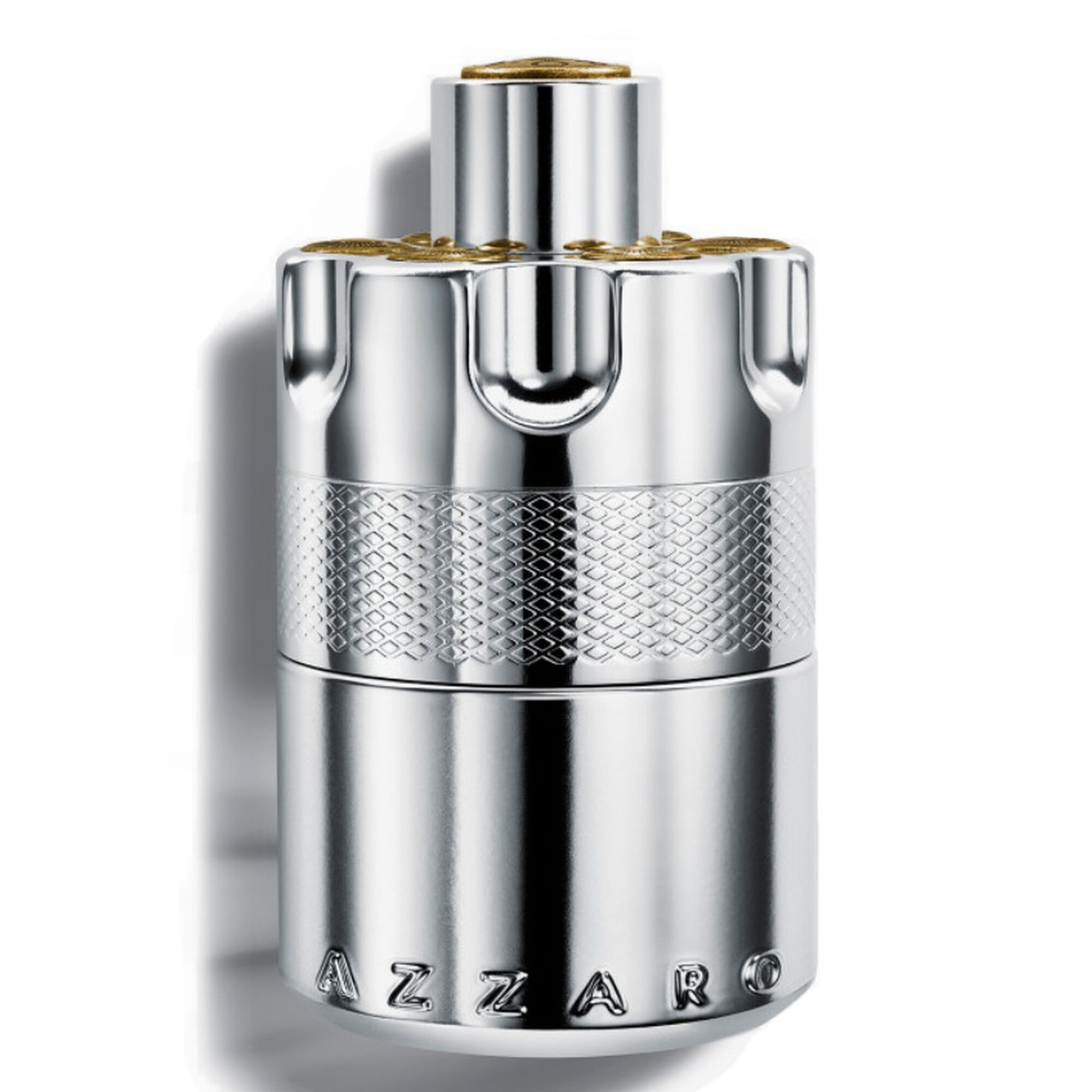
Azzaro Wanted EDT
A spicy-amber fougere extension from the house of Azzaro. Cardamom and lavender in the top note, tonka bean and amber in the base note. A warm, contemporary sillage that modernises the classic accord without betraying it. For the man who wants a fougere with character and a more seductive edge than the classic version.
Paco Rabanne Pour Homme EDT
A classic men's fougere from 1973. Rosemary and thyme in the top note, oakmoss and vetiver in the base note. Herbaceous, dry, elegant. A timeless reference for those who love authentic aromatic fougeres, with those aromatic herbs that give the base note an almost medicinal dimension in the best sense of the word.
Hugo Boss Bottled EDT
A best-seller of modern men's woody fougere. Geranium and lavender in the top note, cedar and sandalwood in the base note. A clean, masculine woody scent, ideal for the office as well as evening wear. Long-lasting, controlled sillage. This is the parfum I often recommend to those who want a woody fougere without taking any risks.
Lacoste Essential EDT
An accessible fresh and aquatic fougere from Lacoste. Marine notes and mint in the top note, oakmoss in the base note. Invigorating, airy, perfect for spring and summer. For the man who wants a light fougere that's easy to wear every day, it's a hard option to beat at this price point.
Our selection: the best fougere parfums for women and unisex 2026
Feminine and unisex fougere is still a largely unexplored territory, but genuinely growing. The codes are different here: the lavender becomes more floral, iris and geranium take up more space, the oakmoss softens. It's a far cry from classic men's aromatic fougere — softer, more powdery, sometimes more complex. References such as Cacharel Anaïs Anaïs or Yves Saint Laurent Rive Gauche laid the groundwork for feminine floral fougere in the 1970s-1980s. Our women's fougere selection details the profiles available at Tendance Parfums.
Guerlain Jicky EDP
The first great fougere parfum in history (1889), a monument of French perfumery. Lavender and rosemary in the top note, iris and coumarin in the base note, with a touch of civet giving it a unique animalic depth. A powdery floral fougere, unisex, timeless. For those who want a fougere with historical depth and rare elegance.
Azzaro Chrome EDT
An accessible and widely worn fresh fougere from Azzaro. Citrus and lavender in the top note, oakmoss and cedar in the base note. Fresh, clean, natural. Strong volume in our catalogue, ideal as a first fougere or as a light everyday fragrance. A unisex option that women easily adopt for its lightness.
Aromatic fougere, woody fougere, fresh fougere: how to tell them apart
| Sub-family | Dominant notes | Sillage | Ideal profile |
|---|---|---|---|
| Classic aromatic fougere | lavender, oakmoss, coumarin, geranium | moderate, clean | everyday, office, all seasons |
| Woody fougere | cedar, vetiver, sandalwood, oakmoss | pronounced, dry | evening, autumn-winter, assertive men's |
| Fresh / aquatic fougere | marine notes, mint, citrus, lavender | light, airy | spring-summer, sport, everyday use |
| Spicy / amber fougere | cardamom, tonka bean, amber, lavender | warm, enveloping | evening, mid-season, modern men's |
Classic aromatic fougere: the lavender-oakmoss-coumarin accord
This is where it all begins. Houbigant in 1882, Azzaro in 1978: two founding moments a century apart, yet linked by the same triptych. The fresh-herbaceous-clean profile of classic aromatic fougere makes it an everyday parfum, with moderate projection that doesn't overwhelm those around you. It's often the choice of men who want to smell good without drawing attention — and that's a quality, not a flaw.
Woody fougere: when cedar and vetiver step in
The vetiver note changes everything in a fougere. It brings a dryness, an earthy depth that transforms the herbaceous accord into something more assertive, more masculine in the classic sense of the word. Cedar adds a woody structure that extends longevity. The result: a parfum that lasts longer, projects more, and suits occasions where you want to make your presence known.
Fresh and aquatic fougere: the modernisation of the 1990s
The 1990s saw the birth of a new interpretation of fougere, driven by the enthusiasm for marine notes and aquatic accords. Issey Miyake's L'Eau d'Issey Pour Homme laid the groundwork for this direction: the lavender and oakmoss remain, but marine notes and mint are added for a result that's airier, more invigorating. This sub-family draws closer to the fresh aromatic family through its light, immediate character.
Spicy and amber fougere: the current trend
Cardamom, tonka bean, amber: these notes warm up the classic fougere accord and give it a more enveloping, more contemporary sillage. This is the direction men's perfumery has been taking for about a decade, in response to demand for more sensual fougeres. Azzaro Wanted is a good accessible example. If you're looking for something in this vein, it's the ideal starting point.
Torn between several sub-families? Browse all our fougere product pages to refine your choice according to your profile and budget.
Fougere parfum and lavender: the iconic duo of men's perfumery
Lavender in perfumery: history, origins and role in the fougere accord
The lavender used in perfumery comes mainly from two regions: French Provence, for true lavender (Lavandula angustifolia), and Bulgaria, for more recent crops that produce significant volumes. True lavender is finer, more floral, with slightly camphoraceous nuances. Lavandin, a hardier and more productive hybrid, is more herbaceous, more powerful — it's often the one found in mass-market perfumes.
In the fougere accord, lavender plays a dual role: first as a top note, with its immediate and recognisable freshness; then as a heart note, once its floral and herbaceous facets reveal themselves after the first moments have evaporated. It's what gives fougere its fresh, natural character. To learn more, our lavender feature details its origins and uses in perfumery.
Our fougere lavender selection at Tendance Parfums
Azzaro Pour Homme EDT — Lavender, aromatic herbs and oakmoss: the founding classic accord in its most accomplished form. The absolute reference from the house of Azzaro.
Lacoste Original EDT — Rosemary, lavender and geranium in the top note, for a clean, accessible fougere. Lacoste delivers a fresh, natural interpretation of the classic here.
Issey Miyake Fusion d'Issey EDT — Lavender in the top note, cedar and vetiver in the base note. The modern woody fougere from Issey Miyake, with a dry, masculine profile and remarkable longevity.
Masculine lavender or feminine lavender?
Lavender has no gender. It's a cultural convention, not a chemical reality. Guerlain Jicky (1889) is historical proof of this: this parfum, originally marketed as unisex, has been worn by women and men alike for over a century. Today, more and more women are adopting lavender fougeres, particularly the floral and fresh versions. Lavender crosses the men's/women's parfum divide with an ease that speaks volumes about the natural, universal character of this note.
How to wear a fougere parfum
Which season suits a fougere parfum?
Classic aromatic fougere is an all-season parfum, but it particularly shines in spring and summer. Its herbaceous freshness pairs well with warmth without becoming overwhelming. Fresh and aquatic fougere is even better suited to the warmer months: light, airy, it never overwhelms.
For autumn and winter, I'd rather recommend turning to woody fougere or spicy-amber fougere. Cedar, sandalwood and tonka bean bring a warmth that pairs better with cooler temperatures and heavier clothing.
Fougere parfum for day or evening?
By day, a fresh or classic aromatic fougere in EDT is ideal: moderate projection, clean sillage, easy to live with for those around you. At the office, Lacoste Original or Azzaro Pour Homme are safe bets I regularly recommend.
In the evening, you can afford more character. Woody fougere (Hugo Boss Bottled, Issey Miyake Fusion d'Issey) or spicy-amber fougere (Azzaro Wanted) suit nights out and special occasions better. In EDP form, projection and longevity are enhanced.
What budget for a good fougere parfum?
You don't need to spend a fortune for a beautiful fougere. In the accessible segment (25-50 EUR), Lacoste Original and Lacoste Essential offer excellent value for money. Between 50 and 100 EUR, Azzaro Pour Homme, Azzaro Wanted, Hugo Boss Bottled and Calvin Klein Eternity for Men cover every profile. Above 100 EUR, you enter niche and luxury territory: Guerlain Jicky, Issey Miyake Fusion d'Issey, or references such as Creed Green Irish Tweed for lovers of high-end aromatic fougere.
Frequently asked questions about fougere parfums
What is a fougere parfum?
A fougere parfum is built on a founding accord: lavender, oakmoss and coumarin. It's an olfactory family created in 1882 by Paul Parquet for Houbigant. Fresh, herbaceous and clean, the fougere accord is the backbone of hundreds of men's perfumes. Its variants include woody, fresh, spicy and floral fougeres.
Which aromatic parfum belongs to the fougere family?
Classic aromatic fougere combines lavender, aromatic herbs (rosemary, basil, thyme), oakmoss and coumarin. Azzaro Pour Homme (1978) is the most cited example. Paco Rabanne Pour Homme and Calvin Klein Eternity for Men are also solid references in this category.
What is the difference between oriental fougere and aromatic fougere?
Oriental fougere, close to the oriental family, favours resins, musk and warm notes such as amber and vanilla. Aromatic fougere stays fresh and herbaceous, dominated by lavender and oakmoss. One is enveloping and sensual, the other is clean and airy.
What is the best fougere parfum for men?
It depends on the profile you're after. For a classic fougere, Azzaro Pour Homme remains the reference. For a woody version, Issey Miyake Fusion d'Issey is excellent. For a fresh and accessible fougere, Lacoste Essential is hard to beat at its price point.
What are the best fougere parfums for women?
Feminine fougere remains a niche, but it's growing. Guerlain Jicky EDP is the absolute historical reference (1889). Azzaro Chrome EDT is a fresh, accessible option. Fans of feminine floral fougere can also explore Cacharel Anaïs Anaïs or Yves Saint Laurent Rive Gauche, two classics of the genre. For more references, see our women's fougere selection.
Why is it called "fougere" when the fern plant has no scent?
It's a poetic invention by Paul Parquet. In 1882, he created a fictional accord for Houbigant — lavender, oakmoss, coumarin — and named it "Fougère Royale" to evoke the freshness of a damp forest. The fern plant is indeed odourless. The fougere accord is therefore entirely fictional, making it one of the most fascinating examples of olfactory storytelling in the history of perfumery.
What are the typical notes of a fougere parfum?
The basic triptych is lavender, oakmoss and coumarin. Geranium, bergamot, vetiver, cedar and tonka bean are often added, along with aromatic herbs such as rosemary, thyme, sage, coriander or bay laurel. Fresh fougeres also incorporate marine notes, mint and citrus.
What is the difference between a fougere parfum and a fresh aromatic parfum?
Fougere always contains oakmoss and coumarin, which give it a depth and longevity that a simple fresh aromatic doesn't have. Fresh aromatic is lighter, more immediate, often without a woody-earthy base note. Fresh fougere sits in between: it borrows the marine and minty notes of fresh aromatic, but retains the fougere structure.