
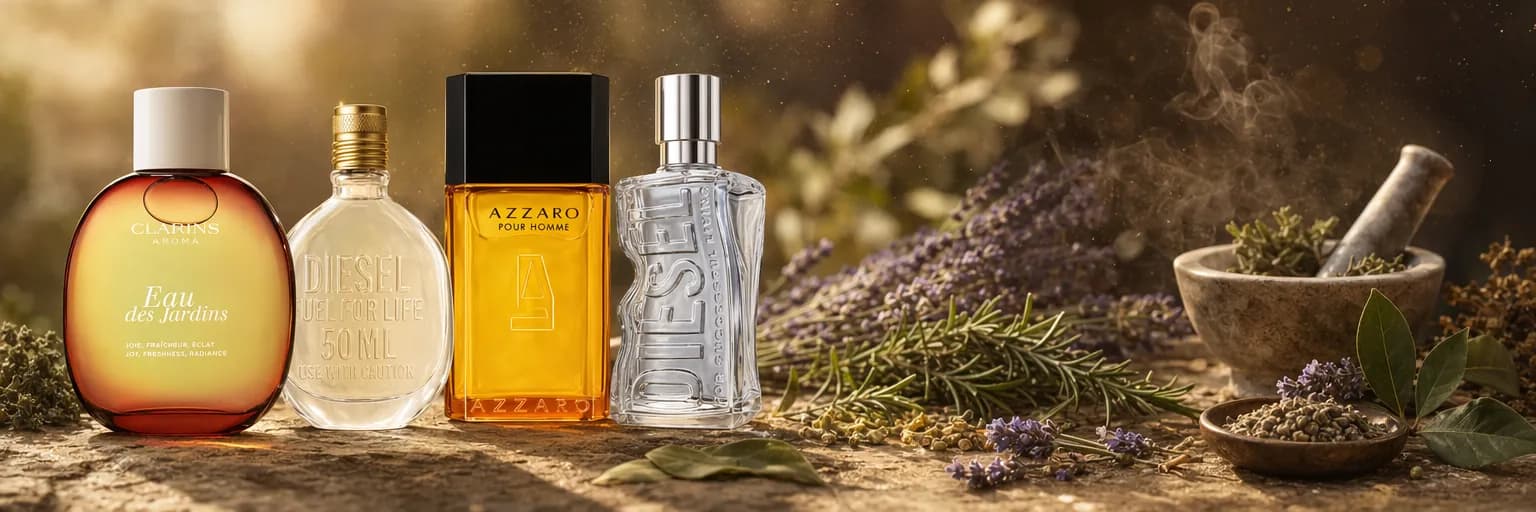
Aromatic aquatic parfum: marine freshness in a flacon
When a customer walks in and says "I want something fresh, that smells of the sea without being too strong", I know they're after an aromatic aquatic — even if they don't know the name. It's the family that has defined men's perfumery more than any other over the past thirty years, born in the 1990s with the synthesis of new molecules, and today one of the best-selling families in Europe for men. It combines the freshness of aromatic herbs — lavender, mint, rosemary — with accords evoking the sea, air after rain, or sea spray. This guide will help you understand what an aromatic aquatic really is, distinguish between its five sub-families, and choose from eleven references selected in our boutique.
What is an aromatic aquatic parfum?
Olfactive definition: the composition of an aromatic aquatic parfum
An aromatic aquatic parfum rests on two balanced pillars. On one side, aromatic notes: lavender, rosemary, mint, basil, galbanum, fresh herbs. These materials give the green, slightly bitter structure that anchors the parfum in something tangible, earthy. On the other, aquatic accords: synthetic molecules evoking the sea, marine air, sea spray or rainwater on warm ground.
In the base, you'll generally find light woody notes — cedar, vetiver, sandalwood — and a subtle white musk that extends the sillage without weighing it down. It's this three-layer architecture that makes the family so easy to read: herbaceous freshness at the top, marine at the heart, woody and musky at the base.
The result is a parfum that is both invigorating and accessible. Never too sweet, never too heavy. Clean without being sterile. That's why it's worn just as easily at twenty as at fifty, at the office as at the beach.
Historical origins of the aquatic family
The family didn't exist before the 1980s. The classic French classifications of the twentieth century — fougeres, chypres, orientals, woods — had no category for this kind of synthetic freshness. Chemistry changed everything.
The key molecule is called Calone (methylbenzodioxepinone). Developed by IFF (International Flavors & Fragrances) as early as 1951, it remained little used for decades before being popularised in commercial formulas from the early 1990s onwards. Its ability to reproduce the scent of fresh seaweed and sea spray without any natural marine material made it an unprecedented composition tool.
Two founding milestones structure the family. Davidoff Cool Water (1988) came out before the word "aquatic" even existed in perfume vocabulary: mint, lavender, rosemary over a base of sandalwood and musk — an aromatic aquatic architecture ahead of its time. Giorgio Armani Acqua di Gio (1996) then popularised the segment on a global scale, with an immediately recognisable iodic marine accord. The Fragrance Foundation and Fragrantica incorporated the aquatic family into their classifications in the 2000s, formalising what had become a defining commercial and olfactive reality.
Why do aquatic parfums appeal so strongly?
The answer is both chemical and psychological. Chemically, aquatic molecules are light and volatile: they rise quickly, diffuse well, and create an airy sillage without saturating the space around you. It's an immediate freshness, effortlessly achieved.
In terms of associations, water evokes freedom, cleanliness, summer. An olfactive perception study conducted by IFF in the 2000s showed that marine accords triggered very stable positive associations — holidays, sea, fresh air — across a large majority of Western cultures. It's no accident that the family has dominated the summer men's segment for thirty years.
Finally, there's versatility. An aromatic aquatic can be worn in spring, summer, during the day, at the gym, at the office. It requires no particular context. It's often the first parfum you give to someone you don't know very well — and it's rarely a mistake.

Did you know? The Calone molecule, synthesised by IFF in 1951 but popularised in the 1990s, is behind almost all marine accords in modern perfumery — it reproduces the scent of fresh seaweed and sea spray without a single natural marine material.
The 5 aromatic aquatic sub-families
The aromatic aquatic family is not monolithic. Depending on the dominant molecule, the top notes and the base structure, five distinct profiles emerge — and choosing the right one makes all the difference to the experience.
| Name | Olfactive profile | Typical notes | Examples |
|---|---|---|---|
| Marine aromatic aquatic | fresh-iodic-salty | marine accord, sea salt, seaweed, ambergris, cedar | Acqua di Gio, Cool Water |
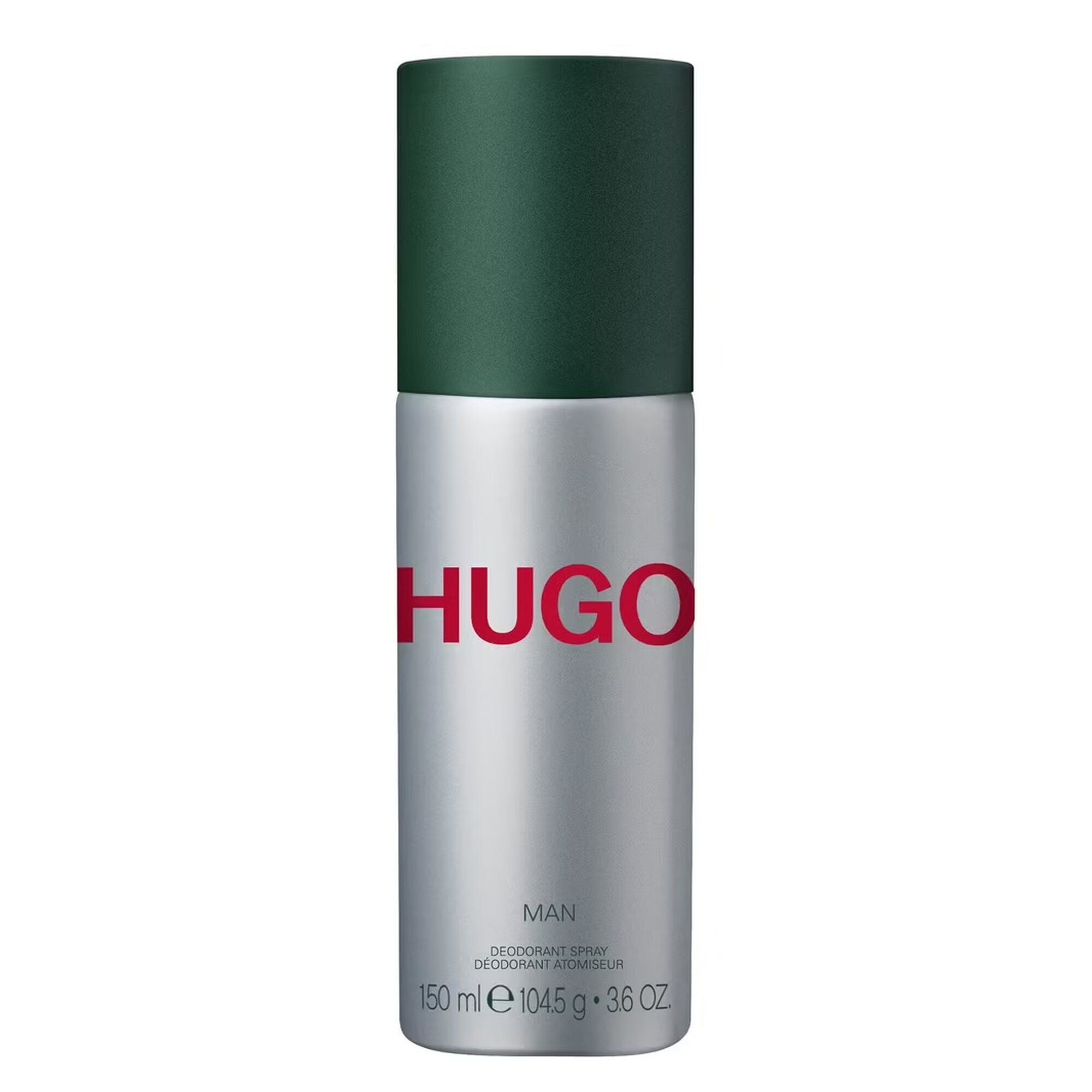
| Ozonic aromatic aquatic | airy-transparent-clean | ozone, marine air, Helional, white musk, lotus flower | L'Eau d'Issey pour Homme, Hugo |
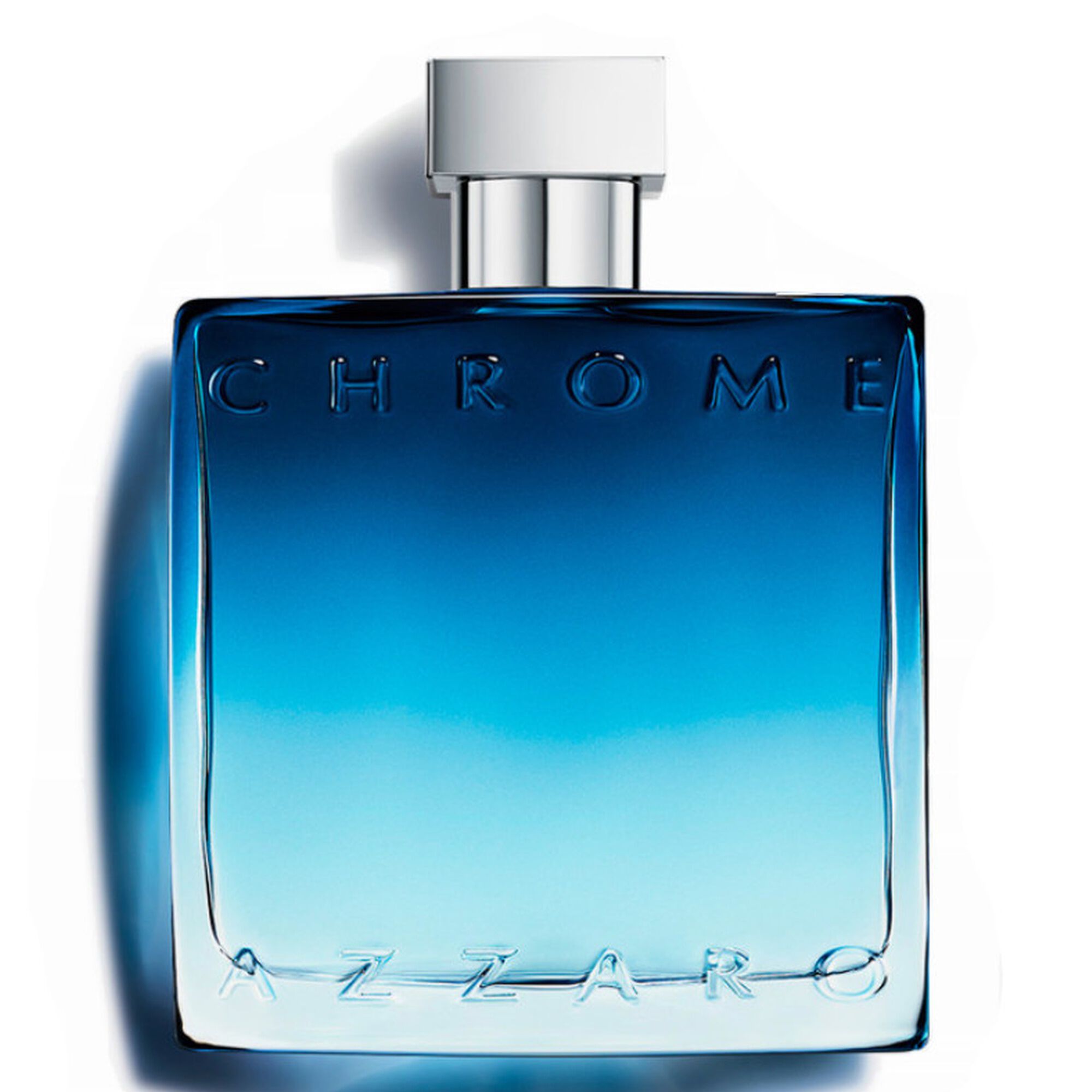
| Citrus aromatic aquatic | fresh-lemony-sparkling | bergamot, lemon, grapefruit, mint, vetiver | Chrome Azzaro, Essential Lacoste |
| Woody aromatic aquatic | fresh-deep-structured | cedar, vetiver, sandalwood, aquatic accord, oakmoss | Explorer Platinum, Cool Water Deep |
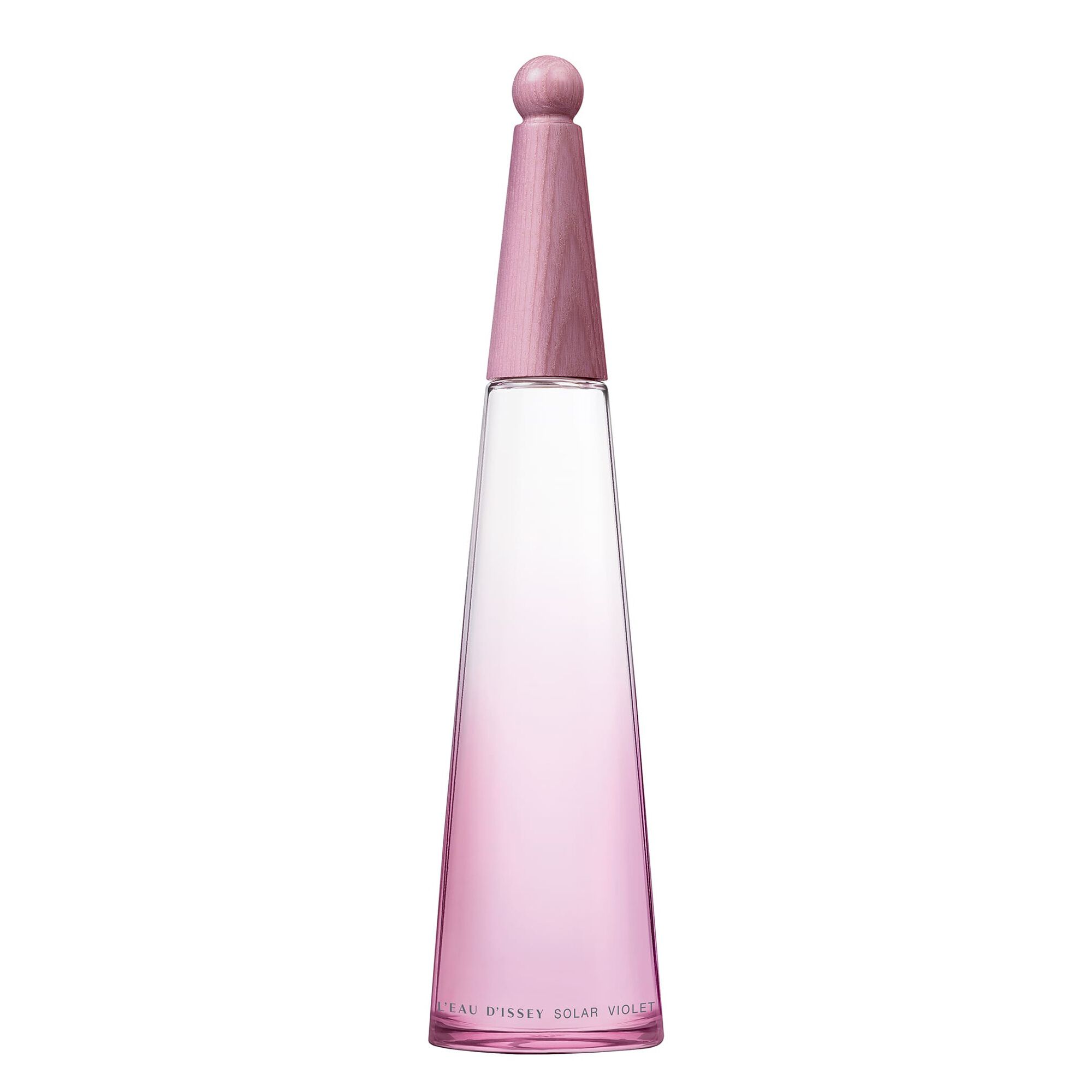
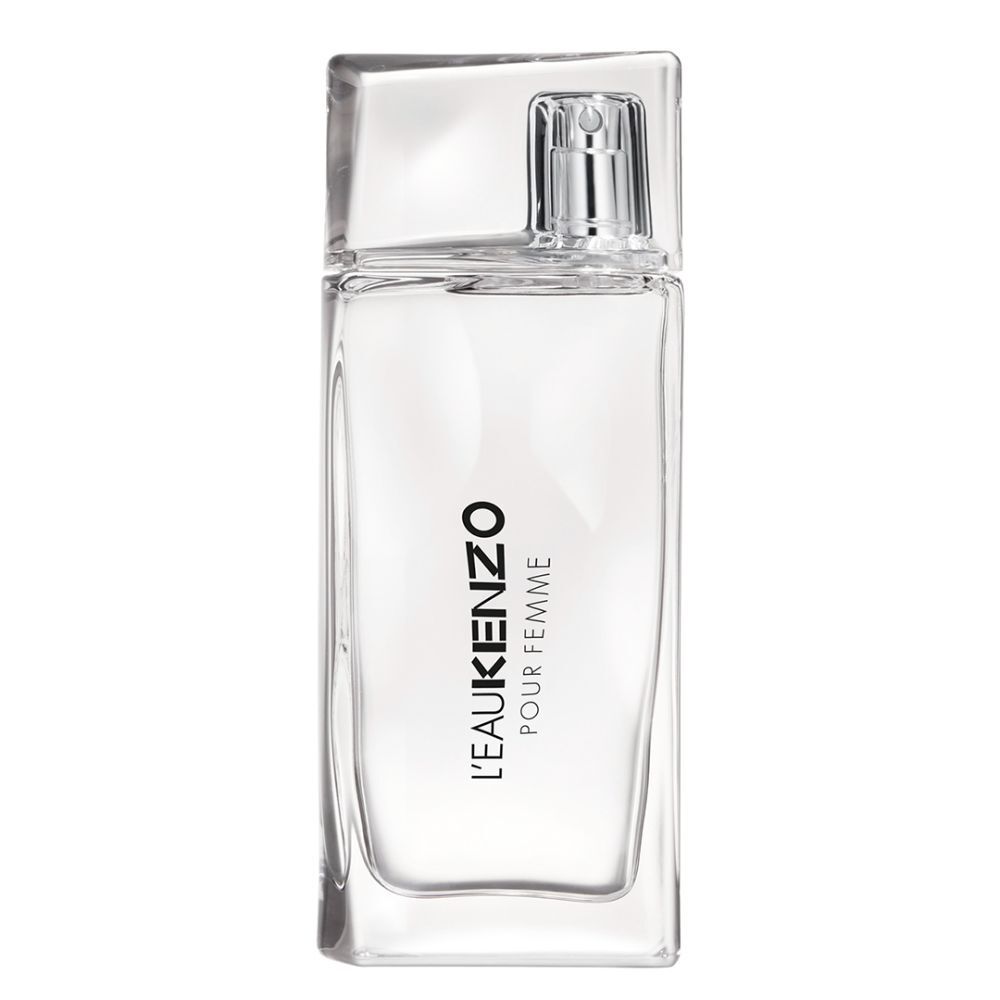
| Floral aromatic aquatic | fresh-delicate-feminine | water lily, peony, aquatic jasmine, white musk, watermelon | L'Eau d'Issey femme, L'Eau par Kenzo |
Marine aromatic aquatic
This is the most instantly recognisable profile in the family. The marine accord is dominant here: iodic, slightly salty, with seaweed and sometimes a touch of ambergris that adds depth. Cedar in the base structures the whole without weighing it down.
Acqua di Gio by Giorgio Armani and Cool Water by Davidoff are the two encyclopaedic references for this profile. One leans towards neroli and rosemary, the other towards lavender and mint — but both build the same base accord: fresh, marine, clean.
Ozonic aromatic aquatic
Here, we leave the sea for the air. Ozone and Helional — a molecule developed by IFF that evokes marine air after rain — give an airy, transparent, almost mineral profile. Less iodic than the marine profile, more abstract. White musk and lotus flower complete this impression of lightness.
L'Eau d'Issey pour Homme by Issey Miyake (1994) is the founder of this sub-family. Hugo by Hugo Boss (1995) is a more aromatic variation, with green apple and lavender. Both remain solid references thirty years after their launch.
Citrus aromatic aquatic
The most sparkling profile in the family. Bergamot, lemon and grapefruit bring immediate vibrancy, which mint and vetiver anchor into something fresher and less sweet. It's the easiest sub-family to wear day to day, the least divisive.
Chrome by Azzaro and Essential by Lacoste are the two best-sellers of this profile on the French market. To learn more about this branch, the citrus family is well worth exploring.
Woody aromatic aquatic
More structured, deeper. Cedar, vetiver, sandalwood and oakmoss take precedence over the aquatic accord, which becomes a connecting thread rather than a central element. The result is an aquatic that holds up better in the evening or in the mid-seasons.
Montblanc Explorer Platinum and Davidoff Cool Water Deep are the contemporary representatives of this profile. Worth mentioning too, purely as a factual reference, is the famous Bleu de Chanel, which borrows from this architecture. To go further into woody base notes, the woody family offers a full overview.
Floral aromatic aquatic
This is the dominant feminine variation of the family. Water lily, peony and aquatic jasmine replace the masculine aromatic herbs, over a base of light white musk. Watermelon sometimes adds a delicate fruity touch.
L'Eau d'Issey femme by Issey Miyake and L'Eau par Kenzo femme are the two pillars of this sub-family. Airy, transparent, wearable in every season.
Our selection: the best aquatic parfums for men in 2026
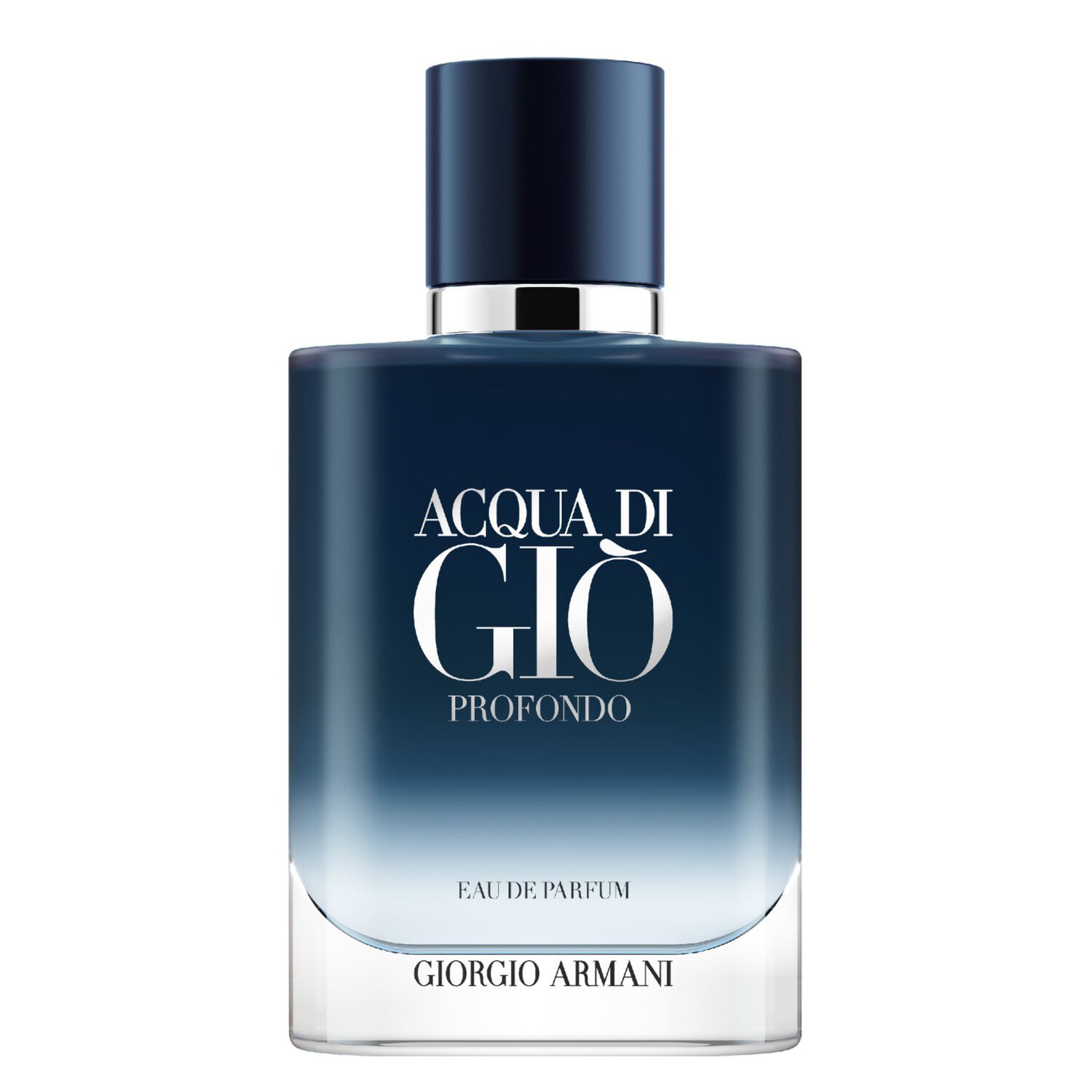
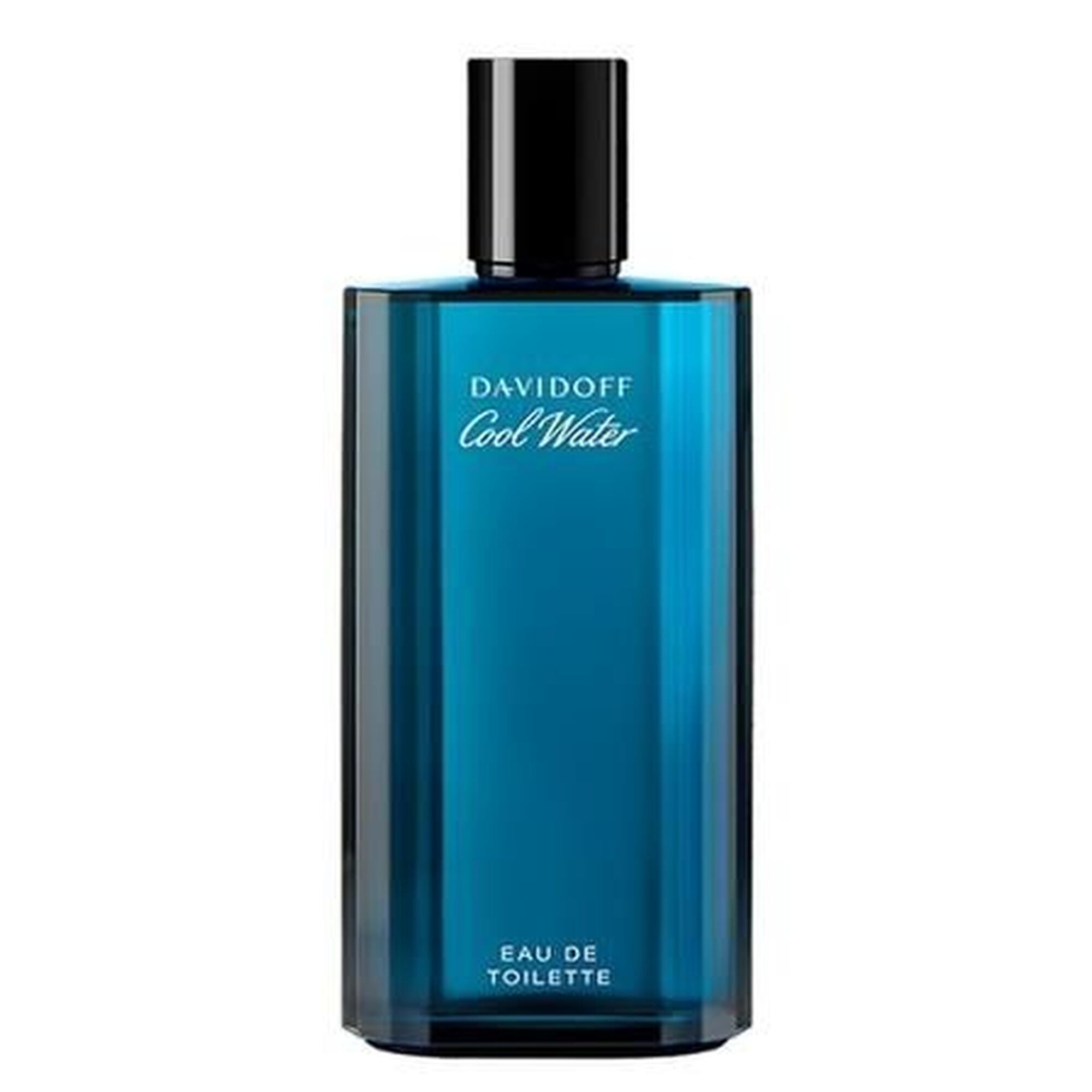
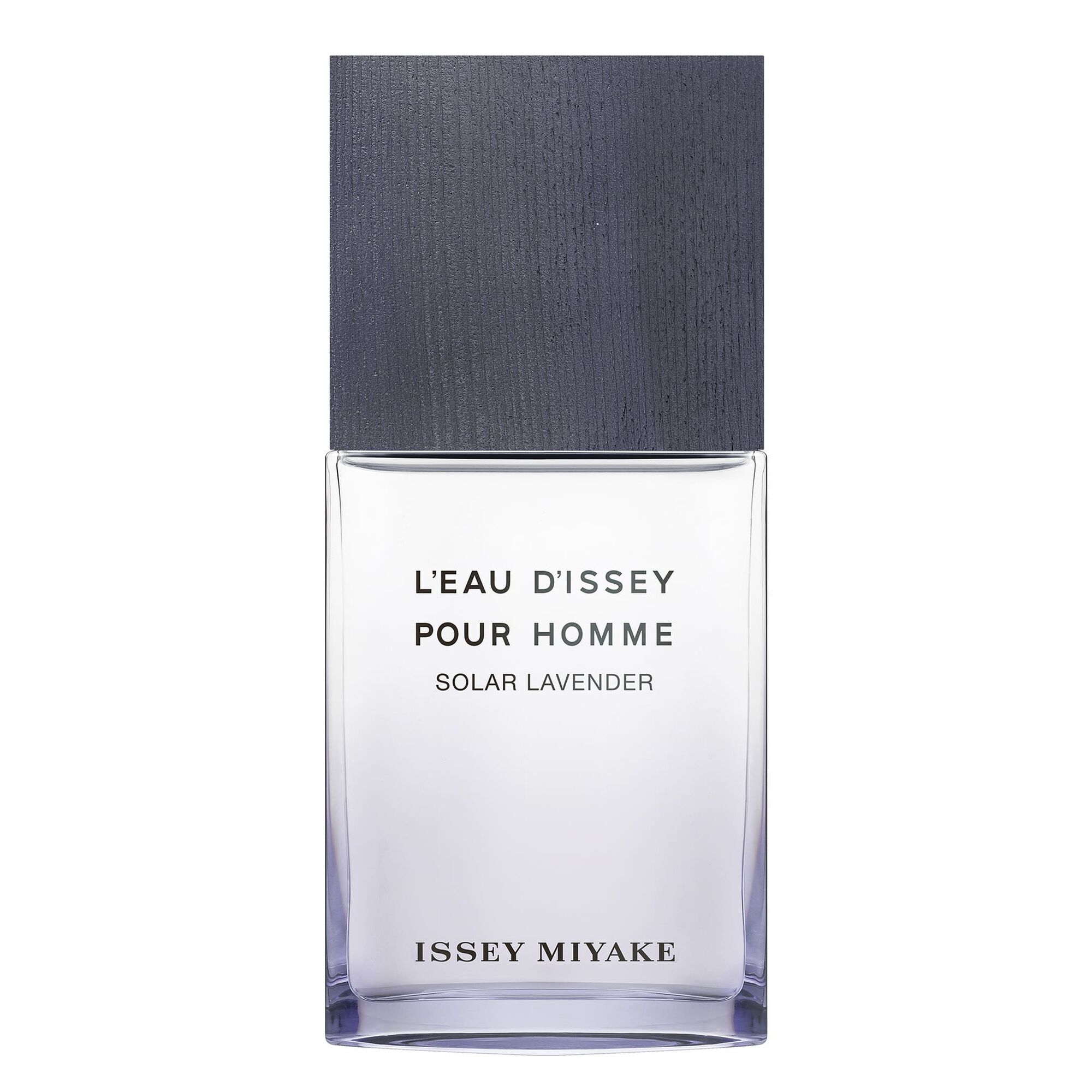
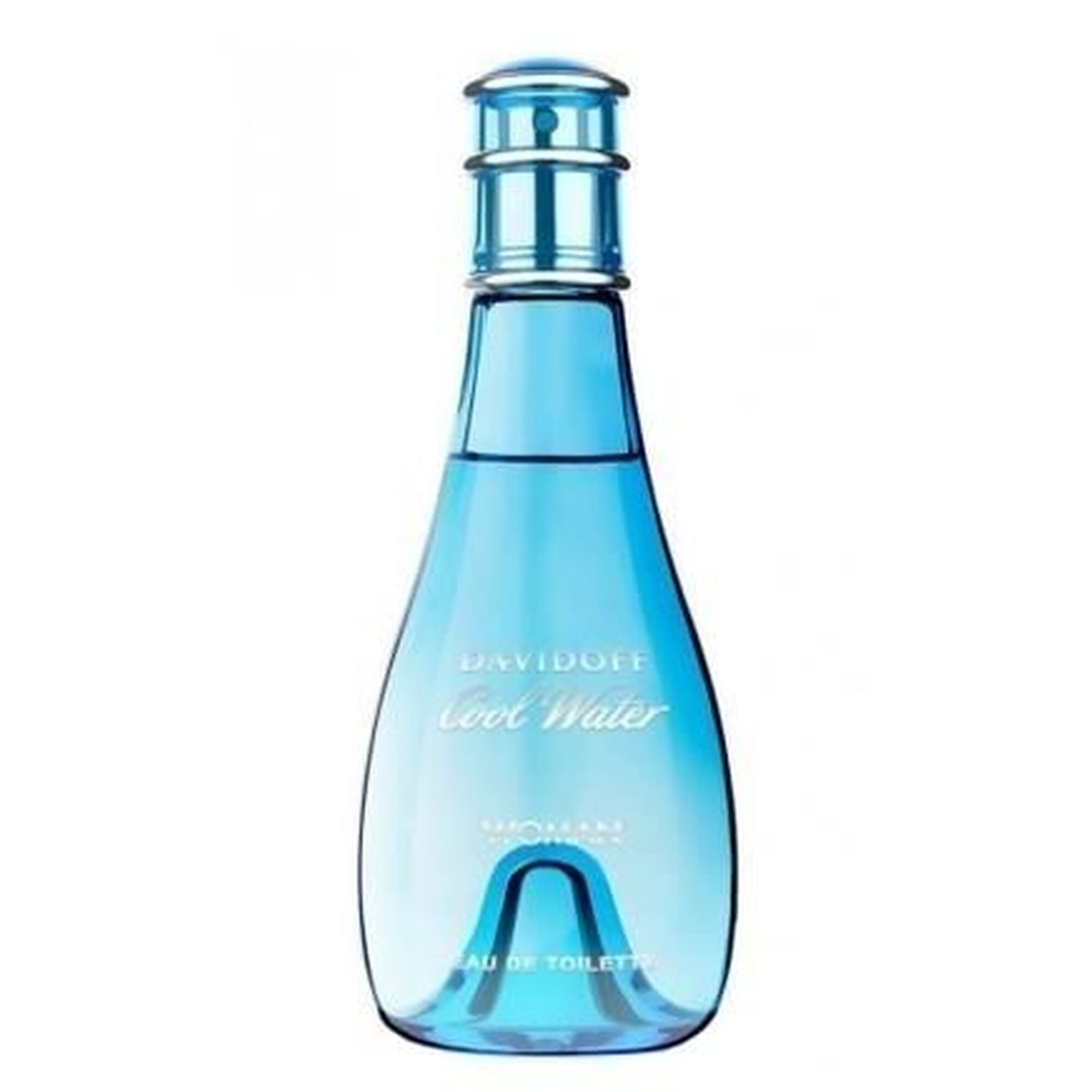
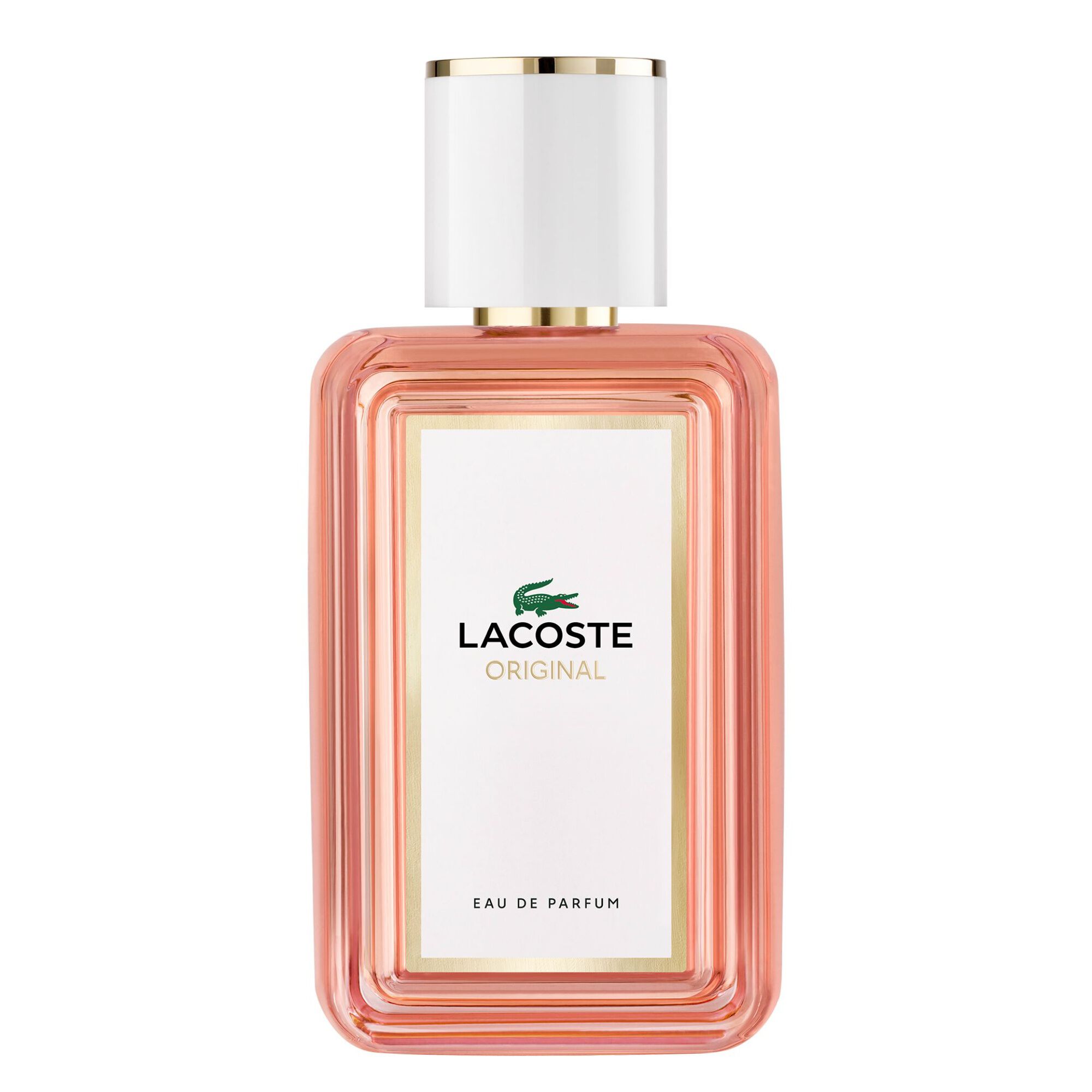
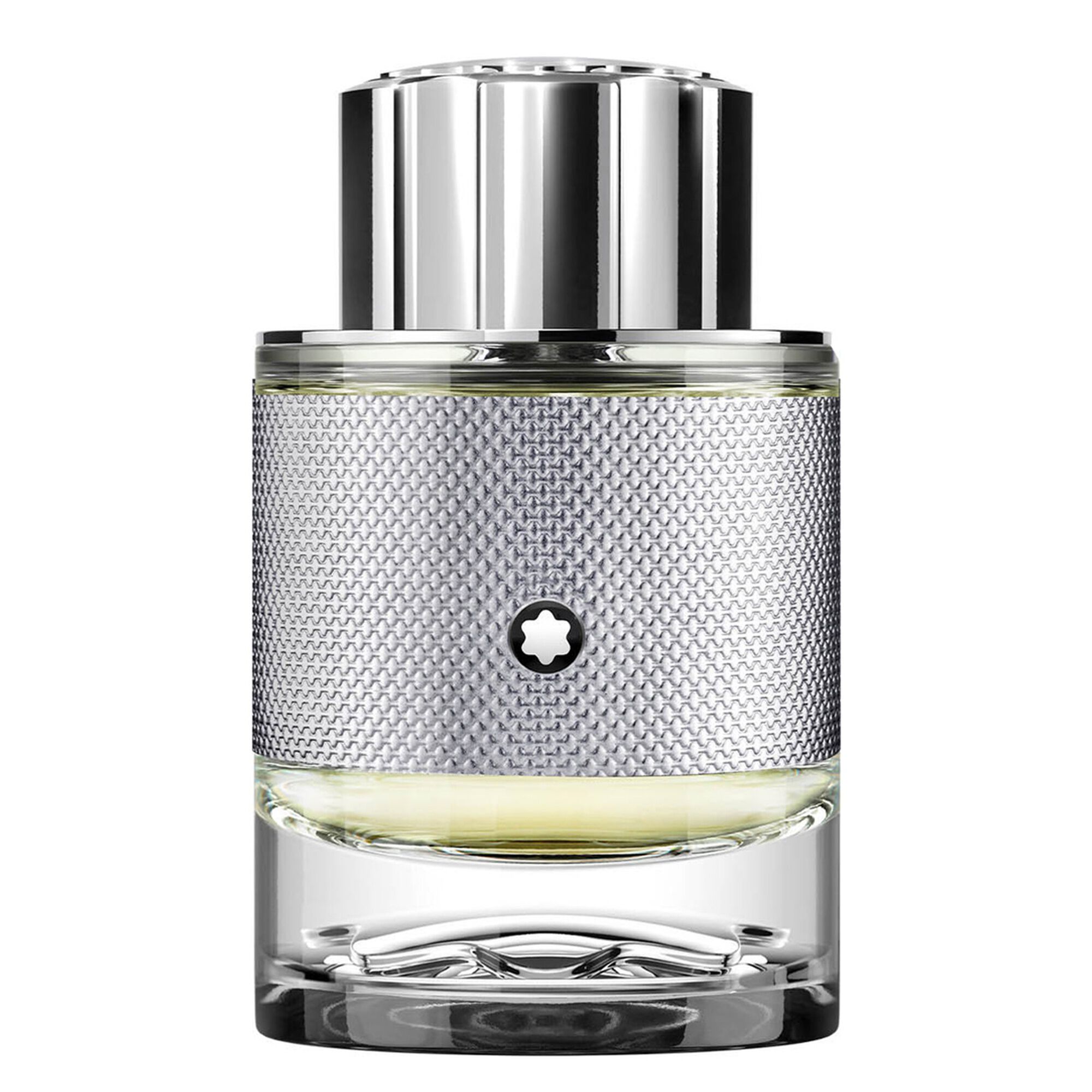
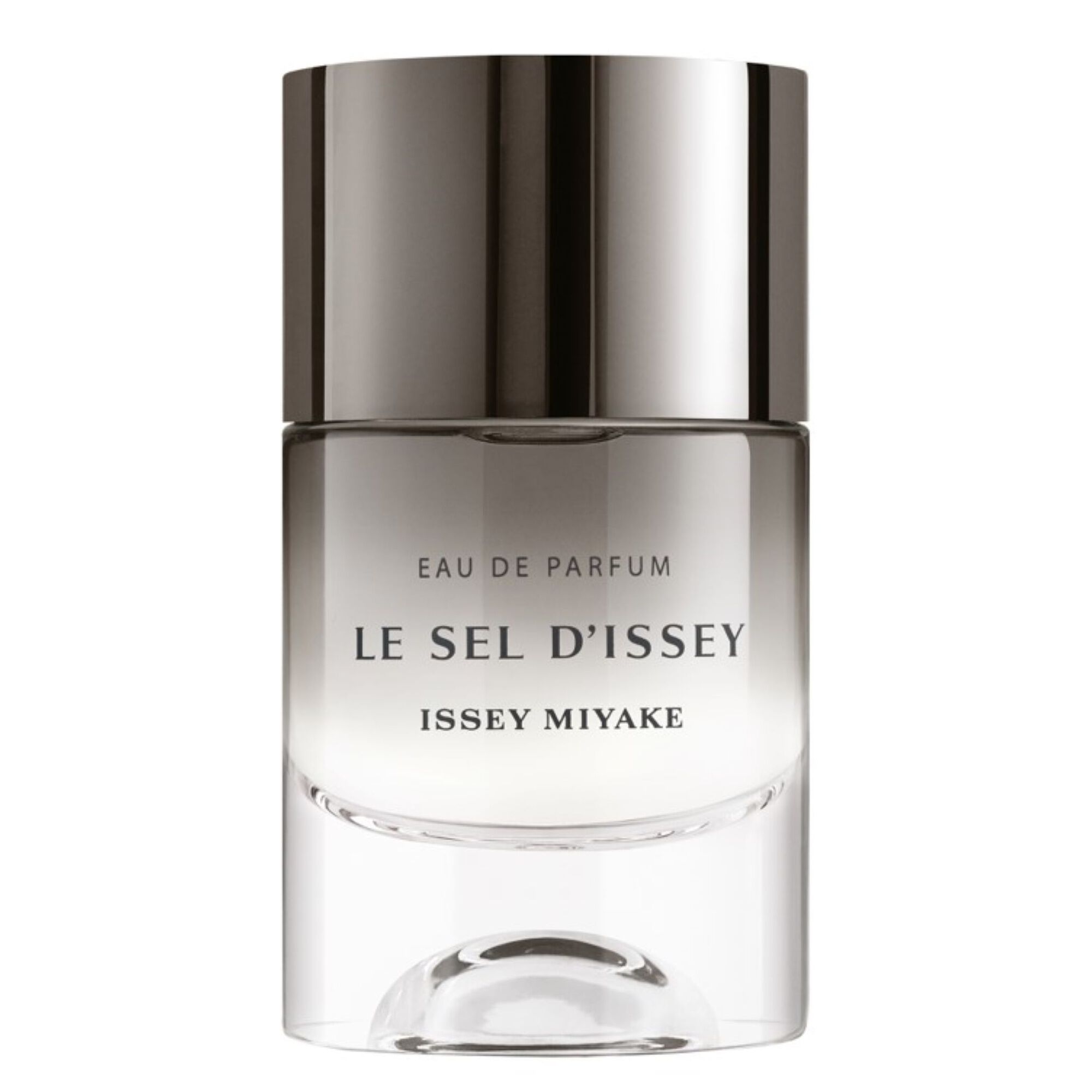
Six references, six different profiles. I've smelled and worn every one of them — some for years. Here's what I really think.
Acqua di Gio — Giorgio Armani
The absolute icon of the segment, and by far the best-selling men's aquatic parfum in the world since its 1996 launch. Iodic marine accord, rosemary and neroli at the top, cedar and white musk at the base. Fresh, clean sillage, decent longevity for an EDT. For the man who wants the reference point without hesitation. Available from Giorgio Armani.
Cool Water — Davidoff
The founder of the segment, launched in 1988 before the family even had a name. Mint, lavender and rosemary at the top over a fresh aquatic accord, sandalwood and musk at the base. A pure aromatic aquatic architecture, still in the top sales figures thirty-five years after launch. The quintessential pivot brand Davidoff.
L'Eau d'Issey pour Homme — Issey Miyake
Founder of the ozonic sub-family in 1994. Helional and yuzu at the top, cedar and white musk at the base: an airy, transparent, almost mineral profile. For the man who prefers lightness to iodic depth, pure air to the sea. The pivot brand Issey Miyake at its best.
Chrome — Azzaro
A best-selling men's citrus aquatic since 1996. Bergamot and lemon at the top, coriander and aquatic jasmine at the heart, vetiver and musk at the base. Fresh, sparkling, easy to wear day to day. Excellent value on the accessible segment — it's often the one I recommend for tighter budgets.
Hugo — Hugo Boss
A classic aromatic ozonic from the 90s, still relevant today. Green apple and mint at the top, geranium and lavender at the heart, cedar and white musk at the base. Airy, invigorating, clean. For the man looking for a light, casual fragrance without paying premium-brand prices.
Essential — Lacoste
A modern citrus aromatic aquatic, fresh and structured. Grapefruit and basil at the top, rosemary and cedar at the base. For the active man who wants a clean, summery fragrance, equally at home in the office or on a terrace. The value for money here is genuinely good.
A word on the ozonic sub-family. If the iodic marine profile isn't for you — too salty, too pronounced — ozonic is often the right alternative. The difference comes down to one molecule: where Calone reproduces seaweed and sea spray, Helional evokes pure air after rain, transparent and almost immaterial. L'Eau d'Issey pour Homme and Hugo Boss Hugo are the two ideal gateways into this world. For a complete selection, our guide to aquatic parfum for men goes further by profile and occasion.
Our selection: the best aquatic parfums for women in 2026
The feminine aquatic code isn't simply a softened version of the masculine one. It rests on three distinct pillars: floral aquatic (water lily, aquatic jasmine, peony), delicate ozonic (light Helional, lotus flower, white musk) and sometimes a fruity touch that brings the family closer to fruity-floral. The result is a more delicate, less herbaceous, often more transparent freshness.
L'Eau d'Issey — Issey Miyake
A feminine aquatic icon since 1992 and founder of the floral ozonic sub-family. Lotus flower and water lily at the top, peony at the heart, white musk and cedar at the base. Airy, transparent, timeless. For the woman who wants a light, clean fragrance, worn in every season without ever tiring of it.
L'Eau par Kenzo femme — Kenzo
A classic floral aquatic, fresh and accessible. Aquatic mint and lotus flower at the top, aquatic jasmine at the heart, white musk at the base. Light, summery, easy to wear. For the woman looking for a clean, floral fragrance without heaviness, at a very reasonable price.
Cool Water Woman — Davidoff
The feminine counterpart to Cool Water, from pivot brand Davidoff. Watermelon and pineapple at the top, aquatic jasmine and white musk at the base. Fresh, fruity-aquatic, accessible. For the woman who wants a simple, clean, summery aquatic without breaking the bank. A safe bet in the catalogue.
For niche enthusiasts, two references deserve a mention without further ado: Orto Parisi Megamare, a salty aquatic of rare intensity, and Maison Margiela Replica Beach Walk, which captures summer sea air with almost photographic precision. Neither is in our catalogue, but both give an idea of what the family can achieve at its most demanding level.
Our guide to aquatic parfum for women explores each profile further, with recommendations by season and occasion.
Aquatic, marine and ozonic parfum: what are the differences?
This is the question I hear most often in the boutique, and it's also the one search engines handle least well. Here's a precise answer.
| Family | Signature material | Sensory profile | Best season |
|---|---|---|---|
| Aromatic aquatic | Calone + aromatic herbs | fresh, herbaceous, moderate marine | spring / summer |
| Marine | Dominant Calone, ambergris, seaweed | iodic, salty, raw, open sea | summer |
| Ozonic | Helional, ozone | airy, transparent, clean, mineral | all seasons |
The aromatic aquatic parfum: fresh herbs and sea spray
Aromatic aquatic is a hybrid family by construction. Calone brings the marine accord, but it's tempered by the aromatic notes — lavender, mint, rosemary — which give it a green, herbaceous dimension. The result is less raw than a pure marine, more grounded in something tangible.
Cool Water (1988) and Acqua di Gio (1996) are the two founding milestones of this architecture. Thirty years on, they're still the references we return to when defining the family. The aromatic-aquatic pairing remains the most balanced formula for a versatile fresh men's parfum.
The marine parfum: iodine, salt and the open sea
In a pure marine parfum, Calone is dominant. Not tempered by herbs, not softened by florals — it expresses itself fully, with iodic, salty notes, seaweed and sometimes ambergris evoking the seabed. The profile is rawer, wilder, less universally appealing.
It's a family for those who really want to smell the sea, not merely approach it. It's less versatile than aromatic aquatic, but more assertive. The marine note deserves a dedicated feature, such is the singularity of its chemistry.
The ozonic parfum: pure air after rain
Ozonic rests on a different molecule: Helional. Where Calone reproduces seaweed and sea spray, Helional evokes air after rain, ozone, something immaterial and transparent. No iodic notes, no sea salt — just lightness and cleanliness.
L'Eau d'Issey pour Homme by Issey Miyake (1994) is the founding reference of this sub-family. Its airy, mineral profile opened a path that many houses have since followed. It's also the family most worn across all seasons, including autumn and mild winter, where marine and aromatic aquatic can feel out of place.
How to choose between the three worlds?
The rule is simple. If you're looking for a balanced herbaceous and marine freshness, worn daily from spring through summer, aromatic aquatic is the right choice. If you want something rawer, saltier, more evocative of the open sea, head towards pure marine. If you prefer something airy and transparent, evoking clean air rather than the sea, ozonic is your family. Our aquatic for women selection also covers these distinctions for the women's segment.
Aquatic parfum and the marine note: freshness and minerality
What is the marine note in perfumery?
The marine note in perfumery is an entirely synthetic construction. There is no natural material that smells of the sea — sea water has no extractable scent. It was Calone, developed by IFF in 1951 and popularised in commercial formulas from the 1990s onwards, that made this olfactive illusion possible.
The molecule reproduces the scent of fresh seaweed and sea spray with astonishing precision. Davidoff Cool Water (1988) and Acqua di Gio (1996) are the two milestones that installed the marine note in mainstream perfume vocabulary. Since then, it has featured in hundreds of formulas, from mass market to niche. To go further into this material, our marine accord feature details its chemistry and uses.
Our marine aquatic selection at Tendance Parfums
Cool Water — Davidoff. The founding marine accord. Mint, lavender, sandalwood — an aromatic aquatic architecture that laid the foundations of the segment. An encyclopaedic reference from a pivot brand.
L'Eau d'Issey pour Homme — Issey Miyake. Ozonic-marine profile, Helional and white musk. Airy and mineral, the opposite of raw iodic. Lightness at its peak.
Acqua di Gio — Giorgio Armani. Iodic-salty marine accord, rosemary and cedar. The absolute icon of the popular marine segment, still unmatched on its own turf thirty years after launch.
Aquatic parfum: for women or for men?
Gender binaries within aquatics are increasingly a thing of the past. Historically, the family developed on the men's segment — Cool Water, Acqua di Gio, L'Eau d'Issey pour Homme. But feminine variations quickly followed, with more floral and delicately ozonic profiles.
Today, several aquatics are worn without any gender distinction. Le Sel d'Issey by Issey Miyake (2024), a contemporary salty aquatic with sea salt and seaweed, is designed for a unisex clientele. In niche perfumery, Orto Parisi Megamare and Room 1015 Wavechild fully embrace this crossover appeal. The underlying trend is clear: gender codes are fading in favour of pure olfactive profile.
How to wear an aquatic parfum
Aquatic parfum for which season?
The family is made for spring and summer. The immediate freshness of aquatic molecules and the lightness of aromatic herbs come alive on warm skin. In full summer, even an EDT holds up well and diffuses naturally.
In the mid-seasons — September, April — the woody and ozonic sub-families adapt better. Montblanc Explorer Platinum, with its cedar and vetiver base, or L'Eau d'Issey pour Homme, airy in all seasons, remain relevant into mild autumn. In deep cold, however, light aquatics fade quickly on the skin and lose their appeal.
Aquatic parfum: day or evening?
By day, the lighter sub-families — marine, ozonic, citrus aquatic — are ideal. An EDT is enough for a day at the office or a sporty outing. The airy sillage doesn't bother those around you, which is a real advantage in enclosed spaces.
In the evening, woody aquatic or a denser ozonic hold up better. For a casual occasion, a marine or citrus aquatic is still entirely appropriate. It's a family that doesn't really have a strictly "evening" place — but it can earn one if the concentration is high enough.
Do aquatic parfums have good longevity?
Honestly, this is the family's weak point. Aquatic molecules are light and volatile by nature: an aquatic EDT lasts on average three to five hours on dry skin. Recently, a customer asked me why their Acqua di Gio disappeared after lunch — that's simply the norm for this type of fragrance.
A few tips to improve longevity: apply to moisturised skin (an unscented cream helps retain the molecules better), target pulse points — wrists, neck, inner elbow — and avoid rubbing after application. For greater longevity, EDP or concentrated versions of certain references, such as Le Sel d'Issey in its eau de parfum version, offer a longer-lasting sillage.
Frequently asked questions about aromatic aquatic parfums
What is an aromatic aquatic parfum?
An aromatic aquatic parfum combines herbaceous notes — lavender, rosemary, mint — with synthetic aquatic accords evoking the sea or marine air. Born in the 1990s with Calone, it's today one of the best-selling families in men's perfumery in Europe.
What are the best aromatic aquatic parfums?
The standout references are Acqua di Gio by Giorgio Armani (iodic marine), Cool Water by Davidoff (the founding aromatic aquatic) and L'Eau d'Issey pour Homme by Issey Miyake (ozonic). For women, L'Eau d'Issey and L'Eau par Kenzo remain the pillars of the segment.
What is the best aquatic parfum for men?
It depends on the profile you're after. For a classic iodic marine: Acqua di Gio. For a founding aromatic aquatic: Cool Water. For something airy and transparent: L'Eau d'Issey pour Homme. Our guide to aquatic parfum for men details each profile.
What is the best aquatic parfum for women?
L'Eau d'Issey by Issey Miyake is the founding reference: floral ozonic, airy, timeless. L'Eau par Kenzo offers a more accessible floral aquatic profile. Cool Water Woman by Davidoff is the most affordable and most summery option. Our aquatic for women guide explores the subject further.
What is the difference between an aquatic, marine and ozonic parfum?
Aromatic aquatic blends fresh herbs with a moderate marine accord. Pure marine relies on dominant Calone — iodic, salty, raw. Ozonic rests on Helional, which evokes air after rain rather than the sea. Three distinct profiles for three different freshness experiences.
Which parfum smells like the ocean or sea water?
Acqua di Gio by Giorgio Armani is the mainstream reference closest to an oceanic accord. Cool Water by Davidoff and Le Sel d'Issey by Issey Miyake cover, respectively, the classic aquatic profile and the contemporary salty one.
What are the aquatic olfactive notes?
The main aquatic notes are synthetic: Calone (seaweed, sea spray), Helional (marine air, ozone), and the marine accord (sea salt, iodic). They pair with natural notes such as water lily, lotus flower, watermelon, ambergris, and woody base notes like cedar or vetiver.
Do aquatic parfums have good longevity?
On average, three to five hours for an aquatic EDT. The molecules are light and volatile by nature. To improve longevity: moisturised skin, pulse points such as the wrists and neck, no rubbing after application. EDP or concentrated versions offer better longevity.