
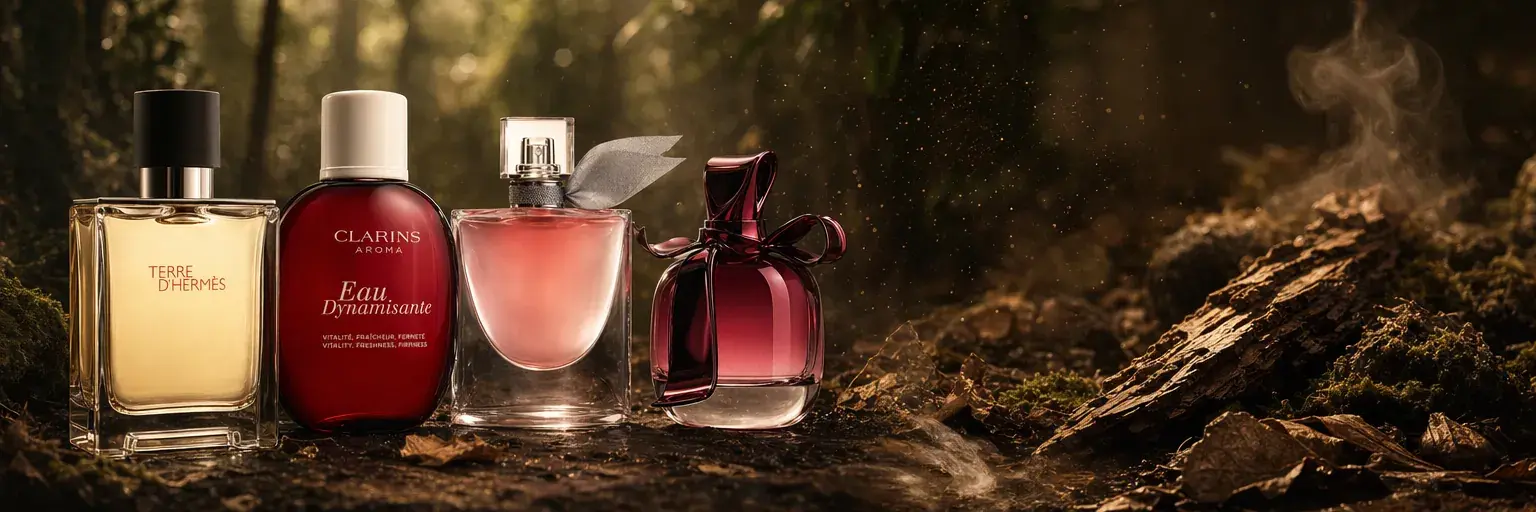
Patchouli perfume: buying guide and best fragrances 2026
Patchouli is arguably the most maligned note in perfumery… and yet one of the most present. It's still associated with the 1970s and its heady oil, when in reality it is the secret foundation of a huge part of modern perfumery, from the great chypres to the most addictive gourmands. Earthy and dark in its raw state, chocolatey and refined once reworked, patchouli is a fascinating chameleon.
This guide explains what patchouli really is, how it went from the hippie flacon to today's most beautiful compositions, and presents a selection we know well and offer at Tendance Parfums.
Patchouli in perfumery: what is it?
The patchouli note: an olfactory description
Patchouli is the oil extracted from the dried and fermented leaves of Pogostemon cablin, a plant native to Southeast Asia. Its scent is instantly recognisable: woody, earthy, slightly camphorous, with a dark, almost chocolatey and wine-like base. It evokes damp forest, earth after rain, ancient wood.
It is an exceptionally tenacious base note, which also acts as a fixative: it extends the sillage and anchors the other notes. A rare quality, patchouli actually improves with age — as its oil matures, it loses its raw edge and gains roundness.
From raw patchouli to heart-note patchouli
Patchouli's dated image comes from its raw oil, heavy and camphorous, popularised in the 1960s-70s. Modern perfumery has changed everything by isolating "heart-note patchouli": a refined fraction that retains the woody, chocolatey depth while eliminating the earthy, musty facets. The result: a clean, elegant patchouli that today slips into countless perfumes without being detected.
| Form | Character | Use |
|---|---|---|
| Raw patchouli | Earthy, camphorous, dark, vintage | Classic chypres, orientals |
| Heart-note patchouli (fraction) | Chocolatey, clean, velvety | Modern gourmands and chypres |
The facets of patchouli
| Facet | Sensation | Suited to |
|---|---|---|
| Earthy / raw | Damp forest, dark, vintage | Lovers of bold character |
| Chocolatey / gourmand | Cacao, velvety, addictive | Modern gourmand profiles |
| Chypre | Elegant, mousse and bergamot | Refined classics |
| Woody / dry | Clean, masculine, understated | Those who favour woody subtlety |
Patchouli, a pillar of chypres and orientals
Few notes have shaped the history of perfumery as much as patchouli. As early as the 19th century, its scent travelled in cashmere shawls that were perfumed with patchouli leaf to protect them from moths — this is how the West discovered it, long synonymous with exoticism and the Orient.
In fine perfumery, patchouli is above all a structural note. Paired with bergamot and oakmoss, it forms the chypre accord, one of the most noble and enduring structures ever created. It is also found at the base of the great orientals, where its deep earthiness supports amber, spices and resins to lend warmth and longevity.
Modern perfumery has reinvented the note with "clean" patchouli molecules (the patchoulols): stripped of its most earthy and camphorous facet, this refined, transparent and slightly fruity patchouli has become the signature of contemporary fruity chypres and gourmand florals, worn by both men and women alike.
The great patchouli accords
- Patchouli + bergamot + oakmoss: the structure of the chypre, one of the most noble architectures in perfumery.
- Patchouli + praline / vanilla: the modern gourmand accord, chocolatey and addictive, which revolutionised 1990s perfumery.
- Patchouli + rose: the contemporary "rose-patch", dark and distinguished, very much in vogue.
- Patchouli + citrus + vetiver: masculine woody freshness, crisp and elegant.
- Patchouli + amber / leather: a deep, sensual oriental with strong character.
The best patchouli perfumes
Here is a selection of fragrances where patchouli plays a central role, from the rawest to the most refined.
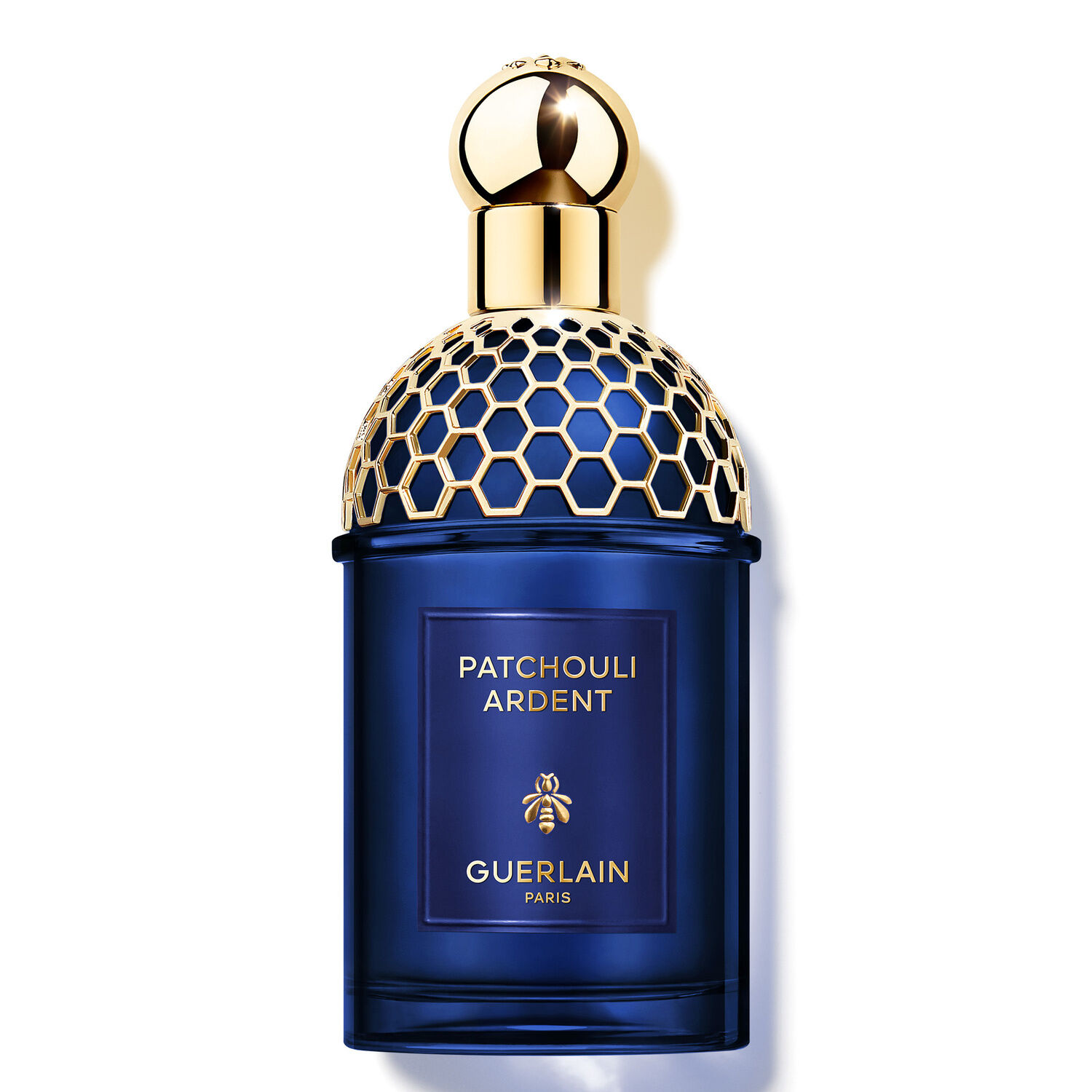
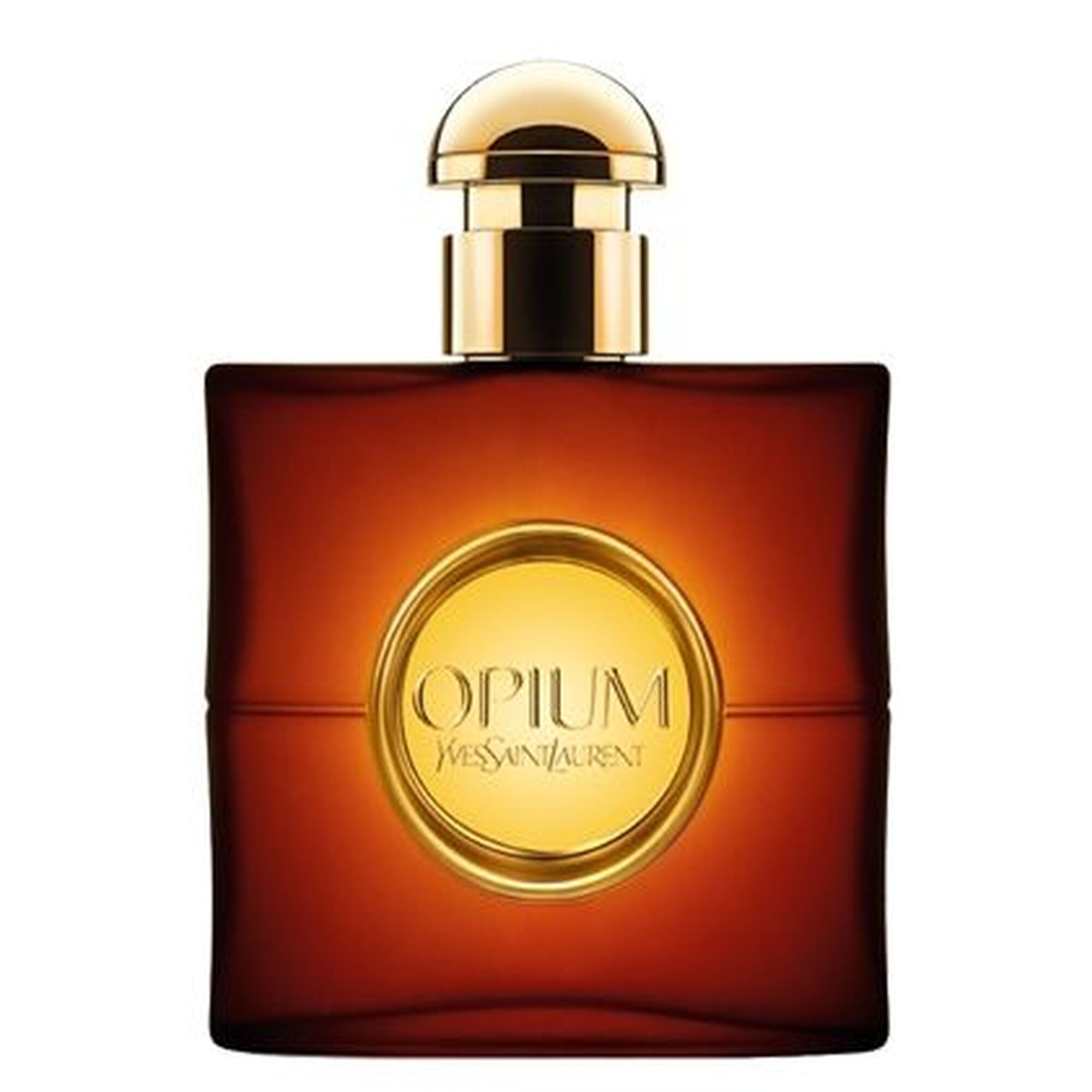
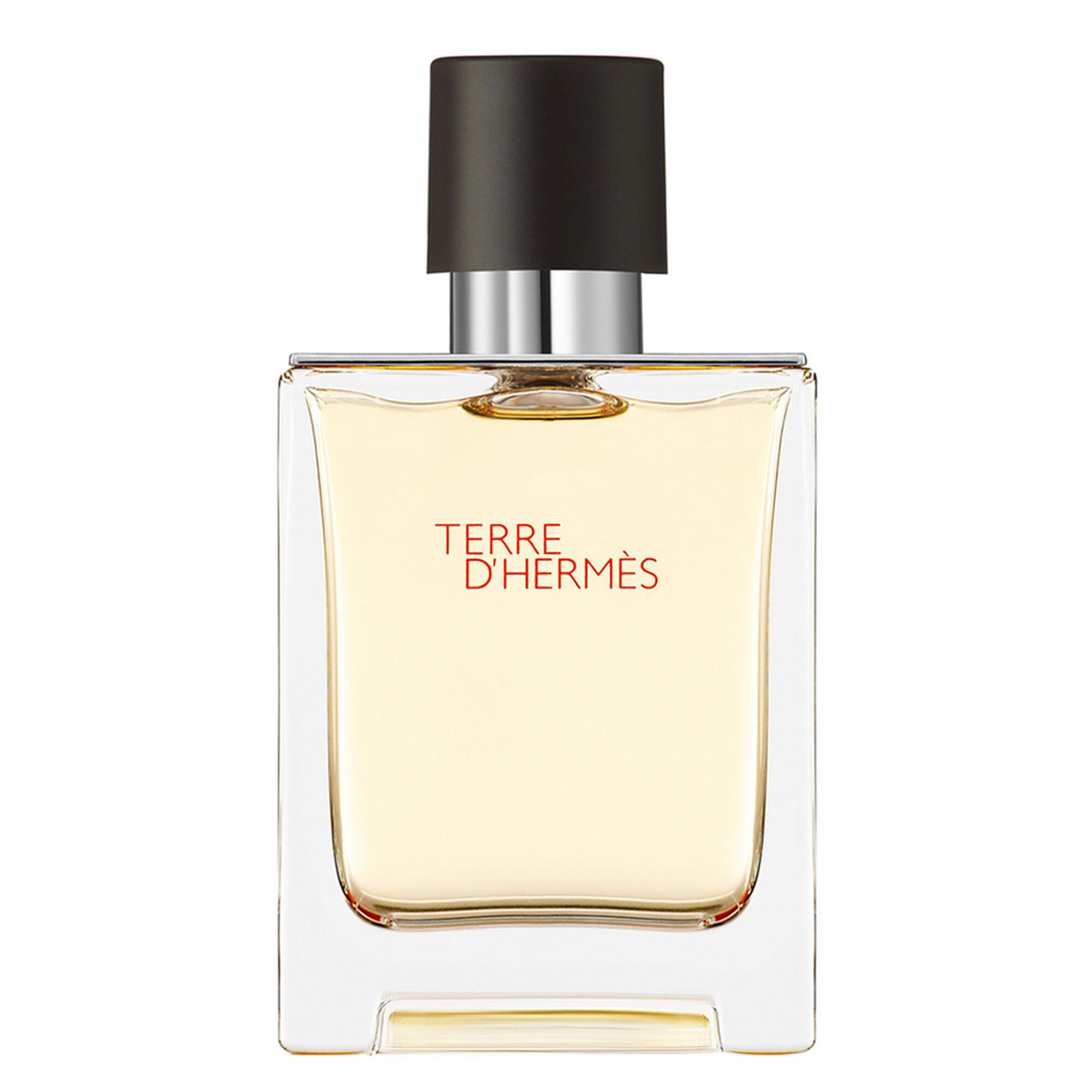
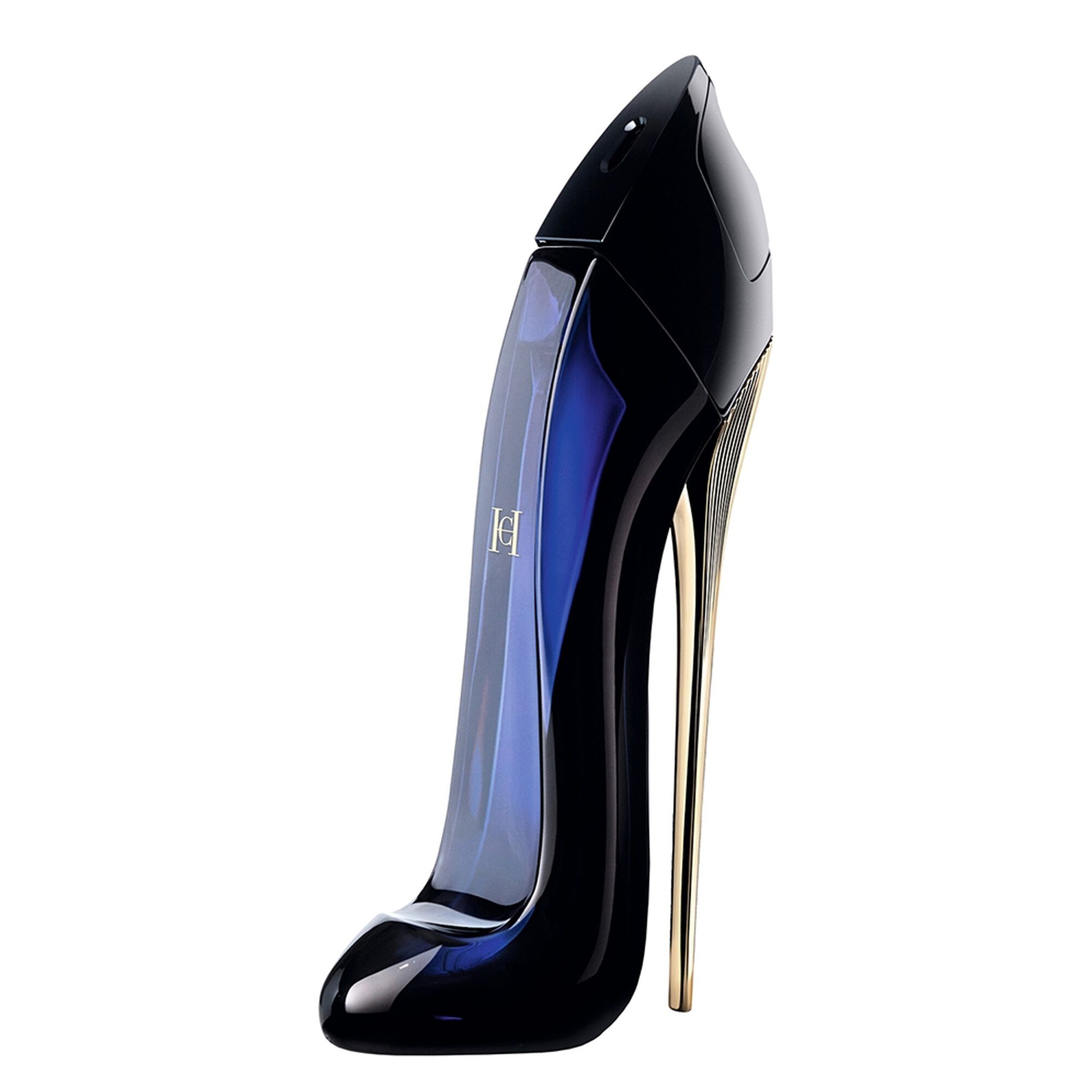
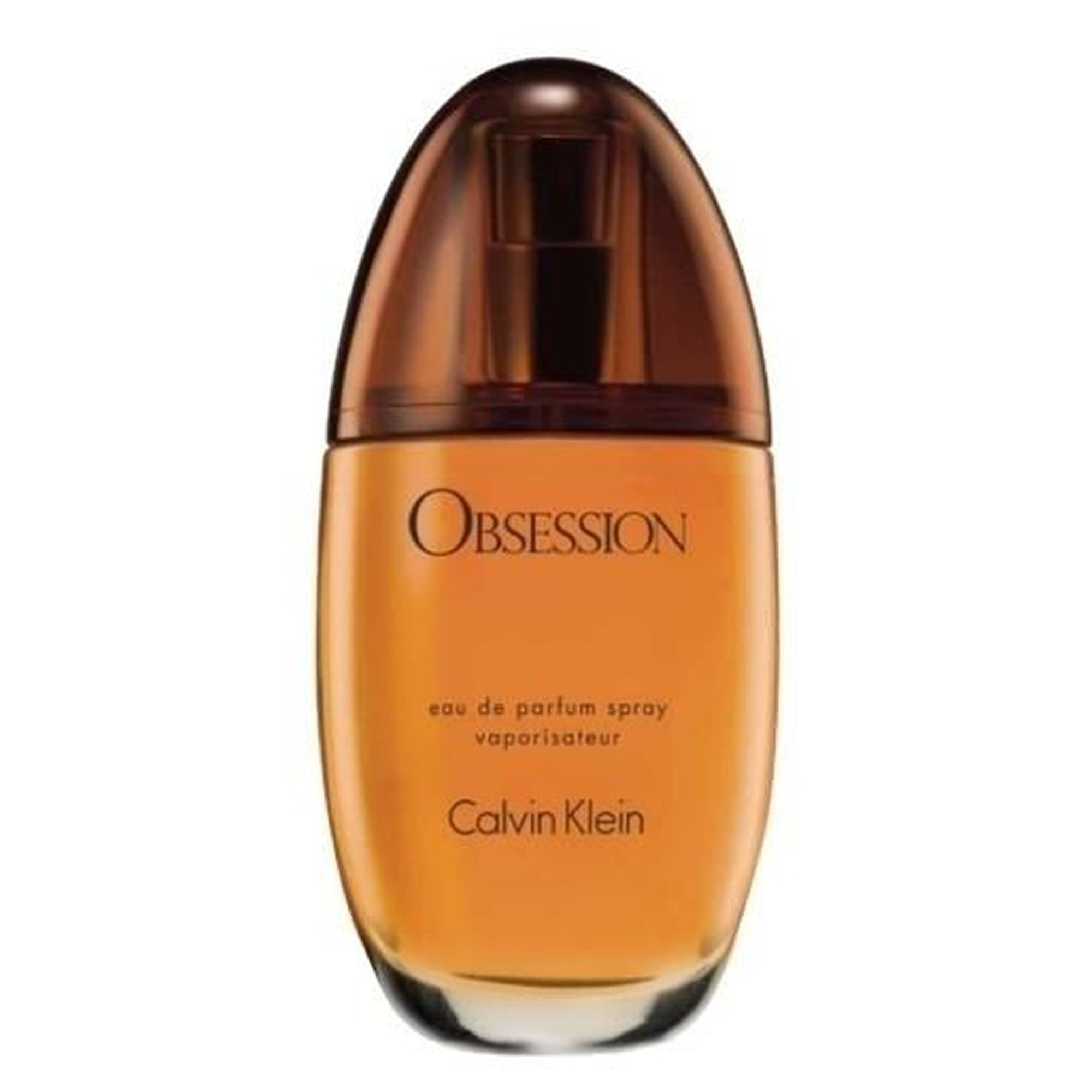
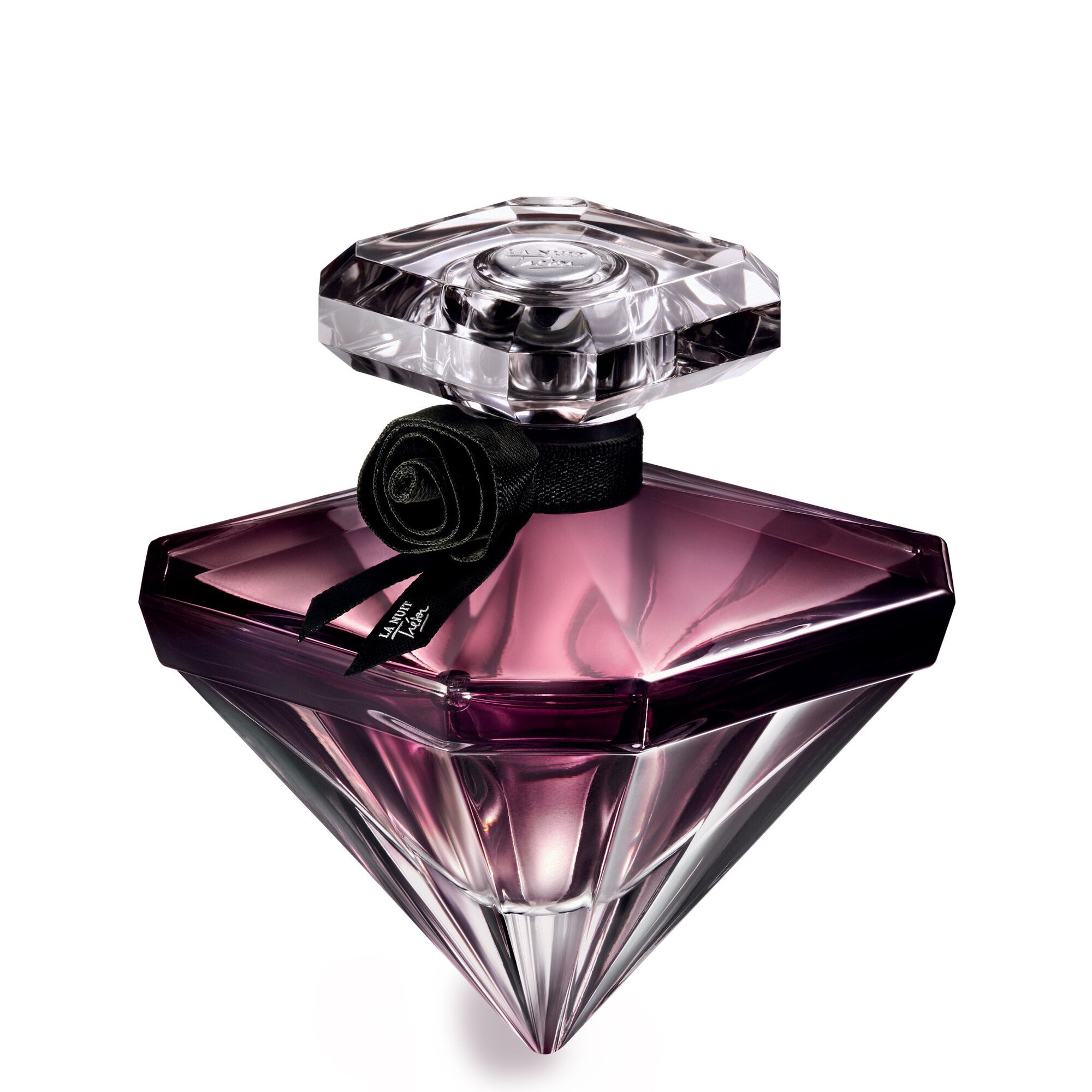
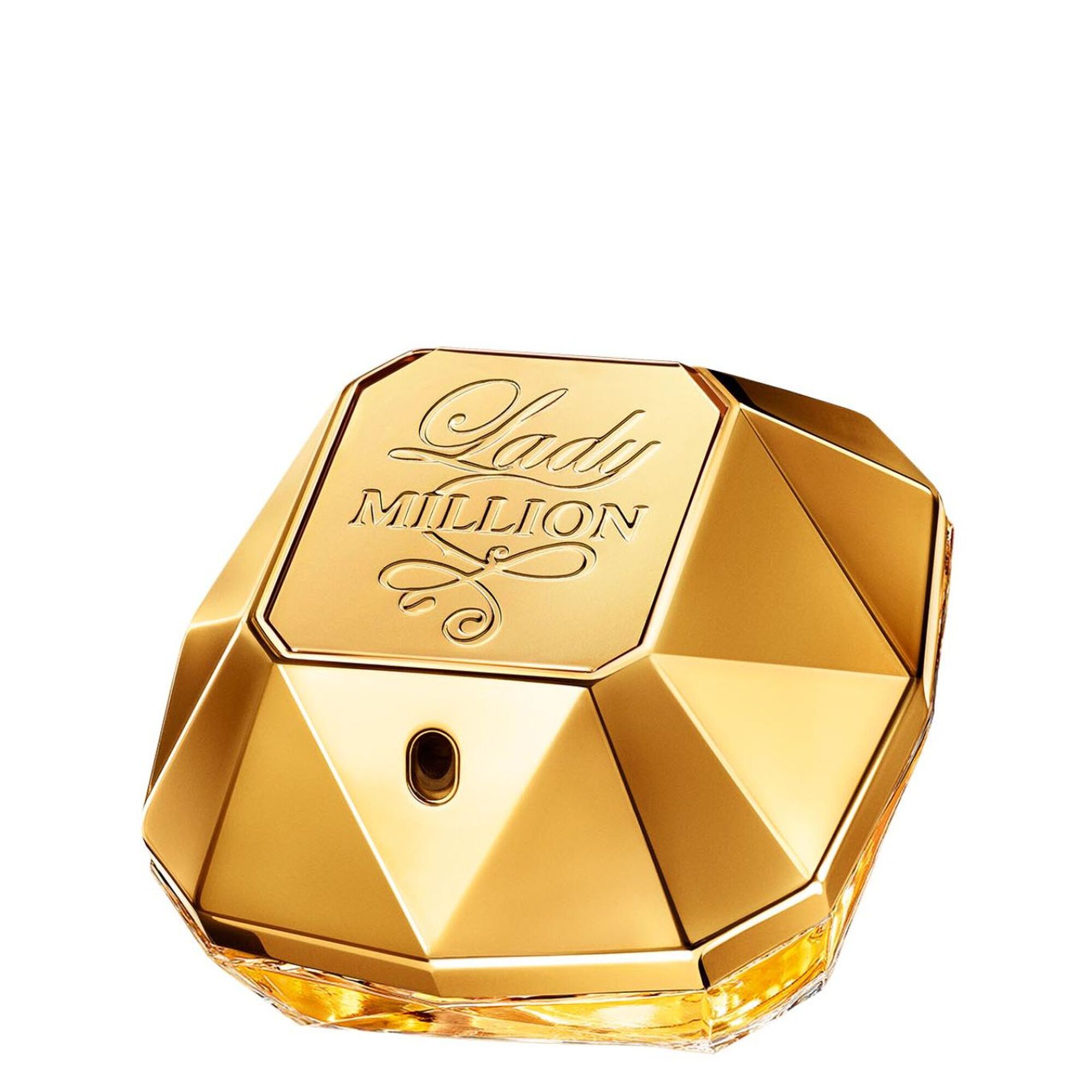
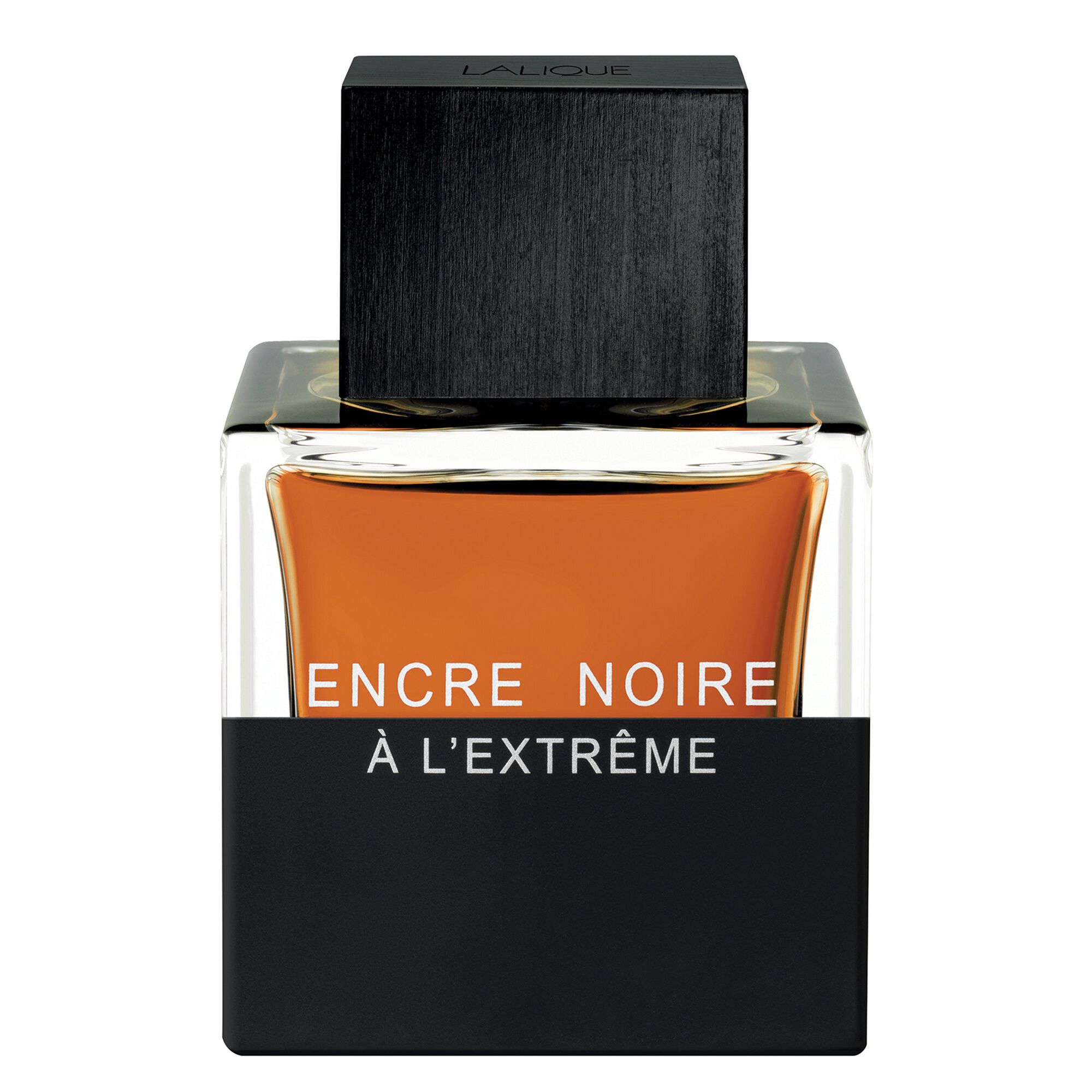
For patchouli in its most assertive form, Guerlain Patchouli Ardent delivers an intense, amber reading. The great oriental classics YSL Opium and Calvin Klein Obsession rely on it for their spicy depth, while Carolina Herrera Good Girl illustrates the modern gourmand patchouli, blended with tonka and almond.
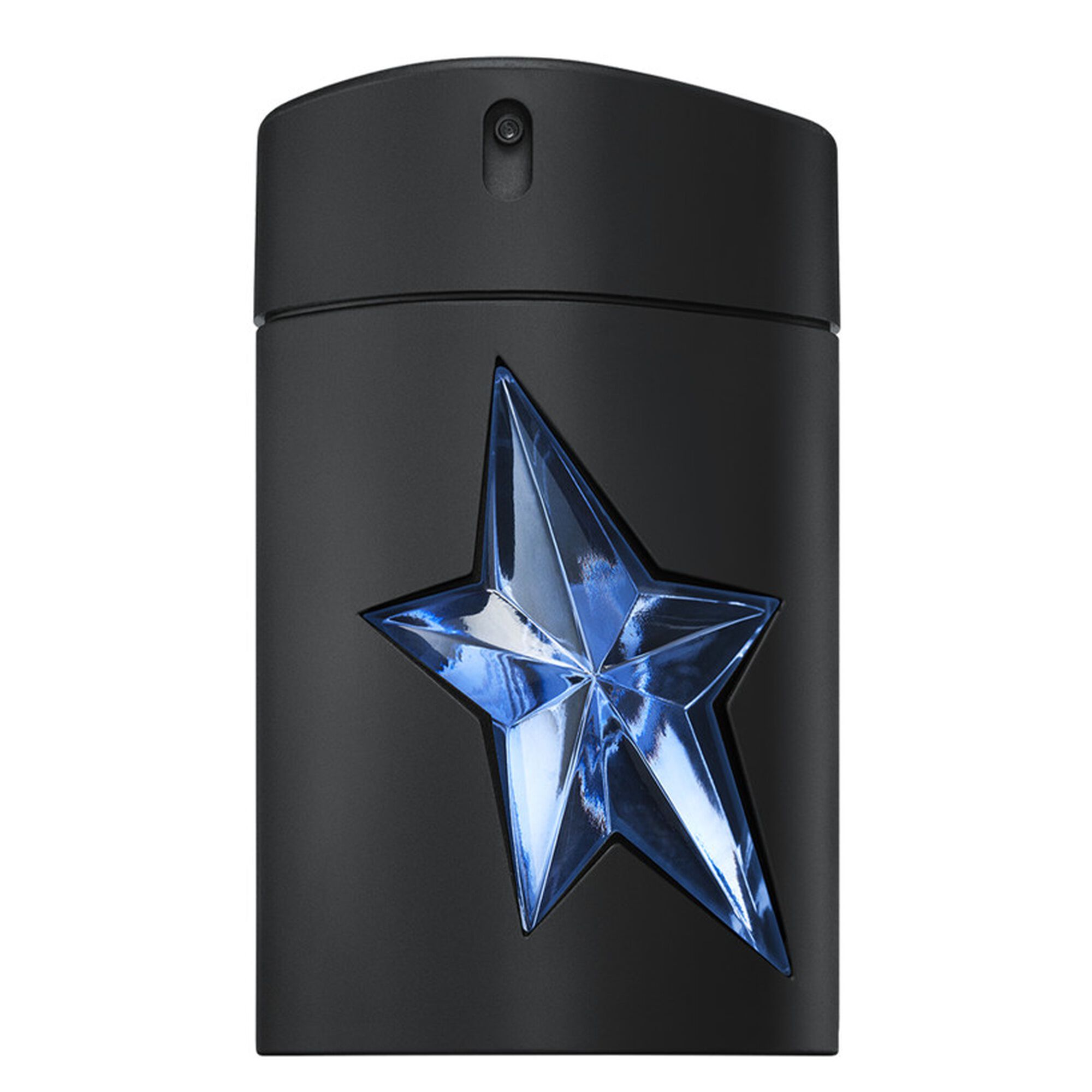
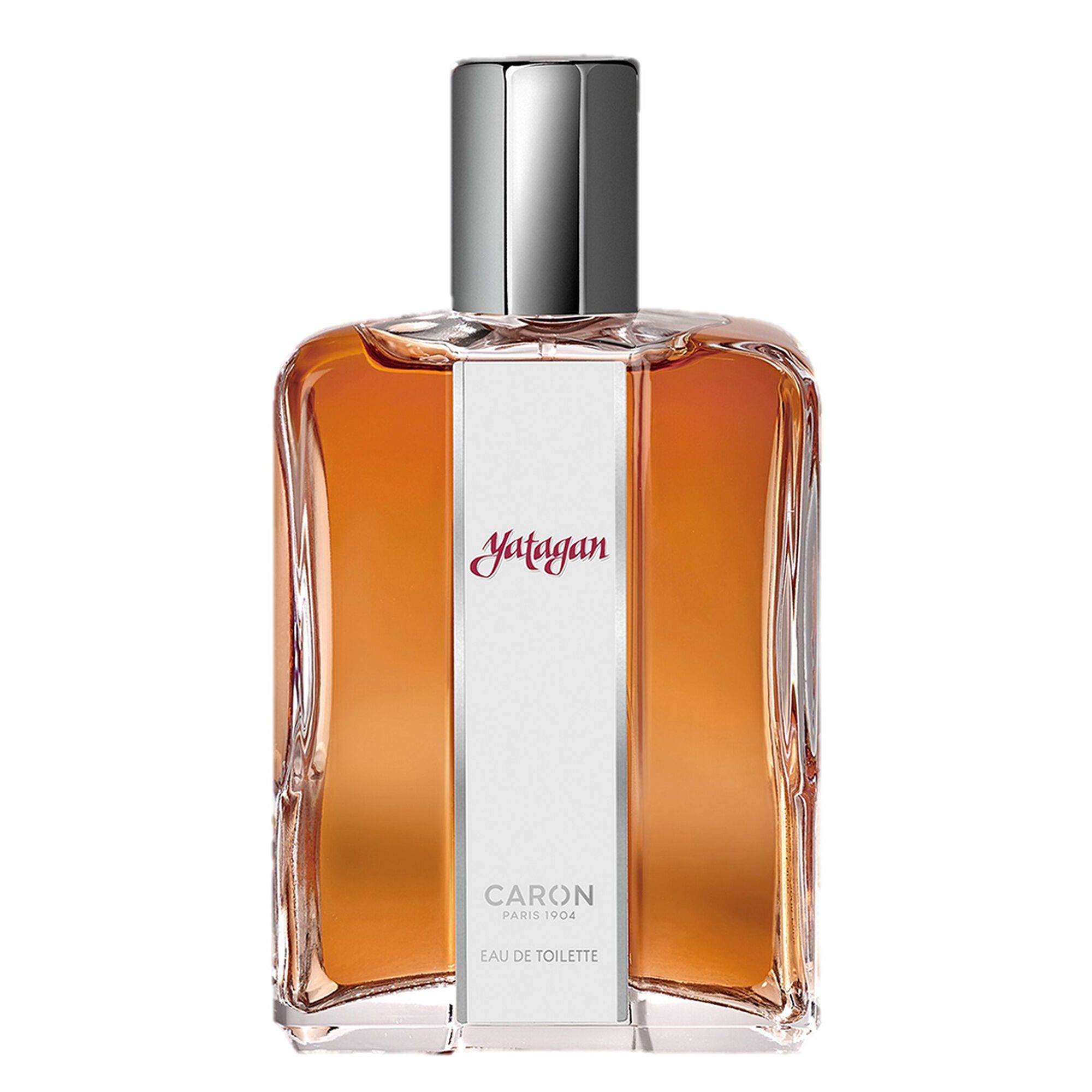
For men, Hermès Terre d'Hermès offers a woody, mineral and luminous version that has become a benchmark, while Mugler A*Men and Caron Yatagan explore its darkest, most characterful facets. Lancôme La Nuit Trésor and Paco Rabanne Lady Million prove, finally, that patchouli can also turn gourmand and glamorous, at an accessible price.
How to choose your patchouli perfume?
It all depends on the character you're after. For a bold, deep patchouli, turn to the classic chypres and orientals. For a modern, easy-to-wear version, choose gourmand patchoulis, chocolatey and velvety. And for subtlety, opt for a dry, elegant woody patchouli.
As a highly tenacious base note, patchouli requires few sprays: it reveals itself slowly and lasts a long time. Always test it on the skin, and give it time to soften.
Patchouli, a unisex note par excellence
Few notes are as universal as patchouli. It structures both the great feminine chypres and the most understated masculine woods, and remains one of the favourite base notes of contemporary unisex perfumery. It should be chosen according to temperament, never according to gender.
Frequently asked questions
Why is patchouli associated with the 1970s? Its raw oil, worn undiluted, became an emblem of hippie culture. Modern perfumery has since rehabilitated it by isolating cleaner, more refined fractions, far removed from that image.
Does patchouli smell "earthy"? In its raw state, yes: it is earthy, dark and camphorous. But the "heart-note patchouli" used today is far cleaner, more velvety and chocolatey.
What is a chypre perfume? It is a classic structure built on the bergamot – oakmoss – patchouli accord. Patchouli forms its deep, tenacious foundation.
Is patchouli a masculine or feminine fragrance? Profoundly unisex: it lies at the heart of many feminine chypres as well as masculine woody fragrances. A note to be worn as you please.