
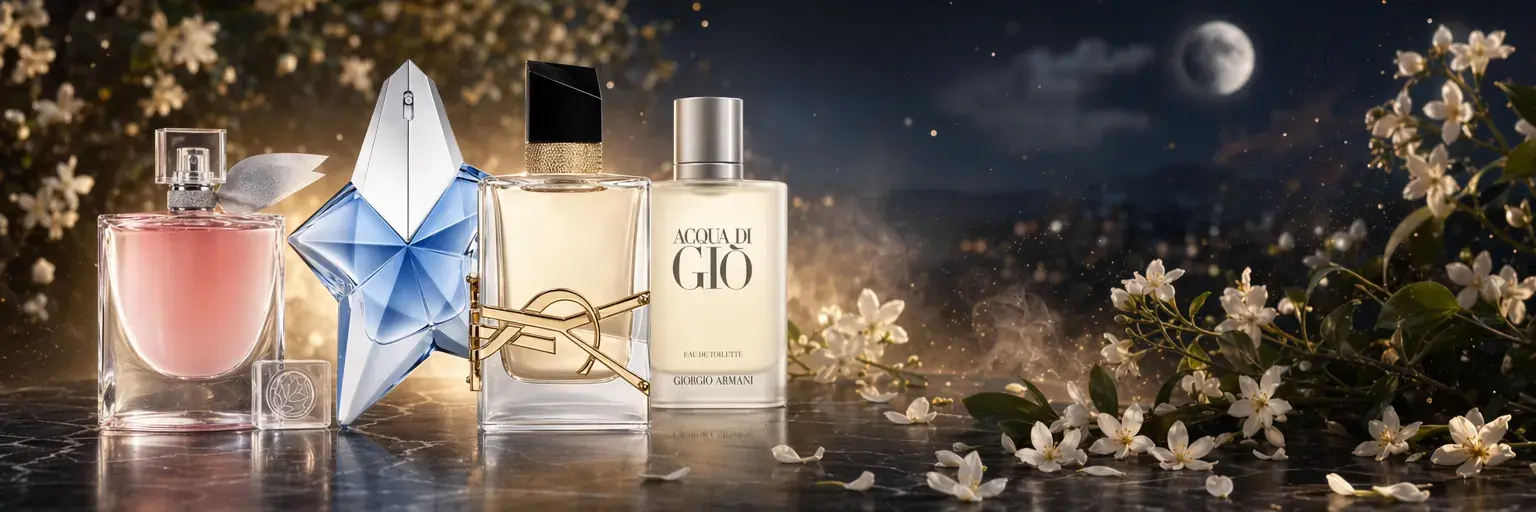
Jasmine perfume: buying guide and best jasmine perfumes 2026
Nicknamed the "queen of the night", jasmine is, alongside rose, one of the two pillars of floral perfumery. Picked by hand before dawn, when the flower is at its most fragrant, it lends perfumes that luminous, heady sensuality that no synthetic molecule can ever quite replace. It's often thought to be reserved for grand, opulent classics — yet it is, in fact, remarkably versatile, ranging from the freshest solar white floral to the most sensual floral oriental.
This guide explains what jasmine really is in perfumery — its two main varieties, its famous "indolic" facet, its moods — and presents a selection of jasmine fragrances that we know well and offer at Tendance Parfums, from the most distinguished to the most accessible.
Jasmine in perfumery: what is it exactly?
The jasmine note: an olfactory description
Jasmine is a heart note: it unfolds once the top citrus notes have evaporated, giving body to the whole floral bouquet. Its scent can't simply be summed up as "flowery" — it's a rich accord, at once solar, honeyed, slightly fruity and deeply sensual.
This sensuality has a name: indole. Naturally present in the flower, this molecule gives jasmine its sensual, narcotic, almost animalic facet — the one that makes great jasmines so intoxicating. In trace amounts, indole adds depth and vitality; in excess, it tips over into an overpowering note. The perfumer's art lies entirely in balancing this tension between the light of the petals and the shadow of indole.
The great jasmines of perfumery
Two species dominate fine perfumery, and they couldn't have more different personalities.
| Variety | Origin | Olfactory profile |
|---|---|---|
| Jasmine grandiflorum | Grasse, Egypt, India | Rich, warm, fruity and honeyed, strongly indolic — the "opulent" jasmine |
| Jasmine sambac | India, China, Middle East | Greener, fresher and brighter, with tea and orange blossom facets — the "solar" jasmine |
| Jasmine de Grasse | Grasse (grandiflorum) | The most prestigious and rarest, of unmatched refinement |
Jasmine cannot withstand steam distillation: an absolute is extracted using solvents, a warm, deep material and one of the most precious in the perfumer's palette. Thousands of flowers, picked one by one at dawn, are needed to produce just a few grams of absolute — which explains the price of natural jasmine and the place it holds in fine perfumery.
The facets of jasmine
Depending on the species, the dosage and the accompanying materials, jasmine's mood changes completely.
| Facet | Sensation | Suited to |
|---|---|---|
| Solar / white jasmine | Bright, fresh, "petals in the sun" | Those discovering jasmine, for summer |
| Indolic / sensual jasmine | Heady, sensual, almost animalic | Lovers of opulent white flowers |
| Green / fresh jasmine | Sharp, green, snapped stem | Those who find jasmine too overpowering |
| Gourmand / fruity jasmine | Sweet, solar, very modern | Young, luminous profiles |
| Oriental / powdery jasmine | Deep, amber, woody, enveloping | Those seeking character, in unisex fragrances |
In store, I've noticed that anyone who says they "don't like jasmine" almost always has in mind a grand indolic floral from the 1980s. A solar sambac or a green jasmine changes things completely: it's not the flower they dislike, but just one of its many moods.
The great jasmine accords
Jasmine pairs with almost everything, and each combination creates a perfume of a radically different character.
- Jasmine + white flowers (tuberose, ylang): the grand, opulent, feminine bouquet, sensual and luminous — the signature of the most generous florals.
- Jasmine + sandalwood / wood: the creamy wood wraps the flower in a warm, long-lasting sensuality, much worn in the evening.
- Jasmine + citrus / tea: freshness awakens the sambac, giving a solar jasmine, lively and easy to wear during the day.
- Jasmine + amber / vanilla: the quintessential oriental accord, warm and addictive, extending the flower into a deep sillage.
- Jasmine + fruit: raspberry, pear or lychee turn jasmine into a modern, solar gourmand — the signature of the youngest, most luminous fragrances.
The best jasmine perfumes
Here is a selection of fragrances in which jasmine plays the leading role, from the most distinguished to the most accessible. Each illustrates a different facet of this chameleon flower.
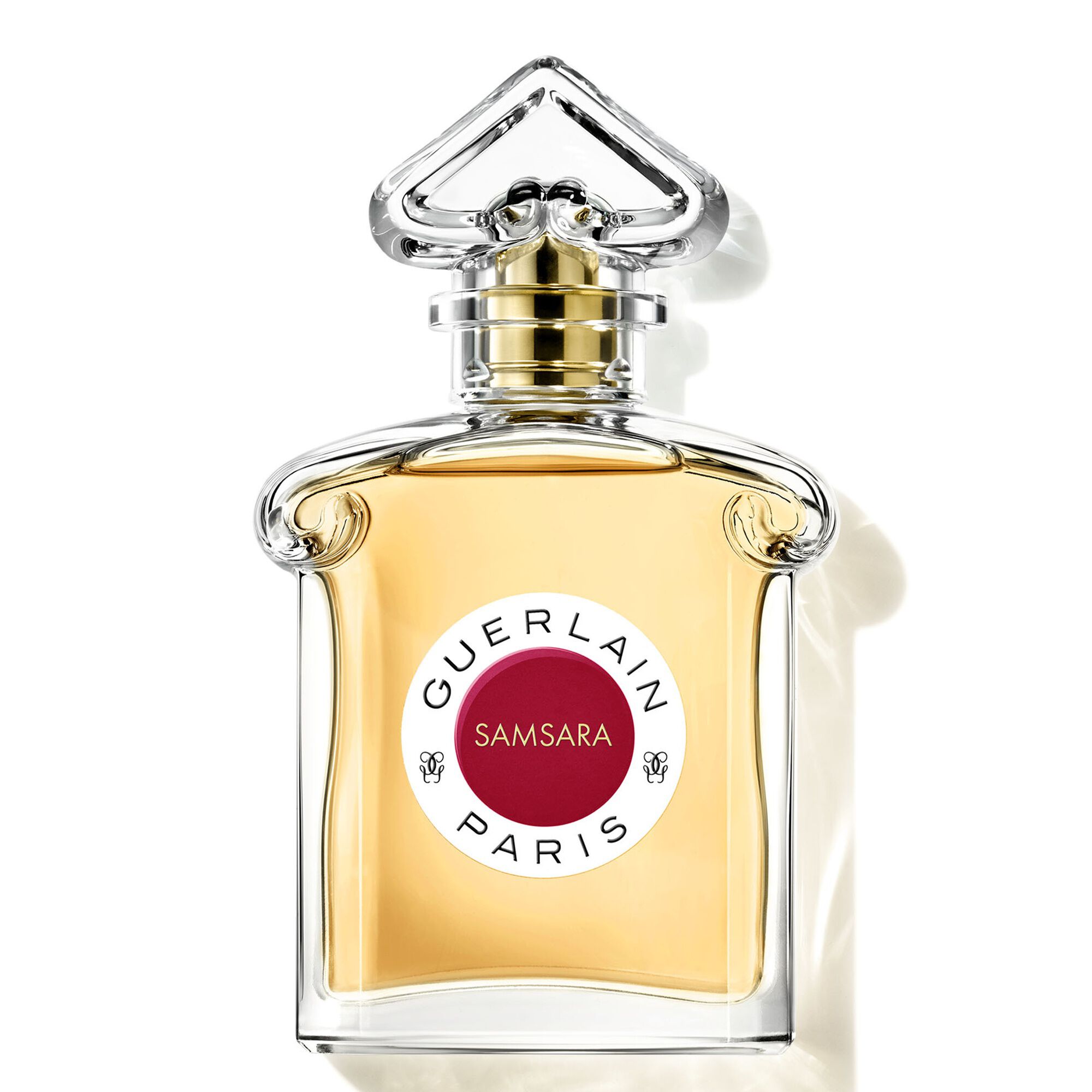
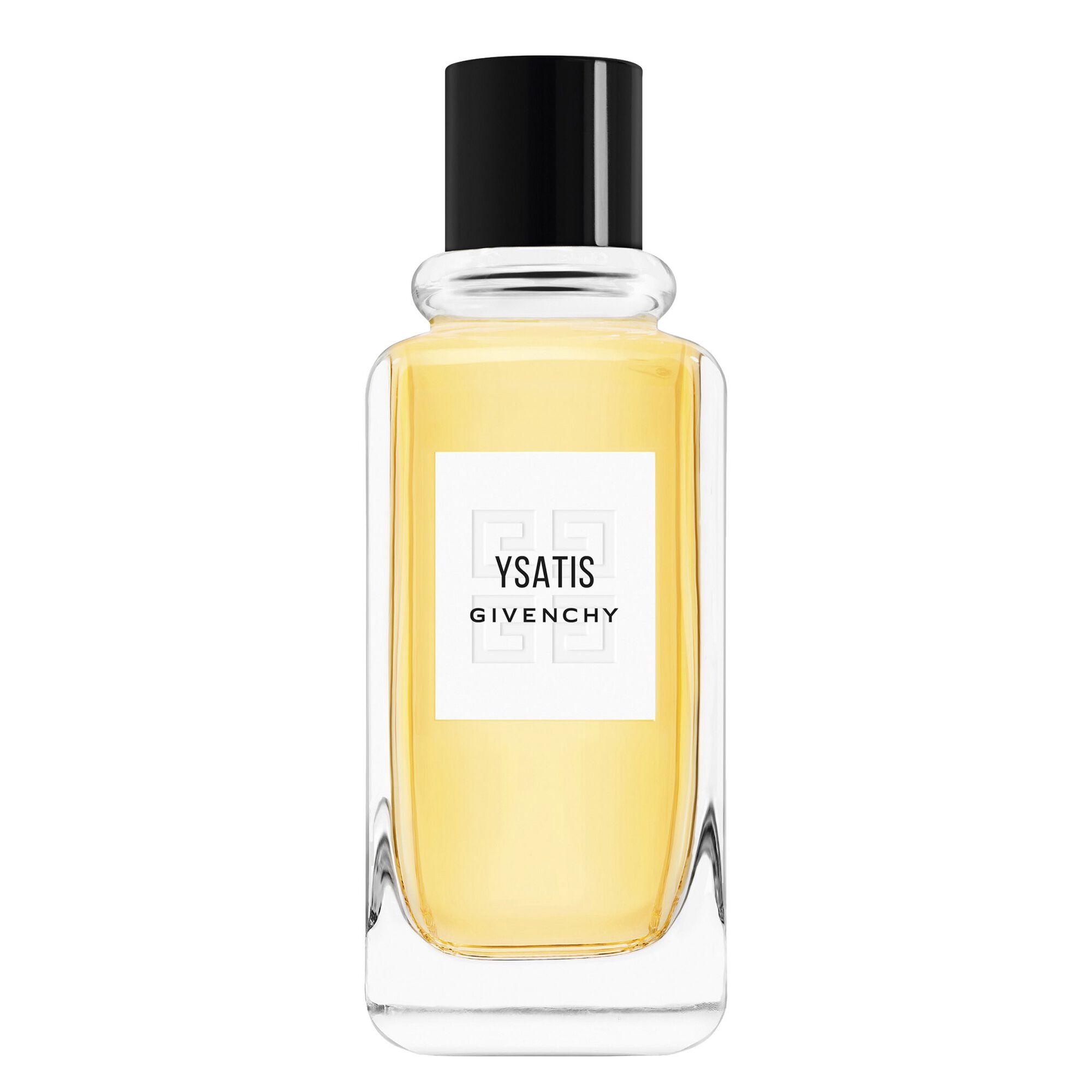
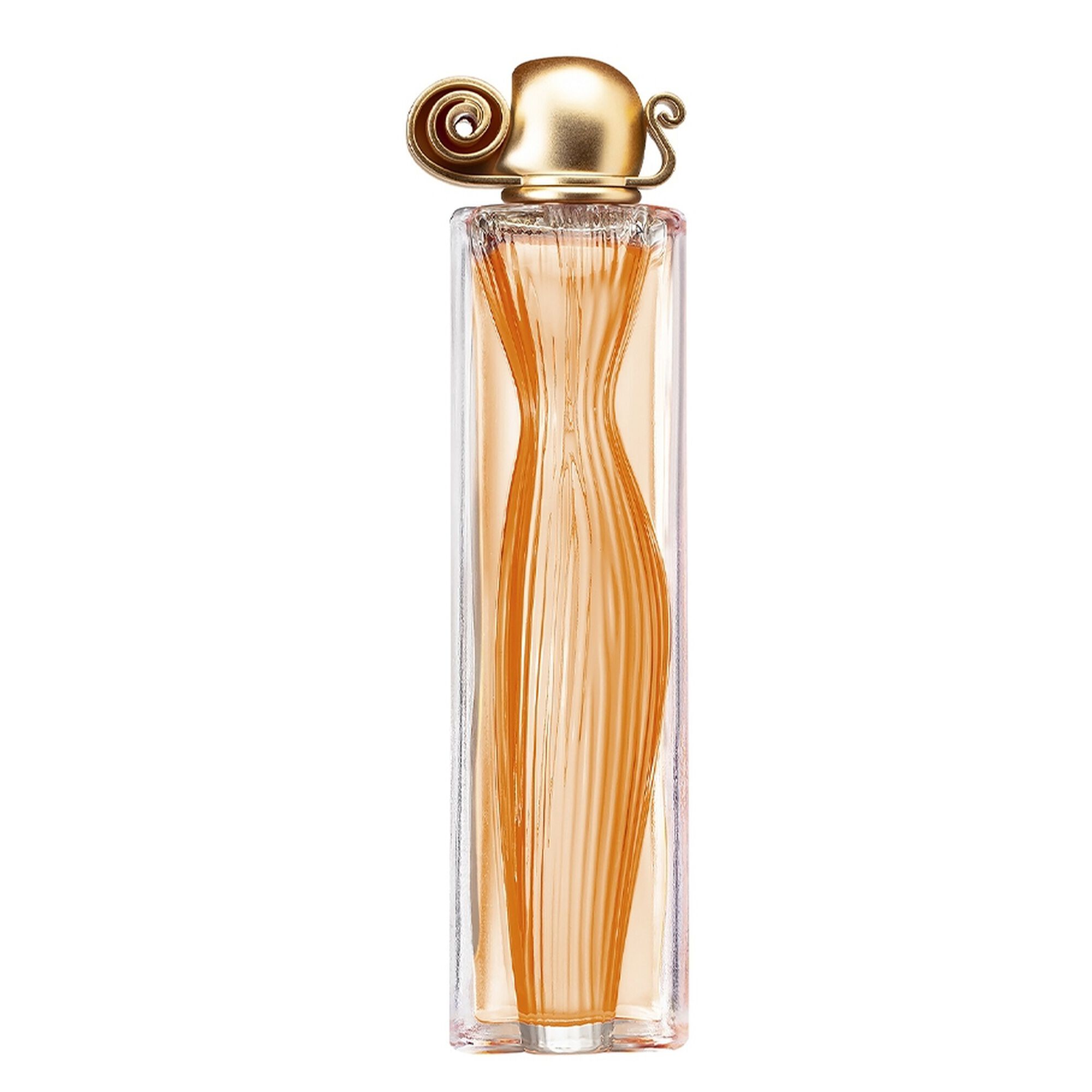
For jasmine in its most iconic form, Guerlain Samsara pairs the flower with sandalwood in a deep, creamy oriental, while Givenchy Ysatis offers an indolic, distinguished interpretation, inherited from the great vintage florals. Givenchy Organza unfolds an opulent, amber, ceremonial white jasmine.
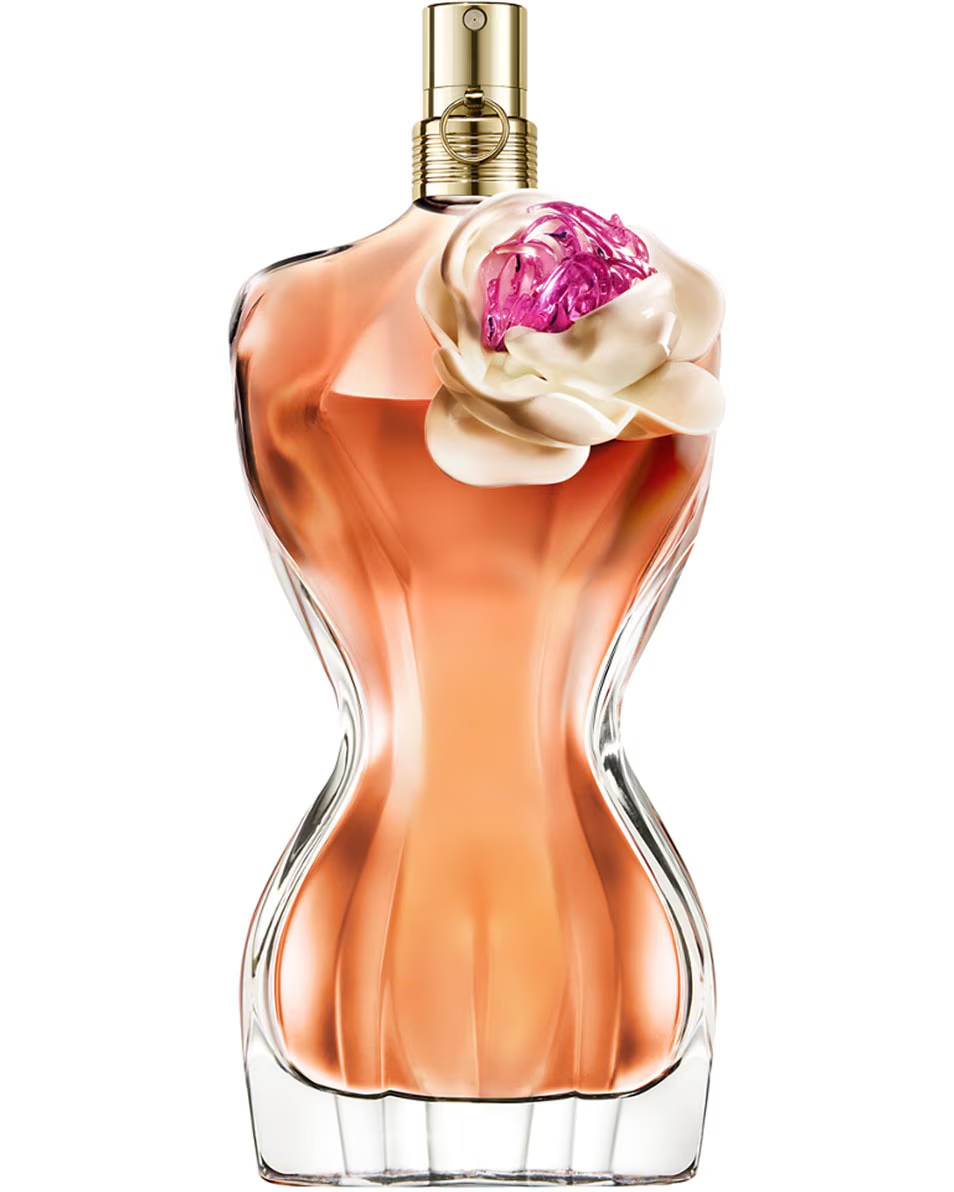
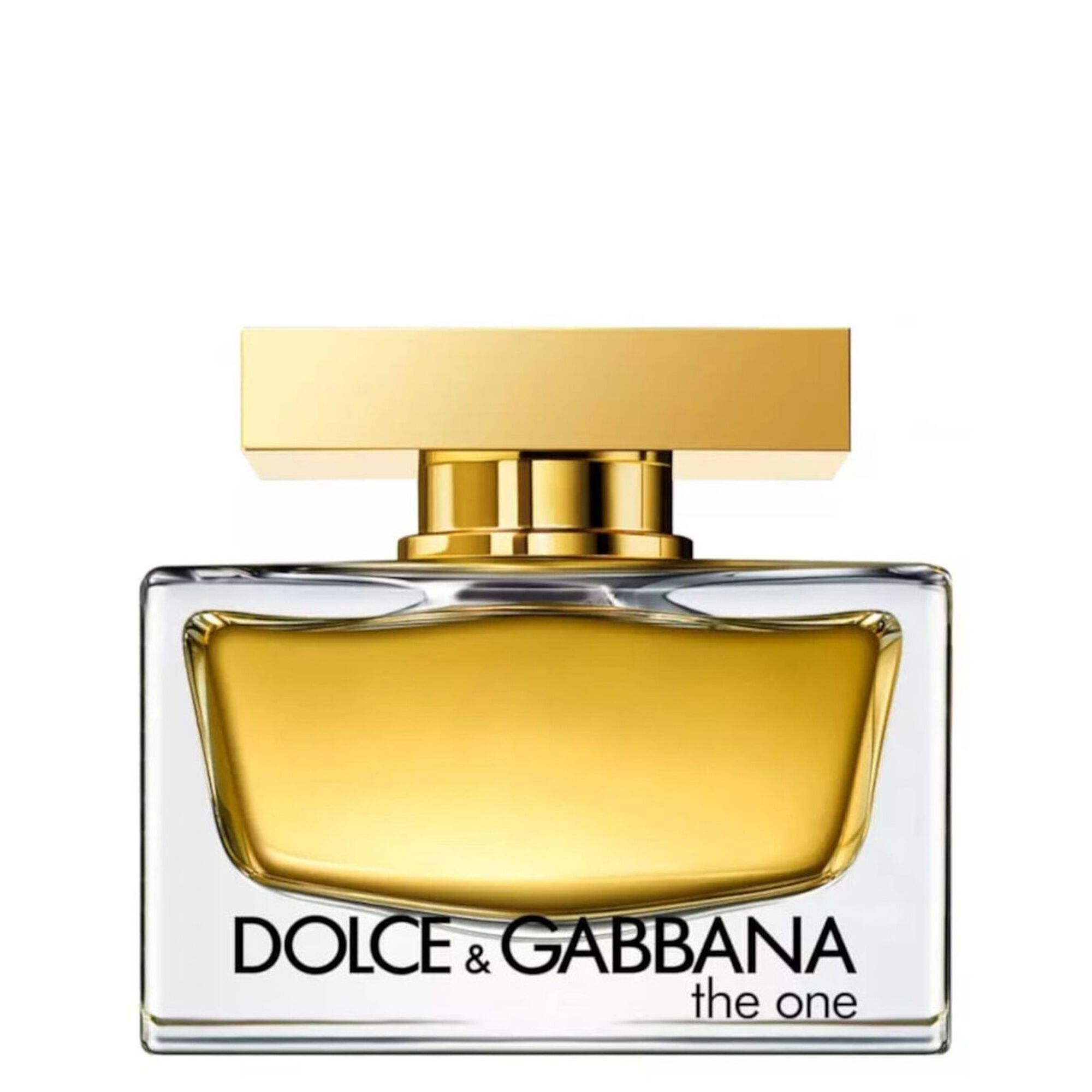
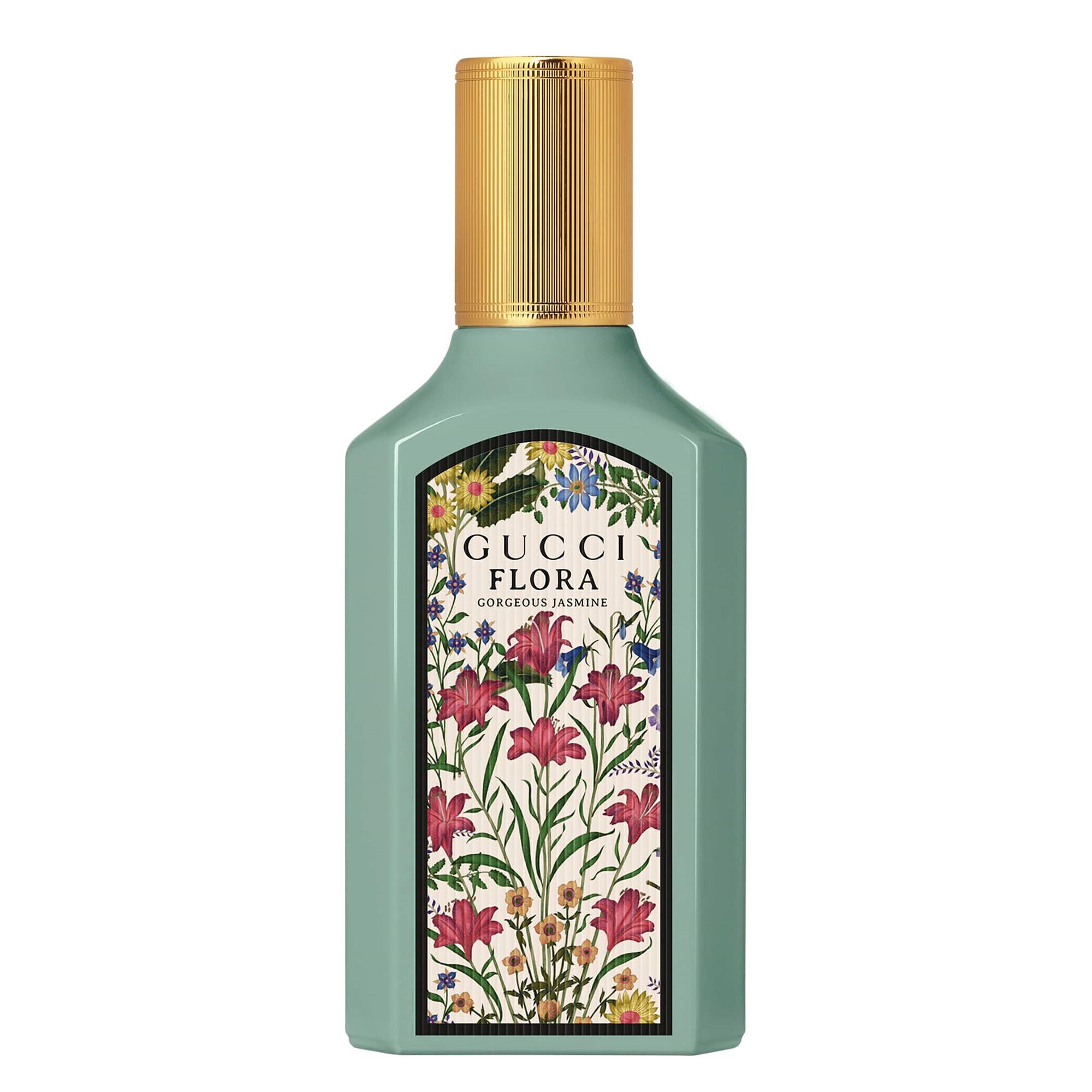
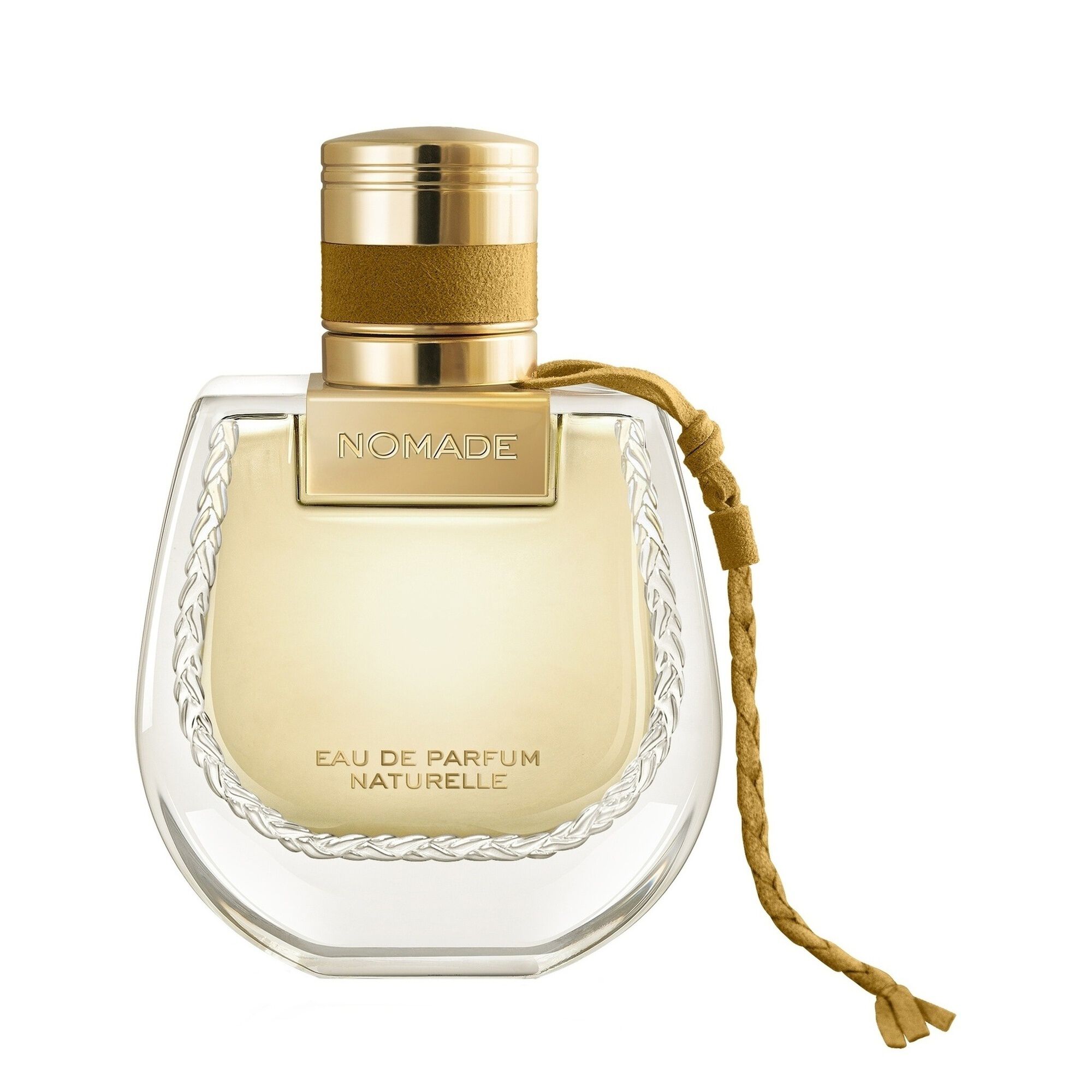
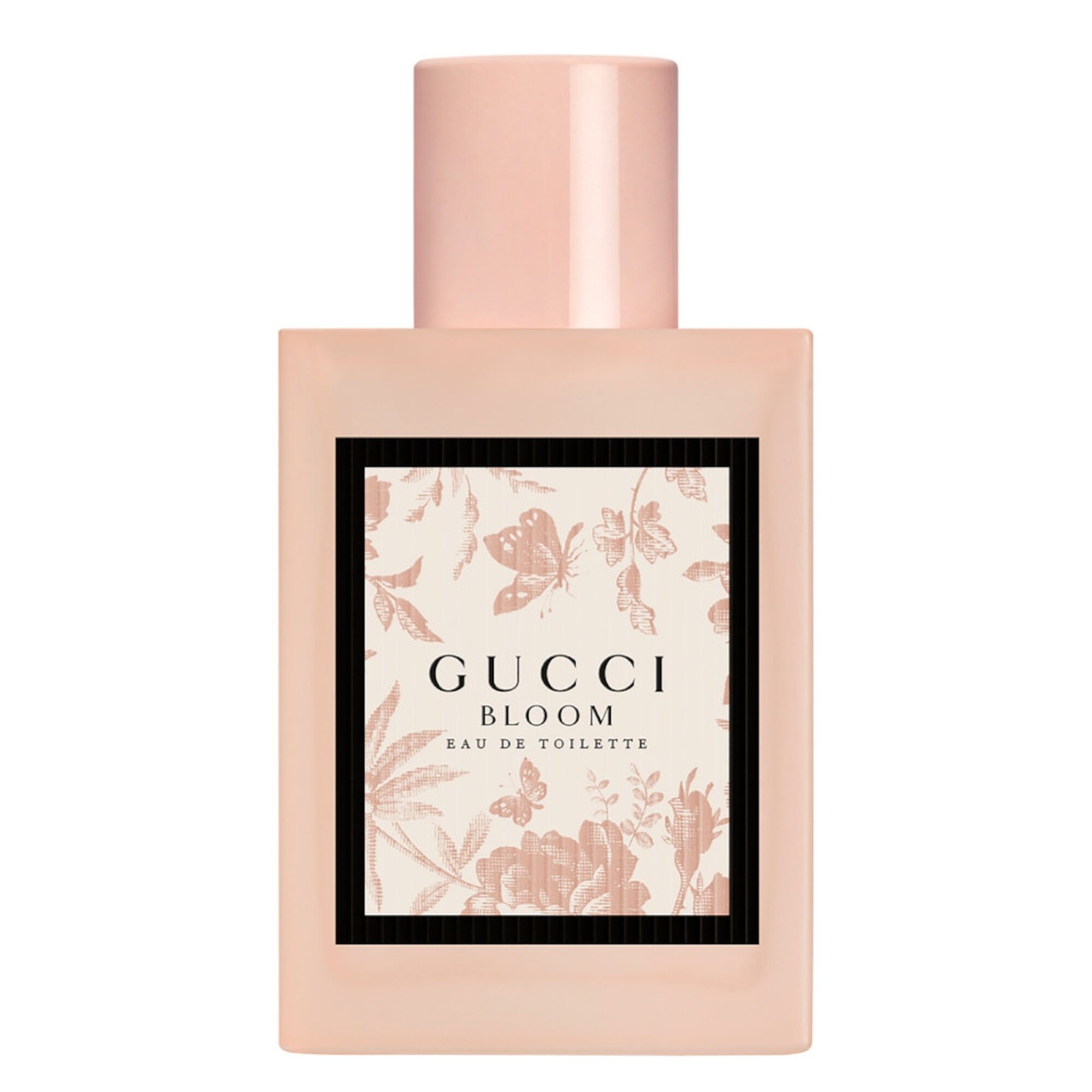
In a more contemporary register, Jean Paul Gaultier La Belle Flower Edition offers a solar, gourmand sambac, and Dolce & Gabbana The One dresses it in an elegant, easy-to-wear floral oriental. Those seeking jasmine as a signature scent will turn to Gucci Flora Gorgeous Jasmine, an unabashedly luminous sambac, or Gucci Bloom, where jasmine sambac and tuberose compose a modern, widely worn white floral. Chloé Nomade Jasmin Naturel offers a fresh, natural version, elegant without heaviness.
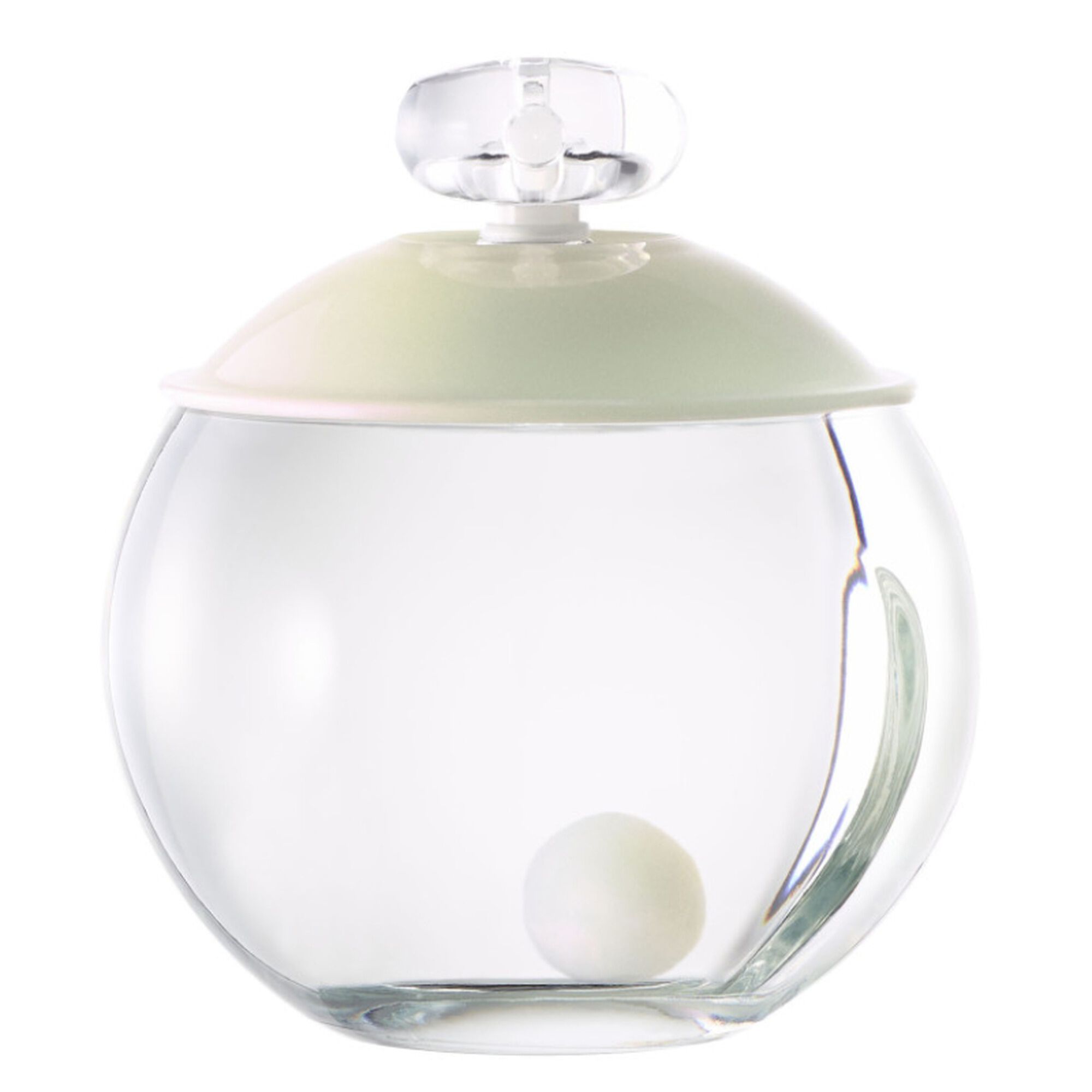
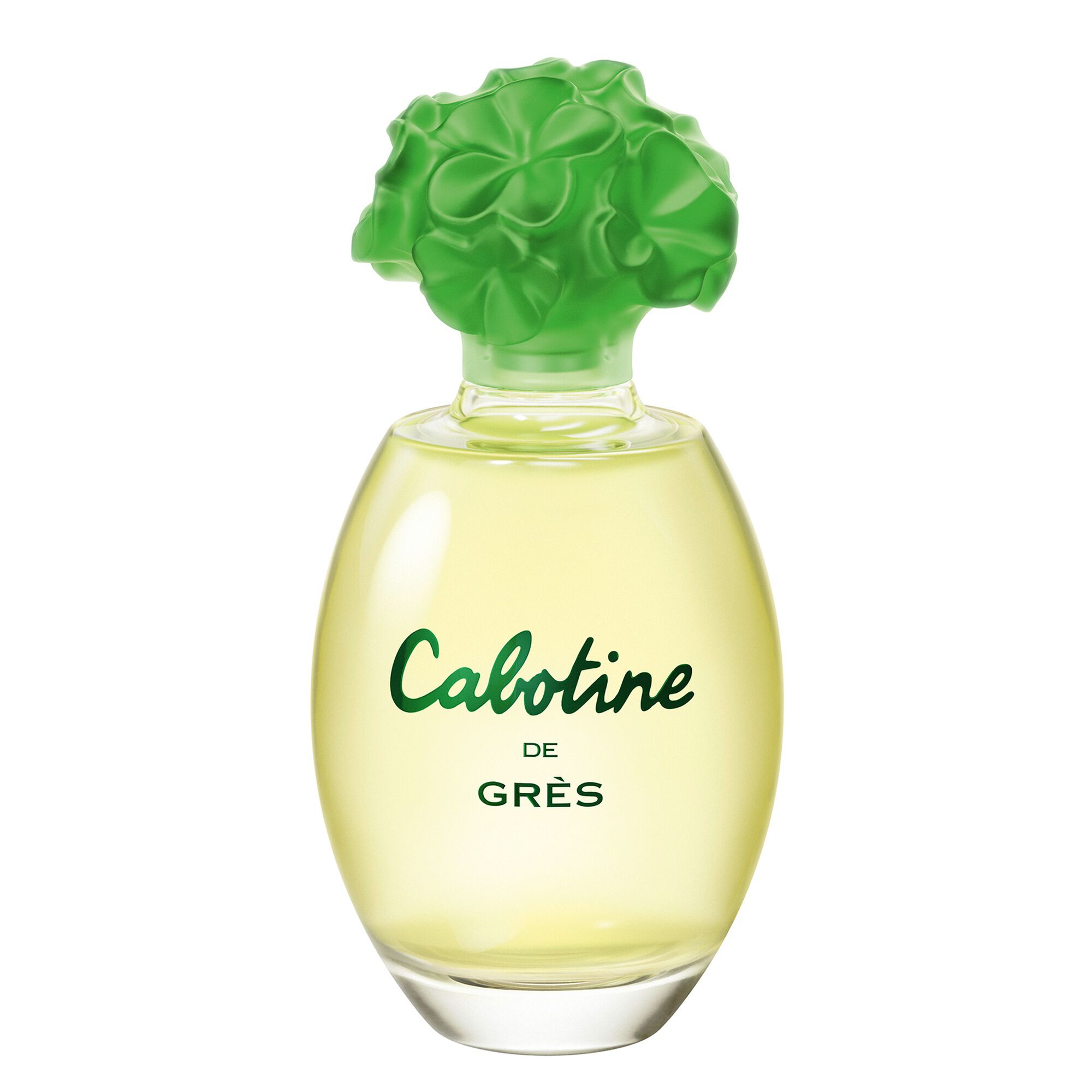
Finally, jasmine can also be enjoyed at a gentler price: Cacharel Noa, a soft, musky jasmine, and Grès Cabotine, a green, fresh jasmine, prove that you can treat yourself to a beautiful white flower without breaking the bank.
How to choose your jasmine perfume?
It all depends on the mood you're after. For daytime and summer, opt for a solar or green jasmine, light and luminous. For a bolder sensuality, choose an indolic or opulent white jasmine, ideal for evening. Those drawn to modernity will head towards a gourmand, fruity jasmine, while an oriental, amber or woody jasmine will suit evenings and works equally well for men and women.
A tip: jasmine evolves considerably on the skin, from the fresh petal of the opening to the warmer, more sensual base note after a few hours. Always test it on yourself, and give it time to reveal itself before making a judgement.
Jasmine for men
Jasmine is by no means an exclusively feminine note. Subtle yet essential, it serves as the floral heart of many masculine fragrances, softening woods and spices without ever feminising them. Givenchy Gentleman pairs it with iris and cacao for a dark, elegant result, while Dolce & Gabbana The One for Men turns it into a warm, masculine floral oriental. Most of the time, jasmine works here behind the scenes — the invisible signature of a well-rounded sillage.
Frequently asked questions
What is the difference between jasmine sambac and jasmine grandiflorum? Grandiflorum (jasmine from Grasse, Egypt or India) is rich, warm, fruity and strongly indolic: it's the opulent jasmine of the great classics. Sambac (Arabian jasmine) is greener, fresher and brighter, with tea and orange blossom facets: it's the solar jasmine of modern perfumes.
What is indole, and why does jasmine smell so "heady"? Indole is a molecule naturally present in jasmine. It gives the flower its sensual, almost animalic facet, which makes it so alluring. In small amounts it adds depth; in excess, it becomes overpowering. It's what distinguishes a luminous jasmine from a narcotic one.
Is jasmine an exclusively feminine perfume? No. While jasmine features heavily in feminine florals, it is also a common floral heart in masculine and oriental perfumery, where it softens woods and spices. Paired with sandalwood, amber or leather, it produces deep, sensual unisex fragrances.
Why are natural jasmine perfumes more expensive? Because jasmine cannot be distilled: an absolute is extracted using solvents, and thousands of flowers, hand-picked at dawn, are needed to produce just a few grams of material. Jasmine de Grasse, the most prestigious variety, is among the most costly ingredients in perfumery.