
Labdanum perfume: 2026 buying guide and best fragrances
Labdanum is a resin harvested from the rockrose, a Mediterranean shrub, whose warm, woody and slightly animalic scent makes it one of the most sought-after base notes in oriental perfumery. It suits both women and men who appreciate deep, enveloping fragrances. This guide explains what labdanum is, how it expresses itself in a perfume, and how to choose the reference best suited to your profile.
The labdanum note in perfumery: what is it?
Labdanum is a natural resin obtained from the labdanum rockrose (Cistus ladanifer), a wild shrub that grows mainly around the Mediterranean basin — Spain, Greece, Portugal, Morocco. The resin is harvested from the leaves and stems of the plant as a sticky, fragrant exudate, then transformed into an absolute or resinoid through solvent extraction. The term labdanum absolute refers to the most concentrated form, and the one most widely used by perfumers.
Its scent is complex and difficult to sum up in a single word. It first reveals an amber, woody warmth, followed by subtle animalic facets — leather, dry musk — accompanied by a light balsamic, smoky note. Some detect nuances of blond tobacco, damp cedar or mousse. It is a material both familiar and mysterious, instinctively evoking sun-baked scrubland or the inside of an old library.
Position in the fragrance pyramid. Labdanum sits almost exclusively as a base note. Its low volatility allows it to linger for hours on the skin and clothing, acting as a natural fixative for the lighter notes above it. It is precisely for this fixative quality that it is used in orientals, modern chypres and spicy fougeres.
Its favourite accords. Labdanum blends naturally with sandalwood, cedar, patchouli, olibanum (frankincense), rose and warm spices such as cinnamon or cardamom. It also pairs very well with vanilla and tonka bean in gourmand orientals, or with leather in drier compositions. Conversely, it tempers citrus and overly sharp green notes, lending them depth without overpowering them.
What are the best perfumes with a labdanum note?
Our selection of labdanum perfumes is based exclusively on actual sales recorded at Tendance Parfums over the past twelve months and on verified reviews left by our customers after purchase. We have chosen references ranging from 49 to 79 EUR, covering the spicy oriental, woody oriental and oriental fougere families — for a concrete result: perfumes worn, loved and repurchased by a genuine French clientele.
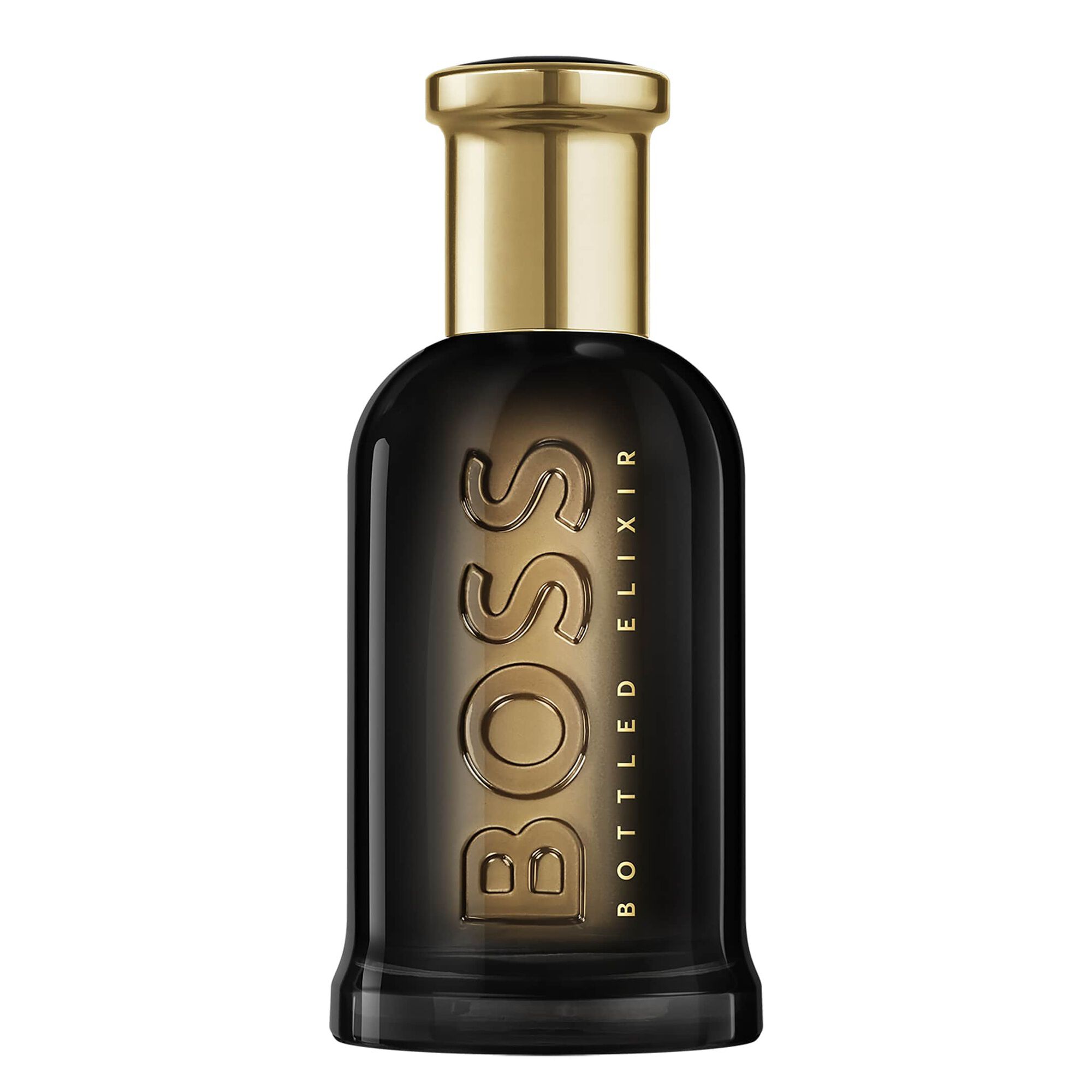
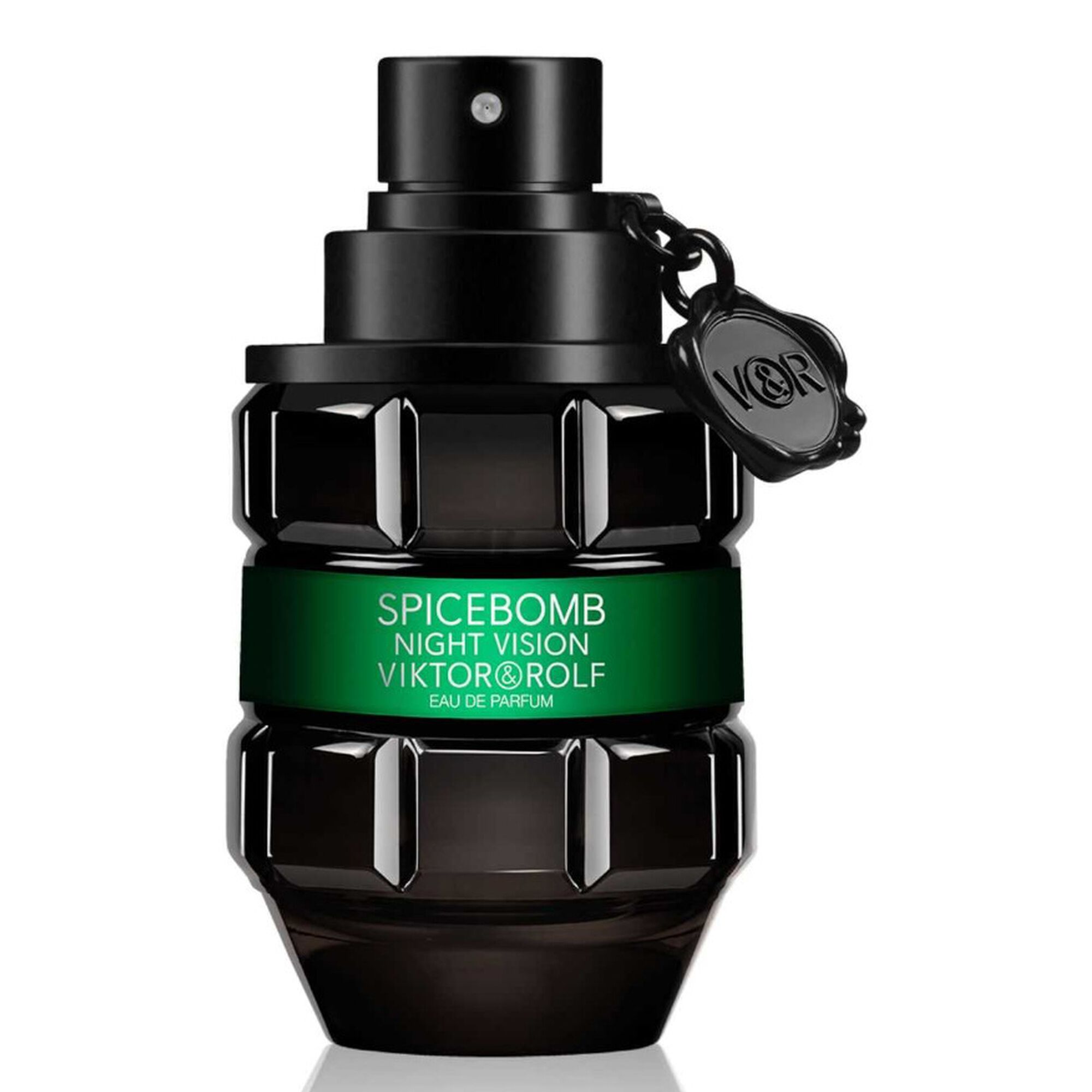
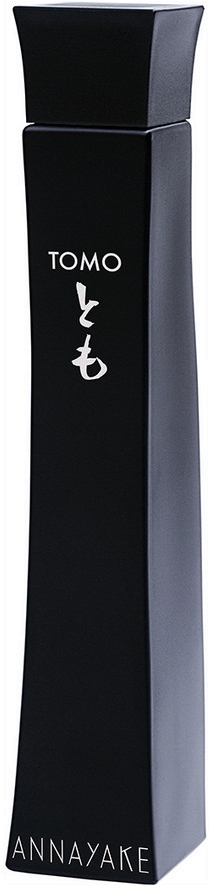
Our featured favourites
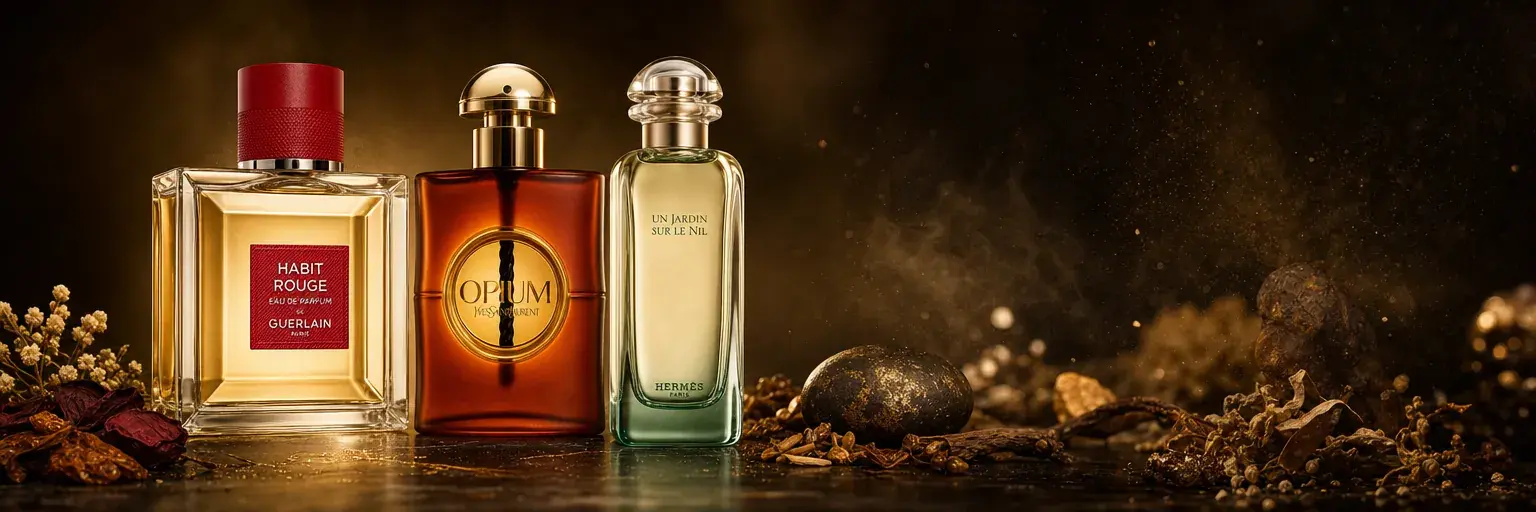
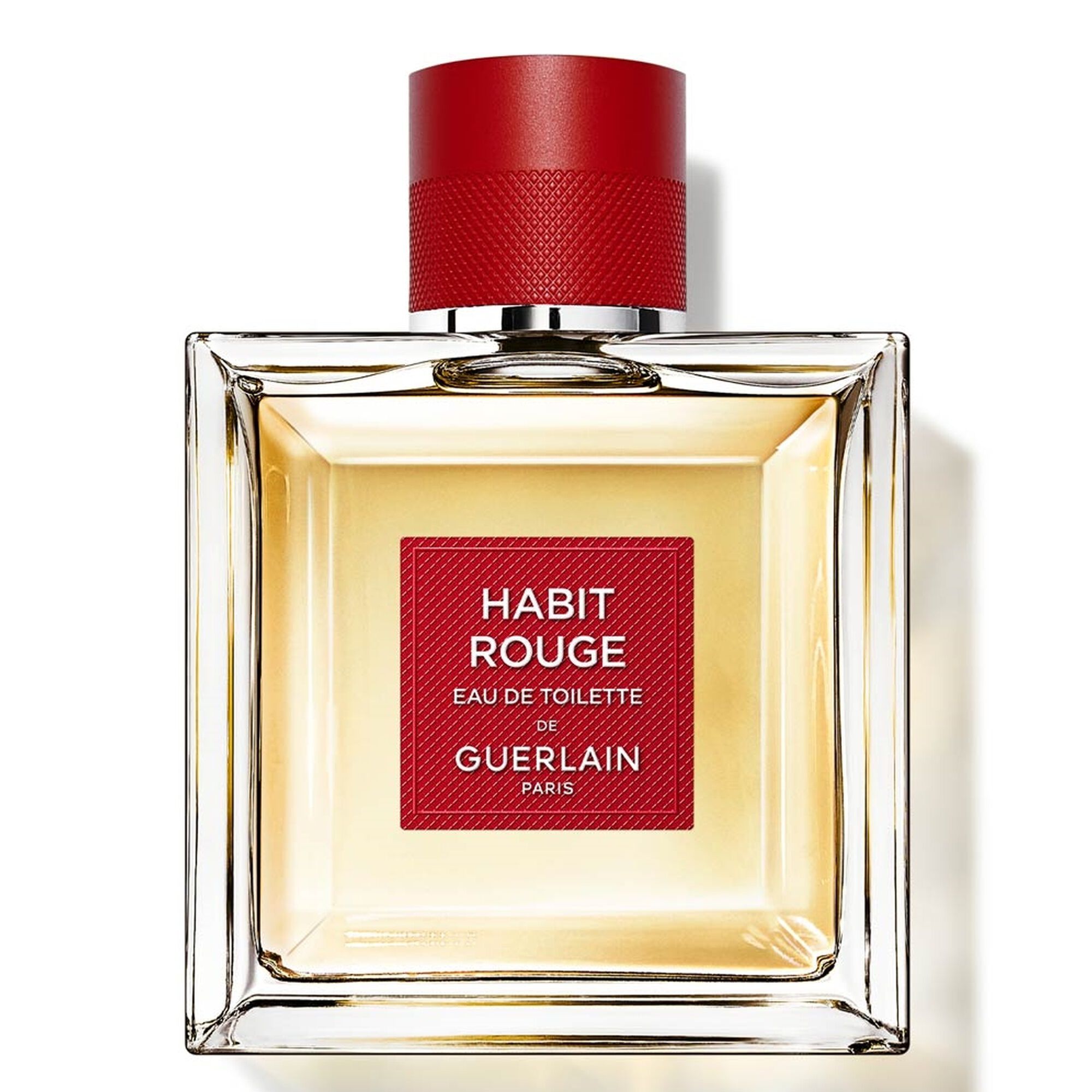
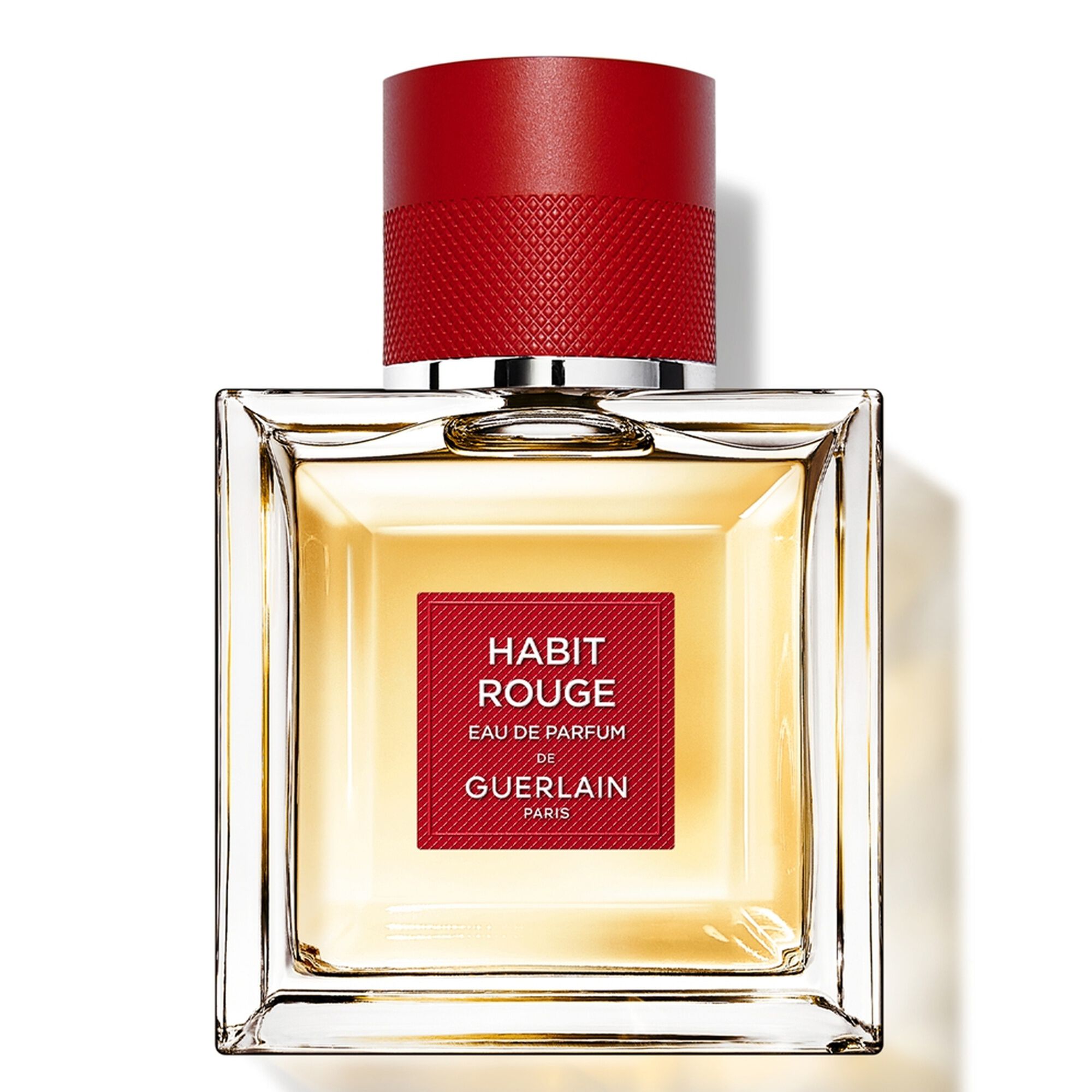
Guerlain Habit Rouge (EDT) — With a rating of 4.8/5 from 79 verified reviews, Habit Rouge eau de toilette stands out as the labdanum reference in our catalogue. Woody and spicy, it blends cedar, sandalwood, carnation and cinnamon in a composition that has stood the test of decades without ageing. One customer sums it up: "My favourite eau de toilette." Elegant without being austere, ideal for a dressed-up occasion.
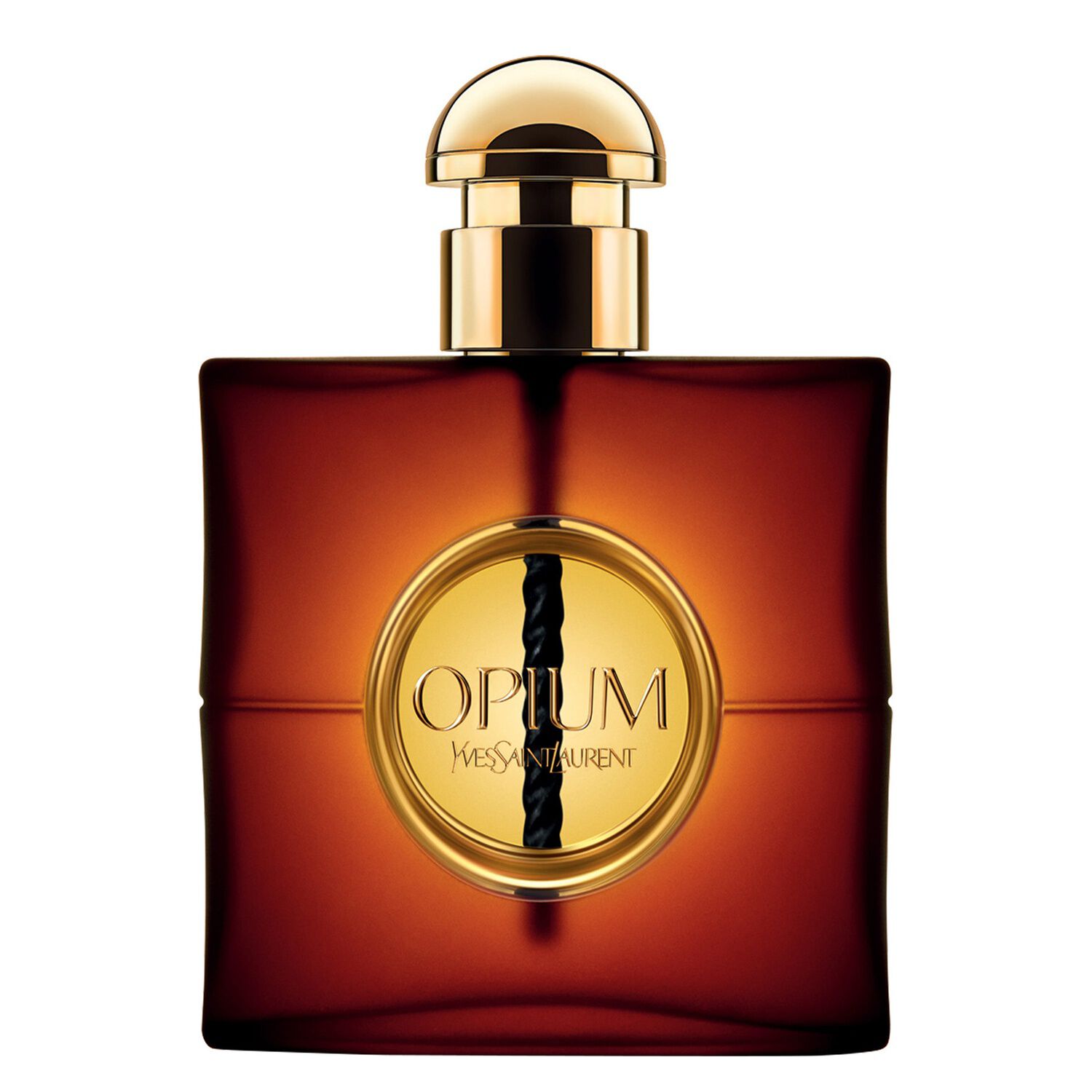
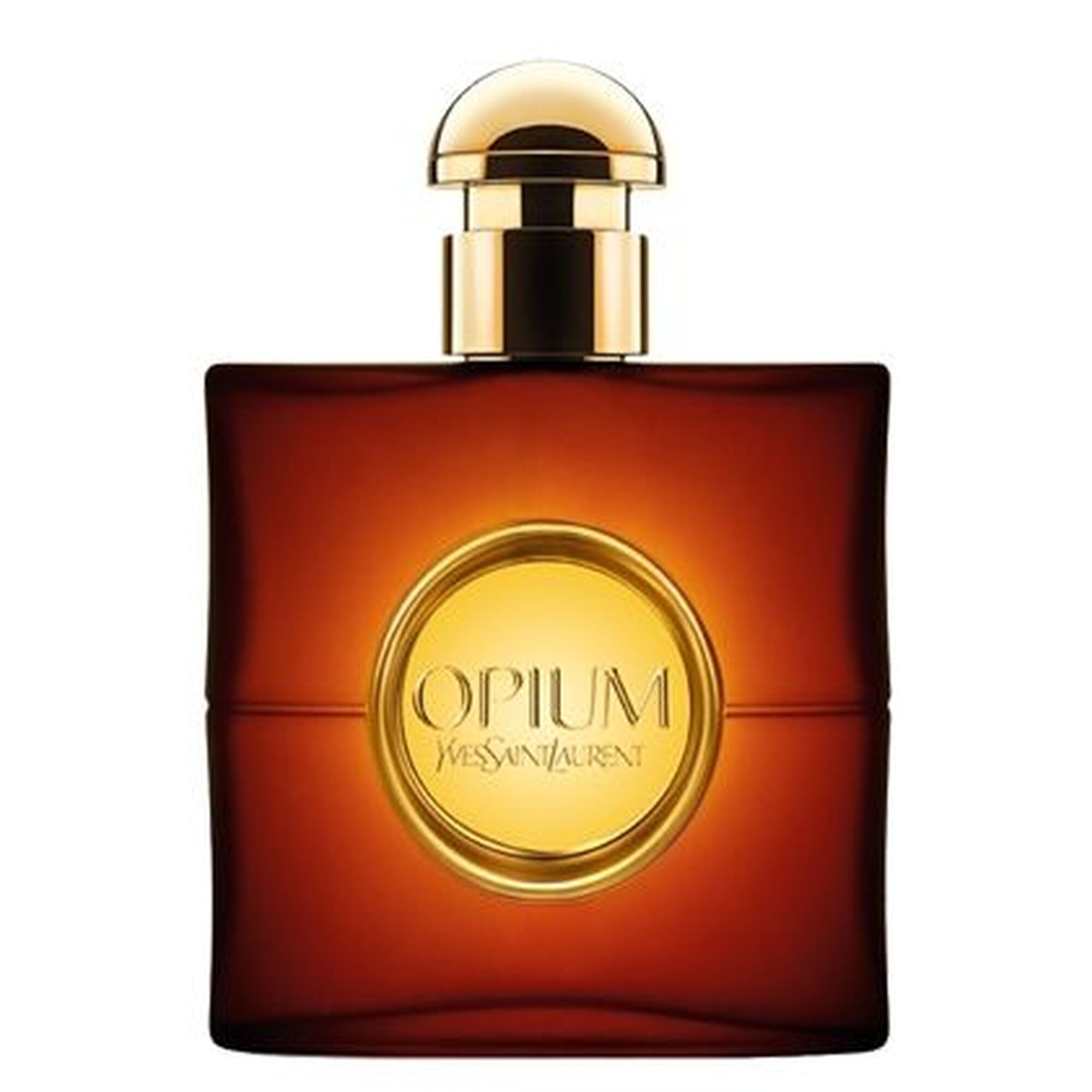
Yves Saint Laurent Opium (EDP) — A rating of 4.8/5 from 119 reviews: Opium EDP is the most popular oriental parfum in our selection. Labdanum acts as a foundation beneath a wonderfully rich sandalwood-carnation-cinnamon accord. Customers return to it time and again, as confirmed by this unequivocal review: "For me the same as in a perfumery!" A safe bet for autumn-winter.
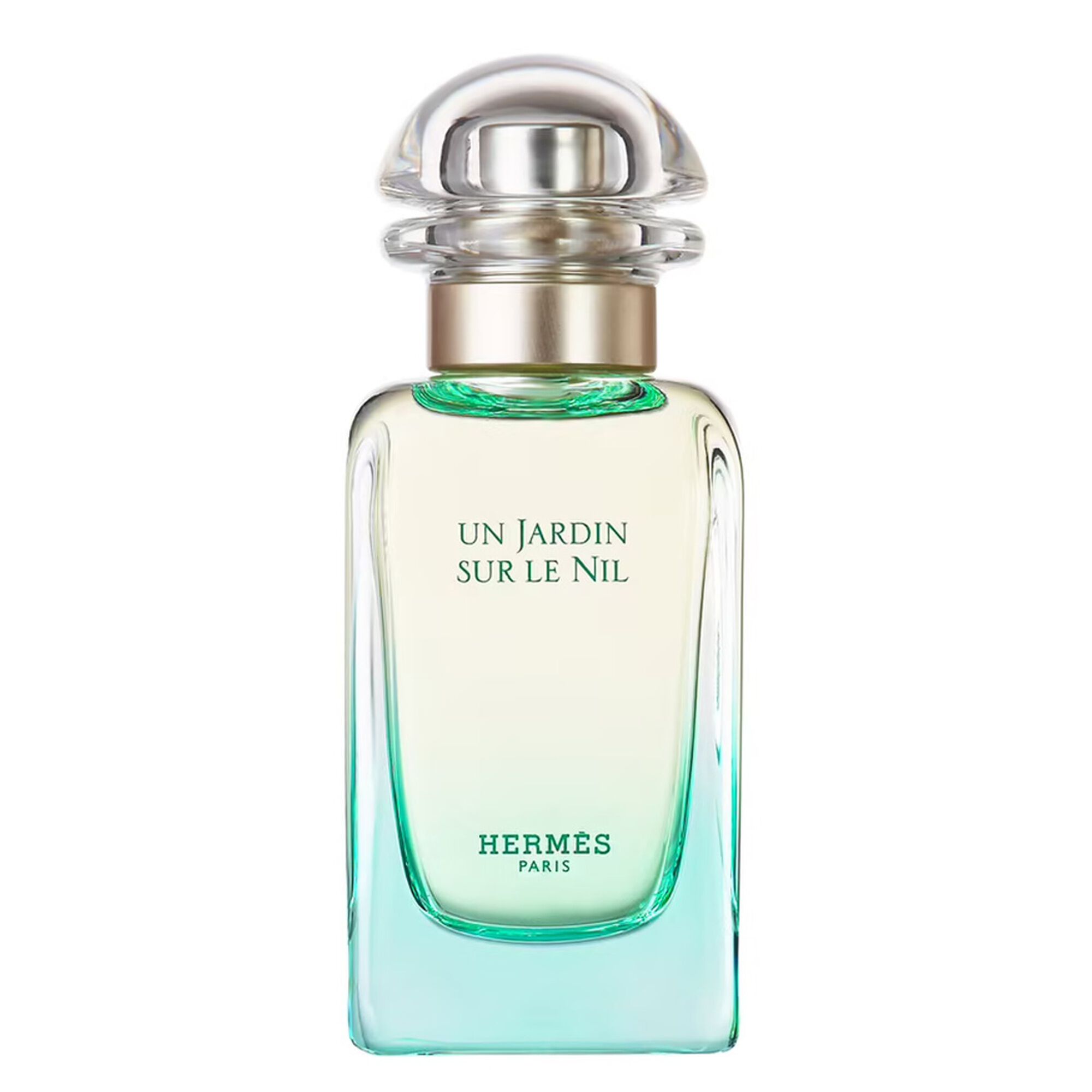
Hermès Un Jardin sur le Nil (EDT) — A 49 EUR reference, the best-seller in our top 10. Its fruity floral family sets it clearly apart from the other labdanums in the selection: here, the resin plays a supporting role, beneath notes of rush, lotus and green mango. It is a subtle, almost sun-drenched labdanum. One customer describes it as "excellent as always." Perfect for an introduction or for summer wear.
Guerlain Habit Rouge (EDP) — A perfect score of 5/5 from 16 verified reviews for the eau de parfum version, more concentrated and deeper than the EDT. Labdanum is more present here, wrapped in rose and sandalwood in an interpretation close to precious leather. It appeals to those already familiar with the EDT who wish to intensify the experience.
Labdanum for her, for him: how to choose?
Labdanum is an inherently unisex note. Its amber, warm character has long been associated with feminine oriental fragrances, but over the past twenty years it has become established in numerous masculine and unisex fragrances. Here's how to choose according to your preference.
For feminine wear, look for labdanum in compositions where it is surrounded by floral notes — rose, iris, carnation — or creamy materials such as sandalwood or coconut. It brings density and sensuality without weighing the fragrance down. Spicy orientals such as Yves Saint Laurent's Opium (EDP or EDT) are the classic illustration: labdanum here supports a bouquet of dark flowers and spices. These fragrances are particularly suited to autumn and winter evenings, or any occasion calling for a pronounced olfactory presence.
For masculine wear, labdanum readily expresses itself in woody orientals where it plays off cedar, vetiver or olibanum. Perfumes such as Guerlain Habit Rouge or Hugo Boss Bottled Elixir show how the resin can structure a virile, refined composition without veering into sweetness. These choices work all year round but reveal their full potential in cooler weather.
Practical testing tips. Test labdanum on the skin, not on a paper strip: its animalic facet and warmth only reveal themselves through contact with body warmth, after twenty to thirty minutes of drying down. If a composition feels too cold or too abstract in-store, wait for the base notes to develop before deciding. For a first approach, opt for an eau de toilette version, which is lighter, before exploring the eau de parfum or elixir.
The Tendance Parfums figures
What our own online perfumery data tells us about the labdanum note — figures you won't find anywhere else:
- Perfumes featuring the labdanum note available in our catalogue, from 29 EUR to 170 EUR (core range 49-74 EUR).
- The best-seller among our customers over the past 12 months: HERMÈS Un Jardin sur le Nil.
- Average rating of our selection: 4.8/5 from 337 verified customer reviews.
- Prices and stock updated continuously; free delivery from 59 EUR of purchases.
Frequently asked questions
What does labdanum smell like? Labdanum gives off a warm, balsamic and slightly animalic scent, close to amber and dry leather. It reveals woody, smoky and musky nuances, sometimes with a hint of blond tobacco. It is a deep, enveloping base note that fully expresses itself in contact with the warmth of the skin.
What is the difference between labdanum and labdanum absolute? Labdanum refers to the raw resin extracted from the rockrose. Labdanum absolute is the most concentrated form obtained after solvent extraction: it is more fluid, more homogeneous and more precise to use in formulation. In perfumery, both terms refer to the same raw material, with the absolute simply being the refined version used by perfumers.
Is labdanum a rather feminine or masculine note? Labdanum is a unisex note. It appears in feminine orientals such as Yves Saint Laurent's Opium as much as in woody masculines such as Guerlain Habit Rouge or Hugo Boss Bottled Elixir. The result depends on the notes surrounding it: floral for a feminine effect, woody and spicy for a more masculine rendering.
What is the longevity of a labdanum perfume? Labdanum is a low-volatility base note, which gives it excellent longevity. In an eau de parfum, it is generally perceptible for six to eight hours on the skin. Its ability to fix other aromatic materials helps to extend the whole composition. The elixir or extrait de parfum version intensifies this effect even further.
In which season should you wear a labdanum perfume? Labdanum is particularly suited to autumn and winter: its warmth and depth come across better in cool air. In summer, it's best to choose compositions where it remains subtle, such as Hermès Un Jardin sur le Nil. Spring allows for all intermediate profiles, particularly oriental fougeres or woody fragrances worn in the evening.