
Perfume at 80: the elegance of a life shaped by scent
Which perfume at 80? Aldehydic florals, chypres, powdery orientals: fragrance families, concentrations and application tips for both women and men.
At 80, the parfums that suit best are structured compositions with strong longevity: aldehydic floral, woody chypre or powdery oriental fragrance families, in eau de parfum or parfum concentration, which harmonise with mature skin that is often drier and less acidic. Whether you're looking for a women's parfum for 80-year-olds that stays true to a classic aesthetic, or a lighter eau de toilette for everyday wear, this page brings together precise olfactory guidance, tailored application tips and a selection designed for this stage of life.
Eighty years and perfumery — when memory and taste become one
At eighty, one's relationship with parfum is no longer a matter of tentative exploration. It is the fruit of an entire lifetime of sensory experience, of encounters, of moments that scent has engraved more surely than any photograph. Parfum, at this age, is often a matter of fidelity — fidelity to an olfactory signature worn for decades — as much as a possible opening towards compositions that extend, with nuance, an already highly refined sensibility.
What characterises olfactory taste at this age is a natural preference for balanced compositions with genuine architecture. The great classic families — aldehydic floral, chypre, powdery — shaped the history of twentieth-century perfumery, and they speak to those who grew up with them. This is not a matter of nostalgia, but of recognition: these compositions have stood the test of time because they possess a deep coherence that experience allows one to appreciate fully.
The development of olfactory taste — what age changes in the perception of parfums
Olfactory perception evolves throughout life, and at eighty, certain changes are worth taking into account in order to wear a parfum with comfort and pleasure. Skin, drier than it once was, holds aromatic molecules less well: parfums tend to evaporate more quickly, top notes disappear rapidly and base notes express themselves more markedly. This naturally points towards compositions with generous heart note and base note accords, without being overwhelming.
Moreover, the perception threshold for certain molecules can rise with age, meaning a parfum may seem less present than it once was. It is better to choose eau de parfum concentrations rather than a light eau de toilette, or to apply the parfum to areas that have been well moisturised beforehand. Powdery notes — orris, violet, musk — blend harmoniously with mature skin and last longer than citrus alone.
Suitable fragrance families — why aldehydic floral, chypre and powdery ring so true
Aldehydic floral is the great signature of last century's classic perfumery. Aldehydes, those synthetic molecules with a mousse-like, slightly metallic effect, give flowers — rose, jasmine, ylang-ylang — an airy, sophisticated presence that natural florals alone cannot achieve. This family embodies a certain idea of French elegance: structured, luminous and long-lasting. It suits personalities who have a taste for fine things without needing to flaunt them.
Chypre, meanwhile, rests on a founding accord: bergamot at the top, flowers at the heart, oakmoss and patchouli at the base note. It is an olfactory architecture of remarkable complexity — fresh and woody, vegetal and animalic all at once. Chypres are parfums of character, which call for a certain confidence in the wearing. The hesperidic family, with its bright citrus notes — bergamot, cedrat, grapefruit — offers a welcome lightness, particularly for everyday contexts or mild weather. It pairs ideally with more grounded base notes to offset the volatility of citrus.
Notes to favour — orris, rose, bergamot, musk and violet
Orris is without doubt the noblest note in perfumery. Obtained by distilling the rhizome of Iris pallida after several years of drying, it evokes rice powder, cold chalk, an almost mineral delicacy. On mature skin, orris blooms with remarkable depth and lends compositions a timeless character. Rose, a classic among classics, brings warmth and roundness; its various forms — Rose de Mai, Turkish rose, Damask rose — allow for nuances ranging from green freshness to heady velvet.
Bergamot, the citrus of choice in the great eaux de Cologne and chypres, opens compositions with vibrancy and lightness, without weighing them down. It has the advantage of working equally well as a top note or, when worked as an absolute, as a base note accord. Musk, at the base of the pyramid, ensures the parfum's longevity on the skin and gives it that second-skin character which extends the signature without imposing itself. Violet, lastly, brings a powdery, slightly green touch, somewhere between childhood and sophistication — a note that often contributes to that memory effect so characteristic of the great classics.
A selection for everyday wear — fragrances to accompany every day
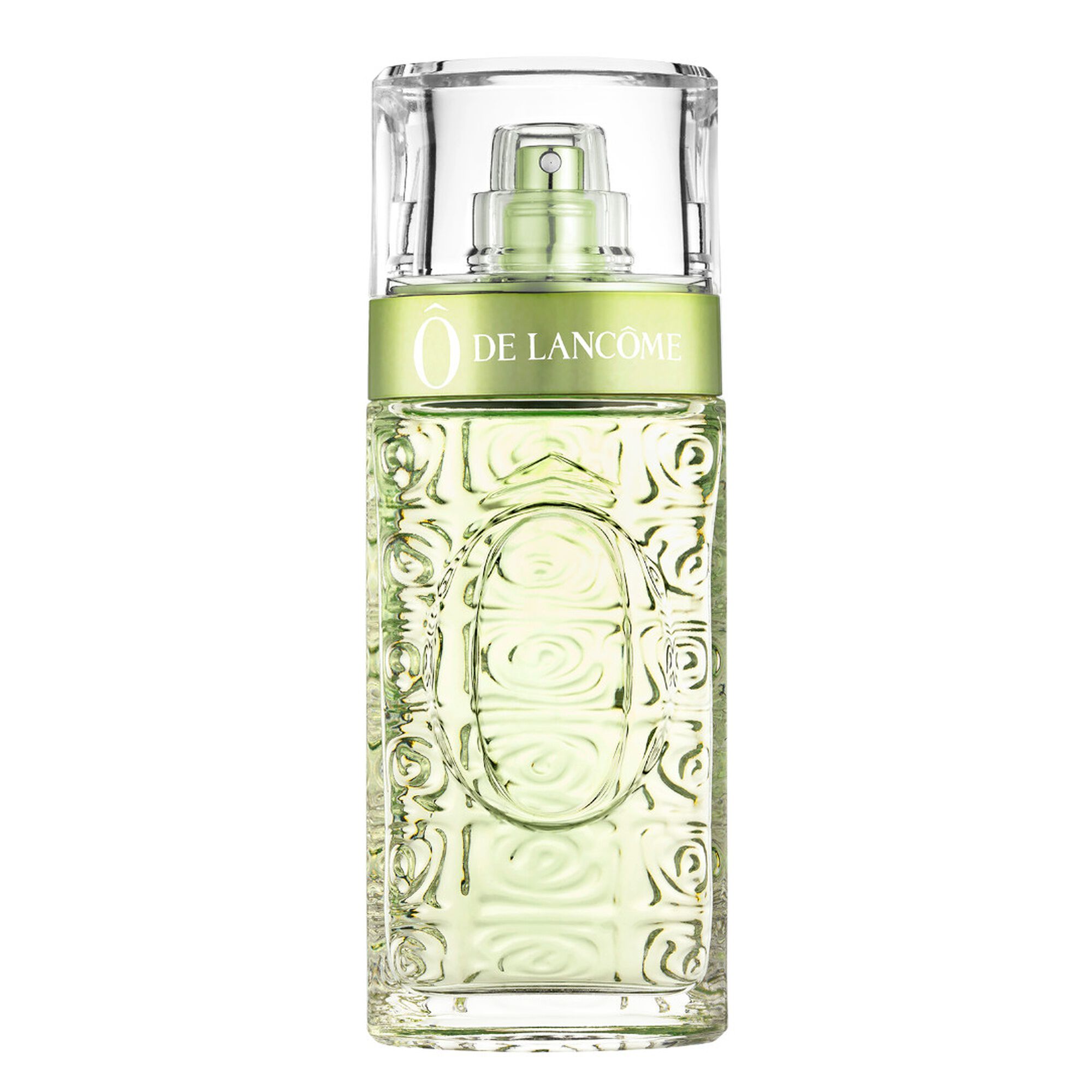
For everyday use, lightness and consistency are essential qualities. Ô de Lancôme (Lancôme) is, in this respect, a benchmark of classic hesperidic perfumery. Its top notes of cedrat, bergamot and mandarin bring an immediate, luminous freshness, tempered by base notes of oakmoss, vetiver and sandalwood. This composition, which belongs to the tradition of eaux fraîches, is perfectly suited to daily wear, particularly in fine weather or indoor settings.
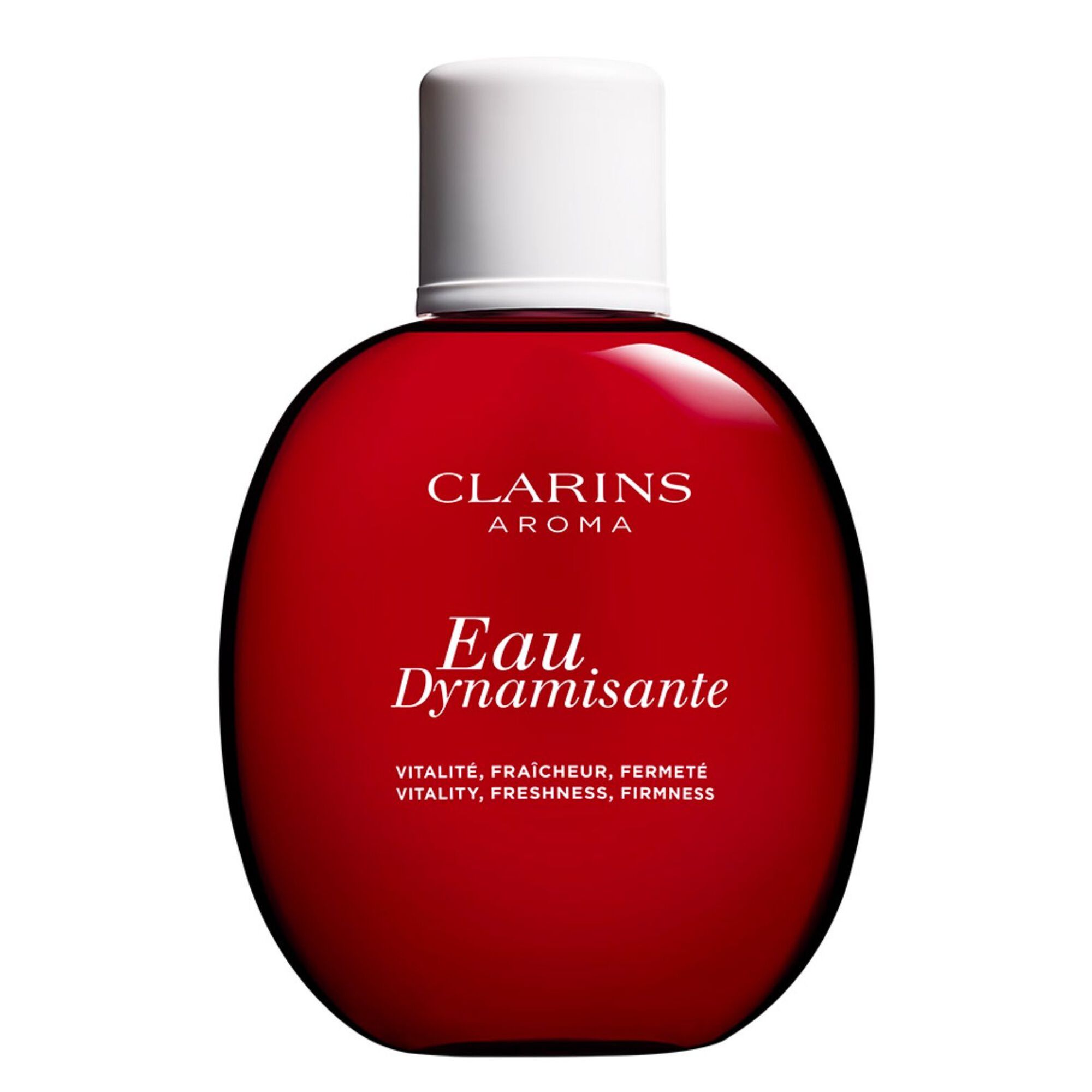
Aqua Allegoria Pamplelune (Guerlain) offers a variation on grapefruit and bergamot, with a neroli and petitgrain heart of vegetal delicacy, before vanilla and patchouli discreetly ground the composition. It is a fresh eau, but not a hollow one, with a genuine base note that allows it to last on the skin. For days that call for a little more presence, Eau Dynamisante (Clarins), a chypre with citrus top notes — Amalfi lemon, orange, petitgrain — and herbaceous notes of rosemary, thyme and cardamom, offers an invigorating, easy-to-wear character, a balance between freshness and warmth that many appreciate in everyday life.
Barénia (Hermès) embodies another daily proposition, more woody and chypre in character. Its opening bergamot gives way to a white lily lightly spiced with ginger, before patchouli, akigalawood and oak settle into a deep, long-lasting base. It is a parfum of character, worn without ostentation, with that sobriety so characteristic of the house of Hermès.
A selection for special occasions — compositions for the moments that matter
For family dinners, ceremonies, evenings at the theatre, or simply days one knows to be special, compositions with a more assertive presence are called for. Amazone (Hermès) is one of the house's great aldehydic floral fragrances, carried by a rich, structured accord: neroli, galbanum and bergamot in the opening, an opulent floral bouquet at the heart — rose, orris, jasmine, narcissus, hyacinth — then a deep base of oakmoss, vetiver, sandalwood and amber. It is a composition of real complexity, deserving to be worn on occasions that do it justice.
L'Interdit Givenchy (Givenchy) also belongs to the aldehydic floral family, with a remarkably generous heart: orris root, violet, rose, ylang-ylang, jasmine and muguet compose an almost opulent bouquet, held at the base note by sandalwood, amber, tonka bean and benzoin. Aldehydes and fruity touches of peach and bergamot at the top bring a lightness that keeps the composition from tipping into heaviness. It is a festive, elegant parfum, ideal for dressed-up occasions.
Aqua Allegoria Orange Soleia (Guerlain) can also find its place at terrace lunches or convivial gatherings in fine weather. Its blood orange grapefruit, lightly peppered bergamot and notes of musk and tonka bean compose an accord that is both sunny and soft, one that never imposes itself yet leaves a pleasant trail behind. Lastly, L'Interdit (Givenchy) in its eau de toilette version, with its heart of orris, violet and muguet over a base of amber and musk, is a more airy take on the same signature, suited to milder seasons and slightly less formal contexts.
Application tips — how to wear your parfum with comfort and longevity
Dry skin retains aromatic molecules for less time. A simple trick is to apply an unscented moisturiser before spraying the parfum: the resulting film of moisture slows evaporation and extends longevity. Pulse points — wrists, inner elbow, nape of the neck, décolletage — remain the most effective application areas, since body warmth continuously diffuses the parfum there without any need for reapplication.
With age, less is often more. Two to three sprays are generally enough, taking care not to apply parfum directly onto delicate fabrics, as certain molecules — aldehydes, natural dyes — can leave marks on light-coloured textiles. For chypre or aldehydic floral parfums, which are constructed, persistent compositions, a single morning application is enough to ensure an olfactory presence throughout the day. Finally, it is always possible to vary fragrances with the seasons: fresh hesperidic and chypre scents in spring and summer, powdery florals and more woody compositions in autumn and winter — a graceful way of marking the passage of time.

Frequently asked questions
Mature skin, often drier, holds lighter molecules less well. Aldehydic floral, chypre or powdery oriental families, in eau de parfum or extrait concentration, last better and remain perceptible throughout the day. Applying to moisturised pulse points — wrists, inner elbow — enhances projection without overdoing it.
Eau de toilette, being less concentrated, evaporates faster on dry skin: it suits warm days or brief outings. Eau de parfum, being longer-lasting, is preferable for continuous wear. On mature skin, a light application of eau de parfum twice a day is often more effective than a large quantity of eau de toilette.
Aromatic woody, soft leather or powdery fougère families suit mature male skin well. They offer an assertive signature without being overpowering. In eau de parfum concentration, longevity is satisfactory after just one or two applications on warm areas — wrists and nape of the neck — without needing frequent reapplication.
The same families as at 80 apply: powdery florals, soft orientals or light chypres remain suitable. Extrait or eau de parfum concentration compensates for the age-related decline in olfactory acuity. Choose spray bottles for precise dosing and avoid rubbing onto skin, which is often more delicate.