Perfume at 50: towards a confident olfactory signature
Which perfumes to choose at 50? Woody, chypre and oriental families, vetiver, cedar and olibanum notes: a considered selection for mature tastes.
Turning fifty and perfumery: when choice becomes obvious
At 50, our relationship with parfum changes in nature. It is no longer a question of trend or of the effect one wishes to produce, but something more intimate: a way of recognising oneself in a flacon, of choosing with discernment rather than urgency. The years bring an accumulated knowledge of the body, of moods, of contexts — and this knowledge naturally shows through in olfactory choices.
The quest for quality becomes more assertive. We accept less readily overly obvious synthetic fragrances, or fleeting trend effects that evaporate with the season. What we seek is a material that lasts, a construction that reveals its depths gradually, a sillage that says something true about the person wearing it. It is precisely at this age that the great families of perfumery — woody, chypre, oriental — take on their full meaning.
The development of olfactory taste around fifty
The perception of scent is not fixed. It evolves with experience, but also with genuine physiological changes: the skin often becomes drier, which alters the way a parfum settles and diffuses. Very light, very aqueous notes tend to hold less well and feel less satisfying. Deeper materials — resins, noble woods, warm musks — on the other hand, gain in presence and longevity.
A certain maturity of taste also sets in. Where a sweet or very floral parfum might once have charmed through its immediate simplicity, we now find ourselves drawn to accords that tell a story in several stages: a fresh opening that gives way to a complex heart note, then to a base note that lingers for hours. This capacity to appreciate longevity, depth and subtlety is precisely what opens the door to the great classics of perfumery.
Fragrance families suited to this time of life
Chypres represent one of the most sophisticated architectures in perfumery. Built on the bergamot-oakmoss-labdanum accord, they combine an initial freshness with an earthy depth, in an elegance that never goes out of style. Their assertive yet never aggressive character suits a personality that knows what it wants without needing to shout about it.
Woody fragrances — particularly in their vetiver, cedar or sandalwood variations — offer a solid foundation and a restraint that does not exclude richness. At fifty, these families act as a wardrobe staple of scent: they can be worn in any circumstance, adapt to the skin and grow more distinctive with the passing hours. Orientals, meanwhile, suit evenings and colder seasons perfectly, bringing an enveloping warmth built in depth through resins, soft spices and musks.
Notes to favour
Vetiver deserves particular attention. This multifaceted root — smoky, earthy, faintly marine — is one of the most complex raw materials in perfumery. It holds remarkably well on mature skin types and offers a dry, distinguished sillage that never feels heavy. Cedar, more linear but equally elegant, brings a clean, slightly creamy woody structure that works as well on women as on men.
Olibanum is a note that often speaks to those who have had time to sharpen their taste. Its meditative, faintly balsamic and resinous dimension gives compositions a depth one never tires of exploring. Bergamot, the ultimate top note, remains an essential at this age: it brings the necessary freshness without veering into the aquatic, and fades gracefully to let the heart note speak. Finally, oakmoss — the emblematic material of chypres — is one of the olfactory signatures most immediately associated with maturity and refinement.
A selection for everyday wear
For a woman seeking a fragrance that is both light and genuinely well built, Barénia (HERMÈS) stands out as an obvious choice. This floral chypre opens on a luminous bergamot, gives way to a heart note of white lily and ginger of rare finesse, then settles into a base note of patchouli, Akigalawood and oak. The result is a composition that is both green and sensuous, seemingly restrained yet long-lasting — everything one expects from a daily parfum at this stage of life.
Eau des Merveilles (HERMÈS) charms with a quiet originality. Its opening on cedrat and elemi resin establishes a slightly resinous, woody freshness, before Madagascar Vetiver, oakmoss and benzoin take over to compose a warm, woody base note of great distinctiveness. This fragrance suits women and men alike, and wears with ease from morning to evening.
On the men's side, Explorer Extrême (Montblanc) offers a fine everyday alternative. Its initial bergamot is vibrant and direct, before patchouli and vetiver in the heart note establish a dark, slightly earthy woody territory, finally anchored by a base note of amber and leather. This dense woody parfum holds well on the skin and radiates an assertive character without ostentation.
For a more accessible yet sincerely well-constructed feminine fragrance, Mon Parfum (Paloma Picasso) remains a benchmark in the chypre family. Its broad pyramid — rose, jasmine, mimosa in the heart note, oakmoss, sandalwood and patchouli in the base note — draws a full, generous floral chypre, both feminine and deep. The bergamot in the top note brings the clarity the whole composition needs.

A selection for special occasions
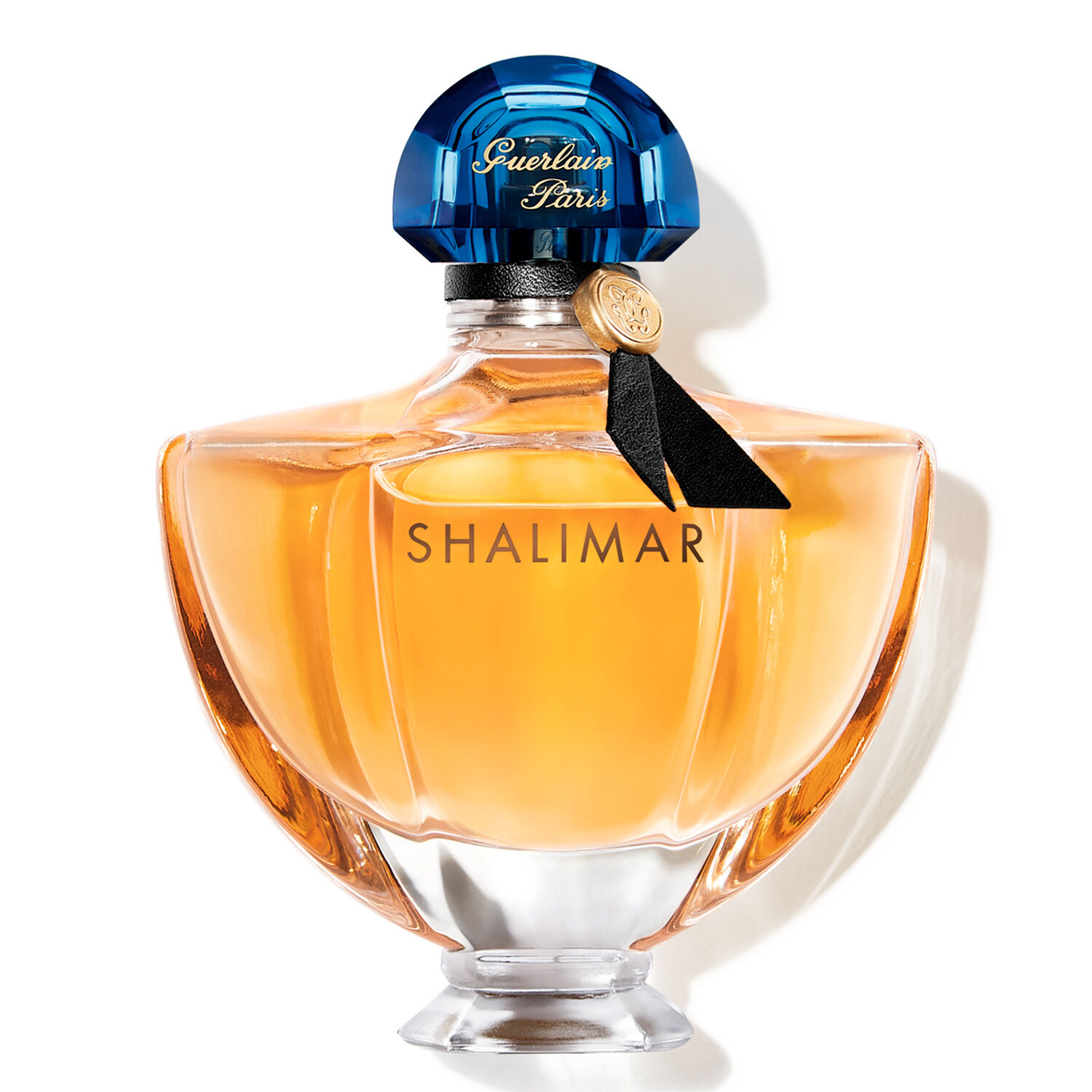
Shalimar L'Essence (Guerlain) is a luminous, contemporary variation on a great Parisian oriental classic. Its opening of olibanum and bergamot is immediately striking, followed by a heart note of iris, rose and opoponax of remarkable complexity. The base note unfolds into Madagascar Vanilla, leather, benzoin and tonka bean — a deep, warm base that makes for a strong signature for autumn and winter evenings. This is a parfum that calls for a little self-confidence to be worn — and rewards it generously.
Invictus Victory Absolu (Rabanne) represents, for men, what might be called an accomplished evening woody. Black pepper on opening establishes a spicy tension, softened by amber in the heart note before sandalwood, olibanum and patchouli build a dense, enveloping base note. This composition is particularly suited to cold weather and formal settings where one wishes to make one's presence felt with restraint.
Burberry for Men (Burberry) is a masculine chypre that deserves rediscovery. Its aromatic complexity — mint, Armoise, bergamot, lavender in the top notes — opens onto a heart note rich in vetiver, patchouli, cedar and geranium, before a leathery base note of myrrh and oakmoss of fine nobility. This is a fragrance that takes time to reveal itself fully, and it is precisely for this reason that it suits occasions where one can take that time.
Le Male Le Parfum (Jean Paul Gaultier) takes a different path: that of a warm, structured oriental. Cardamom in the top notes brings a dry, precise spice, which lavender and iris in the heart note transform into something softer and more refined. The vanilla base note, along with oriental and woody notes, composes a long-lasting, enveloping base note, ideal for evenings when one wishes to leave a lasting impression.
Practical advice
At fifty, the skin is often less hydrated than before, which can slightly speed up the evaporation of top notes. Applying a parfum to well-hydrated skin — after a neutral skincare product or an unscented cream — significantly extends its longevity and reveals its full complexity. Pulse points remain the application areas to favour: the inside of the wrists, the base of the neck, the inner elbow.
For woody and oriental parfums, which are naturally more concentrated, two to three touches are generally enough to achieve a noticeable sillage without excess. It is also worth letting the parfum develop for a few minutes before getting dressed: certain base notes — cedar, vetiver, oakmoss — need body warmth to express themselves fully. Finally, at this stage of life where refinement takes precedence over display, a moderate but long-lasting sillage will often be more fitting than a generous projection.