
Perfume at 30: when olfactory taste finds its character
At 30, choose perfumes with assertive character and lasting power. Fragrance families, concentrations and occasions: your guide to choosing well.
At 30, the ideal parfum combines assertive character with subtle refinement: woody florals and warm musks for women, ambery woods and structured fougeres for men, with light orientals suiting both. This is the decade when taste becomes more precise: longevity and depth take precedence over immediate sillage, and eau de parfum becomes the go-to concentration. On this page: concrete pointers by fragrance family and by occasion, followed by a selection suited to both women and men in their thirties.
Your thirties and perfume — a relationship that changes register
Your thirties often mark a subtle but real turning point in your relationship with perfume. It's no longer quite the same as at 20, when you sometimes seek to make a strong impression, to assert a presence through sillage. Nor is it yet the assured fullness of the decades that follow. Your thirties occupy that particular territory where you begin to know what you want — and to trust yourself to choose it.
Your life context plays a big part. Between the first professional responsibilities, a personal life that becomes more structured, and tastes that grow more precise, you no longer choose a parfum in the same way. Sillage becomes something you think through, raw materials become points of reference, and loyalty to a particular scent starts to feel like a genuine statement of identity. This is the age at which perfumery, for many, becomes a passion rather than a reflex.
The development of olfactory taste in your thirties
Olfactory perception is directly linked to experience. As sensory memories accumulate, preferences sharpen and tolerance for complex compositions increases. Families such as oriental or chypre, sometimes perceived as too heavy or too sophisticated in your early twenties, begin to make sense. You come to appreciate their depth, their ability to hold over time, the way they develop on the skin over the hours.
The relationship with the body also changes. At 30, you're often more comfortable in your own skin — literally and figuratively — which directly influences how you wear a perfume. You dare more readily to wear an assertive woody note, a patchouli-leather accord on a man, a full-bodied rose rather than a fresh one on a woman. The emerging sophistication people speak of at this age is precisely this capacity to embrace olfactory choices that require a little maturity to be truly worn well.
Fragrance families suited to this stage of life
The floral family remains very present in your thirties, but it evolves. You move from light, transparent flowers towards fuller, more constructed florals, which play on depth rather than immediate freshness. Iris, jasmine absolute, tuberose: materials that need to be tamed and that generously reward those who wear them. The woody family is also very appealing at this age, notably because it combines an assertive presence with a certain natural elegance. Vetiver, cedar, and finely worked patchouli bring substance without ostentation.
The oriental family gains ground from your thirties onwards, often through compositions that approach it with subtlety — a well-balanced vanilla-musk accord, a tonka bean that warms without weighing down, a creamy sandalwood that envelops. As for the chypre family, it enjoys a genuine resurgence of interest among those seeking parfums that are both distinctive and deeply elegant. The classic chypre accord — oakmoss, bergamot, patchouli — has that rare quality of ageing beautifully on the skin and immediately setting apart whoever wears it.
Notes to favour around your thirties
Rose remains a safe bet at this age, provided you choose it in its richest forms: Damask Rose, Turkish rose, a full-bodied and slightly powdery rose rather than the light, fresh rose of a cologne. It offers an assured femininity that fits well with the self-assertion characteristic of the thirties. Iris is another particularly well-suited note: powdery, slightly earthy, sophisticated without being severe, it brings an immediately recognisable olfactory signature.
Patchouli deserves rehabilitating for those who haven't yet tried its contemporary version. Carefully crafted, it bears no resemblance to the thick essences of the 1970s — it brings a warm, woody depth that beautifully anchors a composition. Vetiver, meanwhile, particularly appeals to men who seek a wood that is both earthy and fresh, with an elegant hint of bitterness. Finally, oud — used with restraint in Western compositions — starts to make sense at this age, bringing a density and presence that you might not have known how to appreciate earlier.
Selection for everyday wear
To accompany days that blend professional meetings with personal life, everyday perfumes in your thirties should strike a balance between presence and subtlety, between character and versatility. My Way (Armani) meets this expectation well. Its floral structure rests on a sunny orange blossom and an enveloping Indian jasmine, anchored in a base of Virginia cedar and Madagascar Vanilla — a luminous, warm pairing that lasts throughout the day without ever being overbearing.
L'Eau des Merveilles (HERMÈS) is a particularly clever choice for everyday wear for women at this age. Its opening of orange and cedrat is luminous, but it's the depths — Madagascar Vetiver, oakmoss, benzoin — that reveal a woody, slightly mineral, almost precious character. This parfum embodies exactly that emerging sophistication: it surprises those who draw close, without ever trying too hard. For a more accessible chypre option for everyday wear, Eau Dynamisante (Clarins) offers a fresh aromatic composition — Amalfi lemon, coriander, cardamom — laid over a patchouli base that gives it longevity and character.
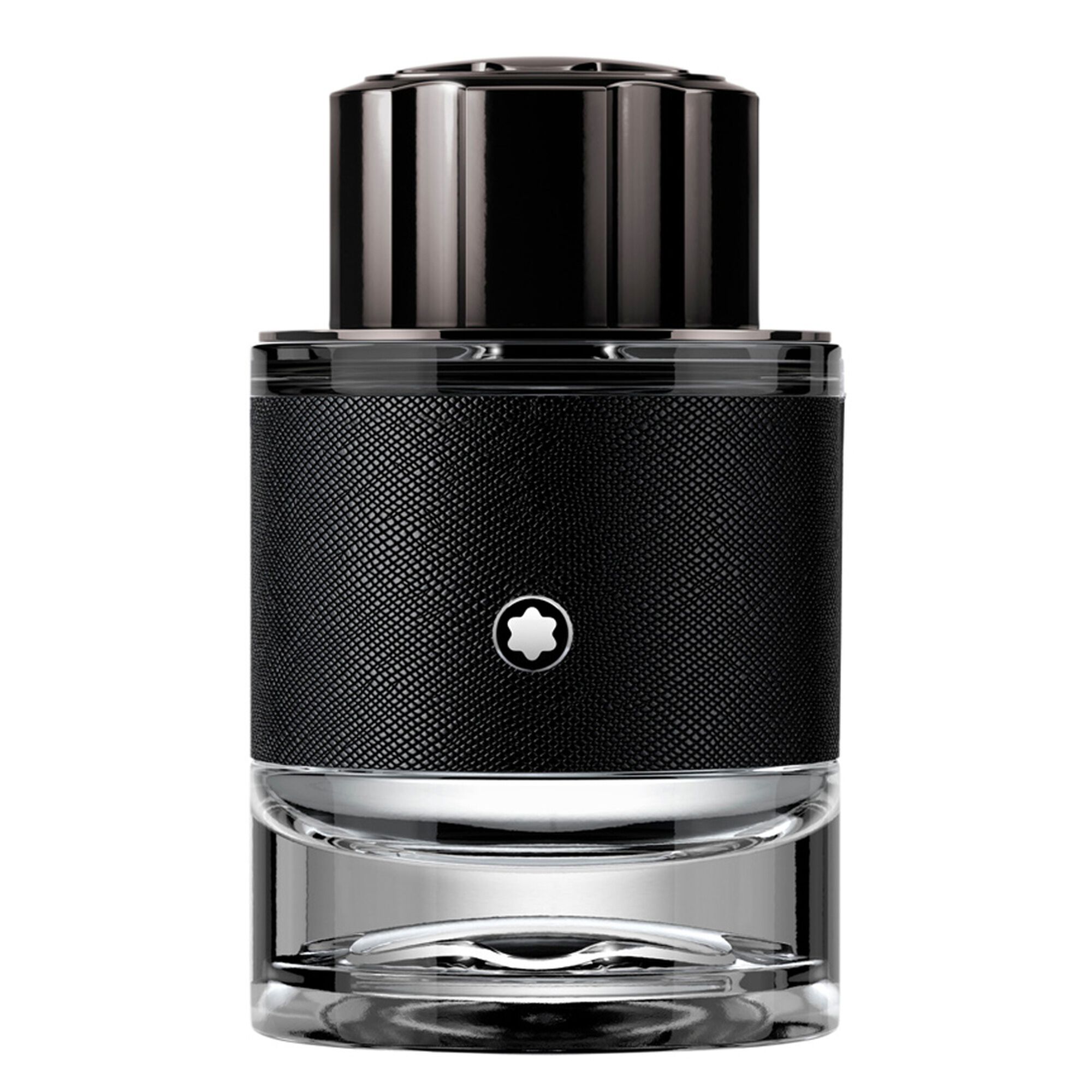
For men, Explorer Extrême (Montblanc) is a woody proposition that fits perfectly with the expectations of your thirties: a crisp bergamot in the opening, then a heart note of patchouli and vetiver that establishes an earthy, smoky presence, before a base note of amber and leather brings warmth and longevity. This is a parfum that owns its identity, without trying to please everyone — and that's precisely what makes it a fitting choice for this age.
Selection for occasions
When the context allows — dinner, an evening out, an important professional event, a romantic moment — your thirties allow for bolder choices, compositions that take up more space and stay in the memory. 24 Faubourg (HERMÈS) is a richly floral reference: hyacinth, ylang-ylang and iris in the opening, jasmine and orange blossom at the heart note, then a deep base note of amber, sandalwood and patchouli. This complex architecture unfolds slowly, ideally worn in the evening, when you have time to let it fully express itself.
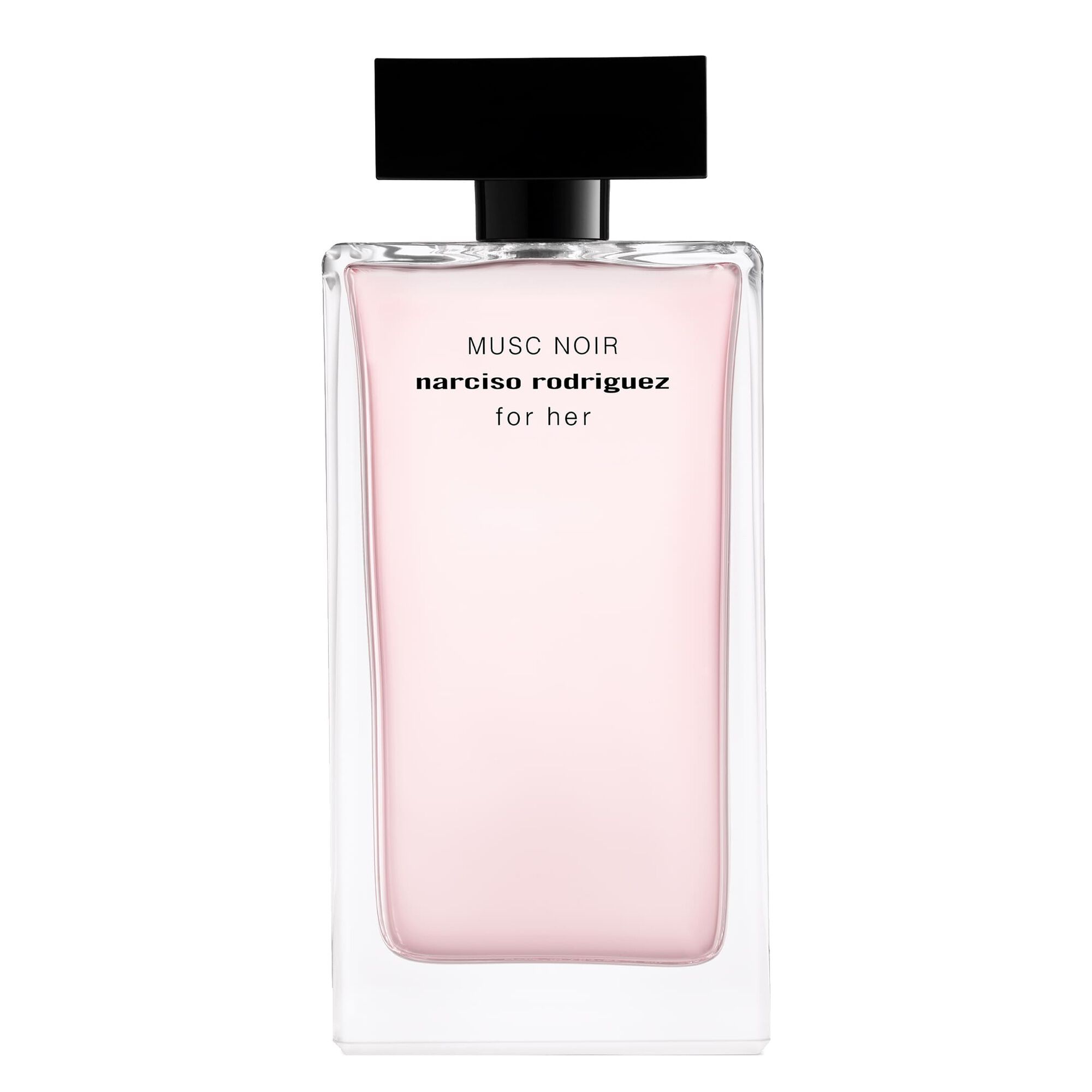
Narciso Ambrée (Narciso Rodriguez) suits perfectly occasions that call for a sensual presence without excess. Neroli and frangipani in the top notes quickly give way to a musky, floral heart note — orange blossom, musk — before a base note of cashmeran and amber settles into a warm, almost tactile embrace. This is one of those parfums you feel on yourself like a second skin on grand occasions. For men, Scandal pour Homme Le Parfum (Jean Paul Gaultier) offers a remarkably effective pelargonium-tonka bean-sandalwood accord: warm, woody, subtly floral thanks to the pelargonium, it exudes a natural confidence that fits well with the self-assertion characteristic of men in their thirties.
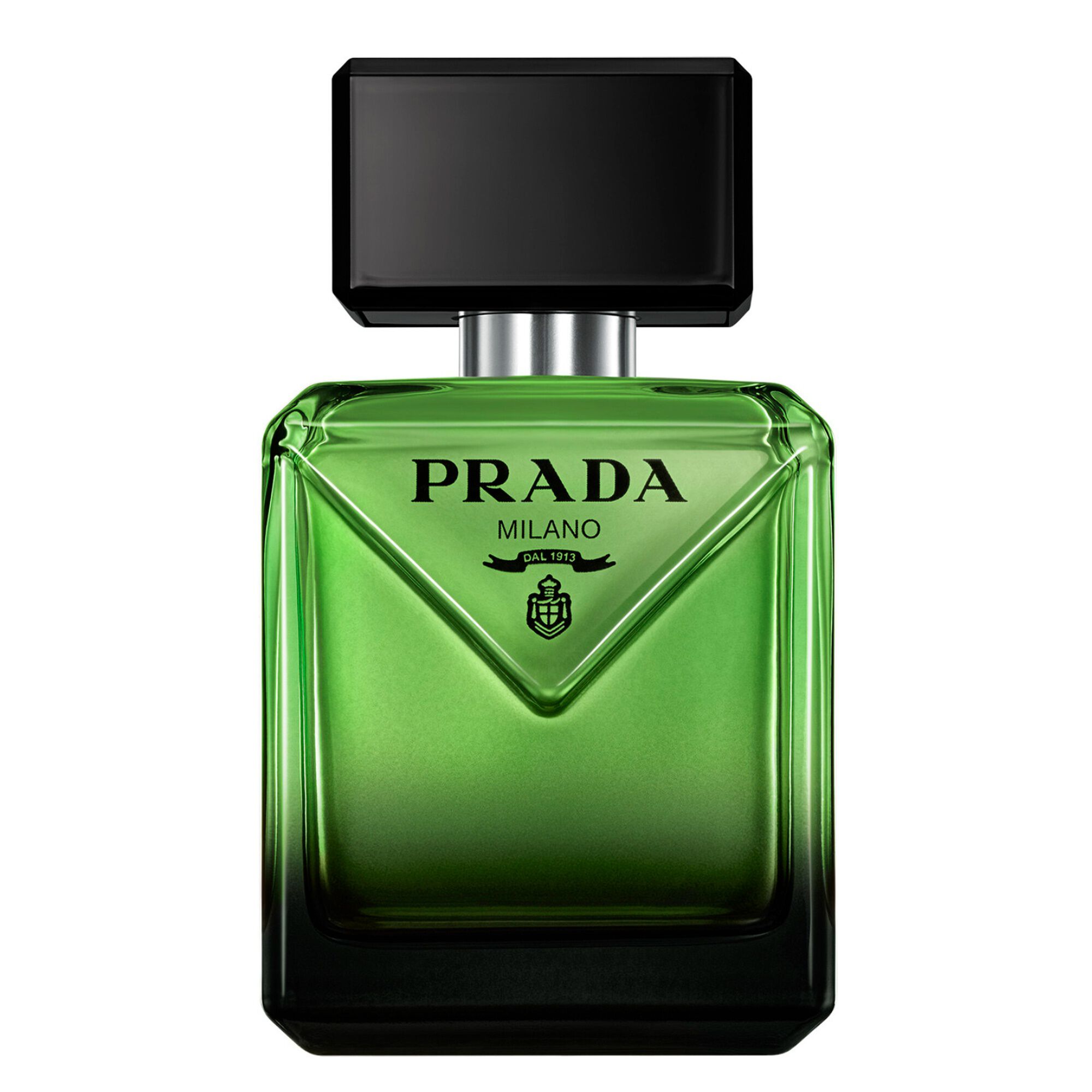
Le Male Le Parfum (Jean Paul Gaultier) is a more sensual oriental alternative, playing on spicy cardamom, lavender, iris and a base note of vanilla and woody notes. Its depth makes it a bold choice for evenings or weekends, far from the subtlety of the office but perfect for moments when you want to make your presence known. Barénia (HERMÈS), meanwhile, is aimed at those seeking a chypre of great elegance: its initial bergamot is vibrant and crisp, its heart note of white lily with ginger brings a subtly spicy floral touch, and its base note of patchouli, Akigalawood and oak offers an organic, sophisticated depth that will become the signature of memorable moments.
Practical tips for wearing your perfume in your thirties
At 30, sillage is managed with more precision than perhaps before. Applying to pulse points — wrists, nape of the neck, inner elbow — remains the basic rule, but you can also lightly spray the chest or hair for a softer, more diffuse sillage, particularly suited to professional settings. A concentrated oriental or woody parfum is worn with one or two touches; trying to do more risks saturating the space rather than reinforcing presence.
The question of concentration is also worth considering at this age. Eaux de parfum, or even intense parfums, last better throughout the day and require less reapplication — a practical argument for those with busy schedules. On the other hand, for very dense or very woody scents, an eau de toilette may suffice, particularly during the day or in warmer months. The idea is not to choose the most intense option, but to find the right balance so that the parfum functions as a subtle, long-lasting signature rather than a statement of intent.



Frequently asked questions
At 30, woody florals, warm amber-musks and light orientals suit an increasingly assertive taste without going overboard. Depth and longevity are what you're looking for: eau de parfum stands out as the reference concentration, longer-lasting than eau de toilette while remaining suitable for everyday wear.
A man of 30 gets the best out of ambery woods, aromatic fougeres and light spicy orientals: registers that transition seamlessly from office to evening. Eau de parfum is the preferred concentration here too, for its longevity. Two complementary bottles — a fresh one for daytime, a deeper one for evening — cover most occasions in this decade.
Eau de parfum (EDP) is the most suitable concentration: it offers four to eight hours of longevity, controlled sillage and genuine olfactory complexity. Parfum extract suits evenings or special occasions. Eau de toilette remains relevant for light everyday use, particularly in warm weather.
Apply your parfum to pulse points: wrists, nape of the neck, inner elbow and behind the knees. First moisturise the skin with a neutral cream to help fix the olfactory molecules. Avoid rubbing your wrists after application: this breaks down the heart notes and reduces longevity. One or two sprays are enough for an elegant, non-saturating sillage.