Perfume at 70: timeless elegance as an olfactory signature
Which perfumes to choose at 70? Chypre, floral aldehyde and woody families: a selection of timeless compositions for an assertive elegance.
At 70 and beyond, the relationship with perfume
There is a rare form of freedom in one's relationship with perfume past the age of 70: that of having found what one loves, of no longer needing to justify it, and of wearing one's olfactory choices with quiet conviction. The time of frantic experimentation is often behind you, not for lack of curiosity, but because taste has become more refined, preferences have settled, and sensory comfort has taken a legitimate place among the criteria for choice. A perfume, at this age, need not shout: it accompanies, it envelops, it says something true about who you are.
This does not mean sticking to the classics out of reflex or conformism. Many people aged 70 and over are discerning connoisseurs, attentive to the quality of raw materials, to the longevity of a sillage, to the way a composition develops on their skin over the hours. What one looks for at this age is often depth: perfumes that truly exist, that have character without being aggressive, and that suit a full and well-lived life.
The development of olfactory taste over time
Olfactory perception changes with age, a fact rarely mentioned in perfumery guides. Sensitivity to the most volatile notes — intense citrus, very sharp green notes — can shift, while one sometimes becomes more receptive to base note accords, warmer and more enveloping. This phenomenon naturally leads towards more structured compositions, where the heart note and base note play a central role rather than fleeting top notes.
The relationship with skin also changes. Over the years, skin tends to become drier, which alters the way fragrant molecules settle and project. Perfumes with woody, musky or balsamic base notes offer better longevity on this skin type. Conversely, very light, watery formulas can disappear quickly. This is not a limitation, but useful information for choosing the right concentration — eau de parfum or pure parfum rather than a light eau de toilette.
The fragrance families best suited to this profile
The chypre and floral aldehyde families are among the most consistent with this taste profile. Chypre — built on the bergamot, rose or labdanum, oakmoss accord — is an olfactory architecture that has spanned the twentieth century, carrying a promise of structured elegance. It is no coincidence that many perfumes which have become cultural landmarks belong to this family: they offer remarkable longevity, a complexity that reveals itself gradually, and a dignified presence without ostentation.
The floral aldehyde family, born in the 1920s, embodies a certain French classicism that many associate with their personal history. Aldehydes bring a powdery lightness and a distinctive relief to floral notes, creating compositions that are both airy and deep. The hesperidic and woody families complete this palette: the former for invigorating everyday wear, the latter for moments when something more assertive and long-lasting is called for.
A selection for everyday wear
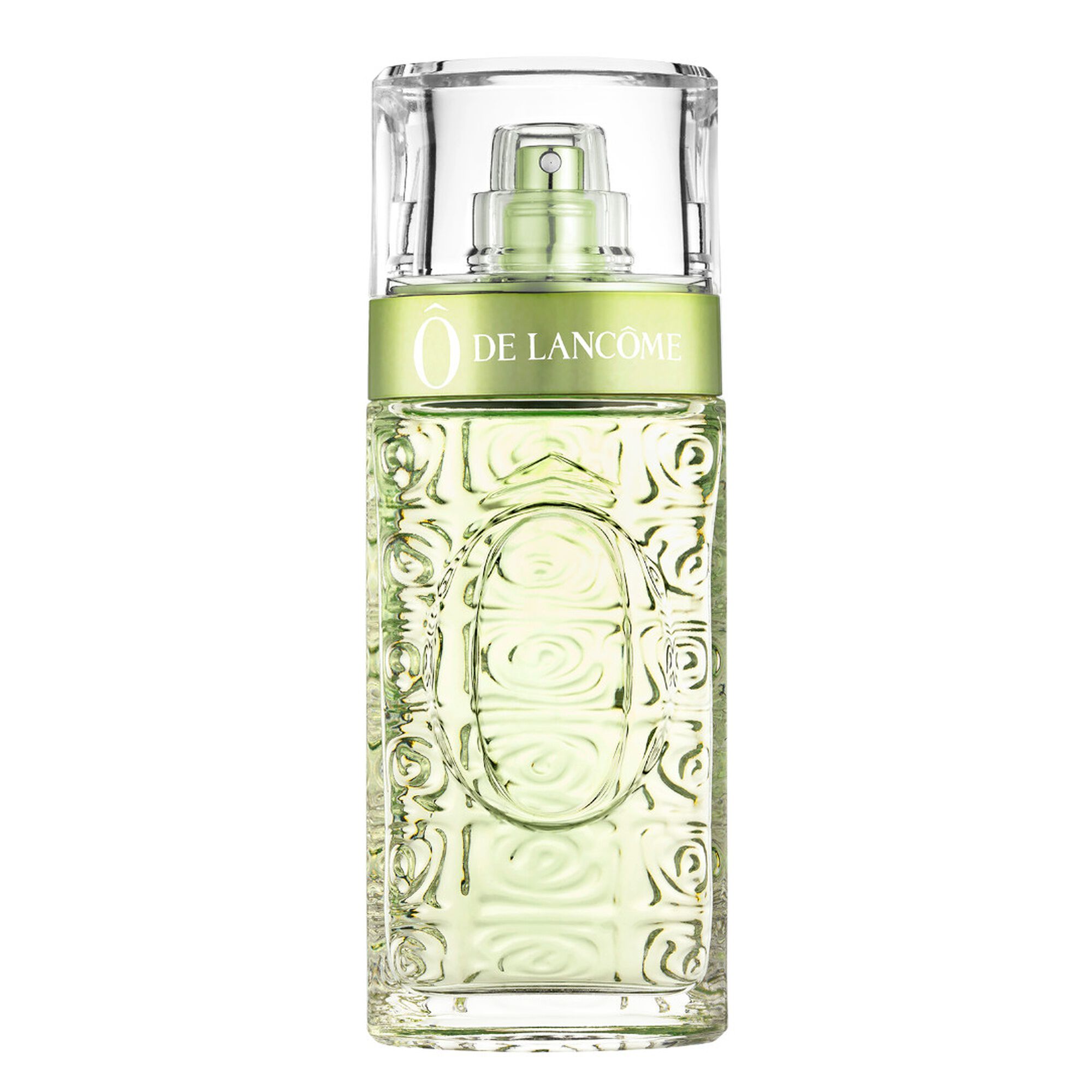
Ô de Lancôme (Lancôme) is a hesperidic composition of remarkable clarity, built on a trio of cedrat, bergamot and mandarin that opens with great freshness. What sets it apart from a simple cologne is its base note: oakmoss, vetiver and sandalwood bring a chypre depth that anchors the initial lightness and ensures comfortable longevity throughout the day. It is a subtle yet present perfume, ideal for active mornings or indoor gatherings.
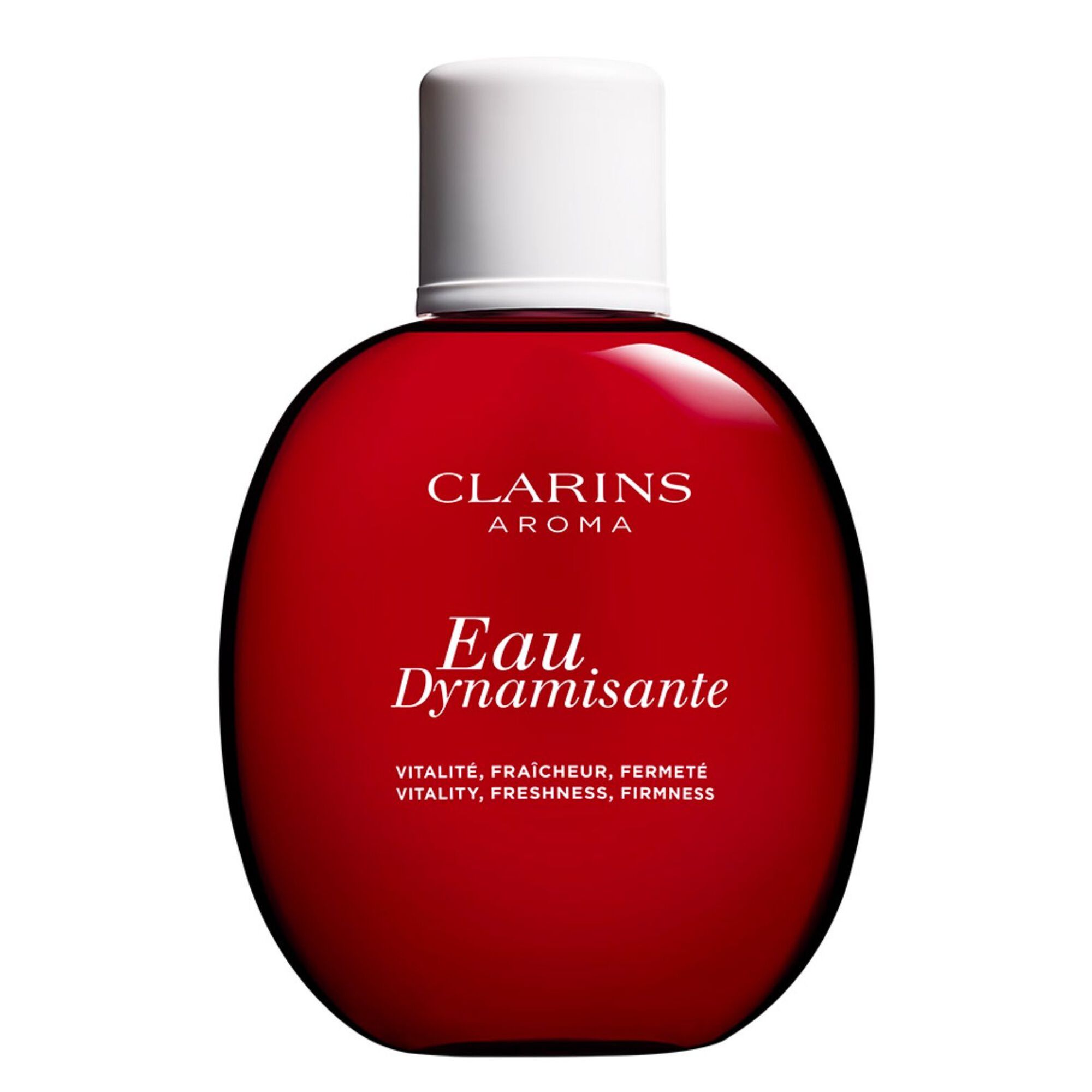
L'Eau Dynamisante (Clarins) belongs to the chypre family with a very aromatic opening: Amalfi lemon, coriander, orange and petitgrain compose an invigorating, almost medicinal opening in the noble sense of the term. The heart note of carnation and rosemary maintains this tonic character, while patchouli in the base note adds a subtle earthy depth. It is an eau that is both stimulating and comfortable, perfectly suited to morning use or before a daytime outing.
Eau des Merveilles (Hermès) offers a woody, amber approach of great elegance. Its opening of orange and cedrat quickly melts into a peppery, amber heart note, before giving way to a remarkable base note where cedar, oakmoss and benzoin intertwine. This composition has something warm and reassuring about it, a soft yet identifiable presence that accompanies without imposing itself. It works equally well for a woman or a man.
Aqua Allegoria Pamplelune (Guerlain) is a hesperidic composition built around grapefruit and bergamot, with a heart note of neroli and petitgrain that lends it a subtle floral elegance. The patchouli and vanilla base note brings a surprising yet welcome grounding, transforming what could have been a simple fresh eau into something more complex and more personal. For sunny days or light outings, it is an option that combines olfactory comfort with sensory pleasure.
A selection for special occasions
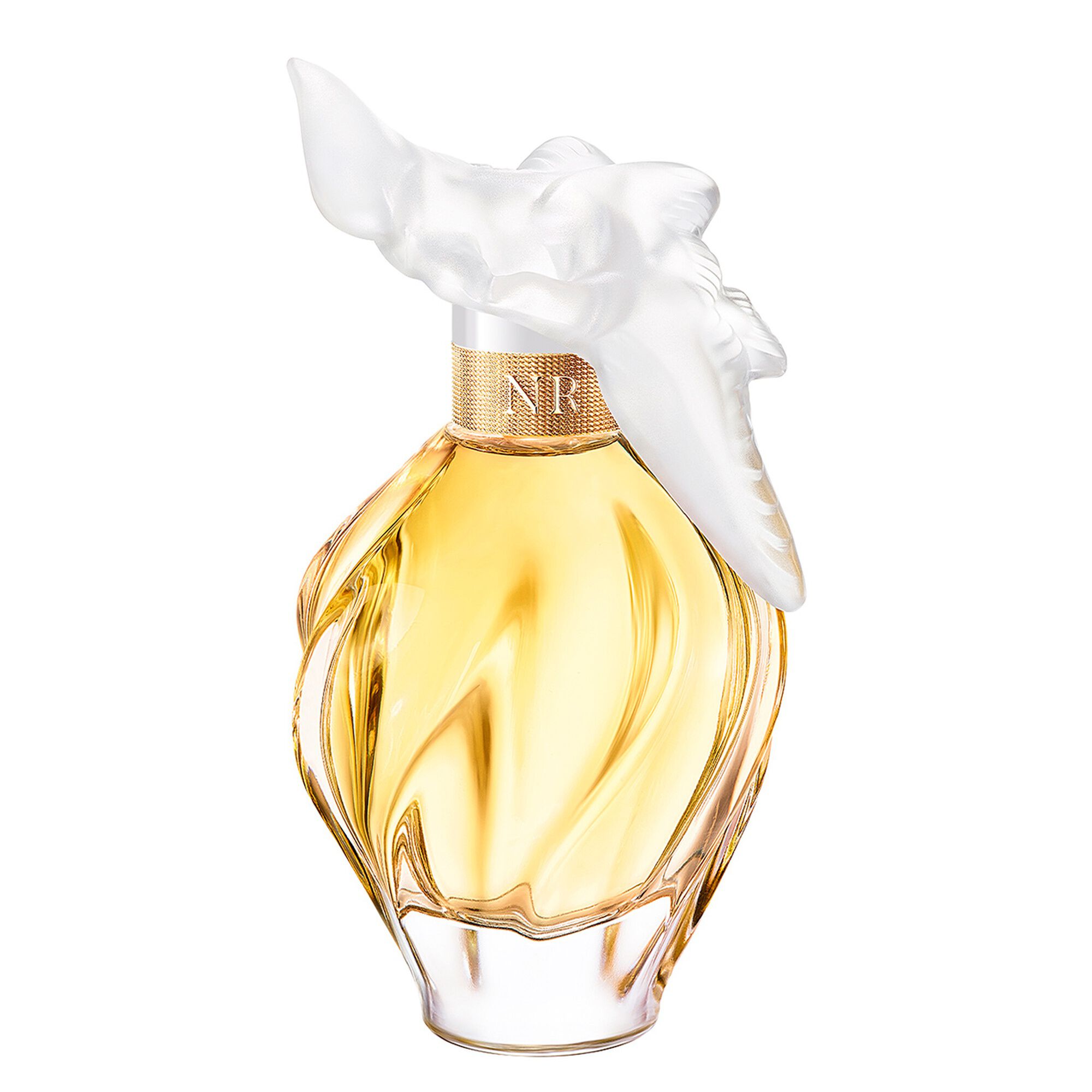
L'Interdit Givenchy (Givenchy) is a floral aldehyde composition that stands within the great tradition of French powdery florals. The aldehydes in the top notes give it that characteristic relief, that airy lightness that carries the rose, iris and jasmine of the heart note with great nobility. The sandalwood, amber and tonka bean base note gives it a well-judged warmth, ideal for an evening at the theatre, an elegant dinner or a family ceremony. It is a composition with real staying power.
Barénia (Hermès) is a chypre of beautiful restraint, opening on bergamot before revealing a heart note of white lily and ginger of remarkable finesse. Its base note combines patchouli, oak and Akigalawood in a deep, dry accord that suits mature skin types perfectly. It gives off an impression of quality and assured subtlety, without any concession to easiness. For occasions where you want to be noticed without overdoing it, Barénia answers with precision.
Explorer Extrême (Montblanc) is aimed more at men seeking an assertive woody composition for grand occasions. Bergamot opens with freshness, before patchouli and vetiver take over to form a deep, slightly earthy accord. The amber and leather base note brings a very elegant animalic warmth, with a long-lasting sillage that is particularly welcome during an evening or an important event. It is a composition that accompanies with authority without ever feeling heavy.
Aqua Allegoria Orange Soleia (Guerlain) may seem light at first glance, but its construction is carefully considered: blood orange and bergamot in the top notes, petitgrain and mint in the heart note, musk and tonka bean in the base note. This final accord gives it a soft, powdery sensuality that sets it apart from purely fresh eaux. For a daytime event — a lunch, a family gathering, a cultural outing — it is a luminous option that leaves an impression of lightness without appearing superficial.
Practical application tips
The most useful rule at this age remains that of concentration and quantity. On dry skin, it is better to choose an eau de parfum or an extrait de parfum rather than an eau de toilette, and to apply a smaller quantity but to strategic areas: the inside of the wrists, the nape of the neck, and possibly the décolletage. Body warmth diffuses the perfume continuously, and two or three points of contact are generally enough for a present but measured sillage.
Moisturising the skin before applying perfume noticeably improves its longevity. An unscented cream, or a body lotion from the same range if available, creates a base that holds fragrant molecules better. It is also advisable to avoid rubbing the wrists together after application: this habitual gesture breaks down the most delicate molecules and disrupts the natural development of the composition. Finally, for indoor occasions, a moderate sillage is always preferable: in an enclosed space, an overly projected perfume can become overwhelming for those nearby, which is never the effect sought by someone who wears their perfume with elegance.