Perfume for women aged 70: olfactory elegance, freely embraced
What perfume suits a woman of 70? Chypres, floral aldehydes, citrus: fragrance families, key notes and a selection of timeless fragrances.
At 70 and beyond: a fully embraced relationship with parfum
There is a particular kind of olfactory freedom that belongs to this stage of life. After decades spent refining one's tastes, living through trends and building a personal identity, one's relationship with parfum becomes calmer, more assured. You know what you love, you know what suits your skin, your character, your days. This self-knowledge is a rare asset, and contemporary perfumery offers a palette rich enough to serve it faithfully.
Timeless elegance is not synonymous with olfactory conservatism. Rather, it describes a preference for compositions that last, that do not seek to surprise at all costs, and that reflect a settled, unhurried relationship with time. The great fragrance families that resonate at this stage — chypre, floral aldehyde, citrus, woody — all share this quality of balance between freshness and depth, between surface lightness and long-lasting presence.
The development of olfactory taste
Olfactory perception develops throughout life. The skin, too, changes: it retains molecules differently, amplifies certain notes — particularly woody and musky ones — and can soften others, such as the more volatile citrus notes. This well-documented phenomenon explains why the same parfum worn at 30 and then at 70 will not render in exactly the same way: the skin co-creates the sillage, and it does so uniquely at every age.
At this stage, tastes naturally lean towards more structured compositions, with a genuine three-part architecture — a clear opening, a generous heart note, a lasting base note. Parfums that are too fleeting or too monolithic can feel insufficient. Conversely, jus that are overloaded, oversaturated with sweet molecules or harsh synthetics, can feel heavy. What matters most is comfort: that of a parfum worn all day without tiring of it, one that accompanies without overpowering.
Suitable fragrance families
The chypre family, built on the bergamot–oakmoss–labdanum accord, is one of the most accomplished in classic perfumery. It has that particular quality of being fresh on opening yet deep over time, with a woody-earthy signature that settles onto the skin with subtlety. Women who appreciate a certain restraint while refusing blandness generally find exactly what they are looking for here.
The floral aldehyde family, which for a long time defined the very idea of the great feminine parfum, remains an absolute reference for anyone seeking an elegant, well-constructed presence. Aldehydes — those molecules that create that famous powdery, slightly soapy, almost airy effect — act as amplifiers of floral notes, particularly rose and jasmine. Worn in moderation, these parfums have a nobility few other families can match. The citrus and woody families complete this palette, the former bringing a lemony vibrancy ideal for daytime or warm weather, the latter a soft warmth that suits a stroll just as well as a quiet dinner.
Selection for everyday wear
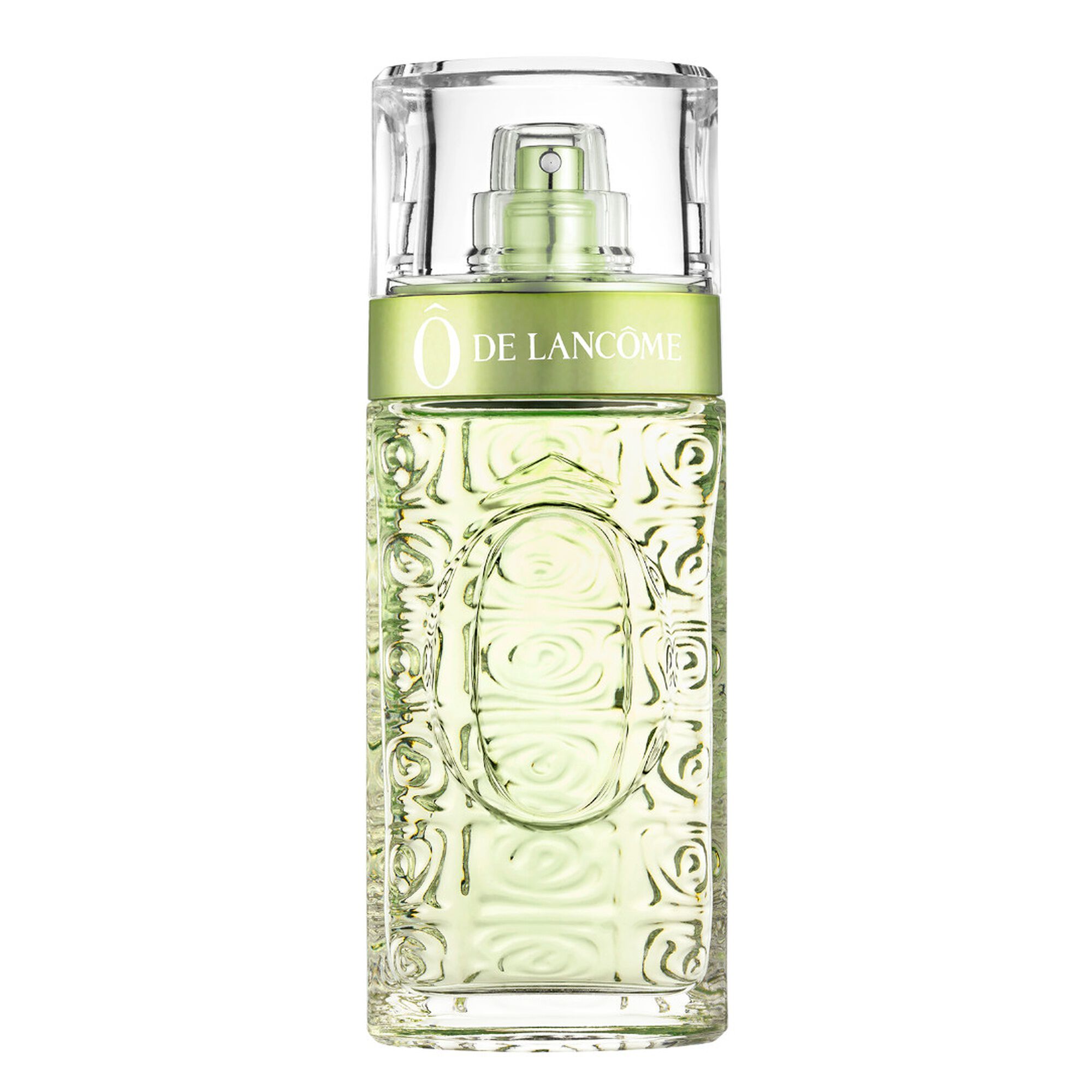
For ordinary days — which deserve to be perfumed just as much as any other — certain compositions stand out for how easy they are to wear and how well they adapt to every context. Ô de Lancôme (Lancôme) is the perfect example of a structured citrus, one that is far more than simple lemony freshness. Its opening on cedrat, bergamot and mandarin is luminous, but it is the base note that holds the attention: oakmoss, vetiver and sandalwood give it a soft, vegetal foundation that lasts on the skin well beyond lunchtime. Rosemary and basil in the heart note add a light aromatic edge, very pleasant in any season.
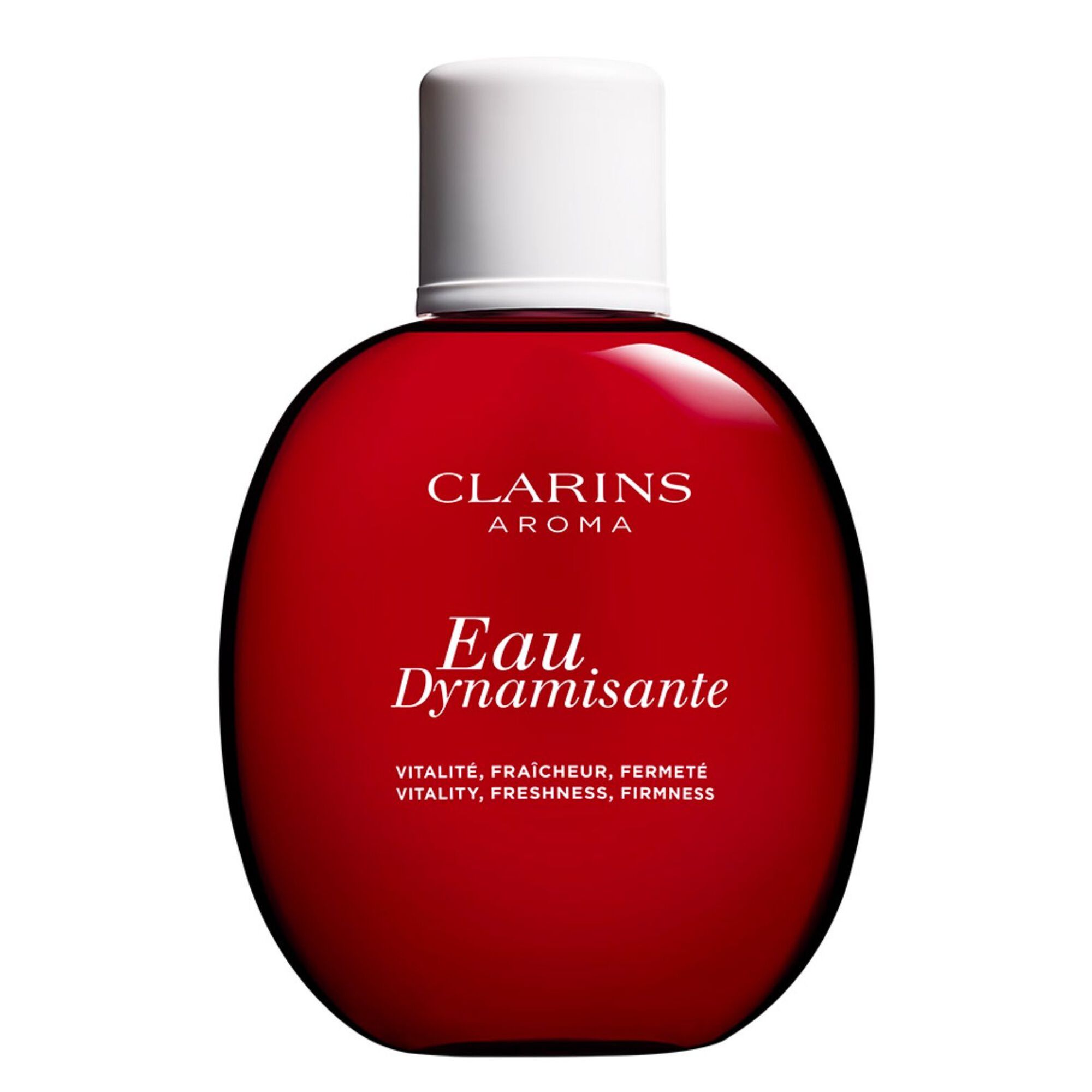
L'Eau Dynamisante (Clarins), often filed under skincare, is in fact a genuine chypre composition. Its citrus opening — Amalfi lemon, orange, petitgrain — is invigorating, while the heart note of carnation and rosemary brings a slightly peppery, floral character. The patchouli base note is subtle but anchors the whole in something long-lasting. This is an everyday parfum par excellence, one that respects those around you while asserting a real presence.
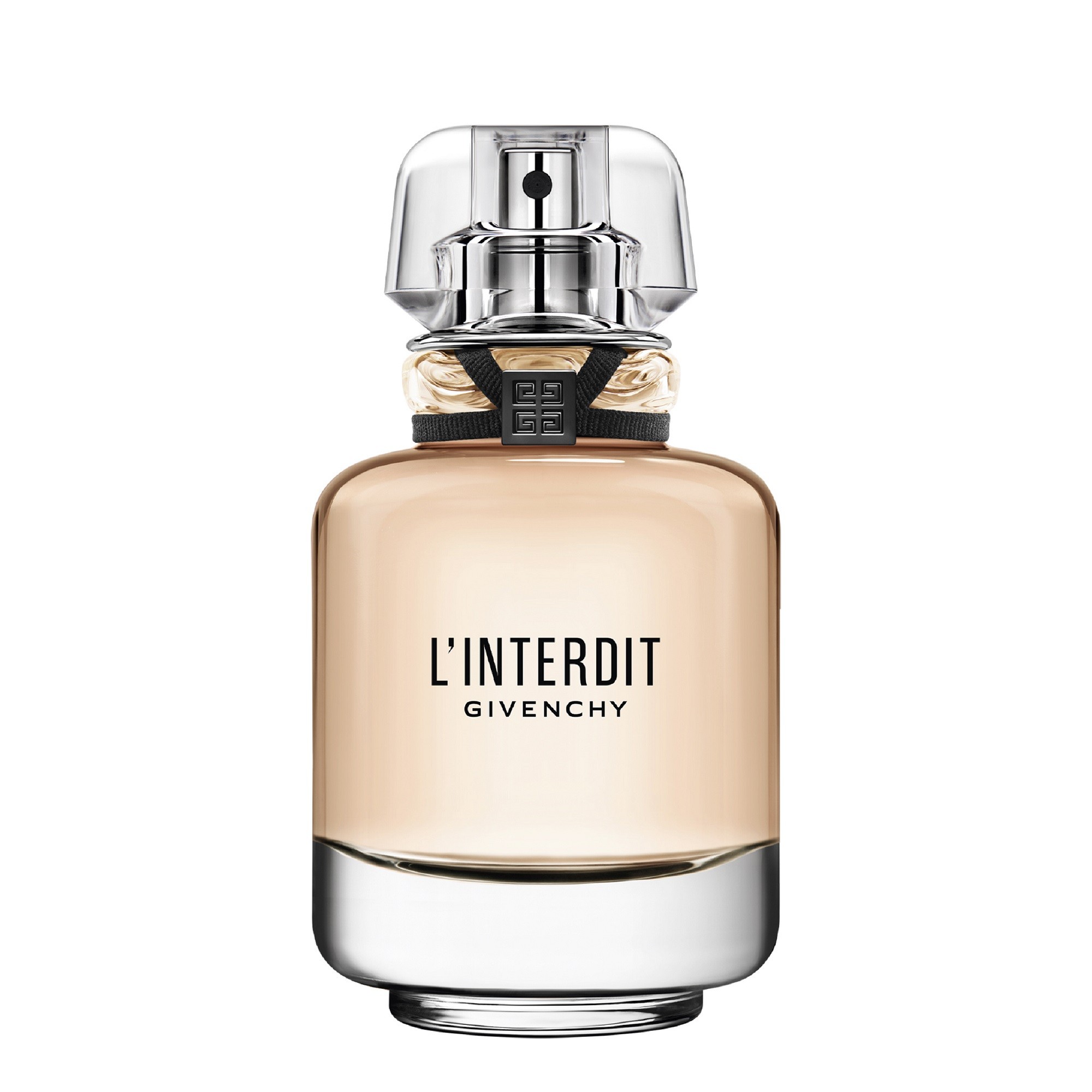
L'Interdit Givenchy (Givenchy) offers an accessible, well-constructed take on the floral aldehyde style. Its heart note of iris, violet, rose and jasmine is remarkably generous in its florality, carried by aldehydes that lend it air without making it overly powdery. The sandalwood, amber and benzoin base note brings a soft, comforting warmth, ideal for days when you want to feel wrapped without feeling weighed down.
Barénia (Hermès) is a refined chypre composition, almost minimalist in its construction yet deep in its result. The bergamot top note is precise and clear, the white lily lightly spiced with ginger in the heart note brings an original floral signature, and the base note — patchouli, Akigalawood, oak — has a beautiful woody density. This is a parfum for those who prefer architecture to exuberance.
Selection for special occasions
Certain moments call for a more assertive fragrance, one with greater sillage or added depth. Amazone (Hermès) is a great floral aldehyde composition that deserves to be better known. Its opening of galbanum, neroli and bergamot is green and luminous, its floral heart note — narcissus, rose, iris, jasmine, muguet — remarkably rich, and its base note brings together oakmoss, cedar, vetiver and sandalwood in a beautifully noble woody-chypre accord. This is a parfum with character, a subtle yet undeniable presence.
Eau des Merveilles (Hermès) steps off the beaten path with its woody-amber construction. Orange and cedrat in the opening give way to a heart note of amber, pink pepper and violet with a distinctive warmth, before the base note unfolds its signature: cedar, Madagascar Vetiver, fir, oakmoss and benzoin. This woody-resinous accord is singular, faintly mysterious, perfect for an evening or event where you wish to stand out without seeking mass appeal.
Aqua Allegoria Pamplelune (Guerlain) offers a very different proposition for summer occasions or sunlit lunches: grapefruit and bergamot in the top note, neroli and petitgrain in the heart note, patchouli and vanilla in the base note. This Guerlain citrus has a deceptive lightness — it seems airy yet lasts on the skin thanks to its powdery-woody base note. Perfect for celebration days that start early in the morning and run on.
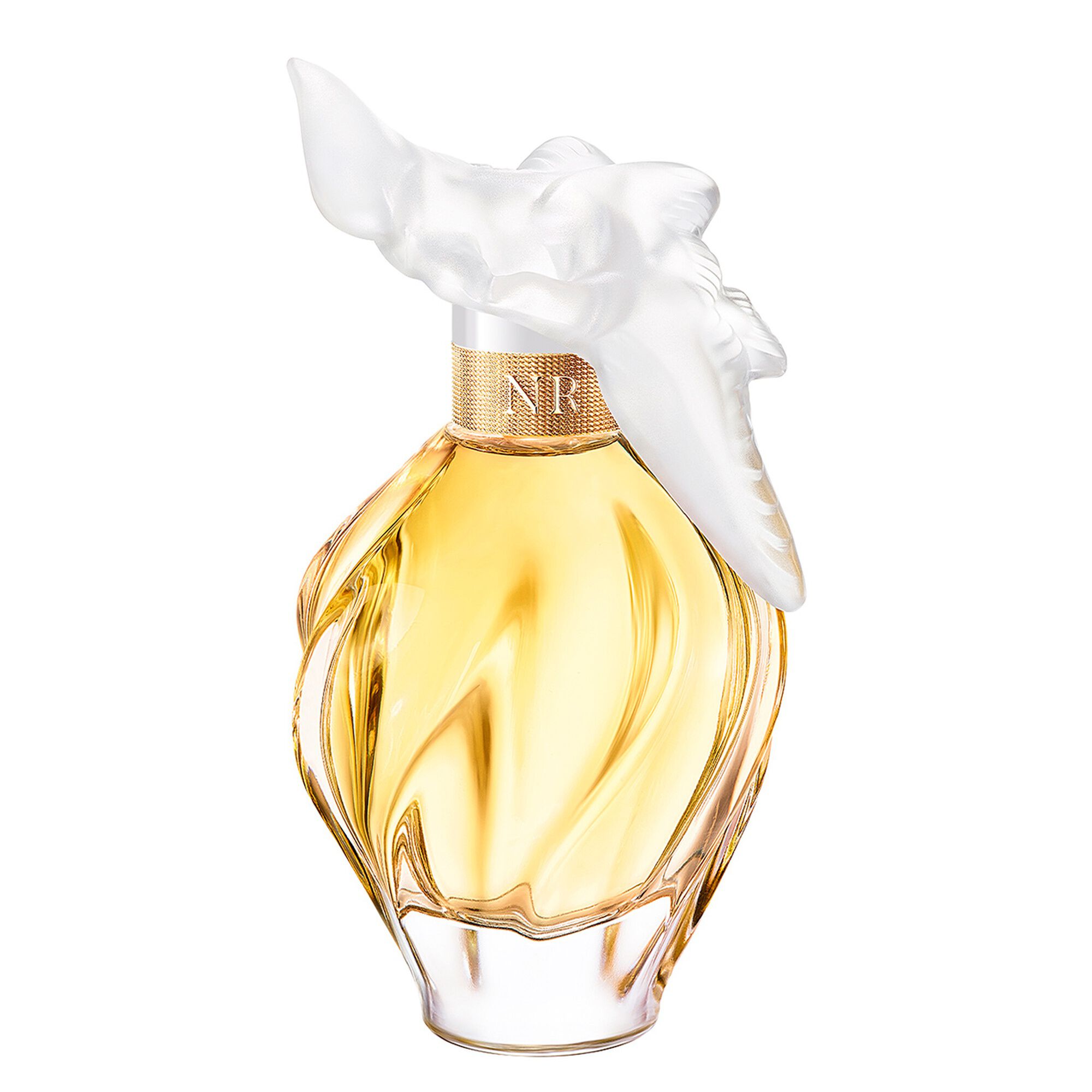
A great parfum from a Parisian house, in the floral aldehyde family, remains a reference for grand occasions. This category has produced compositions that have crossed the decades without ageing, carried by accords of rose, jasmine and ylang-ylang over a base note of iris, vanilla and musk. These fragrances have a particular way of occupying space — present without being intrusive — perfectly suited to receptions, family celebrations and elegant dinners.

Practical advice
As mature skin retains olfactory molecules differently, a few adjustments to application can help you make the most of a parfum. The body's pulse points — wrists, inner elbows, base of the neck, behind the knees — remain the most effective for diffusing sillage. Moisturising the skin before application, with a neutral cream or fragrance-free lotion, considerably helps fix the molecules and extend longevity, particularly for dry skin types.
On the question of dosage, caution is advisable in confined spaces or at indoor gatherings: two to three sprays are generally enough to create a pleasant sillage without overwhelming those nearby. For citrus fragrances, whose volatility is greater, a touch-up at midday is entirely reasonable. Finally, it is best not to rub the wrists together after application — this gesture breaks down the top notes and alters the way the fragrance develops over time.