Which Perfume to Choose According to Your Age
How to choose your perfume according to your age? An olfactory guide by decade: families, notes and selections suited to each stage of life.
Age and perfume: an evolving relationship
Olfactory taste is not fixed. It builds, shifts and develops over the years following the same logic as other sensory preferences — shaped by life experience, changing contexts, hormonal shifts and the accumulation of olfactory experiences. What you look for in a parfum at twenty often has little to do with what draws you in at forty or fifty: not because one is more legitimate than the other, but because your relationship with your body, your identity and your social environment transforms over time.
This guide offers a reading by decade — not to box tastes into rigid categories, but to provide useful reference points. Each age bracket corresponds to distinct life contexts and different expectations regarding sillage, longevity and complexity. Understanding these dynamics allows you to choose more accurately, and sometimes to step outside your habits to try something that truly reflects who you have become.
20-30 years old: your first olfactory signatures
What characterises this period
Your twenties are often when you build your first olfactory identity — sometimes by chance, sometimes through imitation, often through love at first sniff. Your relationship with parfum is intuitive, emotional, and little conditioned by convention. Fresh, fruity and light floral fragrances dominate choices, not for lack of taste, but because they suit skin that is often warmer, a more active pace of life, and varied contexts where you need a versatile, easy-to-wear parfum.
Olfactory perception is also at its sharpest during this period: receptors are sensitive, associations form quickly. This is the ideal age to explore, test, and compare your instincts against the diversity of the market. Citrus, floral and fruity families work particularly well at this stage, not because they are "young", but because they naturally align with this energy of constant movement.
Selections for 20-30 year olds
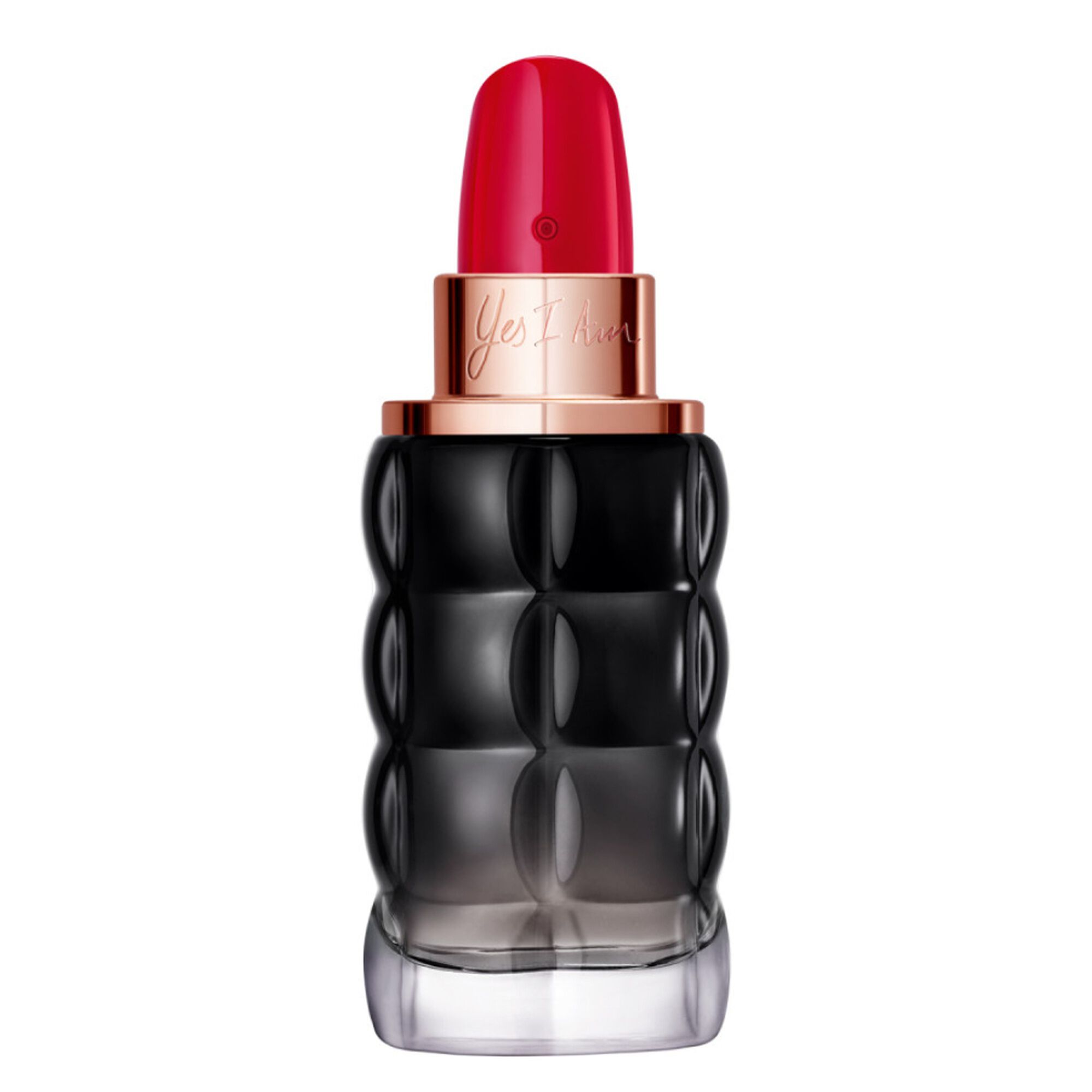
) embodies this well-judged lightness perfectly. A fruity floral built around a luminous raspberry in the top notes, rose and violet at the heart, and a subtle base note of musk and cedar, it offers a recognisable signature without being overpowering. It's the kind of parfum that accompanies without dominating, ideal for long, varied days.
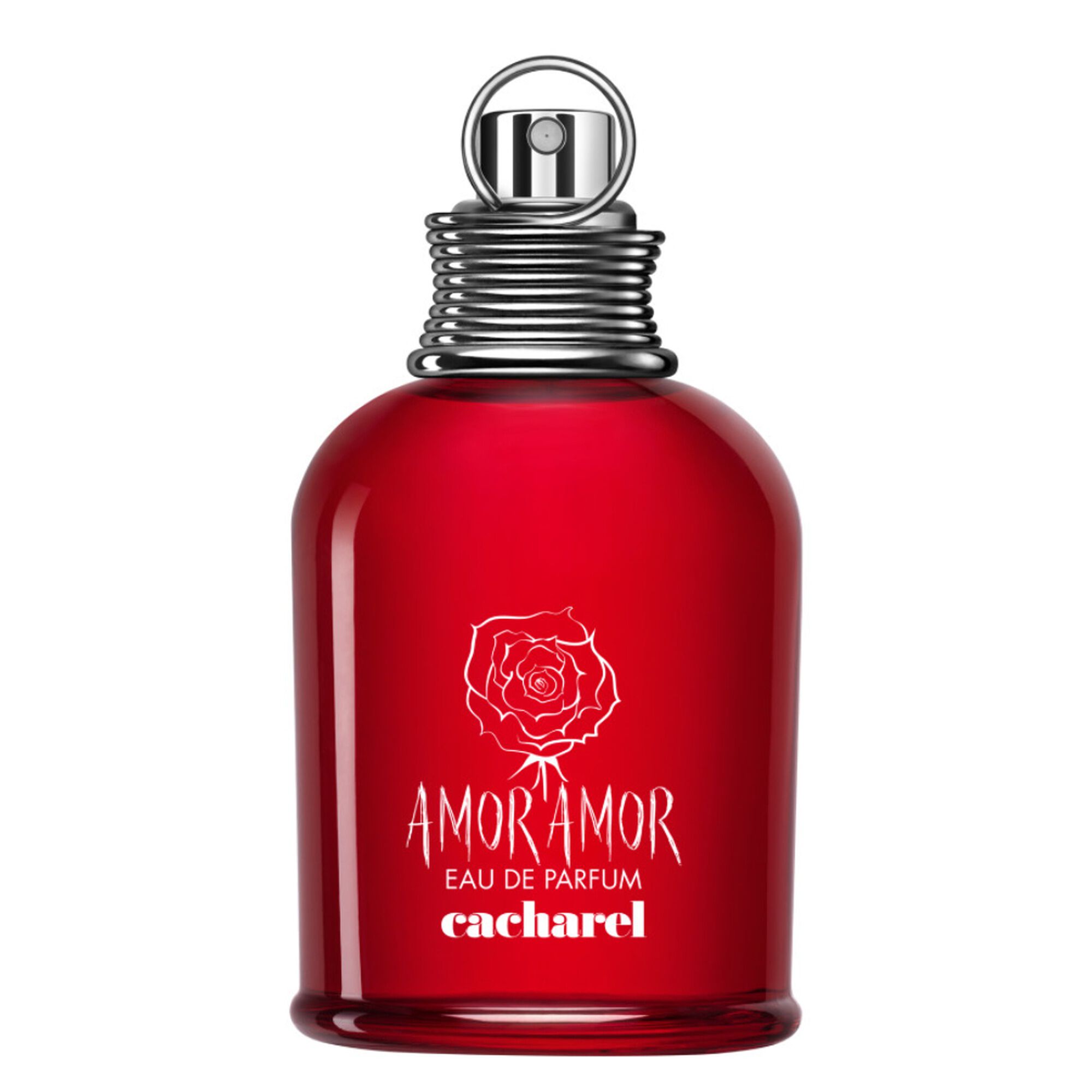
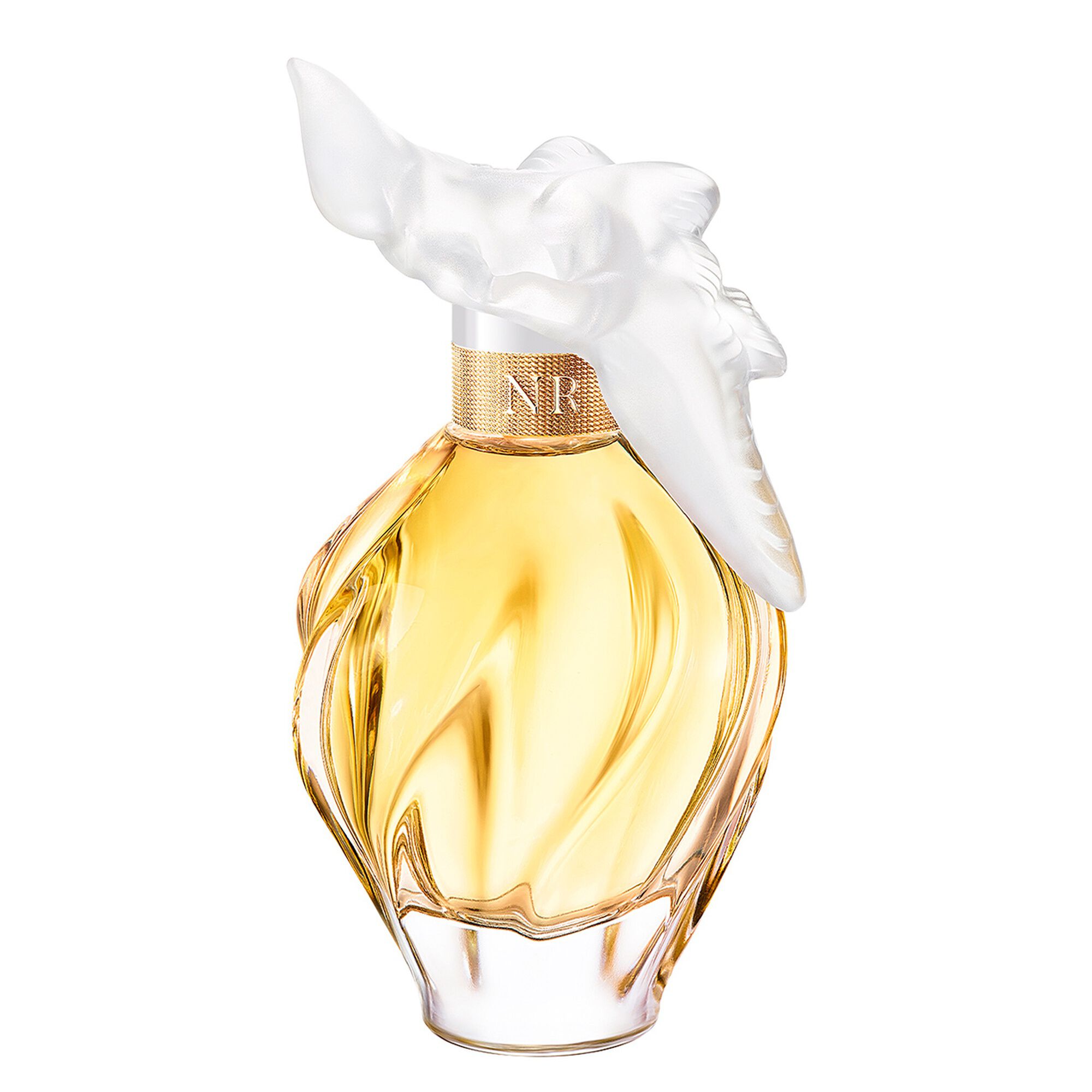
For women seeking more character without losing that freshness, Ricci Ricci (Nina Ricci) offers a more structured floral chypre. Rhubarb and bergamot at the opening, tuberose and datura at the heart, sandalwood and patchouli in the base — the whole builds a more assertive, slightly powdery profile, with a character of its own that steps away from consensus-driven fragrances.
On the men's side, Light Blue Homme (Dolce & Gabbana) is an effective introduction to aquatic-fruity parfums. Sicilian lemon, apple and bamboo compose a vibrant, crisp opening, extended by a warm base note of cedar and musk. Simple in its construction, effective for everyday wear. L'Eau Dynamisante (Clarins), with its citrus, coriander and aromatic heart note, offers a more distinctive chypre alternative, unisex in spirit, suiting both men's and women's skin types looking for something energising and different.
30-40 years old: the assertion of personal taste
What characterises this period
Your thirties often mark an important transition in your relationship with parfum. You already have your bearings, you know better what works on your skin, and you begin to look for something more distinctive. The need to please everyone gradually gives way to the desire for a signature that is coherent with who you are — professionally, socially, personally.
Contexts multiply and become more specific: office, evenings out, weekends, travel. This diversity pushes towards parfums that are more versatile but also more complex, capable of lasting and working across varied environments. Floral orientals, chypres and aromatic woody fragrances gain ground, carried by notes that develop more depth on the skin and create a more defined sillage.
Selections for 30-40 year olds
Fuel For Life Elle (Diesel) represents this in-between well: a floral chypre built on mandarin and pink pepper in the top notes, jasmine and nutmeg at the heart, and a base note of patchouli and vetiver that anchors the whole in something denser. The value for money is particularly appealing, and the olfactory profile is assertive enough to leave an impression without overwhelming the space.
Terre d'Hermès (Hermès) naturally stands out among men's choices in this decade. Its spicy woody structure — orange and grapefruit in the top notes, pepper and flint at the heart, vetiver, cedar and patchouli in the base — draws an earthy, mineral signature of great coherence. This parfum ages well with its wearer: it gains depth in contact with mature skin and a settled character.
For women drawn to a more oriental orientation, a composition like Angel (Mugler) can come into its own in this age bracket. Its dense, gourmand construction — cotton candy, blackcurrant, jasmine in the top notes, patchouli, chocolate, vanilla and tonka bean in the base — calls for a certain confidence to be worn well. It rewards those who fully embrace it, with a long, memorable sillage that leaves no one indifferent.
40-50 years old: towards elegance and depth
What characterises this period
Your forties are often described as the age of olfactory maturity. That's not entirely wrong, though the phrase deserves nuance: it's less about "wisdom" than about a more assured relationship with your own sensory perception. You know what you like, you hesitate less, and you're ready to invest in more complex, more elaborate parfums.
Body chemistry also evolves — oestrogen and androgen levels stabilise differently, which can alter the way certain molecules develop on the skin. Woody, amber and oriental notes often develop more richness on forty-year-old skin than on that of a younger adult. Chypre families, with their alternation between top-note freshness and base-note depth, suit this period particularly well.
Selections for 40-50 year olds
Ô de Lancôme (Lancôme) illustrates a certain accomplished idea of citrus elegance. Cedrat, bergamot and honeysuckle at the opening, basil and rosemary at the heart, oakmoss and vetiver in the base — this is a classic, masterfully controlled construction that reconnects with a tradition of great aquatic-aromatic parfums. Its subtlety is not a weakness: it is precisely what allows it to work in any context.
Eau des Jardins (Clarins) offers a more contemporary aromatic alternative within the same register of controlled freshness. Citrus and bergamot in the top notes, mint and rose at the heart, Virginia cedar and musk in the base note — the accord is clean, invigorating, without artifice. This parfum works as well for demanding professional contexts as for relaxed weekends, making it a safe bet at an age of multiplying roles.
For men, the eau de parfum version of a great aromatic woody fragrance from a Parisian house — Terre d'Hermès (Hermès), already mentioned for the previous bracket — continues to flourish with the years. Its mineral quality and vetiver-cedar depth develop a patina that pairs perfectly with a character settled in its own identity.
50 years and beyond: timeless signatures
What characterises this period
Past fifty, your relationship with parfum tends to simplify in the best possible way: you choose what truly matters, you let go of trends, and you sometimes return to compositions you had set aside. There is a certain freedom in this recalibration. The appetite for quality raw materials — the density of a vanilla, the complexity of a vetiver, the richness of a jasmine — often becomes more pronounced.
Parfums steeped in history, those whose construction has crossed decades without ageing, find a particular resonance here. Not out of nostalgia, but because their internal coherence — the way each note plays its role within the overall architecture — matches a refined olfactory sensibility. Orientals, great aldehydic floral compositions and deep woody fragrances are natural choices, without excluding lighter fragrances for everyday wear.
Selections for 50 years and beyond
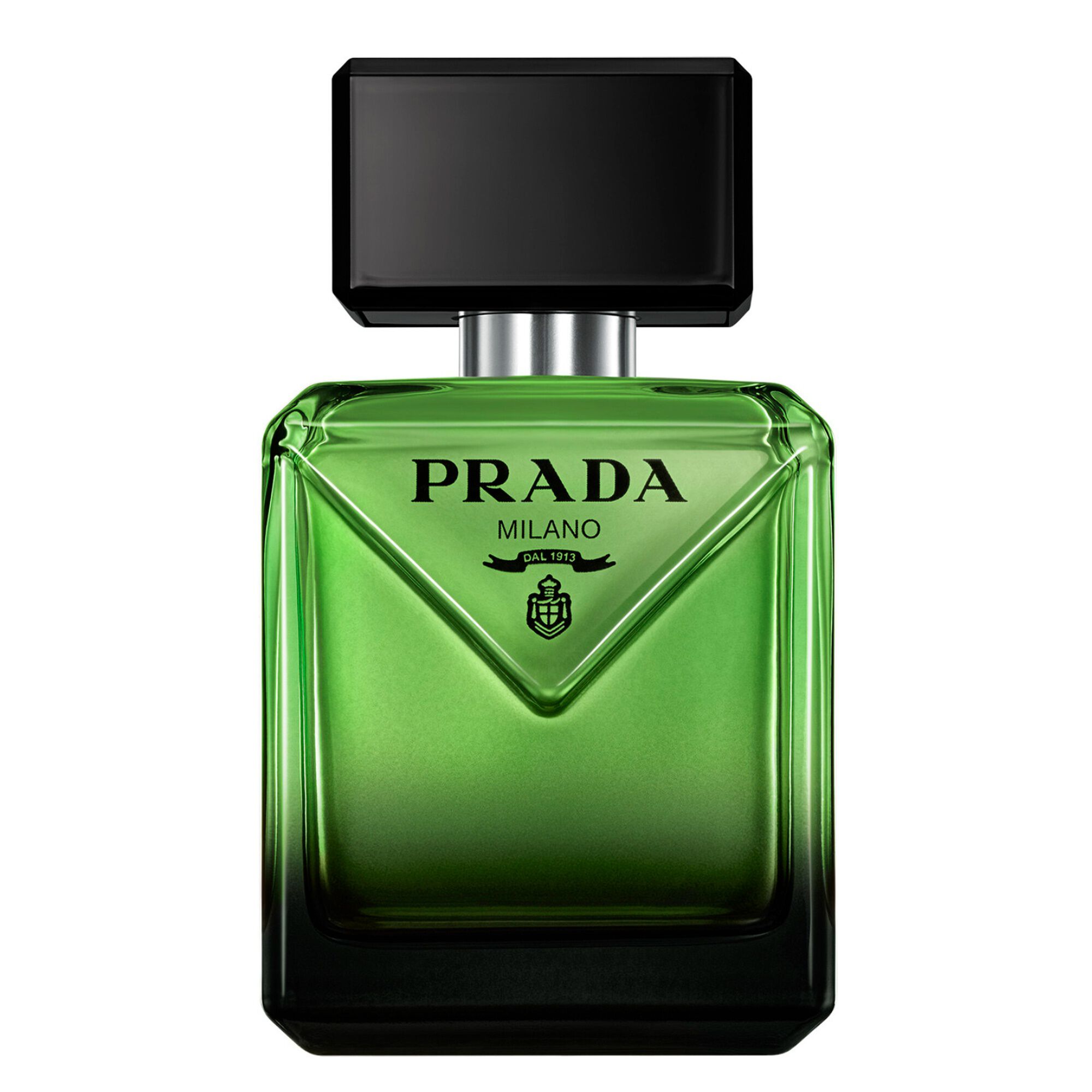
Eau (DIOR) ranks among the great timeless men's references. A Citrus Aromatic of rare clarity, it pairs cedrat and bergamot with a heart of jasmine, hedione and orris root, before settling onto oakmoss and vetiver. This composition has existed for over fifty years and has never stopped seducing, because its construction is absolutely honest — no embellishment, no chasing trends, just perfect balance.
On the women's side, the great aldehydic floral classic from the same Parisian house — the one bearing a number that has become a symbol — remains a reference that needs no naming. Its pyramid of rose, jasmine and ylang-ylang, carried by aldehydes and anchored in orris and vanilla, represents a certain ideal of dressed-up parfum, to be worn on evenings when you want the parfum to speak first. Without going into the details of its brand, this olfactory profile is instantly recognisable as a signature that has crossed the century.
For those who prefer a more chypre and modern orientation, Ricci Ricci (Nina Ricci) remains relevant at any age, its tuberose and patchouli offering the density that parfums in this age bracket know how to truly appreciate.
Cross-cutting advice for choosing according to your age
Understanding how your skin evolves
Dry skin holds parfum less well than oily skin — and skin tends to become drier with age. Prior hydration, with an unfragranced cream on the pulse points (neck, wrists, inner elbow), significantly improves longevity and the development of sillage. This simple habit noticeably changes the olfactory experience, particularly for parfums whose woody or amber base note needs warmth to express itself.
Concentration also plays an important role depending on age and context. An eau de toilette suits everyday wear and enclosed environments better; an eau de parfum or an extrait de parfum is called for on occasions that deserve a more assertive, longer-lasting sillage. As you grow older and gain confidence in your olfactory choices, you naturally lean towards higher concentrations — and larger bottles.
Don't rule out surprises
Age categories are reference points, not boundaries. A sixty-year-old can very well be moved by a light fruity floral, just as a twenty-five-year-old man can find his signature in a deep, complex oriental. Olfactory taste does not follow a linear, predictable trajectory. These guides serve to provide starting points and food for thought — personal exploration remains the best guide of all.
What ultimately matters is testing on your own skin, observing how a composition unfolds over time, and not rushing your decision. A parfum deserves at least an hour of wear before being judged. It is in the base note, once the top notes have evaporated, that its true character is revealed — and it's often there that you make the most long-lasting discoveries.