
Perfume for an 80-year-old woman: fond memories as an olfactory compass
What perfume suits an 80-year-old woman? Iris, chypre, oriental, aldehydic: fragrance families, concentrations and tips for mature skin.
For an 80-year-old woman, the most suitable perfumes are the rich concentrations — extrait de parfum or eau de parfum — in fragrance families that are both structured and sensual: powdery florals, chypres, woody orientals or aldehydics. Mature skin holds fragrance less well, which is why these higher concentrations and deep base notes such as iris, sandalwood, vanilla or patchouli are so well suited. On this page, you will find precise olfactory reference points and a selection designed for this profile.
Eighty years and perfumery — when experience becomes a sense in its own right
There is something particular about the relationship with perfume at this age: a bond forged over decades, shaped by different eras, fashions and enduring memories. Smell is the sense of memory par excellence, and by the age of eighty, it has had time to weave deep connections with moments in life, places and people. This is not a matter of olfactory conservatism, but of an intimate understanding of what truly resonates — and what does not.
Women of this generation have often lived through several olfactory turning points: the great aldehydic floral compositions of the 1950s, the rise of chypres in the 1960s and 1970s, then the opulent orientals of the following decades. This accumulated olfactory culture forms a precious foundation. It allows one to distinguish, almost instinctively, a well-constructed composition from a fleeting fashion effect.
How olfactory taste develops at this age
Olfactory perception changes with age. Sensitivity to very heavy or very synthetic notes can diminish, while certain natural materials — iris, rose, bergamot — continue to express themselves with remarkable clarity on the skin. The detection threshold for aldehydes, those molecules that give great florals their airy, slightly soapy signature, often remains intact, which explains the lasting attachment many women have to compositions in this family.
The skin, for its part, has changed: less oily, it diffuses perfume differently, often with more finesse but also less projection. This naturally points towards sufficiently rich concentrations — eau de parfum rather than a light eau de toilette — and towards families whose base notes are substantial enough to last over time. Musk, iris, sandalwood and oakmoss play an essential anchoring role here.
Fragrance families suited to this stage of life
The Floral Aldehydic family is undoubtedly the one that best embodies the classic elegance associated with this generation. Born in the 1920s and carried by a handful of compositions that became absolute references in twentieth-century perfumery, it combines white flowers and roses with aldehydes that give them an almost immaterial presence, both warm and airy. This family does not age — it develops a patina.
Chypre, built around the bergamot-labdanum-oakmoss triad, offers a dry, assertive elegance rarely found in contemporary compositions. Its structural complexity and its ability to develop at length on the skin make it a family particularly well suited to mature skin, which knows how to let a perfume unfold over time. Citrus fragrances, finally, bring a welcome lightness for days when freshness without austerity is what is wanted.
Selection for everyday wear
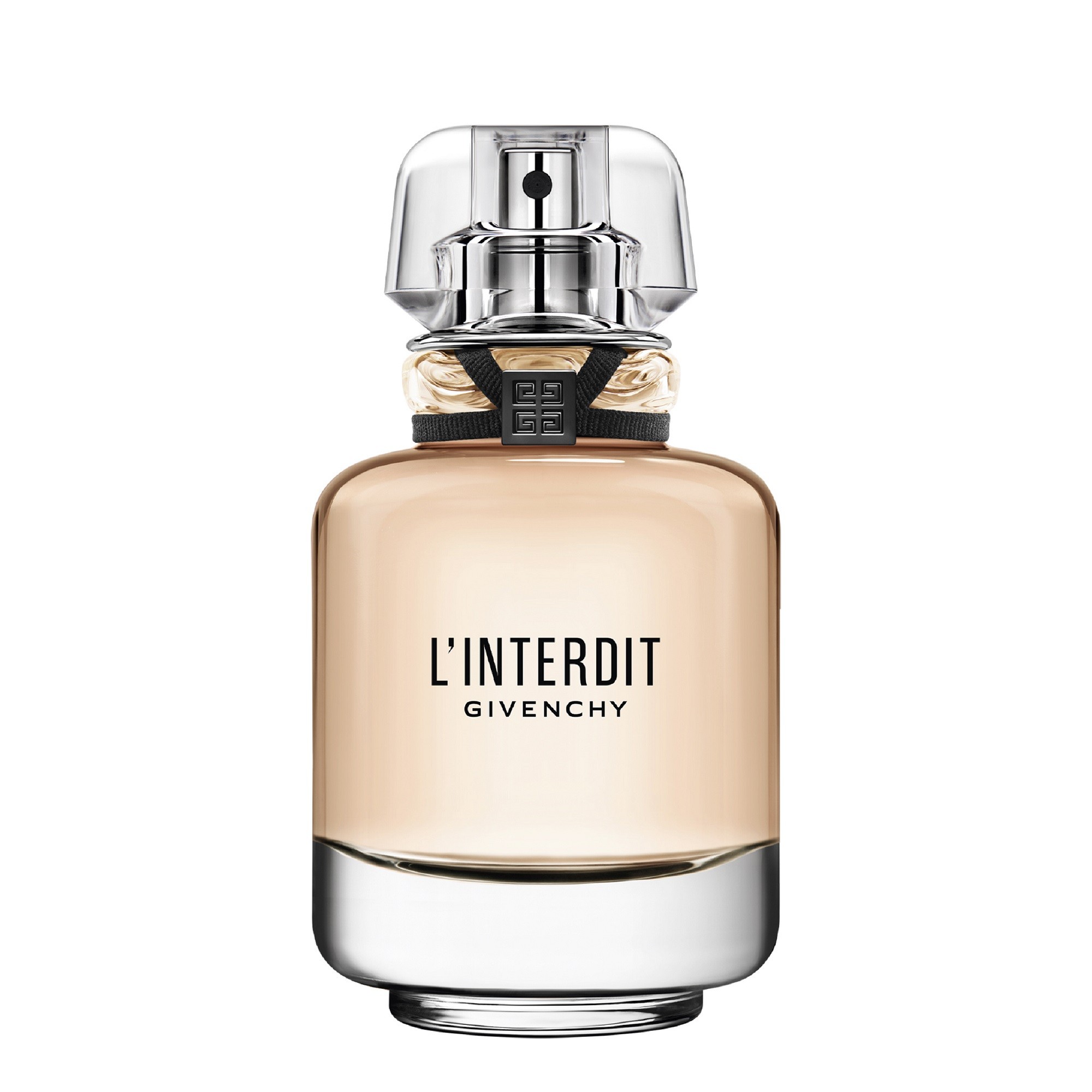
L'Interdit (Givenchy) is a floral aldehydic composition of great richness. Its top notes combine aldehydes, bergamot and mandarin with a touch of peach that softens the whole, before giving way to a sumptuous heart note where orris root sits alongside violet, narcissus and jasmine. The base note of sandalwood, amber and musk ensures excellent longevity. This composition, both discreet and present, is very well suited to everyday wear in spring or autumn.
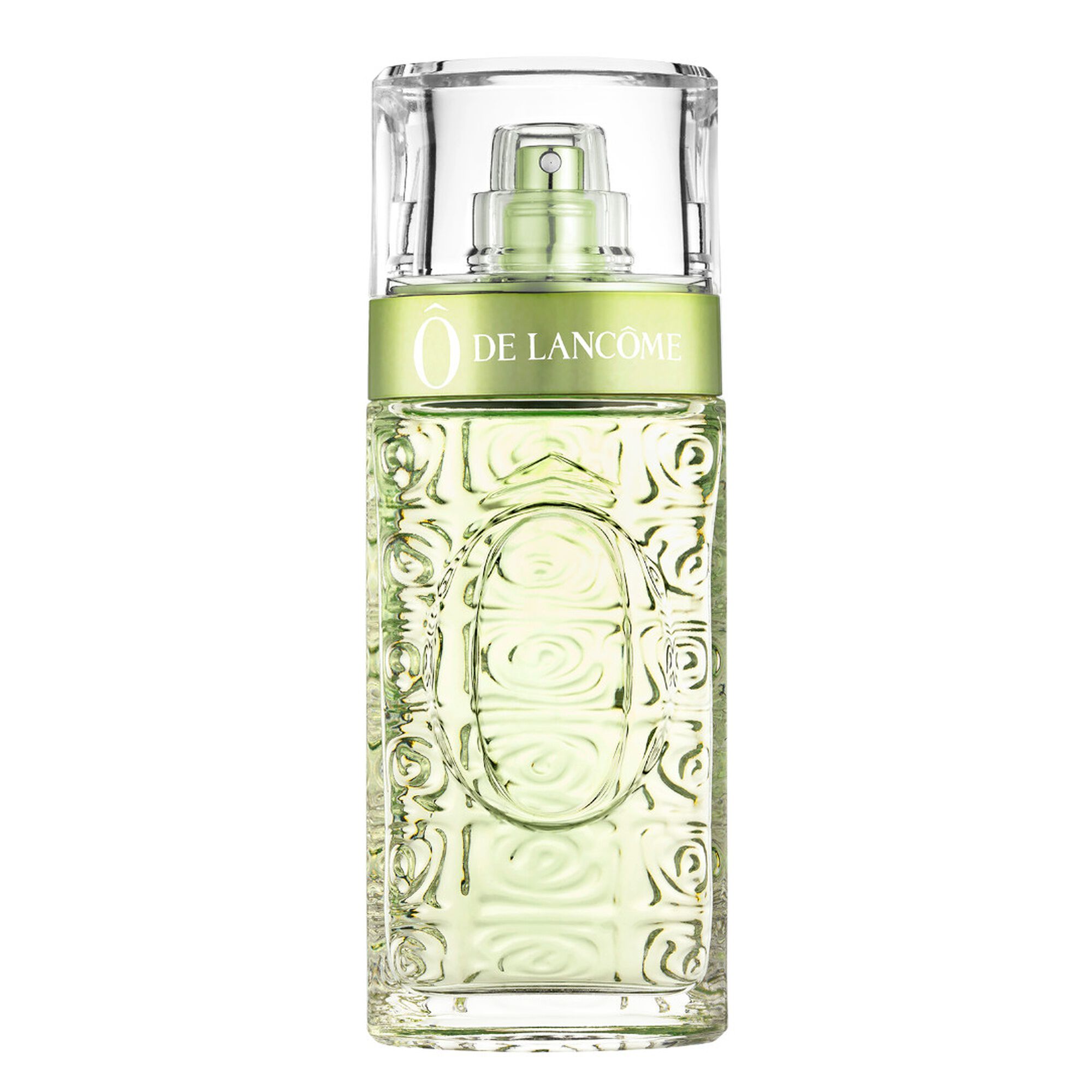
Ô de Lancôme (Lancôme) represents citrus fragrance at its most elaborate. Cedrat, bergamot and mandarin open the composition with a vibrant, luminous freshness, which basil and coriander then nuance with a light aromatic touch. The base note of oakmoss, vetiver and sandalwood provides a depth that goes well beyond ordinary eaux de cologne. For active days, walks or family gatherings, this is an option that is both invigorating and comfortable.
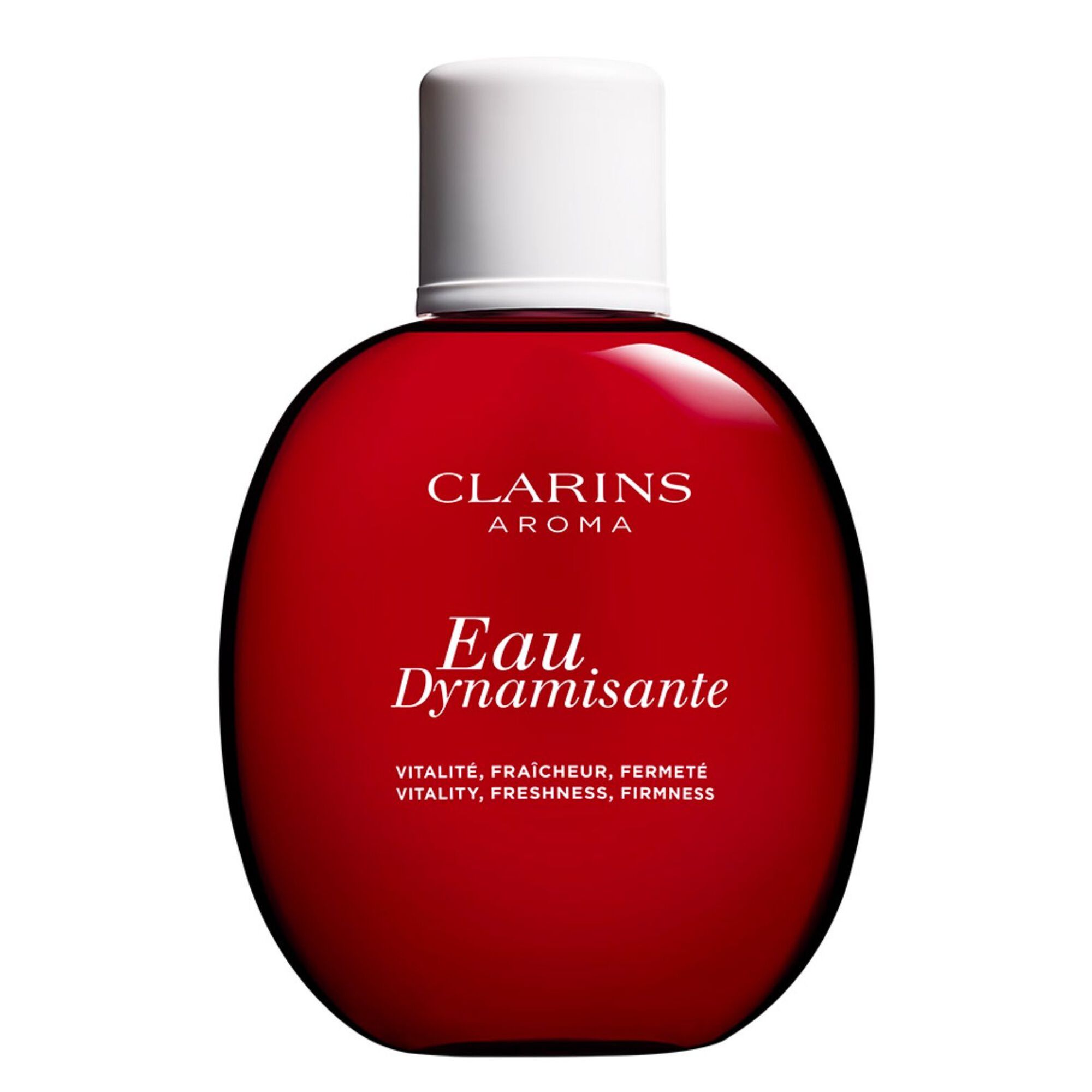
Eau Dynamisante (Clarins) belongs to the chypre family with a singular approach: Amalfi lemon and coriander in the top notes, carnation and thyme in the heart note, patchouli in the base note. The composition is fresh, lightly vegetal, with an understated structure that never tires the senses. It suits mornings particularly well, worn generously like an invigorating eau before settling into the day.
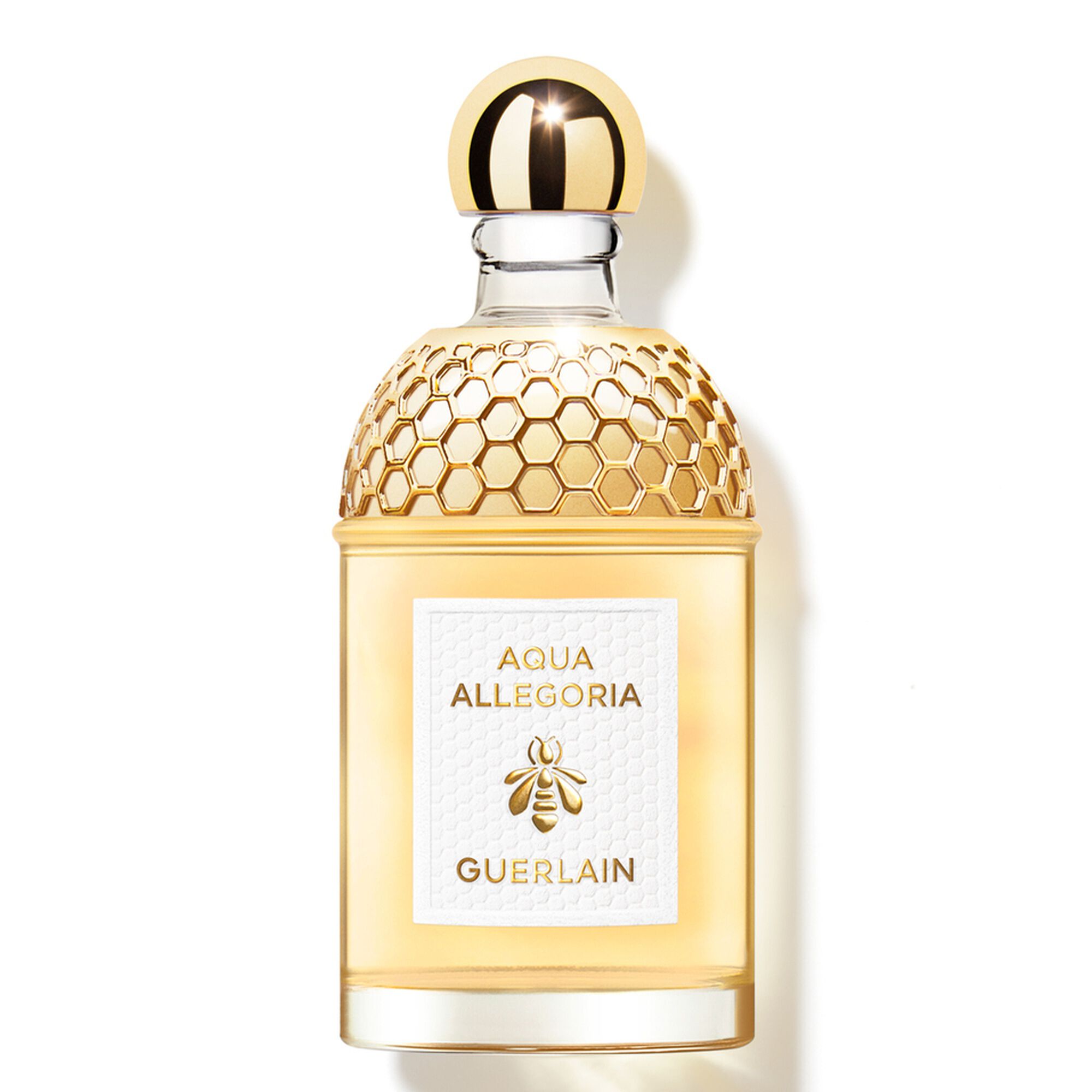
Aqua Allegoria Pamplelune (Guerlain) is a luminous, delicately constructed citrus fragrance. Grapefruit and bergamot in the top notes are joined by neroli and petitgrain, creating a wonderfully crisp citrus accord. The base note of patchouli and vanilla brings a gentle softness that avoids the pitfall of fleeting freshness. A perfume for sunny days, light without being inconsequential.
Selection for special occasions
Calèche (Hermès) is a floral aldehydic composition of undeniable nobility. The aldehydes in the top notes combine with bergamot, neroli and orange blossom to create an opening that is both luminous and powdery. The heart note brings together iris, ylang-ylang, rose and gardenia in a wonderfully full floral accord. The base note of oakmoss, sandalwood and amber ensures majestic longevity. For a dinner, a ceremony, or simply an outing where you wish to be noticed without ostentation.
Amazone (Hermès) is an even more complex floral aldehydic proposition, with a green signature brought by galbanum and violet leaf. The heart note is of rare botanical richness: orris root, narcissus, hyacinth, rose, jasmine and muguet layer together with precision. The base note of oakmoss, sandalwood, cedar and amber ensures a deep, distinguished sillage. This composition is suited to grand occasions, worn in the knowledge that it will leave a lasting impression.
Barénia (Hermès) departs from the floral register to offer a chypre of discreet, modern elegance. The bergamot in the top notes is almost imperceptible, quickly giving way to a surprising, refined accord of gingered white lily. The base note of patchouli, Akigalawood and oak creates an earthy, dry base of great longevity. For cultural occasions, exhibition openings or lunches among close friends, Barénia is a composition well worth discovering.
Aqua Allegoria Orange Soleia (Guerlain) offers a more festive, sun-drenched note. Blood orange and bergamot combine with Peruvian pepper for a vibrant, lightly spicy opening. The base note of musk and tonka bean brings an enveloping softness suited to summer evenings or travel. A cheerful perfume, crafted with the care characteristic of the house of Guerlain.
Practical advice — application, dosage and context
On mature skin, application should be considered carefully. The classic pulse points — wrists, inner elbow, base of the neck — remain the most effective, but it may be wise to avoid spraying directly onto delicate skin. Applying lightly to the hair or onto a silk scarf allows a delicate sillage to diffuse throughout the day, without any risk of irritation.
Dosage deserves attention: two to three sprays are generally sufficient for eau de parfum compositions. The temptation to compensate for perceived insufficient projection with an excessive quantity can produce the opposite of the desired effect, especially in enclosed spaces. It is better to choose a suitable concentration — eau de parfum rather than eau de toilette — and to remain restrained in the quantity applied. Reapplying a light spray midday onto a handkerchief or a light garment is often more effective than an overly generous initial application.
Storing perfume also deserves particular attention: away from light and warmth, in its original flacon, far from windows. Great aldehydic and chypre compositions can develop unpredictably over time when poorly stored, losing the precision of their original accord. Keeping flacons in a drawer or cabinet rather than displayed on a dressing table significantly prolongs their quality.





Frequently asked questions
Women of 80 benefit above all from generous fragrance families: powdery florals with iris or rose, woody chypres, vanilla-rich orientals. Extrait de parfum or eau de parfum concentrations are preferable, as mature skin produces less sebum and holds light fragrances less well. Applying to the nape of the neck, décolletage or wrists optimises longevity.
At 90, a classic eau de toilette does not last long on dry skin. It is better to opt for an eau de parfum or an extrait de parfum in a powdery floral, chypre or oriental family. Rich base notes — white musk, sandalwood, iris, amber — prolong diffusion and remain perceptible for several hours without repeated application.
No family should be strictly avoided, but very light fresh eaux — aromatic, purely citrus or marine — fade quickly on mature skin and can seem to disappear after an hour. Families with naturally ample sillage, such as chypres or orientals, are generally more satisfying in terms of longevity and olfactory presence.
Apply perfume to lightly moisturised skin: an unscented neutral cream used just beforehand creates a film that retains the fragrant molecules. Favour warm areas — nape of the neck, inner elbow, décolletage — and avoid rubbing the wrists together, which breaks down the top notes and alters the fragrance's development.