
Women's summer perfume: freshness, lightness and radiance in the heat
Which women's summer perfume should you choose? Citrus, floral aquatic and light concentrations: practical guidance and a seasonal selection.
In summer, a women's perfume benefits from focusing on Citrus, floral aquatic or light floral fruity families: their odour molecules unfold beautifully without becoming overwhelming when heat accelerates diffusion. Eau de toilette or eau fraîche concentrations are preferable to intense eaux de parfum, and applying to pulse points — wrists, nape, inner elbow — is more than enough. Here you'll find guidance for choosing according to your skin, the time of day and the intensity you're after, along with a tailored selection.
Summer and women's perfumery — the demands of a particular season
Summer places demands on perfumery that few other seasons do. Heat expands odour molecules, amplifies sillage, and can turn a comforting accord into something overwhelming. What you wear in January over a wool jumper bears no resemblance to what your skin calls for in July, exposed to sun and the body's natural perspiration.
For women, the summer season calls for compositions that respect this physiological and sensory reality. This doesn't mean giving up complexity or refinement, but finding perfumes capable of staying pleasant at 30 degrees — light in their projection, luminous in their accords, resilient enough to last a whole day without fading at the first ray of sunshine.
What the season demands
In the heat, heavy notes — thick resins, deep balms, very dark woods — tend to saturate quickly. This comes down to the accelerated volatility of the molecules: heat brings top notes up very fast, sometimes too fast, and pushes heart and base notes to express themselves all at once, without the measured progression that makes a perfume beautiful. An overly heavy sillage becomes oppressive, both for the wearer and for those around her.
Fresh, fruity and light floral notes, by contrast, perform very well in summer. They evaporate gracefully, remain perceptible without becoming overpowering, and hold a natural correspondence with the images and sensations of the season — sun on the skin, the sea, water-laden fruit, flowers opening in the morning warmth. Longevity still matters: a perfume that's too fleeting disappears within two hours. The ideal is a composition that lasts without weighing things down.
Families and notes suited to summer
Three major fragrance families particularly stand out in summer. The Citrus family, built around bergamot, lemon, cedrat, mandarin and grapefruit, offers immediate, invigorating freshness. These sparkling top notes create a sense of awakening and lightness that suits summer mornings perfectly. Well constructed, Citrus compositions can last thanks to aromatic or floral heart notes and subtle woody base notes.
The floral fruity family is arguably the most versatile for the season. It pairs the softness of flowers — peony, rose, jasmine, muguet — with the juicy roundness of fruit — peach, pear, apricot, raspberry. This combination creates accords that are both feminine and approachable, never too serious, with a natural lightness that copes well with rising temperatures. Aquatic notes, finally, evoke the sea, running water, coastal minerality: they bring a very particular airy dimension, almost abstract, which blends easily into floral or Citrus compositions to heighten their freshness.
Some notes should be approached with caution in high summer: raw patchouli, myrrh, incense, certain heavy musks and heavily spiced orientals tend to become oppressive. White musk, on the other hand, is an excellent base note for summer — powdery, subtle, it extends compositions without weighing them down.
Selection for everyday wear
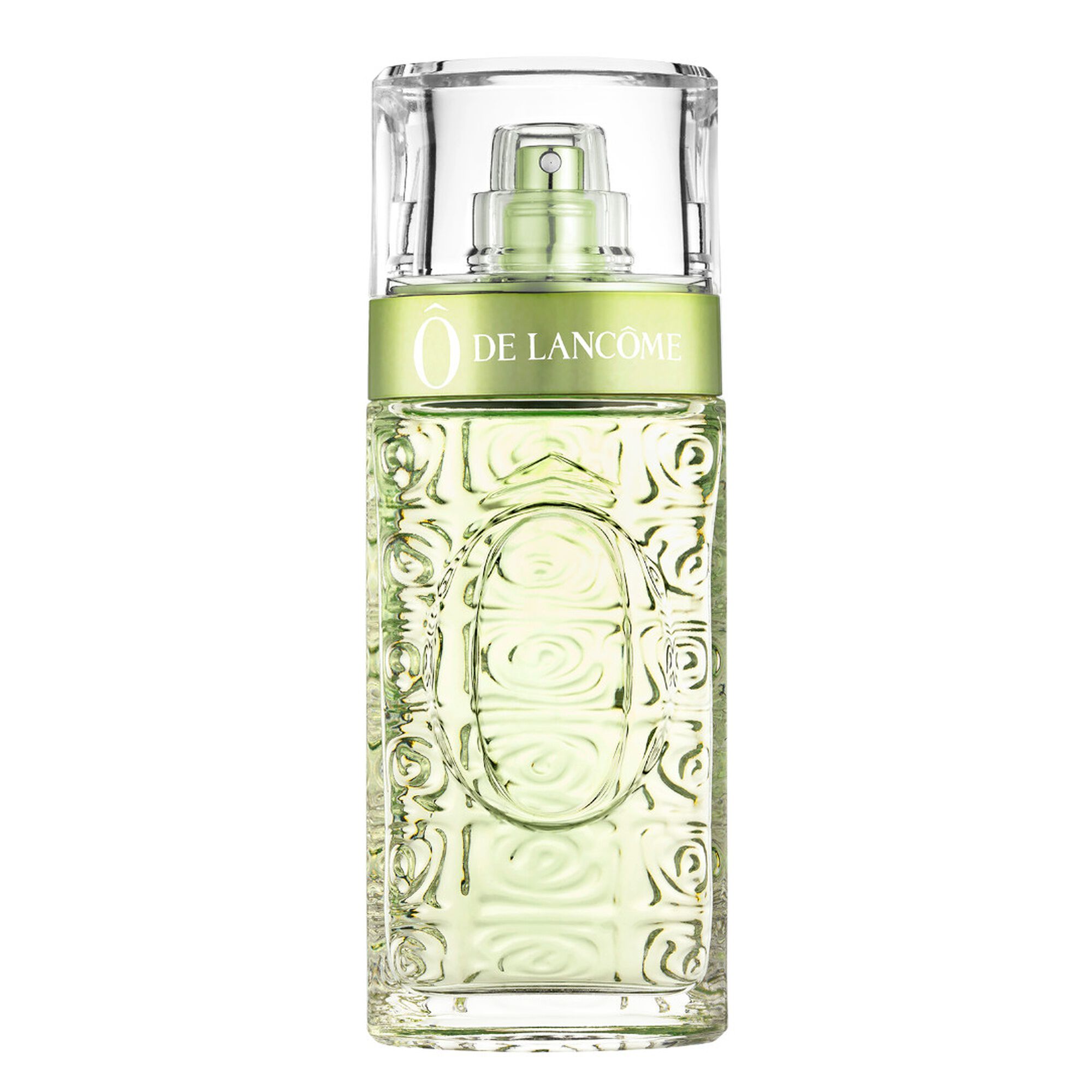
For ordinary summer days — the air-conditioned office, the morning market, lunch on a terrace — lightness comes first, without character being lost. Ô de Lancôme (Lancôme) is a classic and still highly relevant example of a Citrus women's perfume designed for the heat. Its opening of cedrat, bergamot and mandarin is immediately fresh, almost vitamin-like. The aromatic heart note — basil, rosemary, coriander — adds a green, slightly herbaceous dimension that gives the whole composition staying power, before sandalwood and oakmoss lay down a very subtle woody base. It's a composition built to withstand heat without ever becoming heavy.
In a more floral fruity register, Light Blue Femme (Dolce & Gabbana) is one of the benchmarks of summer perfumery. Sicilian lemon on opening, with apple and Bluebell, establishes an almost aquatic freshness. The bamboo, jasmine and white rose heart note prolongs this sense of open air and lightness. The cedar and musk base note is minimalist, allowing the composition to sit on the skin without imposing itself. This perfume is particularly well suited to days spent out and about in the sun.
Pleats Please (Issey Miyake) follows a different, softer and more enveloping logic. The pear accord on top, with peony and a pea note at the heart, creates something unexpected — a slightly green, almost vegetal freshness reminiscent of damp gardens. The white musk base note is characteristic of the Miyake house: subtle, clean, it lets the skin breathe. It's a smart choice for women who love soft, slightly unusual perfumes, without seeking a pronounced sillage.
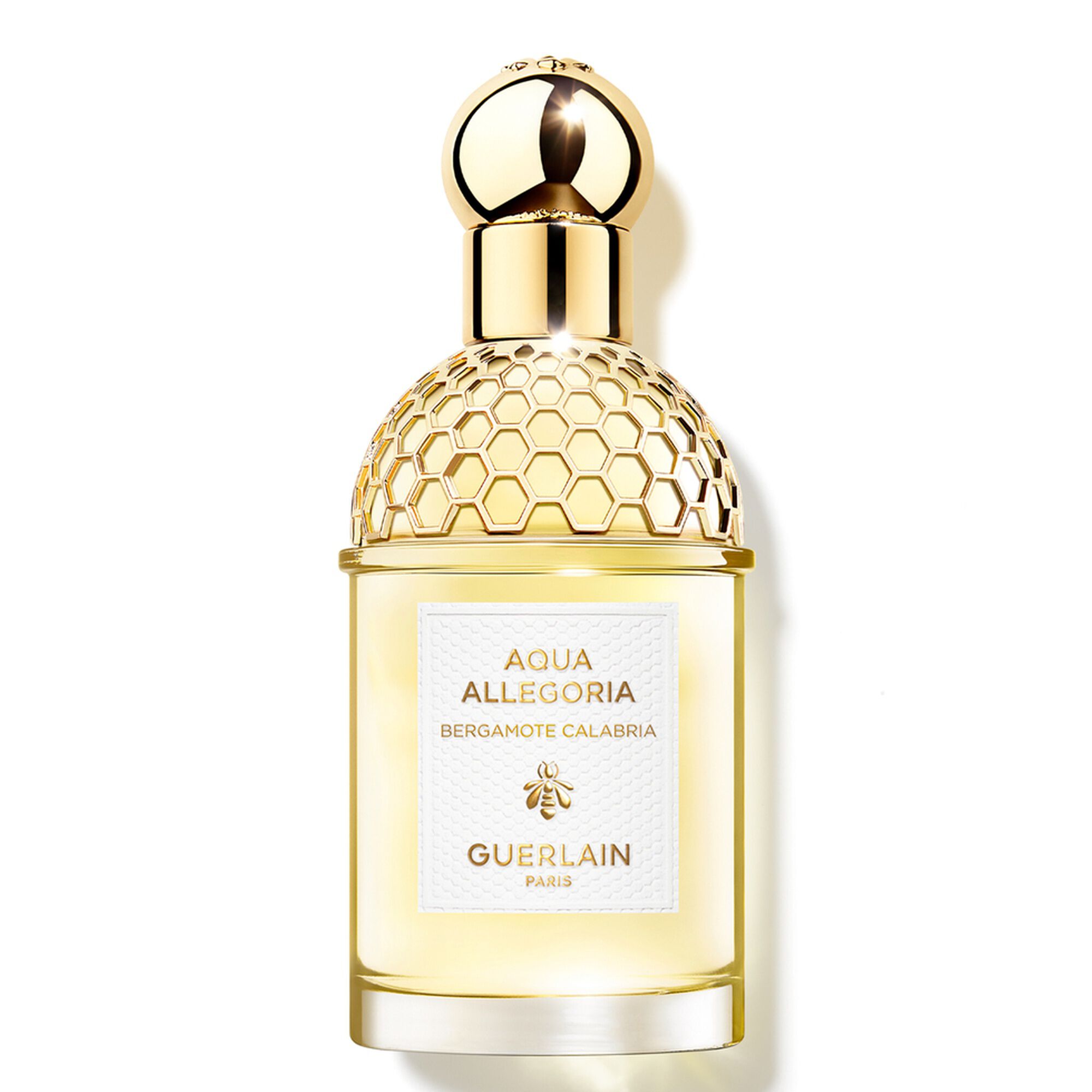
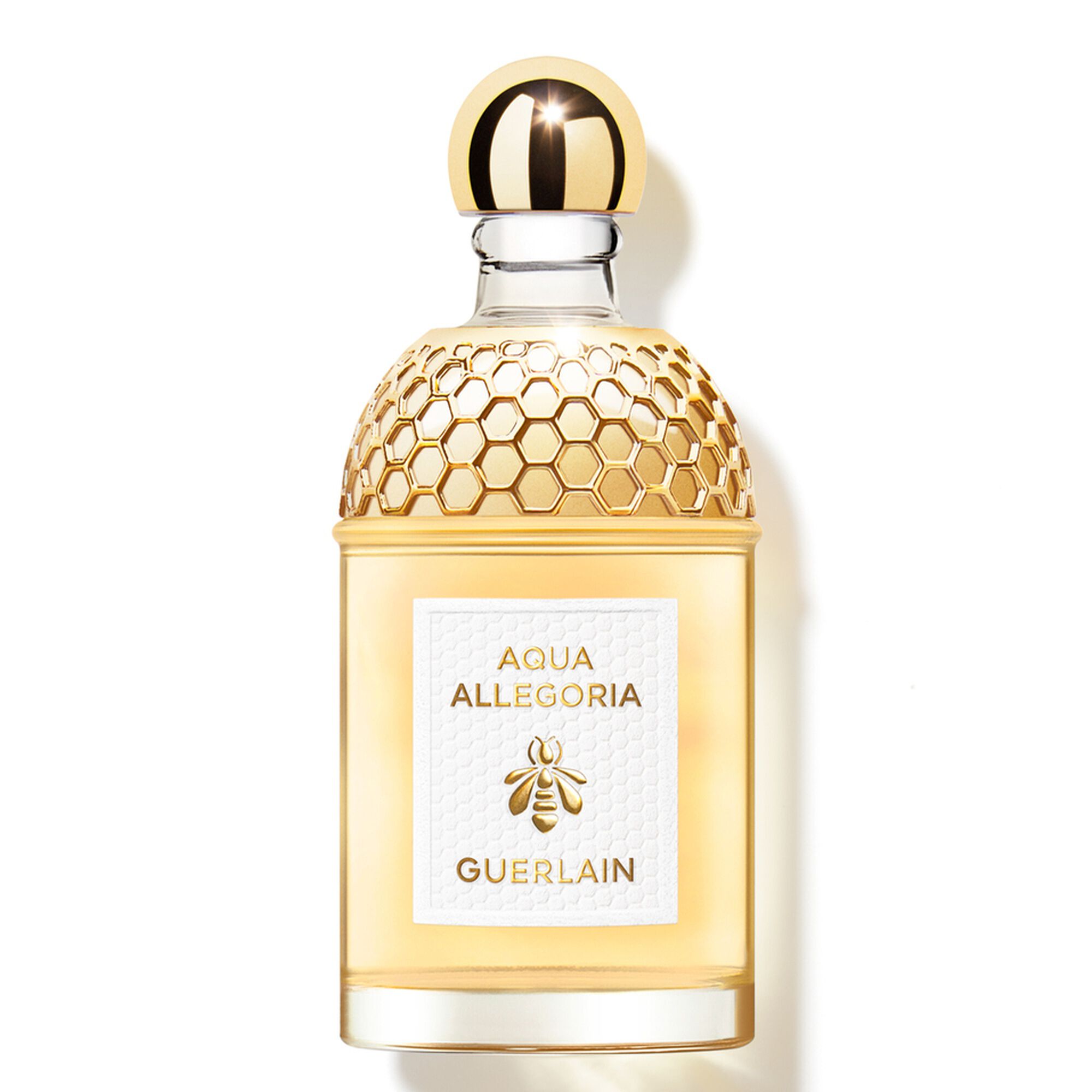
Aqua Allegoria Orange Soleia (Guerlain) belongs to the line that made Guerlain a benchmark for light summer perfumes. Blood grapefruit and bergamot on top burst with sunny generosity, lifted by a touch of Peruvian pepper that adds a spark without weighing things down. The petitgrain and mint heart note heightens the aromatic freshness, before musk and tonka bean lay down a very delicate base. It's a bright, direct composition, ideal from the morning onwards.
Selection for special occasions
In the evening in summer, or for moments that call for a little more presence — a dinner by the sea, a garden party, an evening where you want to leave an impression — other olfactory profiles come into their own, still respecting the constraints of the season but with more body and character.
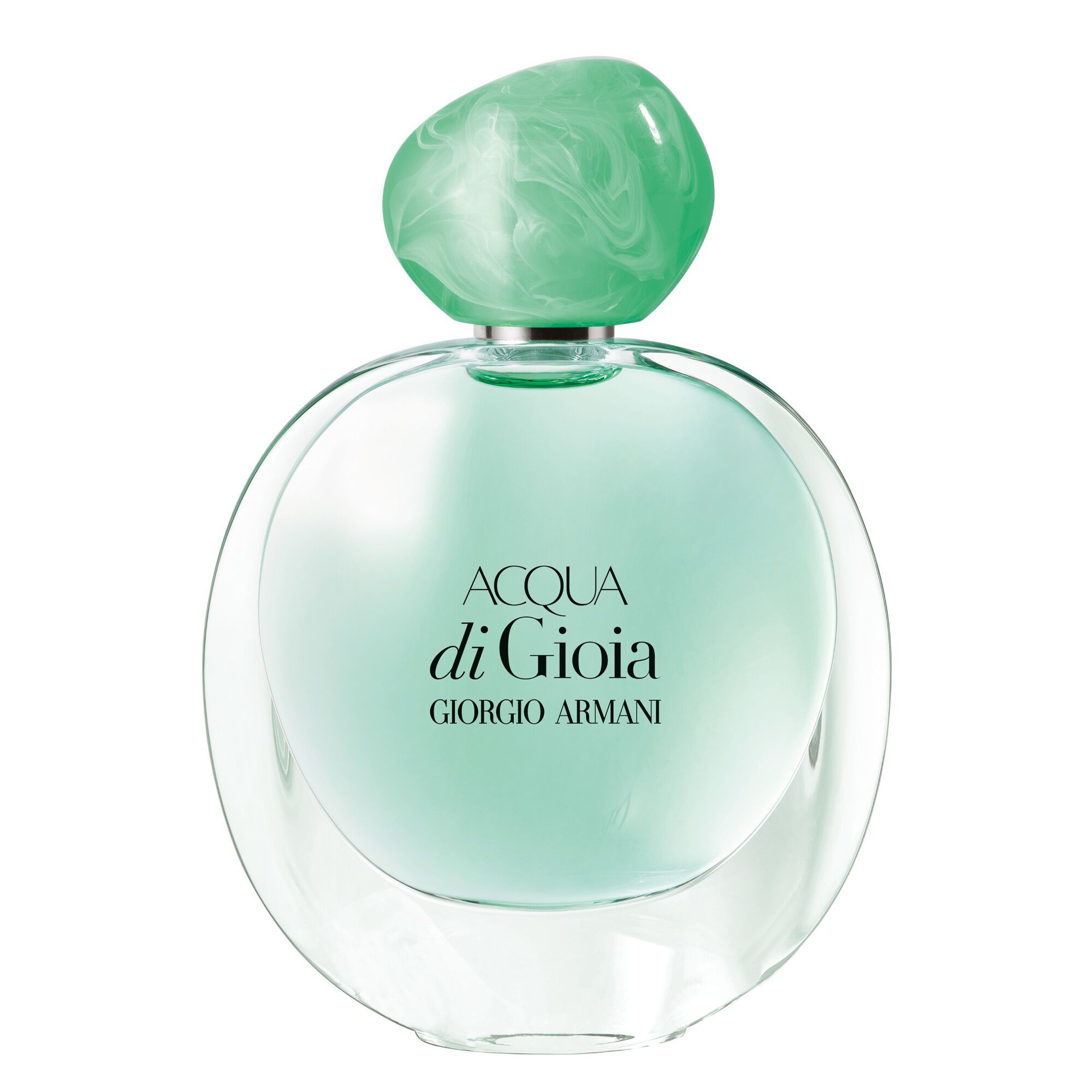
Acqua Di Giò (Armani), in its feminine version, is a composition that blends the aquatic world with floral fruity notes with real sophistication. The opening of bergamot, cedrat, neroli and orange is generous and sunny. The heart note is remarkably dense: marine notes, jasmine, peach, freesia, cyclamen, violet — a floral aquatic palette that evokes the Mediterranean with almost sensory precision. The white musk, cedar and patchouli base note anchors the composition without weighing it down. For a summer evening, this perfume has just the right amplitude.
Amor Amor (Cacharel) is a fruitier, warmer option. Its opening of blackcurrant, orange, mandarin and bergamot is explosive and sunny. The rose, apricot, jasmine and muguet heart note brings a well-built floral femininity. The vanilla, tonka bean and musk base is more present than in the other selections, making it a perfume for evenings rather than the hottest days — but its fruity top-note structure keeps it within the summer register.
Chiffon Sorbet (Escada) plays on a deliberately festive, gourmand-fruity register. Blackcurrant, raspberry and mango on top create a generous, almost confectionery-like opening, balanced by black fig and plum at the heart. Rose and jasmine bring a floral touch that tempers the very fruity side of the composition. The sandalwood and amber base note lends a certain soft warmth. It's an unapologetically festive summer evening perfume.
Alien Pulp (Mugler) is the most original proposal in this selection. Raspberry and lemon zest on top give a vibrant, slightly tangy start. The jasmine, sweet orange and green mandarin heart note creates a floral-fruity accord of great sunny generosity. The musk, vanilla and cashmeran base note — a synthetic molecule with a woody, amber, slightly musky profile — brings a recognisable signature that sets this perfume apart from classic floral fruities. For an occasion where you want to step off the beaten path without giving up on summer lightness, it's an option worth considering.
Tips for wearing
In summer, the golden rule is to apply less. Heat amplifies projection and carries molecules further than in winter: two to three sprays are plenty where you might use four or five in December. The idea isn't to wear less perfume, but to dose differently depending on the thermal context.
Application zones deserve some thought. The body's natural warm spots — the hollow of the neck, inner wrists, inner elbow, behind the knees — are the classic zones and remain relevant. In summer, behind the knees is particularly effective: body heat rises there steadily and diffuses the perfume upwards in a continuous, subtle way. On hair, the effect is also worth considering, but take care not to spray directly onto hair exposed to the sun, which could dry out the fibre.
The timing of application matters too. Applying perfume just after a shower, on clean, slightly damp skin, encourages better adherence and gradual diffusion. Avoid perfuming linen or light silk garments, as certain fragrance components can stain them on contact with sunlight. For very long days, consider a small top-up spray in the mid-afternoon — Citrus notes especially, being very volatile, can fade after five to six hours and benefit from a light refresh.


Frequently asked questions
Citrus, floral aquatic and light floral fruity families withstand heat best without becoming oppressive. Green, marine or very light powdery accords also work well. Heavy orientals, thick amber musks and smoky woody notes, on the other hand, tend to become excessively amplified in high temperatures.
Eau de toilette (5-10% concentrate) and eau fraîche or cologne (2-6%) are the formats best suited to summer: they diffuse enough on warm skin without overwhelming those around you. An eau de parfum remains an option for evenings or dressier occasions, provided it's applied sparingly, with a single touch.
Spray onto the body's warm zones — wrists, nape, inner elbow, behind the knees — without rubbing. Moisturising the skin beforehand with an unscented cream extends longevity. Avoid spraying directly in the sun: certain molecules such as bergaptenes can react to UV and mark the skin.
No. Floral fruities (peach, lychee, raspberry over a light floral base), fresh fruity chypres and certain light cedar-vetiver woody perfumes also flourish in the warm season. The key is to avoid very heavy bases built on resins, dense vanilla or oud: it's these base notes that become overpowering as the skin warms up.