
Wedding Perfume: choosing a fragrance worthy of the moment
Wedding perfume: floral, musky and woody families, guidance on concentration and wear for the bride, groom and guests. Expert selection.
For a wedding, white floral, musky and light woody fragrances are the most suitable: they remain present throughout the day without overwhelming, and they harmonise with photographs, embraces and tears of emotion. An eau de parfum concentration guarantees six to eight hours of longevity without reapplication. This page offers clear guidance by role — bride, groom, guest — along with a selection organised by fragrance family and intensity, to help you choose with confidence.
Weddings and perfumery — when sillage becomes a memory
There are few occasions in a lifetime where the choice of fragrance carries such weight. A wedding is one of those days where every detail becomes anchored in memory, including — and perhaps especially — olfactory sensations. Studies in olfactory neuroscience confirm this: smell is the sense most directly connected to emotional memory. Wearing the right fragrance on that day means ensuring that, years later, a single breath of air will be enough to bring the emotion flooding back, intact.
A wedding also imposes very concrete constraints. A long, often cumbersome outfit limits touch-ups during the day. The ceremony can last several hours, followed by an evening that stretches well past midnight. The chosen fragrance therefore needs to last, adapting to very different environments — a cool church, an outdoor garden, a heated reception room — without ever becoming overpowering for those nearby.
What the context demands
A wedding brings together people of all ages, often pressed close together during embraces, dances and photographs. Relative subtlety in the sillage is not a weakness: a fragrance that is too projected, too heavy, can quickly become overwhelming in these conditions. The ideal lies between confident presence and respect for other people's space — what perfumers call an "enveloping" sillage rather than a "powerful" one.
Longevity is the other decisive criterion. A light eau de toilette that fades after three hours will not be enough to carry you through an entire day. Eau de Parfum or Parfum concentrations are generally preferable, as they deposit more fragrant material on the skin and withstand temperature changes better. Body warmth, heightened by emotion and the day's activity, can also speed up diffusion — something worth factoring into how much you apply.
Suitable families and notes
Three main fragrance families naturally stand out for a wedding. The floral family is the most obvious: it evokes celebration, lightness, and femininity in its broadest sense. White florals — jasmine, tuberose, orange blossom — bring a solemn and sensual dimension, while rose remains the quintessential bridal note, laden with symbolism in almost every culture. The vanilla-oriental family, meanwhile, offers warmth, depth and a lasting ability to imprint itself on memory: musk and vanilla create an intimate signature that clings to the skin and evolves subtly over the hours. Finally, the chypre family — more structured, more distinctive — suits those seeking a less conventional elegance, grounded in oakmoss, patchouli and woody notes.
Certain notes should be approached with caution in this context. Very spicy or very smoky compositions can become stifling over the course of the day. Ultra-powerful synthetic musks, found in some recent fragrances, project over distances that can be surprising. Conversely, notes that are too light and watery risk not surviving such an intense day. Orris, jasmine, Grasse Rose, soft vanilla and white musk make up the most reliable palette for this type of occasion.
Selection for her
For the bride or female guests seeking a fragrance that is both floral and deep, 24 Faubourg (Hermès) stands out as a discreet and elegant reference. Created in the 1990s and still just as relevant today, this ambery floral opens on a luminous hyacinth and a captivating ylang-ylang, before unfolding a generous heart note of gardenia, jasmine and orris, supported by a base note of amber, sandalwood and vanilla. Its trajectory is long, balanced, never unpredictable — exactly what such an emotionally charged day demands.
My Way (Armani) offers a more contemporary option, leaning towards luminous florals. Its opening orange blossom, paired with fresh bergamot, immediately sets a radiant tone. The heart note of tuberose and Indian jasmine brings floral, sensual warmth, while the base note of Madagascar Vanilla, white musk and Virginia cedar ensures remarkable longevity. There is something optimistic and open about this fragrance that suits the atmosphere of a celebration well.
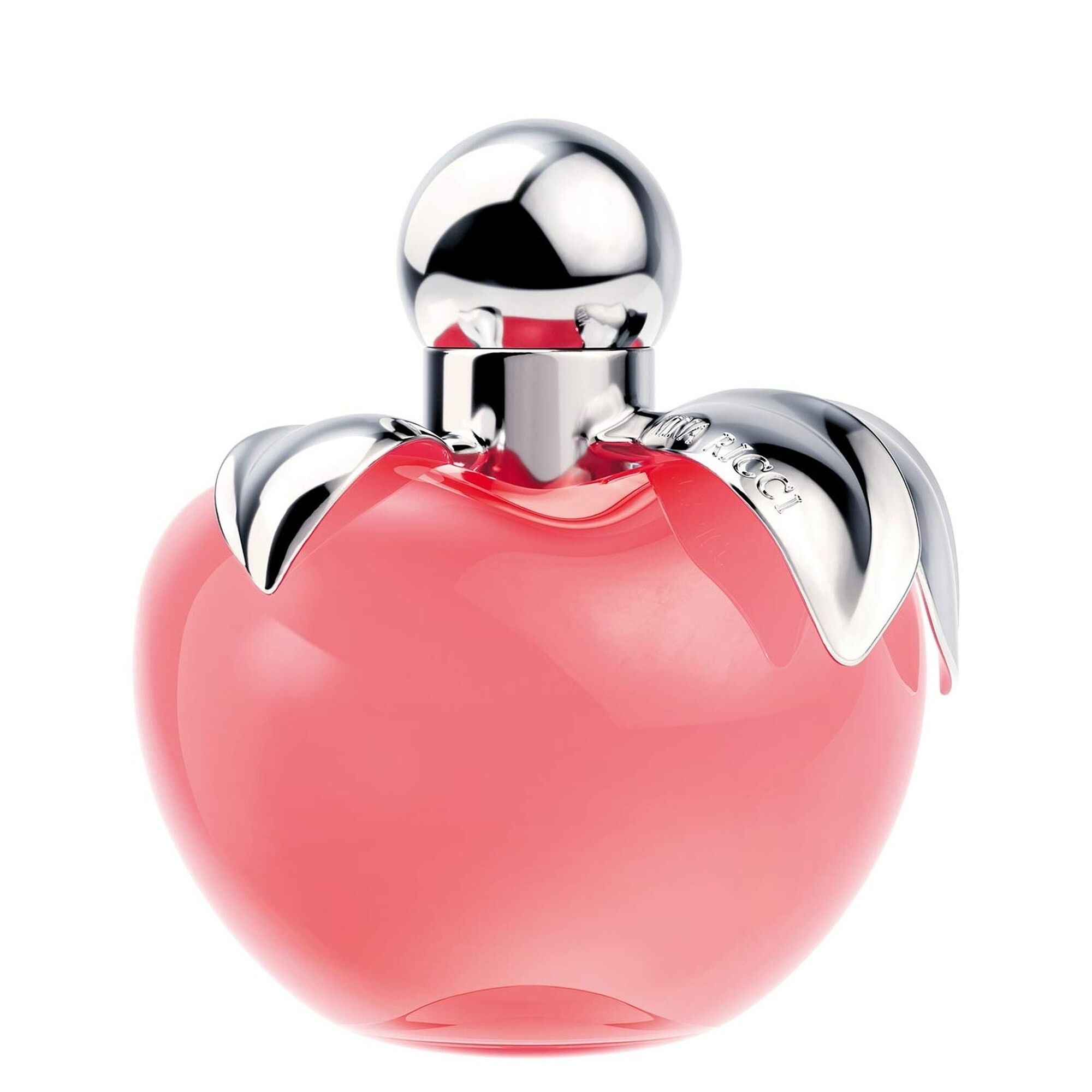
L'Air du Temps (Nina Ricci) deserves particular attention for those who prefer more classic, powdery floral compositions. Conceived in the aftermath of the Second World War as a hymn to restored peace, this fragrance blends carnation, rose, jasmine, gardenia and orris root over a base note of oakmoss, musk and sandalwood. The aldehydes in the opening give it that characteristic lightness found in the great floral classics. It is a fragrance that has crossed the decades without ever feeling dated, which speaks volumes about its construction.
For brides or guests drawn to soft orientals, La Belle (Jean Paul Gaultier) offers an appealing balance between fruity freshness and woody-vanilla warmth. Pear and bergamot in the opening retain a welcome lightness, before the base note of vanilla, vetiver, amber and musk takes over to establish a deep, enveloping sillage. The leather note present in the heart note adds an elegant distinctiveness that sets this composition apart from more conventional florals.
Selection for him
The groom or male guests will find in Uomo Born In Roma Intense (Valentino) a particularly fitting proposition for the solemnity of a wedding. The structure of this composition is remarkably sober: an immediately appealing vanilla top note, a lavender heart note that brings freshness without excessive lightness, and an earthy, elegant vetiver base note. This triptych produces a controlled sillage, masculine without excess, that works equally well for a daytime ceremony or an evening celebration.
Barénia (Hermès) is aimed at those seeking something more distinctive within the chypre family. The opening of crisp, precise bergamot gradually gives way to white lily lightly touched with ginger, before the base note of patchouli, Akigalawood and oak gives the composition its lasting structure. This fragrance evokes fine leather and noble woods without ever tipping into heaviness — a discreet, confident elegance well suited to the spirit of a grand occasion.
For men who prefer vanilla-oriental fragrances without austerity, La Nuit Trésor (Lancôme) offers unexpected depth. Its complex pyramid blends pear and bergamot on the attack, then black rose, vanilla orchid and passion fruit in the heart note, before settling on a dense base note of praline, caramel, vanilla, patchouli and incense. The richness of the base note may come as a surprise, but worn in moderation, this composition develops a remarkable sillage, deep and memorable, perfectly calibrated for a long evening.
Angel (Mugler) is a bold yet fitting choice for those who embrace a distinctive olfactory style. Its opening of cotton candy, jasmine and bergamot is instantly recognisable; its base note of patchouli, vanilla, tonka bean, amber and musk establishes a powerful, long-lasting sillage. This is not a fragrance of subtlety — it is a fragrance of presence, suited to those for whom a wedding is also a statement of character.
Tips for wearing your fragrance
The golden rule for a wedding is never to test a new fragrance on the big day itself. Skin can react differently depending on emotional state, temperature and even diet. It is strongly recommended to wear the chosen fragrance during one or two rehearsals under similar conditions — a long day, a formal outfit — to gauge its true longevity and projection.
Application points are worth considering carefully in relation to the outfit. For a wedding dress, the wrists, the inside of the elbows and the décolletage are the most accessible pulse points. Avoid spraying directly onto fabric, especially if it is delicate or pale in colour: certain fragrance ingredients can leave marks. A light spray in the hair, held at a good distance, diffuses the fragrance subtly and persistently throughout the day. For the groom, the nape of the neck and the chest beneath the shirt are effective diffusion points that avoid overwhelming those at close range. Finally, whatever composition you choose, less is almost always more in this context: two or three sprays are enough, as body warmth will take care of developing the fragrance over the course of the day.



Frequently asked questions
A bride does well to wear a white floral or musky floral in eau de parfum: these families evoke purity, last all day and remain recognisable in photographs. Notes of orange blossom, rose or jasmine are classic choices; for a more modern result, a powdery floral with a soft musky base note works very well.
As a guest, choose a discreet fragrance that does not compete with those worn by the bride and groom: a light woody, an aquatic or a sheer musky fragrance in eau de toilette is perfectly suitable. Avoid heavy orientals or very powerful chypres for an indoor ceremony.
An eau de parfum generally lasts six to eight hours on the skin. For a wedding that continues into the evening, slip a small bottle into your bag for a touch-up on the wrists. Apply preferably to the nape of the neck, the inside of the elbows and behind the knees for natural diffusion.
Yes, and it is even recommended: wearing the same fragrance from start to finish creates a coherent olfactory signature that is easier to remember. If the religious ceremony takes place in an enclosed space, opt for a moderate concentration — eau de parfum rather than extract — to prevent the sillage from becoming overpowering.