Winter parfum for men: warmth, depth and sillage for the cold season
Which parfums to choose in winter as a man? Woody amber, spicy oriental and leather families: full guide with commentary and selection.
Winter, a season that redefines masculine olfactory codes
When temperatures drop, the skin tightens, clothing thickens and the dry air profoundly changes the way a parfum unfolds. What worked lightly on a summer shirt suddenly becomes insufficient against the cold that smothers volatile molecules. Winter calls for compositions that know how to hold their ground, dense olfactory structures capable of working their way through wool and cashmere.
It is also a season of the indoors: dinners around a table, hushed evenings, professional meetings in heated rooms. A winter parfum does not need to project far, but it must envelop, create an immediate presence, and leave a mark on memory. For a man who loves materials with character, this is precisely the time of year that proves him right.
What the winter context demands
Cold is, paradoxically, an ally to certain fragrance families. Woody amber, spicy oriental and leather compositions gain definition when they express themselves on skin warmed by physical effort against the outside elements — this body warmth creates a micro olfactory climate particularly favourable to resinous and animalic materials. Conversely, fresh eaux and aquatic florals, designed to evaporate quickly in summer heat, become dull and imperceptible as soon as the mercury drops below ten degrees.
Winter also calls for an unapologetic sillage. Beneath a closed coat and a tightly wound scarf, a parfum must be able to breathe and diffuse despite the layers of fabric. This requires sufficient projection and a longevity that depends not only on concentration but also on the nature of the materials used. Resins, balms, leathers and smoky woods naturally have this capacity to anchor themselves over time.
The families and notes that work in winter
Three fragrance families stand out in particular for accompanying the cold season in men's parfums. The spicy oriental family, first, which weaves warm spices, soft resins and woody base notes into a generous, complex architecture. Amber plays a structuring role here, bringing that slightly sweet, powdery roundness that creates an immediate sense of sensory comfort. Cinnamon, saffron and cardamom add spice and relief without ever being aggressive.
The woody amber family forms a second territory of choice, more understated but just as present. Oud — agarwood treated with artistry — brings a smoky, slightly animalic depth that works particularly well in enclosed settings. Finally, the leather family offers a third path, more direct and incisive, suited to men who prefer a clear, unambiguous signature. Leather in perfumery has nothing to do with roughness; it can be silky, floral, powdery, or on the contrary smoky and mineral, depending on how the composition is built. Notes worth favouring across these three registers include incense for its smoky verticality, patchouli for its earthy anchoring, vanilla for its ability to soften accords without weighing them down, and labdanum for its amber-animalic facets.
Selection for everyday wear
For ordinary winter days — office, lunches, commutes — you need parfums that go the distance without being overpowering, that create a pleasant presence in a shared space while retaining character. Stronger With You Intensely (Armani) meets this brief precisely. Its peppery, bergamot-laced opening quickly gives way to a complex spicy heart note where cinnamon converses with saffron and cloves, before the base note settles into a blend of vanilla, amber and leather punctuated by a particularly distinctive chestnut note. This gourmand, toasted detail gives the composition an almost instinctive winter anchoring, like the echo of a Christmas market or a lit fireplace.
For a more subtle yet equally effective register, Miyabi Man (Annayake) offers a remarkably refined take on the spicy oriental style. Blood orange at the top brings a touch of vibrancy that gradually fades in favour of a spicy heart note — cardamom, nutmeg, clove — with an aromatic precision reminiscent of Japanese cuisine. The base note of tonka bean, vanilla and sandalwood provides a soft, sensual warmth, substantial enough to carry through a working day without ever becoming heavy. It is a particularly fitting everyday choice for enclosed environments where restraint is called for.
The Most Wanted (Azzaro) takes a more gourmand and assertive direction. Cardamom at the top immediately sets a dry, almost mentholated spicy tone, which melts into a heart note of soft caramel with beautifully judged softness — never confectionery, always masculine. The amber wood base note closes the composition with warmth and longevity. This is a winter weekend parfum, for relaxed outings, for those moments when you can allow yourself a slightly more gourmand signature without trying to impress.
London pour Homme (Burberry) occupies different territory, more British in its codes, between leather and spice. Bergamot and lavender at the top lay down a fresh, aromatic base swiftly crossed by cinnamon, before the leathery-floral heart note reveals its full complexity. In the base note, leaf tobacco, Guaiacwood and opoponax create a woody-balsamic accord of fine density. This is a parfum particularly suited to grey, damp days in November or January, the kind of days when one seeks a sort of structured olfactory comfort.


Selection for special occasions
Winter evenings, dressed-up dinners, professional events and end-of-year celebrations call for bolder compositions, capable of making a mark in a lively room without saturating the space. Opium pour Homme (Yves Saint Laurent) fits this logic with rare assurance. Its opening of star anise and blackcurrant sets a slightly mysterious aromatic accord, before pepper and galangal take over in the heart note for a spicy effect of well-calibrated intensity. The base note then reveals the composition's oriental richness: bourbon vanilla, tolu balsam and Atlas cedar form a resinous, woody base note that holds for hours with consistent elegance. This is the kind of parfum that prompts questions in a room, without anyone easily identifying it.
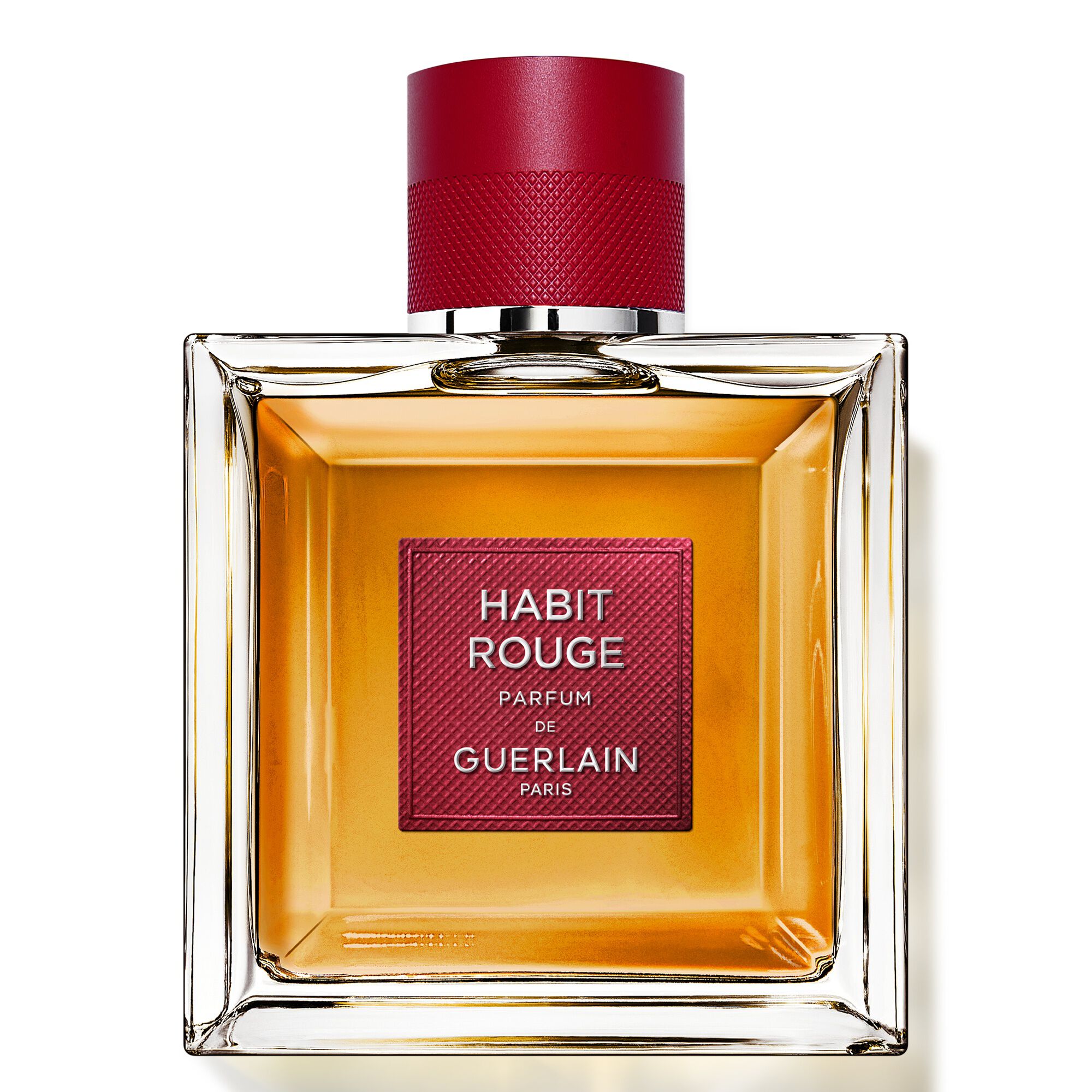
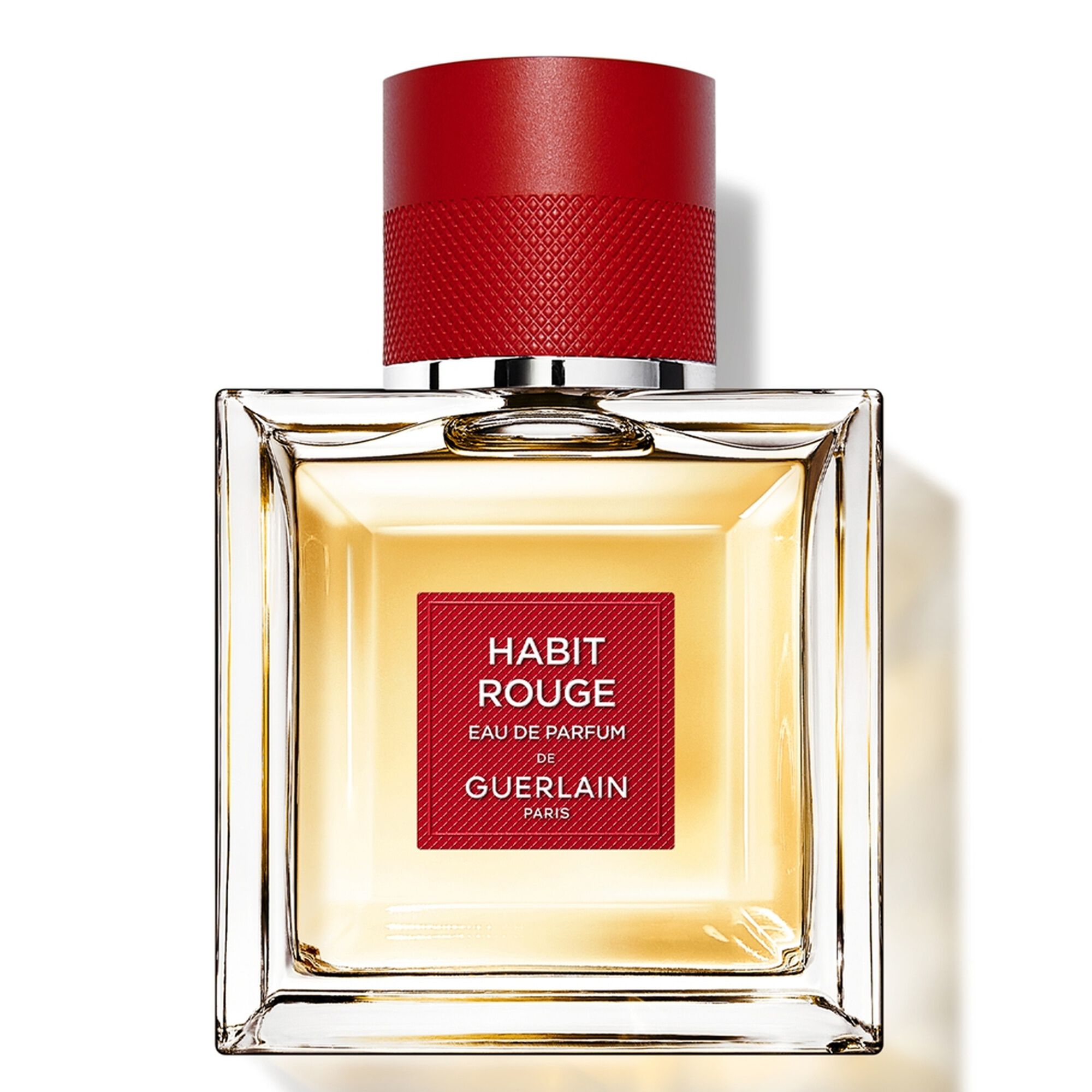
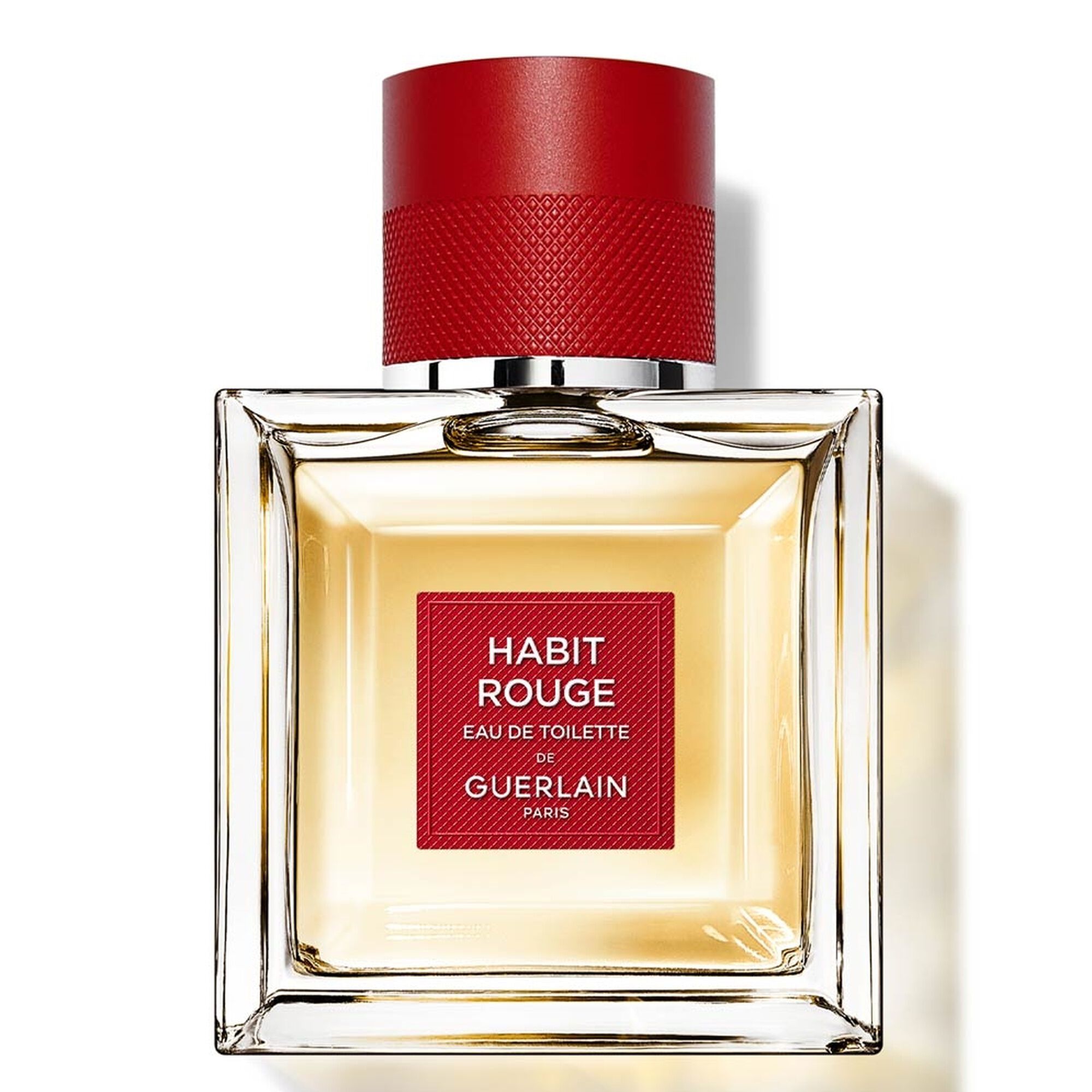
Habit Rouge L'Instinct (Guerlain) belongs to a prestigious fragranced lineage and sets itself apart with character. The green, bergamot-driven opening defies the expectations of a classic oriental, before the heart note reveals a disarmingly original cannabis-maté accord. The leathery, patchouli-laced, vanilla base note ties the composition to the tradition of Guerlain's great masculines, but with a modern interpretation that gives it genuine singularity. For an evening where you want to wear something recognisable without being predictable, this is a choice that deserves attention.
Boss Bottled Elixir (Hugo Boss) offers, for its part, a dense and concentrated take on a very well-constructed masculine oriental. Olibanum at the top — this natural resin incense with slightly lemony, smoky accords — sets the tone immediately: serious, deep, articulate. Cardamom reinforces the dry, spicy aspect of the opening before patchouli and vetiver build a heart note of fine earthy depth. Labdanum and cedar close the composition with a woody-amber amplitude that ensures a sillage worthy of grand occasions. This is an evening-wear parfum par excellence.
Eau D'ombré Leather (Tom Ford) surprises with its quality-to-experience ratio: accessibly priced, it nevertheless unfolds a fine leather architecture. Cardamom, ginger and coriander form a spicy, slightly exotic opening, which prepares the arrival of a vanilla-leather heart note accord of direct sensuality. Ambrofix in the base note brings that characteristic synthetic amber signature of Tom Ford compositions, at once clean and slightly animalic. For a dinner or evening where you want to express a certain sophistication without ostentation, this composition plays skilfully between comfort and elegance.
Application tips for winter
In winter, application zones are worth rethinking compared with summer habits. As body warmth is less diffuse, it is best to favour pulse points that are well covered by clothing: the inside of the wrists, of course, but also the hollow of the neck, the nape, and the décolletage. These zones emit heat continuously and will diffuse the parfum gradually throughout the day, creating a subtler but longer-lasting sense of presence.
The temptation to spray more heavily in winter, to compensate for the sense that the cold smothers the parfum, is generally counterproductive. Spicy oriental and leather compositions, particularly concentrated in fixative materials, have a projection that can quickly become overpowering in a heated, enclosed space. Two to three sprays are usually enough. A useful technique is to lightly spray the inside of a scarf or coat collar: wool and cashmere retain aromatic molecules and release them slowly with body warmth, prolonging diffusion in a remarkably even way.