
Spring perfume for men: freshness, greenness and lightness
Which men's fragrance to choose in spring? Citrus families, green notes, suitable concentrations: practical guidance by moment of use and a reasoned selection.
In spring, a man benefits from wearing a fresh, airy and moderately concentrated fragrance: mild temperatures amplify projection, and a light formula avoids olfactory saturation. Aquatic, citrus or green aromatic families naturally take precedence over dry woody notes and subtle florals. On this page, you'll find guidance by fragrance family, by intensity and by moment of use — an active morning, a day at the office or an outdoor weekend — so you can choose without hesitation.
Spring and men's perfumery — when the season redefines sillage
The return of spring acts on the skin as much as on the senses: temperatures rise, perspiration sets in gently, and the heavy fragrances of winter suddenly seem out of place. This isn't a matter of trend but of chemistry. Warmth accelerates the diffusion of aromatic molecules, amplifying what was once subtle and making what was simply warm feel heavy. A fragrance built around thick amber or deep vanilla, perfect in December, can become oppressive as soon as the thermometer passes fifteen degrees.
Spring therefore calls for compositions that breathe — juices that harmonise with the air rather than saturating it. For an active man, on the move and often outdoors during this period, the question of sillage also becomes one of projected energy. Lightness doesn't mean fading into the background: a spring fragrance can be assertive, recognisable, present, provided its olfactory palette is built within the right families and around the right notes.
What the context demands
Men's spring perfumery plays out on several fronts at once. During the day, temperatures remain cool in the morning and can climb in the afternoon, which calls for compositions capable of transforming without betraying their identity. In the evening, the first terraces and outdoor dinners call for a slightly more structured sillage, one that holds without weighing down the atmosphere.
The professional context imposes its own constraint: in an enclosed, temperature-controlled space, even in spring, an overly projected fragrance remains uncomfortable for those nearby. The unspoken office rule — subtlety at arm's length — applies all the more since windows tend to stay closed early in the season. Conversely, for a sporting outing, a hike or a weekend outdoors, a more generous sillage is welcome, carried naturally by the air and perspiration.
Suitable families and notes
Three major fragrance families dominate spring recommendations for a men's profile. The aromatic citrus family is the most obvious: built on vivid citrus fruits — bergamot, lemon, grapefruit — it unfolds an immediate freshness that aromatic notes then structure and extend. Without this vegetal framework, citrus fragrances evaporate too quickly and lack character. Lavender, basil, mint or rosemary play this anchoring role while remaining within the register of lightness.
The aromatic fougere family offers a different, more robust balance. The classic fougere accord — lavender, geranium, oakmoss — has crossed more than a century of men's perfumery without ever seeming dated, precisely because it captures something fundamental in olfaction: the sensation of fresh air after rain, of cut grass, of open space. In spring, these accords work particularly well because they echo the outdoor landscape. The aromatic woody family, finally, brings depth without heaviness. Vetiver, cedar and sage build an understated base note that anchors fresh notes and gives them longevity.
Among the notes to favour, bergamot stands out as an almost essential starting point: its citrus-floral, slightly bitter profile allows it to harmonise with virtually all spring compositions. Lavender, in its cleanest and least powdery versions, brings an immediately legible vegetal softness. Mint — peppermint or spearmint — adds a tonic, aquatic dimension. Basil introduces a green, slightly aniseed note, evocative of a garden in full sun. Vetiver, meanwhile, is the quintessential base note of men's spring perfumery: earthy, smoky, slightly lemony in its Haitian expressions, it anchors compositions without weighing them down.
Conversely, certain notes should be handled with caution in this season. Heavy orientals — oud, thick resins, benzoin — struggle to find their balance in warm weather. Overly intense musks can tip into the stifling. Smoky woods, magnificent in winter, lack the lightness needed to sit alongside the May sunshine.
Selection for everyday wear
For everyday use in spring — commuting, the office, lunch on a terrace — priority goes to fresh, well-constructed compositions, present enough to exist without ever imposing themselves. Booster (Lacoste) answers this brief precisely. Its opening on peppermint, eucalyptus and grapefruit creates an immediate, tonic, almost sporty impression of freshness, which basil and lavender in the heart note then nuance and round off. The base note of vetiver, sandalwood and cedar holds the juice over time without tipping into heavy woodiness. This is a fragrance of movement, designed for active skin.
Explorer (Montblanc) offers a different approach, more sophisticated for everyday use. Its opening bergamot, spiced with pink pepper and clary sage, opens onto a heart note of Haitian vetiver and leather, then settles onto a base note of ambroxan, patchouli and akigalawood of admirable restraint. The result is an aromatic woody fragrance with character that doesn't try to impose itself — a juice that accompanies without saturating, suited equally to the office and to a day outdoors.
Coach Open Road presents an original opening with its red apple, a fruity-green note that lends the whole an acidulous freshness. Clary sage and lavender in the heart note bring the composition back into aromatic territory, while vetiver, cedar and patchouli in the base note give it an understated solidity. This is an accessible option that lacks the complexity of some more elaborate juices, but which fills its role as a spring daily companion perfectly.
Happy (Clinique) is a frank, direct citrus proposition. The opening on orange, mandarin, pink grapefruit and bergamot is generous and sun-drenched. The floral heart note — muguet, freesia, rose — introduces an almost airy lightness, uncommon in men's perfumery but perfectly suited to a relaxed, sunny context. The musky-amber base note keeps the whole coherent. For a weekend, a relaxed day or an informal context, this juice works with disarming ease.
Selection for special occasions
Spring evenings, outdoor dinners and social events call for slightly more assertive compositions, capable of creating a memorable sillage without saturating the mild April or May air. Jazz (Yves Saint Laurent) is a classic that deserves to be brought back into the light for this context. Its opening is generous — lavender, bergamot, basil, coriander, cardamom, armoise and even a touch of anise — an avalanche of aromatic notes that resolves into a floral heart note of geranium, carnation and iris. The woody-amber base note, with its oakmoss, leather, sandalwood and tonka bean, anchors the whole in a classic masculine depth. This is a fragrance of character, of confident elegance, that works particularly well for a dressed-up evening.
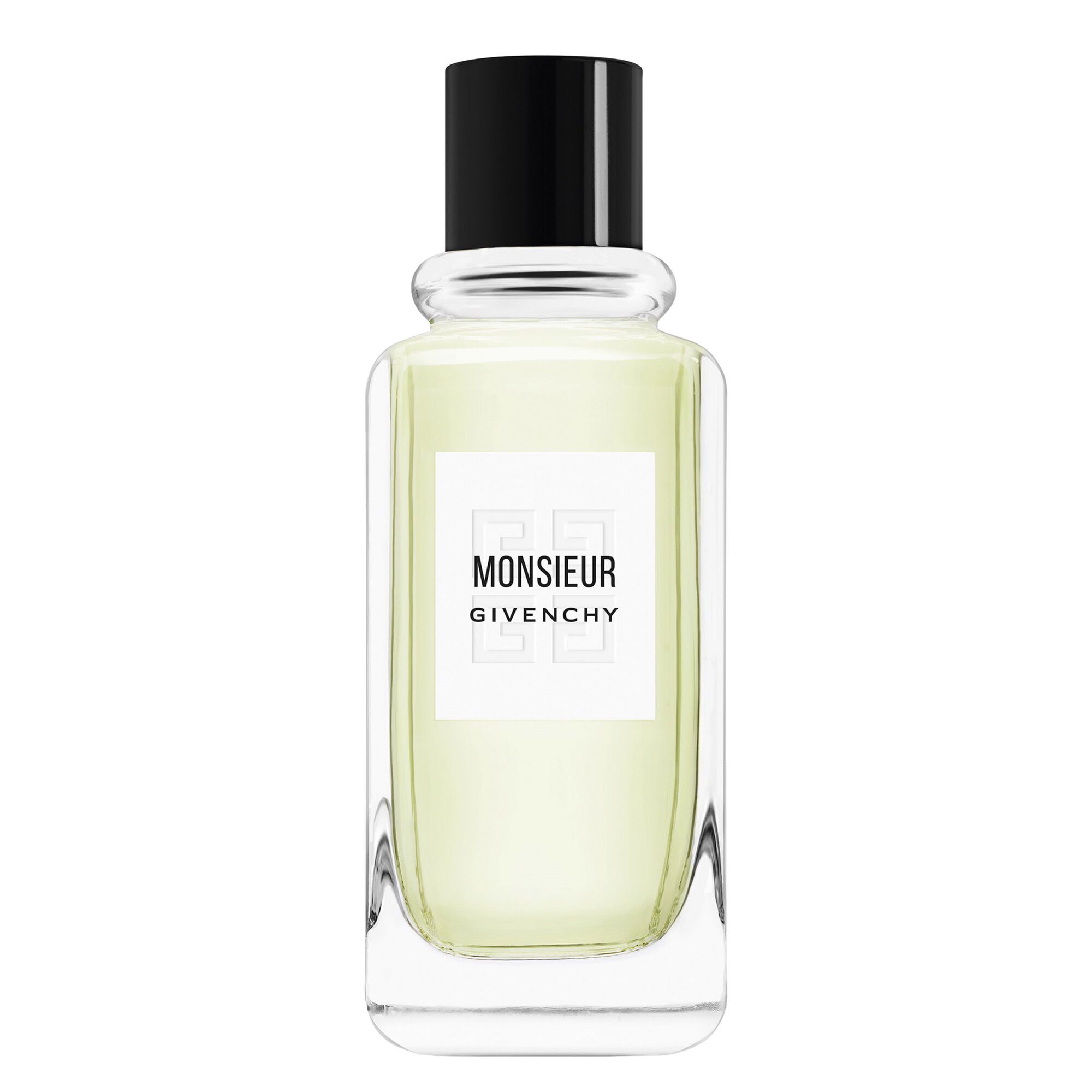
Gentleman Society (Givenchy) embodies a more contemporary sophistication. Cardamom and sage at the top introduce an elegant spicy-aromatic register, which the heart note of narcissus and vetiver (Haitian and Madagascan) enriches with an uncommon floral-earthy complexity. The vanilla-palo santo-cedar base note brings a woody softness that holds the composition without weighing it down. For a dinner, a date, or an evening with friends in a polished setting, this juice has the longevity and refinement required.
Eau , signed by a creator of the Dior house, remains one of the absolute references of men's spring perfumery since its creation in 1966. Its pyramid combines cedrat, bergamot, basil and rosemary in an opening of sun-drenched clarity, before unfolding a floral-citrus heart note built around jasmine, lavender and orris root — notably thanks to hedione, that jasmine-like molecule that gives it its characteristic transparency. The base note of oakmoss, vetiver and musk is admirably understated. For a spring occasion where you want a sillage that is both present and airy, this composition remains a reference that is hard to match.
For sporting occasions or outdoor activities — hiking, a weekend in the countryside, a cycling outing — Gentleman Society Sport (Givenchy) offers a more dynamic format within the same aromatic woody family, with a fresher, less dressed-up rendering than its classic counterpart. A coherent option for active moments that call for a fragrance capable of holding up on skin in motion.
Tips for use
In spring, rising temperatures favour the diffusion of olfactory molecules, which calls for a degree of moderation in the amount applied. Two to three sprays are generally sufficient: one on the nape or back of the neck, one on the chest, and possibly one on the inside of the wrist. Pulse points — pulse, inner elbow, throat — naturally amplify the sillage without requiring excessive application.
The choice of when to apply is worth thinking through. In the morning, on freshly washed, slightly damp skin, the fragrance adheres better and lasts longer. For a citrus composition whose top notes evaporate quickly, a mid-day top-up is worth considering, provided you don't layer several applications without letting the juice express itself fully. Compact travel bottles make this discreet renewal easier. Clothing retains fragrance longer than skin, but it's best to avoid direct sprays on delicate textiles, which can leave marks on certain light-coloured fibres.
Frequently asked questions
In spring, citrus families (vivid citrus fruits), aromatic families (lavender, rosemary, basil) and green families (tea, light fougere) are the most suitable. They remain legible at mild temperatures without saturating. Dry woods also work, provided the concentration is eau de toilette rather than eau de parfum.
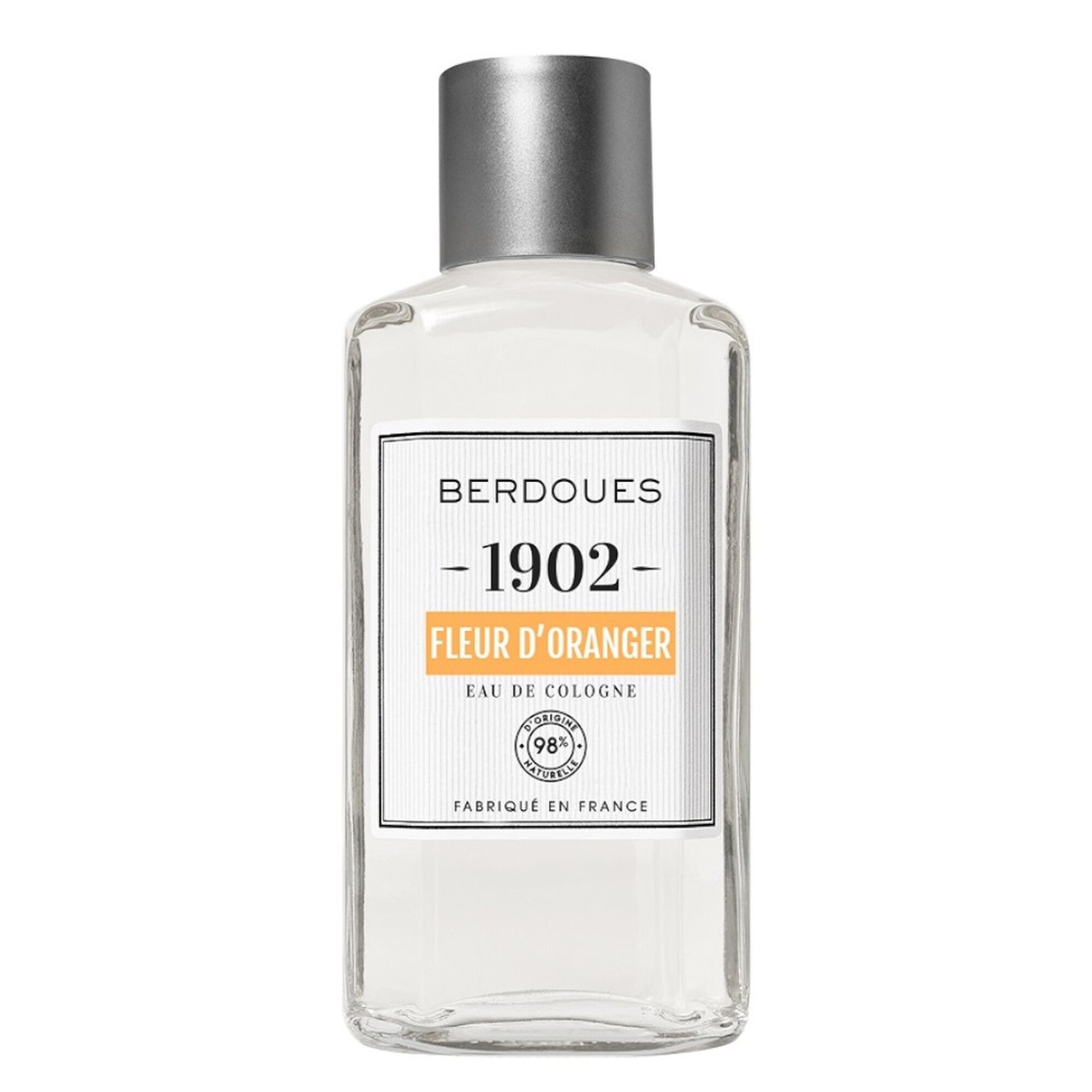
Eau de toilette (EDT, 5-12% concentrate) is the ideal concentration in spring: it diffuses well from 15-20°C without becoming overpowering. Eau de cologne suits already warm days or sporting activities. Reserve eau de parfum for cool evenings or contexts where longevity takes priority over subtlety.
Apply the fragrance to clean, slightly damp skin, after showering, to pulse points — wrists, nape, inner elbow. Avoid rubbing the wrists: this breaks down the top notes. On a mild day, two or three touches are enough; in warm weather, prefer a single morning application rather than over-projecting.
Dry woods (cedar, vetiver, light sandalwood) remain wearable in spring if balanced by citrus or aromatic top notes. Heavy ambers and orientals laden with vanilla or thick resins, however, risk feeling stifling once the temperature rises above 18-20°C.