
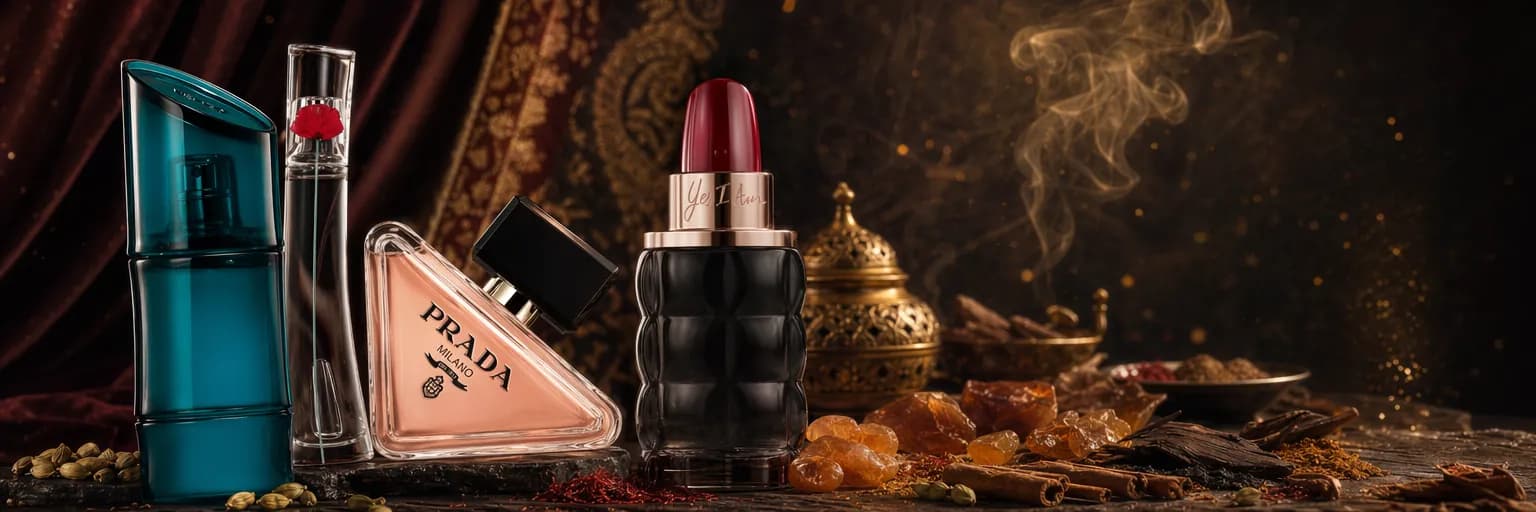
Woody oriental parfum: warmth, depth and precious woods
A strong woody parfum blends the vegetal dryness of sandalwood, cedar and oud with the enveloping warmth of resins and amber: this is the signature of the woody oriental family. Hybrid by nature, it offers depth and refinement without sugary heaviness. This guide details its 5 sub-families, distinguishes woody parfum for men from woody parfum for women, compares oriental woody with aromatic woody, and presents 11 references selected for their quality-to-sillage ratio.
What is a woody oriental parfum?
Olfactive definition: the composition of a woody oriental parfum
A woody oriental parfum rests on two great families of materials that complement rather than oppose one another.
On the woody side, the structuring notes are sandalwood (creamy, milky), cedar (dry, slightly camphoraceous), vetiver (earthy, smoky), patchouli (deep, slightly earthy), oud and oud wood (animalic, resinous), guaiacwood (smoky, woody), birch (leathery, slightly tarry) and cashmerewood (soft, powdery, enveloping).
On the oriental side, amber-resinous notes bring the warmth: amber, labdanum (leathery, animalic), resin, frankincense, benzoin (balsamic, vanillic), tonka bean (sweet almond, coumarin) and balsam. Spicy notes add sharpness and character: cardamom (green, fresh), saffron (metallic, warm), black pepper, cinnamon, ginger. Finally, certain oriental floral notes — damask rose, jasmine, iris — bring a deep floral dimension, far from light.
What sets woody oriental apart from a classic oriental is the dry, vegetal dominant note. The woods are not there to soften: they structure, they anchor, they give verticality to an accord that would otherwise remain too soft.
Historical origins of woody oriental
The scent traditions of India, Persia and the Middle East have always given a central place to precious woods. Oud and sandalwood were burnt as incense in places of worship, worn as attar on the skin, given as prestigious gifts. This practice dates back to Antiquity and continues today throughout the Arabian Peninsula.
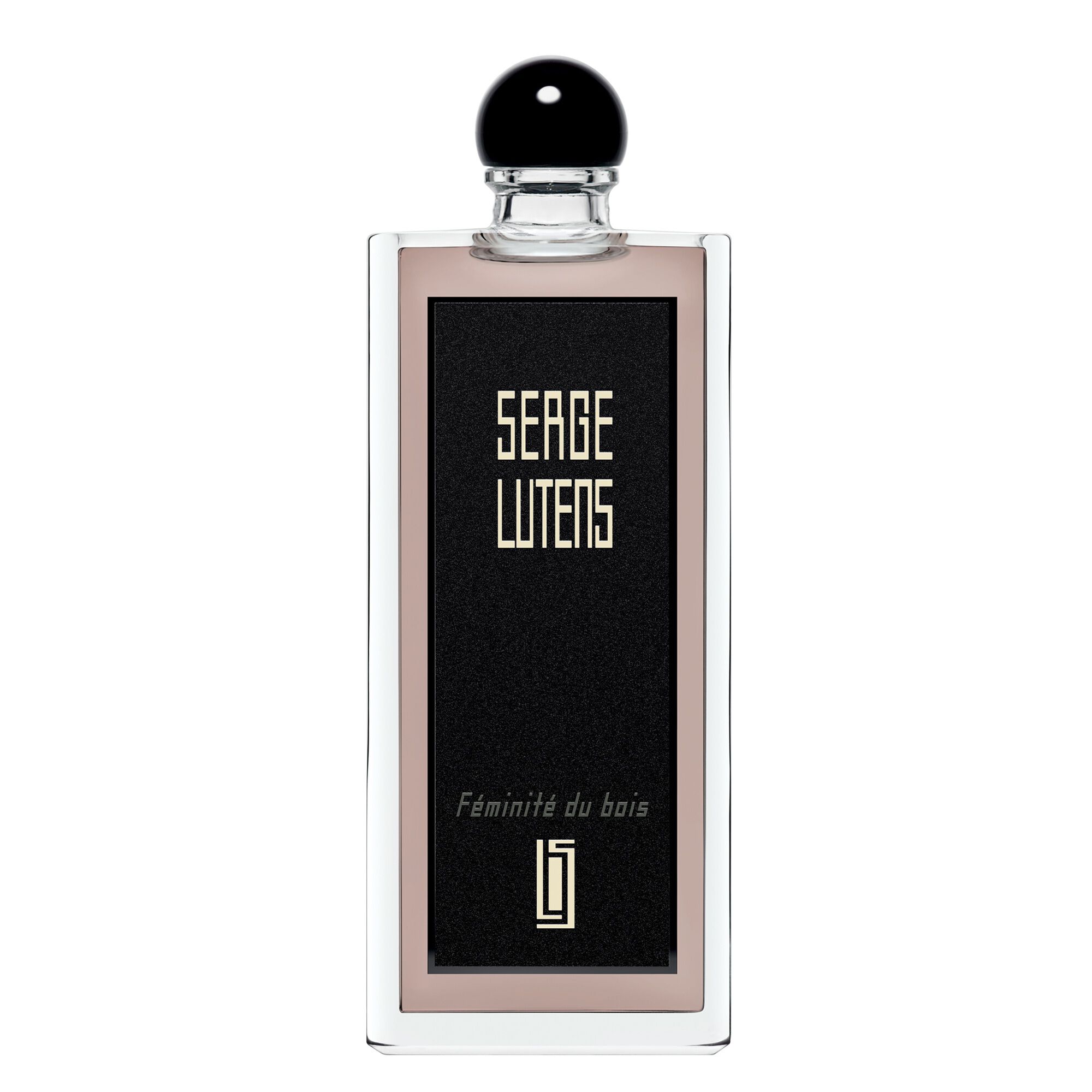
Western perfumery integrated these materials gradually, first tentatively, then with real conviction. Guerlain Habit Rouge, created in 1965, is often cited as the first masculine woody oriental of classic perfumery: a woody-spicy-amber accord of thoroughbred elegance, which laid the foundations of the genre. But it was Serge Lutens' Féminité du Bois, in 1992, that marked a decisive turning point for feminine niche woody — daring to put cedar and sandalwood in the foreground of a parfum designed for women, at a time when woody remained an almost exclusively masculine territory.
Why are woody oriental parfums so captivating?
The answer is partly chemical. The aromatic molecules of precious woods and resins are heavy, slow-diffusing molecules. A well-constructed woody oriental can last 8 to 12 hours on the skin, with a sillage that evolves without fading. This longevity is one of the reasons why this family is so appreciated in autumn and winter.
There is also a psychological dimension. The warmth, the depth, the slightly smoky and precious character of these parfums activate very ancient associations: comfort, luxury, mystery, intimacy. The dual sensory anchor — dry wood on the surface, warm resin at the base — creates an impression of complexity that holds attention.
In store, I notice that customers who "fall" for a woody oriental often weren't looking for this family. They come in for a floral or a fresh fragrance, and leave with something entirely different. It's a family that convinces through experience, not through description.
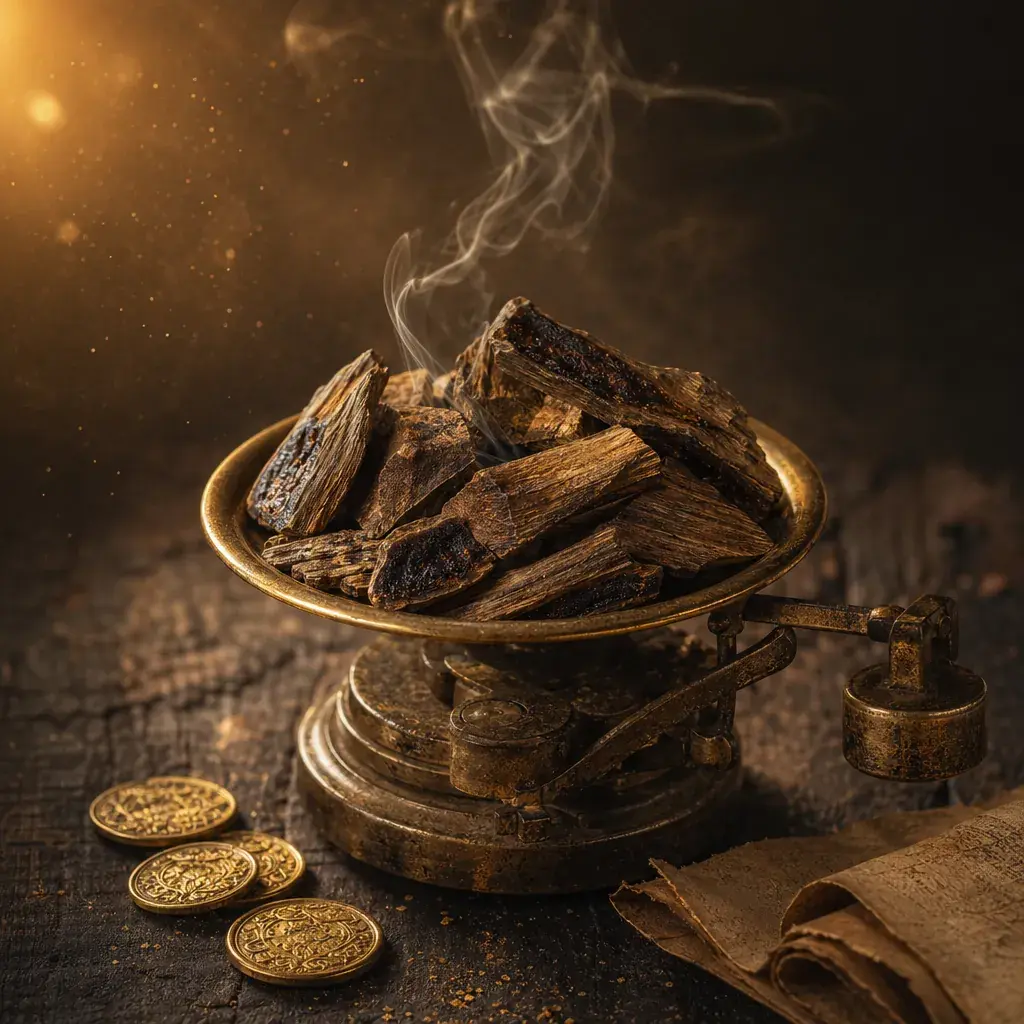
Did you know? The IFRA classification places woody oriental at the crossroads of two great families: Orientals (amber warmth) and Woods (vegetal dryness) — a hybridisation codified by Michael Edwards' fragrance wheel as early as 1983. This pivotal position explains why woody oriental is one of the most versatile families in contemporary perfumery.
The 5 sub-families of woody oriental
| Name | Olfactive profile | Typical notes | Examples |
|---|---|---|---|
| Woody oriental amber | Warm-enveloping | Amber, sandalwood, vanilla, resin, labdanum | Reminiscence Ambre, Serge Lutens Ambre Sultan |
| Woody oriental oud | Deep-mysterious | Oud, oud wood, frankincense, damask rose, patchouli | Reminiscence Oud, Serge Lutens Féminité du Bois |
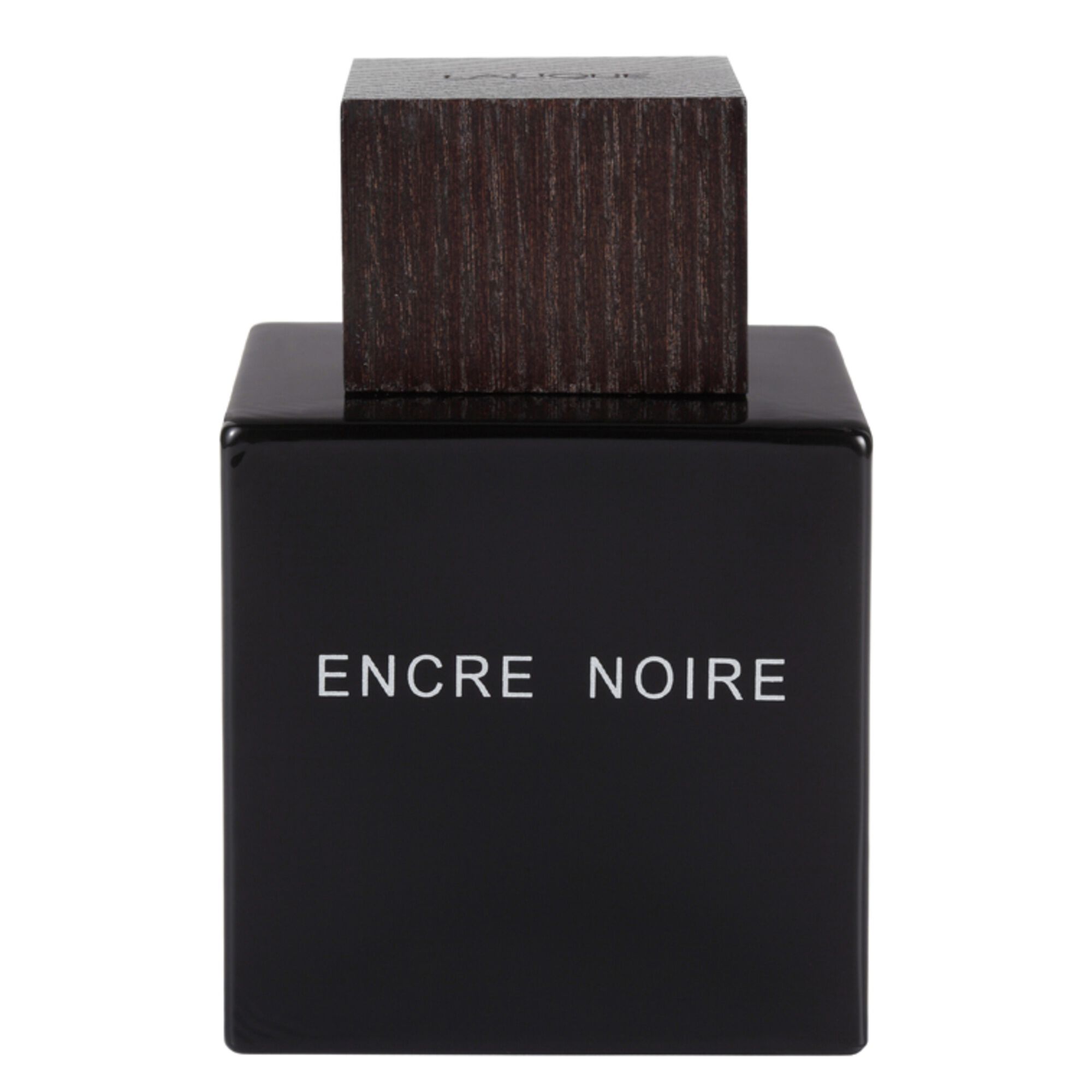
| Woody oriental spicy | Warm-spicy-dry | Cedar, cardamom, saffron, vetiver, black pepper | Guerlain Habit Rouge, Lalique Encre Noire |
| Woody oriental sandalwood | Creamy-soft-woody | Sandalwood, tonka bean, white musk, iris, cedar | Serge Lutens Santal Majuscule, Reminiscence Vanille Santal |
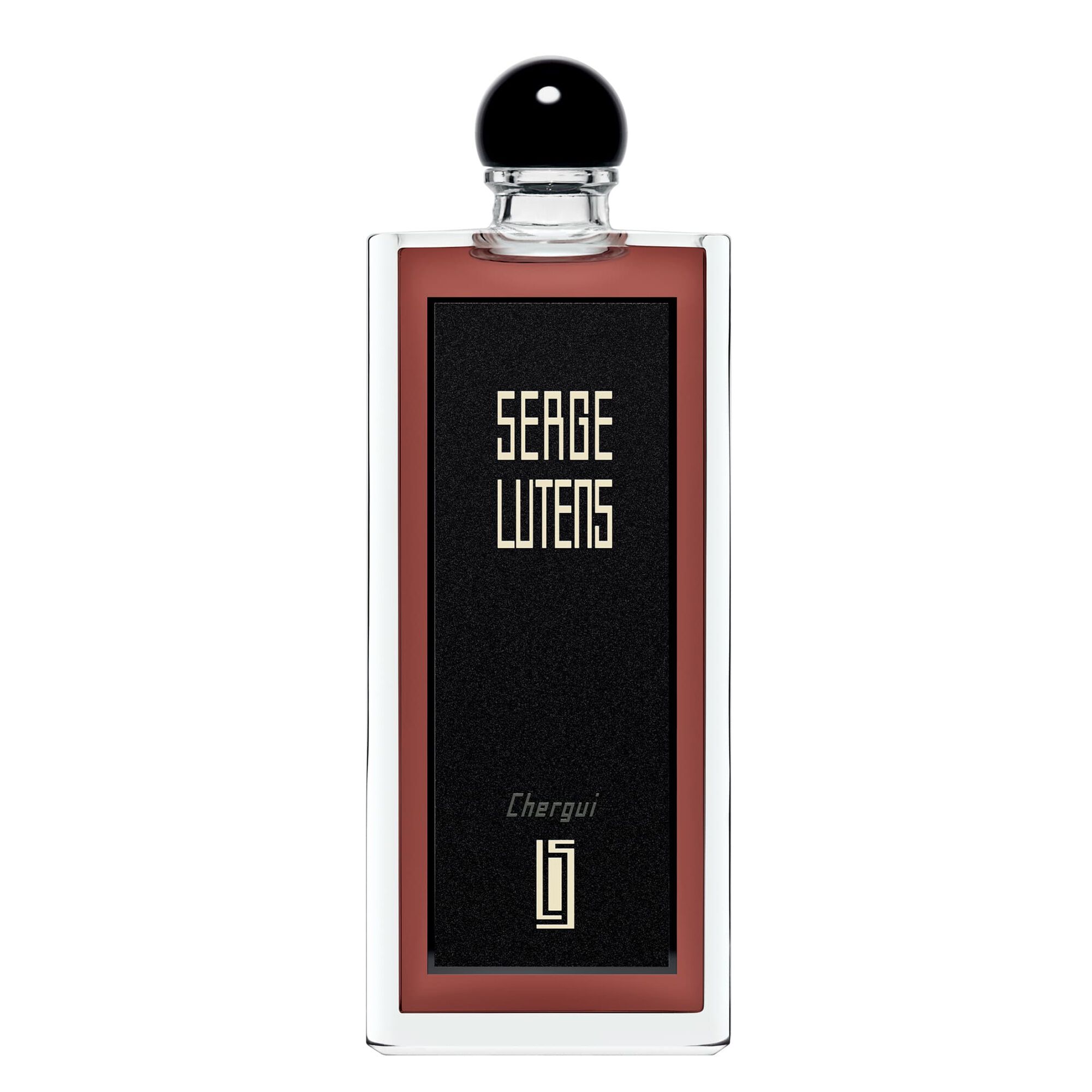
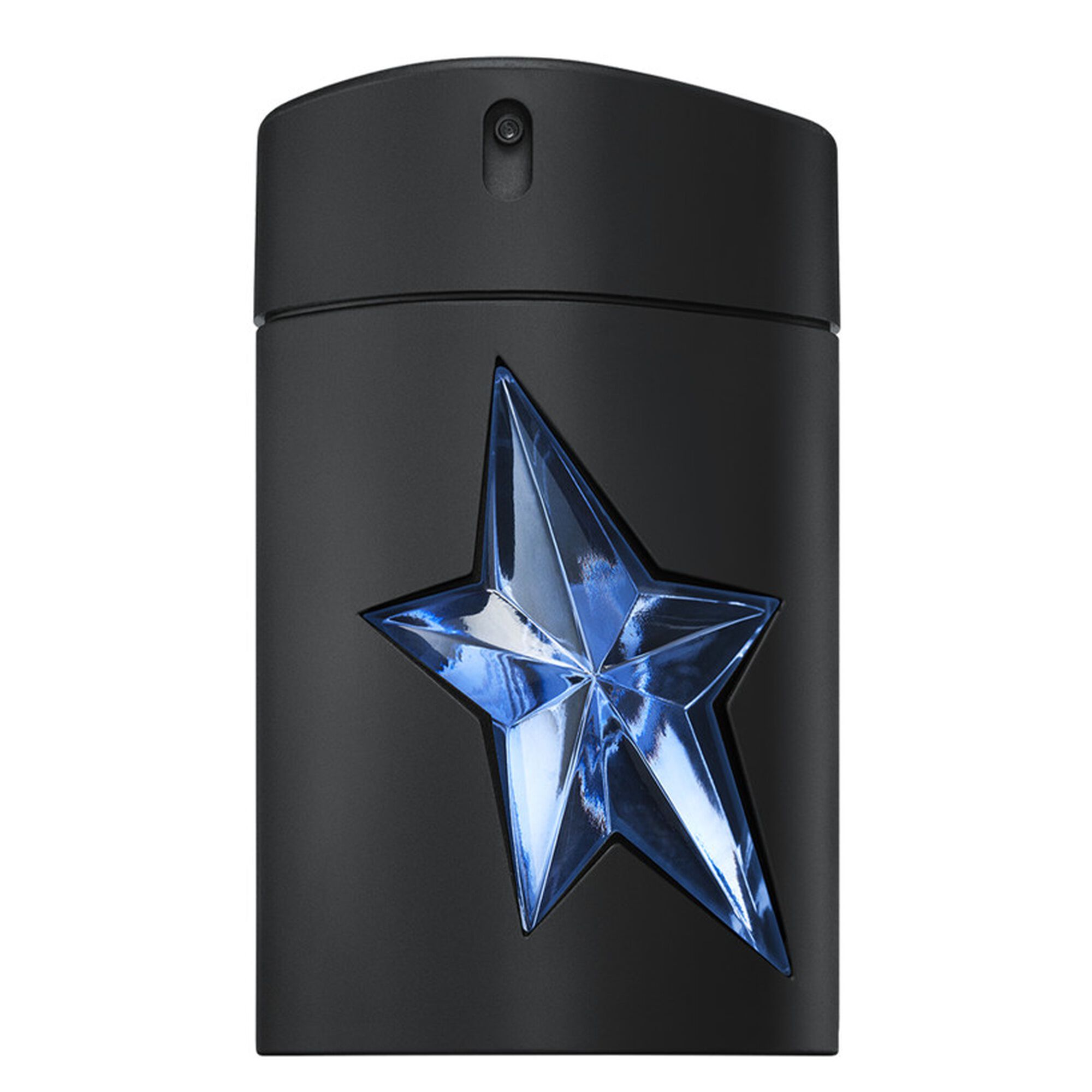
| Woody oriental fougere | Fresh-woody-masculine | Vetiver, oakmoss, lavender, cedar, ambergris | Mugler A*Men Pure Wood, Serge Lutens Chergui |
Woody oriental amber
This is the most accessible, most enveloping sub-family. Amber plays the role of binder here: it softens the resins, rounds off the woods, gives the whole an immediate warmth. Labdanum brings a discreet leathery and animalic dimension, while vanilla and resin close the base note with softness. Reminiscence Ambre and Serge Lutens Ambre Sultan are two references that illustrate the two faces of this sub-family well: one accessible and generous, the other drier and more austere.
Woody oriental oud
Oud is the most polarising material in perfumery. Deep, animalic, slightly smoky, sometimes medicinal: it leaves no one indifferent. In this sub-family, it is often accompanied by damask rose (to soften it), frankincense (to amplify it) and patchouli (to anchor it). Reminiscence Oud offers an accessible entry point into this universe. Serge Lutens Féminité du Bois, more cedar than oud strictly speaking, is its founding feminine act. Tom Ford Oud Wood, mentioned for reference, represents the Anglo-Saxon niche luxury segment of this sub-family.
Woody oriental spicy
Here, cedar takes the lead. Dry, slightly camphoraceous, it structures a spicy accord where cardamom, saffron and black pepper vie for the foreground. Vetiver anchors the whole in an assertive vegetal dryness. Guerlain Habit Rouge is the historic masculine reference; Lalique Encre Noire is its contemporary version, more radical and mineral. Hermès Terre d'Hermès Parfum, mentioned for reference, illustrates what the great French house does with this profile: a mineral spicy woody of remarkable precision.
Woody oriental sandalwood
Sandalwood reigns here. Creamy, milky, slightly sweet, it pairs naturally with tonka bean (sweet almond), iris (powdery, slightly noble) and cedar (to bring dryness). This is the softest, most everyday-wearable sub-family. Serge Lutens Santal Majuscule is its absolute niche reference; Reminiscence Vanille Santal and Lancôme La Vie Est Belle Iris Absolu cover the more accessible segment.
Woody oriental fougere
Fougere woody is a hybrid between the classic fougere (lavender, oakmoss, coumarin) and oriental woods. Vetiver is often central here, accompanied by cedar and ambergris. This is the most masculine sub-family, most worn at the office or in mid-season. Mugler A*Men Pure Wood and Serge Lutens Chergui are two very different expressions of it: one fresh and modern, the other smoky and opulent.
Our selection: the best woody oriental parfums for women 2026
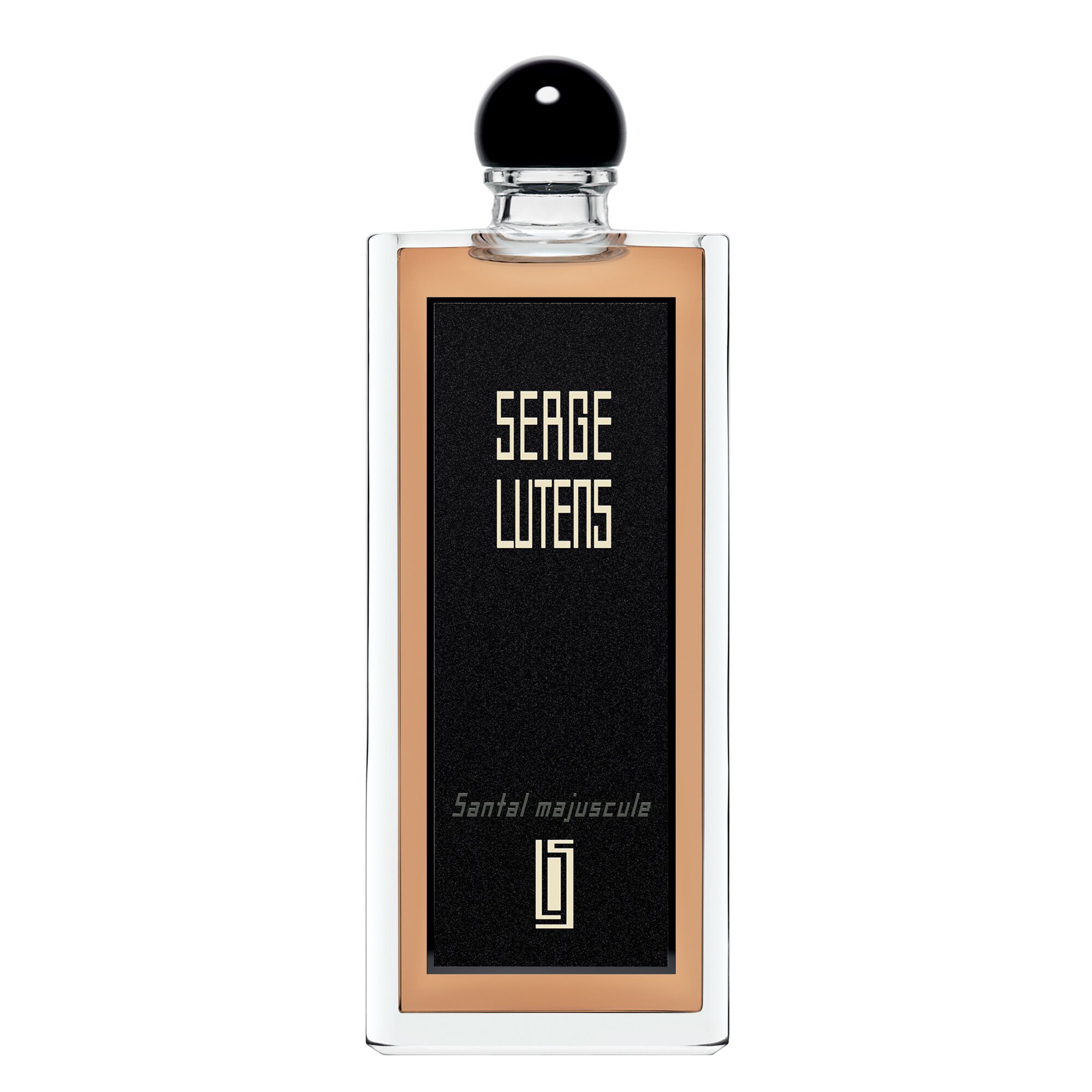
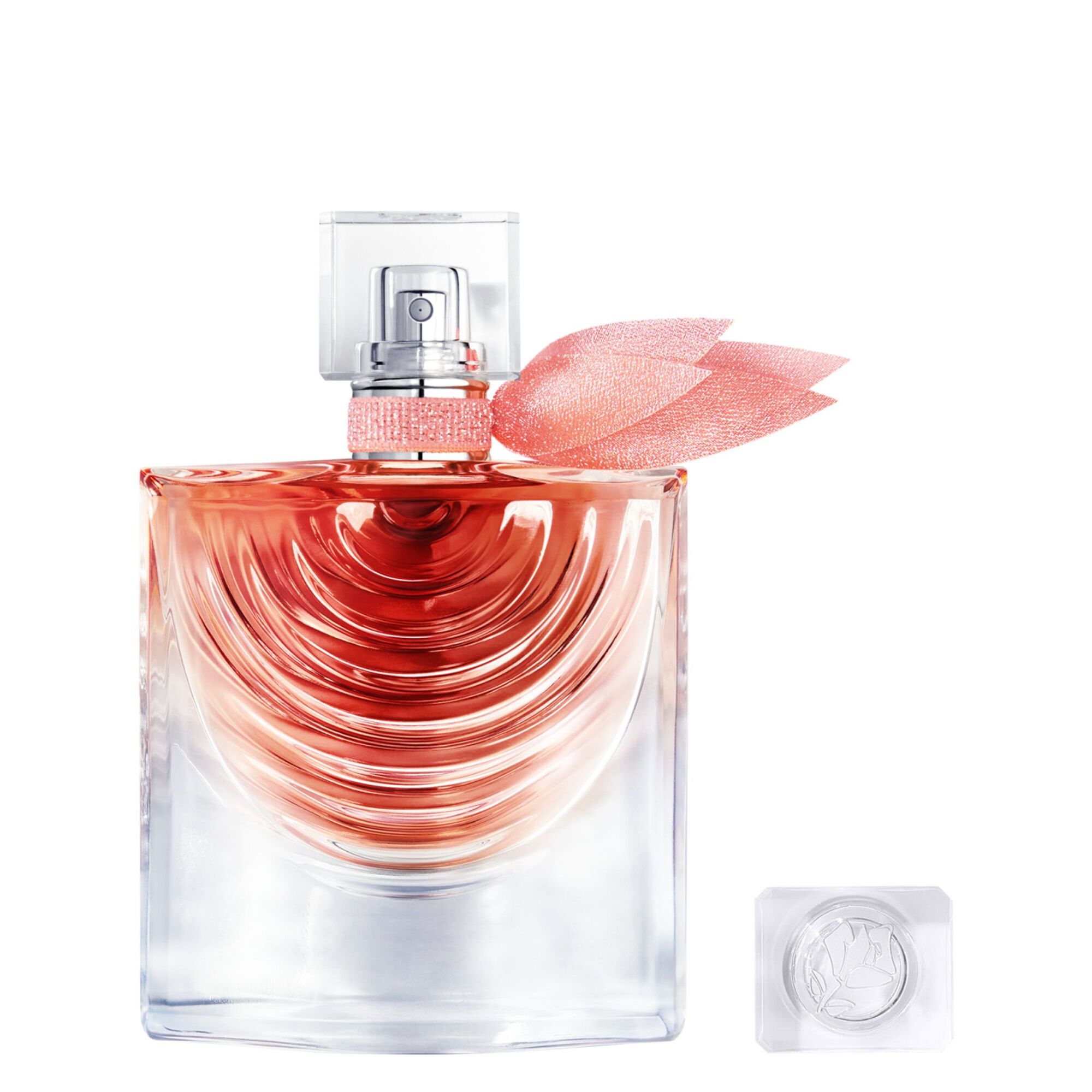
To go further by profile and occasion, our woody oriental selection for women details the references by sub-family and intensity. Here are the six references I recommend most often at Tendance Parfums for women's and unisex profiles.
Santal Majuscule — Serge Lutens
Unisex EDP. Around 150 EUR. Creamy and deep sandalwood, almost milky, with a soft warmth that lasts for hours. The niche reference for anyone seeking a pure sandalwood, without floral embellishment or sweet gourmand touches. For lovers of unapologetic precious woods.
Reminiscence Oud
Unisex EDP. Around 80 EUR. Accessible and generous oud, without the austerity of pure niche ouds. Reminiscence delivers here a deep and warm woody scent, with a soft resin at the base note. Best-seller of the brand, ideal for entering the oud family without intimidation.
Féminité du Bois — Serge Lutens
Women's EDP. Around 130 EUR. Soft plum over a heart note of Atlas cedar and sandalwood, lifted with cinnamon and ginger. Created in 1992, this parfum paved the way for feminine niche woody. For women who want a warm woody without masculine clichés.
Reminiscence Ambre
Unisex EDP. Around 65 EUR. Warm, enveloping amber, with a soft resin and a touch of balsam at the base note. Reminiscence masters ambery notes like few houses can. Remarkable longevity, generous sillage. For those who want a warm, accessible woody oriental.
La Vie Est Belle Iris Absolu — Lancôme
Women's EDP. Around 100 EUR. Powdery iris over a base note of creamy sandalwood and tonka bean. Deeper and more woody than the original La Vie Est Belle. For women who love soft florals but seek a warmer, more long-lasting base.
Reminiscence Patchouli
Unisex EDP. Around 55 EUR. Earthy and slightly sweet patchouli, a signature of the Reminiscence house. A deep and sensual woody, neither too dark nor too sweet. Best-seller of the brand for many years. For lovers of authentic patchouli, without artifice.
Our selection: the best woody oriental parfums for men 2026
Masculine woody oriental has its own codes. Dry woody, assertive spicy, amber-vetiver: the men's references of this family are often more radical, more direct than their unisex equivalents. They embrace a dense sillage and high longevity. Here are the five references I recommend for our woody oriental selection for men.
Tom Ford Oud Wood and Hermès Terre d'Hermès Parfum deserve mention as two landmarks of the masculine niche and luxury segment: the former for its polished, accessible Western oud, the latter for its rare precision in mineral woody. Neither is distributed by us, but both define the benchmark of quality for the segment.
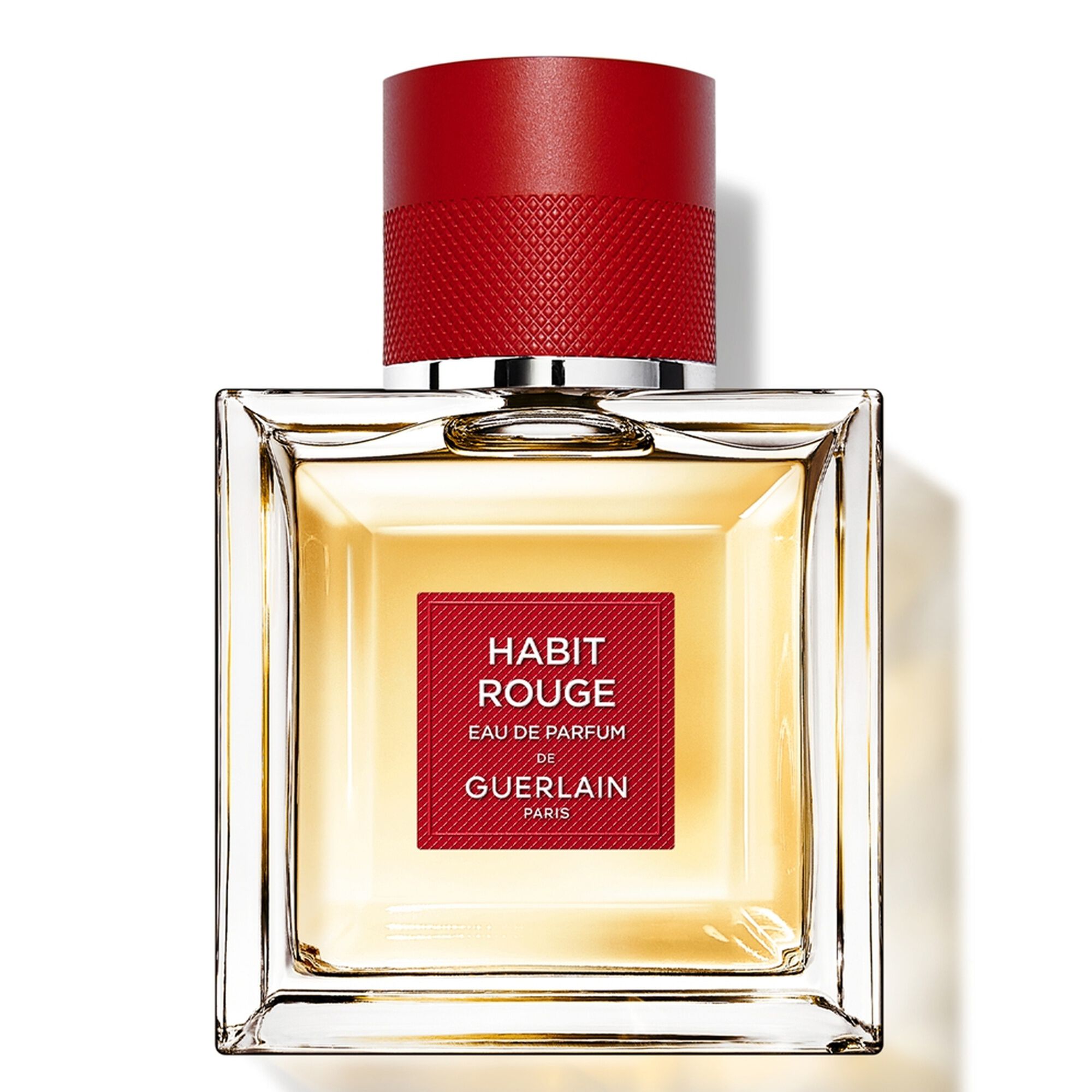
Habit Rouge — Guerlain
Men's EDP. Around 90 EUR. The absolute icon of masculine woody oriental. Bright lemon in the top, spicy carnation in the heart note, amber and patchouli in the base note: a timeless equestrian elegance since 1965. For men who love a warm, thoroughbred sillage, that has spanned three generations.
Encre Noire — Lalique
Men's EDP. Around 50 EUR. Smoky, earthy vetiver, dry cedar, cypress: a radical and mineral masculine woody. Encre Noire is the reference for accessible dry woody, without compromising on depth. For men who want an assertive woody, without sugar or resin.
Chergui — Serge Lutens
Unisex EDP. Around 130 EUR. Honey, tobacco, iris and smoky sandalwood: Chergui is a woody oriental spicy of rare depth. Evokes a warm wind from the Moroccan desert. For those seeking a woody with character, smoky and slightly sweet, to wear in the evening or in winter.
A*Men Pure Wood — Mugler
Men's EDT. Around 60 EUR. Guaiacwood, cedar and vetiver on a fresh woody fougere base note. Pure Wood is the most woody and driest version of the A*Men range. For men who want a modern woody fougere, fresh in the top and deep in the base note, worn all year round.
Shalimar Millésime — Guerlain
EDP. Around 95 EUR. Shalimar Millésime reinterprets Guerlain's monument with a more assertive woody touch. Amber, iris and jasmine over a legendary vanilla-woody base note. For those who want the classic elegance of Shalimar with a contemporary woody depth.
Woody oriental parfum vs aromatic woody vs spicy woody: how to tell them apart?
This is the question I get asked most often, and it's a fair one: the labels look alike, the descriptions overlap. Here is a clear framework.
| Family | Dominant profile | Signature notes | Ideal season |
|---|---|---|---|
| Woody oriental | Warm-enveloping-deep | Oud, sandalwood, amber, resin, frankincense | Autumn-winter |
| Aromatic woody | Fresh-herbaceous-dry | Lavender, rosemary, cedar, vetiver, sage | Spring-summer |
| Spicy woody | Dry-sharp-intense | Black pepper, cardamom, vetiver, ginger, cedar | Mid-season |
Woody oriental: amber warmth and precious woods
Woody oriental is defined by the coexistence of warm materials (oud, sandalwood, resins, frankincense) and precious woods that give them structure. The sillage is dense, the projection marked, the longevity long-lasting. It's a family designed for cold seasons, even though its sandalwood and fougere-woody variations wear very well in mid-season. Everything belonging to the broader woody family shares wood as a central note, but woody oriental always adds a layer of resinous or amber warmth.
Aromatic woody: herbaceous freshness and dry woods
Aromatic woody is its thermal opposite. Here, lavender, rosemary, sage and cedar create a fresh, herbaceous, airy profile. The sillage is light, the projection moderate, the longevity average. It's a spring and summer family, very much worn in mainstream men's fragrances. It has neither the warmth nor the depth of woody oriental.
Spicy woody: intensity and character
Spicy woody occupies an intermediate position. Black pepper, cardamom and ginger bring sharpness and dryness, without the enveloping warmth of oriental resins. It's an assertive profile, often masculine, that works well in mid-season. It can come close to woody oriental spicy when resins appear in the base note, but remains drier and less opulent.
How to choose according to your character and the season?
In practice: if you're looking for something warm, deep and long-lasting for autumn-winter, woody oriental is your family. If you prefer something fresh and herbaceous for spring, head towards aromatic woody. If you want character without the warmth of resins, spicy woody is a good compromise.
For sandalwood and amber profiles, Reminiscence Ambre and Santal Majuscule are two entry points I recommend without hesitation.
Sandalwood and oud: the two pillars of woody oriental parfum
Sandalwood in perfumery: creamy softness and warmth
Sandalwood is one of the most used — and most complex — raw materials in perfumery. Santalum album, native to Mysore (India) and New Caledonia, produces a creamy, milky, slightly sweet oil, with an immediate softness. Its growing scarcity has led the industry to develop highly effective synthetic molecules: Javanol and Ebanol faithfully reproduce the creamy and warm profile of natural sandalwood, with superior longevity.
In perfumery, sandalwood often plays a base note role: it rounds off, it binds, it gives longevity. But in sandalwood woody fragrances, it takes centre stage. To learn more about this note, our sandalwood dossier details its chemistry and its expressions in perfumery.
Oud in perfumery: depth and rarity
Oud — also called agarwood — is produced by the Aquilaria tree when it is infected by a parasitic fungus. This defensive reaction produces a dense, dark resin of exceptional aromatic complexity. The most prized geographical origins are Cambodia, Laos and Assam (northeastern India), each producing a slightly different profile.
The price of the natural material approaches 30,000 EUR/kg for the highest qualities, which explains why almost all ouds in Western perfumery rely on synthetic molecules. These syntheses allow oud to be worked in a more predictable and more accessible way, without necessarily betraying the spirit of the material. For everything about this note, our oud guide is the reference.
Our Tendance Parfums sandalwood and oud selection
Reminiscence Oud — Accessible and warm oud, with a soft resin at the base note. Best-seller of the house, ideal for a first approach to oud without austerity.
Santal Majuscule — Serge Lutens — Pure creamy sandalwood, a French niche reference. A deep, milky woody, with no compromise on the quality of the material.
Habit Rouge — Guerlain — Ambery spicy woody, a bridge between sandalwood and masculine spices. A classic that shows how woody can be at once warm, dry and elegant.
How to wear a woody oriental parfum?
Woody oriental parfum for which season?
Woody oriental is an autumn and winter family. The heavy molecules of resins and precious woods develop better when the outdoor temperature is cool: the sillage unfolds slowly, the longevity is at its maximum. In a full heatwave, these same molecules can become overwhelming, even uncomfortable.
The sandalwood and fougere-woody sub-families are more versatile: their creamy or fresh profile makes them wearable in mid-season, even in spring for the lightest versions. I often recommend Santal Majuscule or A*Men Pure Wood to customers who want a woody oriental for nine months of the year.
Woody oriental parfum for day or evening?
The answer depends on the sub-family and the concentration. For daytime, sandalwood, cedar and fougere-woody profiles in EDT are the most suitable: controlled sillage, accessible profile, no saturation effect. For evening, ouds, ambers and spicy notes in EDP or extrait de parfum are in their element: dense sillage, assertive projection, night-time longevity.
For a special occasion, a bold oud or a woody oriental extrait de parfum is the most impactful choice. Chergui by Serge Lutens, for example, is an evening or weekend parfum, not a Monday-morning meeting one.
How much does a good woody oriental parfum cost?
The accessible segment starts around 25-50 EUR: this is where you'll find Reminiscence or Lalique Encre Noire, which offer a very solid quality-to-price ratio. The premium segment, between 50 and 100 EUR, covers Guerlain, Mugler and Lancôme. Beyond 100 EUR, you enter niche and luxury: Serge Lutens, Tom Ford, Maison Francis Kurkdjian Oud Satin Mood. The quality of the raw material — natural sandalwood, genuine oud — often justifies the price gap, but very good synthetics exist across every segment.
Frequently asked questions about woody oriental parfums
What exactly is a woody oriental parfum?
A woody oriental parfum is a hybrid between the oriental family (amber warmth, resins, spices) and the woody family (vegetal dryness, precious woods). It is characterised by a deep, long-lasting sillage, an enveloping warmth and notes such as oud, sandalwood, amber or frankincense. The oriental family is its direct root.
What are the best woody oriental parfums for women?
Among the references I recommend: Santal Majuscule by Serge Lutens for a pure, creamy sandalwood, Reminiscence Oud for an accessible oud, and Féminité du Bois for a warm and spicy feminine woody. Our full women's selection covers every profile.
What is the best woody oriental parfum for men?
It all depends on the profile you're after. For a classic spicy woody, Guerlain Habit Rouge remains a reference since 1965. For a dry, radical woody, Lalique Encre Noire is unbeatable at its price. For a smoky, deep woody, Chergui by Serge Lutens is a safe bet.
What is the difference between a woody oriental parfum and an aromatic woody parfum?
Woody oriental is warm, deep, resinous: oud, sandalwood, amber, frankincense. Aromatic woody is fresh, herbaceous, dry: lavender, rosemary, cedar, sage. One is made for autumn-winter with a dense sillage; the other for spring-summer with a light projection. They are both woody families, but their sensory profiles are opposite.
Which parfum is spicy woody?
A spicy woody parfum combines dry woods (cedar, vetiver) with warm or sharp spices (black pepper, cardamom, ginger, saffron). Lalique Encre Noire is a mineral, radical version of it; Guerlain Habit Rouge is a more classic, ambery version. Spicy woody differs from woody oriental in the absence of dominant warm resins.
What does a woody oriental parfum smell like?
Imagine the warmth of a room panelled in precious woods, with incense burning gently and a touch of oriental spices. It's deep, enveloping, slightly smoky and warm. Not sweet like a gourmand, not fresh like an aquatic. A scent that settles onto the skin and evolves for hours.
Which woody parfums last the longest?
Woody parfums with a high content of resins and heavy woods last the longest: Reminiscence Ambre and Reminiscence Oud show longevity of 8 to 12 hours under normal conditions. EDPs and extraits de parfum consistently last longer than EDTs. Base notes such as labdanum, benzoin and patchouli are the best guarantees of longevity.
What is the difference between sandalwood and oud in perfumery?
Sandalwood is creamy, milky, soft and warm — an enveloping material that rounds off accords. Oud is deep, animalic, slightly smoky, sometimes medicinal — a material that polarises and structures. Sandalwood comes from Mysore or New Caledonia; oud comes from the resin of infected Aquilaria, mainly from Cambodia or Laos. Their profiles are complementary but very distinct.