
Vanilla oriental parfum: enchanting softness and warm sensuality
Twelve years advising customers in perfumery, and vanilla remains the note that creates the most instant love-at-first-sniff moments. There's something almost universal about that sweet, creamy, enveloping warmth that settles on the skin. But not all vanilla oriental perfumes are alike: between a deep, amber Shalimar, a gourmand, sweet Angel, or a spicy, woody Chergui, the differences are considerable.
This guide helps you understand what a oriental parfum really is, distinguish its five sub-families, choose among eleven references selected at Tendance Parfums, and answer the questions search engines don't address seriously enough — notably the difference between a Western vanilla oriental, a sweet Arabic parfum and a Dubai parfum.
What is a vanilla oriental parfum?
Olfactive definition: the composition of a vanilla oriental parfum
A vanilla oriental parfum is built around vanilla as its central note, supported by a warm, resinous architecture. Vanilla can appear here in several forms: natural bourbon vanilla (extracted from Vanilla planifolia), synthetic vanillin (the main aromatic molecule of the pod), or ethylvanillin (a more powerful synthetic version, with a creamier, sweeter rendering).
This central note is almost always paired with other warm materials: amber and labdanum bring their resinous, animalic base note; opoponax, a gummy resin close to myrrh, adds balsamic depth; benzoin balm reinforces the vanilla softness with an almost milky texture. Tonka bean, vanilla's cousin through its natural coumarin, often completes the accord, slipping in a light hay-and-almond note.
Depending on the formulation, you'll also find white musk for a skin effect, heliotrope for a powdery-almond dimension, and sometimes incense for a more mystical verticality. What distinguishes the vanilla oriental from the dry woody oriental is precisely this sweet softness and creamy roundness: where the dry woody relies on austere cedar and vetiver, the vanilla version envelops. And what sets it apart from the sharp spicy oriental is the sweet dominant note: cardamom or saffron may be present, but they play a supporting role, not the leading one.
Historical origins of the vanilla oriental
Synthetic vanillin was first isolated in 1874 by chemists Wilhelm Haarmann and Ferdinand Tiemann. This is a key date: for the first time, perfumers could work with a stable, reproducible and accessible material, without depending on the fluctuating prices of natural vanilla.
The founding act of the Western vanilla oriental remains Shalimar by Guerlain, created in 1925 by Jacques Guerlain. The formula was bold for its time: luminous bergamot on top, iris and rose at the heart, then a base of vanillin, opoponax and leather that changed the course of 20th-century perfumery. Shalimar codified the vanilla-bergamot-iris-leather accord that would become the grammar of the French vanilla oriental.
Then came 1992 and Angel by Mugler, created by Olivier Cresp and Yves de Chirin. Angel didn't just use vanilla: it fused it with patchouli, caramel, praline and cacao to invent the gourmand-vanilla family. A turning point that perfumers themselves recognise as the founder of a new olfactive language.
Why are vanilla oriental perfumes so enveloping?
The answer is partly chemical. Vanillin is a fixative molecule: it slows the evaporation of other components, which explains the long-lasting longevity characteristic of vanilla orientals. On the skin, body warmth gradually releases these molecules, creating a soft, warm sillage that evolves over hours.
But there is also a well-documented psychological dimension. Vanilla is one of the rare scents for which studies show an almost universal positive response, independent of culture. It activates associations of comfort, softness and intimacy — what English speakers call comfort scents. In-store, I notice that customers who hesitate for a long time often end up coming back to a vanilla: something about that sweet warmth reassures.
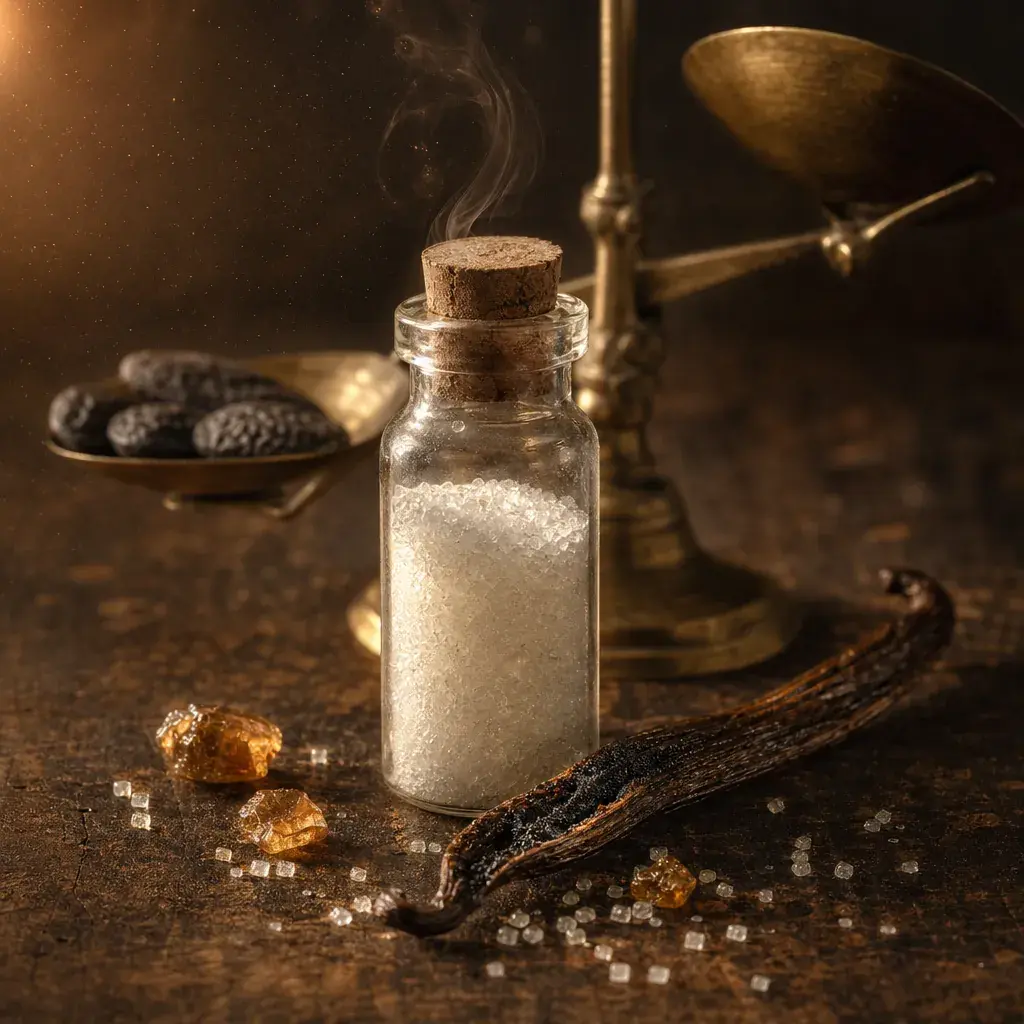
Did you know? Vanillin, vanilla's aromatic molecule, was one of the first synthetic materials used in perfumery as early as 1874 — Shalimar by Guerlain (1925) made it the cornerstone of the modern vanilla oriental.
The 5 sub-families of the vanilla oriental
| Name | Olfactive profile | Typical notes | Examples |
|---|---|---|---|
| Pure vanilla oriental | Soft-enveloping | Bourbon vanilla, tonka bean, white musk, benzoin balm, heliotrope | Shalimar Guerlain, Spiritueuse Double Vanille |
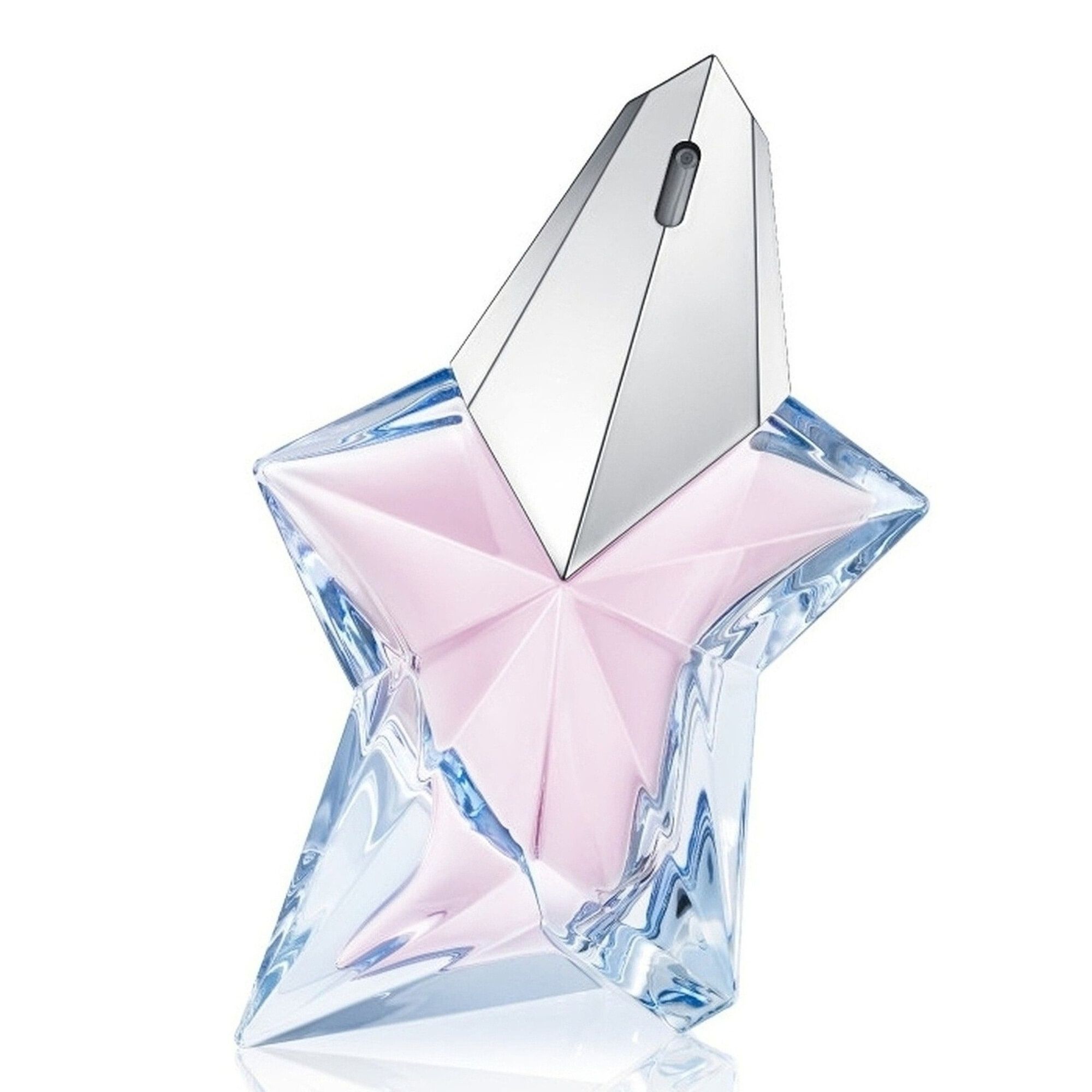
| Gourmand vanilla oriental | Sweet-foodie | Caramel, praline, vanilla, cacao, almond | Mugler Angel, La Nuit Trésor, Scandal JPG |
| Amber vanilla oriental | Warm-sensual | Amber, labdanum, vanilla, resin, opoponax | Reminiscence Oriental Dream, Reminiscence Ambre |
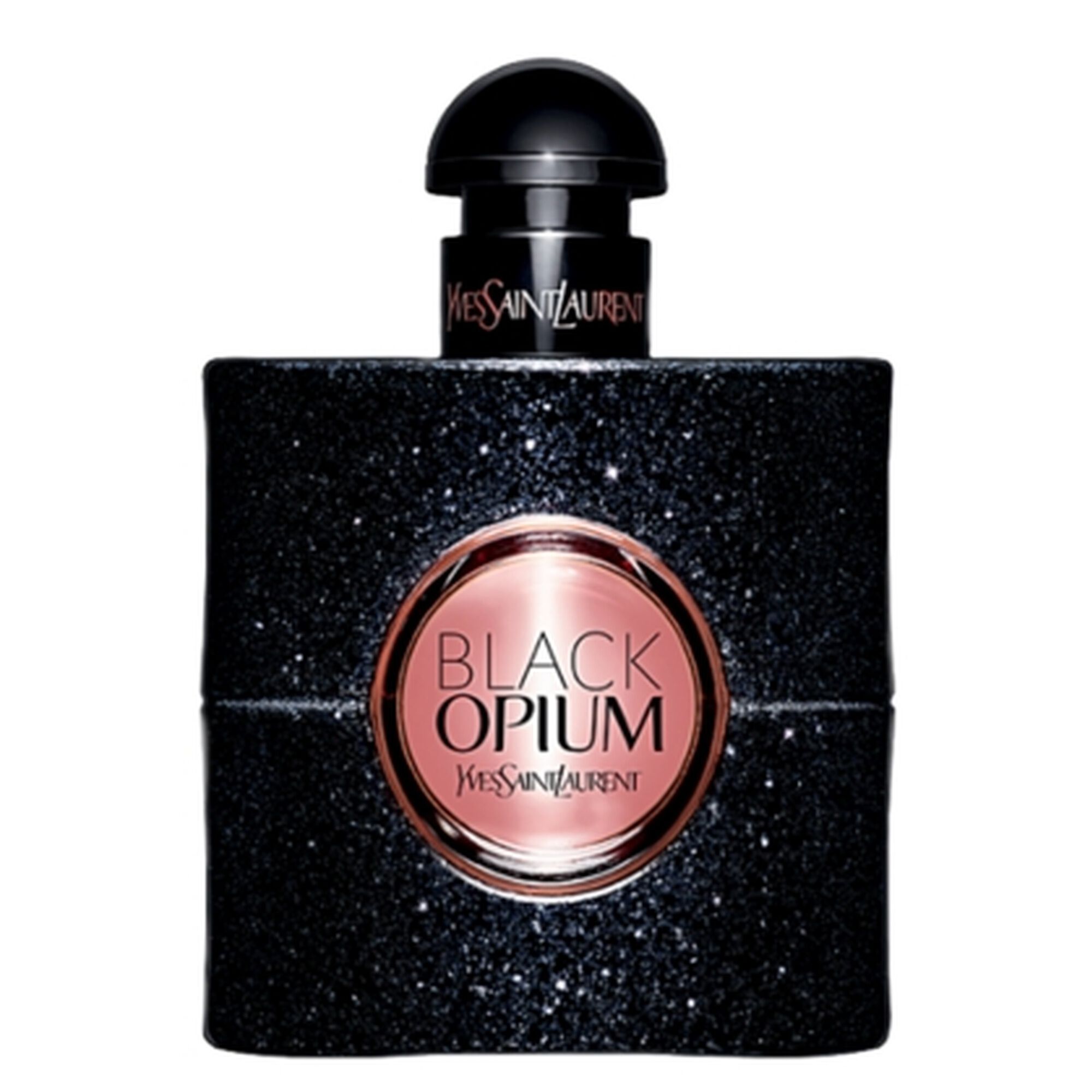
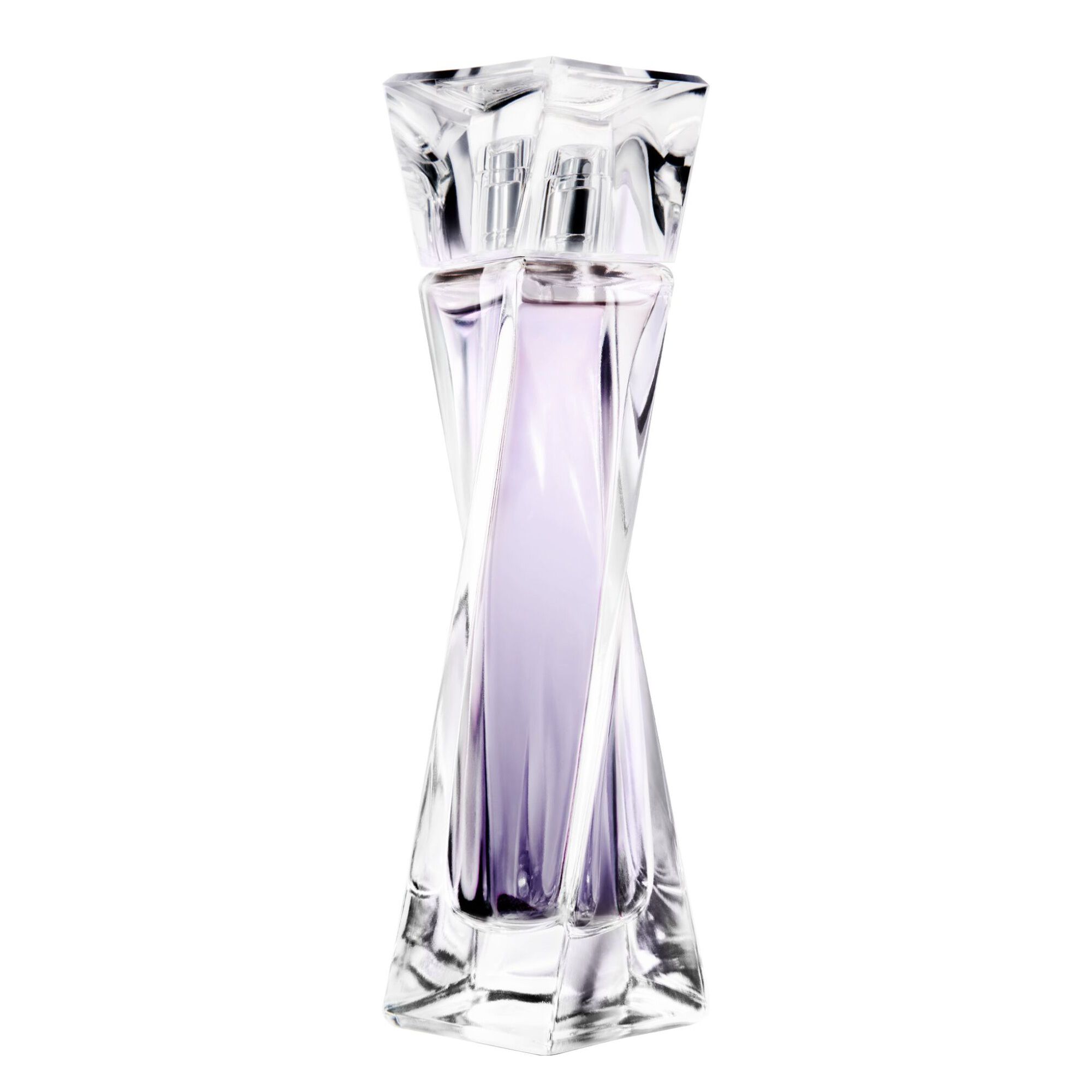
| Spicy vanilla oriental | Warm-spicy-sweet | Vanilla, cardamom, cinnamon, saffron, ginger | Black Opium YSL, Hypnose Lancôme, Chergui SL |
| Woody vanilla oriental | Deep-creamy | Vanilla, sandalwood, patchouli, cedar, vetiver | Reminiscence Vanille Santal, Tom Ford Tobacco Vanille |
Pure vanilla oriental
This is the sub-family most directly linked to French tradition. Vanilla is dominant here, supported by benzoin balm, tonka bean, white musk and heliotrope. No excessive sweet gourmandise, no biting spices: just an enveloping, deep softness, almost medicinal in the most concentrated formulations.
Shalimar by Guerlain remains the absolute reference of this sub-family. Spiritueuse Double Vanille, also from Guerlain, pushes even further into vanilla richness — an almost overdosed vanilla, for enthusiasts who want nothing else.
Gourmand vanilla oriental
Here, vanilla becomes edible. Caramel, praline, cacao and almond turn the parfum into something evoking pastry, hot chocolate, burnt sugar. It's no longer just enveloping: it's frankly sweet, sometimes opulent.
Angel by Mugler is the undisputed founder of this sub-family. La Nuit Trésor by Lancôme and Scandal by Jean Paul Gaultier are modern variations, each with its own identity. To explore this direction further, our dedicated page on the gourmand family details the nuances of this vast category.
Amber vanilla oriental
Here, vanilla melts into a resinous, animalic accord: labdanum, opoponax, resin, amber. The result is warmer, more sensual, less sweet than the gourmand version. This is something deep, slightly animalic, that clings to the skin with remarkable longevity.
Reminiscence Oriental Dream and Reminiscence Ambre are the two references of this sub-family at Reminiscence. To dig deeper into this note, our guide on amber in perfumery lays the groundwork.
Spicy vanilla oriental
Cardamom, cinnamon, saffron, ginger: spices come to wake up the vanilla softness, giving it bite and complexity. This is a sub-family that belongs to the spicy oriental family in its sweetest dimension.
Black Opium by Yves Saint Laurent is the most accessible example: coffee, white jasmine and spicy vanilla, an addictive accord. Hypnose by Lancôme plays the floral-spicy-vanilla card. Chergui by Serge Lutens pushes towards tobacco and honey — a rare complexity in this sub-family.
Woody vanilla oriental
Sandalwood, patchouli, cedar and vetiver bring an earthy, creamy depth to the vanilla. Less sweet than the gourmand, less resinous than the amber, this accord is often perceived as the most masculine or unisex of the five. Our woody oriental page covers the codes of this sub-family in detail.
Reminiscence Vanille Santal is an accessible and well-constructed expression of it. Tom Ford Tobacco Vanille remains the niche reference of this category, with its tobacco-vanilla-wood accord of extraordinary richness.
Our selection: the best women's vanilla oriental perfumes 2026
For a complete exploration by profile, browse our women's vanilla oriental selection with filters by intensity, occasion and budget.
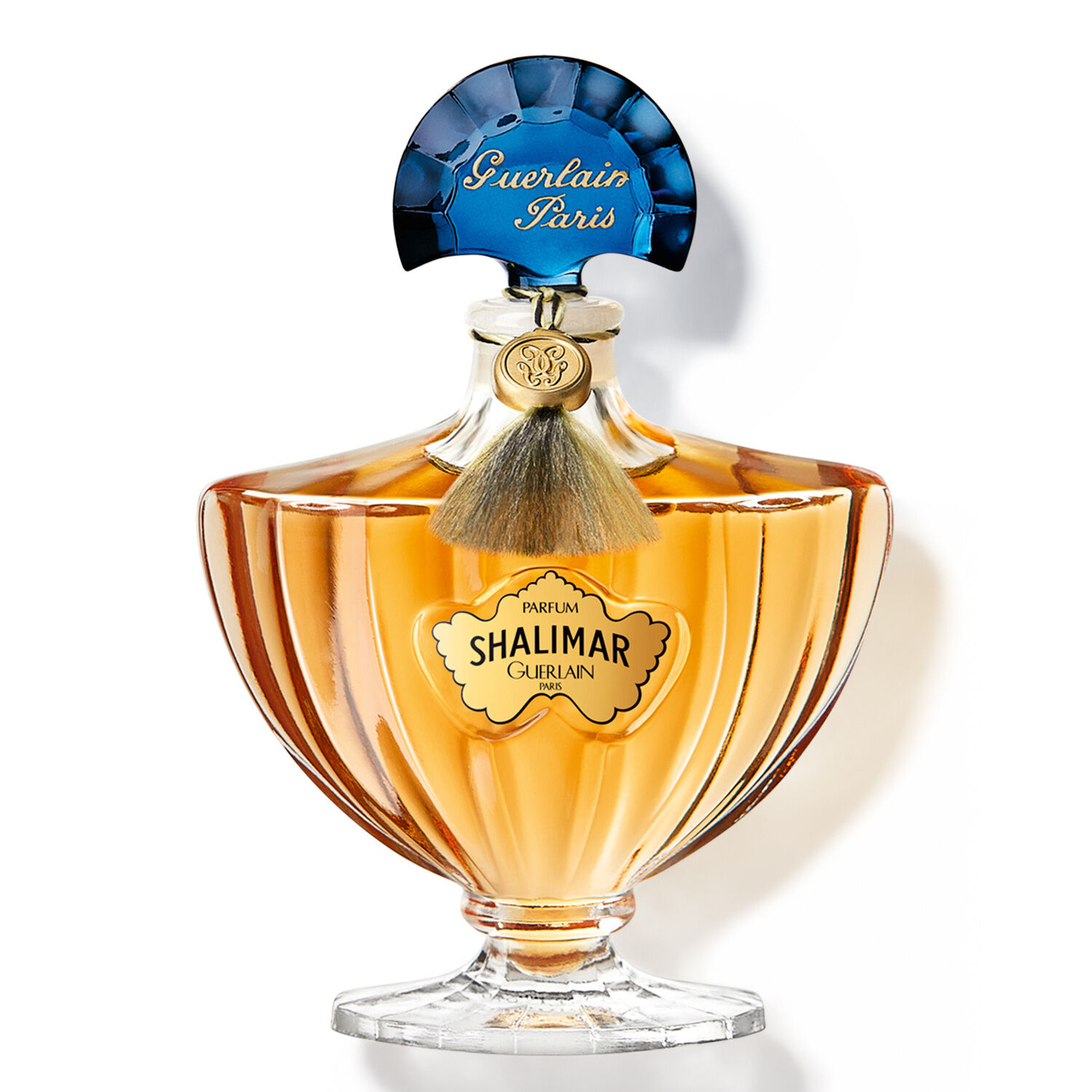
Guerlain Shalimar EDP
The founding icon from 1925, and still today the reference of the Western vanilla oriental. Luminous bergamot on top, iris and rose at the heart, then a base of vanillin, opoponax and leather of unmatched depth. Warm, enveloping sillage, long-lasting longevity. For those who want the historical reference, not just one parfum among others.
~80 € / 50 ml EDP
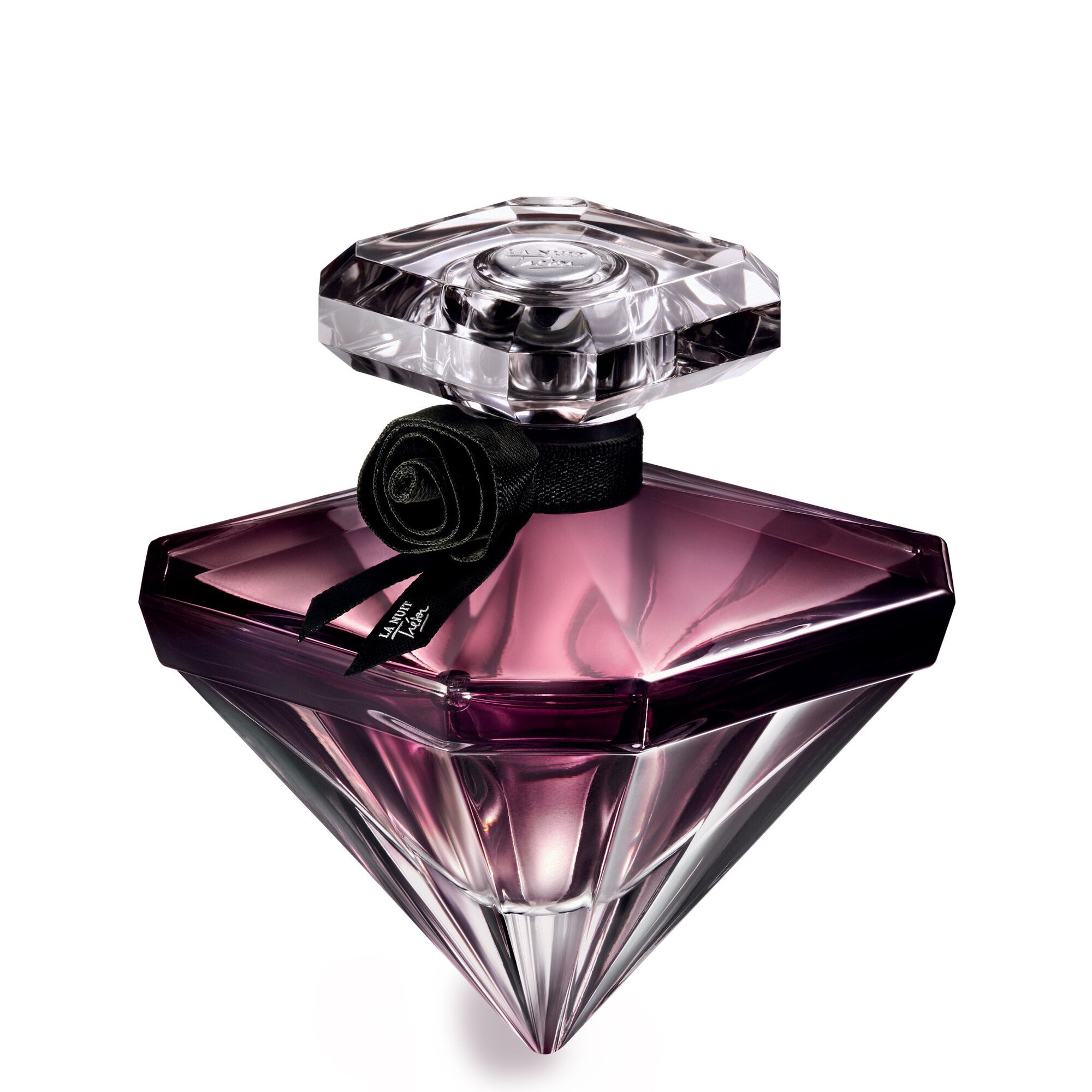
Lancôme La Nuit Trésor EDP
Modern vanilla oriental best-seller, and for good reason. Rose, black raspberry, vanilla and patchouli form an unapologetically gourmand-floral accord, sensual and accessible. Long-lasting longevity is guaranteed. For the woman who wants a contemporary vanilla, warm and feminine, without complicating things.
~70 € / 50 ml EDP
Yves Saint Laurent Black Opium EDP
Coffee, vanilla, white jasmine and patchouli. A modern spicy vanilla oriental that quickly found its audience — and for good reason: the sillage is assertive, the longevity remarkable, the coffee-vanilla accord immediately addictive. For the woman who wants something nocturnal, with a hint of sweet spice.
~80 € / 50 ml EDP
Mugler Angel EDP
1992, and Angel changed the course of perfumery for good. Patchouli, caramel, praline, vanilla and cacao: a sweet-deep composition that remains instantly recognisable. This is not a subtle parfum — it's a powerful, unapologetic gourmand sillage. For those unafraid to be noticed.
~75 € / 50 ml EDP
Reminiscence Oriental Dream EDP
A warm, enveloping amber vanilla oriental, signed Reminiscence. Labdanum, resin, vanilla and white musk compose a warm, sensual accord, without excessive sweetness. The longevity is excellent. For those who want a deep, sweet amber, far from pastry vanillas, with real character.
~65 € / 50 ml EDP
Reminiscence Heliotrope EDP
Heliotrope, almond, vanilla and white musk: a soft, creamy, powdery vanilla, almost edible but never heavy. This is subtle vanilla, the kind you wear all day without overwhelming those around you. Feminine, elegant, accessible. One of my regular recommendations for customers looking for an everyday vanilla.
~60 € / 50 ml EDP
Lancôme Hypnose EDP
Jasmine, vanilla, vetiver and sandalwood. A vanilla floral oriental more refined than La Nuit Trésor, less sweet, creamier and woodier. For the woman who wants an elegant vanilla, between softness and depth, without overly assertive gourmand codes. A choice I often recommend to customers who find Angel "too much".
~70 € / 50 ml EDP
Our selection: the best men's & unisex vanilla oriental perfumes 2026
The men's and unisex vanilla oriental expresses itself differently: the sweet softness is often counterbalanced by woodiness, tobacco, spices or amber richness. The result is less pastry-like, deeper — warm without being opulent. A few references are authoritative in this register: Tom Ford Tobacco Vanille remains the niche reference for absolute masculine vanilla, and Maison Francis Kurkdjian Grand Soir embodies contemporary amber-vanilla luxury at its highest level. Here are our four selections to explore the vanilla oriental for men and unisex.
Guerlain Spiritueuse Double Vanille EDP
Vanilla in its most intense and noble expression. Overdosed vanillin, benzoin, iris and rosewood: a pure vanilla, almost medicinal in its richness, unapologetically unisex. This is not a parfum for the timid — it's a vanilla statement. For those who want vanilla, nothing but vanilla, worn with conviction.
~120 € / 75 ml EDP
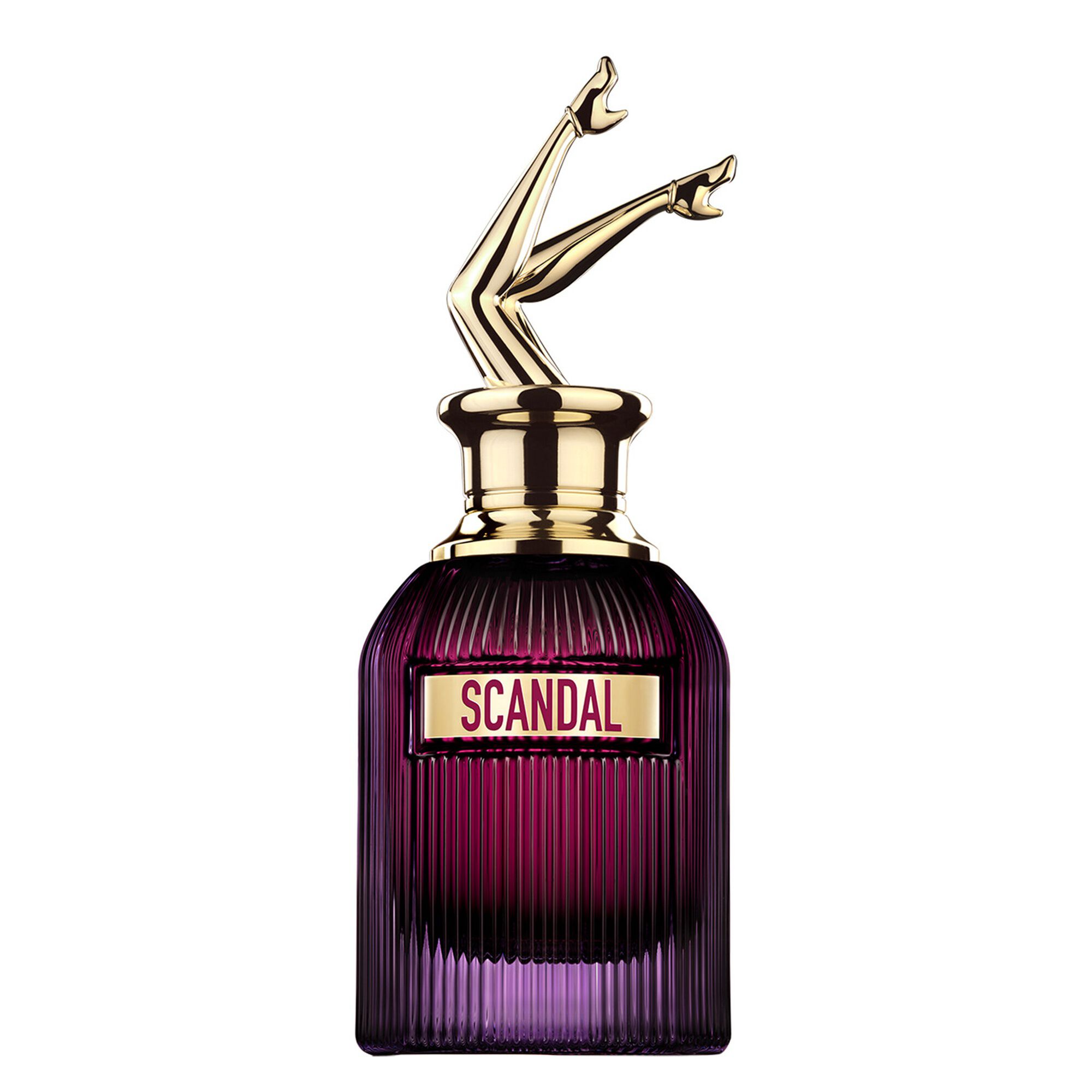
Jean Paul Gaultier Scandal EDP
Honey, gardenia, patchouli and vanilla. A modern gourmand-vanilla, less sweet than Angel, more floral and honeyed. Accessible, solid longevity, controlled sillage. Worn by many women, but the honey-vanilla accord works perfectly on masculine or unisex skin. A contemporary gourmand vanilla oriental at a reasonable price.
~75 € / 50 ml EDP
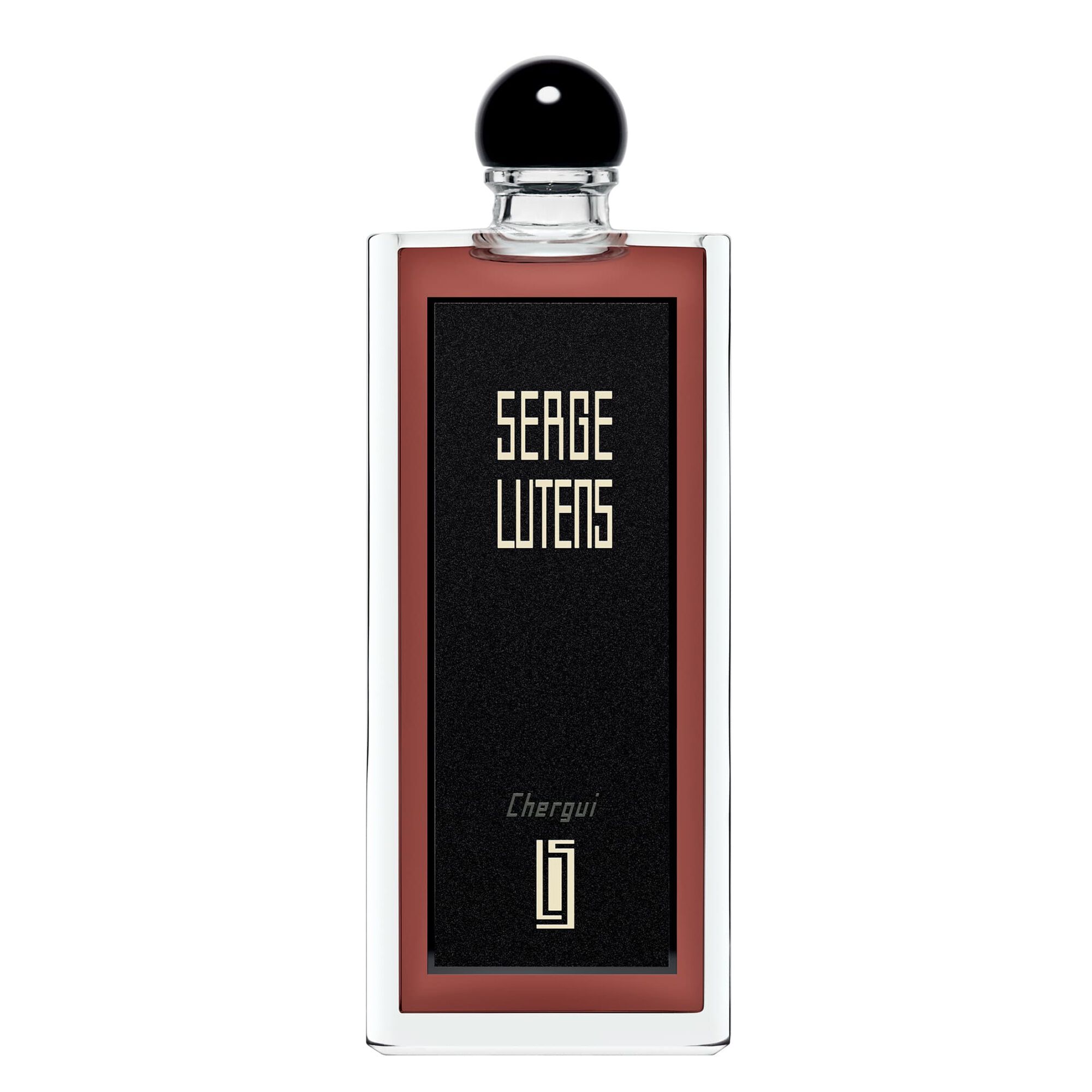
Serge Lutens Chergui EDP
Blond tobacco, honey, iris, vanilla and sandalwood. A spicy-woody vanilla oriental of rare depth, warm, slightly smoky, sweet without ever being pastry-like. For the niche enthusiast seeking a complex masculine or unisex vanilla, far from mainstream gourmand codes. I had to retest it several times before understanding its full construction — it reveals itself slowly.
~110 € / 50 ml EDP
Reminiscence Tonka EDP
Tonka bean, vanilla, coumarin and white musk: a soft, warm, perfectly unisex amber vanilla. Tonka bean brings a unique roundness, slightly almondy and woody, that sets this parfum apart from a pure vanilla. For those who want a soft, enveloping vanilla without excess sweetness — a lovely entry point into the unisex oriental.
~65 € / 50 ml EDP
Vanilla oriental parfum, Arabic vanilla parfum, sweet Dubai parfum: what are the differences?
These three worlds share vanilla as a common thread, but their history, manufacture and olfactive codes are very different. Here is a table to lay the groundwork before going into detail.
| Origin | Concentration | Typical price | Target audience |
|---|---|---|---|
| Western vanilla oriental (France/Europe) | EDP, EDT, extrait de parfum | 30-150 € | Mainstream and niche perfumery, controlled sillage |
| Arabic vanilla parfum (Middle East) | Fragranced oil, concentrated parfum | 20-200 € | Enthusiasts of intense concentrations, olfactive tradition |
| Dubai vanilla parfum (UAE/international) | EDP, parfum | 15-80 € | Global market, contemporary design, accessibility |
The Western vanilla oriental parfum: a French tradition
French perfumery codified the vanilla oriental as early as 1925 with Shalimar. Since then, perfumes like La Nuit Trésor by Lancôme or Angel by Mugler have refined this language: mainly EDP concentrations, prices between 30 and 120 € for the major houses, a sillage calculated to remain enveloping without overwhelming.
What characterises this tradition is mastery of proportion: vanilla here is one note among others, built into a more complex accord. IFRA regulations govern the raw materials, which pushes perfumers towards precise, reproducible formulations.
The Arabic vanilla parfum: sweet attars, mukhallat, ambergris and natural vanilla
Arabic perfumery works with vanilla differently. Attars (or itars) are concentrated fragranced oils, alcohol-free, applied directly to the skin. Mukhallat are complex blends of raw materials: natural vanilla, Ambergris, musk, Taif rose, oud. The concentration is far higher than in Western perfumery — one or two drops are often enough.
Bakhour, fragranced incense burned in Middle Eastern homes, is also part of this olfactive culture where vanilla melts into smoky, resinous accords. Brands such as Lattafa, Khadlaj, Maison Alhambra or Armaf now offer these compositions at accessible prices, with wide international distribution.
Dubai vanilla perfumes: the new sweet oriental scene
Since the 2010s, Dubai has become a full-fledged perfume production and distribution hub in its own right. Emirati or international brands based in the UAE have developed their own aesthetic: luxurious flacons, accessible sweet-vanilla compositions, often inspired by well-known Western fragrances. Lattafa Yara is an emblematic example: a sweet, contemporary vanilla oriental, with a highly competitive value-for-money ratio.
This scene is driven by international e-commerce distribution, and reaches an audience seeking premium fragrances at lower cost, with a modern aesthetic.
How to choose between the three vanilla worlds?
If you're looking for fine French fragrance with a controlled sillage and a long tradition of formulation, the Western vanilla oriental is your territory. If you're looking for a concentrated olfactive experience, rooted in a Middle Eastern tradition with noble raw materials, Arabic perfumes deserve your attention. If you're looking for a contemporary fragrance with modern design, accessible and often inspired by Western codes, Dubai perfumes offer an interesting entry point.
To go further in your selection based on your profile, our women's vanilla oriental guide offers detailed recommendations.
Vanilla oriental parfum: vanilla in perfumery, from pod to flacon
What is vanilla in perfumery?
The vanilla used in perfumery mainly comes from Vanilla planifolia, an orchid native to Mexico now grown mostly in Madagascar, Réunion Island and, to a lesser extent, Indonesia. Vanilla tahitensis, grown in French Polynesia, offers a slightly different profile — more floral and aniseed, less creamy.
Natural vanillin, extracted from the pod, is present in small quantities (around 2% of the pod's dry weight). Its high price and limited availability led perfumers to massively use synthetic vanillin from the late 19th century onwards. Ethylvanillin, also synthetic, is three to five times more powerful and gives a creamier, sweeter rendering.
Tonka bean, extracted from the Dipteryx odorata tree of the Amazon, is vanilla's sister note in warm orientals. Its natural coumarin gives it an almondy, slightly medicinal profile, highly complementary. To learn more about vanilla as a standalone note, our vanilla in perfumery page covers its origins and accords in detail.
Our vanilla oriental selection at Tendance Parfums
Three references to illustrate the diversity of vanilla expressions:
Guerlain Shalimar EDP — The founding vanilla-bergamot-opoponax accord, vanilla in all its historical depth. The absolute reference for understanding where the Western vanilla oriental comes from.
Reminiscence Oriental Dream EDP — Amber-resinous vanilla, a warm, enveloping expression. An amber vanilla oriental that shows how vanilla melts into resins to create something deeper than sweetness alone.
Lancôme La Nuit Trésor EDP — Modern gourmand-floral vanilla, vanilla in its most accessible and contemporary expression. A best-seller that explains why vanilla remains the most sought-after note in mainstream perfumery.
Feminine vanilla or masculine vanilla?
Vanilla doesn't really respect gender binaries — and that's a good thing. Historically associated with the feminine in Western perfumery, it now crosses that boundary without hesitation. Guerlain Spiritueuse Double Vanille is sold as unisex. Serge Lutens Chergui, with its spicy-woody-smoky vanilla, is worn as much by men as by women.
What determines the perceived gender of a vanilla parfum is often what accompanies it: vanilla with patchouli and caramel leans feminine-gourmand; vanilla with tobacco, wood or leather leans masculine-unisex. White musk, an almost universal base note in vanilla orientals, contributes to this versatility by giving each composition a "skin" character that adapts to whoever wears it.
How to wear a vanilla oriental parfum
Vanilla oriental parfum for which season?
Autumn and winter are the natural seasons for the vanilla oriental. Cold weather amplifies the perception of warm, resinous notes, and the enveloping sillage of a deep vanilla makes complete sense when temperatures drop. A Shalimar or an Oriental Dream worn in January is quite something.
In-between seasons, lighter formulations work well: a powdery vanilla like Heliotrope, or a floral vanilla like Hypnose, transition easily into March or October. In full summer, heavy vanilla orientals can become stifling — best reserved for cool evenings or air-conditioned spaces.
Vanilla oriental parfum: day or evening?
By day, lighter sub-families take the lead: a powdery or floral vanilla in EDT, worn sparingly. In the evening, EDPs and extraits de parfum can express their full depth — this is where amber, spicy and gourmand vanillas give their best. For a special occasion, an amber or spicy vanilla oriental in concentrated form remains a hard choice to beat.
How much does a good vanilla oriental parfum cost?
There are good vanilla oriental perfumes at every price point. The budget segment (20-50 €) covers accessible references, often found in mass distribution or Emirati brands. The premium segment (50-100 €) covers most major French houses — Lancôme, Mugler, Yves Saint Laurent, entry-level Guerlain. Beyond 100 €, you enter niche and luxury territory: Serge Lutens, Guerlain Spiritueuse Double Vanille, and independent creative houses. Quality doesn't always follow price — a Reminiscence at 65 € can last just as well as a niche parfum at 150 €.
Frequently asked questions about vanilla oriental perfumes
What is the best vanilla oriental parfum?
It depends on your profile. For the historical reference and maximum depth, Shalimar by Guerlain remains hard to beat. For a modern, accessible vanilla, La Nuit Trésor by Lancôme is an excellent starting point. There's no single answer.
What exactly is a vanilla oriental parfum?
A vanilla oriental parfum places vanilla — natural or synthetic — at the centre of a warm, resinous accord. It pairs with amber, labdanum, benzoin balm, tonka bean or white musk to create an enveloping, soft, long-lasting sillage. It is a sub-family of the broader oriental family.
What's the difference between a vanilla oriental parfum and a gourmand parfum?
The vanilla oriental is broader: it can be amber, spicy, woody or powdery, with vanilla playing a structuring but not exclusively sweet role. The gourmand parfum, on the other hand, relies on edible notes — caramel, praline, cacao, almond — to create a food-like impression. Angel by Mugler is both at once: vanilla oriental and gourmand.
Which women's vanilla oriental parfum has long-lasting longevity?
Reminiscence Oriental Dream EDP, Shalimar EDP and Black Opium by Yves Saint Laurent are among the best performers in the category for longevity. Vanillin, a fixative molecule, largely explains this persistence. EDP and extrait de parfum formulations consistently last longer than EDTs.
Which men's vanilla oriental parfum do you recommend?
For an accessible masculine vanilla, Reminiscence Tonka EDP is an ideal entry point — soft, warm, unisex. For something more complex and assertive, Serge Lutens Chergui EDP with its tobacco-vanilla-sandalwood accord is a niche reference that's hard to match. Our men's vanilla oriental page offers other options.
Which parfum really smells like vanilla?
Guerlain Spiritueuse Double Vanille EDP is probably the parfum that smells most directly of vanilla in all of fine perfumery. Reminiscence Tonka EDP and Reminiscence Heliotrope EDP also offer a very present vanilla, less overdosed but instantly recognisable.
What's the difference between a vanilla oriental parfum and an Arabic vanilla parfum?
The Western vanilla oriental is an alcohol-based fragrance (EDP or EDT), formulated according to French perfumery standards, with a controlled sillage. The Arabic vanilla parfum is often a concentrated oil (attar or mukhallat), alcohol-free, with raw materials such as natural vanilla, Ambergris and musk. Our comparative section on this page details all three worlds.
How much does a good vanilla oriental parfum cost?
Between 20 and 50 € for accessible references in mass distribution or Emirati brands. Between 50 and 100 € for major French houses like Lancôme, Mugler or Guerlain. Beyond 100 €, you enter niche territory — Serge Lutens, Guerlain Spiritueuse Double Vanille. A good vanilla exists at every budget: quality of longevity and composition doesn't always follow the price on the label.