
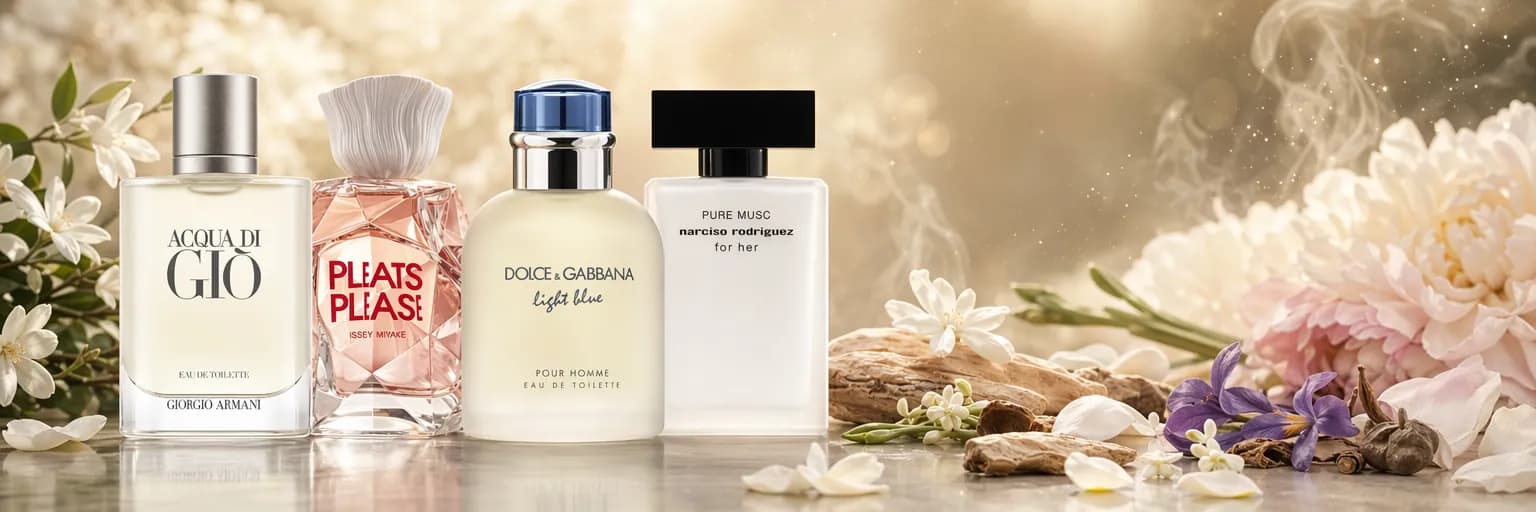
Floral perfume: the most romantic and timeless olfactory family
A floral perfume concentrates one or more flowers — rose, jasmine, violet, peony — to compose the most widely represented olfactory register in the world, for women and men alike. These families are far from identical: a jasmine floral for women plays on milky sensuality, while a violet for men unfolds a subtle, powdery freshness. This guide details each sub-family, its true characteristics, and helps you identify the floral perfume that matches your skin and preferences precisely.
What is a floral perfume?
Olfactory definition: the composition of a floral perfume
A floral perfume is built around one or more floral notes placed at the heart of the composition. This is where the fragrance's identity resides. Here we find the great signatures: rose, jasmine, peony, muguet, tuberose, iris, ylang-ylang, narcissus, violet, orange blossom. These notes occupy the middle of the olfactory development — they emerge once the top notes have evaporated and remain on the skin for several hours.
The top notes, meanwhile, are often fresh or fruity: citrus, pear, peach, berries, freesia, magnolia. They give the first impression, the initial lift. In the base note, we usually find white musk for softness, sandalwood for warmth, or powdery amber for depth.
What makes a successful floral work is the balance between these three levels. Too much base note, and the floral heart disappears beneath the warmth. Too much top note, and it lacks longevity.
Historical origins of floral perfumery
Floral perfumery was born in Grasse, in the hills of Provence, in the seventeenth century. Local tanners scented their gloves with flowers — rose, jasmine, lilac — grown in the region. Gradually, the extraction of floral materials became a craft in its own right, and Grasse established itself as the world capital of perfumery.
For centuries, rose and jasmine bouquets dominated luxury perfumery. Then, in 1921, Chanel N°5 marked a decisive turning point: Ernest Beaux incorporated synthetic aldehydes into a floral accord, amplifying and projecting the natural notes in an unprecedented way. Floral perfumery entered the modern era.
Throughout the twentieth century, the floral family became more structured and diverse, absorbed new synthetic molecules, and gradually opened up to men. Today, it remains the most widely represented family in global launches.
Why are floral perfumes so timeless?
First, it's a matter of chemistry. Floral molecules — geraniol in rose, linalool in muguet, indole in jasmine — have average molecular weights that allow them to diffuse slowly and steadily. A good floral eau de parfum easily lasts 6 to 8 hours on the skin.
Then, it's a matter of psychology. Flowers evoke spring, romance, softness. These associations are deeply rooted and cross cultures. They don't age because they touch on something universal.
Finally, the market confirms this staying power: more than 50% of global women's launches belong to the floral family. Each season brings new variations, but the classics — Anaïs Anaïs, La Vie Est Belle, Idôle — continue to sell decades after their release.
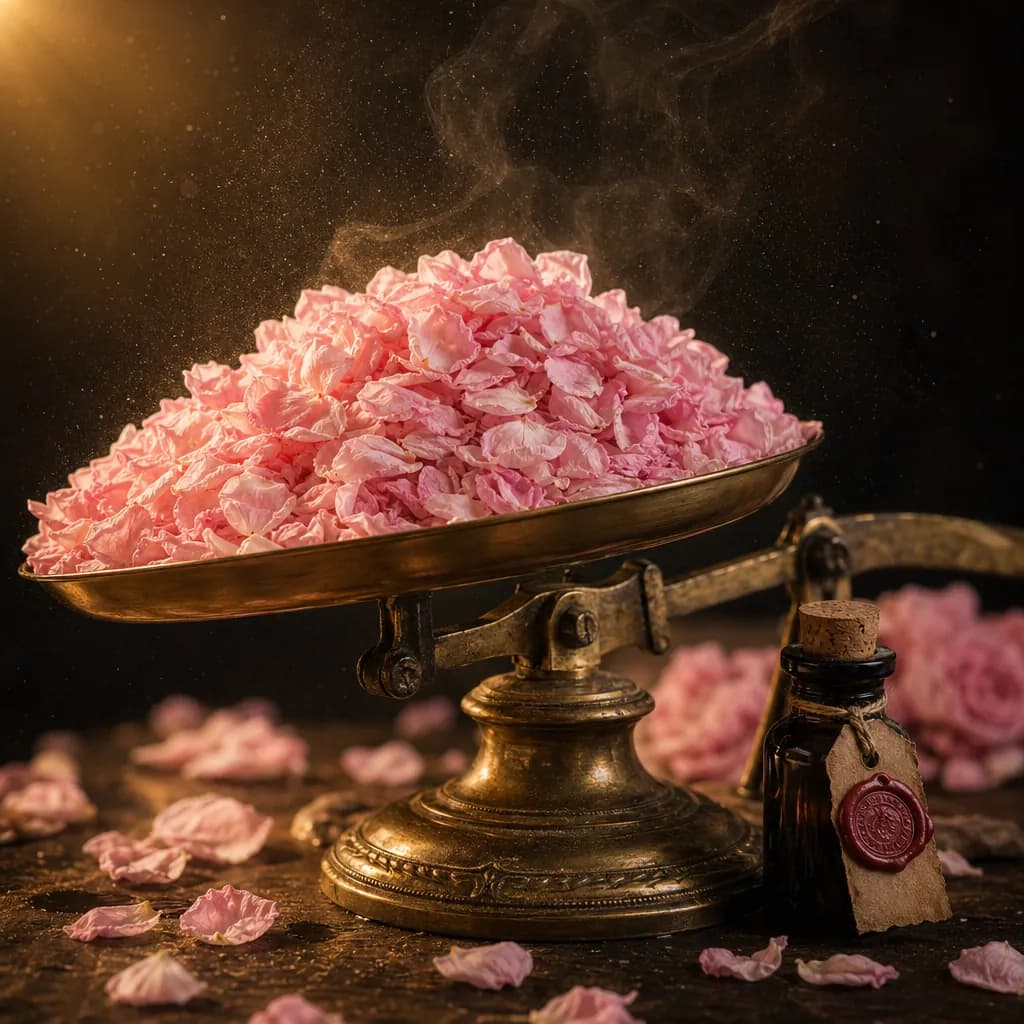
Did you know? Chanel N°5 (1921) is the first great aldehydic floral perfume in history. By introducing synthetic aldehydes into a bouquet of rose and jasmine, Ernest Beaux amplified and elevated the natural floral notes in an unprecedented way, paving the way for all modern floral perfumery. Factual mention — no commercial link.
The 5 floral sub-families
| Name | Olfactory profile | Typical notes | Examples |
|---|---|---|---|
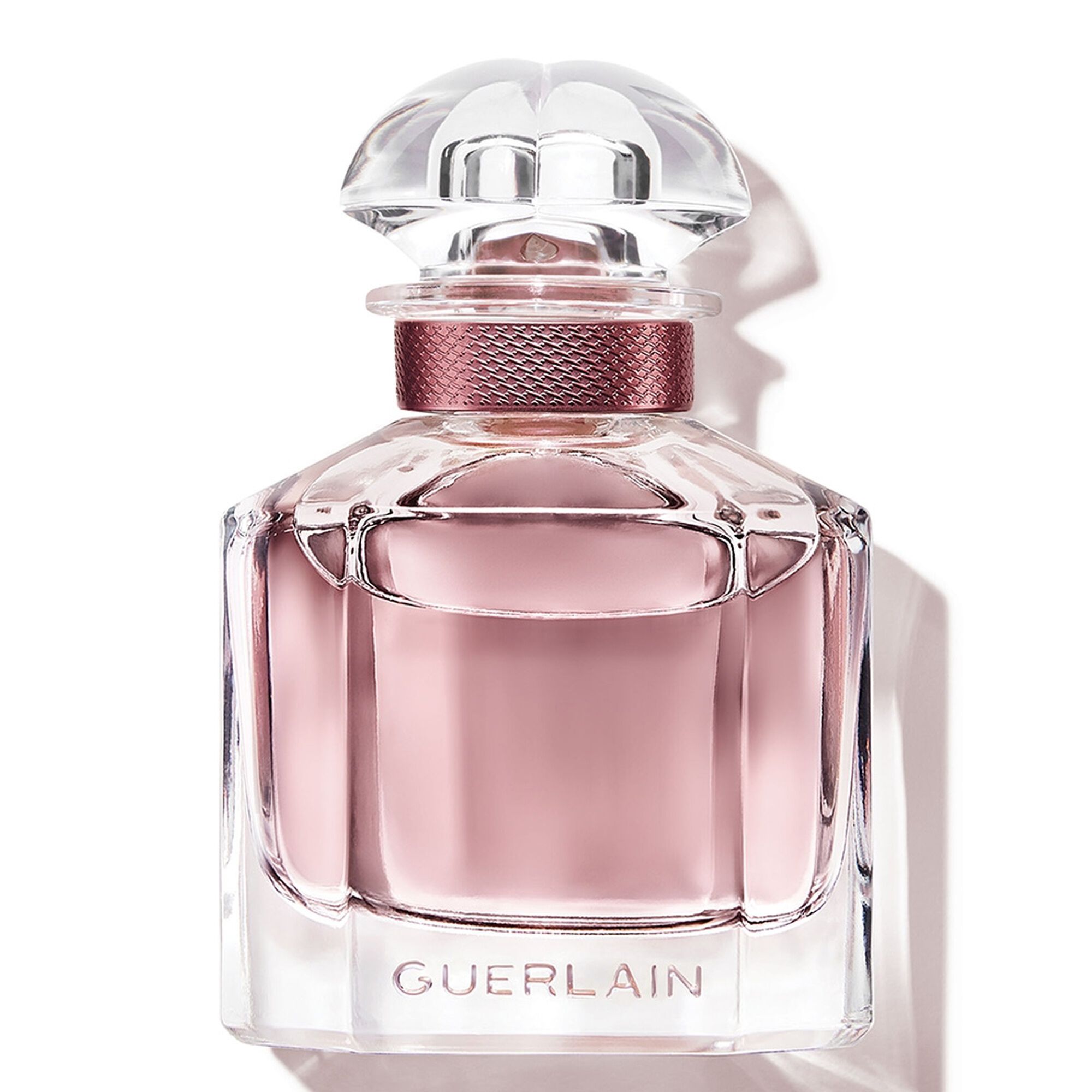
| Rose floral | Romantic-classic | Rose de Mai, damask rose, geranium, lychee | Guerlain Mon Guerlain |
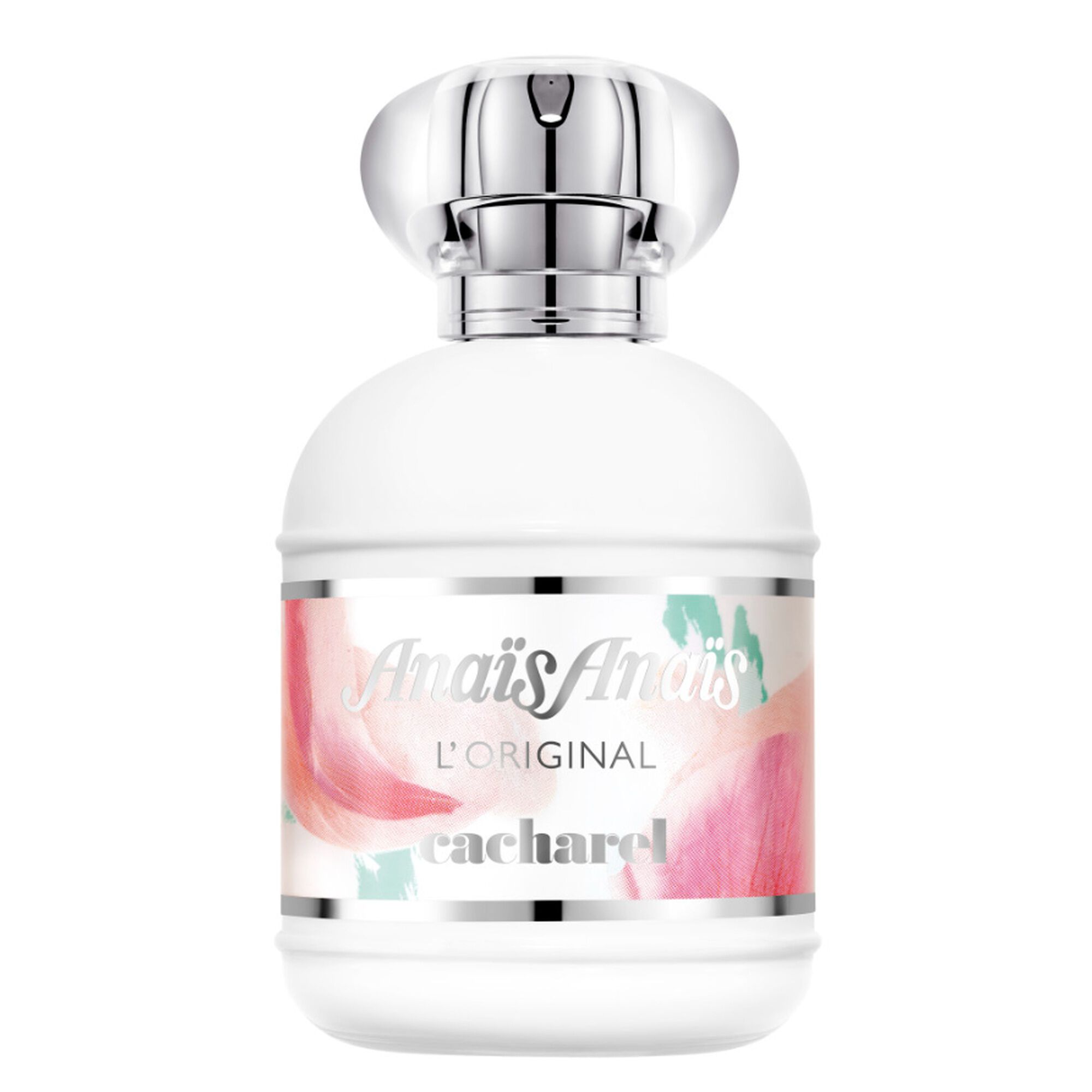
| Jasmine floral | Sensual-enveloping | Jasmine sambac, tuberose, ylang-ylang, orange blossom | Lancôme Idôle, Cacharel Anaïs Anaïs |
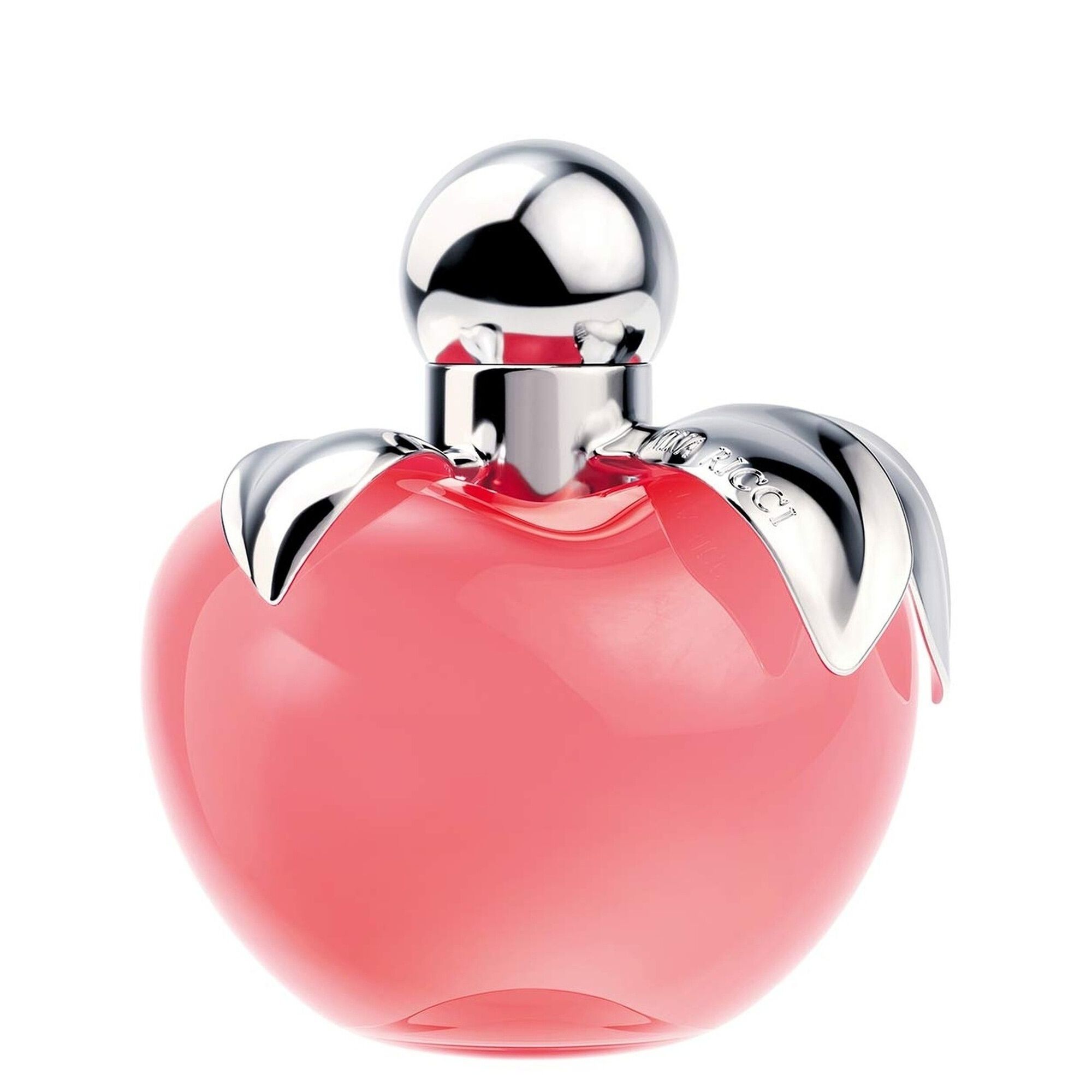
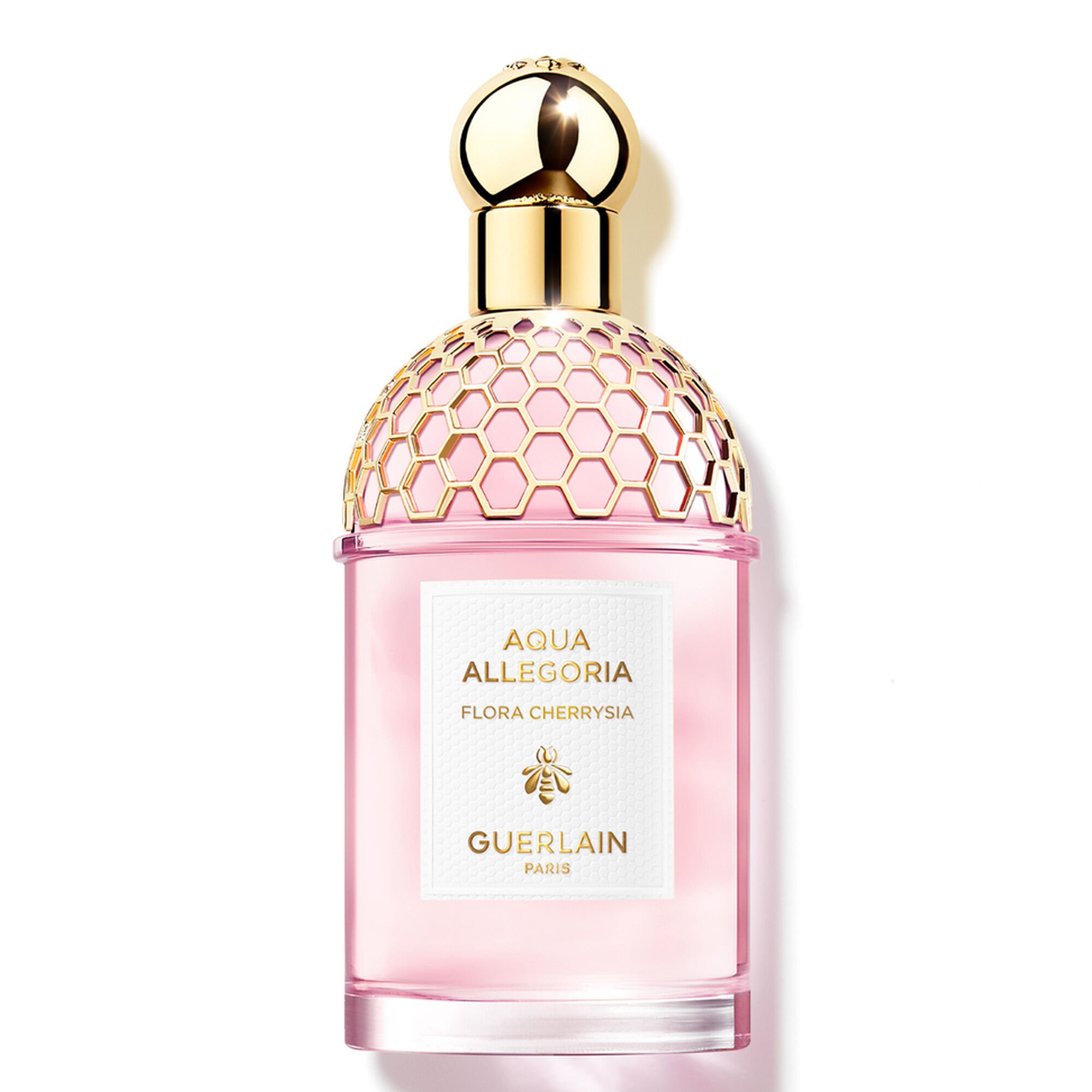
| Fruity floral | Fresh-sparkling | Peony, peach, raspberry, pear, blackcurrant, cherry blossom | Nina Ricci Nina, Guerlain Aqua Allegoria |
| Powdery floral | Soft-velvety | Iris, violet, heliotrope, white musk, powdery amber | Lancôme La Vie Est Belle, Reminiscence Heliotrope |
| Woody / musky floral | Modern-signature | Peony, sandalwood, white musk, cedar, light patchouli | Narciso Rodriguez For Her, YSL Libre |
Rose floral
Rose floral is the most classic, most romantic sub-family. Rose plays the leading role here — Rose de Mai grown in Grasse, damask rose from Bulgaria or Turkey, bourbon geranium to reinforce the green, fresh facet. Sometimes a note of lychee adds a light fruity touch without tipping over into fruity floral territory.
It's a family that is both accessible and demanding. Guerlain Mon Guerlain is a fine example: the rose here is fresh and luminous, supported by lavender rather than weighed down by an overly vanilla base note. To explore this note further, our dossier on rose in perfumery details its origins and its various expressions.
Jasmine floral
Jasmine brings something rose doesn't have: an almost animalic, slightly indolic sensuality, enveloping in nature. Jasmine sambac, grown in India, is softer and creamier than jasmine grandiflorum from Grasse or Egypt. Tuberose and ylang-ylang reinforce this carnal dimension. Orange blossom, meanwhile, adds a springlike lightness.
Lancôme Idôle perfectly illustrates the modern jasmine floral: airy, clean, luminous. Cacharel Anaïs Anaïs represents the classic version, more of a white bouquet, more powdery. The jasmine dossier explores the differences between these two great species in depth.
Fruity floral
Peony is often the hinge between floral and fruity: floral in structure, it brings a slightly sweet freshness that pairs naturally with peach, raspberry, pear or blackcurrant. Fruity floral is sparkling, springlike, immediately accessible. It's the family that draws in the most newcomers to perfume.
Nina Ricci Nina and Guerlain Aqua Allegoria Flora Cherrysia are two good illustrations. If this sub-family appeals to you, our fruity family page offers a wider selection.
Powdery floral
Iris and violet give powdery floral its characteristic texture: soft, velvety, almost powder-like. Heliotrope reinforces this fine-powder impression. White musk and powdery amber in the base note complete the accord, giving it a subtle warmth.
It's a family that takes a little getting used to. Some customers find it too soft on first contact — and then come back to it. Lancôme La Vie Est Belle and Reminiscence Heliotrope are the two references I cite most often in-store when someone is looking for a reassuring, enveloping floral.
Woody / musky floral
Woody floral is the most modern sub-family, the closest to a skin-scent. White musk plays a central role here, anchored by sandalwood, cedar or a very light patchouli. The floral notes — peony, rose, jasmine — are present but don't dominate. They lend a romantic dimension to an assertive woody base note.
Narciso Rodriguez For Her and YSL Libre belong to this category. These are fragrances that work across all genders, effortlessly. To explore this direction further, the woody family offers a broader framework.
Our selection: the best women's floral perfumes 2026
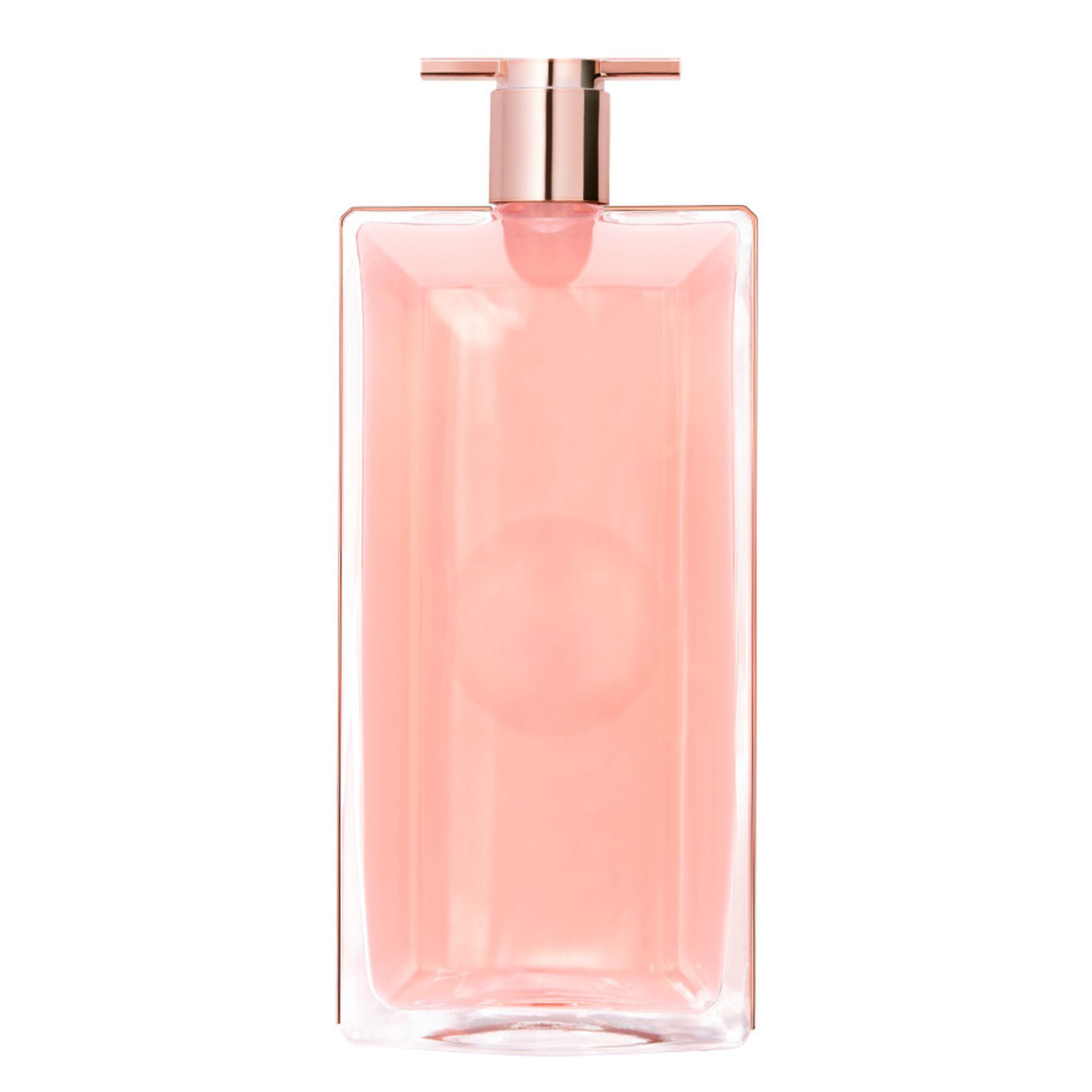
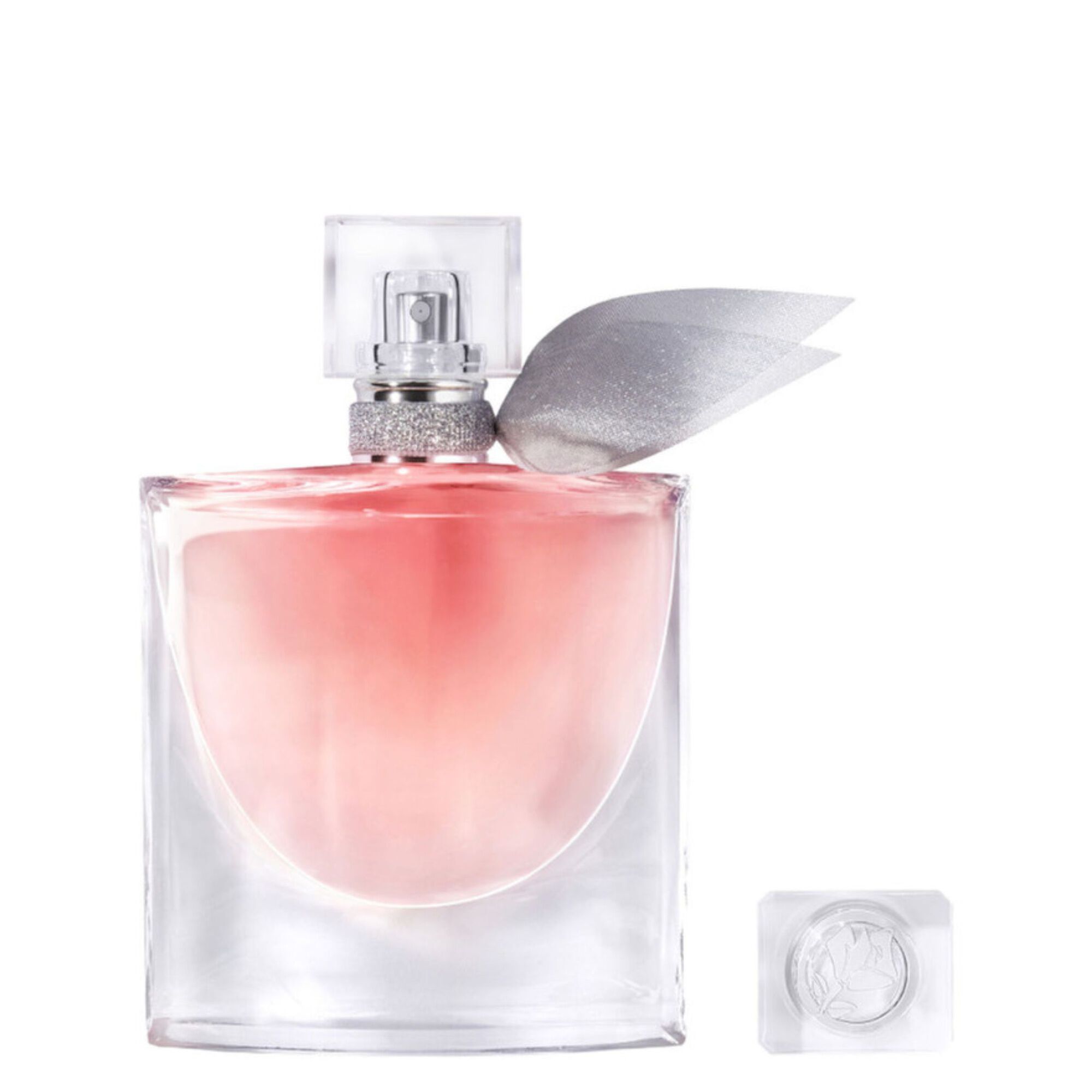
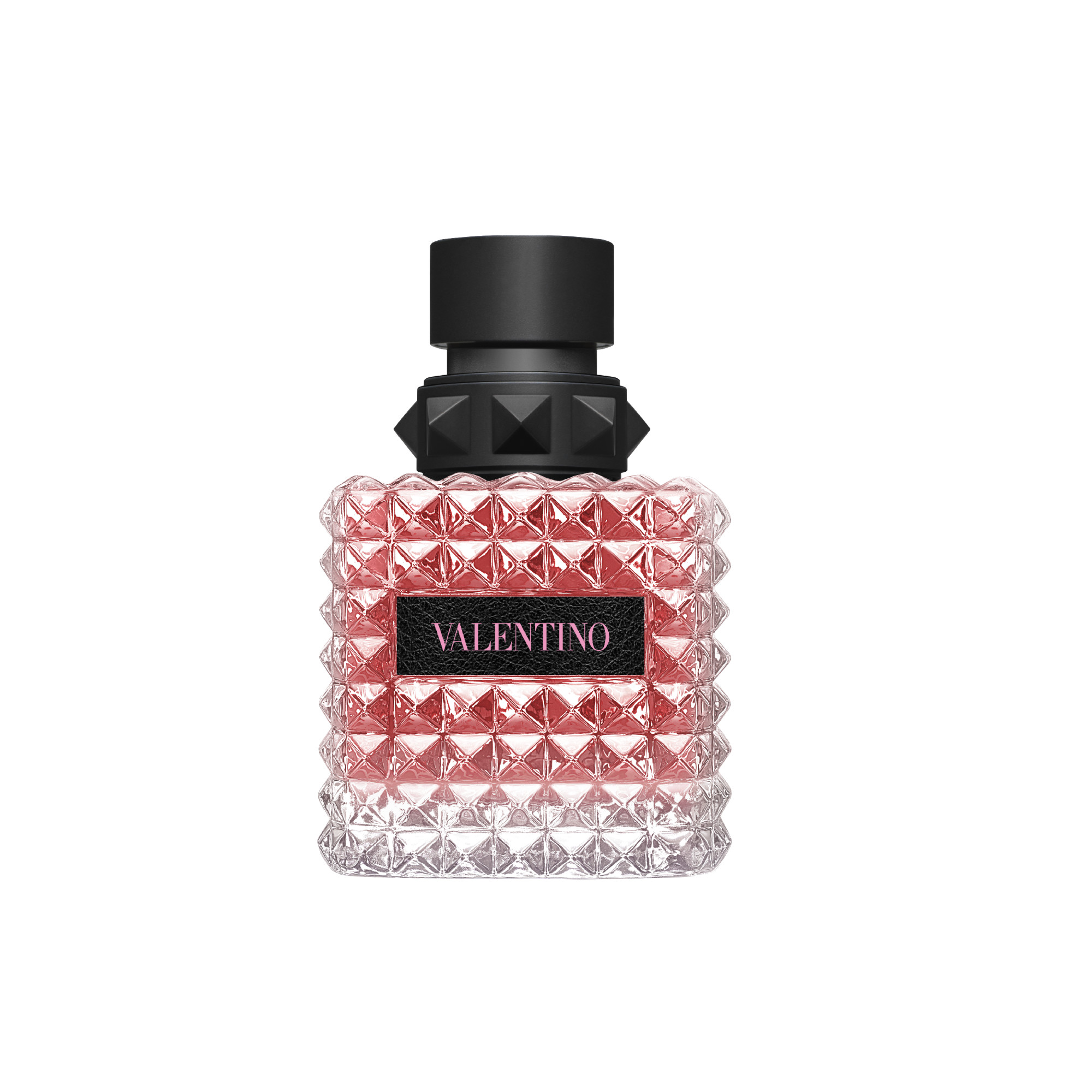
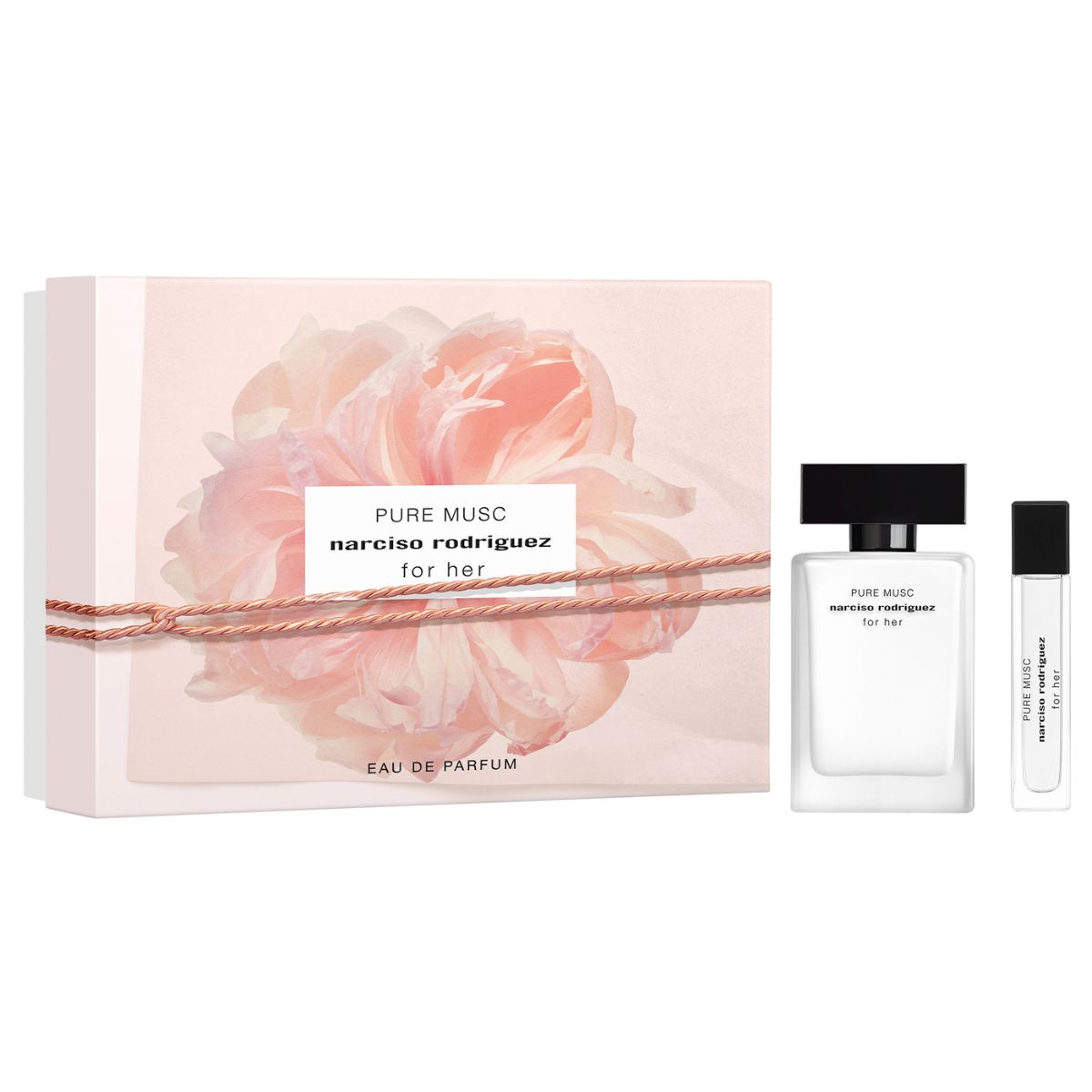
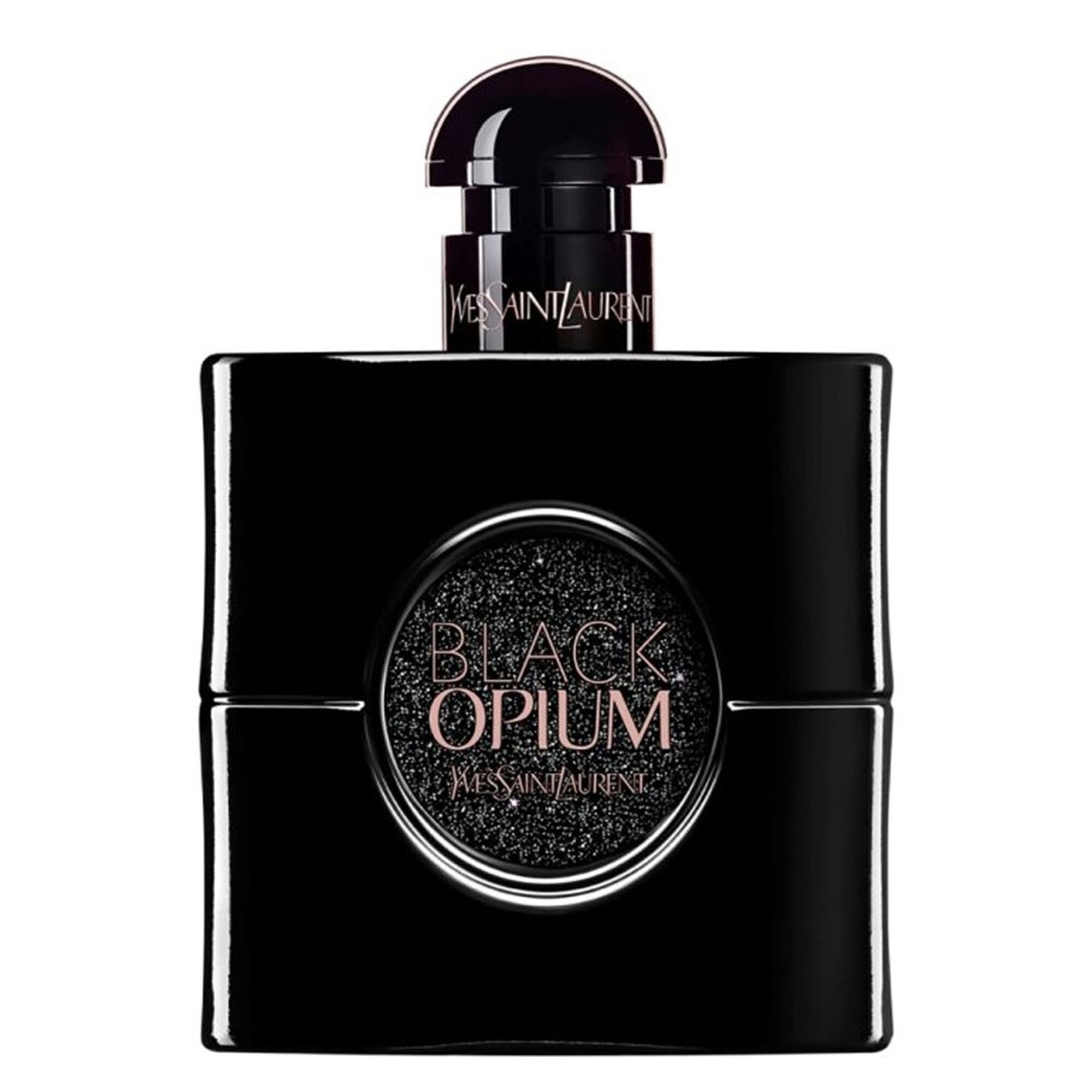
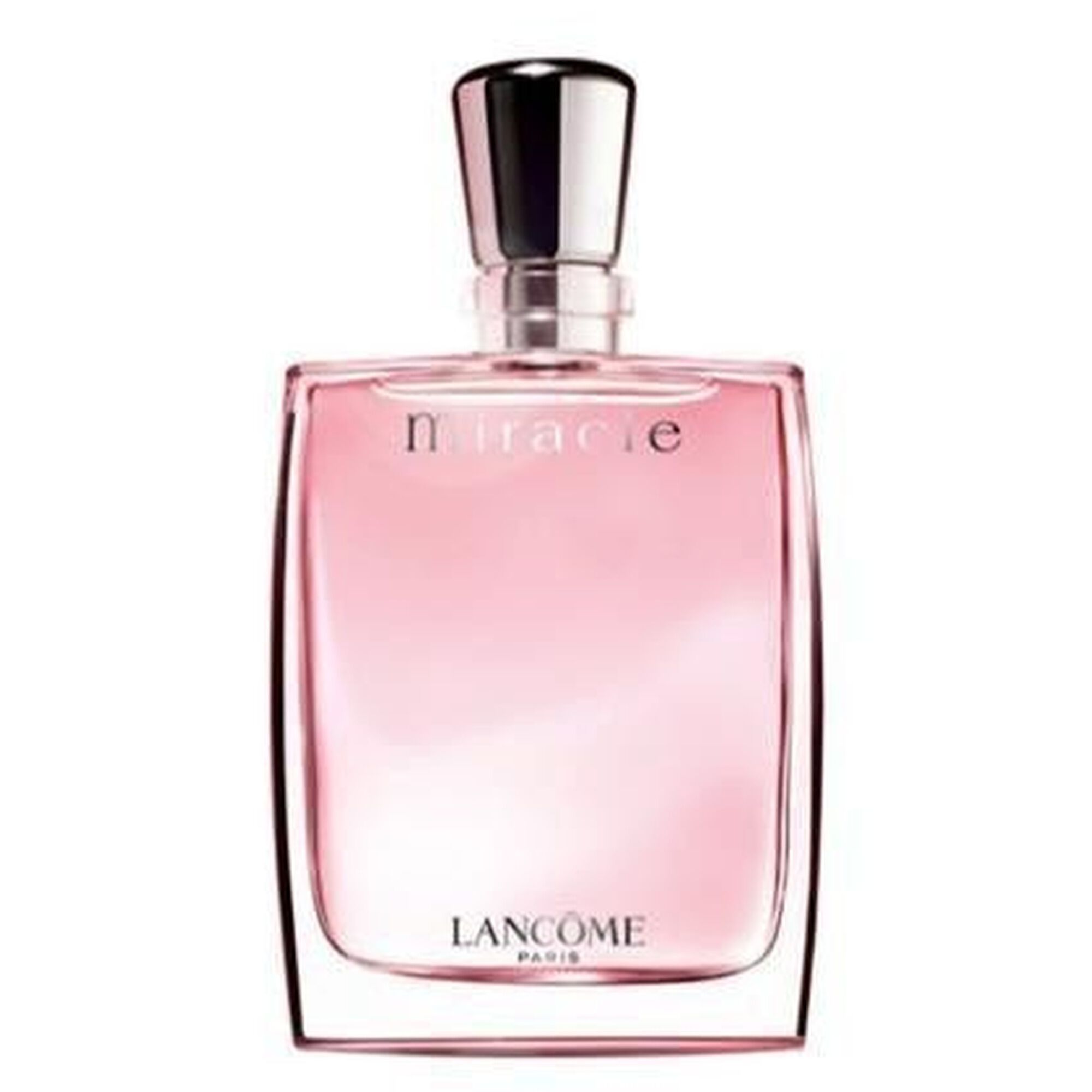
Browse our full catalogue in our women's floral selection, regularly updated. Here are the seven references I recommend most often, for different profiles and budgets.
Lancôme Idôle EDP
Jasmine floral — ~70 € — Luminous jasmine sambac, peony and white musk. An airy, springlike composition, suited to both the office and the weekend. The contemporary floral best-seller from Lancôme, accessible without being ordinary. For anyone seeking a clean, modern floral.
Lancôme La Vie Est Belle EDP
Powdery floral — ~80 € — Soft iris, patchouli in the base note, praline and vanilla. An enveloping, velvety softness that has won over millions of women since 2012. For anyone wanting a warm, reassuring, timeless floral. The absolute icon of mainstream powdery floral.
Guerlain Mon Guerlain EDP
Rose floral — ~80 € — Fresh rose, lavender at the top, soft vanilla base note. The romantic floral signed Guerlain: both luminous and enveloping, with character but no heaviness. Perfect for women who love florals with real character.
Cacharel Anaïs Anaïs EDT
White floral bouquet — ~35 € — Jasmine, muguet, rose, iris and vetiver. A founding classic of the white floral bouquet, delicate and romantic, which has stood the test of time. The ideal entry point into the floral family. Available from Cacharel.
Nina Ricci Nina EDT
Fruity floral — ~45 € — Sparkling apple at the top, rose at the heart, white musk and sandalwood in the base note. Fresh, sparkling, in its iconic apple-shaped flacon. The go-to accessible women's fruity floral, ideal for summer or as a first step into the family.
Guerlain Aqua Allegoria Flora Cherrysia EDT
Fruity floral — ~65 € — Juicy cherry and fresh rose in an airy, luminous accord. The lightness of a spring morning. For lovers of fresh fruity florals, with no heaviness or excess sweetness. A fine success within Guerlain's Aqua Allegoria line.
Reminiscence Heliotrope EDP
Powdery floral — ~65 € — Heliotrope and iris in a powdery, almost talc-like, enveloping accord. White musk and powdery amber in the base note. A subtle, velvety fragrance for women who love florals without brilliance but with a real presence. The reference for soft powdery floral.
A word on soliflores. There is a category apart within the floral family: the soliflore, where a single flower is worn in all its purity, with no complex accord. Muguet, tuberose or iris can thus occupy the entire olfactory space, from start to finish. It's a more radical approach, often associated with niche perfumery. Maison Francis Kurkdjian À la Rose is a reference here: a single, precise rose, with no artifice. These fragrances demand real conviction — you either love them or you don't — but they have a sincerity that complex bouquets don't always possess. For lovers of intense, assertive florals, Black Opium Le Parfum offers another direction: a dark, enveloping floral, anchored in vanilla and coffee, that steps off the beaten path. And if you're looking for a gift set to give or to discover the musky floral family, the gift set is worth considering.
Our selection: the best men's floral perfumes 2026
Men's olfactory codes have evolved considerably since 2020. Woody floral, musky floral and unisex fragrances have gradually replaced fougeres and dry woody scents as modern men's references. Today, a man who wears a jasmine or a rose has nothing to justify — and the sales figures confirm it. Dior J'adore remains a major grand-luxe floral reference in the history of perfumery, even though it's above all a fragrance designed for women. For men, here are the four references I recommend most often.
Browse our full range in our men's floral selection.
Valentino Donna Born in Roma EDP
Jasmine floral — ~90 € — Intense jasmine and creamy vanilla over a base note of white musk and sandalwood. Enveloping, sensual, modern. A composition that works as well on women's skin as on a man who embraces a warm, assertive floral. Accessible prestige.
Narciso Rodriguez For Her EDP
Musky floral — ~85 € — Deep white musk, subtle rose, sandalwood and amber. The absolute reference for signature musky floral. Timeless, almost a skin-scent, it works across all genders effortlessly. For anyone seeking a floral with no ostentation, just long-lasting presence.
Yves Saint Laurent Libre EDP
Woody floral — ~95 € — Lavender and jasmine at the top, amber and musky base note. A modern woody floral best-seller, free of any gender codes. Assertive without being aggressive, it suits both women and men who want a floral with character.
Lancôme Miracle EDT
Fruity floral — ~55 € — Sparkling lychee and delicate jasmine over a base note of white musk and ginger. Fresh, luminous, without excess sweetness. A Lancôme classic that has aged well. For anyone wanting a light fruity floral, easy to wear every day. An alternative: Lancôme Trésor EDP for more depth.
Floral perfume for men: breaking an olfactory taboo
Why are more and more men wearing floral perfumes?
The shift is real and well documented. Since the early 2020s, sales of men's floral and woody-floral perfumes have steadily increased across Europe. Several factors explain this movement: the influence of niche perfumery, which has always treated flowers without regard to gender; the rise of K-beauty and its deconstructed aesthetic codes; and a generation of consumers who choose their perfume based on sensory criteria rather than convention.
The binary "floral = feminine / woody = masculine" is crumbling. This isn't a surface trend. It's a deep reshaping of habits.
Woody floral, musky floral: the men's variations
What makes a floral wearable for a man who isn't yet comfortable with flowers is the anchoring. Sandalwood brings warmth and roundness. Cedar provides structure. Vetiver adds a slight earthy sharpness. Light patchouli adds depth without weighing things down. And white musk, ever-present, creates that impression of clean, warm skin that makes these fragrances so easy to wear.
The floral heart doesn't disappear in these compositions — it becomes more masculine. Jasmine loses its carnal edge to become cleaner. Rose gains in freshness. Floral lavender bridges the two worlds. If you'd like to explore this direction, the woody family offers complementary guidance.
Our selection of men's floral perfumes at Tendance Parfums
Three references to start with, depending on profile and budget.
Narciso Rodriguez For Her EDP — White musk and subtle rose: the easiest floral for a man to wear. Subtle, skin-close, timeless. Ideal for getting started.
YSL Libre EDP — Lavender and woody jasmine: an assertive, modern floral, with no ambiguity. For anyone who wants to fully embrace a contemporary men's floral.
Valentino Donna Born in Roma EDP — Jasmine and sandalwood: more enveloping, more sensual. For men who want a warm floral with real depth.
Maison Francis Kurkdjian À la Rose is often cited as a niche floral reference for men: a precise rose, worn with no excess, with rare assurance.
Comparison table — Women's floral vs men's floral perfume
| Criterion | Women's floral | Men's floral | Unisex examples |
|---|---|---|---|
| Dominant notes | Rose, jasmine, peony, muguet | Floral lavender, woody jasmine, white musk | Narciso Rodriguez For Her, YSL Libre |
| Anchoring notes | White musk, powdery amber, vanilla | Sandalwood, cedar, vetiver, light patchouli | Valentino Donna Born in Roma |
| Typical concentration | EDP, EDT | EDT, EDP | EDP |
| Sillage | Delicate to enveloping | Subtle to assertive | Moderate |
| Average budget | 30-100 € | 40-100 € | 50-100 € |
Floral perfume with rose and jasmine: the two queens of perfumery
Rose in perfumery: Rose de Mai, damask rose, Turkish rose
Rose is the most widely used and most complex floral raw material to work with. Three main origins shape the market: Rose de Mai from Grasse, hand-picked each spring in very limited quantities, is the most precious — its extraction by enfleurage or volatile solvent produces an absolute of exceptional richness. Damask rose from Bulgaria, steam-distilled in the Valley of the Roses, gives an essential oil that is fresher, slightly minty. Turkish rose, close to damask rose, is more accessible and widely used in grand-luxe perfumery.
The price of these materials explains why natural rose is often replaced or reinforced by synthetic molecules — geraniol, citronellol, rose oxide — which allow precise control of the olfactory profile. Dior Miss Dior relies on Grasse rose for its floral heart note. Chanel N°5, the first aldehydic floral of 1921, already used a rose-jasmine accord amplified by synthetic aldehydes. To explore further, our dossier on rose in perfumery details these origins and extraction techniques.
Jasmine in perfumery: jasmine sambac, jasmine grandiflorum, tuberose
Jasmine is the most olfactorily complex floral note. Its main characteristic: a slight indolic touch, almost animalic, that gives it its distinctive sensuality. Jasmine grandiflorum, grown in Grasse and Egypt, is picked at night — it's at night that the flower releases the most scent. Jasmine sambac, native to India, is softer, creamier, less carnal.
Tuberose belongs to the same olfactory family: white, creamy, slightly milky, it pushes the floral heart towards something more opulent. Ylang-ylang, grown in Madagascar and the Comoros, brings an exotic floral dimension, slightly sweet and spicy. These three notes form the heart of the most enveloping florals. Our jasmine dossier explores these distinctions in greater depth.
Our rose & jasmine selection at Tendance Parfums
Lancôme Idôle — Luminous jasmine sambac and white musk. Lancôme's modern floral signature: airy, springlike, precise.
Guerlain Mon Guerlain — Fresh rose and lavender, soft vanilla base note. The romantic floral par excellence, with character and light.
Cacharel Anaïs Anaïs — Jasmine-muguet-rose white floral bouquet. The founding classic, delicate and timeless, accessible across all budgets.
How to choose and wear a floral perfume?
Which season suits a floral perfume?
Spring and summer are the natural seasons for florals. Warmth amplifies the diffusion of light floral notes — a fruity floral or a fresh floral gains in luminosity and freshness. In summer, I'd avoid very intense jasmine florals or heavy powdery florals: the heat makes them stifling.
In autumn and winter, deeper sub-families take over: powdery floral, woody floral, musky floral. Their warmer base note pairs well with lower temperatures and heavier clothing. For lovers of chypre florals, the chypre family offers floral-woody-mossy accords that carry elegantly across every season.
Floral perfume for day or evening?
For everyday wear, a fruity or fresh floral eau de toilette is a natural choice: light, subtle, it accompanies without imposing. In the evening, you can allow yourself more depth: a jasmine floral eau de parfum, a powdery floral or a woody floral develops a more enveloping, more present sillage.
For a special occasion — a wedding, an evening event — a soliflore or tuberose are assertive choices. They call for confidence but leave a lasting impression.
What budget for a good floral perfume?
You'll find honest florals from 20-40 €, notably from Cacharel or Nina Ricci — proven classics. The premium segment (50-100 €) covers Lancôme, Guerlain, YSL, Narciso Rodriguez: this is where most of our best recommendations sit. Beyond 100 €, you enter prestige or niche perfumery, where raw materials are often finer and concentrations higher. Budget doesn't necessarily determine quality — an Anaïs Anaïs at 35 € remains a remarkable fragrance. But it does influence concentration, longevity and the complexity of the composition.
Frequently asked questions about floral perfumes
What is a floral perfume?
A floral perfume is a fragrance whose olfactory heart is dominated by floral notes: rose, jasmine, peony, muguet, iris or tuberose. It's the most widespread olfactory family in the world, with highly varied expressions — from the freshest to the most enveloping.
What are the best floral perfumes for women?
It all depends on the profile you're after. For a modern, airy floral, Lancôme Idôle. For a reassuring powdery floral, Lancôme La Vie Est Belle. For a romantic floral, Guerlain Mon Guerlain. For an accessible budget, Cacharel Anaïs Anaïs.
What is the difference between a floral perfume and a fruity perfume?
A floral perfume has floral notes at its heart. A fruity perfume showcases fruit — peach, blackcurrant, raspberry, pear — often in the top notes. Fruity floral combines the two: floral heart notes reinforced by fruity top notes, as in Nina Ricci Nina.
Which floral perfume lasts the longest?
Musky floral and woody floral eaux de parfum generally have the best longevity: 6 to 8 hours on average. Narciso Rodriguez For Her EDP is renowned for its exceptional longevity. Fruity floral eaux de toilette are lighter and last 3 to 5 hours. Concentration and the quality of the raw materials make the difference.
What is the best floral perfume for men?
To start, Narciso Rodriguez For Her EDP: white musk and subtle rose, very easy to wear. For a more assertive floral, YSL Libre EDP with its lavender and woody jasmine. For an enveloping, sensual floral, Valentino Donna Born in Roma EDP.
What is a soliflore in perfumery?
A soliflore is a perfume built around a single flower, worn in all its purity with no complex accord. Muguet, tuberose or iris can thus occupy the entire olfactory development. It's a more radical approach, often associated with niche perfumery, that showcases the raw material in its purest form.
What is the difference between a powdery floral perfume and a fruity floral perfume?
Powdery floral — iris, violet, heliotrope, powdery amber — is soft, velvety, enveloping. Fruity floral — peony, peach, blackcurrant, pear — is fresh, sparkling, immediately accessible. The former evokes a warm, reassuring softness; the latter, the lightness of a spring morning. Lancôme La Vie Est Belle vs Nina Ricci Nina illustrate this difference well.
Which floral perfume should I choose according to the season?
In spring and summer, favour fruity florals or fresh florals — light, airy, luminous. In autumn and winter, powdery, woody or musky florals are better suited: their warm base note pairs better with lower temperatures. Guerlain Aqua Allegoria Flora Cherrysia for summer, Lancôme La Vie Est Belle for winter.