
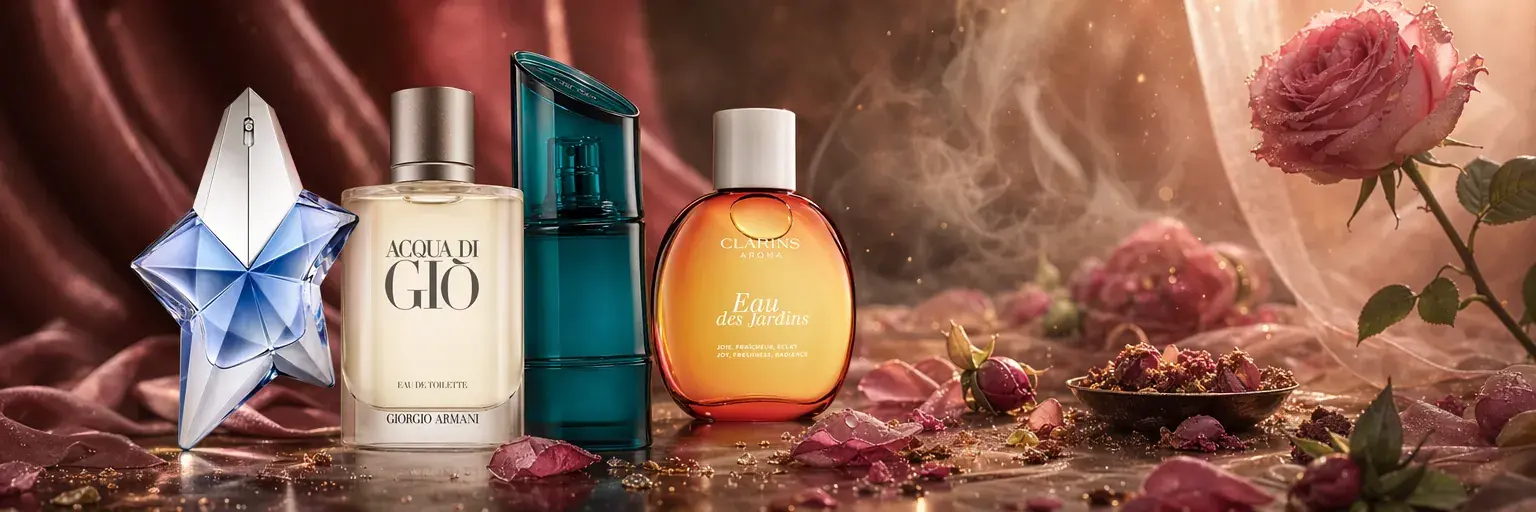
Rose fragrance: buying guide and best rose perfumes 2026
Rose is the most widely used flower in perfumery, and yet it remains largely misunderstood. It's often imagined as old-fashioned, a "grandmother's parfum", when in fact it is probably the most modern and versatile note there is: fresh and sparkling one day, deep and sensual the next. No other material offers such a range of moods.
This guide explains what rose really is in perfumery — its major varieties, its facets — and presents a selection of rose fragrances that we know and offer at Tendance Parfums, from the most elegant to the most accessible.
Rose in perfumery: what is it?
The rose note: olfactory description
Rose is a heart note: it emerges a few minutes after application, once the citrus top notes have evaporated, and structures the entire floral bouquet of the fragrance. Its scent cannot be summed up simply as "smells of rose" — it's a complex accord, at once honeyed, slightly lemony, green and powdery.
This richness comes from its natural composition: rose contains hundreds of molecules, including geraniol and citronellol (the fresh, almost green facet) and damascenone (that instantly recognisable "rose" signature, powerful even in trace amounts). It is this abundant chemistry that allows perfumers to reinterpret it across every register.
The great roses of perfumery
Not all roses are equal. Two varieties dominate fine fragrance, alongside some rarer origins.
| Variety | Origin | Olfactory profile |
|---|---|---|
| Rose de Mai (Rosa centifolia) | Grasse, harvested in May | Honeyed, soft, slightly jammy, very floral |
| Damask Rose (Rosa damascena) | Bulgaria, Turkey | More spicy, deep, the "true" scent of rose water |
| Taif Rose | Arabia | Intense, honeyed-spicy, prized in oriental perfumery |
Distilling these flowers yields two precious materials: essence (steam-extracted, fresh and vibrant) and absolute (solvent-extracted, warmer, honeyed and deep). It takes roughly four tonnes of petals to produce a single kilo of essence — which explains the price of natural rose, one of the perfumer's most costly materials.
The facets of rose
This is what makes rose so compelling: depending on the accompanying materials and the dosage, it can take on an entirely different character.
| Facet | Sensation | Best suited to |
|---|---|---|
| Fresh / dewy rose | Green, lemony, luminous, "morning petals" | Those who find rose too heavy |
| Powdery rose | Soft, velvety, lightly made-up | Lovers of understated elegance |
| Jammy / fruity rose | Gourmand, raspberry and lychee, modern | Youthful, sun-kissed profiles |
| Spicy / oriental rose | Deep, saffron and wood, sensual | Those seeking character, in a unisex spirit |
| Chypre / leathery rose | Mousse, leather, dark and distinguished rose | Fans of vintage fragrances with strong character |
In store, I find that a customer who says she "doesn't like rose" almost always has an old-fashioned powdery rose in mind. Just let her smell a jammy or dewy rose and her perspective changes: it isn't rose itself she rejects, but a single one of its facets.
The great rose accords
Rose pairs with almost everything, and each pairing creates a radically different fragrance.
- Rose + oud: the star accord of modern oriental perfumery. Woody, resinous oud lends the rose a dark, sensual depth, widely worn in a unisex spirit.
- Rose + patchouli: the contemporary "bare rose". Earthy, chocolatey patchouli anchors the flower in a modern chypre, distinguished and addictive.
- Rose + red berries: raspberry and lychee turn rose into a sun-kissed gourmand delight, luminous and easy to wear — the signature of the youngest roses.
- Rose + pepper / saffron: spices awaken the rose, giving it bite and an assertive character, perfect for evening.
- Rose + violet / iris: a retro-chic powdery accord, soft and elegant, evoking make-up and skin.
The best rose parfums
Here is a selection of fragrances in which rose plays the leading role, from the most distinguished to the most accessible. Each illustrates a different facet of this chameleon flower.
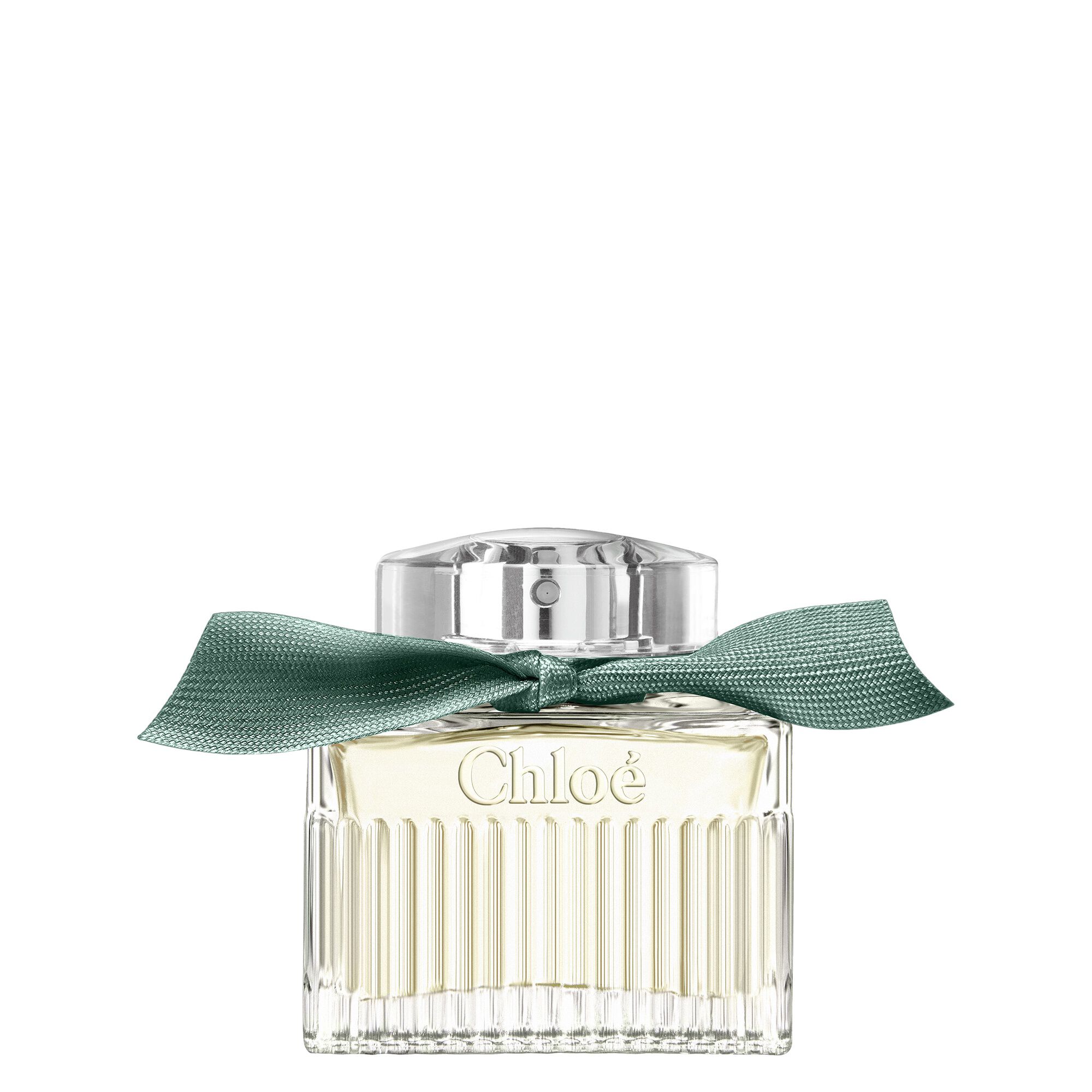
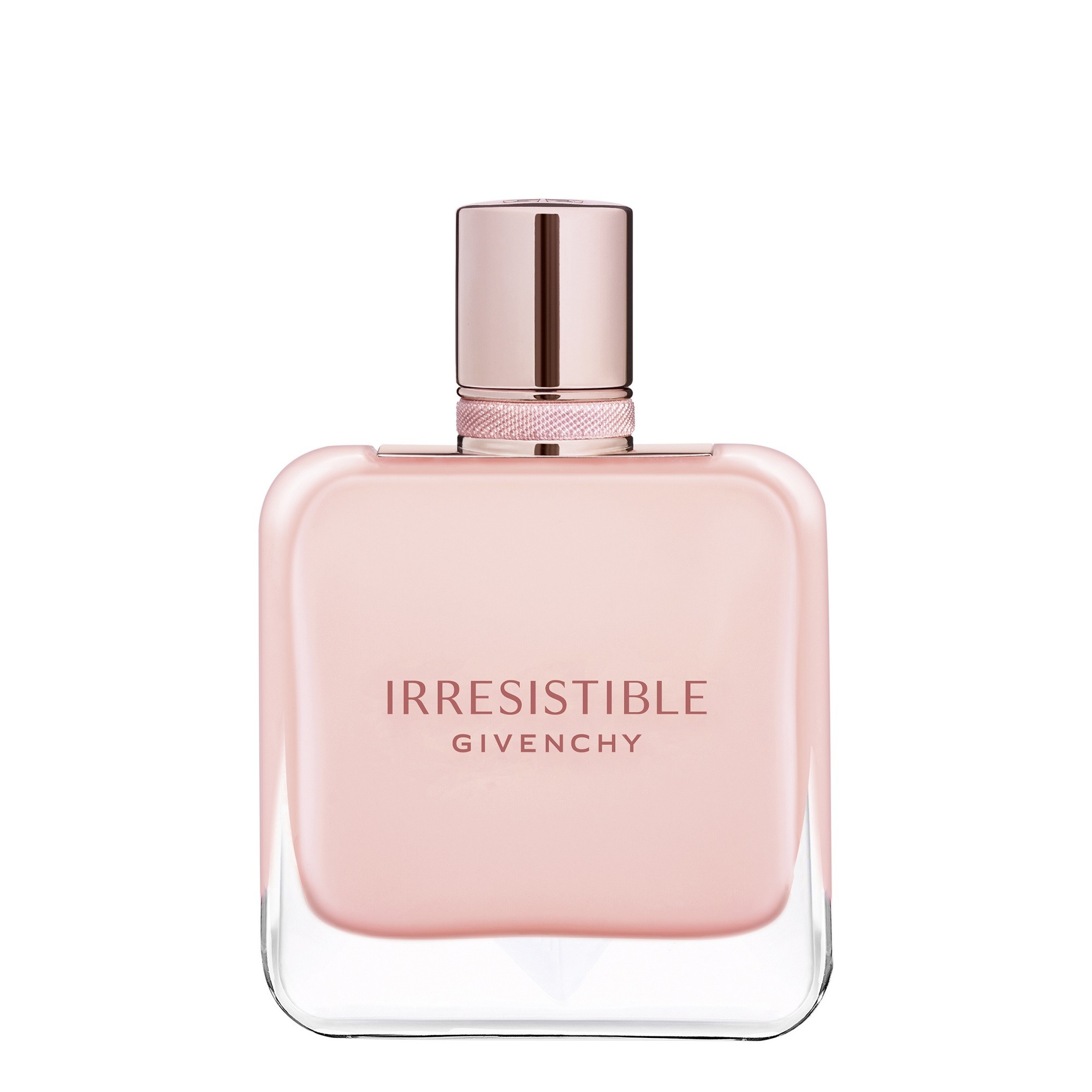
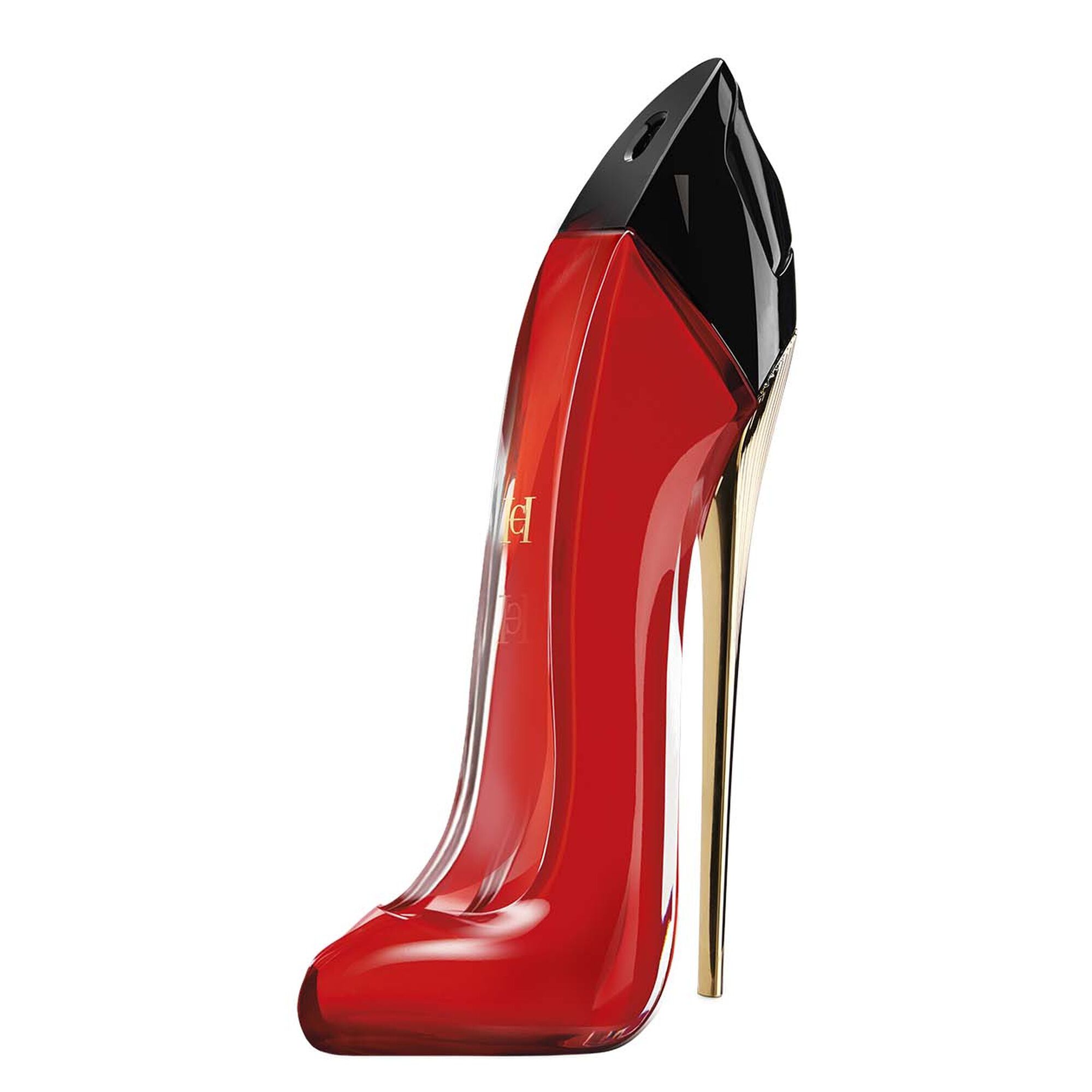
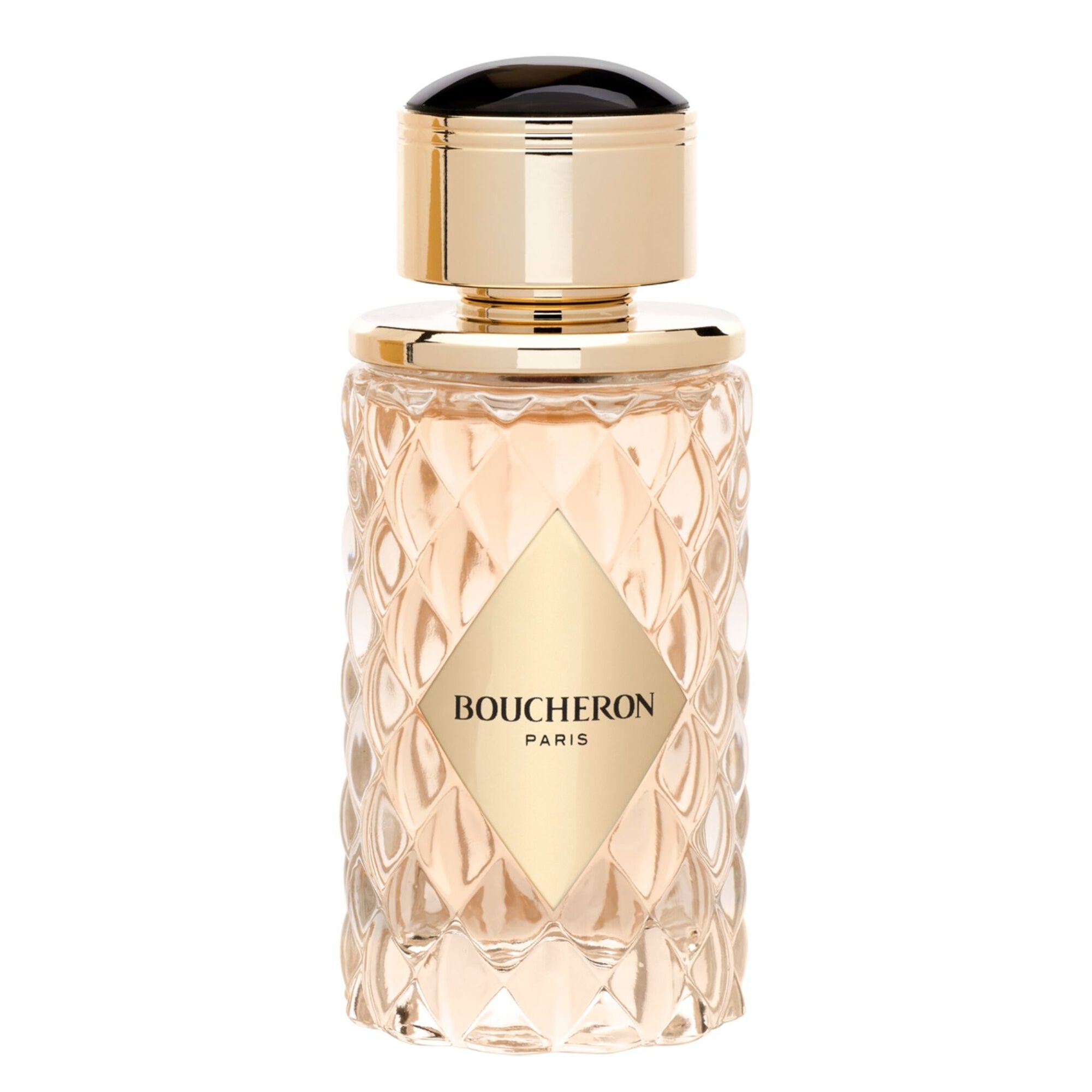
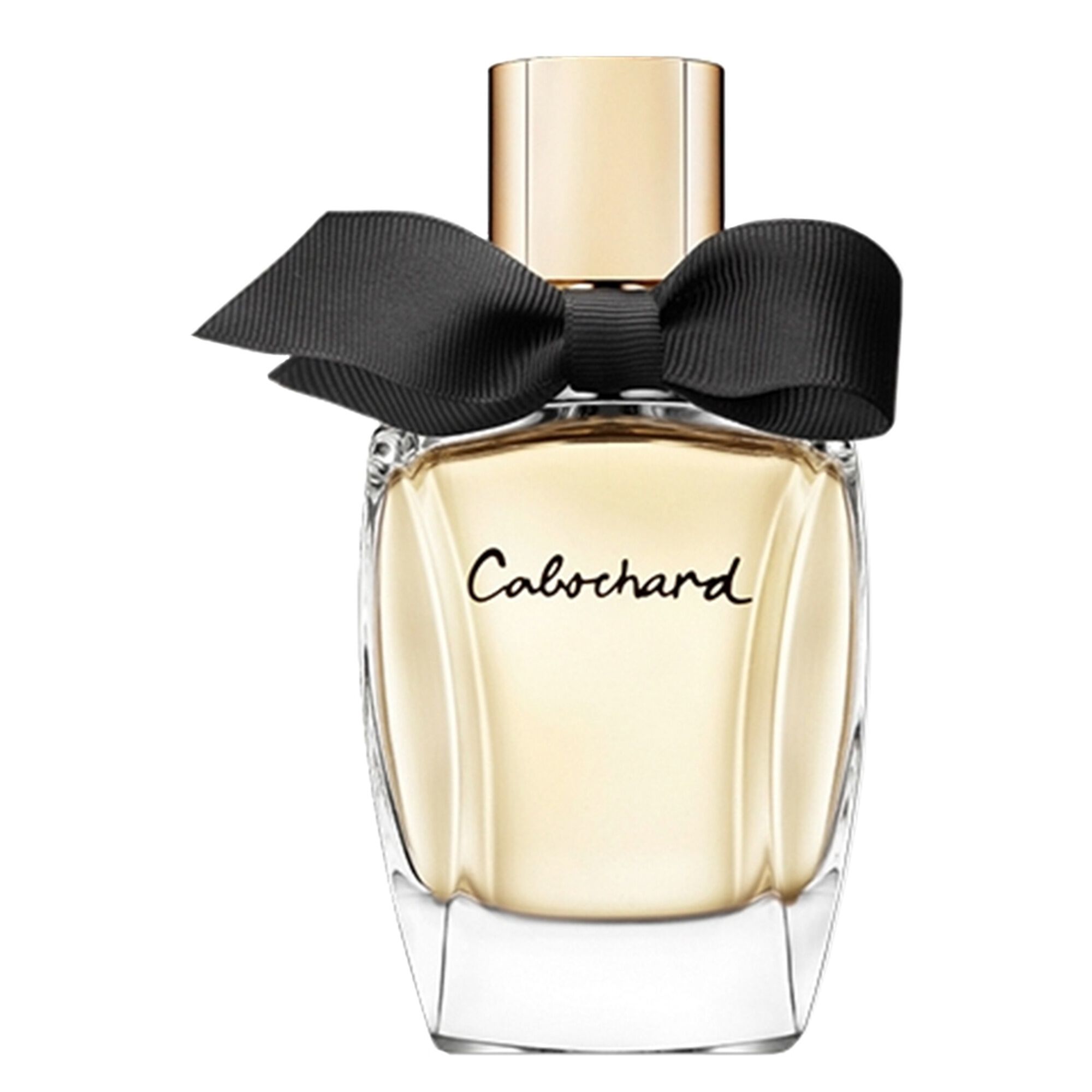
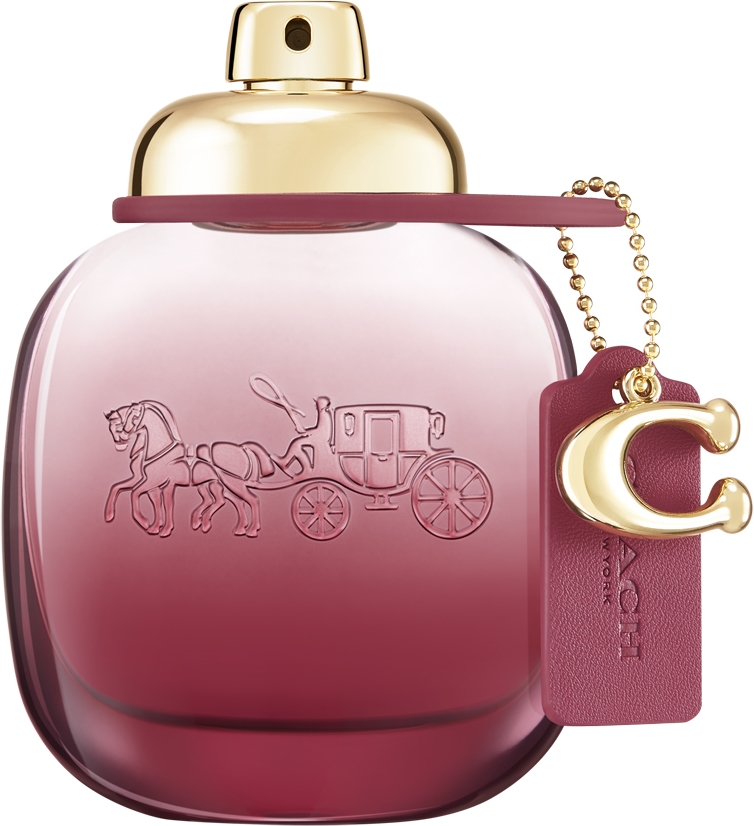
To discover rose in its purest, most modern form, Chloé Rose Naturelle Intense is a benchmark: a fresh, natural rose, elegant without being dated. In a more contemporary, velvety register, Givenchy Irrésistible Rose Velvet pairs rose with very current fruity and woody accents.
Those who love depth will turn to Grès Cabochard, a rose-leather chypre with an assertive temperament, or to Boucheron Place Vendôme, which dresses rose in velvety elegance. For a more gourmand, sun-kissed rose, Carolina Herrera Very Good Girl blends the flower with cherry in a modern, widely worn sillage.
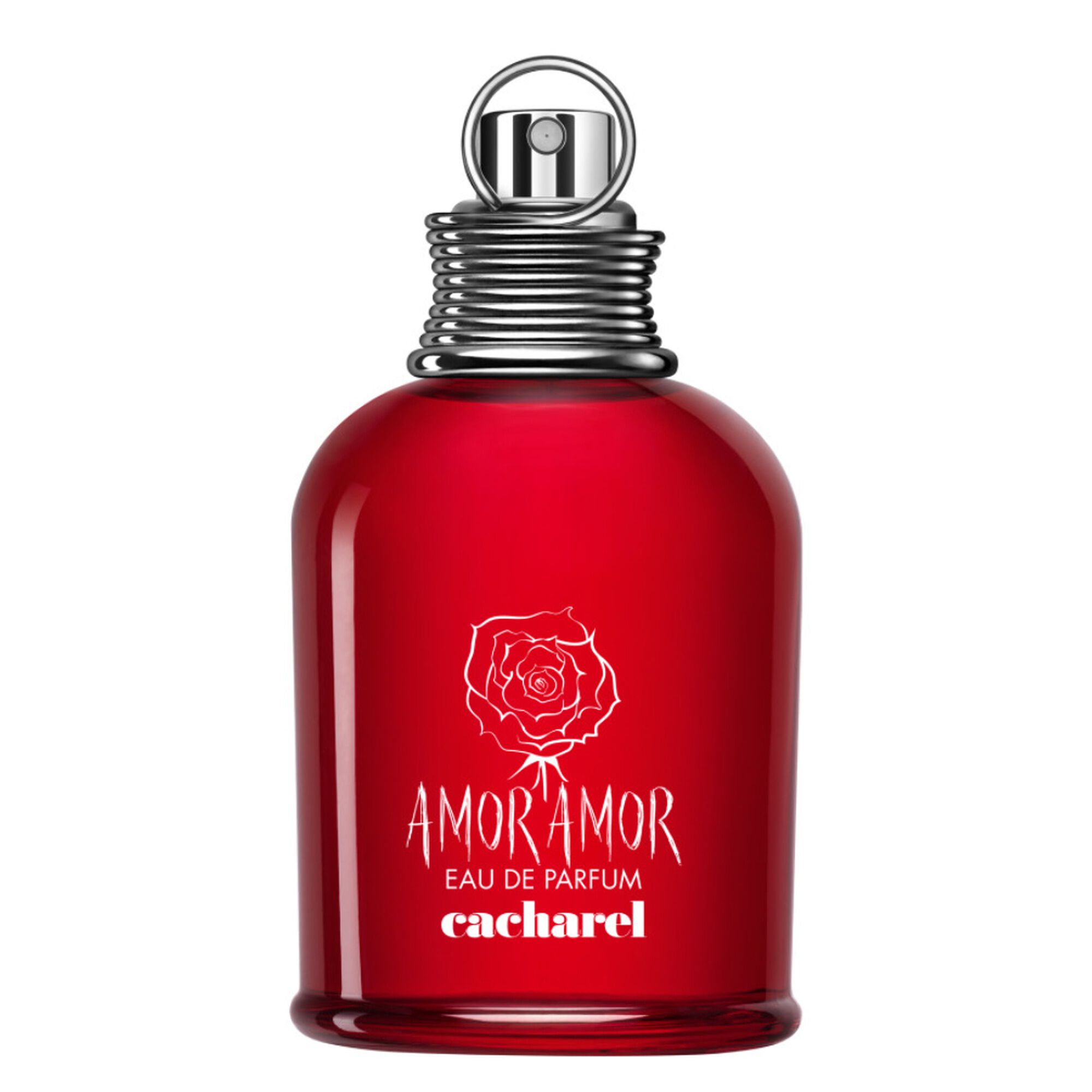
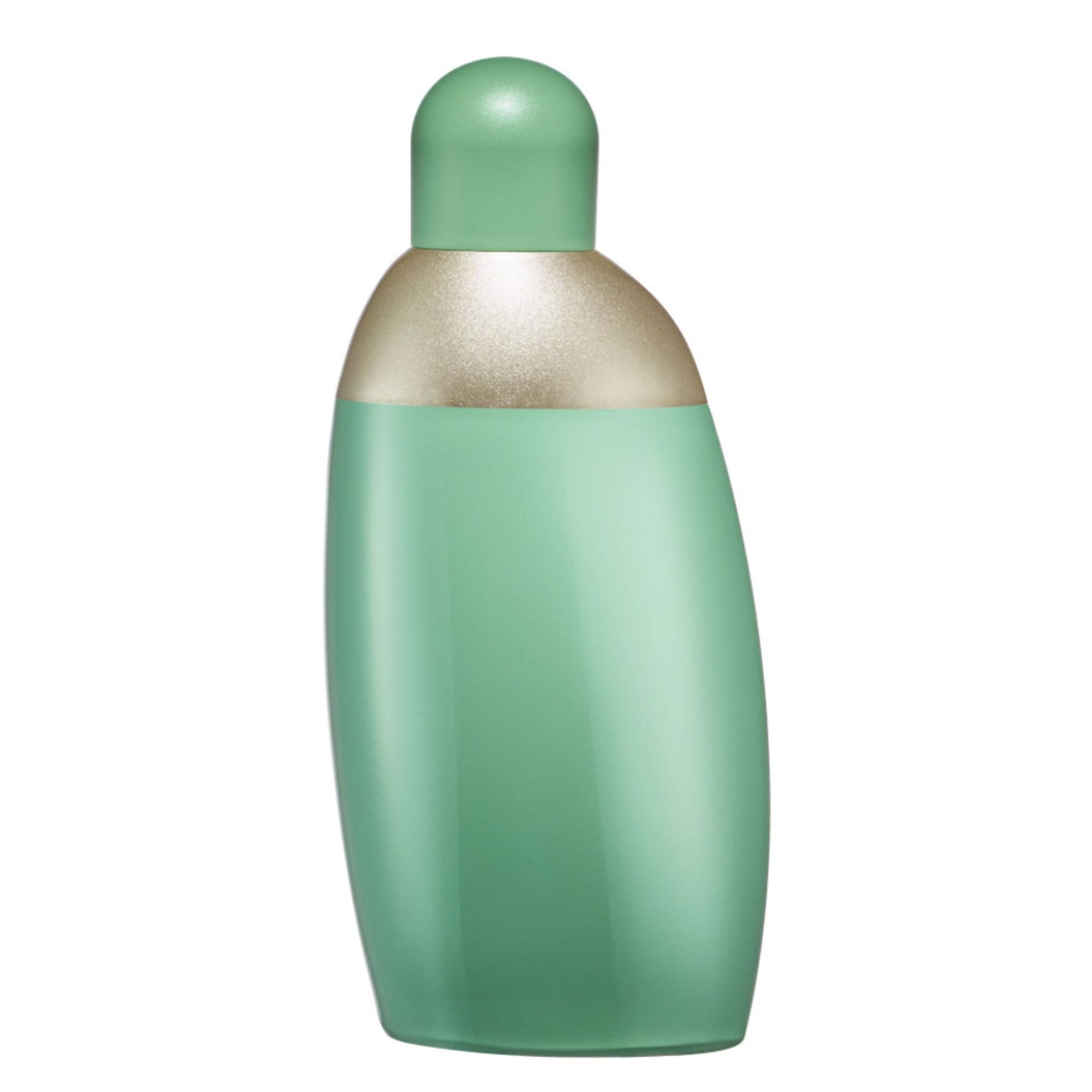
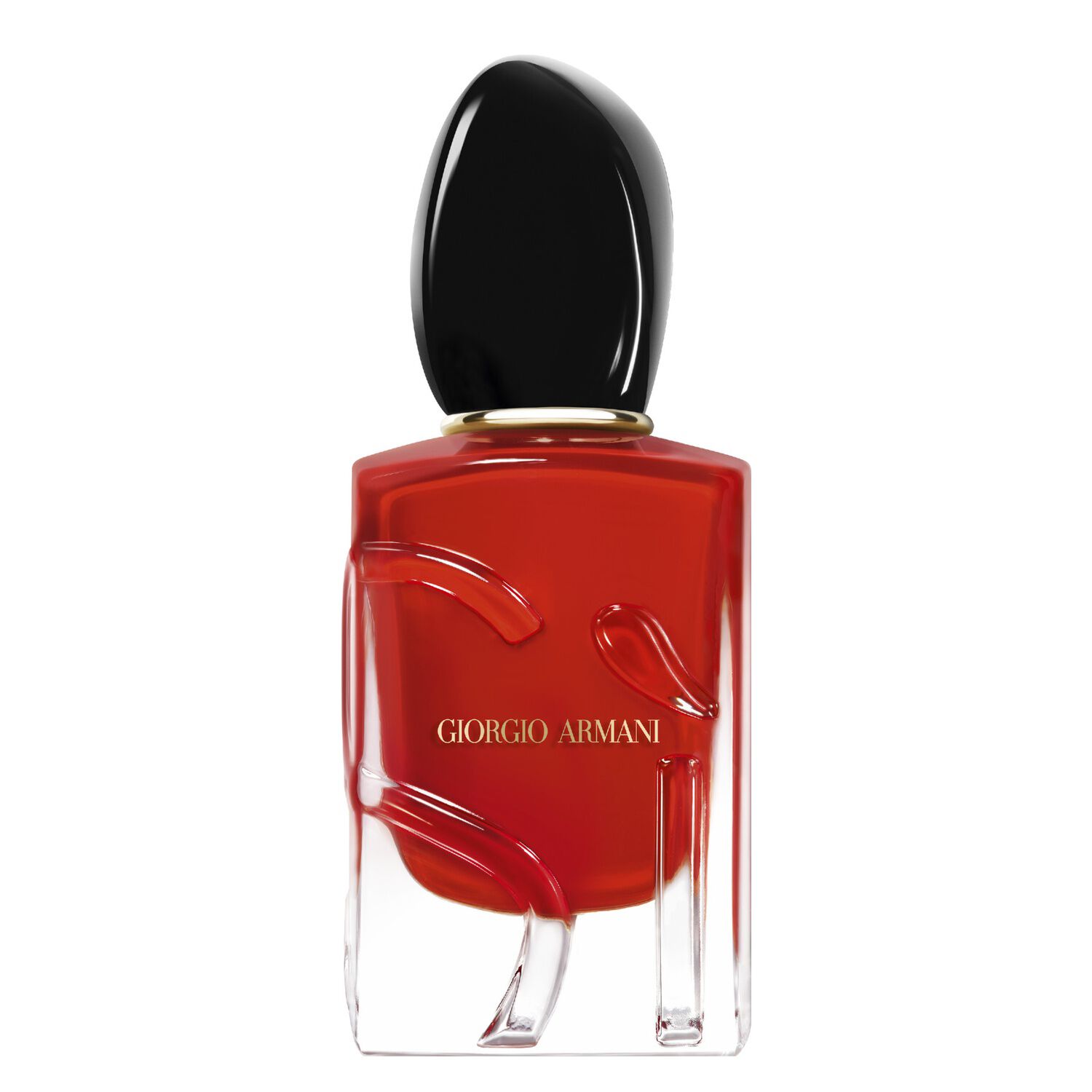
Finally, rose can also be enjoyed at a gentle price: Cacharel Amor Amor, Cacharel Eden and Armani Sì Passione prove that you can treat yourself to a beautiful rose, fresh or fruity, without breaking the bank.
How to choose your rose parfum?
It all depends on the mood you're after. For daytime and summer, go for a fresh or dewy rose, light and luminous. For understated elegance, choose a powdery rose. Gourmand lovers will gravitate towards a jammy rose, while a spicy or woody rose will suit evenings and works equally well for men and women.
A tip: rose evolves considerably on the skin, from the fresh petal of the opening to the warmer base note after a few hours. Always test it on yourself, and give it time to reveal itself before making a judgement.
Rose for men
Rose is far from exclusively feminine — it is in fact one of the flagship notes of contemporary masculine and oriental perfumery, where it is often paired with oud, saffron or leather for a deep, sensual result. Many woody and oriental fragrances for men in our catalogue make use of it, sometimes without advertising the fact.
Frequently asked questions
Is rose really a "grandmother's parfum"? No. That image comes from old-fashioned powdery roses. Modern perfumery reinterprets rose in fresh, fruity or spicy versions that are anything but dated — rose is today one of the most fashionable notes, including in unisex fragrances.
What's the difference between a fresh rose and a jammy rose? Fresh (or dewy) rose plays on green and lemony facets, for a light "morning petal" effect. Jammy rose is more gourmand, tinged with red berries (raspberry, lychee), warmer and more enveloping.
Which rose varieties are used in perfumery? Mainly Rose de Mai (Grasse, honeyed and soft) and Damask Rose (Bulgaria/Turkey, more spicy and deep). The rarer Taif Rose is prized in oriental perfumery.
Can a man wear a rose parfum? Absolutely. Paired with woody, spicy or leather notes, rose creates deep, characterful masculine fragrances, very present in contemporary and oriental perfumery.