
Best Winter Perfume for Men
Selection updated monthly · By Gaëlle, fragrance consultant for 12 years
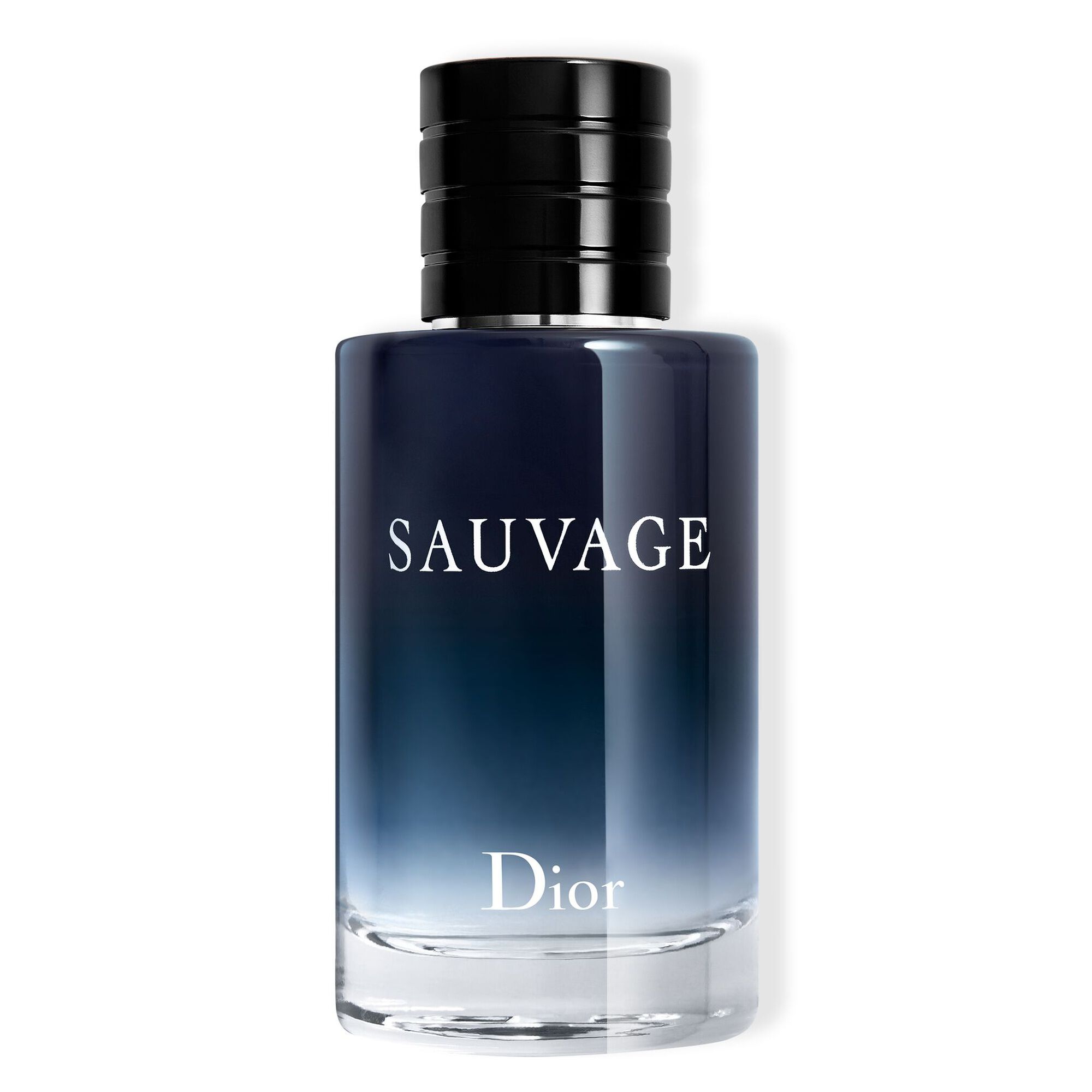 DIORSauvagefrom 66,50 €
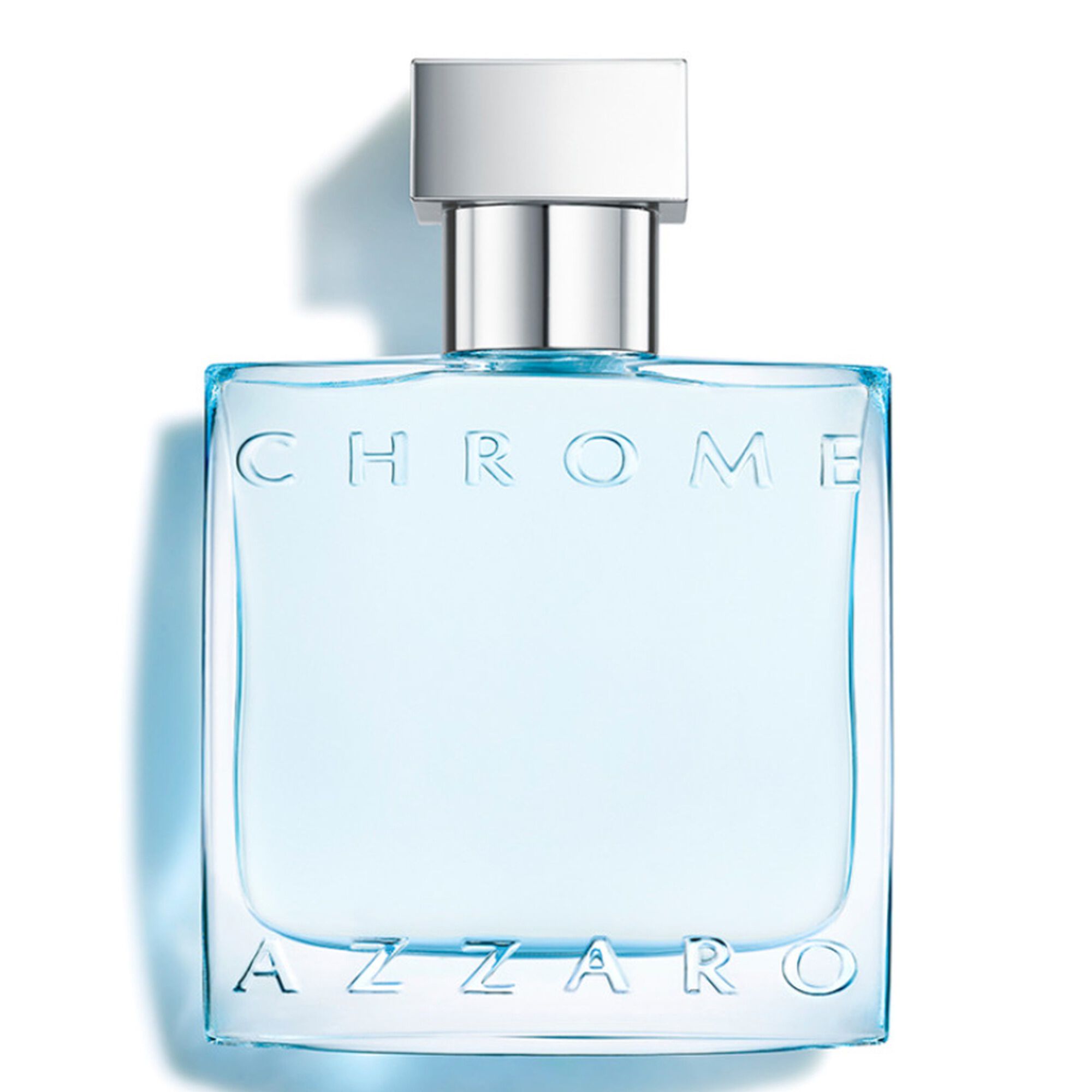 AzzaroChromefrom 31,50 €
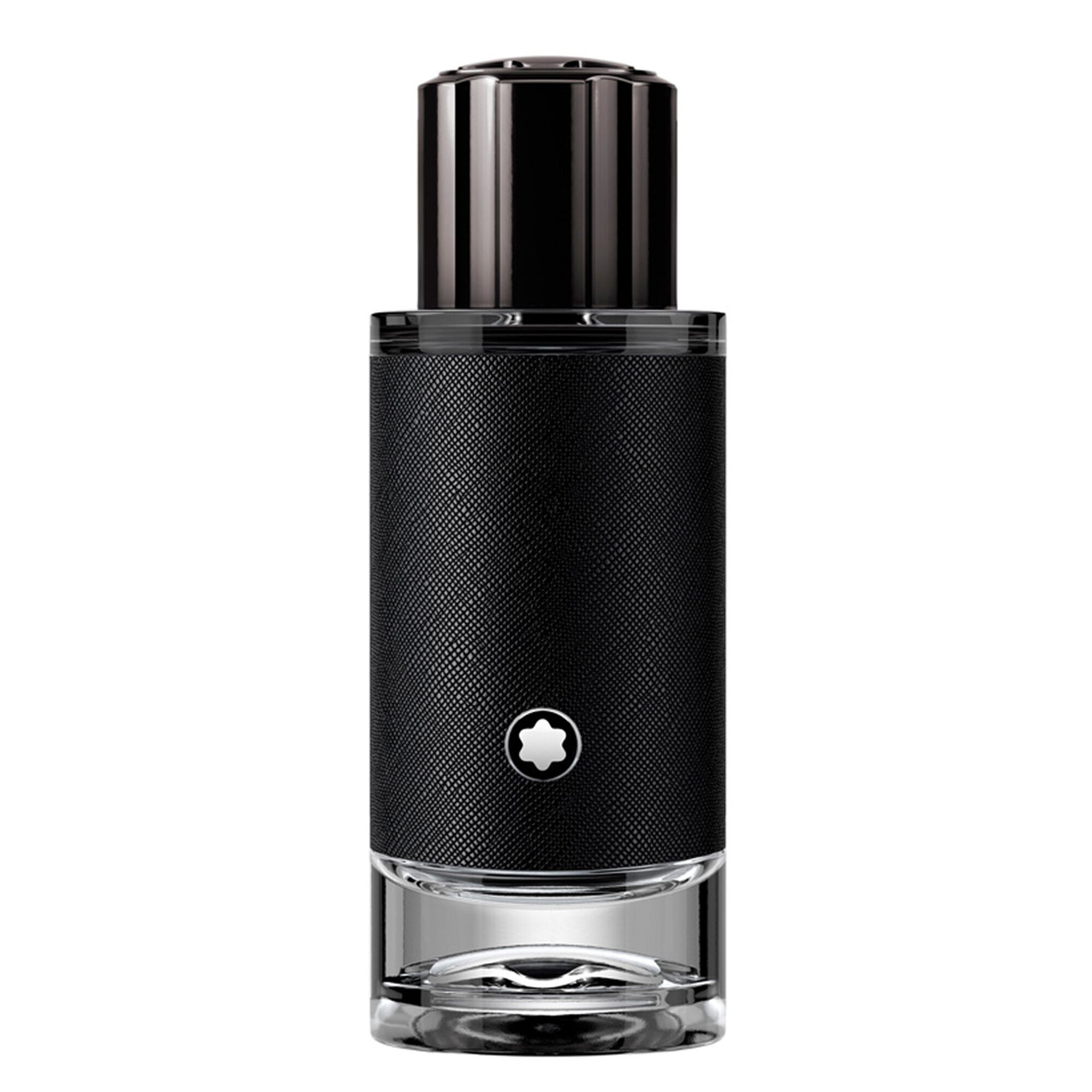 MontblancExplorerfrom 35,00 €
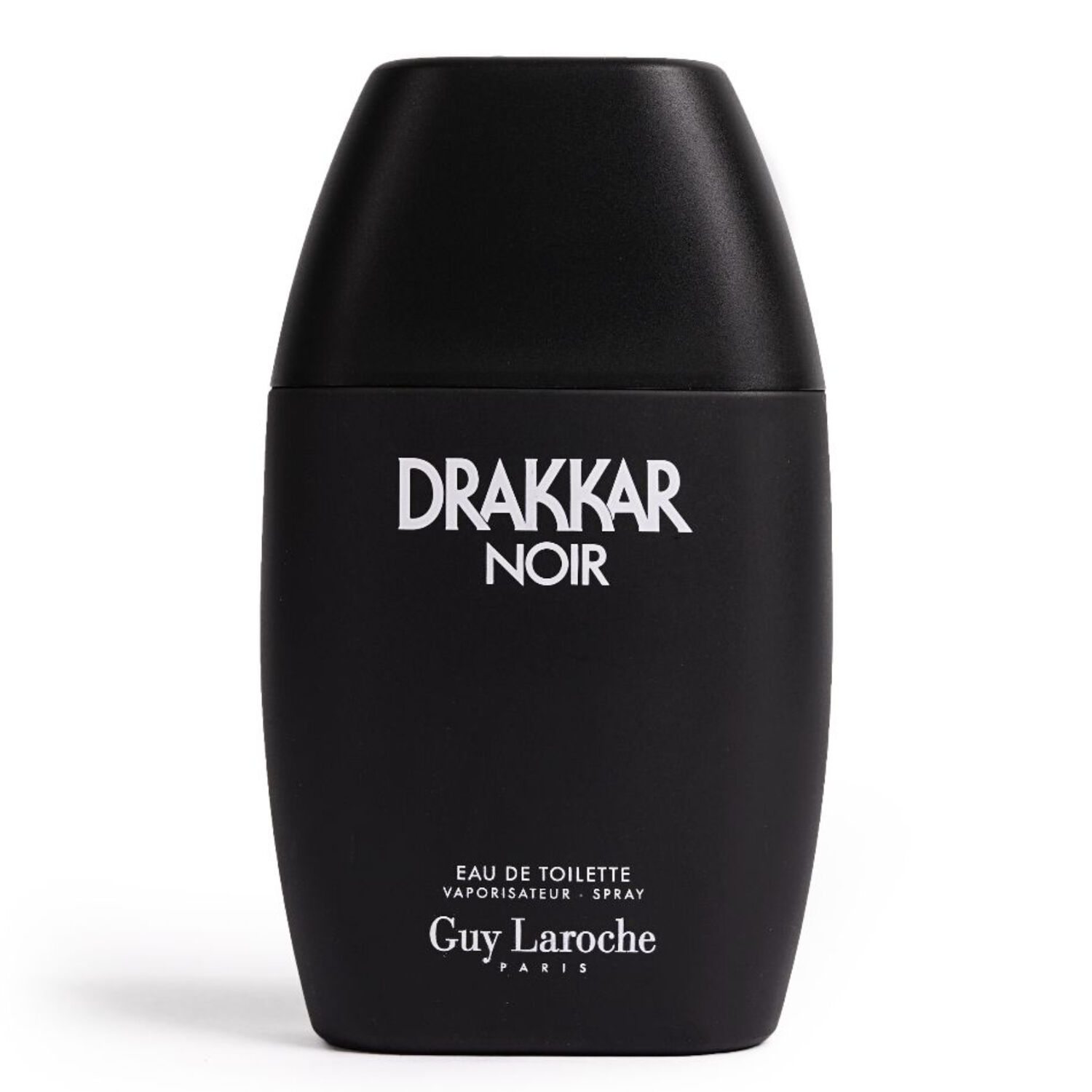 Guy LarocheDrakkar Noirfrom 27,50 €
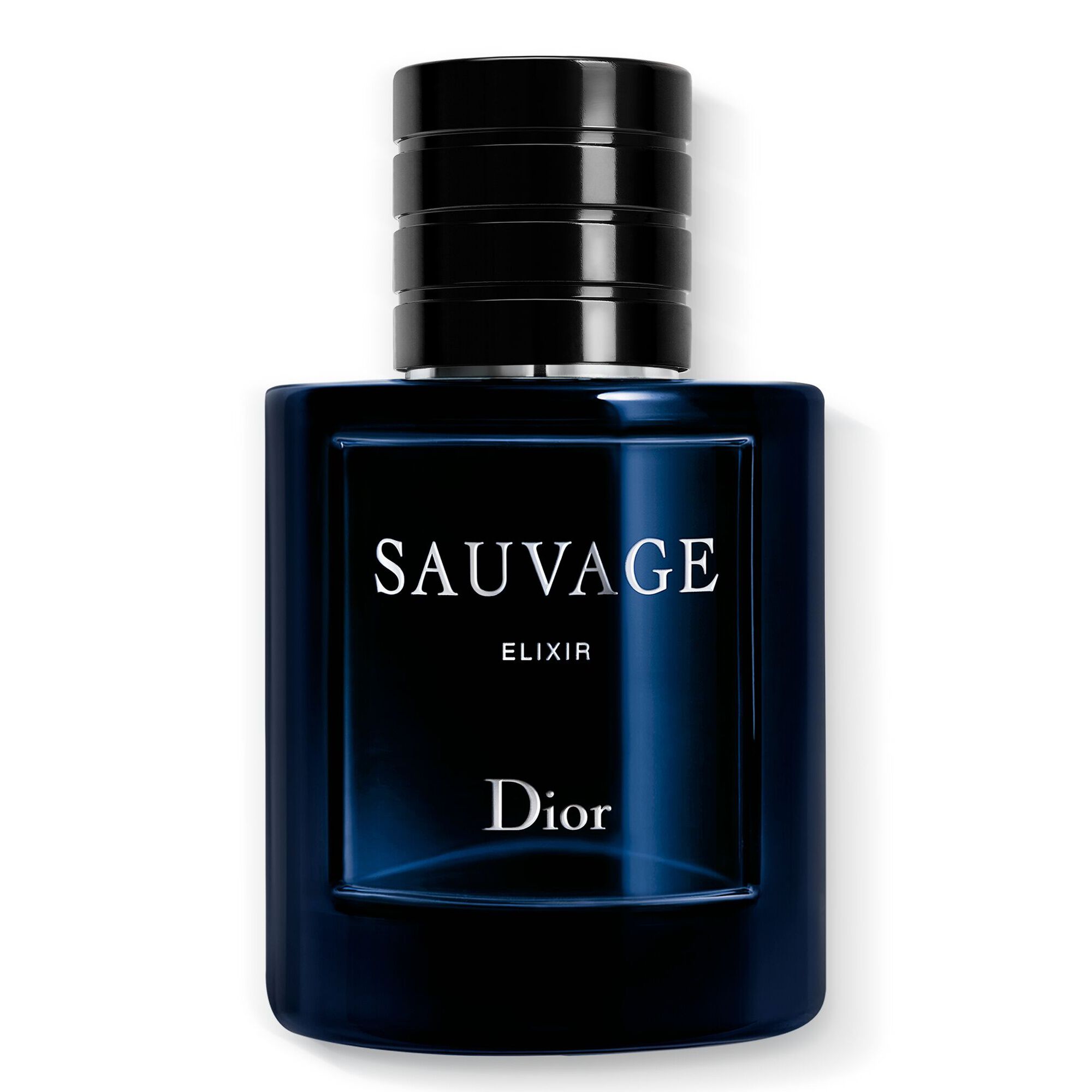 DIORSauvage Elixirfrom 139,50 €
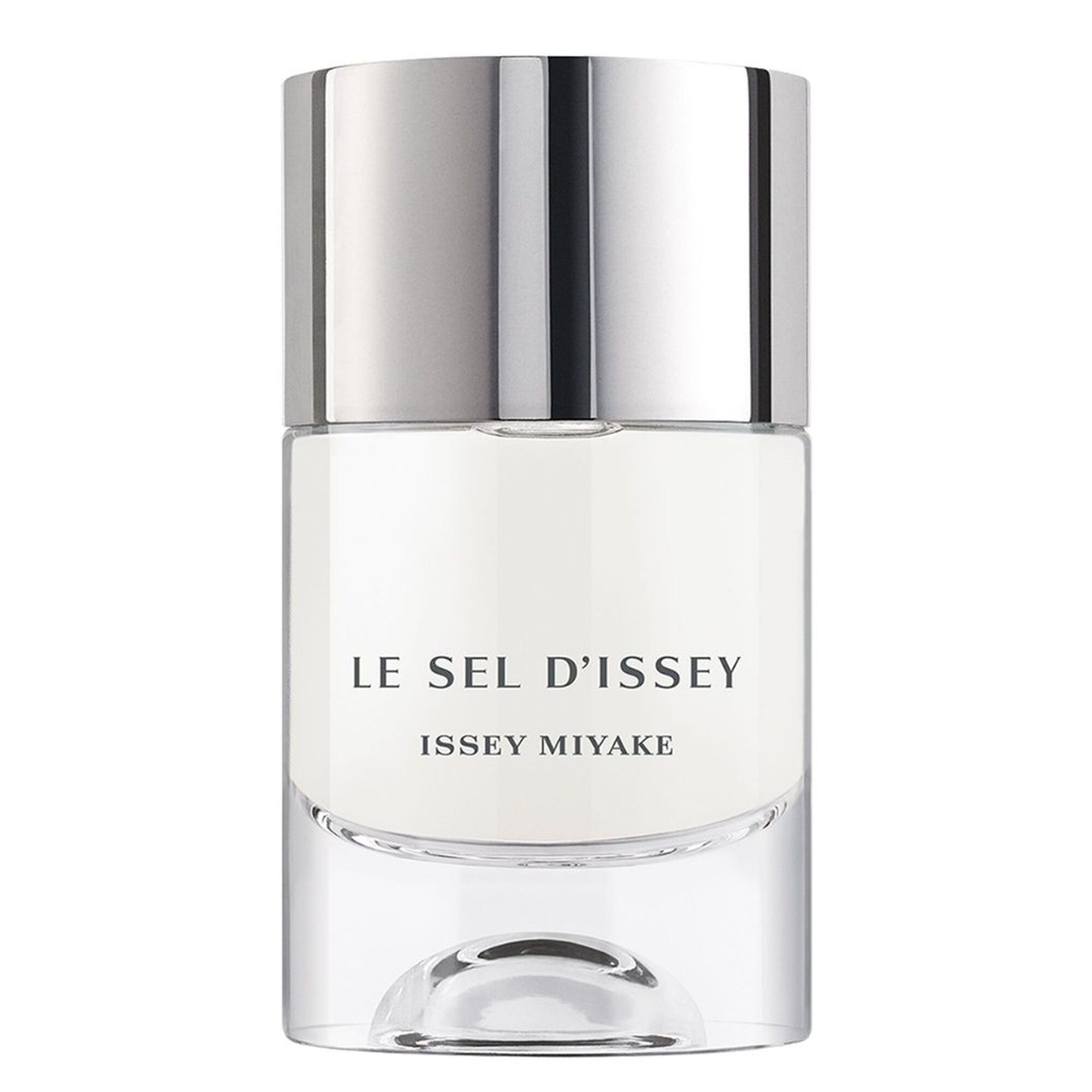 Issey MiyakeLe Sel D'Isseyfrom 49,50 €
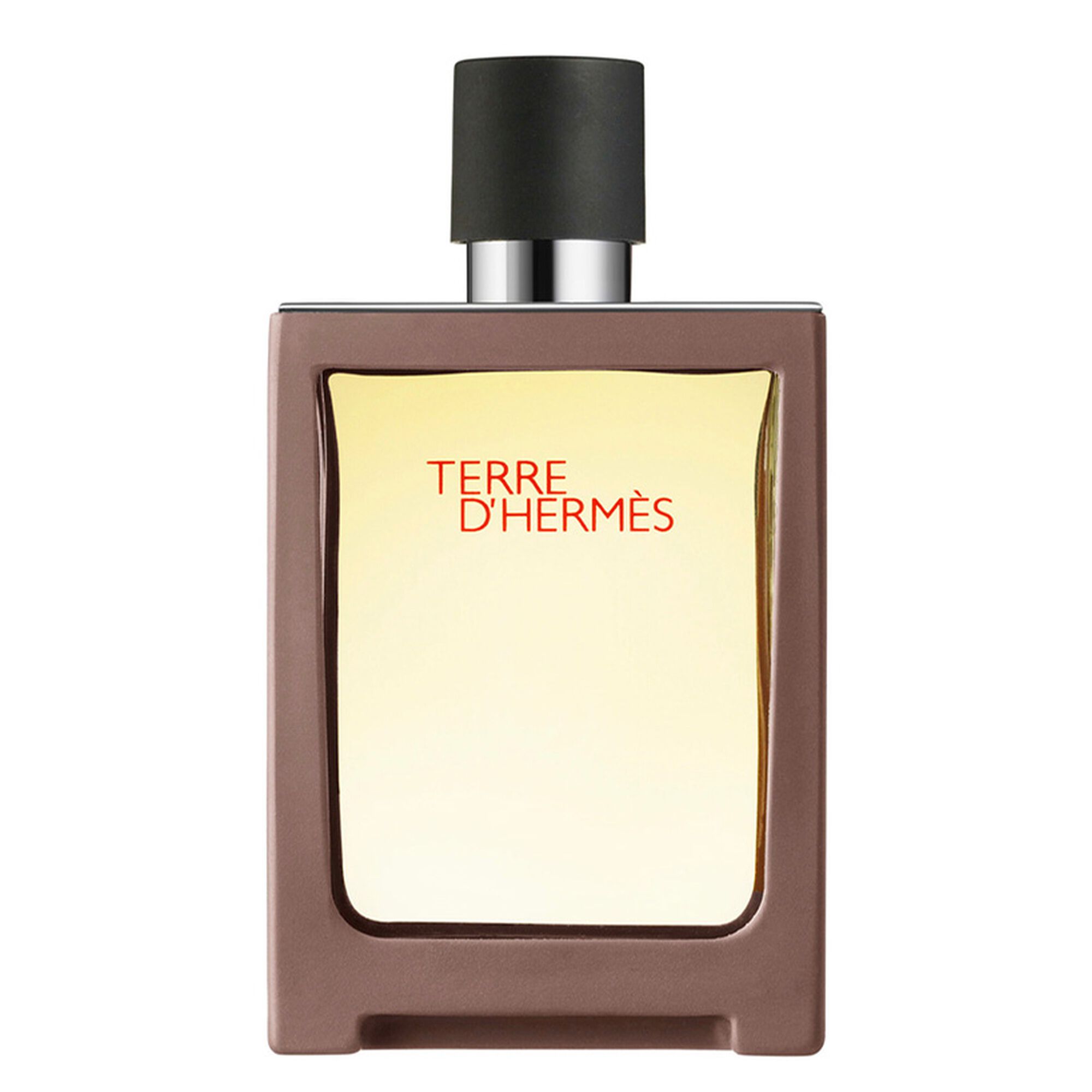 HERMÈSTerre d'Hermèsfrom 53,50 €
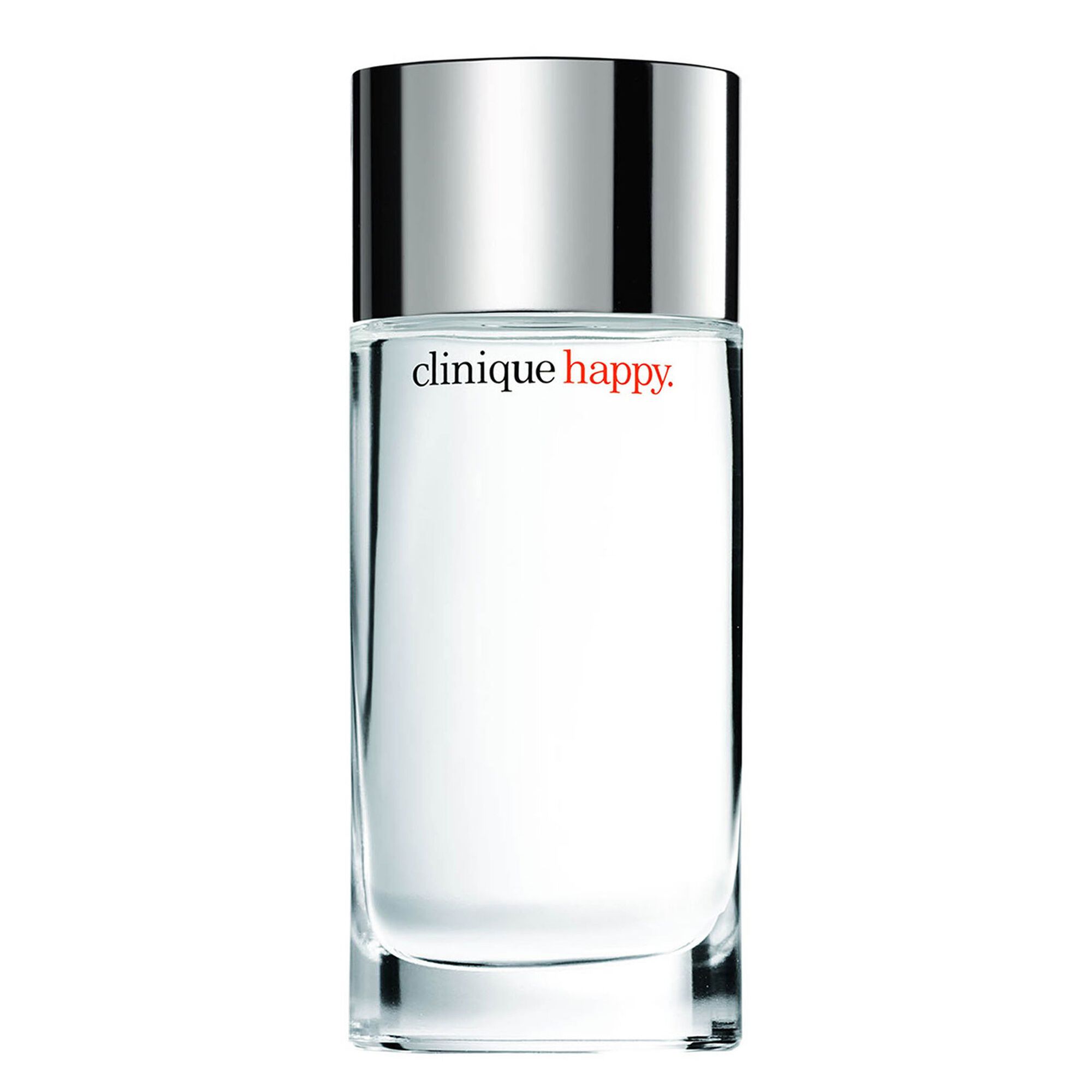 CliniqueHappyfrom 33,00 €
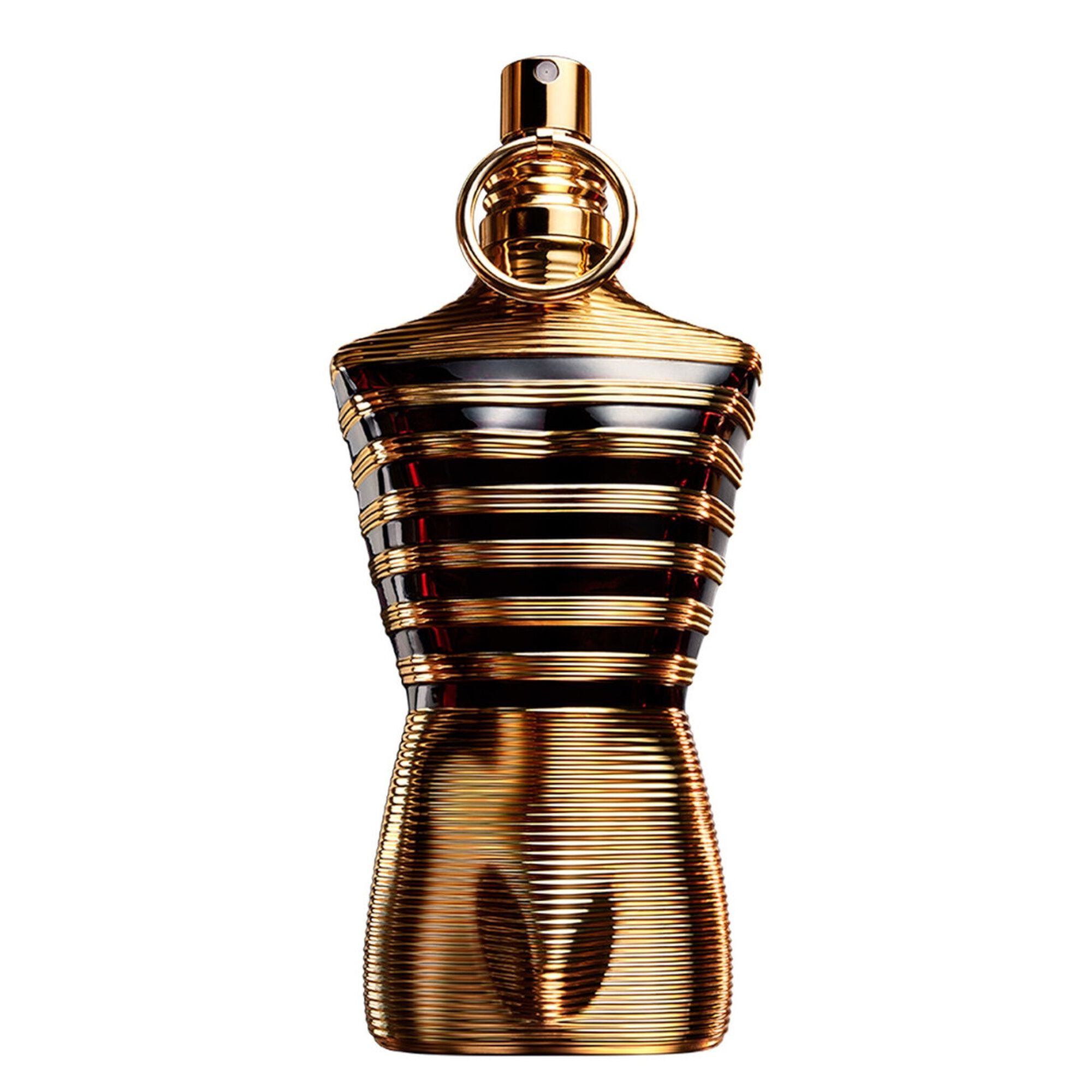 Jean Paul GaultierLe Male Elixirfrom 74,00 €
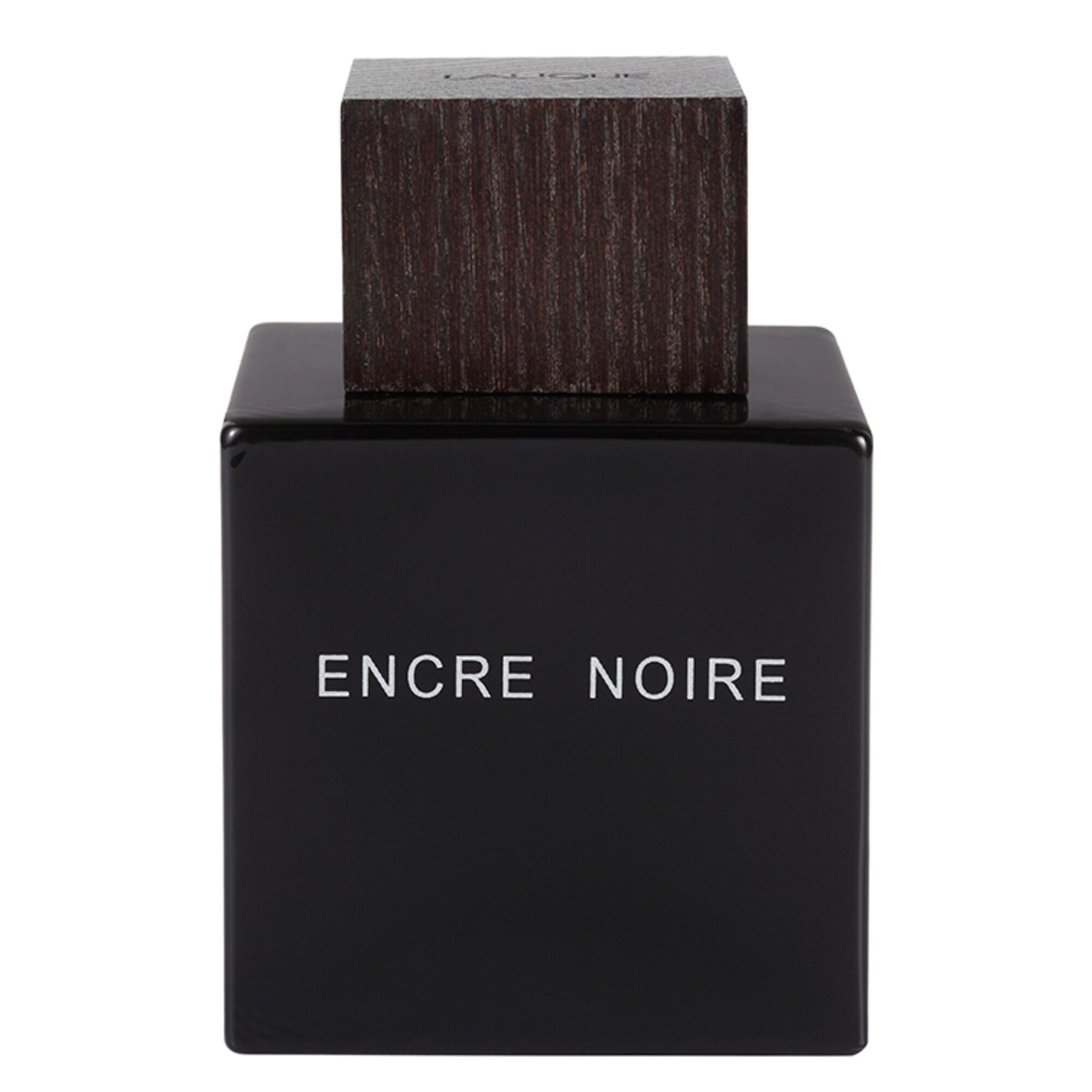 LaliqueEncre Noirefrom 53,00 €
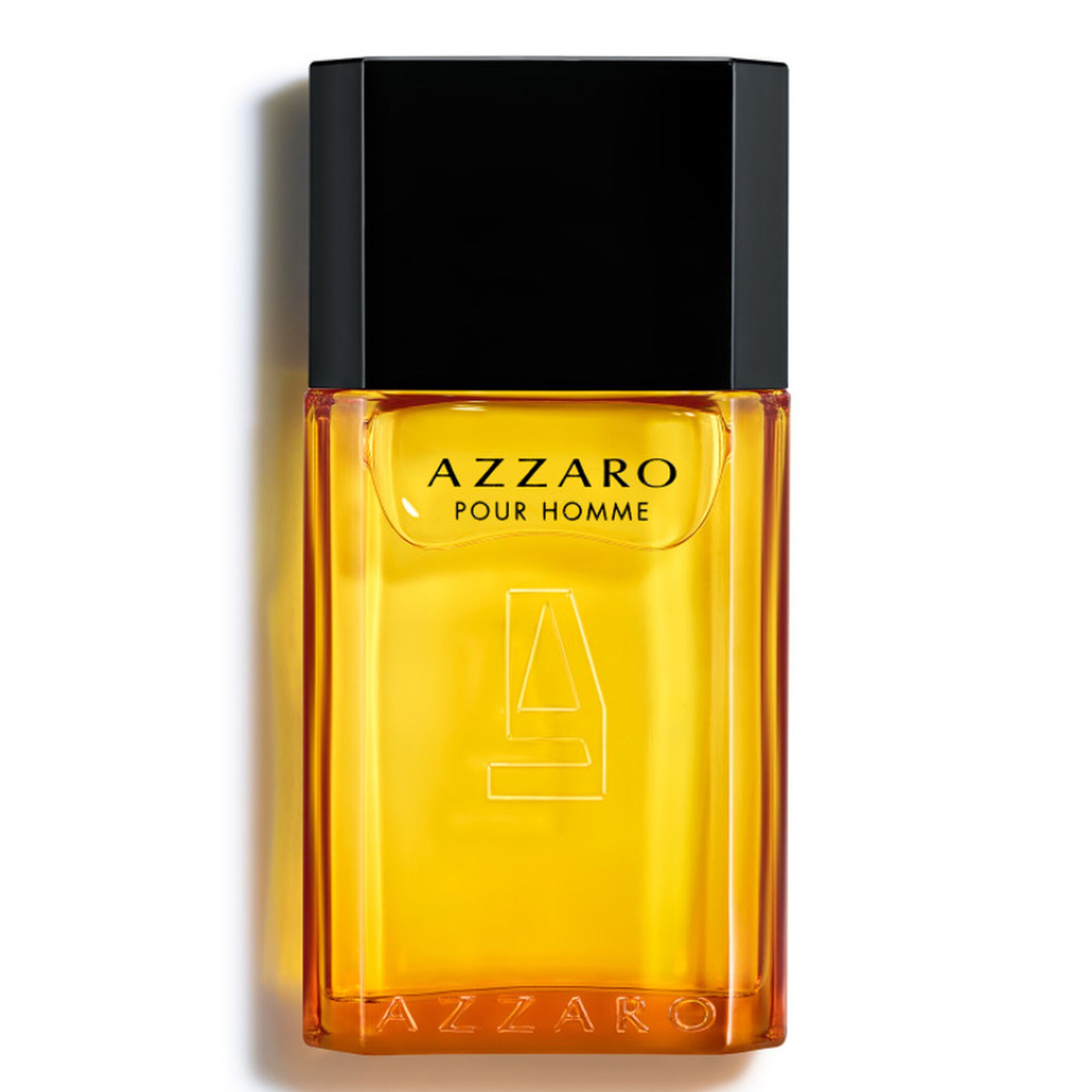 AzzaroAzzaro Pour Hommefrom 43,50 €
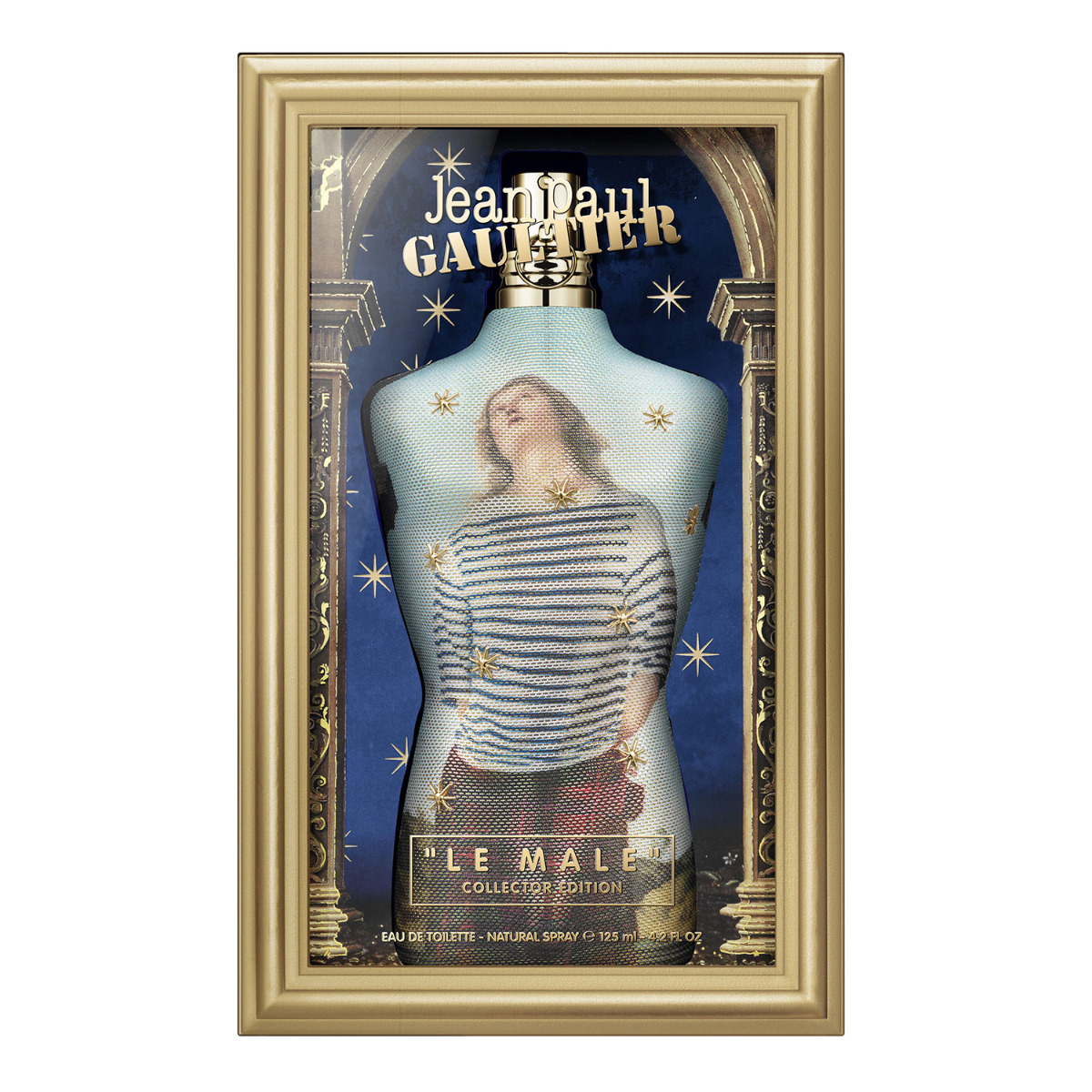 Jean Paul GaultierLe Male Collector82,00 €
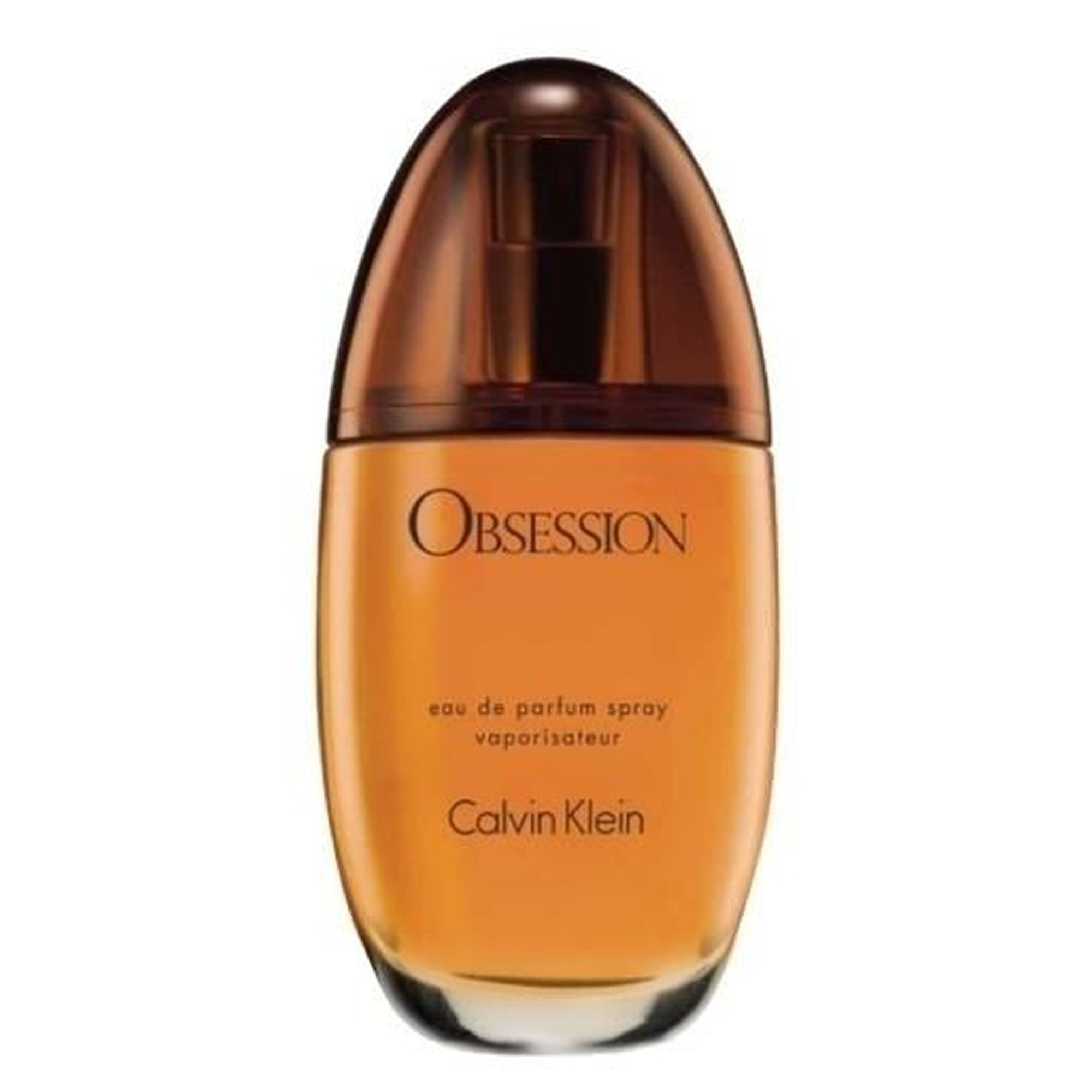 Calvin KleinObsessionfrom 53,50 €
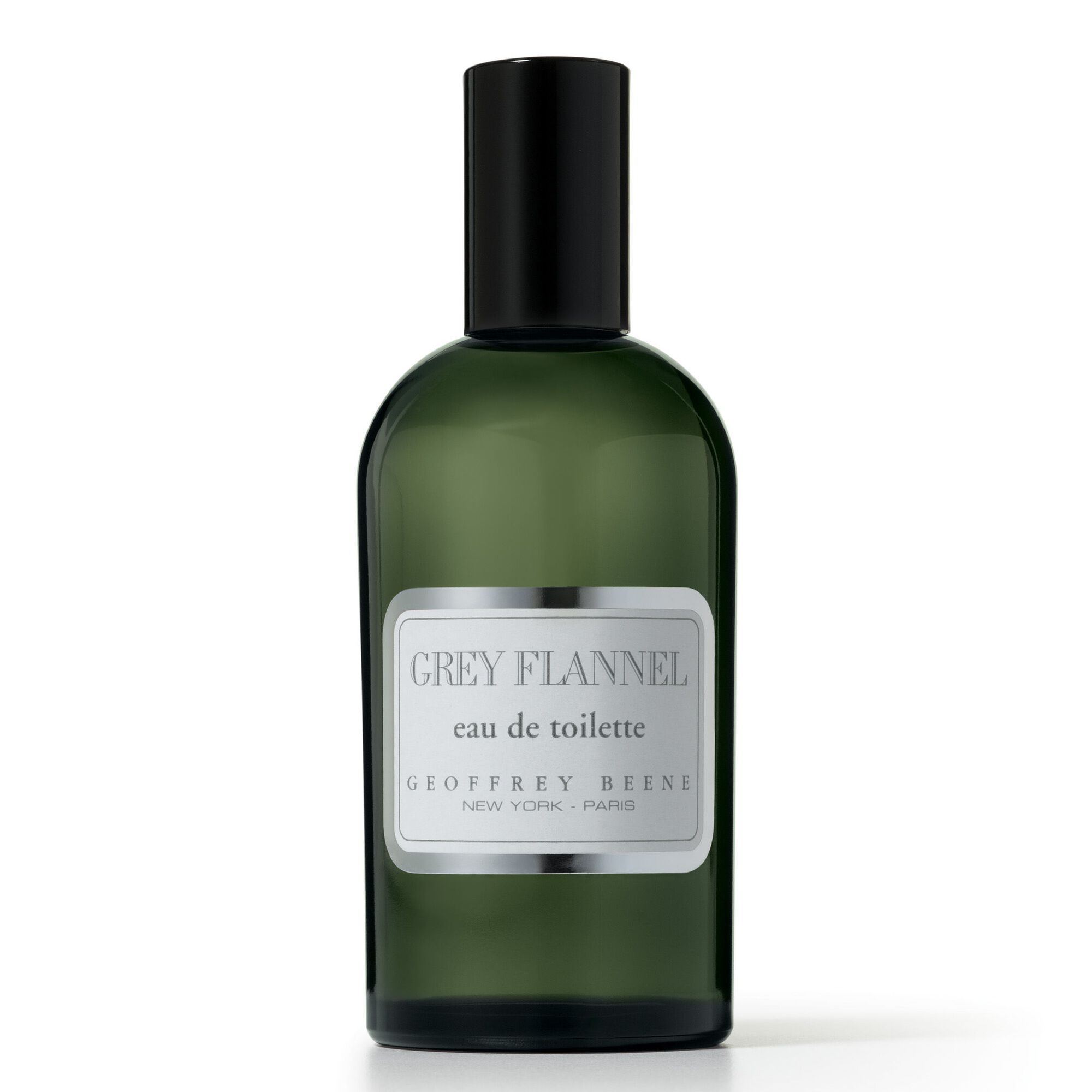 Geoffrey BeeneGrey Flannelfrom 39,50 €
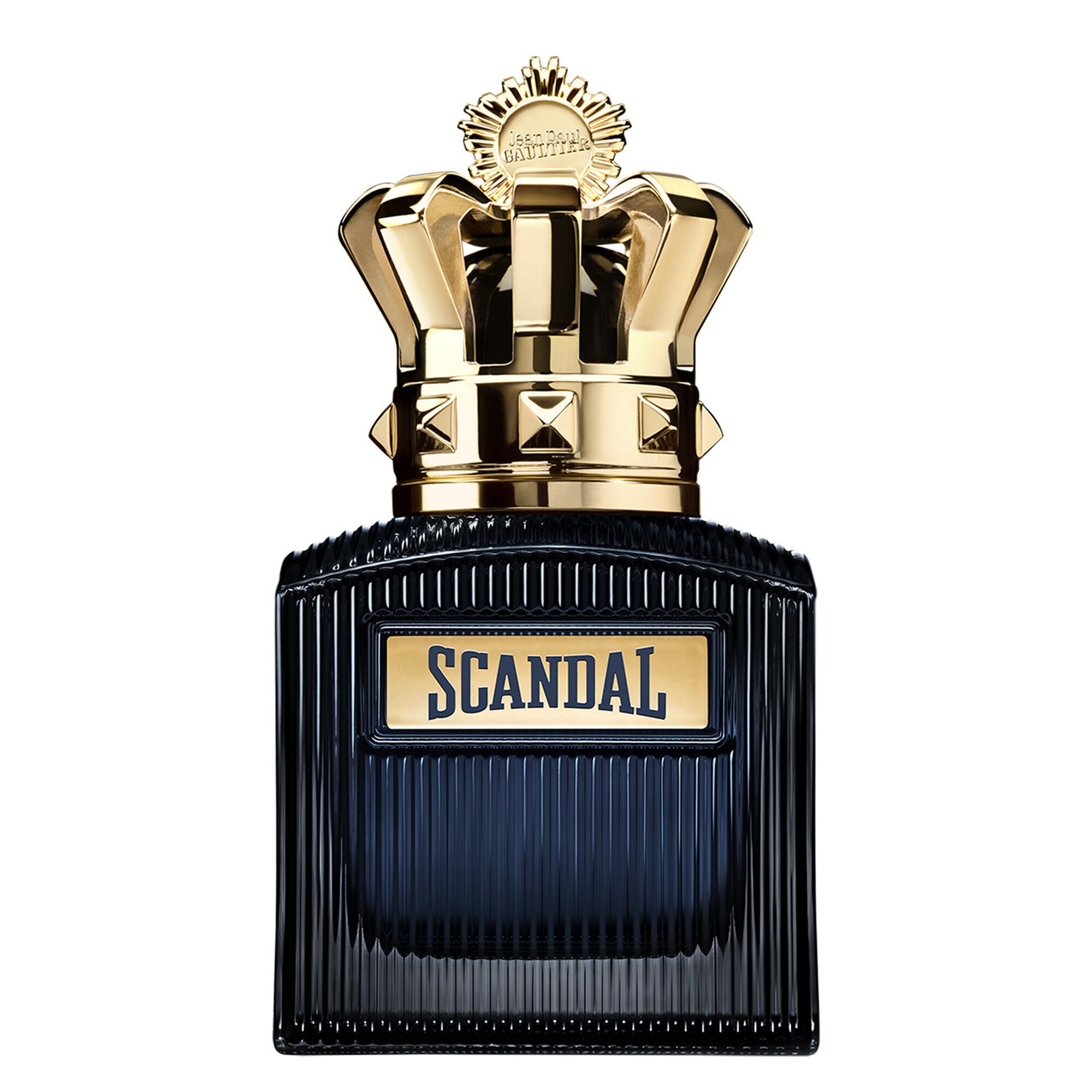 Jean Paul GaultierScandal Pour Homme Intensefrom 68,50 €DIORSauvagefrom 66,50 €AzzaroChromefrom 31,50 €MontblancExplorerfrom 35,00 €Guy LarocheDrakkar Noirfrom 27,50 €DIORSauvage Elixirfrom 139,50 €Issey MiyakeLe Sel D'Isseyfrom 49,50 €HERMÈSTerre d'Hermèsfrom 53,50 €CliniqueHappyfrom 33,00 €Jean Paul GaultierLe Male Elixirfrom 74,00 €LaliqueEncre Noirefrom 53,00 €AzzaroAzzaro Pour Hommefrom 43,50 €Jean Paul GaultierLe Male Collector82,00 €Calvin KleinObsessionfrom 53,50 €Geoffrey BeeneGrey Flannelfrom 39,50 €Jean Paul GaultierScandal Pour Homme Intensefrom 68,50 €DIORSauvagefrom 66,50 €AzzaroChromefrom 31,50 €MontblancExplorerfrom 35,00 €Guy LarocheDrakkar Noirfrom 27,50 €DIORSauvage Elixirfrom 139,50 €Issey MiyakeLe Sel D'Isseyfrom 49,50 €HERMÈSTerre d'Hermèsfrom 53,50 €CliniqueHappyfrom 33,00 €Jean Paul GaultierLe Male Elixirfrom 74,00 €LaliqueEncre Noirefrom 53,00 €AzzaroAzzaro Pour Hommefrom 43,50 €Jean Paul GaultierLe Male Collector82,00 €Calvin KleinObsessionfrom 53,50 €Geoffrey BeeneGrey Flannelfrom 39,50 €Jean Paul GaultierScandal Pour Homme Intensefrom 68,50 €
At a Glance
- 1Sauvage — DIORfrom 66,50 €★ 4.8
- 2Chrome — Azzarofrom 31,50 €★ 4.7
- 3Explorer — Montblancfrom 35,00 €★ 4.6
- 4Drakkar Noir — Guy Larochefrom 27,50 €★ 5.0
- 5Sauvage Elixir — DIORfrom 139,50 €★ 5.0
- 6Le Sel D'Issey — Issey Miyakefrom 49,50 €★ 5.0
- 7Terre d'Hermès — HERMÈSfrom 53,50 €★ 4.9
- 8Happy — Cliniquefrom 33,00 €★ 4.8
- 9Le Male Elixir — Jean Paul Gaultierfrom 74,00 €★ 4.7
- 10Encre Noire — Laliquefrom 53,00 €★ 5.0
- 11Azzaro Pour Homme — Azzarofrom 43,50 €★ 4.7
- 12Le Male Collector — Jean Paul Gaultier82,00 €★ 4.9
- 13Obsession — Calvin Kleinfrom 53,50 €★ 4.4
- 14Grey Flannel — Geoffrey Beenefrom 39,50 €★ 4.8
- 15Scandal Pour Homme Intense — Jean Paul Gaultierfrom 68,50 €★ 5.0
DIOR
Sauvage
| Concentration | Eau de Toilette |
| Family | Aromatique Fougère |
Azzaro
Chrome
| Concentration | Eau de Toilette |
| Family | Hespéridé Aromatique |
I'll be honest: Chrome in a winter ranking might raise a few eyebrows. Its hesperidic signature — cedrat, bergamot, neroli — instinctively calls to mind spring rather than winter. But the base notes are there to counterbalance, and they do so admirably. The cardamom, sandalwood, and oakmoss lend this parfum an understated warmth, a texture that genuinely thickens in cold weather.
What I notice in the boutique is that this is often a 'transitional' parfum — men who don't want to dive into something too heavy in winter take to it easily. The sillage remains subtle, the overall effect is reassuring. A safe choice for someone seeking warmth without excess.
Montblanc
Explorer
| Concentration | Eau de Parfum |
| Family | Boisé Aromatique |
What I love about this Explorer is the intelligence of its construction. On the surface, it plays the classic aromatic card — bergamot, pink pepper, clary sage — but that woody base note is truly crafted. The Haitian vetiver brings an earthy roughness, the Akigalawood an almost smoky dryness, and the cacao pod — a detail few people notice — delivers a soft roundness that emerges precisely when the cold sets in.
Personally, I find it one of the most characterful parfums in this price range during winter. My clients looking for something woody and adventurous, without veering into heavy oriental territory, find exactly what they're after here. The leather at the heart note adds that depth one expects when wrapped up in a coat. An Eau de Parfum that delivers on longevity — which isn't always the case in this category.
Perfumery and winter: why the season transforms your relationship with fragrance
Winter profoundly changes the way a fragrance behaves on the skin and in the surrounding air. Low temperatures slow the evaporation of odour molecules, which tends to mute light, volatile notes while showcasing denser, resinous and woody materials. Where summer heat quickly projects and amplifies a citrus or aquatic accord, December cold forces a composition to work differently: it draws closer to the skin, blends into it, and reveals its facets gradually.
This physical phenomenon has direct consequences for the choice of flacon. In winter, skin is often drier, which further reduces the grip of volatile notes. The aromatic fougère, spicy woody and oriental families generally offer better longevity, more generous projection and an olfactory presence that withstands the cold without evaporating within minutes. This ranking is built from real sales recorded on Tendance Parfums during the autumn and winter months, combined with customer satisfaction ratings and the olfactory relevance of each composition to the cold season.
The notes and families that work in winter
Woody families — whether aromatic, spicy or in their wintry aquatic form — form the backbone of cold-season fragrances. Vetiver, cedar, sandalwood and patchouli create warm, long-lasting base notes that suit frosty mornings and evenings indoors perfectly. These raw materials have the particularity of expressing themselves fully at low temperatures, their molecular density holding firm where a citrus accord would dissipate within minutes.
Oriental families also come into their own thanks to their vanilla, amber and musky accords and their spicy touches — cinnamon, cardamom, nutmeg, benzoin. These base notes create an enveloping sillage that naturally suits winter's heavy textures, from wool coats to scarves. Aromatic fougères, meanwhile, bring a fresh-spicy structure that balances the whole, avoiding the pitfall of a composition too heavy to be worn on a daily basis.
The winter 2026 selection
Sauvage (Dior) takes first place in this ranking with a consistency that is anything but accidental. The aromatic fougère composition opens on a vivid Calabrian bergamot and chilli, before revealing a dense heart note built around Sichuan pepper, lavender, vetiver and patchouli. In the base note, ambroxan signs a warm, long-lasting trail reinforced by cedar and labdanum. In winter, this amber base note and this spicy-woody structure unfold with remarkable amplitude, the cold slowing the evaporation of the top notes and letting the heart note settle durably on the skin.
Chrome (Azzaro) takes second place with a more unexpected profile for a winter selection. Its Citrus aromatic family is nonetheless anchored in generous woody base notes — sandalwood, cedar, tonka bean, cardamom — which give it appreciable warmth as temperatures drop. The opening notes of cedrat, bergamot and neroli bring a controlled freshness, while the oakmoss in the heart note and base note establishes an earthy depth typical of winter fragrances. At its price point, Chrome represents an accessible entry into seasonal perfumery without compromising on olfactory quality.
The Coffret Parfum (Armani) gift set takes third place in this ranking. This item benefits from strong sales momentum during the winter season, driven in particular by its gift appeal, which makes it a sought-after choice from the first cold snaps of autumn right through to the festive season.
Explorer (Montblanc) comes in fourth place with a woody aromatic composition particularly suited to the cold months. Bergamot and pink pepper in the opening quickly give way to a heart note of Haitian vetiver and leather of great depth. In the base note, Akigalawood, Indonesian patchouli and cacao pod create an earthy, gourmand accord that resonates perfectly with the winter atmosphere. Ambroxan, finally, brings that characteristic animalic warmth that cold tends to enhance rather than diminish.
Terre d'Hermès (Hermès) settles into fifth place with an elegance that devotees of this house will recognise immediately. The spicy woody family is built here around a singular feature: the flint note, that dry, mineral accord invented by Jean-Claude Ellena which gives the composition a particular austerity. Pepper in the heart note and pelargonium enhance this mineral facet, while vetiver, cedar and benzoin in the base note establish a solid, lightly smoky foundation that performs admirably in cold weather.
Drakkar Noir (Guy Laroche) takes sixth place and represents one of the most complete aromatic fougères in this ranking. Its fragrance pyramid is almost baroque in its richness: lavender, cedrat, bergamot, rosemary, mint and basil in the top notes; juniper, cinnamon, coriander and wormwood in the heart note; then a base note dominated by oakmoss, fir, leather, vetiver, patchouli and amber. This dense, resinous edifice is built for winter nights — its longevity on fabric as well as on skin is remarkable, and its woody-green sillage finds a particular resonance in cold air.
Azzaro Pour Homme (Azzaro) takes seventh place with a classic aromatic fougère that deserves rediscovery in the cold season. The lavender-caraway-basil accord of the opening is characteristic of an era when men's fragrances were not afraid of fresh grass and aromatic herbs. The base note — oakmoss, leather, amber, musk and tonka bean — anchors the composition in a soft woody warmth that fully expresses itself once the skin is warmed under a scarf or roll-neck jumper.
Sauvage Elixir (Dior) arrives in eighth place in a Parfum concentration that makes it one of the most intense choices in this selection. Nutmeg, cinnamon and cardamom in the opening immediately set the scene for a wintry spicy accord. The lavender in the heart note balances this density before the base note — liquorice, sandalwood, amber, patchouli and Haitian vetiver — takes over entirely with longevity lasting several hours. In freezing weather, this concentration proves an obvious choice: less product on the skin, more presence in the air.
Le Sel d'Issey (Issey Miyake) takes ninth place with a woody aquatic profile that contrasts with the rest of the selection. Sea salt and ginger in the top notes establish an iodised marine freshness, relayed by seaweed and a beautifully crisp vetiver in the heart note. The cedar and oakmoss base note brings the woody depth needed to stop the composition evaporating at the first gust of wind. For those who find oriental accords too heavy in winter, Le Sel d'Issey offers a fresh yet structured alternative.
Le Male Elixir (Jean Paul Gaultier) takes tenth place with an oriental fougère composition of unapologetic richness. Lavender and mint in the top notes create a fresh opening immediately followed by a vanilla-benzoin accord of almost gourmand softness. The honey, tonka bean and tobacco base note makes this Parfum — note the maximum concentration — an evening choice more than a daytime one, particularly suited to the heated interiors of the festive season.
Le Male Collector (Jean Paul Gaultier) takes eleventh place with a slightly different interpretation of the house's signature. Armoise, cardamom and lavender in the top notes give a more spicy-green character, before cinnamon and orange blossom in the heart note bring an oriental softness. The vanilla-sandalwood-amber-tonka bean base joins its predecessor's family while sitting in a slightly less dense register, making it a somewhat more versatile winter choice for everyday wear.
Encre Noire (Lalique) takes twelfth place with a woody aromatic composition of particular austerity. Cypress as a top note stands almost alone, leaving the vetiver in the heart note free rein — one of the most radical uses of this material in contemporary perfumery. Cashmerewood and musk in the base note wrap this earthy, smoky accord in a discreet softness. Encre Noire is a winter fragrance for those who prefer mineral depth to sweet or spicy accords.
Obsession (Calvin Klein) takes thirteenth place with an oriental woody fragrance with 1980s overtones that finds genuine relevance again in 2026. The pyramid is generous: cinnamon, lavender, coriander and citrus in the top notes; myrrh, nutmeg and jasmine in the heart note; amber, vanilla, sandalwood, musk and patchouli in the base note. This dense, warm architecture makes it a cold-season fragrance with a powerful sillage, to be used sparingly given how ample the projection is.
Scandal Pour Homme Intense (Jean Paul Gaultier) arrives in fourteenth place with an Eau de Parfum Intense concentration that reinforces the wintry facets of the composition. Clary sage in the top notes brings a slightly camphoraceous aromatic-herbaceous note, vetiver in the heart note delivers its usual earthy depth, and leather in the base note gives the whole a dark, resolutely masculine character. This economy of notes paradoxically produces an appreciable effect of olfactory concentration.
Pour Homme (Rabanne) closes this ranking in fifteenth place. This historic reference from the house of Rabanne enjoys lasting recognition among devotees of classic men's perfumery and naturally finds its place in a winter selection.
Application tips for winter
Cold not only changes how fragrances perform but also the optimal way to apply them. Pulse points — wrists, neck, inner elbow, nape of the neck — remain the preferred application areas, but in winter it is also worth considering applying fragrance to the chest, under clothing. Body warmth then diffuses the fragrance continuously, creating an intimate sillage that reveals itself throughout the day.
The quantity applied should be adapted to the concentration of the chosen juice. A Parfum or an Eau de Parfum Intense such as Sauvage Elixir or Le Male Elixir does not call for the same dosage as a light Eau de Toilette: two to three sprays are amply sufficient for a long-lasting presence. Eaux de Toilette from woody or fougère families, on the other hand, can withstand a more generous application, particularly if intended to accompany a long evening outdoors. Storage is also a point not to be overlooked: fragrances deteriorate when exposed to light and significant temperature fluctuations, so they should be kept away from the dry heat of radiators and the extreme cold of cars in winter.
An 80s classic that hasn't aged a day in olfactory terms — provided you're drawn to this style. Cinnamon, juniper, oakmoss, pine... this is a forest-fresh, spicy parfum that quite literally smells of winter in the woods. I recommend it to fragrance enthusiasts who embrace their vintage, full-bodied side — those who know that fashion isn't their primary compass. With only 3 reviews, it's difficult to gauge current popularity, but those who wear it never let it go.
Honestly, this is the most atypical choice in this ranking. Sea salt, seaweed, vetiver, cedarwood — it's an aquatic, woody signature that leans far more towards mineral freshness than the spicy warmth one might expect in winter. I recommend it to men who want to stand apart from the season's heavy orientals — those who find the usual winter parfums stifling. It's not the obvious choice, but that's precisely what makes it interesting here.
Cypress, vetiver, Cashmerewood, musk — that's all, and it's enough. This radical minimalism produces something hypnotic, very dark and smoky that suits the grey days of January perfectly. Personally, I consider it one of the finest expressions of vetiver in men's perfumery at this price point. Not many people know it yet — it's exactly the kind of discovery one makes in a boutique.
A pillar of the classic aromatic fougère, with a depth in the base notes that earns its place here. The amber, tonka bean, oakmoss, and that subtle leather make this a parfum that grows denser in cold weather — the lavender at the top remains light, then the base notes take over with genuine warmth. I often see it chosen by men who grew up with this parfum, or who are deliberately seeking an assertive, old-school masculine style. It's not for everyone, but those who love it truly adore it.
The collector's edition adds a few extra layers to the Le Male signature — cardamom, armoise, cinnamon — making it a spicier, more wintry version of the original formula. The tonka bean and vanilla in the base notes maintain that warm, comforting character so typical of the house. I recommend it to fans of the original parfum who are looking for something slightly more intense for the colder season. The customer rating is high, but the number of reviews remains low — worth bearing in mind.
Three notes, not one more: clary sage, vetiver, leather. It's almost provocatively austere, and it works. The leather in the base notes is clean, dry, never heavy — a winter leather, if one can say such a thing. I recommend it to men who have grown tired of overloaded compositions and want something structured, almost architectural. The sillage is contained, which may disappoint those seeking projection — but the quality of its presence on the skin is very real.
Also explore
Frequently asked questions
Some compositions assert themselves in winter not because they were created for it, but because the cold acts on odour molecules in a very particular way — it slows their evaporation and amplifies the base notes. A parfum built around ambroxan, vetiver, or sandalwood will take on an entirely different dimension in December. It is this criterion of behaviour in cold weather that guided my selection, beyond simple fragrance families.
These are three very distinct registers: the first plays the fresh aromatic card amplified by ambroxan, the second offers an understated, hesperidic warmth for those who dislike heavy fragrances, and the third stands out with a woody, earthy structure full of character. The choice truly depends on what you are looking for: projection, subtlety, or woody depth.
Intensity is relative to how one applies them — in winter, two sprays are more than sufficient, as the cold keeps the odour molecules close to the skin without dispersing them too quickly. It is precisely the gourmand and oriental parfums that work best in winter: they bring that comforting olfactory warmth one seeks during the cold season. The mistake to avoid is spraying as liberally as in summer.
It all depends on the concentration and the choice of notes. An Eau de toilette based on an aromatic fougère, such as number one or Drakkar Noir, will remain perfectly acceptable during a working day — the sillage is present without being overpowering. On the other hand, extrait de parfum concentrations such as Sauvage Elixir or Le Male Elixir are truly designed for the evening: their projection in an enclosed space can be strong. I generally advise keeping the densest formulas for after 7 pm.
It's not a myth, but neither is it an absolute obligation. The chemical reality is straightforward: heavy notes — amber, resins, smoky woods — express themselves better in cold weather, whilst hesperidic and floral notes evaporate too quickly in winter to truly make their presence felt. Changing parfum with the seasons is simply a matter of ensuring that what you wear expresses itself properly on your skin in your current environment.
Woody parfums — vetiver, cedarwood, patchouli above all — deliver a dry, earthy, sometimes smoky warmth. Orientals lean more towards softness: vanilla, resins, honey, tonka bean — it's warm, but in a sweeter, more enveloping register. For winter, both work well, but they suit different moods: woody for something understated and assertive, oriental for a cocooning, sensual feel.
I'm not particularly fond of age rules in perfumery — a parfum should suit a character, not a date of birth. That said, I observe in the boutique that gourmand parfums such as A*Men or Le Male Elixir tend to attract those in their 20s to mid-30s, whilst classics such as Azzaro Pour Homme or Terre d'Hermès are often chosen by men who already have an established relationship with perfumery. Sauvage, meanwhile, truly crosses all generations — that is its somewhat universal quality.
Selection curated by Gaëlle · Fragrance consultant for 12 years
Updated: September 2026