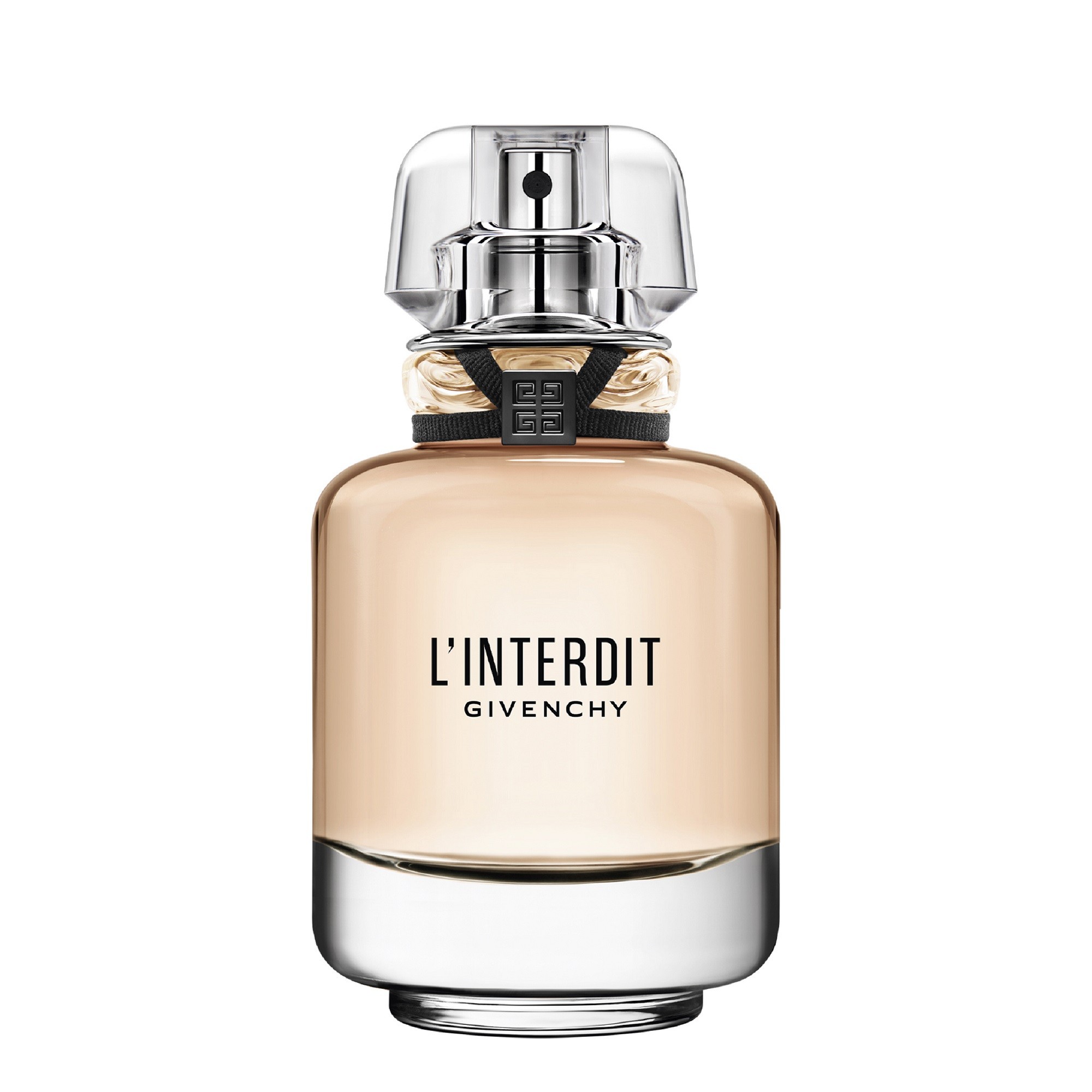
Perfume for women 60 years old: an olfactory signature and confident maturity
Which fragrance families and perfumes suit women in their 60s? Iris, chypre, spicy oriental: a well-argued, cliché-free selection.
At 60, perfume as personal territory
There comes a moment in life when perfume stops being a matter of trend and becomes a matter of identity. That moment often arrives around one's sixties, when years of olfactory experience have refined the taste, clarified desires and rendered hesitation obsolete. The woman of 60 choosing a perfume generally knows what she is looking for: a composition that resembles her, that lasts, and that does not give in to fleeting fashion effects.
This settled relationship with perfumery does not mean settling for conventional choices. Quite the opposite: olfactory maturity often opens the door to more complex, more ambitious families that one would not have dared approach at twenty or thirty. Orris root, oakmoss, incense, deep vetiver: these materials come fully into their own when worn on skin that has learned to give them space.
The development of olfactory taste at this stage of life
The perception of scent transforms throughout life, under the combined effect of accumulated sensory experience and hormonal changes. Around one's sixties, the skin tends to become drier, which alters the way a perfume develops: the top notes sometimes evaporate more quickly, while the resinous, woody base notes express themselves with greater amplitude. This phenomenon invites us to look differently at concentrations and fragrance families.
At the same time, one's relationship with perfume becomes more demanding. Compositions that are too sweet, too smooth or too linear can seem insufficient. One seeks a certain depth, a recognisable structure, a sillage that says something. It is also often at this stage that women dare to assert an olfactory signature rather than multiplying interchangeable bottles.
Fragrance families suited to this stage of life
The chypre and woody families naturally stand out as favoured territories. Structured around complex accords — oakmoss, patchouli, vetiver, cedar — they offer the longevity and depth that suit the search for a long-lasting signature. Chypre in particular, with its classic tripartite architecture of bergamot, rose and oakmoss, embodies a form of timeless elegance that has nothing to envy in current trends.
The spicy oriental family also deserves particular attention. Far from the sweet, heavy orientals sometimes wrongly associated with this register, the great spicy compositions play on striking contrasts: the warmth of amber and incense tempered by floral or fruity notes, the richness of labdanum balanced by the vibrancy of coriander. These perfumes have character, longevity, and a presence that is fully embraced. Refined citrus fragrances, meanwhile, offer a luminous alternative for women who prefer lightness to density, provided one chooses compositions that go beyond simple citrus freshness to offer a genuine base note structure.
Selection for everyday wear
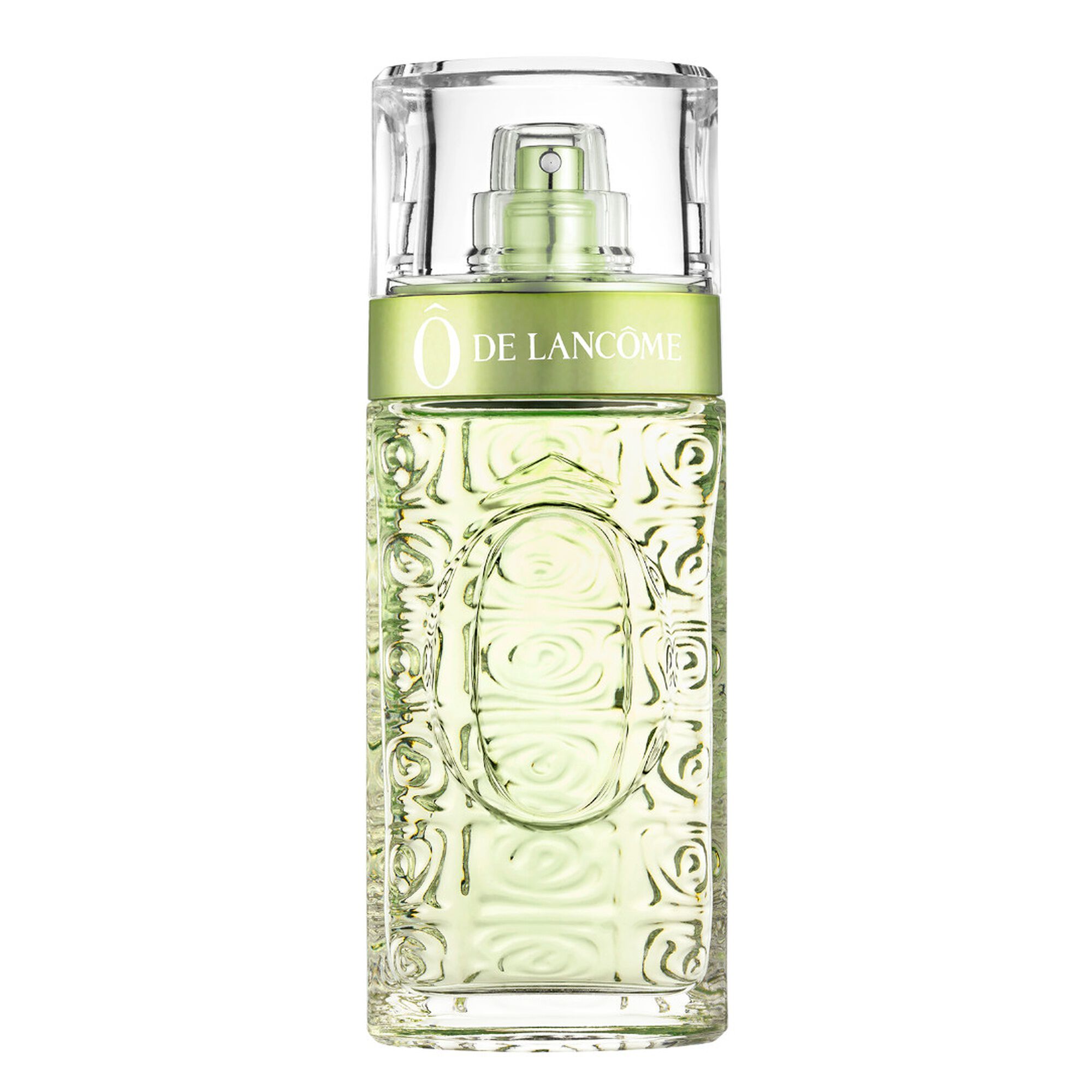
For everyday use, the key lies in the balance between presence and comfort — a perfume that wears easily without becoming tiresome, yet remains perceptible throughout the day. L'Ô de Lancôme (Lancôme) admirably fits this brief. A Citrus fragrance built around a citron-bergamot-honeysuckle accord in the top notes, it develops into an aromatic heart note of basil, rosemary and coriander before settling into a warm base note of oakmoss, vetiver and sandalwood. This unexpected depth for a Citrus fragrance makes it an everyday choice that never lacks character.
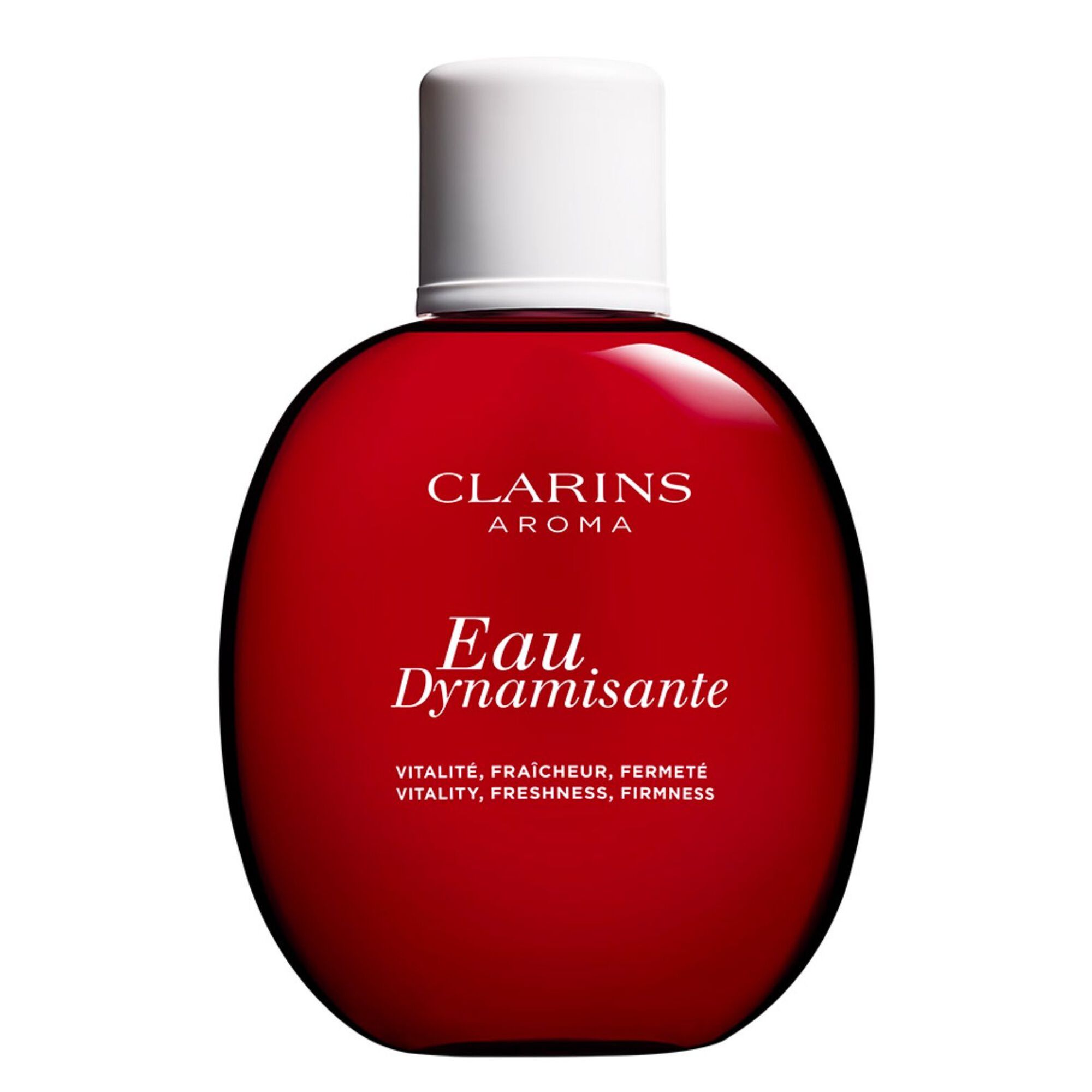
Eau Dynamisante (Clarins) occupies a special place in perfumery: formally classified as a chypre, it unfolds an aromatic-spicy composition around Amalfi lemon, coriander, caraway and rosemary, with a patchouli base note that gives it a discreet yet present woody anchor. Its lightness makes it an ideal companion for active mornings and days when one wishes to stay fresh without giving up complexity.
Barénia (Hermès) stands out as a chypre of restrained elegance. Built on a luminous bergamot in the top notes, a heart note of white lily with ginger of great floral finesse, and a deep base note of patchouli, Akigalawood and oak, this perfume embodies exactly that settled relationship with elegance so often sought at this stage of life. Its subtlety is deliberate, never timid.
Mon Parfum (Paloma Picasso) represents, for its part, a floral chypre of great longevity. The rose-angelica-bergamot opening gradually gives way to a jasmine-mimosa-coriander heart note, before the base note reveals its full richness: oakmoss, iris, patchouli, honey and sandalwood intertwine to form a long-lasting, complex signature. This is a perfume that needs time to reveal itself fully — which is precisely its appeal.
Selection for special occasions
Special moments call for more assertive compositions, perfumes that leave a lasting impression and whose presence is fully embraced. L'Eau des Merveilles (Hermès) falls into this category with real originality. An amber woody fragrance, this composition opens on an orange-elemi resin-citron triad before unfolding a peppery, ambery, violet heart note of unexpected sensuality. The base note, rich in Madagascar Vetiver, oakmoss, benzoin and fir, gives it an absolutely singular forest-like, resinous depth. This is a perfume that gets people talking without ever forcing the point.
Opium (Yves Saint Laurent) is one of the great spicy orientals of the twentieth century, and its complex formula deserves rediscovery in light of olfactory maturity. The opening of clove, pepper, coriander, plum and bergamot is immediately rich, while the carnation-cinnamon-orris root-rose heart note unfolds with confident generosity. The base note, where incense, myrrh, labdanum, amber, vetiver and cedar melt into a warm, deep accord, is remarkably complex. This is not a perfume for ordinary occasions: it accompanies elegant dinners, theatre outings, evenings that deserve an olfactory presence to match.
Aqua Allegoria Orange Soleia (Guerlain) offers a luminous alternative for summer occasions or daytime events. Blood orange, bergamot and Peruvian pepper in the top notes, petitgrain and mint in the heart note, musk and tonka bean in the base note: this Citrus composition plays on vibrancy and warmth simultaneously. The tonka bean lends it a roundness that keeps the whole from seeming too light for a dressed-up occasion.
For truly festive moments, a great spicy oriental from a Parisian fashion house — whose formula plays on Bulgarian Rose, coriander, cloves and a base note of amber, sandalwood, opoponax and tonka bean — stands as an absolute reference in this register. Its floral-spicy richness and velvety texture make it an exceptional choice for occasions that deserve it.
Practical advice: application, dosage and context
Dry skin, more common from one's fifties onwards, retains volatile materials less well and can dry out certain perfumes further. Applying perfume to slightly moisturised skin — after a neutral or unscented cream — noticeably extends longevity and preserves the fidelity of the fragrance pyramid. Pulse points remain the preferred areas for application: the inside of the wrists, the inner elbow, the décolletage, behind the ears.
For perfumes in the oriental or woody family, moderate application is more than enough: two to three touches at most for everyday wear, as these compositions naturally have an assertive sillage and great longevity. Citrus fragrances and light chypres can be applied a little more generously, particularly on clothing — especially natural fibres such as wool or cotton — which capture the aromatic molecules and extend diffusion throughout the day. Avoid delicate synthetic fabrics, on which certain alcohols may leave marks.
For women who have worn the same perfume for many years, a phenomenon of olfactory fatigue can create the impression that the sillage has become invisible. In this case, it is best to ask for an outside opinion before increasing the dose: those around us often perceive very clearly what a habituated nose no longer picks up. Alternating between two or three perfumes during the week also helps maintain olfactory sensitivity and rediscover each one with fresh eyes.