
Long-Lasting Perfume
Long-lasting perfume: concentration, fragrance family, skin type… Discover every factor that affects longevity and how to choose well.
What do we really mean by a long-lasting perfume?
A long-lasting perfume is one that persists on the skin for several hours without fading, thanks to its concentration of fragrant materials and the nature of its ingredients. Longevity covers two distinct dimensions: how long the fragrance lingers on the skin, and the sillage — that is, the olfactory trail left in the air around you. A perfume can be long-lasting without developing a powerful sillage — and vice versa.
Longevity depends on several factors that combine together: the concentration of fragrant raw materials, the nature of the notes used by the perfumer, the wearer's skin type, and the way the perfume is applied. Understanding these factors allows you to make an informed choice rather than relying solely on the promise made on a product page.
Concentration: the first criterion for longevity
This is the most concrete starting point. Concentration refers to the proportion of essential oils and fragrant concentrate in the flacon. The higher it is, the denser the parfum, and — all else being equal — the longer its longevity will be.
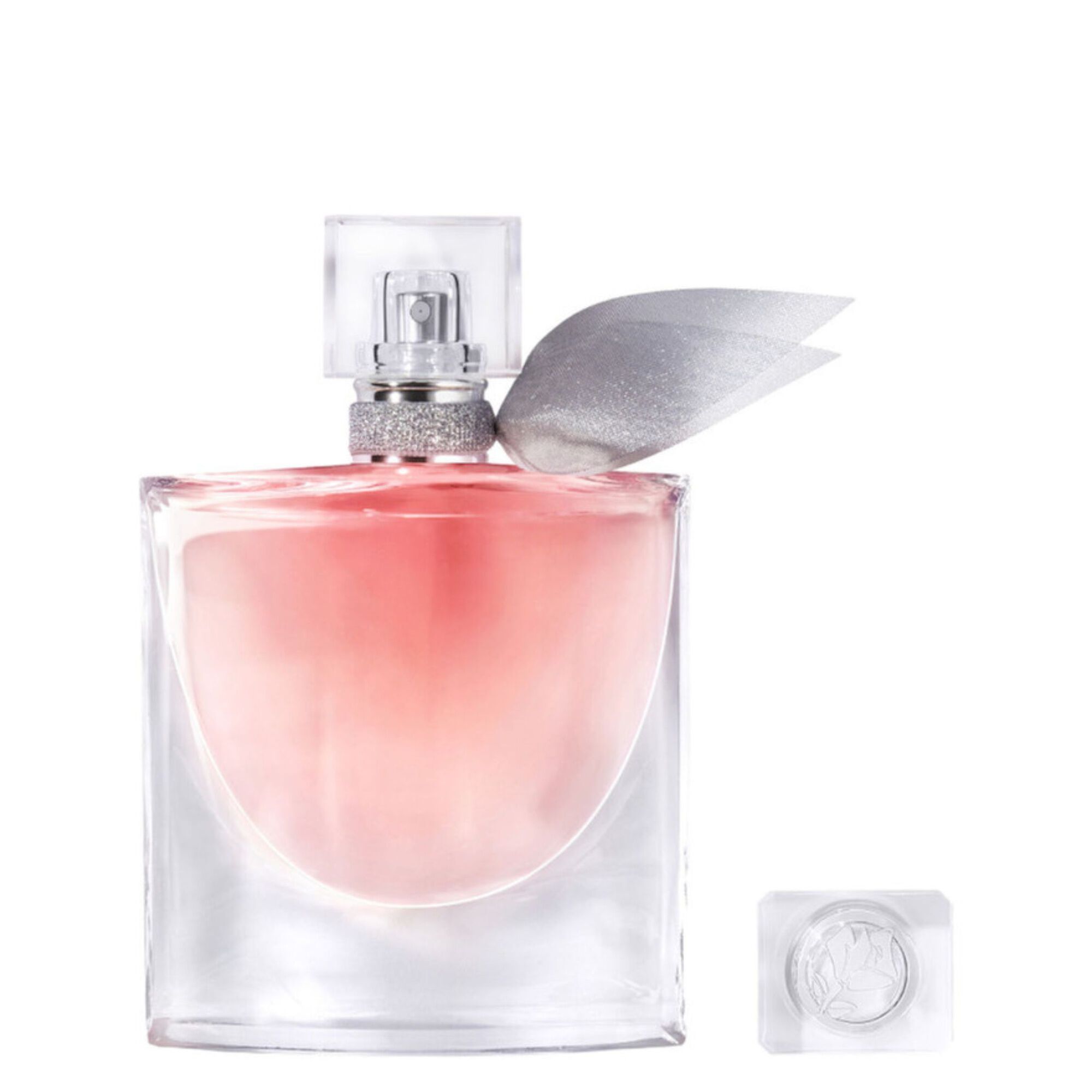
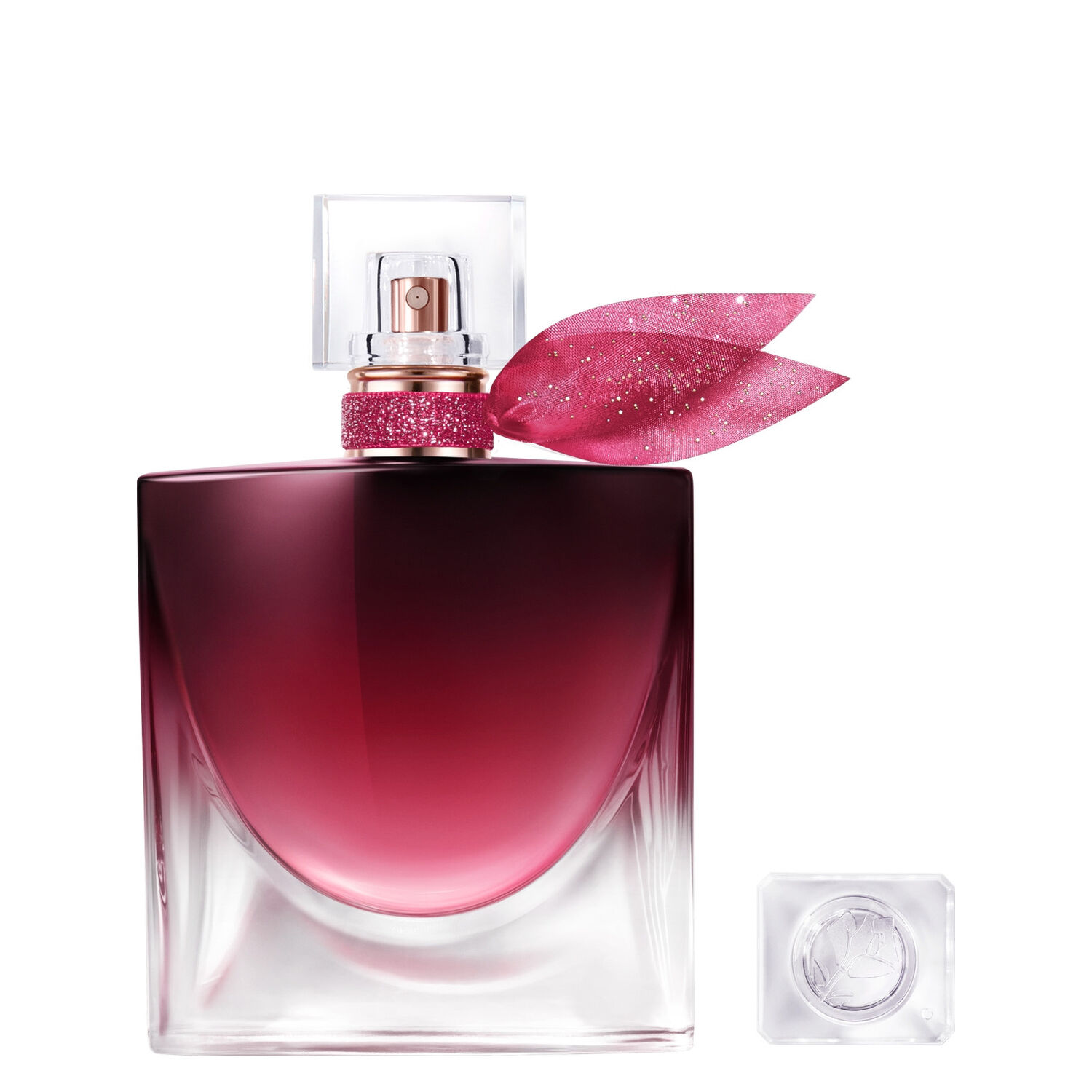
The eau de parfum represents a good balance between intensity and ease of wear. With a concentration generally between 15 and 20%, it offers 5 to 8 hours of longevity for most formulas. It's the concentration favoured by many houses for their signature juices. Black Opium (Yves Saint Laurent) or La Vie est Belle (Lancôme) are representative examples: eaux de parfum with impressive longevity, built on woody and gourmand base notes that cling well to the skin.
Above that, the extrait de parfum — or pure parfum — offers maximum longevity, sometimes beyond 10 hours. The eau de toilette, on the other hand, being lighter, is better suited to everyday or summer wear without any particular demand for longevity.
Base notes: the foundation of longevity
The structure of a perfume is built around three families of notes — top, heart and base — which unfold successively on the skin. It is the base notes that largely determine a perfume's overall longevity. They are made up of molecules with a high molecular weight, which evaporate slowly and can remain perceptible several hours after application.
Among the most long-lasting materials are musk, sandalwood, vetiver, patchouli, amber, vanilla and resins such as labdanum or benzoin. A parfum built on a base rich in these ingredients will naturally have better longevity than a juice with a light floral or citrus dominant note.
Irresistible Nectar (Givenchy) illustrates this principle well: its deep amber and floral base note gives it a long-lasting presence on the skin. Similarly, Kenzo Homme (Kenzo) relies on marine woody notes that ensure a long-lasting olfactory imprint. Flower Le Rouge (Kenzo), with its rose and wood accents, or the intense floral character of Flower By Kenzo (Kenzo), offer comfortable longevity thanks to their well-anchored base notes.
Oriental, woody and chypre fragrance families are known for their longevity. Light floral or aquatic families evaporate more quickly, even at an equal concentration.
Skin: an often underestimated factor
Skin chemistry plays a considerable role in how a perfume lasts. Oily or well-hydrated skin retains odour molecules far longer than dry skin, which absorbs the parfum quickly without giving it time to develop.
If your skin is naturally dry, a few simple steps can improve longevity: apply a neutral moisturising cream before spraying the parfum, or opt for a lightly fragranced body oil that creates a protective film. This is known as the layering technique — layering to enhance longevity.
Body warmth also plays a part. Pulse points — wrists, inner elbow, nape of the neck, behind the knees — gently release warmth and help the parfum develop and rise. Spraying on these areas is therefore a sound practice, provided you don't rub after application, as this breaks down the molecules and speeds up evaporation.
How to maximise longevity day to day
Beyond choosing the right flacon, a few habits make a real difference. Spraying the parfum just after a shower, on clean, slightly damp skin, allows for better absorption. Applying from a distance of 15 to 20 centimetres avoids excessive concentration on one small area and encourages a more even diffusion.
How the parfum is stored also indirectly affects its performance: a juice that is poorly stored — exposed to light, heat or air — degrades faster and loses longevity. Take a look at our guide on storing perfume to avoid these common mistakes.
Finally, the quantity applied cannot make up for a lack of intrinsic longevity. Spraying a light parfum more often won't give it the depth of a juice rich in base notes. It's better to choose a formula suited to your expectations from the outset.
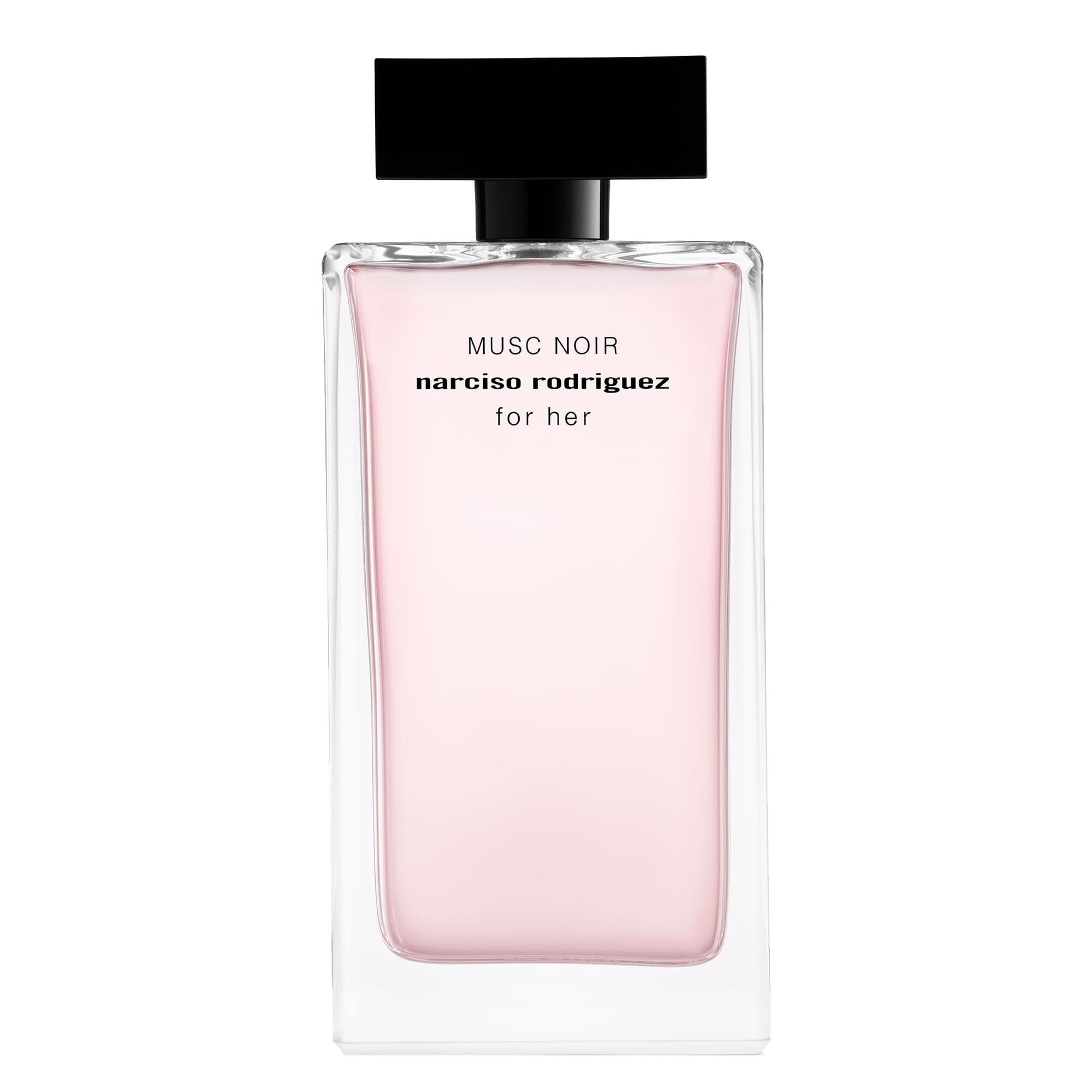
For those seeking a long-lasting perfume for long days or important occasions, Gentleman Society Sport (Givenchy) in eau de parfum offers a woody, aromatic signature with good longevity. The For Her (Narciso Rodriguez) gift set is built around a complex musk renowned for its remarkable longevity and its subtle yet long-lasting sillage.
To explore all the criteria that define a quality perfume, discover our complete guide on longevity and sillage.
Frequently asked questions
Extraits de parfum (20-40% fragrant materials) and eaux de parfum (15-20%) offer the best longevity, generally 6 to 12 hours. Eaux de toilette (5-15%) last less long. The higher the concentration, the greater the initial projection and the longevity on the skin.
Base notes — woods, resins, musks, amber, patchouli, vanilla — are the most long-lasting because their molecules evaporate slowly. Top notes (citrus, herbs) fade within minutes. A parfum rich in base notes generally guarantees better longevity on the skin.
Applying parfum to warm areas (wrists, neck, inner elbow) after a shower, on hydrated or slightly oily skin, noticeably improves longevity. Dry skin holds onto odour molecules less well. Layering an unscented cream or body oil before application can extend the diffusion by several hours.