

Eau de Toilette or Eau de Parfum — Differences
Concentration, longevity, intensity: everything that sets eau de toilette apart from eau de parfum, with a comparison table and examples to help you choose.
The difference between an eau de toilette and an eau de parfum lies first and foremost in the concentration of fragrant essences: between 5 and 15% for eau de toilette (EDT), compared with 15 to 20% for eau de parfum (EDP). This gap has a direct effect on longevity, sillage intensity and the price of the flacon. Here is a full comparison to help you choose the format best suited to your needs.
Comparison table: eau de toilette vs eau de parfum
| Criterion | Eau de Toilette (EDT) | Eau de Parfum (EDP) |
|---|---|---|
| Concentration | 5 – 15% | 15 – 20% |
| Approximate longevity | 3 – 5 hours | 6 – 8 hours |
| Sillage intensity | Light to moderate | Moderate to assertive |
| Price for equal volume | Generally more affordable | Generally higher |
| Preferred use | Daily wear, warm season, office | Evenings, cold season, special occasions |
These figures are indicative: longevity varies according to skin type, body warmth and external conditions. Hydrated skin retains odour molecules better, regardless of concentration.
What concentration really changes when you apply it
An eau de toilette showcases the top notes — often fresh, citrusy or aromatic — which evaporate quickly. The sillage stays subtle and airy, which suits enclosed spaces or summer days well. The page on parfum concentrations places EDT and EDP within the full spectrum, from eau fraîche (1 – 3%) through to extrait de parfum.
An eau de parfum allows the heart notes and base notes to express themselves more fully. Projection is denser, and the olfactory signature is more long-lasting. This is not a question of superior quality: some compositions are designed specifically for the EDT format and lose their lightness in a more concentrated version.
Worth noting: an EDT and an EDP bearing the same name are not always identical formulas at different dosages. Perfumers sometimes adjust ingredient proportions so that each format is coherent with its concentration level.
Examples of eaux de toilette available
Eaux de toilette are particularly well suited to daily wear or to skin types sensitive to overly intense fragrances.
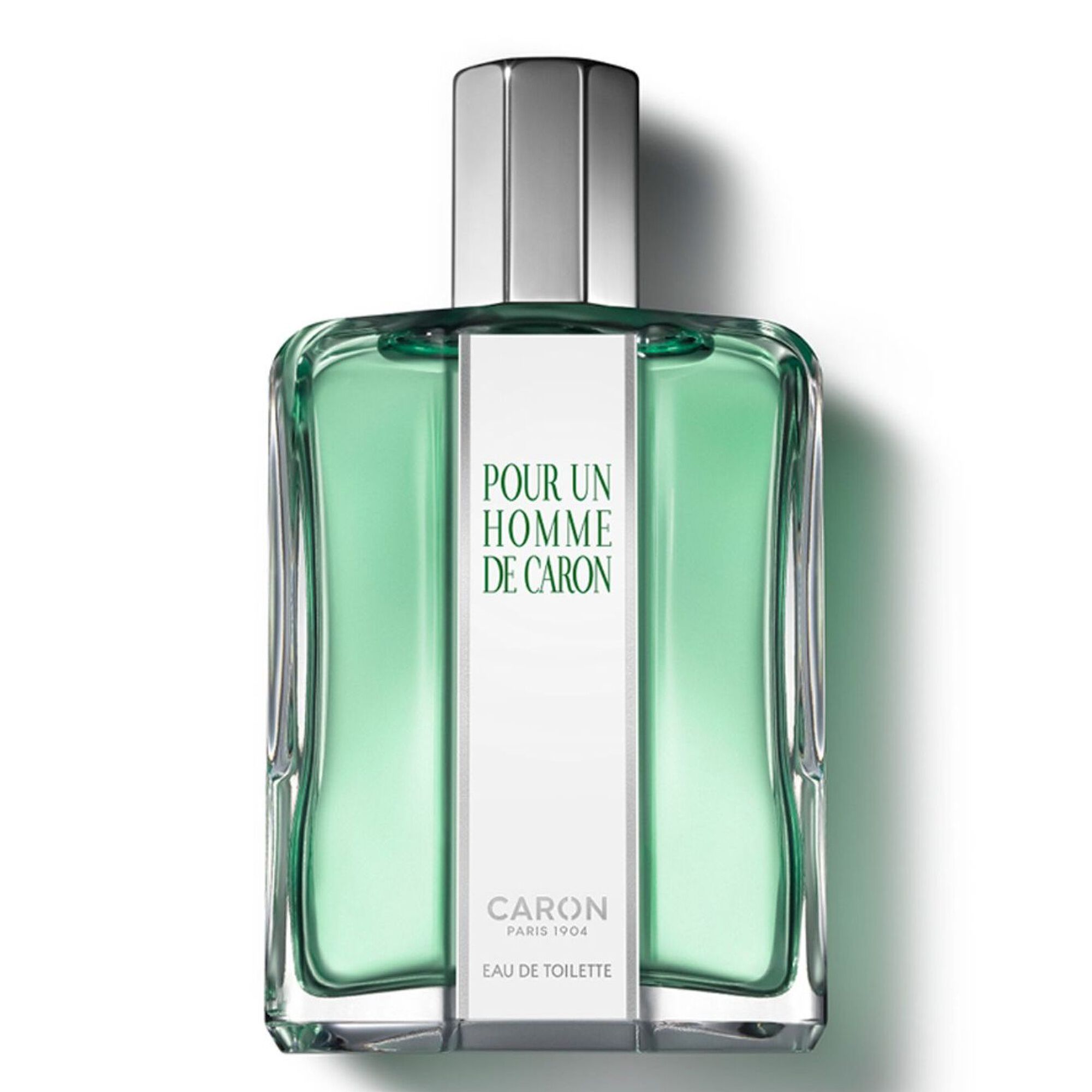
- Caron Pour un Homme de Caron Eau de Toilette — 92,00 EUR: a men's classic in an EDT format that preserves the lavender freshness of the composition.
- Rochas Eau de Rochas Pomelo Passion Eau de Toilette — 57,00 EUR: fruity, luminous notes, well suited to the toilette format.
- Berdoues Monoï & Tiaré Eau de Toilette — 8,50 EUR: an affordable option for discovering the EDT format without a significant commitment.
Examples of eaux de parfum available
Eaux de parfum come into their own when you're looking for 6 to 8 hours of longevity and a more present sillage.
- Mugler Angel Eau de Parfum — 95,50 EUR: a gourmand reference whose EDP concentration amplifies the depth of the base notes.
- Mugler A*Men Stellar Eau de Parfum pour Homme — 56,00 EUR: the EDP version brings increased longevity to this men's fragrance.
- Carolina Herrera Good Girl Jasmine Absolute Eau de Parfum — 57,50 EUR: the jasmine absolue expresses itself fully thanks to the eau de parfum concentration.
- Jean Paul Gaultier Gaultier Divine Couture Eau de Parfum — 52,00 EUR: an EDP designed for evenings and occasions that call for an assertive sillage.
- Lacoste L.12.12 Bleu Eau de Parfum — 35,50 EUR: an accessible entry into the EDP format for daily wear with more longevity than a classic EDT.
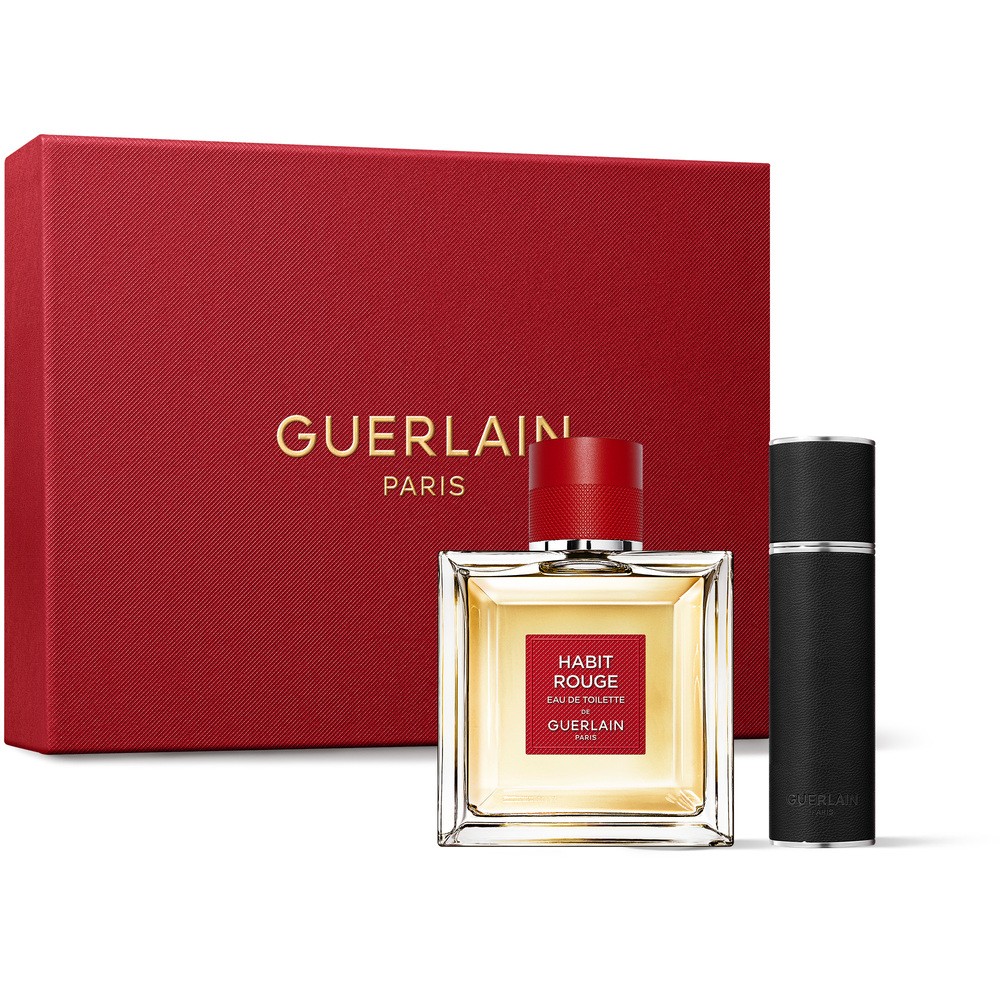
- Guerlain Insolence Eau de Parfum 75 ml + Travel Spray — 95,50 EUR: the gift set includes a travel spray, handy for topping up your fragrance on the go.
When to choose one or the other?
Choose an eau de toilette if you wear your parfum at the office, in warm weather, or if you prefer a light olfactory presence that you can reapply during the day. The EDT format is also a good choice for discovering a new fragrance at a lower cost.
Choose an eau de parfum for an evening out, the cold season, or if you'd rather not have to reapply your parfum several times. The 6 to 8-hour longevity suits long days with no chance to touch up.
If you're looking to go further still in terms of concentration, extrait de parfum offers longevity of 8 hours or more, with maximum intensity from the very first application.
Frequently asked questions
The difference lies in the concentration of essences: between 5 and 15% for eau de toilette, compared with 15 to 20% for eau de parfum. This results in shorter longevity for EDT (3 to 5 hours) and longer longevity for EDP (6 to 8 hours), along with a more subtle sillage for the former and a more assertive one for the latter.
No. The EDT format is often preferable in warm weather, at the office or for light daily wear. Some compositions are specifically designed for this format and lose their balance in a more concentrated version. The choice depends on the occasion, the season and personal preference for sillage intensity.
Yes, as long as you adjust the amount applied. One or two sprays are usually enough for a full day, thanks to the 6 to 8-hour longevity. Options such as Lacoste L.12.12 Bleu Eau de Parfum at 35,50 EUR make the EDP format accessible for daily wear without excessive spending.