
Men's Long-Lasting Parfum
A long-lasting men's parfum relies on three factors: concentration, base notes and application zones. Practical advice to help you choose wisely.
Why do some parfums last longer than others?
A men's parfum lasts longer thanks to a combination of three factors: a high concentration of fragrant materials, anchoring base notes — oud, amber, vetiver, cedar — and application on the body's pulse points. Concentration determines the raw longevity, but it is the materials themselves that decide whether the sillage remains perceptible two hours or twelve hours after spraying.
Concentration is the first criterion to understand. An eau de cologne contains between 2 and 5% fragrant materials, whereas a parfum (or extrait de parfum) can contain up to 30%. In between, eau de toilette and eau de parfum occupy the middle ground. For a man seeking longevity above all, eau de parfum often represents the right balance between longevity and projection. Extrait de parfum, meanwhile, offers maximum longevity but a more intimate sillage.
The olfactory composition plays an equally important role. Woody notes — cedar, sandalwood, vetiver, oud — are among the most long-lasting materials. Oriental and amber notes follow closely behind. Conversely, hesperidic notes (lemon, bergamot, grapefruit) are volatile by nature and disappear quickly, regardless of concentration.
The concentrations to favour for long-lasting wear
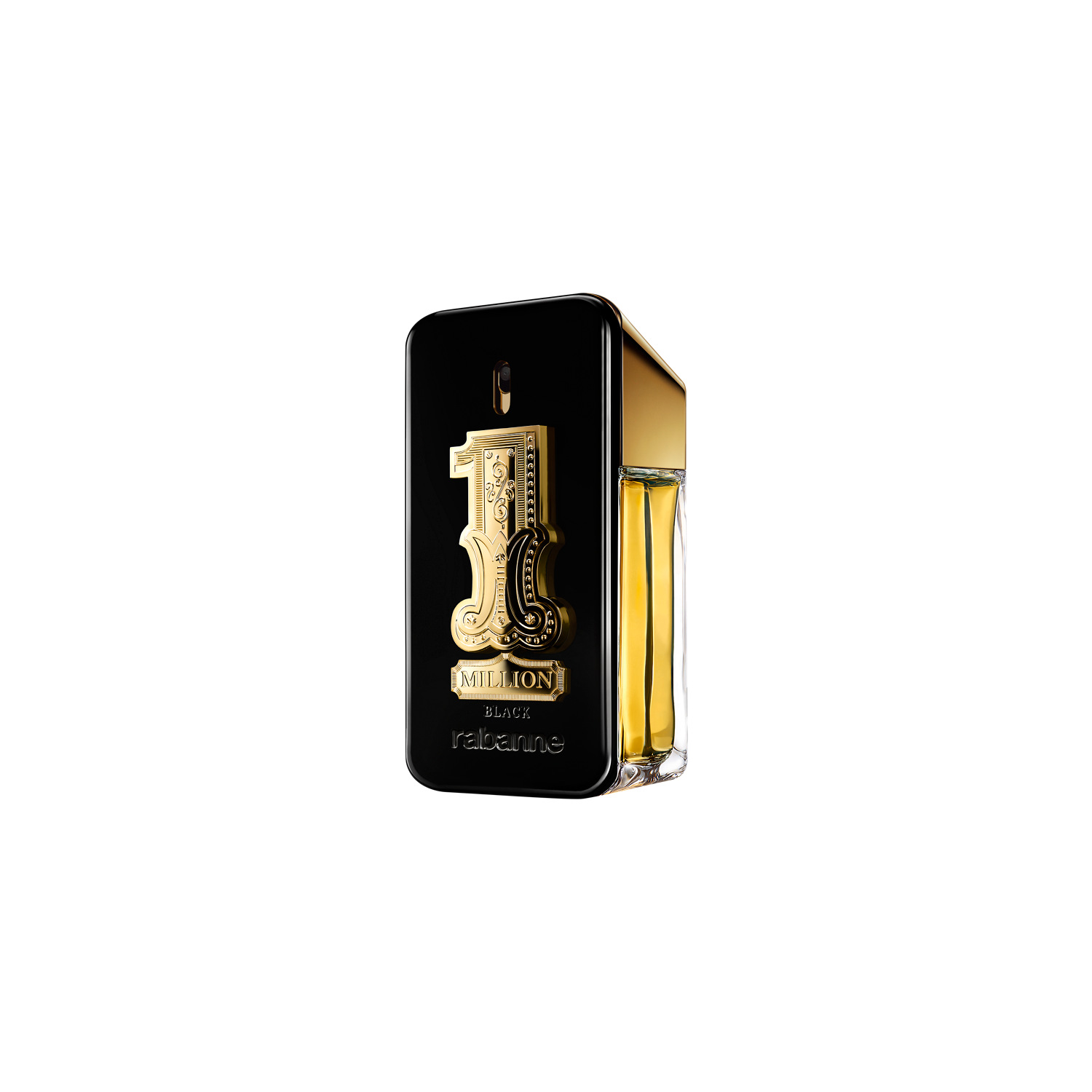
In eau de parfum, today's men's formulas have evolved considerably. References such as Phantom Elixir (Rabanne) or 1 Million Parfum (Rabanne) illustrate this trend well: eaux de parfum with pronounced projection, built around warm, woody notes that settle durably on the skin. MYSLF Le Parfum (Yves Saint Laurent), another example, plays on a woody-spicy accord that proves particularly enduring over the hours.
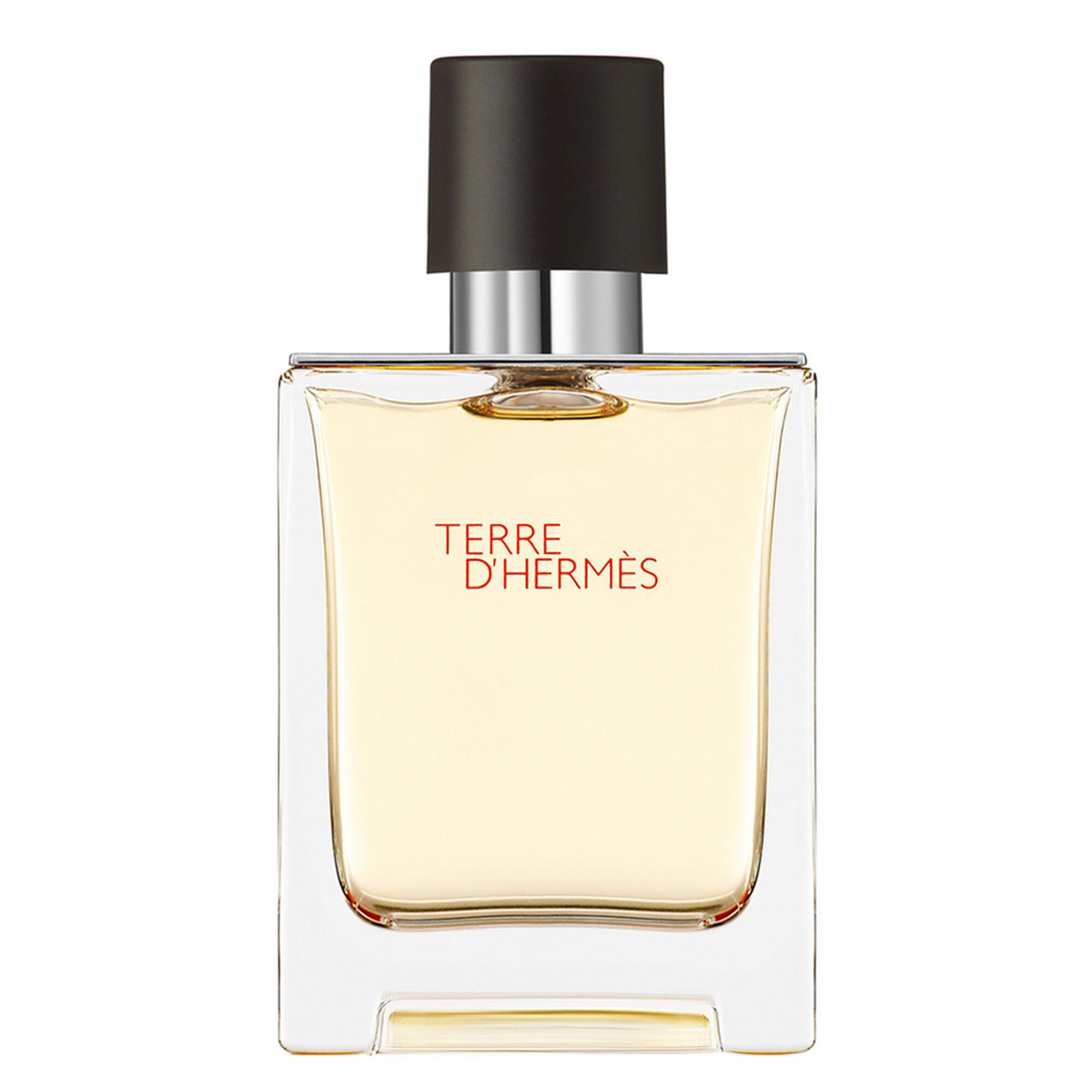
For those wanting to go even further in terms of longevity, extraits de parfum deserve attention. The Coffret Terre d'Hermès Parfum (HERMÈS) is a concrete illustration: the Parfum version of Terre d'Hermès concentrates the raw materials more heavily, giving it markedly greater longevity than the eponymous eau de toilette, with a denser, earthier profile.
Conversely, a well-formulated eau de parfum such as H24 Herbes Vives (HERMÈS) proves that an intermediate concentration can offer excellent longevity provided the base accords are built with anchoring materials.
The notes that guarantee a long-lasting sillage
To guide your choice towards a long-lasting parfum, it helps to learn how to read a fragrance pyramid. It is the base notes that determine a parfum's true longevity. They emerge after thirty to sixty minutes of development and remain perceptible for several hours, sometimes an entire day.
Musk, in its various forms, is a natural fixative for parfum. It extends the longevity of the other materials and gives that warm base that lingers on clothing. Amber, vanilla and resins play a similar role. Guaiacwood, patchouli and vetiver are also components renowned for their endurance.
Conversely, be wary of formulas that are too fresh or too floral in the top notes. They may charm on the first spray but fade quickly if the heart and base notes fail to take over effectively. Gentleman Society Sport (Givenchy), for example, adopts a fresher, sportier approach — yet its eau de parfum remains more tenacious than a simple eau de toilette, thanks to a well-constructed olfactory structure.
Applying your parfum correctly to maximise longevity
The quality of the flacon is not enough on its own: the way you apply the parfum changes everything. A few simple principles make a real difference.
The so-called pulse points — wrists, neck, inner elbow, behind the ears — are the classic application zones for good reason: body warmth is greater there, which diffuses the parfum continuously. Spraying on the chest or behind the knees can also extend longevity, as these zones are more covered and less exposed to air.
Hydrated skin retains odour molecules better. Applying an unfragranced cream a few minutes before the parfum is a simple and effective trick. Conversely, dry skin absorbs parfum faster and releases it for a shorter time.
You should also avoid rubbing your wrists together after application: this gesture breaks the aromatic molecules and disrupts the parfum's natural development. A simple spray from a distance of ten to fifteen centimetres is enough.
Finally, applying parfum to clothing — particularly natural fabrics such as cotton or wool — can considerably extend its longevity. Be careful, however: some formulas may leave marks on light-coloured fabrics.
How to choose your long-lasting parfum day to day
Longevity does not mean heaviness. It is entirely possible to find a parfum that lasts all day without overwhelming those around you. Projection and longevity are two distinct dimensions: a parfum can have excellent longevity while remaining subtle in its sillage.
For the office or enclosed environments, favour eaux de parfum with woody or musky accords rather than very dense orientals. For an evening out or a special occasion, more intense formulas — amber, spicy, or oud-based — can express themselves fully.
If longevity is the absolute priority, directing your search towards extraits de parfum and woody-oriental formulas remains the most reliable strategy. Consulting the longevity and sillage section of the hub allows you to explore each aspect in more depth: the difference between sillage and longevity, the impact of the season, or how a parfum behaves depending on skin type.
Whatever your final choice, testing the parfum on your own skin before committing remains essential. Skin chemistry strongly influences the way an accord develops and lasts — what lasts six hours on one person may only last three on another.
Frequently asked questions
Eaux de Parfum and extraits de parfum last the longest, between 6 and 12 hours depending on the formulation. Woody, resinous or musky base notes — oud, amber, vetiver, sandalwood — further boost longevity by anchoring into the skin rather than evaporating quickly.
The most tenacious men's parfums generally belong to the oriental, woody and aromatic-spicy families. Look for a minimum Eau de Parfum concentration, base notes made from resins or dense woods, and a brand renowned for the quality of its raw materials. The list of references varies according to olfactory preference.
Apply the parfum to your pulse points: wrists, neck, inner elbow, behind the ears. Hydrate your skin beforehand — dry skin absorbs odour molecules more quickly. Avoid rubbing your wrists together: this breaks the top notes and reduces the perceived longevity.