
Men's fragrance for 20-year-olds: building your first signature scent
What fragrance suits a 20-year-old man? Fragrance families, suitable notes, concentrations and moments to wear, to build your first signature scent.
At 20, fresh, light woody fragrances suit a man best: they fit an active lifestyle, work equally well in the morning on campus and in the evening with friends, and don't yet require a highly trained nose to be worn with ease. Eaux de toilette and lighter-concentration eaux de parfum are ideal at this age. This page offers clear guidance by fragrance family, by moment of use, and a selection suited to the young 20-year-old profile.
Twenty and perfumery — the age of experimentation
At twenty, one's relationship with fragrance is often intuitive, emotional, sometimes even a little random. A flacon is chosen because it appeals to the eye, because a friend wears it, because an advert made an impression. And that's just as it should be: it's precisely this freedom to explore that characterises this stage of life, one where identity is built through trial and successive adjustment.
Your twenties are also the age when the body is still changing, when the skin evolves — which has real consequences for how a fragrance settles and develops. Younger skin, often oilier, tends to amplify base notes and extend the longevity of fragrances. This is a genuine advantage, one that invites exploration of lighter compositions without fear that they'll fade too quickly.
The development of olfactive taste at this age
At twenty, olfactive preferences are rarely fixed. They swing between the desire for a fresh, direct fragrance that's easy to wear day to day, and a growing curiosity for more elaborate, more assertive compositions. This instability isn't a flaw: it reflects a sensibility still being refined.
Young men of this generation have often been exposed to fragrance very early on — through social media, enthusiast communities, discussions around fragrances. Their level of knowledge is sometimes far higher than one might assume. The approach here, then, is not to simplify, but to offer clear guidance for navigating an overabundant market and finding fragrances that truly match an active, social lifestyle still under construction.
Fragrance families suited to your twenties
Four major families deserve attention at this age. Citrus fragrances, first, with their sparkling citrus openings and immediate energy, are often the first territory to explore. They offer an infectious freshness, easy to wear and socially versatile. Aromatic woody fragrances represent a natural progression: more structured, they combine the vibrancy of aromatic notes with the warm depth of wood, vetiver or patchouli, creating a profile that's both youthful and assertive.
Vanilla-driven orientals appeal for their enveloping, sensual character, particularly suited to evenings and to autumn or winter moods. They allow a more intimate, composed facet to be expressed. Finally, contemporary fruity-floral masculines, often built around peony, apple or red berries notes paired with woody or musky base notes, offer obvious modernity and immediate accessibility.
Notes to favour
Bergamot is probably the most universally flattering note for men in their twenties. A refined citrus, it opens compositions with elegance and lightness, without ever falling into the mundane. It pairs as well with woods as with spices or musks, making it an ideal top note for this age group.
Vanilla deserves to be revisited beyond its sugary clichés. In modern masculine compositions, it brings a soft, reassuring warmth, a base note that extends the sillage and gives it character without weighing the whole down. Musk, often subtle but structuring, is the note that helps a fragrance hold on the skin and gives it that personal, almost skin-like signature that comes to be associated with a particular presence. Peony, with its slightly aquatic floral freshness, brings modernity to woody compositions. Amber, finally, warms and unifies — it's the note that gives depth without requiring a complex fragrance pyramid.
Selection for everyday wear
For everyday use, the criteria are simple: versatility, ease of wear, a sound quality-price ratio and sufficient longevity to see you through a busy day. Explorer (Montblanc) meets these expectations with real honesty. Its sharp, vibrant opening bergamot gradually gives way to a smoky Haitian vetiver and a very green Indonesian patchouli, grounded in substance. Ambroxan in the base note brings that almost body-warm ambery quality that extends the composition on the skin. It's a modern aromatic woody, direct and legible, without excessive sophistication — making it a perfect everyday companion.
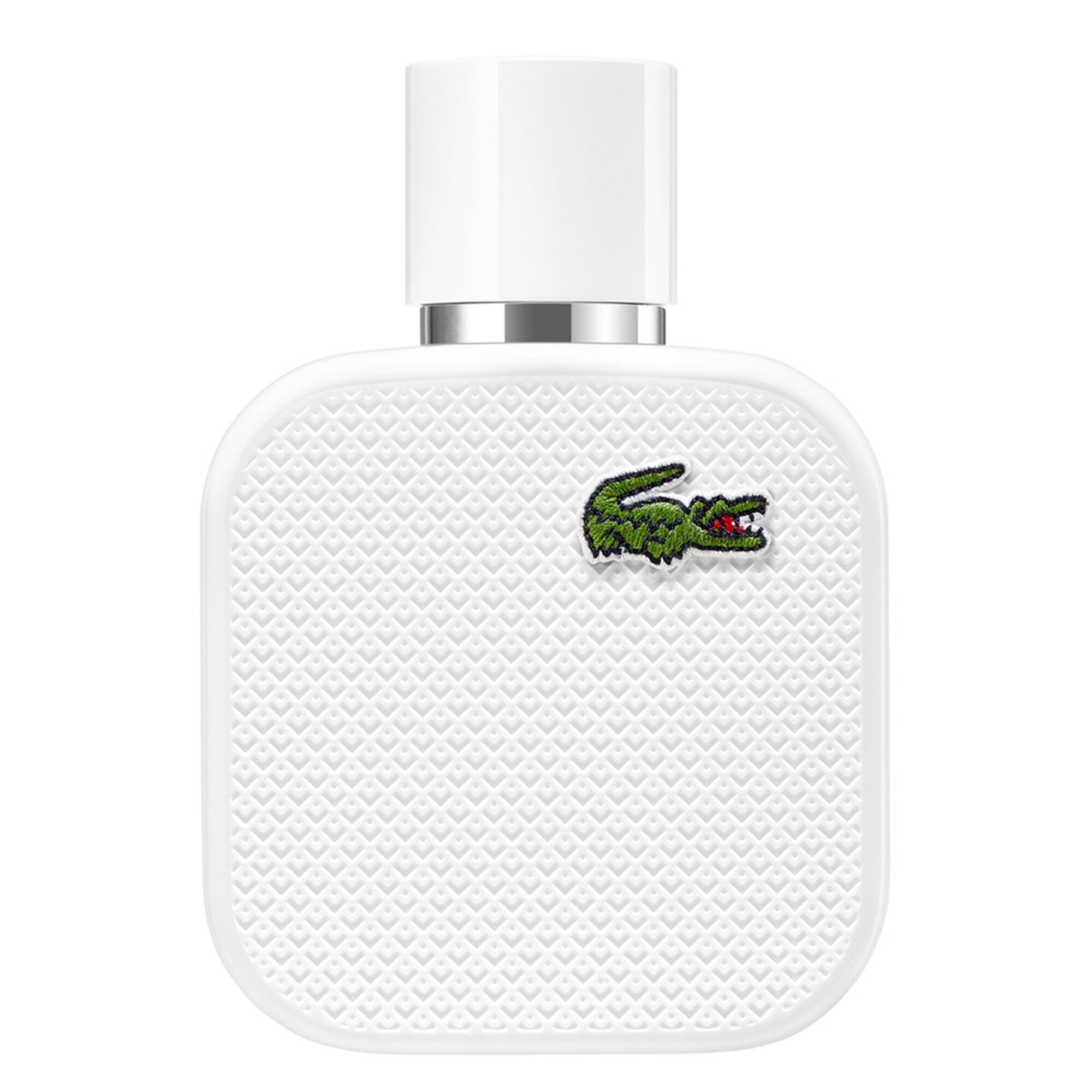
Original (Lacoste) offers a different angle, warmer and slightly spicy. Cardamom and ginger at the top give the opening a pep, while lavender and violet at the heart note create a pleasant aromatic softness. Tonka bean and amber in the base note settle into a very wearable roundness. At under fifty euros, this aromatic woody offers real character without excessive pretension, suited to any occasion during the week.
Coach Open Road also deserves attention for relaxed daily wear. Its red apple and Sichuan pepper accord at the opening is particularly modern, with a slight fruity vibrancy that quickly melts into a heart of lavender and clary sage. Vetiver, cedar and patchouli in the base give it a reassuring woody presence. It's an accessible, fresh, well-constructed fragrance for ordinary days.
Gentleman Society (Givenchy) represents a further step up in complexity. Cardamom and sage open onto a heart of Haitian vetiver and Madagascar Vetiver with a lovely earthy elegance. Vanilla and palo santo in the base note bring a smoky, slightly woody softness that sets this composition apart. For a young man wishing to step off the well-trodden everyday path without tipping into excess, this is a fine option.
Selection for special occasions
For nights out, evenings, occasions that call for a slightly more assertive sillage, other olfactive profiles naturally come to the fore. Uomo Born In Roma Intense (Valentino) is a remarkably balanced vanilla-driven oriental. Vanilla expresses itself from the very first seconds with an almost sculptural frankness, before lavender comes to soften it and give it an aromatic dimension. Vetiver in the base note introduces a slight woody tension that stops the whole from settling into predictable sweetness. The result is sensual, dense and very modern — particularly suited to autumn and winter evenings.
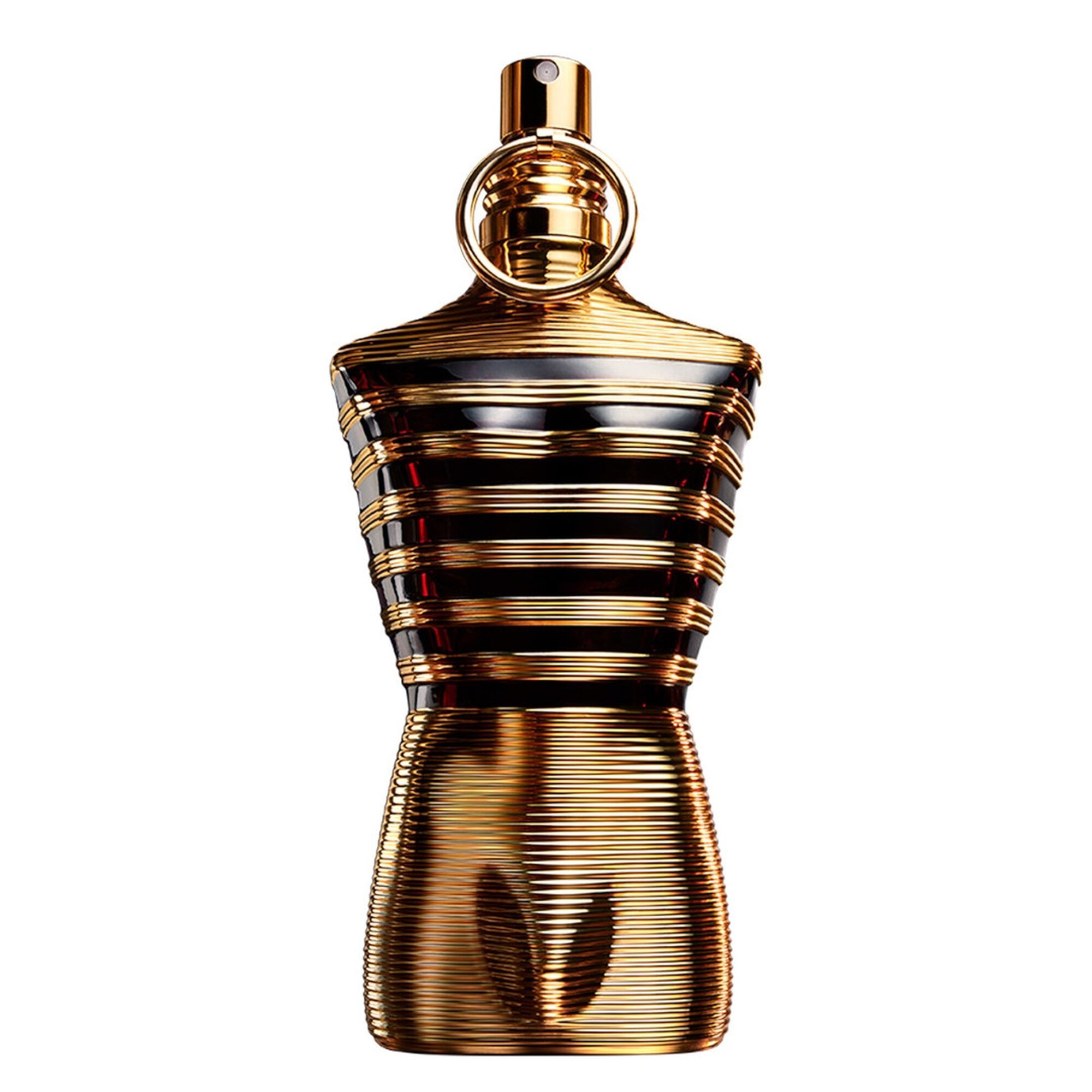
Le Male Elixir Absolu (Jean Paul Gaultier) pushes even further in the oriental direction. Plum, cardamom and bergamot open onto a particularly beguiling davana lavender. Tonka bean, benzoin and labdanum create an almost opulent warmth at the base, carried by a broad, lingering sillage. It's a fragrance that takes up space and asserts a presence — best kept for contexts where you can afford to make that statement.
Jazz (Yves Saint Laurent) is a proposition of a different order, more classical in its architecture but remarkably rich. Bergamot pairs with lavender, basil, cardamom and coriander in a lush aromatic opening. The floral heart note — geranium, jasmine, iris — brings finesse, before amber, tonka bean, musk and sandalwood lay down a warm, deep base. It's a fragrance that runs against current trends, one that will set apart whoever wears it.
A great aromatic woody classic from a Parisian haute couture house also deserves a mention here — without needing to be named explicitly. Its lemon, mint and pink pepper top notes, ginger and nutmeg at the heart, and its base note of incense, vetiver, cedar and sandalwood make it a composition whose structure remains an absolute benchmark of the genre. Exploring its different concentrations — eau de toilette, eau de parfum or pure parfum — reveals just how much a single fragrance pyramid can be expressed in several olfactive languages.
Practical application tips
At twenty, there's often a tendency to overestimate the quantity needed. Young skin fixes and naturally amplifies fragrances; two to three sprays are generally enough for several hours of longevity. Pulse points — neck, wrists, inner elbows — are the classic spots, but lightly spraying the chest produces a particularly elegant sillage, as it releases in step with body warmth.
It's also worth not rubbing the wrists together after application: this gesture breaks the aromatic molecules and disrupts the development of the fragrance pyramid. Letting the fragrance dry in the open air preserves the fidelity of the composition. Finally, varying fragrances according to season and context isn't inconsistency — it's precisely what someone does when they understand fragrance as a tool of expression in its own right, on a par with clothing or hairstyle.



Frequently asked questions
Aromatic-fougère and fresh woody families are the most suitable: they combine vibrant top notes (citrus, herbs, soft spices) with a clean, understated base note. In terms of concentration, an eau de toilette is enough for everyday wear, light to wear and easy to dose. These fragrances forgive application mistakes and remain versatile.
Current trends lean towards ambery woody scents and modernised aquatics: cedar notes, light vetiver, white musk, a touch of ginger or cardamom. These olfactive profiles appeal to a wide circle, making them good choices for a first flacon or as a gift.
Go for an aromatic or fresh woody family: these families are crowd-pleasing and rarely disappoint. Avoid overly heavy orientals and very dark leathers, which are tricky to wear for a young profile. Note the season of use: a fresh scent for spring-summer, a warmer woody for autumn-winter.
Eau de toilette (5–12% concentrate) is the ideal concentration: moderate projection, a pleasant sillage without being intrusive, and 4 to 6 hours of longevity depending on the skin. For evenings or special occasions, an eau de parfum (15–20%) brings more depth with just 2 to 3 sprays.