
Seaweed Perfume: Buying Guide and Best Fragrances 2026
The seaweed note brings an iodic, fresh and slightly marine sensation to perfumery, evocative of the seaside and damp rocks. Neither sweet nor harsh, it appeals both to lovers of structured aquatic fragrances and to the curious who wish to move away from classic floral or woody clichés. This guide will help you understand its olfactory profile, identify the fragrances that showcase it best, and choose according to your gender, the season and your budget.
The seaweed note in perfumery: what is it?
The seaweed note in perfumery is an iodic, fresh and slightly salty marine note, obtained mainly through synthesis — molecules such as calone derivatives and certain macrocyclic compounds — since natural seaweed does not lend itself easily to stable large-scale extraction.
A distinctive olfactory profile
Olfactorily, the seaweed note sits between several registers. It has an iodic facet close to sea air, a green, vegetal facet reminiscent of kelp or coastal mousse, and sometimes a slight mineral or saline dimension depending on how it is formulated. It does not reproduce the smell of the tide: it captures its freshness and depth without retaining the overly organic aspects.
Position in the fragrance pyramid
In the construction of a fragrance, seaweed most often appears as a heart note, where it fully unfolds its watery texture, or sometimes as a top note to provide a vibrant, immediate opening. It rarely fades as quickly as a citrus note, but blends gradually into the base notes.
Preferred accords
Seaweed pairs effortlessly with several fragrance families:
- Woody (cedar, vetiver): the accord reinforces the natural aspect and anchors the marine freshness in something denser and more masculine.
- Aromatic (ginger, myrtle): seaweed gains vibrancy and bite here.
- Chypre (oakmoss, patchouli): the combination creates a damp, almost underwater texture, very enveloping.
- Aldehydic: seaweed can take on an almost mineral turn here, on the border between salt and stone.
The seaweed note suits anyone seeking a freshness that isn't simply "clean" or "lavender-driven," but more complex, more textured, rooted in an idea of wild, coastal nature.
What are the best fragrances with a seaweed note?
Our selection of fragrances with a seaweed note comprises four references, chosen from among the fragrances available on Tendance Parfums within a range of 49.50 EUR to 120 EUR. To compile this ranking, we rely on the actual sales recorded in our shop over the past twelve months as well as on verified reviews left by our customers — two concrete indicators that reflect what French buyers really purchase and appreciate, beyond brand reputation alone.
Our favourites, reviewed
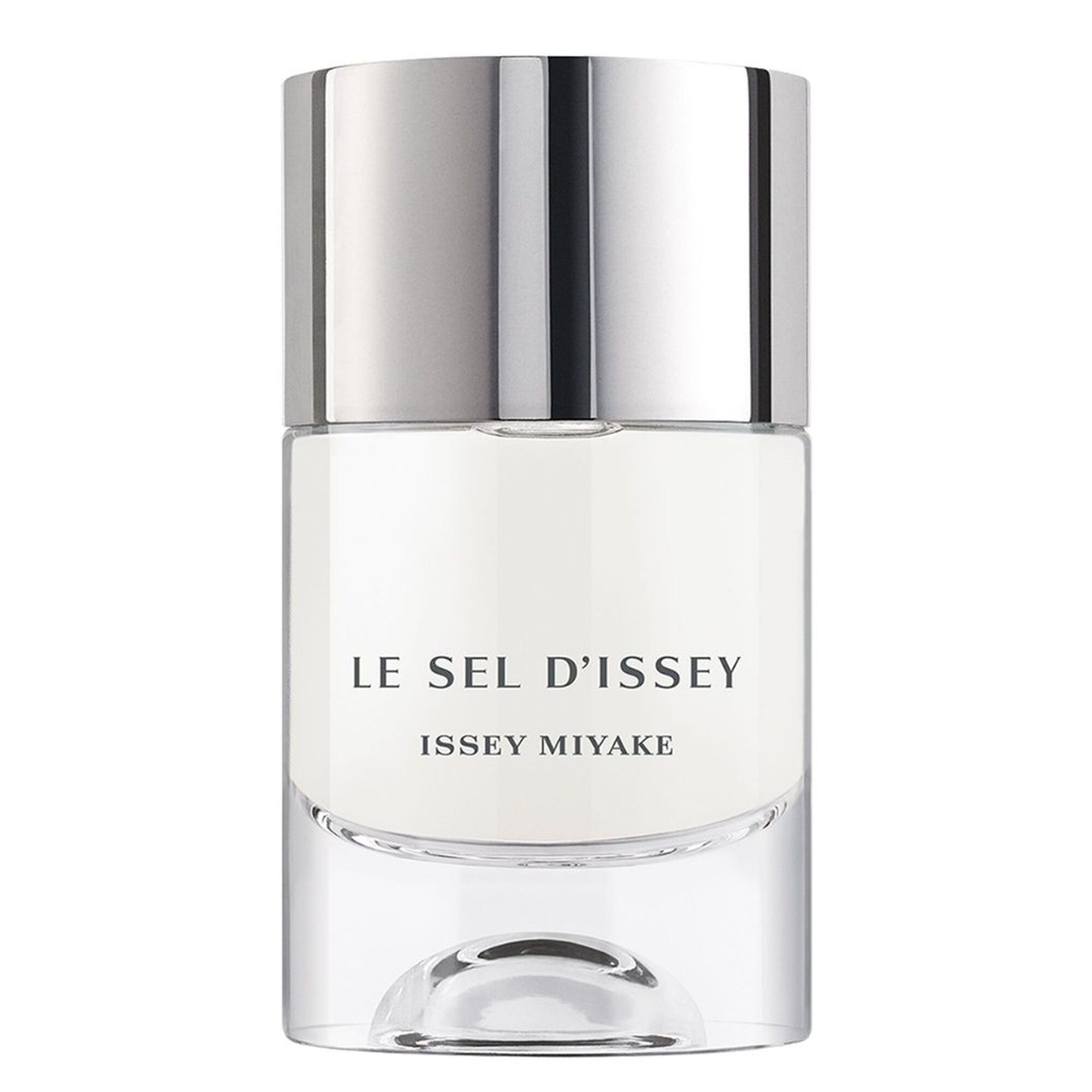
Issey Miyake Le Sel D'Issey EDT — With 14 sales in twelve months, this is the most chosen reference in our seaweed selection, and its 2 verified reviews give it the maximum rating of 5/5. The eau de toilette plays on a bold, salty cedar-vetiver-seaweed accord, lifted by ginger. The result is structured, fresh without being ordinary, and holds up very well on the skin. At 49.50 EUR, it's the most convincing entry point into the woody marine category.
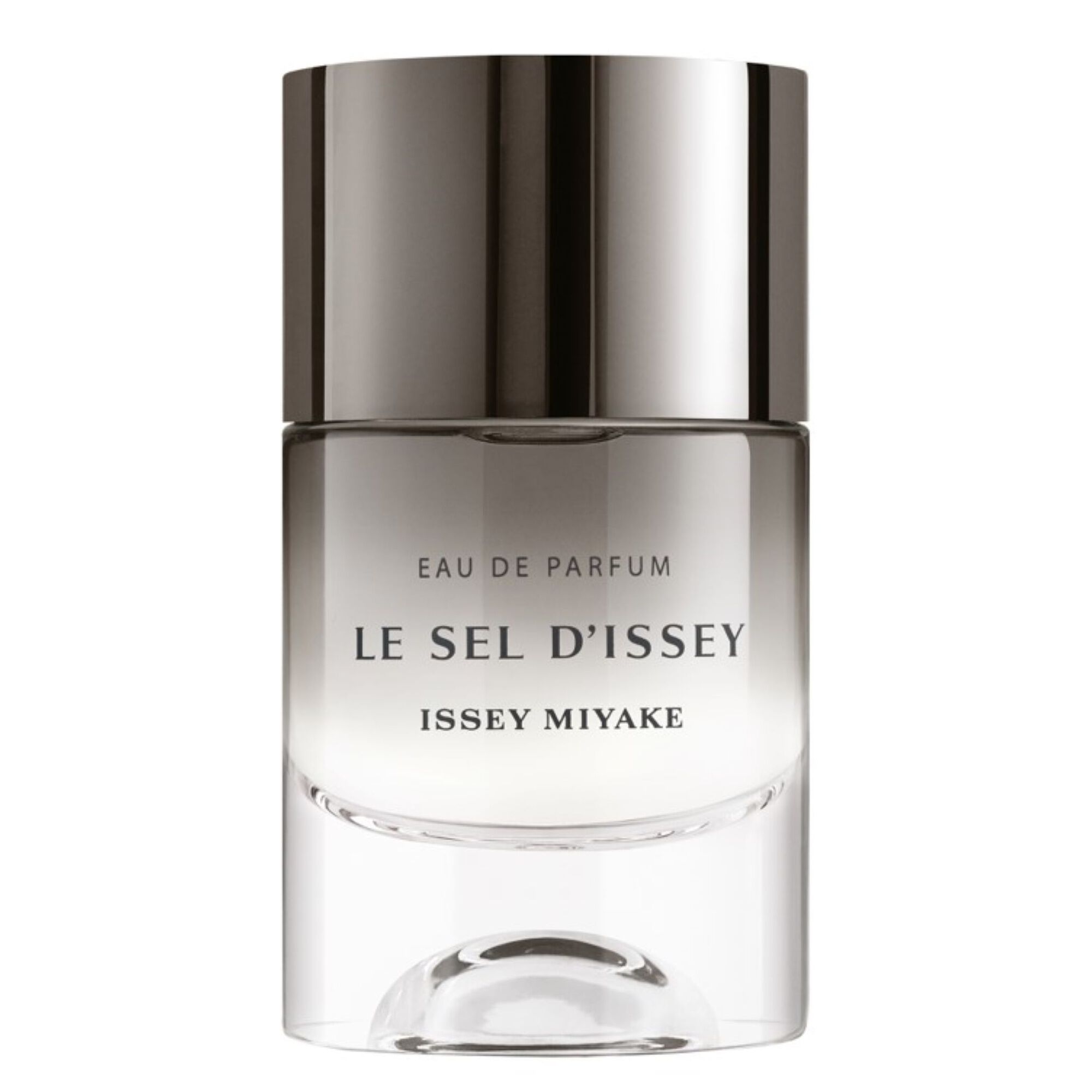
Issey Miyake Le Sel d'Issey EDP — Nine sales in twelve months for this eau de parfum version, which shares the same olfactory framework as the EDT — cedar, vetiver, oakmoss, seaweed, ginger — but with denser projection and extended longevity. At 58.50 EUR, it's aimed at those wanting a more noticeable sillage, particularly in the evening or in air-conditioned settings where marine compositions tend to fade quickly.
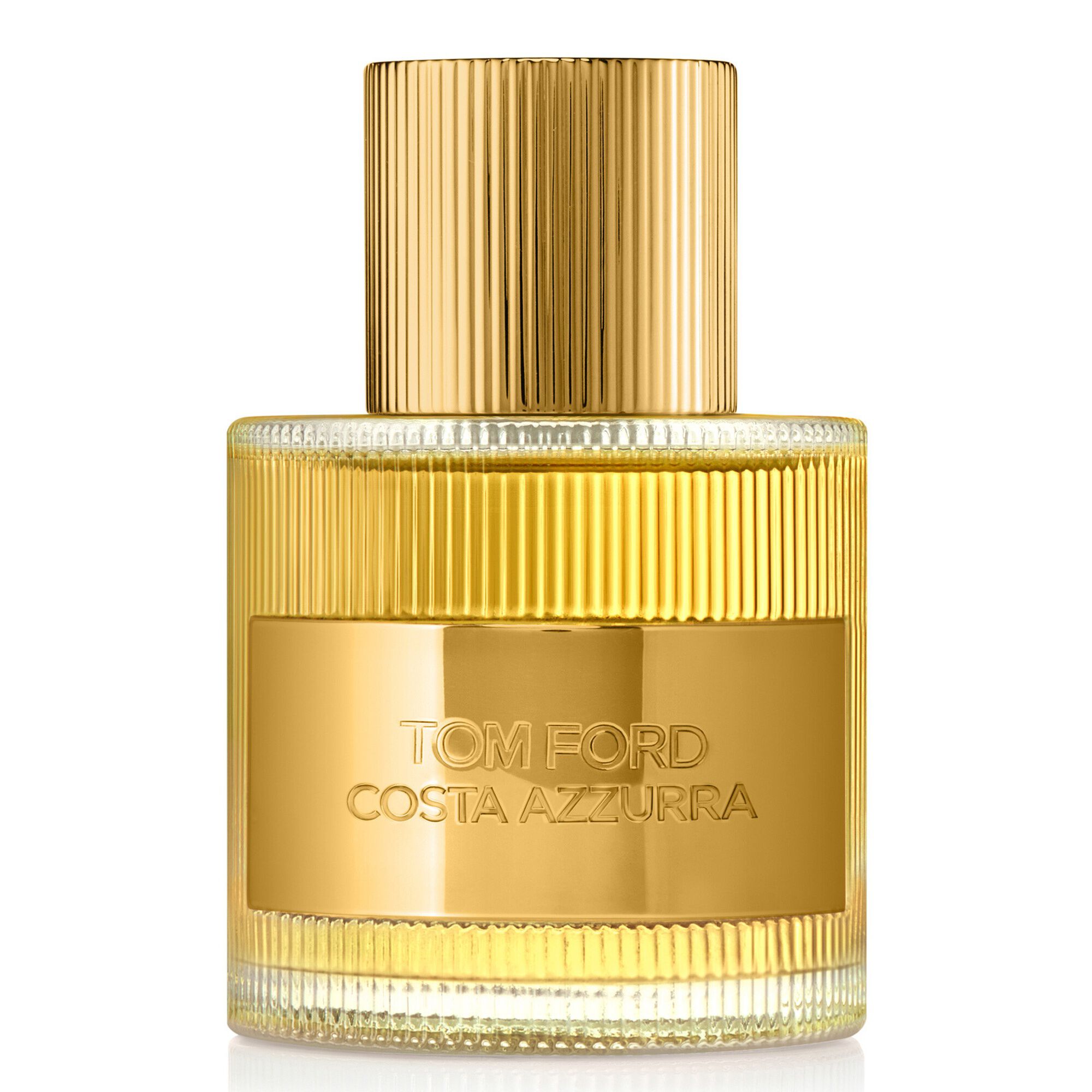
Tom Ford Costa Azzurra EDP — Priced at 109.50 EUR, Costa Azzurra is the most premium piece in this selection. Its verified review (4/5) and its aromatic woody profile blending myrtle, olibanum and mastic set it apart from purely aquatic compositions: it's a sun-drenched, resinous evocation of the Mediterranean, where the seaweed note plays the role of a salty counterpoint rather than the guiding thread.
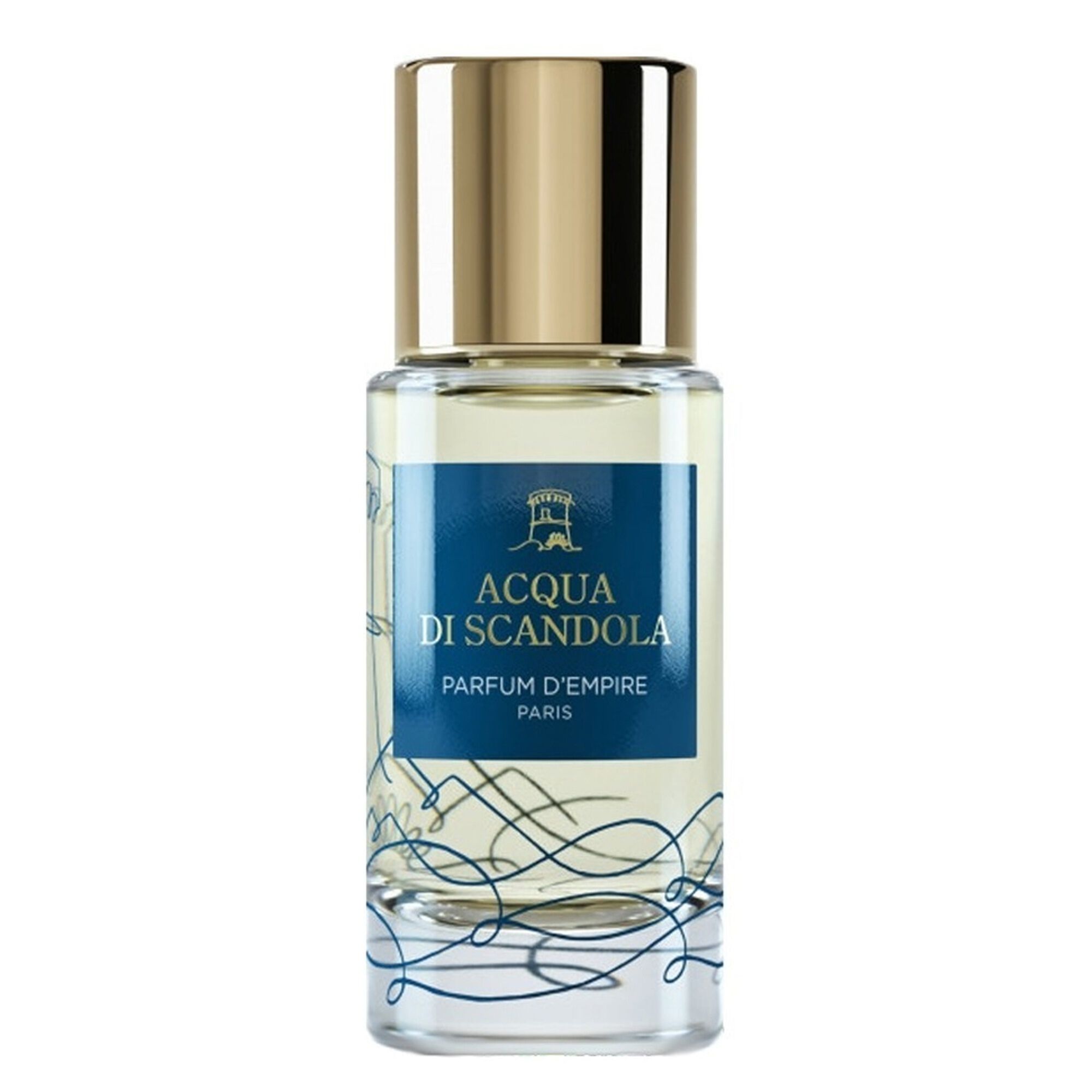
Parfum d'Empire Acqua Di Scandola — A niche piece at 120 EUR, Acqua Di Scandola is the most niche proposition in the selection. Its accord of Amalfi lemon, geranium, immortelle and patchouli builds an image of Corsican coastal scrubland rather than a frontal seaweed note. For the curious enthusiast seeking a truly distinctive aquatic fragrance with no commercial compromise.
Seaweed for women, for men: how to choose?
The seaweed note is one of the rare olfactory notes that expresses itself with equal relevance in women's, men's and unisex fragrances — provided you look at which other materials it is paired with.
For a woman
In feminine or unisex compositions with a seaweed dominant note, one often seeks a balance between marine freshness and a light floral note (iris, sea lilac) or a salty fruity touch. Seaweed becomes sophisticated here, almost couture. If you like fragrances that are fresh without being "sporty," seaweed paired with soft woody notes such as cedar or immortelle is an excellent starting point. Ideal seasons: spring and summer, but also mild late autumn.
For a man
In the masculine register, the seaweed note blends naturally into woody aquatic or aromatic marine constructions. Paired with vetiver, oakmoss and ginger — as in the Sel d'Issey fragrances — it produces a result that is fresh, virile and reassuring all at once, without falling into generic sportswear territory. It's a safe choice for the office or a relaxed evening out, wearable from March to October.
Practical testing tips
- Test on skin, not on a paper blotter: the seaweed note interacts strongly with body warmth and reveals its mineral or vegetal nuances only on contact with skin.
- Wait 15 to 20 minutes before judging: the fresh opening can mask the complexity of the heart note.
- Wear it during the day for a first trial: ambient light reveals its marine facets better than evening does.
- If you're torn between a generic aquatic fragrance and a genuine seaweed-note composition, the difference often lies in texture: seaweed gives depth where a simple aquatic remains superficial.
The Tendance Parfums numbers
What our own online perfumery data says about the seaweed note — figures you won't find anywhere else:
- 4 fragrances with a seaweed note available in our catalogue, from 50 EUR to 120 EUR (core range 58-120 EUR).
- The best-seller among our customers over the past 12 months: Issey Miyake Le Sel D'Issey (14 sales).
- Average rating of our selection: 4.7/5 across 3 verified customer reviews.
- Prices and stock updated continuously; free delivery from 59 EUR of purchases.
Frequently Asked Questions
What is the seaweed note in a fragrance? The seaweed note is a synthetic note that reproduces the iodic, green and slightly mineral facets of marine seaweed. It brings a coastal freshness distinct from simple aquatic notes, with a more vegetal and saline texture. It is mainly found as a heart note, paired with woods or aromatics.
Are there seaweed-note fragrances for women? Yes. The seaweed note suits feminine compositions, particularly when paired with soft woody notes, light florals or salty fruity touches. Eau de parfum versions, being denser, offer an elegant sillage suited to everyday wear as well as dressier occasions, particularly in spring and summer.
Does the seaweed note suit a men's fragrance? Absolutely. Paired with vetiver, oakmoss and ginger — as in Le Sel d'Issey — the seaweed note produces fresh, structured woody aquatic compositions that suit men very well. It avoids the sportswear feel of very light eaux while remaining fresh and easy to wear from spring through to autumn.
In which season should you wear a seaweed-note fragrance? Seaweed-note fragrances flourish especially in spring and summer, when warmth amplifies their iodic and fresh facets. They also work well in mild autumn. In winter, favour denser eau de parfum versions, or seaweed-wood-resin accords that hold up better in cold weather.
What is the difference between a seaweed note and an aquatic note in perfumery? An aquatic note generally evokes clean water, often via molecules such as calone — very light and airy. The seaweed note is more vegetal, more mineral and more iodic: it gives a specific texture, close to the seaside, more complex than a simple "freshness" effect. Both can coexist within the same fragrance.