
How to Recognise a Genuine Perfume
Concentration, flacon, longevity, projection: the objective criteria for telling a genuine perfume apart from a fake or an imitation.
Why the question really matters
A genuine perfume can be recognised by several objective criteria: the concentration of fragrant materials stated on the flacon, the quality and finish of the packaging, its longevity on the skin and the way the juice develops over time. Between counterfeits sold at rock-bottom prices, inspirations that imitate without faithfully reproducing the original, and unreliable distribution channels, these concrete markers make it possible to tell an authentic product apart from a copy or a degraded alternative.
This question relates as much to the concentration of fragrant materials as to the manufacturing, packaging and origin of the product. Here's how to approach each of these aspects methodically.
Concentration: the first indicator of quality
A perfume is defined first and foremost by its concentration of essential oils and fragrant raw materials. It's this percentage that determines the intensity, the longevity on the skin and the depth of the sillage. Several categories can be distinguished: Eau de Cologne (between 2 and 5%), Eau de Toilette (roughly 5 to 15%), Eau de Parfum (between 15 and 20%) and Parfum or Extrait de Parfum (above 20%).
A product sold as "Eau de Parfum" that evaporates within an hour on your skin is a warning sign. Longevity naturally varies according to your skin type, but a genuine Eau de Parfum should generally last several hours. If this isn't the case, either the stated concentration doesn't match reality, or the materials used are of very poor quality. To learn more on this subject, see our complete guide to perfume concentrations.
The flacon and packaging: reading the details
The packaging of a genuine perfume is designed with care. It's not just a matter of aesthetics: it's a concrete indicator of the attention paid to the product as a whole. Several elements deserve your attention.
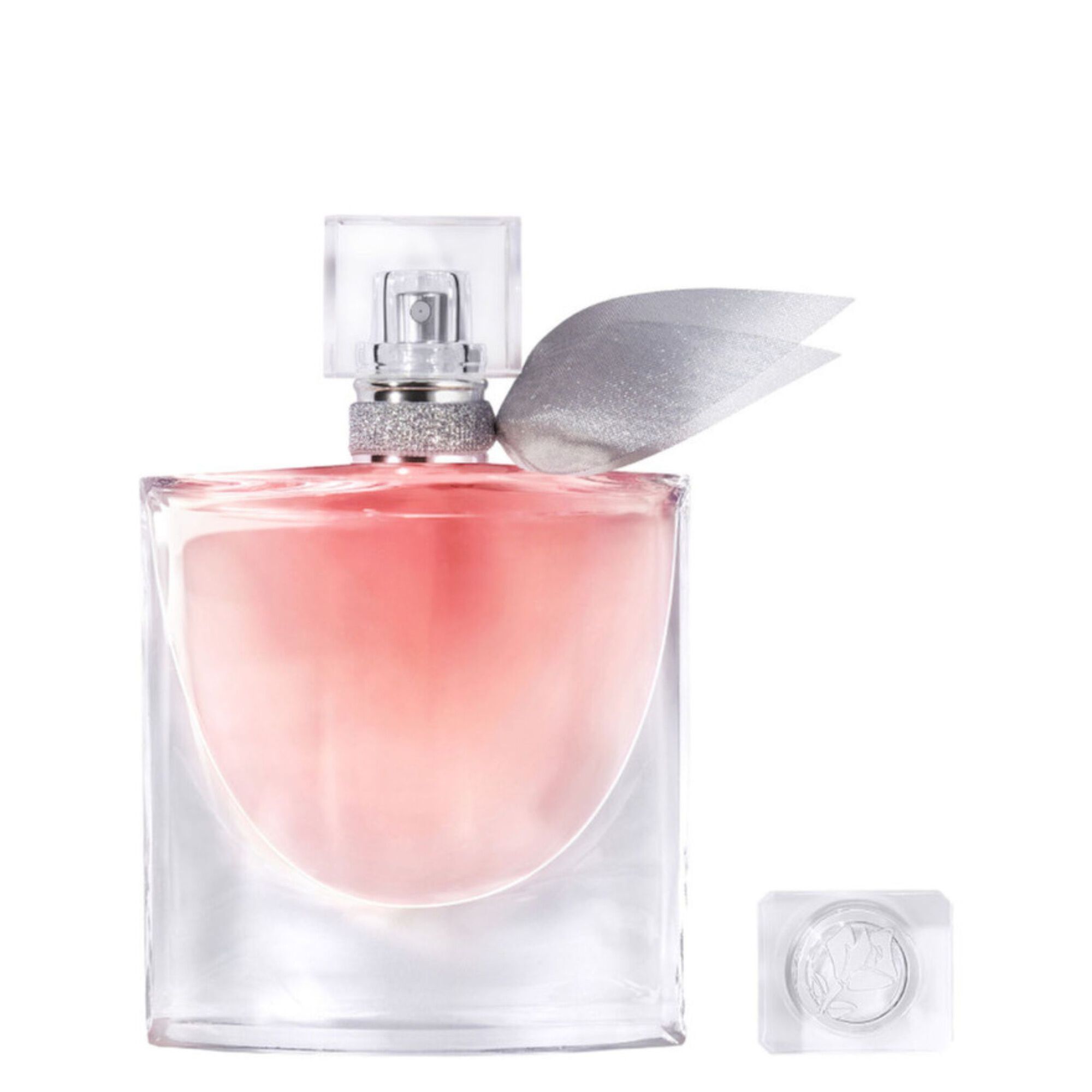
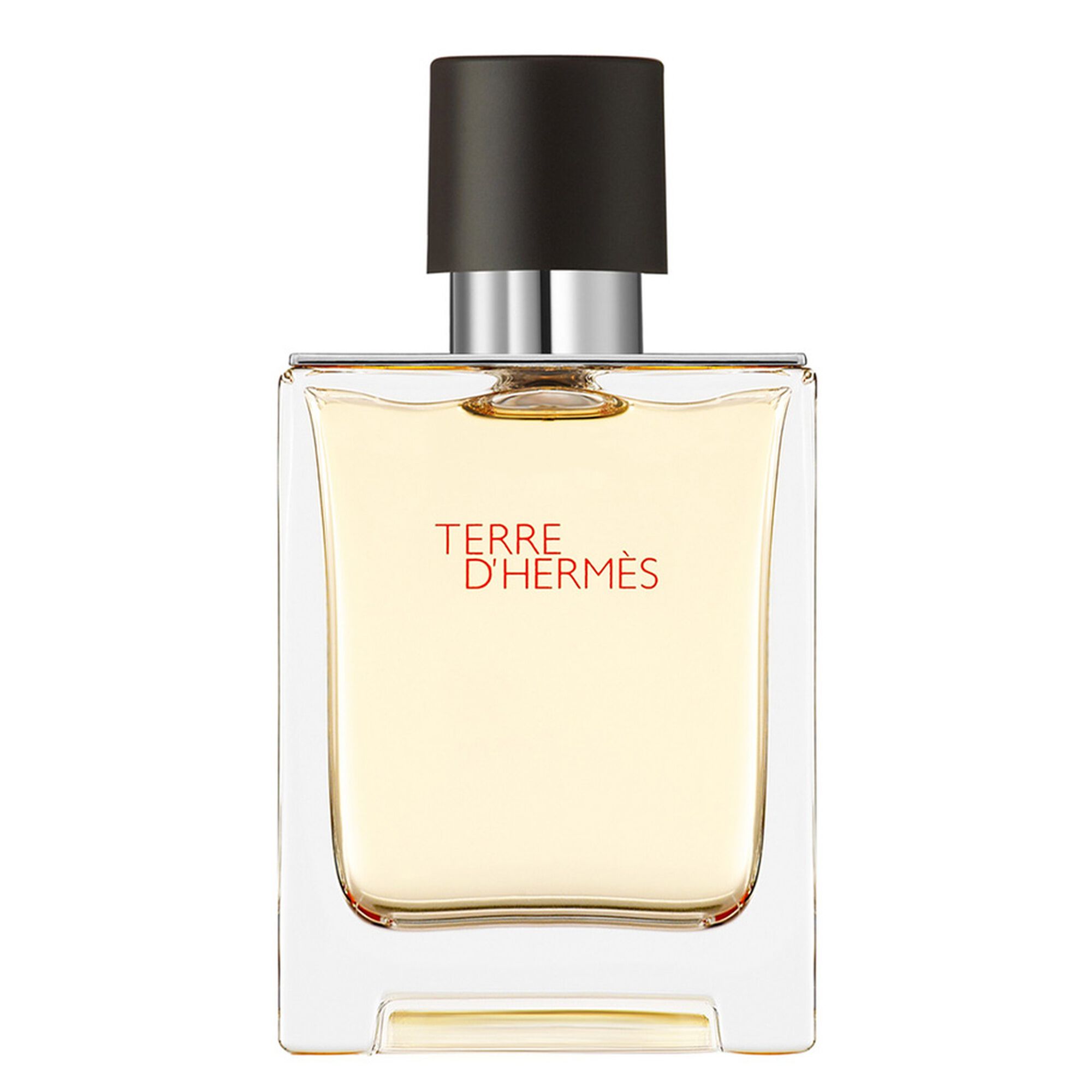
The glass of the flacon should be uniform, without bubbles or visible distortion. The edges should be crisp, the base even. The pump should work smoothly and consistently: each press delivers the same amount of juice, without jerkiness or uncontrolled spraying. A spray that sputters or dribbles is often a sign of a cheap or poorly assembled component.
Next, examine the label and the box. The text should be perfectly legible, without blurring or misaligned printing. The mandatory information — brand name, volume, batch number, list of ingredients, manufacturer or distributor details — should all be present. The absence of any one of these is irregular. The batch number, in particular, allows you to identify the manufacturing date and ensure minimal traceability.
Consistency between the flacon and the box is also worth checking: the colours should match, as should the fonts. A box that feels too light, cardboard that's too thin, a flap that doesn't close properly — these are further clues worth paying attention to.
The juice itself: colour, texture, development
A genuine perfume generally has a slightly amber or pale straw tint, depending on the materials used. A perfectly colourless juice or, conversely, one with a very intense and uniform colour, may raise questions — even though this isn't always a sign of counterfeiting, as certain formulas are naturally very pale or very deeply coloured.
More telling is the fragrance's olfactory development. A quality fragrance unfolds in several phases. The top notes appear first — fresh, light, sometimes fruity or citrusy — then fade to make way for the heart notes, rounder and floral or spicy. Finally, the base notes settle in for the long haul, often woody, musky or vanilla-tinged. This progression is characteristic of careful composition work.
A perfume that smells strong on spraying but then disappears almost immediately lacks this architecture. Similarly, a juice whose scent doesn't change at all between spraying and an hour later is often a sign of an overly simplified formula. To better understand how these notes are organised, our guide to perfume notes covers this in depth.
Origin and the purchasing channel
The authenticity of a perfume also depends on where you buy it. Official channels — authorised perfumeries, brand boutiques, approved e-retailers — offer guarantees that grey markets simply cannot provide. A flacon sold at a price well below the usual rate should always raise suspicion.
The most sophisticated counterfeits faithfully reproduce the flacon and packaging, but the juice they contain is formulated with cheap substitute materials, sometimes irritant or allergenic. The risk therefore isn't purely olfactory: it can also be a health concern. Be wary of unguaranteed private sales, bulk lots at slashed prices, and resellers who provide no information about their supply chain.
Some reputable e-retailers offer niche or mainstream perfumes at competitive prices, because they operate on large volumes with carefully managed margins — without compromising on quality. That said, a significant price gap remains a signal that should never be completely ignored.
Practical tests to sharpen your judgement
There are a few simple steps you can take to test a perfume before forming an opinion on its authenticity and quality. The first is to spray the juice onto a blotter or onto your skin and observe how it develops over time. Note the intensity on spraying, then at fifteen minutes, one hour, two hours. A good perfume maintains a noticeable presence well after the initial application.
Rub your wrist lightly after spraying — you'll notice whether the juice holds up or disappears instantly under the warmth generated by the friction. This gesture, often discouraged because it disrupts the fragrance pyramid, remains useful for testing the juice's resilience.
Also observe the trace left on the blotter once it has dried. A well-constructed fragrance leaves an imprint that continues to develop and release base notes for several hours. A poor-quality imitation fades quickly without leaving any noticeable trace.
Finally, trust your own olfactory memory. If you already know a perfume and the bottle in your hands smells different — even slightly — from what you remember, it's best not to buy it. Slight variations can be explained by official reformulations, but a significant discrepancy is rarely insignificant. To learn more about counterfeiting specifically and the warning signs to look out for, see our dedicated guide to perfume counterfeiting.
Frequently asked questions
A genuine perfume can be verified through several clues: the batch number and manufacturing date engraved or printed on the flacon and box, the quality of the glass and finishes, and the consistency between the stated concentration (EDT, EDP, parfum) and its actual longevity on the skin. An abnormally low price is usually the first warning sign.
The original stands apart from the copy when you examine the flacon: thick, uniform glass, a cap that fits snugly without excessive play, and crisp typography on the label. The juice itself should be clear, with no sediment or cloudiness. On smelling it, an original perfume reveals several distinct phases (top, heart and base notes), whereas a copy evaporates quickly and uniformly.
Before purchasing, check that the seller is an authorised retailer or a recognised perfumery. Examine the box: the cellophane should be taut and even, the cardboard rigid and the printing precise. Online, be wary of prices more than 30% below the recommended retail price, a frequent sign of counterfeiting or of a product sold outside official channels.