
How to Choose Your Men's Fragrance
Find the men's fragrance that suits you: fragrance family, concentration, skin type and occasion, clearly explained.
Why choosing a men's fragrance isn't as simple as it seems
Choosing a men's fragrance starts with identifying your preferred fragrance family — woody, aromatic, oriental or fresh — then adapting the concentration and occasion of use. A fragrance is not a mere accessory: it works as a long-lasting olfactory signature, perceived and remembered by those around you. This guide gives you concrete criteria for making an informed choice, rather than relying solely on packaging or the latest trend.
The trouble is, a fragrance doesn't smell the same on everyone. Skin chemistry, body warmth, diet and hydration all directly influence how a scent comes across. What creates a striking effect on a friend may go unnoticed on you, or ring false. That's why it's worth understanding a few basics before diving in.
Identifying your preferred fragrance family
The first step in choosing a men's fragrance is finding your bearings among the major fragrance families. They group fragrances according to their dominant character and let you quickly filter what will suit you.
Woody fragrances are perhaps the most represented family in men's perfumery. Cedar, sandalwood, vetiver, oud: these materials lend depth and an assertive presence. They suit those who prefer an understated yet distinctive fragrance, neither too fresh nor too sweet.
Aromatic fougeres form the backbone of classic men's perfumery. Lavender, geranium, oakmoss — this is a structured family, often associated with a clean, crisp image. Ideal for professional or everyday use.
Fresh aquatics suit those seeking lightness and subtlety. Citrus, marine notes, light greens: these fragrances evaporate faster but leave an immediate impression of cleanliness. Perfect for summer or sport.
Orientals — vanilla, resins, amber, spices — are aimed at those who embrace an enveloping, almost sensual fragrance. They last a long time on the skin and stand out in the evening.
If you're still unsure where you stand, start by recalling scents you've already liked: an aftershave, the wood of a sauna, a forest after rain. These intuitive references are often more reliable than a marketing description.
Choosing the right concentration for the occasion
The concentration of fragrant materials determines the intensity, longevity and price of the fragrance. This is not a trivial detail.
Eau de Cologne contains between 2 and 5% fragrant materials. It is light, refreshing, ideal after a shower or in summer. Its longevity is short — two to three hours — making it more of a complement than a primary fragrance.
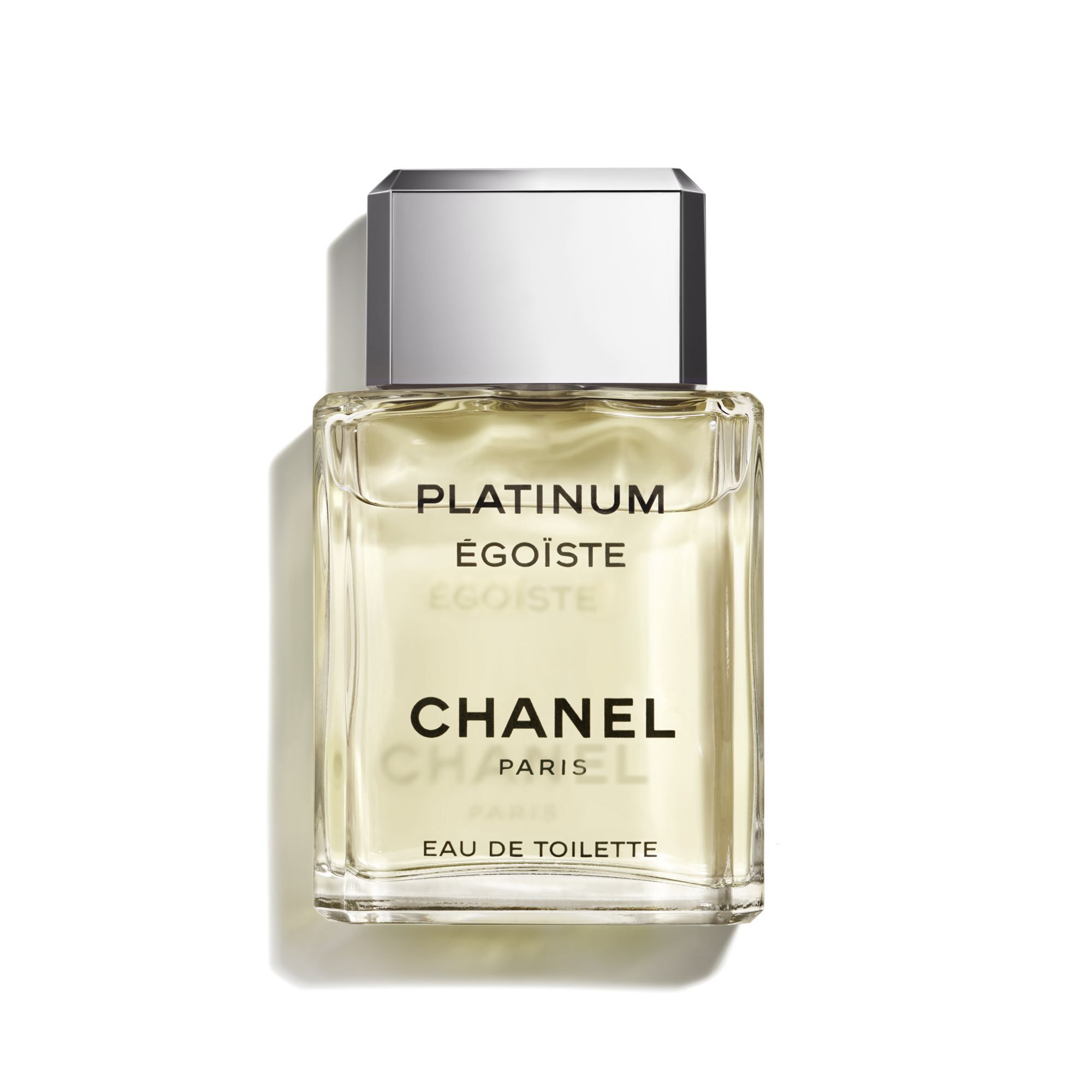
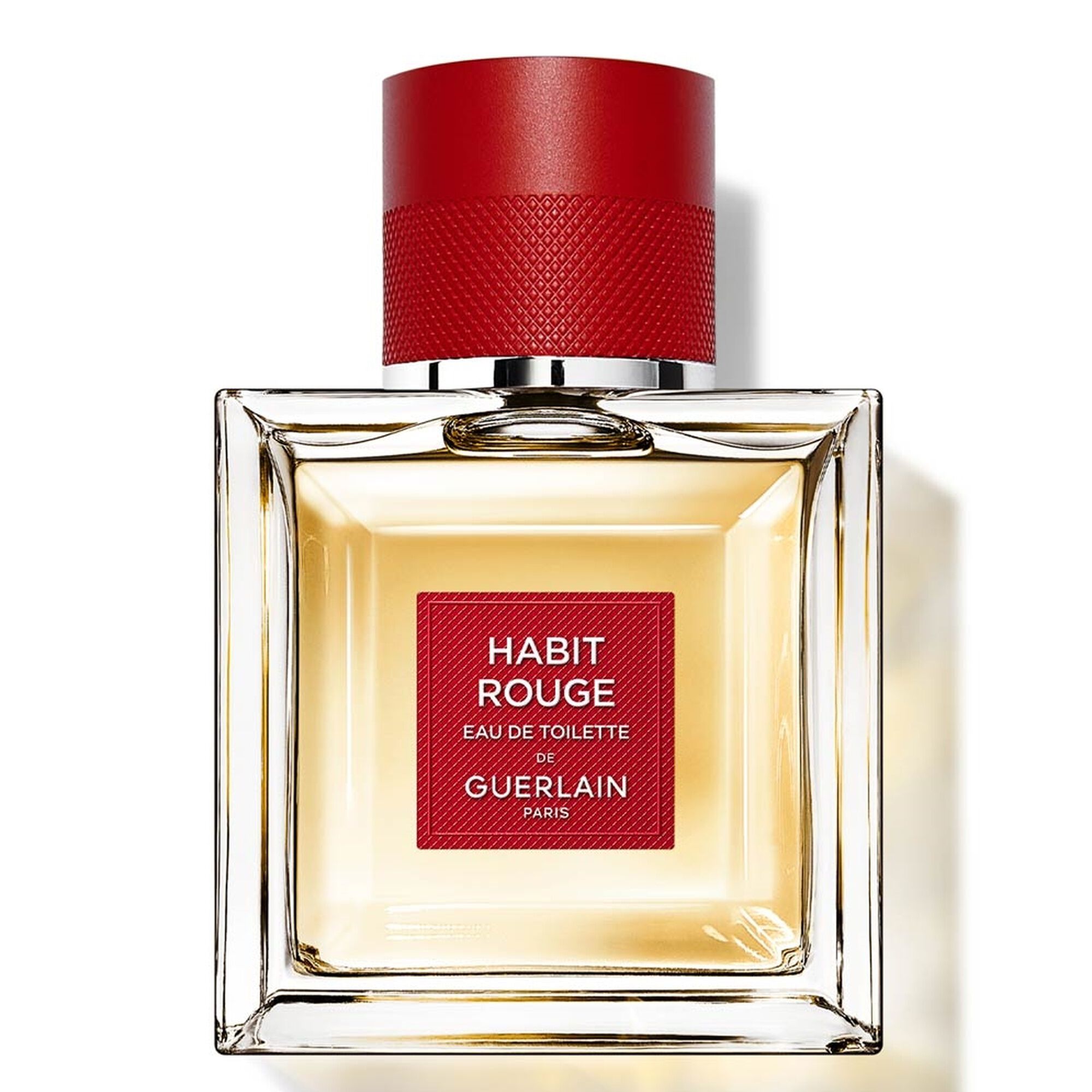
Eau de Toilette ranges from around 5 to 12%. It's the best-selling format in men's perfumery. It suits everyday wear, the office, casual outings. Its projection is moderate, its longevity decent — four to six hours depending on the skin.
Eau de Parfum rises to 12-20% concentration. It makes more of a statement, lasts longer and often reveals more complex facets of the juice. Best reserved for evenings, formal occasions, or simply if you have dry skin that "eats" fragrances quickly.
Parfum or extrait de parfum exceeds 20%. A few dabs are enough. The sillage is dense, the development on the skin fascinating. But the price per millilitre is high and application should be measured.
Taking context into account: season, occasion, lifestyle
A fragrance doesn't exist outside its context. The same fragrance can seem out of place depending on the season or situation.
In summer, warmth amplifies the projection of any fragrance. It's best to opt for something fresh and less concentrated to avoid an overpowering effect. Conversely, winter "mutes" fragrances: woody, amber or spicy notes then regain their full enveloping dimension.
For the office, the unwritten rule remains subtlety. A fragrance that dominates an open-plan space is never well received. Choose light eaux de toilette with moderate projection, in clean woody or fresh aromatic registers.
For evenings or special occasions, you can allow yourself something more assertive: an oriental, a smoky woody, a leather. This is where concentrated eaux de parfum truly come into their own.
Also consider your physical activity. Sport generates warmth and perspiration: fragrances react strongly in these conditions. Some hold up very well, others become unpleasant. Light eaux de Cologne and aquatic fragrances are better suited.
How to test a fragrance before buying
Testing in-store is an essential step — but it comes with a few precautions to make it truly useful.
First, don't test more than three or four fragrances in one session. Beyond that, your sense of smell becomes saturated and you can no longer perceive anything properly. Between each test, smell the inside of your inner elbow or a handful of coffee beans — this helps "reset" your perception.
Second, don't judge on first impression. A fragrance unfolds in several phases: the top note disappears within ten to fifteen minutes, the heart note takes over, then the base note settles in for hours. This base note is what will remain on you. Wait at least half an hour before deciding.
If possible, wear the tested fragrance on your skin for a whole day before buying. Many perfumeries offer samples. Take advantage of this — it's the only way to know how a fragrance ages on your skin and how it behaves in your real everyday conditions.
Also be wary of the "love at first sniff in-store" effect. The environment, lighting and emotional context all influence olfactory perception. What seemed perfect in the shop may feel different at home, in your daily life.
Building a fragrance wardrobe rather than searching for THE one
The idea of a single, ultimate signature fragrance is appealing. But it often leads to an endless quest. A more pragmatic approach is to build a small olfactory wardrobe — two or three complementary fragrances for different contexts.
A fresh fragrance for everyday wear and summer days. A woody or aromatic one for the office. An oriental or a leather for evenings. With three well-chosen flacons, you cover most situations without spreading yourself too thin.
This logic of complementarity is also more economical in the long run: you use each flacon appropriately rather than forcing a fragrance into contexts it doesn't suit.
If you'd like to deepen your understanding of fragrance families or explore note profiles in detail, the fragrance hub offers comprehensive guides to help you go further in every direction.
Frequently asked questions
Fragrance family is the first criterion to identify. Woody fragrances suit dry skin and formal settings; aromatics work well for everyday wear; orientals last longer in the evening; fresh fragrances suit sport or warm seasons. Testing a few representatives of each family on your skin remains the most reliable method.
Start by defining the main use: everyday wear, evenings or a special occasion. Test the fragrance directly on your skin, not on a blotter, and wait 15 to 30 minutes before judging the sillage. Since every skin reacts differently, what works on someone close to you won't necessarily give the same result on you.
To give a men's fragrance as a gift, first find out what fragrances the person wears or has worn. Failing that, opt for a versatile fragrance family such as aromatic woody, which is generally well received. Gift sets with travel-size formats allow the recipient to discover the fragrance without commitment, reducing the risk of an unsuitable choice.