

Spicy perfume: warmth, intensity and character in a captivating family
Twelve years advising customers in perfumery, and the spicy family remains the one that surprises me most. Not because it's simple — it isn't — but because it runs through everything. An oriental can be spicy. So can a woody. A floral, a gourmand, an aromatic: spice makes its way into all of them, qualifying, intensifying, transforming.
What I love about spicy perfumes is precisely this cross-cutting quality. These aren't monolithic fragrances: they engage with other families, enrich them, and give them character and depth.
In this guide, I'll explain what a spicy perfume really is — its composition, its origins, its five main variations — and offer you a selection of eleven references for women and men, with clear answers to the questions I hear most often in-store.
What is a spicy perfume?
Olfactory definition: the composition of a spicy perfume
A spicy perfume is recognisable by the dominant presence of raw materials from the world of spices — plant-based, resinous or synthetic — which bring warmth, piquancy or depth to the composition.
There are two main categories of spicy notes. Warm notes are the most classic: cinnamon, clove, nutmeg, cardamom, saffron. They add enveloping richness, sensuality, and sometimes heaviness if not properly balanced. Fresh notes — fresh ginger, white pepper, green cardamom, pink berries — bring instead an invigorating piquancy, a lightness that makes the family accessible even by day.
What makes the spicy family particular is that it rarely stands alone. It qualifies and enriches other families rather than replacing them. A spicy woody isn't a spicy fragrance with wood added: it's a woody made more intense, more vibrant, more profound by spices. This cross-cutting logic explains why we speak of warm spicy, woody spicy, floral spicy or spicy aromatic — variations I detail further below.
Historical origins of spices in perfumery
Spices have a long history in perfumery — far longer than the chemical syntheses of the twentieth century. The spice routes, which connected South-East Asia, India and Persia to Arab and then European markets, carried materials for cooking as much as materials for burning, perfuming and ritual.
Persian and Arab traditions were the first to incorporate saffron, cardamom and clove into olfactory compositions, often in the form of incense or oils. These uses influenced European perfumery from the Middle Ages onwards, and the great French houses of the twentieth century inherited them directly.
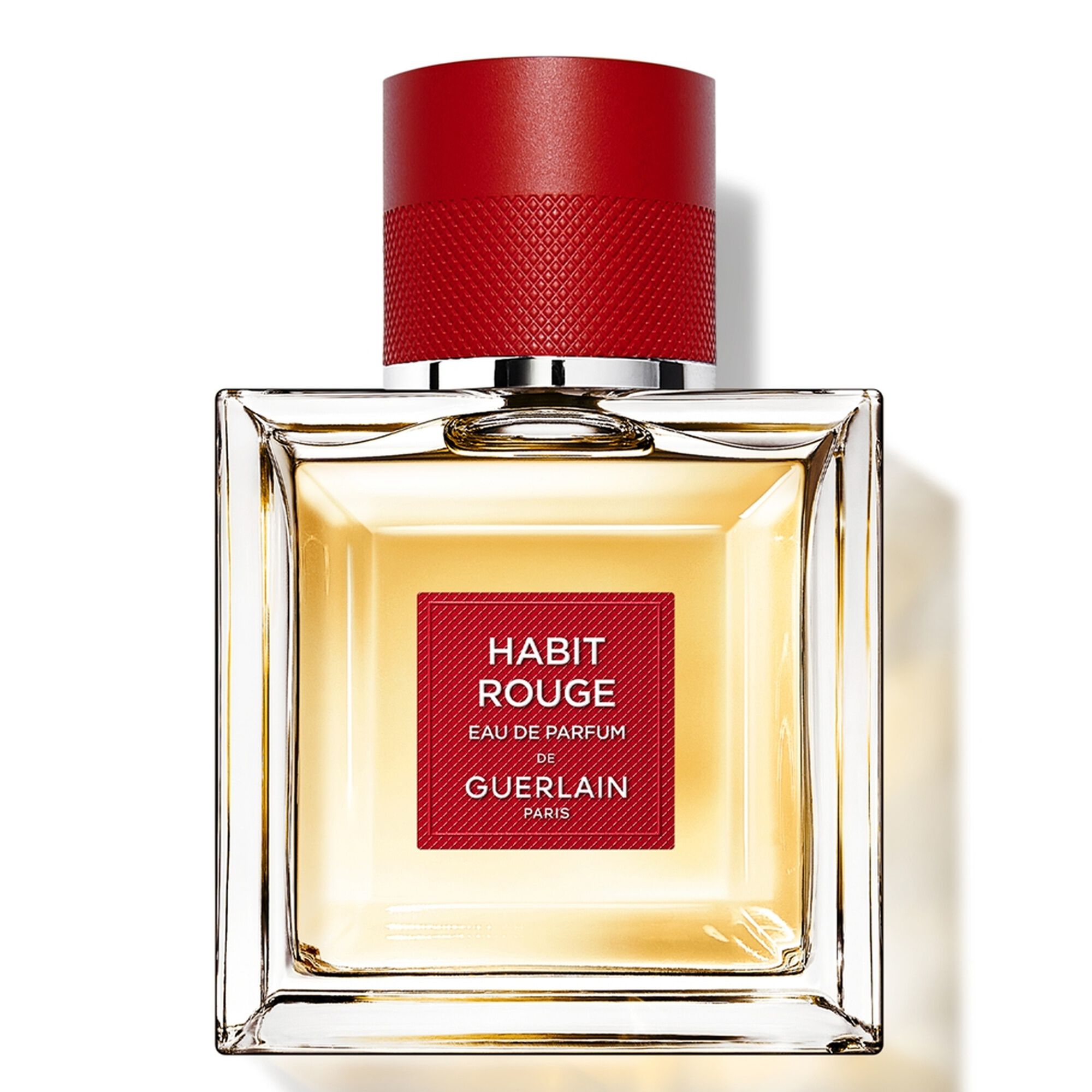
Two founding milestones deserve mention. Guerlain's Habit Rouge (1965) laid the foundations of French warm spicy for men: cardamom, carnation, amber, leather — an accord that hasn't aged a day. Yves Saint Laurent's Opium (1977) did the same for women, embracing a warm, deep and daring sillage that upended the conventions of its time. Both remain essential reference points for understanding what a spicy perfume is.
Why are spicy perfumes so intense?
The answer is as much chemical as psychological. The aromatic molecules found in spices — eugenol in clove, cinnamaldehyde in cinnamon, safranal in saffron — have high persistence on the skin. They fix well, evolve slowly, and their sillage spreads over a wide radius. A well-formulated warm spicy perfume can last eight to twelve hours without reapplication.
Psychologically, spices trigger deep associations: warmth, intimacy, sensuality, character. It's no accident that spicy perfumes are often chosen for evenings, for the colder seasons, for occasions that call for presence. They're not designed to be subtle.

Did you know? Saffron is the most expensive spice in the world: between 3 000 € and 10 000 €/kg depending on origin and quality. Used in perfumery since Persian antiquity, it brings a unique leathery-honeyed note, now central to the great niche spicy fragrances — from saffron-rose accords to the saffron-oud accords that dominate contemporary luxury perfumery.
The 5 spicy sub-families
| Name | Olfactory profile | Typical notes | Examples |
|---|---|---|---|
| Warm spicy | Enveloping-sensual | Cinnamon, clove, nutmeg, cardamom, spicy vanilla | Habit Rouge Guerlain, Opium YSL |
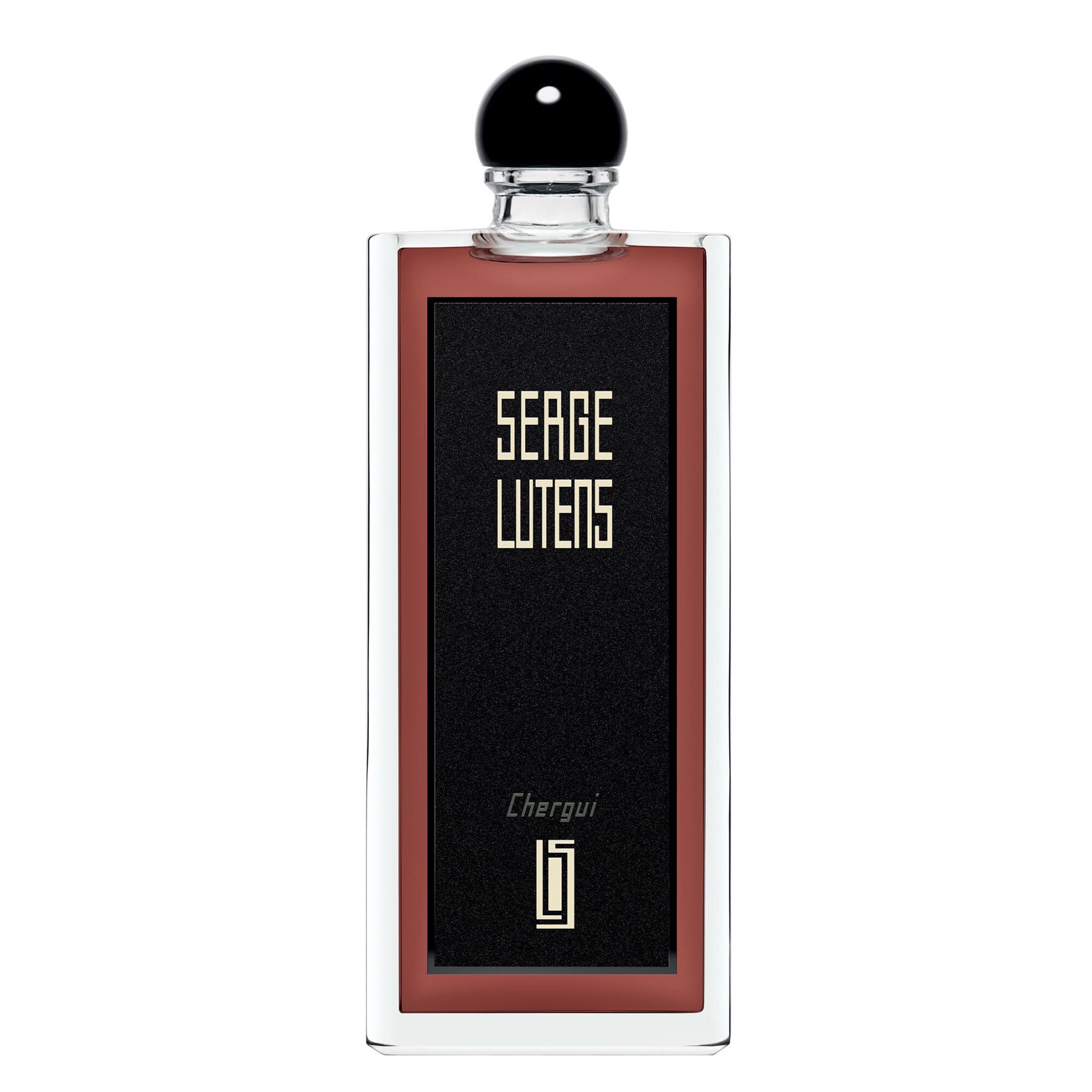
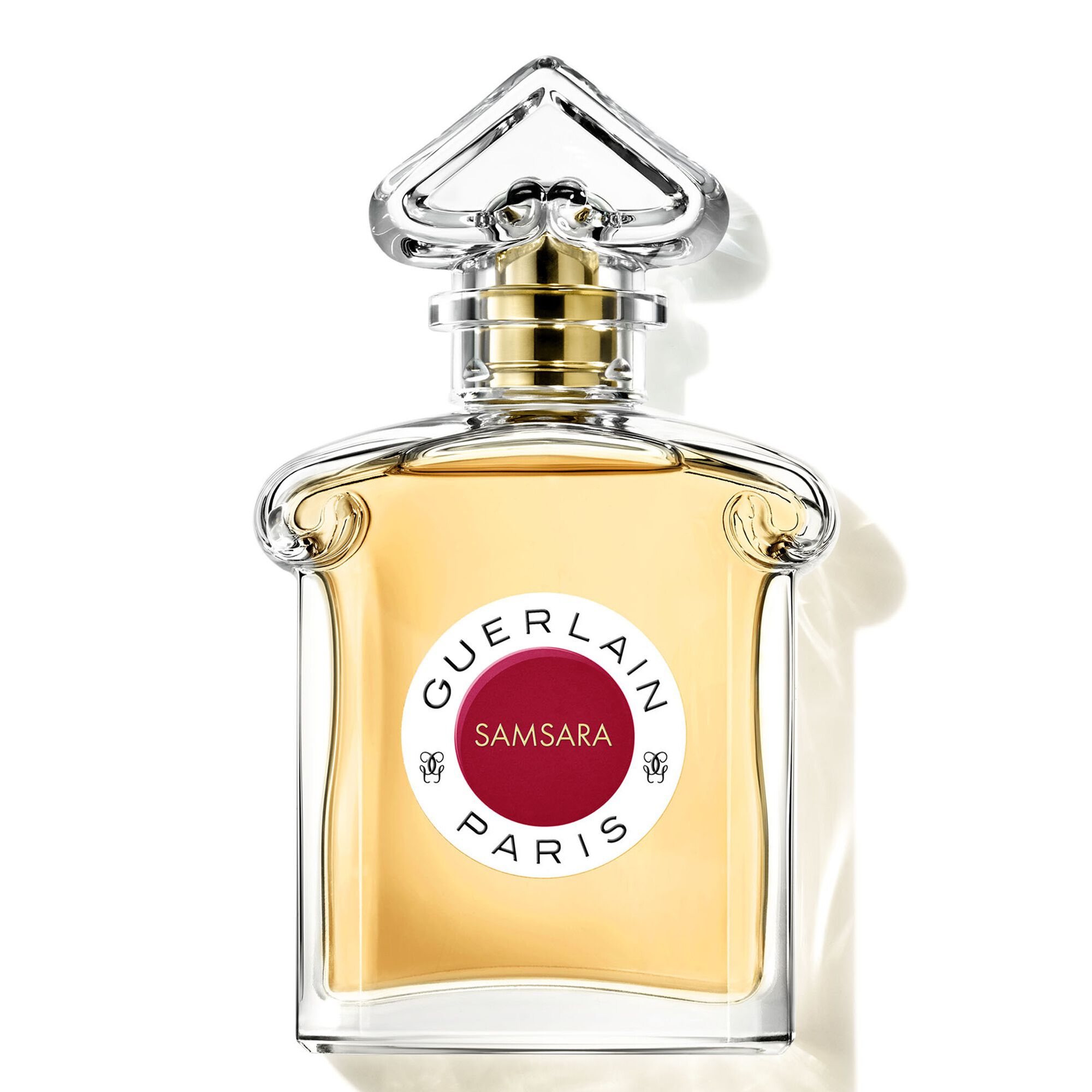
| Woody spicy | Dry-intense | Black pepper, spicy cedar, vetiver, patchouli, incense | Chergui Serge Lutens, Samsara Guerlain |
| Floral spicy | Soft-piquant | Pink pepper, saffron, spicy rose, peppered jasmine | Good Girl Carolina Herrera, La Vie Est Belle Intensément |
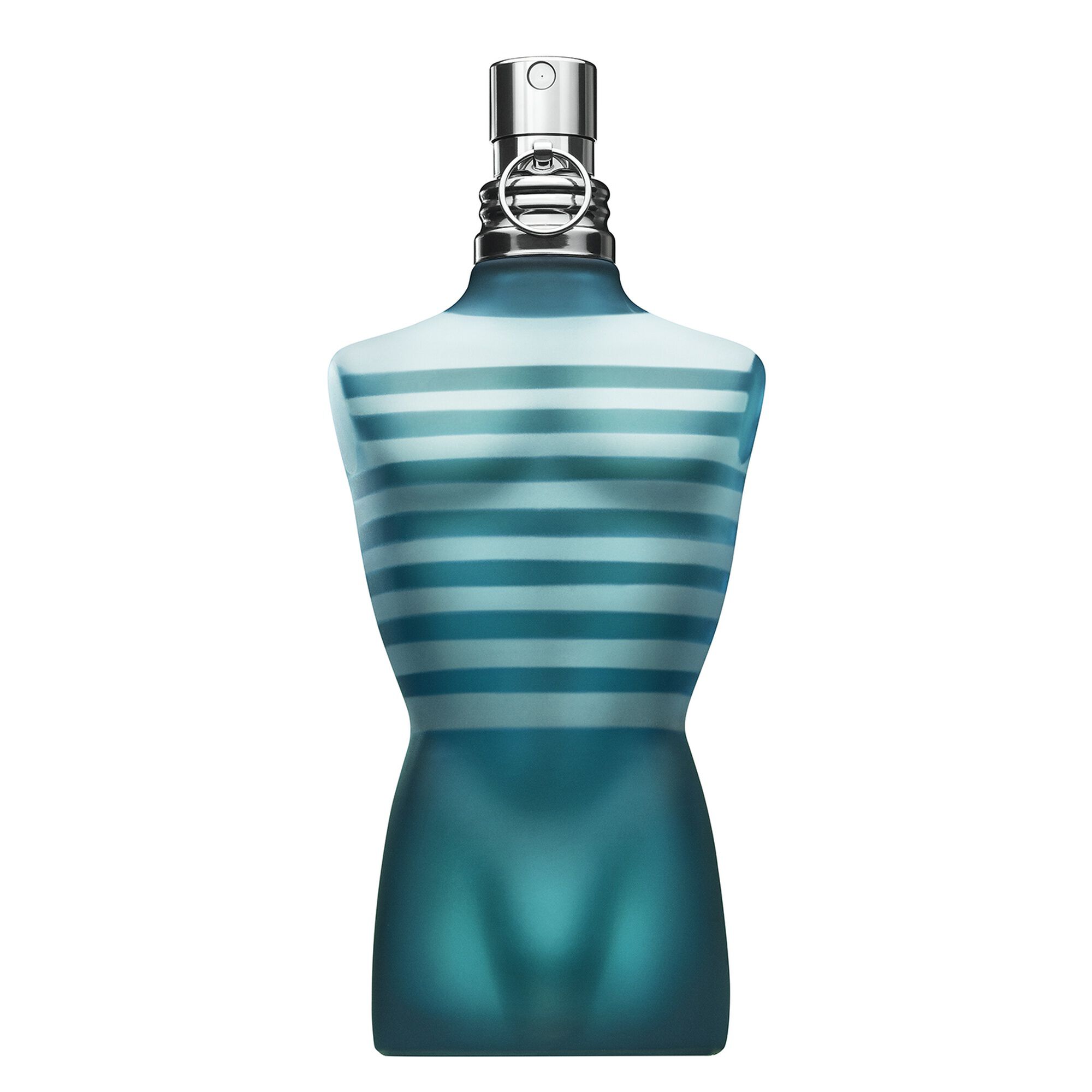
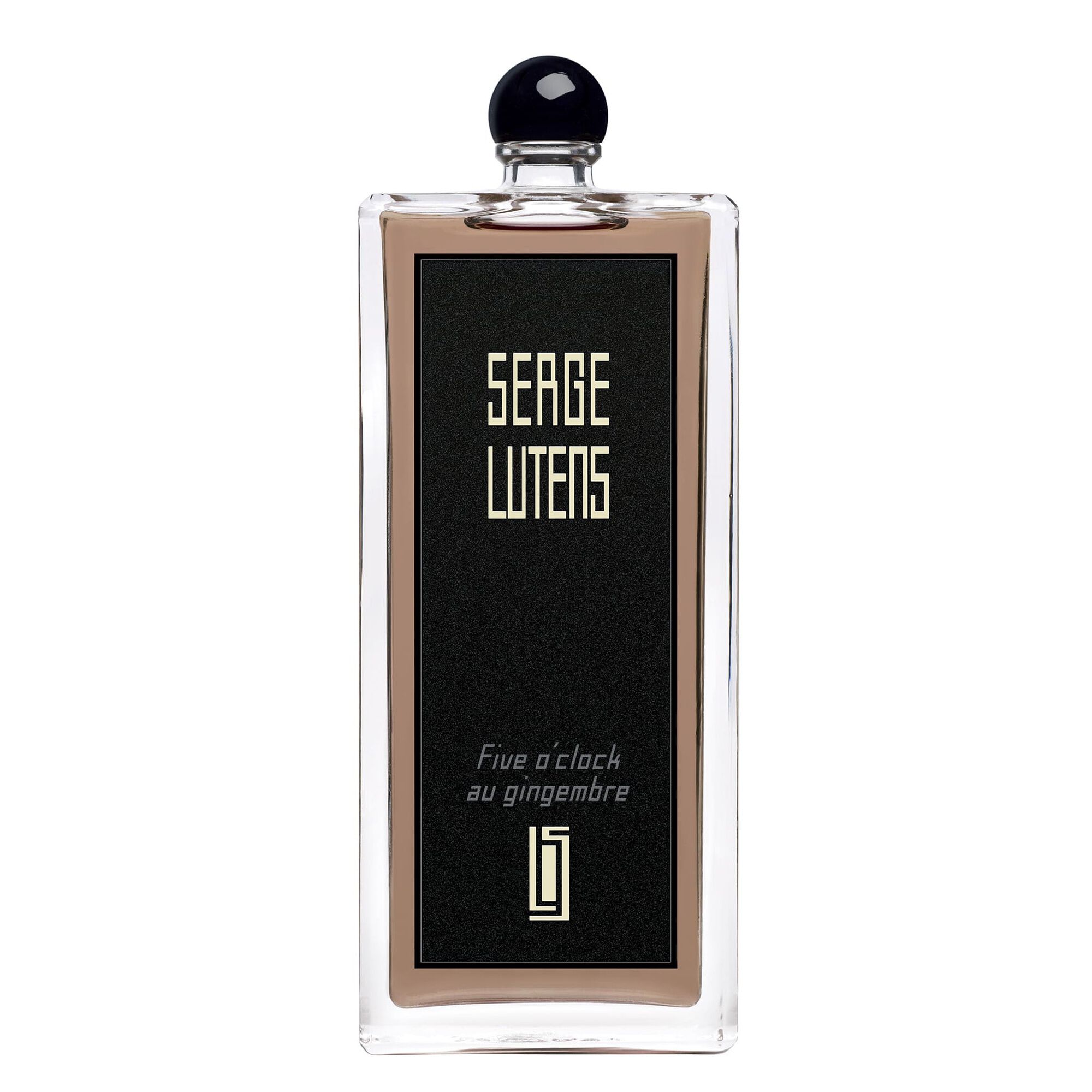
| Fresh spicy (spicy aromatic) | Invigorating-piquant | Ginger, white pepper, green cardamom, basil | Five O'Clock au Gingembre Serge Lutens, Le Mâle JPG |
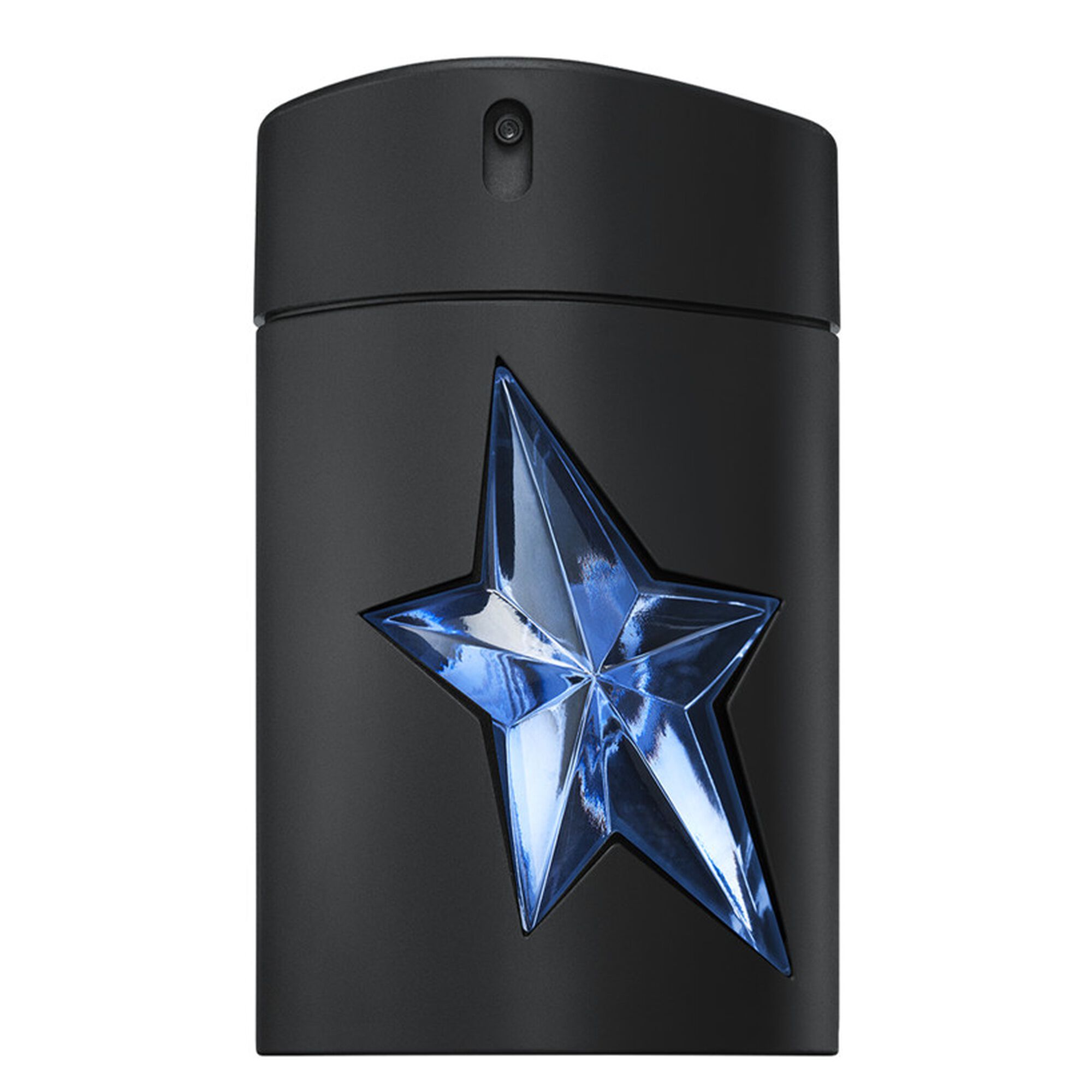
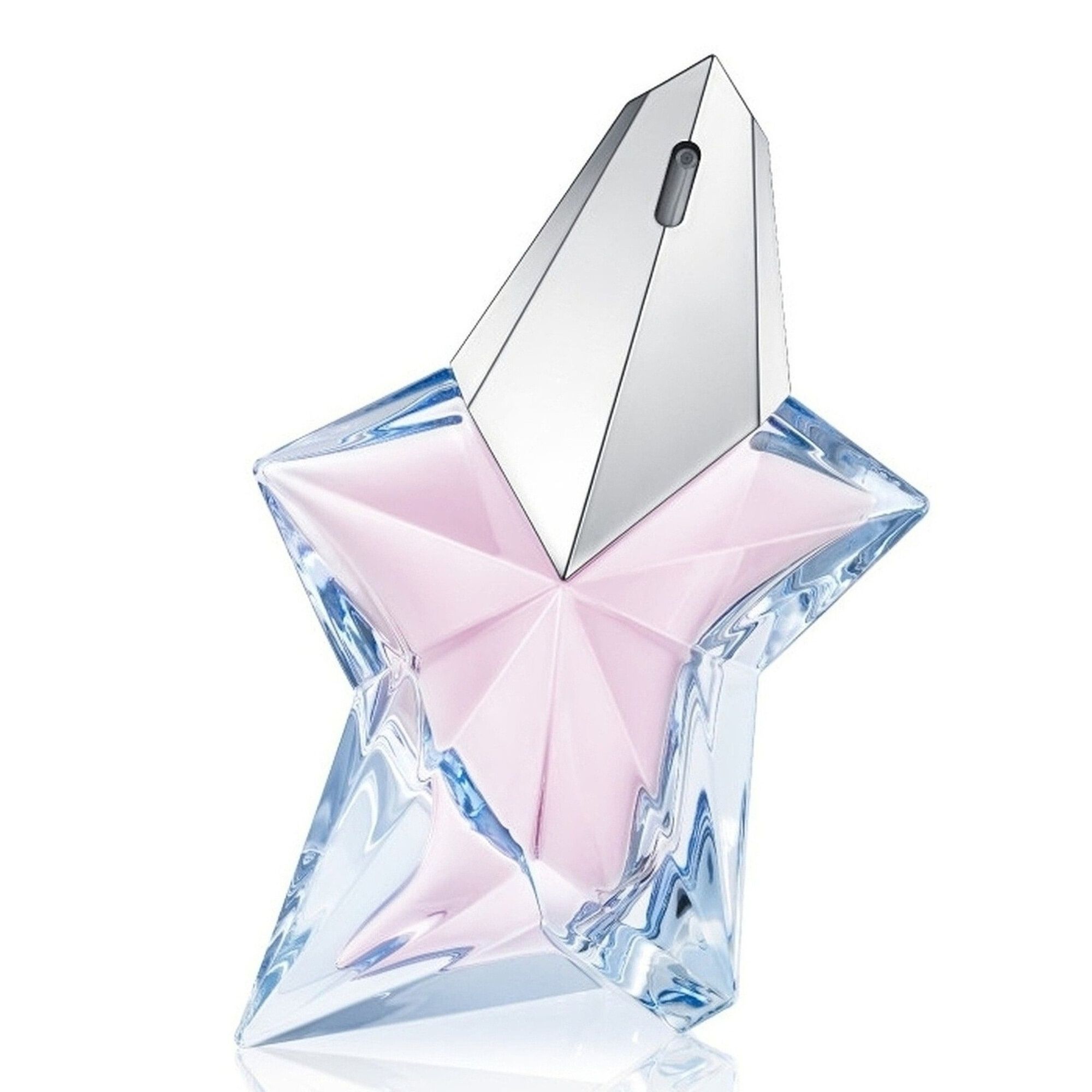
| Gourmand spicy | Sweet-peppery | Gourmand saffron, sweet cinnamon, spicy tonka bean, peppered caramel | Angel Mugler, A*Men Mugler |
Warm spicy
This is the most classic variation, the one most closely associated with the image people have of a spicy perfume. Cinnamon, clove, nutmeg, cardamom and spicy vanilla form an enveloping, sensual, almost edible accord. The sillage is generous, the longevity long-lasting.
Guerlain's Habit Rouge and YSL's Opium are the two historic references in this sub-family — one for men, the other for women. Two fragrances that defined what "warm and deep" meant in perfumery.
Woody spicy
Here, the piquancy takes a drier direction. Black pepper, cedar, vetiver, patchouli and incense replace the softness of cinnamon with something more mineral, more intense. This is a profile often associated with masculine fragrances, but feminines such as Guerlain's Samsara show that the line isn't so clear-cut.
Serge Lutens's Chergui is the niche reference in this sub-family — dry spices, tobacco, amber, a construction that owes nothing to anyone. To explore this family further, see our woody family guide.
Floral spicy
Pink pepper, saffron, spicy rose, peppered jasmine and carnation: these are the raw materials that define floral spicy. This sub-family plays on the tension between floral softness and spicy piquancy — a delicate balance, often very feminine. Carolina Herrera's Good Girl and Lancôme's La Vie Est Belle Intensément are two good contemporary examples. To dig deeper, our saffron note guide explores saffron-floral accords in detail.
Fresh spicy / spicy aromatic
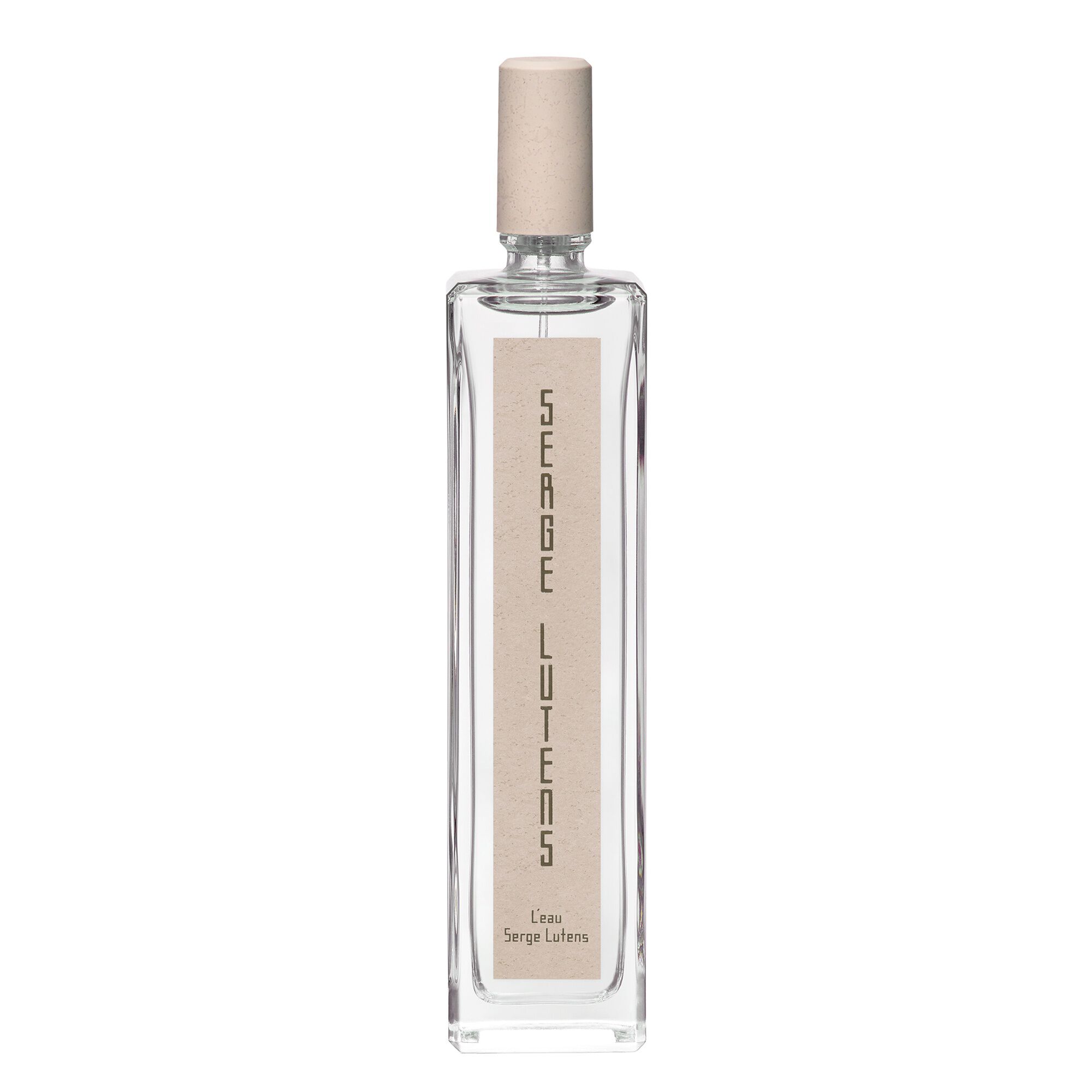
Fresh ginger, white pepper, green cardamom, basil: this sub-family is the most accessible, the most versatile. It brings an invigorating piquancy rather than an enveloping warmth. Serge Lutens's Five O'Clock au Gingembre is the most precise example — ginger, tea, fresh spices, a light and clean construction. Jean Paul Gaultier's Le Mâle also plays in this register, with lavender and cardamom up top. In a different spirit, L'eau Serge Lutens shows how a house can take fresh spicy in an almost mineral, stripped-back direction. To explore this family more broadly, our spicy aromatic page details the codes of this register. And to learn more about the main note, our ginger guide is a good starting point.
Gourmand spicy
The line with pure gourmand is thin. What distinguishes gourmand spicy is the presence of a dominant spice that "spikes" the sweetness — peppered caramel, sweet cinnamon, spicy tonka bean, gourmand saffron. Mugler's Angel is the absolute reference of this sub-family: spicy patchouli, caramel, vanilla — a sweet-peppery accord that has divided opinion since 1992 and continues to fascinate. Mugler's A*Men follows the same logic for men, with more darkness and coffee. For everything related to the Mugler house, we have a dedicated space.
Our selection: the best spicy perfumes for women 2026

Feminine spicy covers a very wide spectrum — from warm, deep oriental to piquant floral, via sweet-peppery gourmand. Here are the five references I recommend most often in-store, each representing a different variation of the family.
Opium EDP — Yves Saint Laurent
A founding icon of feminine spicy, created in 1977. Clove and coriander at the top, rose and carnation at the heart, patchouli and incense at the base: a warm, deep, fully committed sillage. For the woman who wants a fragrance with strong character, one that has left its mark for almost fifty years. The reference spicy oriental.
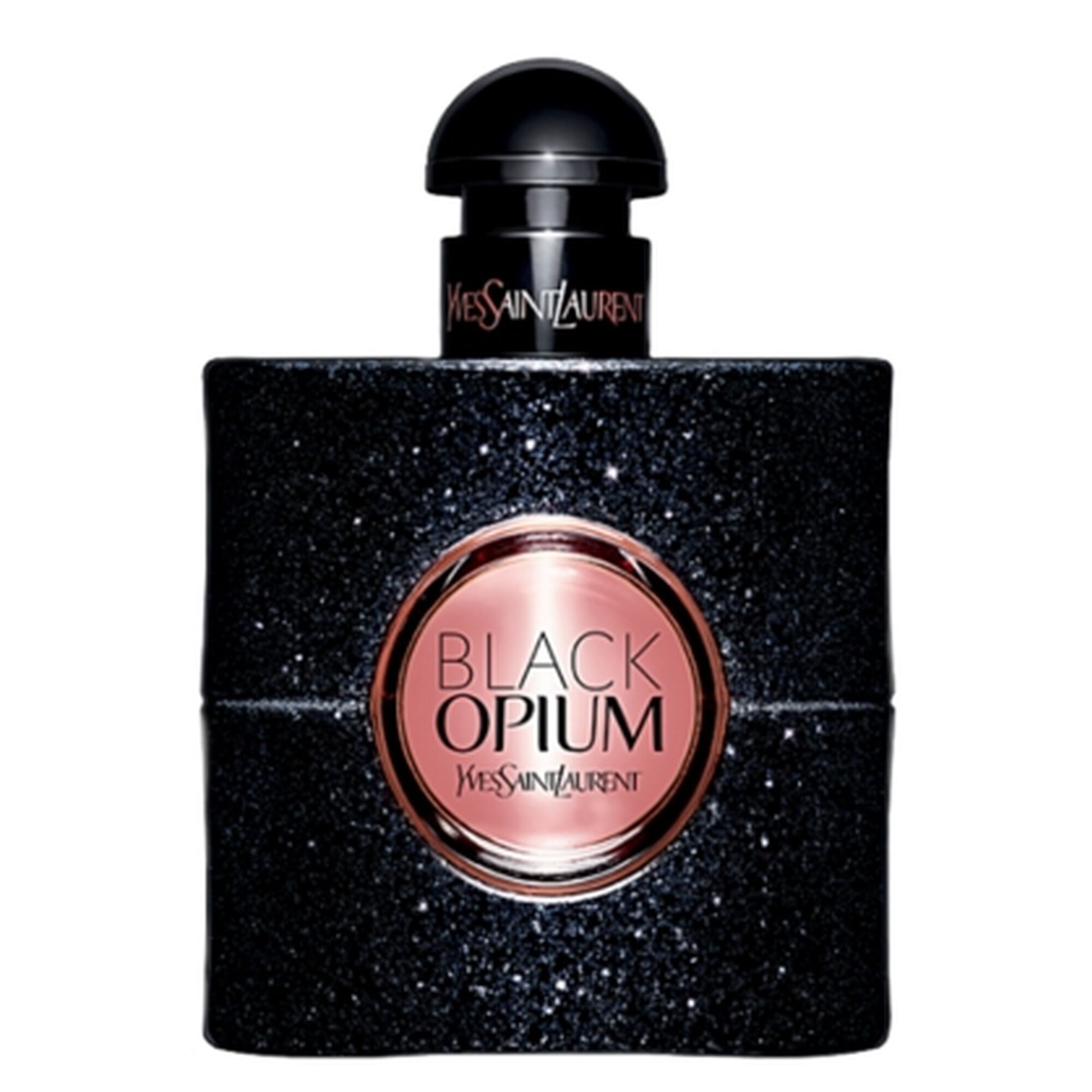
Black Opium EDP — Yves Saint Laurent
The contemporary, addictive version from the YSL house. Black coffee and white pepper at the top, jasmine at the heart, vanilla and patchouli at the base: a dark, electric, very feminine gourmand spicy. For anyone seeking the intensity of an oriental spicy in a more modern, everyday-friendly register.
La Vie Est Belle Intensément EDP — Lancôme
The most spicy and intense version of Lancôme's bestseller. The iris runs deeper, the patchouli more present, the praline warmer. For those who love La Vie Est Belle but want more character and longevity. A modern floral spicy for women, generous sillage, excellent staying power.
Good Girl EDP — Carolina Herrera
Pink pepper and jasmine at the top, cacao and tonka bean at the base — a modern gourmand floral spicy in its recognisable stiletto flacon. Sensual, piquant, lightly sweet. For the woman who wants to play with glamorous codes without tipping into over-sweetness. A successful balance between floral and spicy.
Good Girl Blush Elixir — Carolina Herrera
The most powdery and floral variation in the Good Girl range. Pink pepper and lychee at the top, rose and jasmine at the heart, sandalwood and musk at the base: a softer, airier floral spicy, ideal for anyone who wants the piquancy of pink pepper without the intensity of cacao. A lovely alternative for those torn between floral and spicy.
Angel EDP — Mugler
The reference gourmand spicy for women. Spicy patchouli at the base, caramel and vanilla at the heart: a powerful, sweet-peppery sillage that has divided and fascinated since 1992. For anyone who embraces a bold, identifiable fragrance that doesn't go unnoticed. Exceptional longevity and projection.
Samsara EDP — Guerlain
A classic woody spicy for women from the house of Guerlain. Sandalwood and jasmine at the heart, spicy iris and vetiver at the base: a deep, warm, distinguished fragrance. For the woman seeking a feminine woody spicy free of masculine cliché, with the precision and elegance the house is known for.
Floral spicy deserves a special mention in the feminine register. It's the sub-family that has evolved most over the past decade: pink pepper, saffron, spicy rose and peppered jasmine combine to create fragrances that are both soft and piquant, feminine without being conventional. Carolina Herrera's Good Girl and Lancôme's La Vie Est Belle Intensément are two very representative examples of this trend. To explore further, our spicy for women selection details every profile by sub-family.
Our selection: the best spicy perfumes for men 2026
Masculine spicy rests on three main codes: woody spicy (black pepper, cedar, vetiver), spicy aromatic (ginger, cardamom, lavender) and amber spicy (amber, resins, warm spices). These three registers cover very different profiles — from accessible everyday wear to assertive evening wear — which is what makes the masculine spicy family particularly rich to explore.
Two factual references are worth citing at the outset: Hermès Terre d'Hermès remains the mainstream reference for masculine woody spicy, with its pepper-vetiver-cedar accord recognised by perfumers everywhere. Tom Ford Black Orchid, meanwhile, represents the dark spicy niche register, with a heavier, more unsettling construction.
Here are the four references we offer at Tendance Parfums, for every profile.
Habit Rouge EDP — Guerlain
A founding icon of masculine spicy, created in 1965. Cardamom and carnation at the heart, amber and vetiver at the base: a warm, elegant, timeless sillage. For the man who wants a distinguished warm spicy, one that has crossed three generations without ageing. The absolute reference from Guerlain in this register.
A*Men EDT — Mugler
A bestselling masculine gourmand spicy. Tar and coffee at the top, spicy patchouli and caramel at the base: a bold, dark, sweet-peppery accord. For the man who wants to step outside classic woody codes and embrace a spicy fragrance with strong character. Massive projection, remarkable longevity.
Le Mâle EDT — Jean Paul Gaultier
A reference spicy aromatic for men. Lavender and cardamom at the top, vanilla and musk at the base: both fresh and warm spicy at once, accessible, versatile. For the man seeking an everyday spicy aromatic, controlled sillage, solid longevity. A classic that needs no justification.
Chergui EDP — Serge Lutens
A niche reference for woody spicy. Honey and tobacco at the heart, dry spices and amber at the base: a deep, dry, slightly smoky accord. For anyone seeking a woody spicy off the beaten track, with the precision and daring of the Serge Lutens house. Unisex, but often chosen by men.
Our full spicy for men selection offers further profiles classified by sub-family and intensity.
Spicy woody, spicy oriental, spicy aromatic perfume: how to tell them apart?
This is the question I hear most often in-store — and the most legitimate one. These three registers share common spices but produce very different results on the skin.
| Register | Dominant notes | Ideal season | Target audience |
|---|---|---|---|
| Spicy oriental | Cinnamon, clove, amber, resins, incense | Autumn-winter | Women and men seeking warmth and depth |
| Woody spicy | Black pepper, cedar, vetiver, patchouli | Autumn-spring | Mainly men, women with a woody profile |
| Spicy aromatic | Ginger, green cardamom, basil, white pepper | Spring-summer | Mainly men, fresh-piquant register |
Spicy oriental: warmth, amber and resins
Spicy oriental is the most enveloping, most densely built register. Cinnamon, clove, amber and resins form a dense, almost opaque base that unfolds slowly on the skin. The sillage is deep, the longevity long-lasting.
Three founding milestones: Habit Rouge (Guerlain, 1965), Opium (YSL, 1977), Shalimar (Guerlain, 1925). These three fragrances laid the foundations of this register and remain reference points for understanding what an oriental spicy accord is. These are autumn and winter perfumes, for evenings, for occasions.
Spicy woody: dryness, pepper and vetiver
Spicy woody goes in the opposite direction. Black pepper, cedar, vetiver and patchouli give a dry, intense, mineral profile. No softness, no enveloping quality — just character and precision.
Hermès Terre d'Hermès is the mainstream reference in this register: a pepper-vetiver-cedar accord, highly recognisable, very masculine. Serge Lutens's Chergui takes this logic further, with dry spices and tobacco reinforcing the overall dryness. This register works well from autumn through to spring.
Spicy aromatic: piquant freshness and herbs
The spicy aromatic register is the most modern, the lightest of the three. Ginger, green cardamom, basil and white pepper create an invigorating, almost culinary piquancy that moves completely away from oriental warmth. It's the contemporary masculine profile par excellence.
Serge Lutens's Five O'Clock au Gingembre is the most precise and accomplished example: fresh ginger, tea, light spices — a construction that holds together without ever becoming heavy. This register works very well in spring and summer.
How to choose your spicy register according to your character and the season?
A few simple guidelines. If you're after warmth, depth and a powerful sillage for autumn-winter → spicy oriental. If you're after dryness, character and a more subtle profile → woody spicy. If you're after vibrancy, freshness and something to wear every day → spicy aromatic.
In-store, I often suggest starting by testing the two extremes — a warm spicy oriental and a fresh spicy aromatic — to identify straight away which register feels comfortable. Woody spicy often sits somewhere in between.
For a first purchase in this register, Guerlain's Habit Rouge (warm spicy) and Serge Lutens's Chergui (woody spicy) are two very different but highly representative starting points.
Saffron and pepper spicy perfume: the noble spices of perfumery
Among all spicy raw materials, saffron and pepper occupy a place of their own. Not only for their price or rarity — but for the complexity they bring to a composition.
Saffron in perfumery: red gold, leathery warmth and depth
Saffron comes mainly from Iran and Morocco — two origins with slightly different profiles, the Iranian one more leathery and metallic, the Moroccan one softer and more floral. Extraction is delicate: the stigmas of the Crocus sativus flower are hand-picked, which explains the raw material's price (between 3 000 € and 10 000 €/kg).
In perfumery, saffron brings a unique leathery-honeyed note, slightly animalic, that pairs very well with rose (the saffron-rose accord, prevalent in Middle Eastern-inspired niche perfumery) and with spicy oud (the saffron-oud accord, dominant in contemporary luxury perfumery). Houses such as Maison Francis Kurkdjian with Grand Soir, or Frederic Malle with Portrait of a Lady, use saffron as a structuring material rather than a simple base note.
To explore further, our saffron note guide details the main accords and the finest expressions of this material.
Pepper in perfumery: from black pepper to pink pepper, from piquancy to floral softness
Pepper in perfumery actually refers to at least two very different materials. Black pepper (Piper nigrum) brings a dry, woody, slightly earthy piquancy — it's the spice that gives bite to a woody or aromatic accord. Pink pepper (Schinus molle), which is not botanically a pepper, brings instead a slightly fruity floral softness, much more accessible and less piquant.
This distinction matters in practice: a perfume "with pepper" can be very dry and intense (black pepper) or very soft and feminine (pink pepper). Both coexist within the spicy family, but they don't appeal to the same profile at all. Pepper in perfumery deserves a dedicated guide, given how numerous its variations are.
Our Tendance Parfums spicy selection: 3 saffron & pepper essentials
Five O'Clock au Gingembre — Serge Lutens Fresh ginger, tea, light spices: the house's reference fresh spicy aromatic. Precise, clean, invigorating — an accord that resembles nothing else.
Arabie — Serge Lutens Cardamom, rose, spicy incense: a warm spicy oriental where noble spices take centre stage. Deep, captivating, highly representative of the Serge Lutens house's craftsmanship.
Habit Rouge EDP — Guerlain Cardamom, carnation, amber: the founding French warm spicy. The noble spices here are handled with an elegance that remains a benchmark of the genre, sixty years after its creation.
How to wear a spicy perfume
Spicy perfume for which season?
The short answer: autumn and winter, for warm and oriental spicy fragrances. Cold weather amplifies the diffusion of warm aromatic molecules, and the enveloping sillage of a spicy oriental is particularly well-suited to low temperatures.
But this isn't an absolute rule. The lighter sub-families — spicy aromatic, fresh spicy — work very well in mid-season, even in summer for the lightest profiles. I avoid recommending a heavy warm spicy in a heatwave: on warm skin, cinnamon and clove notes can become overwhelming.
Spicy perfume for day or evening?
For daytime, I recommend the fresh and aromatic sub-families — a fresh spicy in EDT, with ginger or green cardamom at the top, remains subtle and pleasant in a professional or urban setting.
In the evening, warm and oriental spicy fragrances really come into their own. A warm spicy or spicy oriental EDP unfolds its deep sillage over several hours — exactly what you'd want from an evening perfume. For a special occasion, a saffron or spicy oud brings the density and presence that make all the difference.
How much does a good spicy perfume cost?
The spicy market covers every budget. At entry level (22-50 EUR), you'll find accessible versions built on quality synthetics. The premium segment (50-100 EUR) is the most well-stocked, with houses such as Mugler, Jean Paul Gaultier or Lancôme. Niche and luxury (100 EUR+) offer rarer raw materials — Iranian saffron, spicy oud, Timut pepper — and more complex constructions. A customer recently came in looking for "something spicy under 60 EUR": we found it within minutes, the family is broad enough to leave no one without an option.
Frequently asked questions about spicy perfumes
What is a spicy perfume?
A spicy perfume contains dominant notes drawn from the world of spices — cinnamon, clove, cardamom, ginger, saffron, black pepper or pink pepper. It's not a standalone family but a cross-cutting one that enriches orientals, woodies, florals and gourmands.
What are the best spicy perfumes?
It all depends on the register you're after. For a classic warm spicy, Guerlain's Habit Rouge remains the masculine reference. For women, YSL's Opium laid the foundations. In niche perfumery, Serge Lutens's Chergui is often cited as one of the most accomplished.
What is the best spicy perfume for women?
It depends on the profile. For a deep spicy oriental: Opium EDP by YSL. For a modern floral spicy: Good Girl by Carolina Herrera. For a distinguished woody spicy for women: Samsara by Guerlain. Our spicy for women selection covers every profile.
What is the best spicy perfume for men?
For an elegant warm spicy, Guerlain's Habit Rouge is the reference. For an accessible spicy aromatic, Jean Paul Gaultier's Le Mâle. For a niche woody spicy, Serge Lutens's Chergui. Find our full range in our spicy for men selection.
What is the difference between a warm spicy perfume and a fresh spicy perfume?
Warm spicy (cinnamon, clove, nutmeg) is enveloping, sensual, with a strong sillage — ideal for autumn-winter. Fresh spicy (fresh ginger, green cardamom, white pepper) is invigorating and piquant, lighter and more versatile. Both use spices, but in opposite registers.
Which spices are used in perfumery?
The most common are: cinnamon, clove, nutmeg, cardamom, ginger, black pepper, pink pepper, saffron, chilli and pink berries. Each has a distinct profile — the saffron note is leathery-honeyed, pepper can be dry or floral depending on the variety. The combinations are endless.
Which men's perfume has a spicy woody sillage?
Serge Lutens's Chergui is the niche reference: dry spices, amber, tobacco, a deep, dry sillage. For a more accessible profile, Guerlain's Habit Rouge combines warm spices and a woody base with elegance. Other references are gathered in our spicy for men selection.
In which season should you wear a spicy perfume?
Warm and oriental spicy fragrances are made for autumn and winter: their dense, enveloping sillage is amplified by the cold. Spicy aromatics and fresh spicy fragrances suit spring and summer. In mid-season, a moderate woody spicy works very well — often the most versatile choice.