
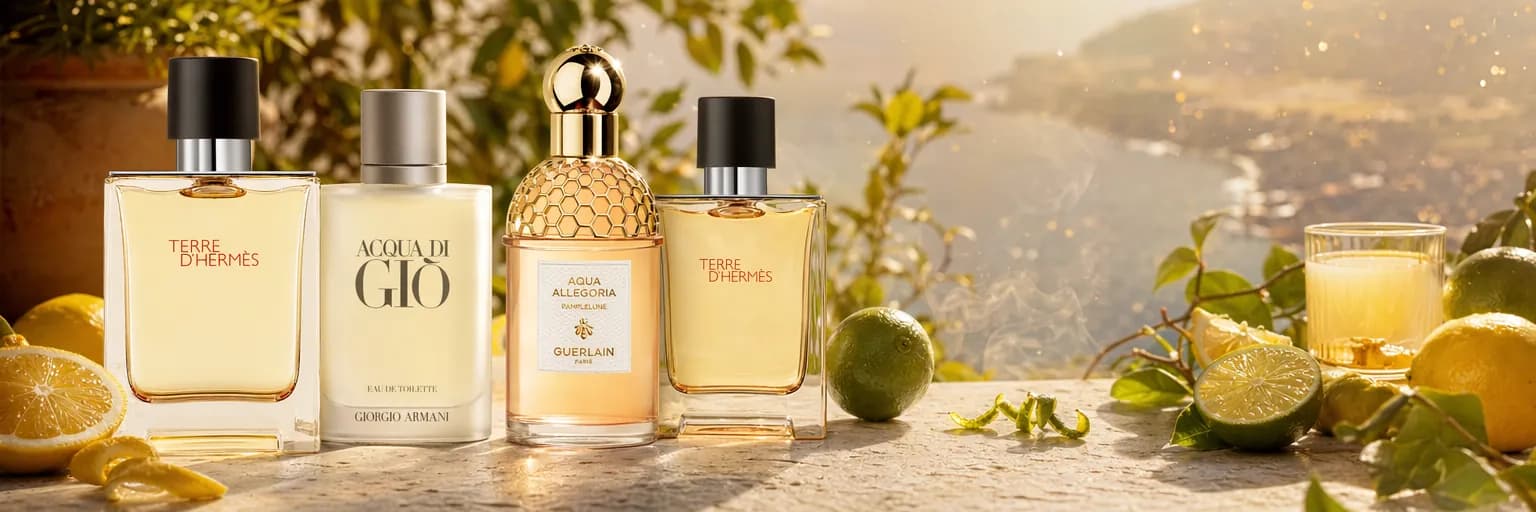
Citrus perfume: zesty freshness and citrus lightness
Twelve years advising on perfumes, and the citrus family remains the one that brings the biggest smile in-store. There's something immediate about a citrus zest: it wakes you up, it clarifies, it puts you in a good mood before the base note has even unfolded. It's no coincidence that Citrus fragrances are among the most worn in spring and summer, across all genders.
But "citrus perfume" covers very different realities — from a sparkling pure Citrus to a woody citrus with real base note, via Japanese yuzu or neroli florals. This complete guide helps you understand the family, tell the sub-families apart, choose from eleven references selected by Tendance Parfums, and answer the questions everyone asks themselves but doesn't always dare voice.
What is a citrus perfume?
Olfactory definition: the composition of a citrus perfume
A citrus perfume is a fragrance whose dominant notes belong to the citrus family — what perfumery calls the Citrus family. In the top notes, you find the great classics: lemon of Sicily, bergamot, lime, grapefruit, mandarin, orange, yuzu. These notes are obtained by cold expression of the zests — a mechanical technique that presses the fruit's peel to release its essential oils without heat, preserving their natural freshness and acidity.
These are light, highly volatile molecules that make up the top of the perfume. They evaporate quickly — that's both their strength and their limitation.
For the composition to hold, the perfumer adds aromatic or floral heart notes: rosemary, basil, neroli, sometimes thyme or mint. They bridge the initial brightness and the base note. In the base note, woody or musky materials — cedar, vetiver, white musk, sandalwood, white amber — anchor the composition and give it longevity.
Without this base note, a citrus perfume would be nothing more than a burst of freshness that disappears within twenty minutes.
Historical origins of the citrus family
The citrus family is one of the oldest in modern perfumery. Its birth certificate dates back to 1709, when Giovanni Maria Farina, a perfumer of Italian origin settled in Cologne, created what would become the original Eau de Cologne. Its composition? A citrus and bergamot accord over fine herbs — a Citrus-Citrus fragrance before the word even existed.
Throughout the 18th century, eaux de Cologne spread across Europe. Light, fresh, they stood in contrast to the heavy, powdery perfumes of the time. Napoleon, it's said, was a great user of them.
The modern classification, established by perfumer-consultant Michael Edwards in his Fragrance Wheel, places the "Fresh Citrus" family as one of the major branches of the Citrus family. Since then, perfumers have refined, layered and hybridised — but the base remains the same: a zest, an idea of lightness, a promise of immediate freshness.
Why are citrus perfumes so invigorating?
The answer is both chemical and psychological. Chemically, citrus molecules — limonene, citral, linalool — are among the lightest in perfumery. They evaporate quickly at room temperature, creating a sensation of freshness on the skin as soon as they're applied. It's physical: evaporation slightly cools the skin.
Psychologically, our brain associates citrus scents with light, energy, summer. Studies in olfactory psychology show that citrus notes reduce the perception of fatigue and increase alertness. That's perhaps why we find lemon in household products, energy drinks — and morning perfumes.
A citrus perfume is sunny and energising even before it is beautiful.
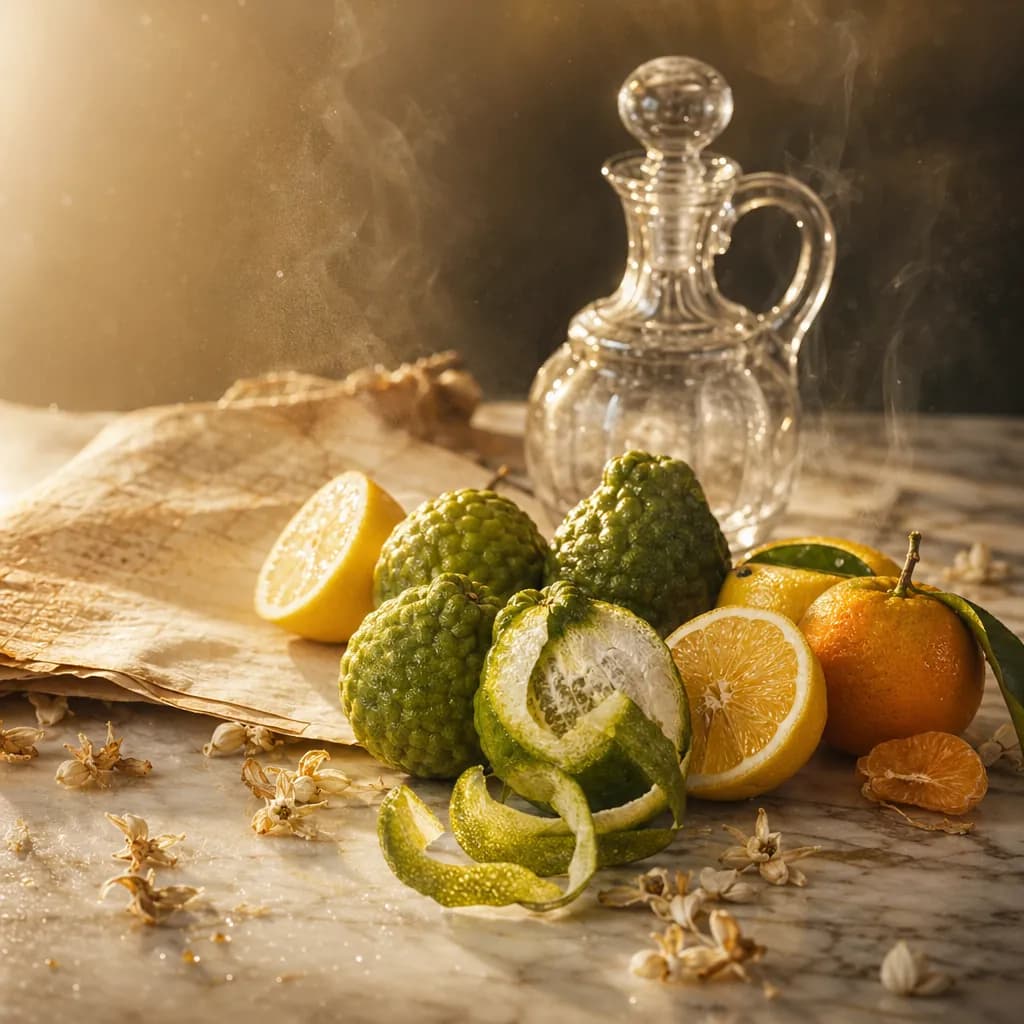
Did you know? The original Eau de Cologne created in Cologne in 1709 by Giovanni Maria Farina was already a Citrus-Citrus composition — the direct ancestor of the whole family. Farina described his perfume as "an Italian spring morning after the rain, daffodils, orange blossom and citrus fruits."
The 5 citrus sub-families
| Name | Olfactory profile | Typical notes | Examples |
|---|---|---|---|
| Pure Citrus | Fresh-sparkling | Sicilian lemon, bergamot, grapefruit, mandarin | Acqua di Parma Colonia, Blu Mediterraneo |
| Citrus Aromatic | Fresh-herbaceous | Lemon, rosemary, basil, mint, thyme | Guerlain Herba Fresca, Bulgari Thé Vert |
| Woody Citrus | Fresh-dry | Lemon, cedar, vetiver, sandalwood, white musk | Davidoff Cool Water, Hugo Boss Bottled |
| Floral Citrus | Fresh-luminous | Lemon, neroli, orange blossom, jasmine, rose | Issey Miyake L'Eau d'Issey, Pera Granita |
| Yuzu / exotic Citrus | Fresh-tangy | Yuzu, sudachi, combava, ginger | Hermès Un Jardin sur le Nil |
Pure Citrus
This is the most direct form of the family — a Citrus fragrance with no detours. Sicilian lemon, bergamot, grapefruit, mandarin: the citrus fruits express themselves without being masked by overly present herbs or woods. A base note exists (vetiver, lavender, light cedar), but it stays subtle, in service of the freshness.
Acqua di Parma Colonia is the Mediterranean archetype. Acqua di Parma Blu Mediterraneo Arancia di Capri covers a softer register, focused on orange and mandarin.
Citrus Aromatic
Here, lemon meets garden herbs. Rosemary, basil, mint, thyme, sometimes coriander: the aromatic note gives body to the accord without weighing it down. This is the "greenest", most herbaceous sub-family. It belongs to the Aromatic family as much as to the citrus family.
Guerlain Aqua Allegoria Herba Fresca, Bulgari Eau Parfumée au Thé Vert, Lacoste Essential: three different expressions of the same register.
Woody Citrus
Lemon as a starting point, woods as the destination. Cedar, vetiver, sandalwood, white musk — sometimes white amber — anchor the citrus top note and give it real longevity. This is the most versatile sub-family, wearable beyond summer. It crosses over into the Fresh family in its lightest variations.
Davidoff Cool Water, Hugo Boss Boss Bottled, Givenchy Gentleman are three men's expressions of it, from the sportiest to the most elegant.
Floral Citrus
Here lemon pairs with neroli, orange blossom, jasmine or rose. This is a luminous sub-family, often feminine or unisex. The citrus-floral accord creates a particular transparency, both fresh and delicate. Issey Miyake L'Eau d'Issey is the historic reference. Guerlain Aqua Allegoria Pera Granita offers a more fruity-tangy version.
Yuzu / exotic Citrus
Japanese yuzu, sudachi, combava, finger lime: these Asian or rare citrus fruits bring a more complex acidity, sometimes almost salty, always highly distinctive. Ginger often accompanies these compositions to reinforce the piquancy. Hermès Un Jardin sur le Nil explores this register with a finesse characteristic of the house. This is the most niche sub-family, seeing strong growth since the early 2020s.
Our selection: the best citrus perfumes for women in 2026
To dig deeper by profile, our citrus women's selection explores the subject with detailed profiles and application tips.
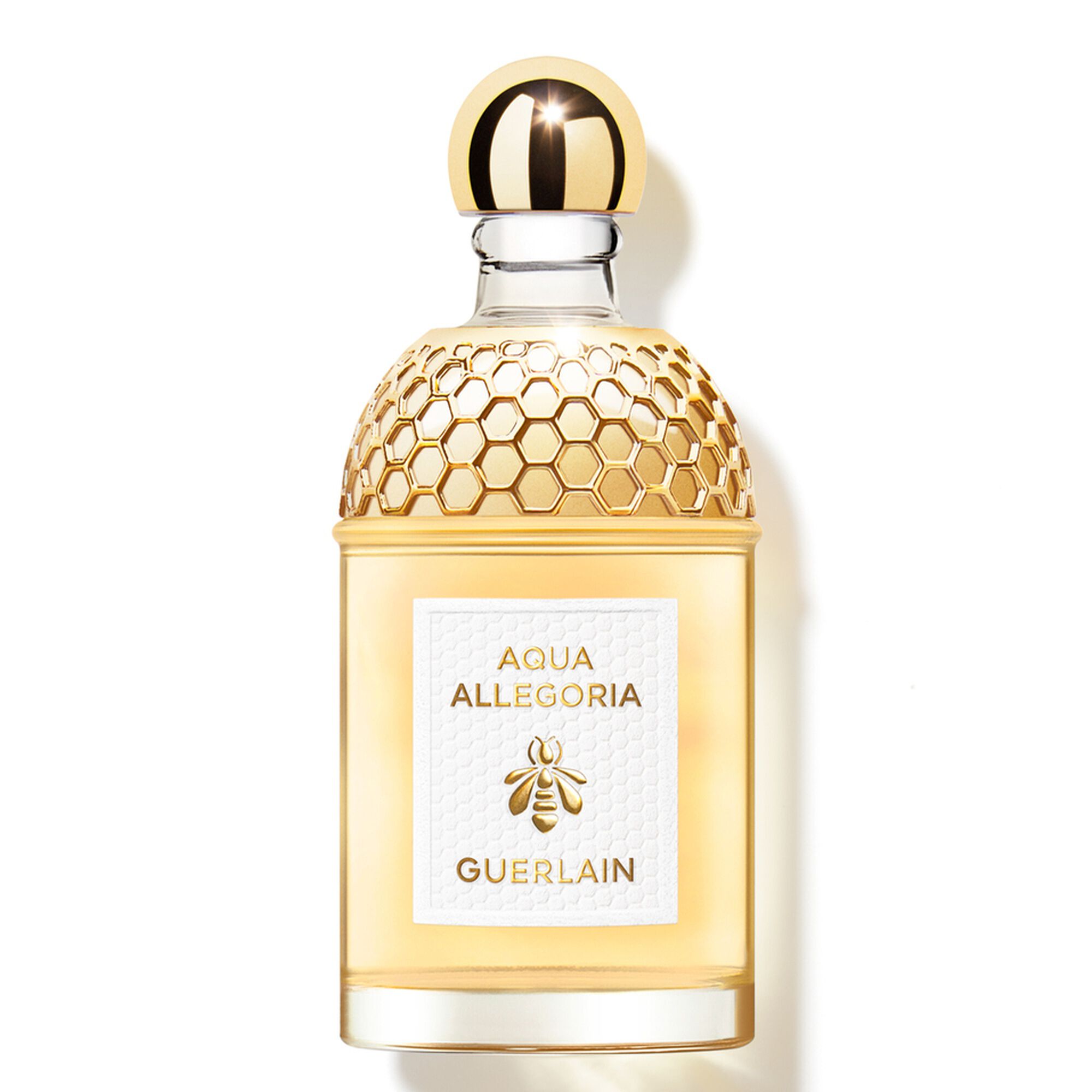
Guerlain Aqua Allegoria Mandarine Basilic EDT
The archetypal Citrus Aromatic of the Aqua Allegoria range. Sunny mandarin and fresh basil over a light herbaceous base — unisex, sunny, perfect for everyday summer wear. For anyone seeking a citrus fruit with character without heaviness. Guerlain's reference in this family.
Acqua di Parma Colonia EDC
The absolute reference for Mediterranean citrus. Sicilian lemon and bergamot in the top notes, vetiver and lavender base note for longevity. Timeless Italian elegance, subtle and refined sillage. For anyone wanting a pure Citrus fragrance, with no artifice, to wear all year round — for women or men.
Issey Miyake L'Eau d'Issey EDT
Best-selling women's fresh-citrus fragrance since 1992. Neroli and lemon in the top notes, a delicate floral heart note (rose, peony), a base note of white musk and cedar for longevity. Transparent, luminous, easy to wear. The ideal gateway into floral citrus for a woman still hesitating.
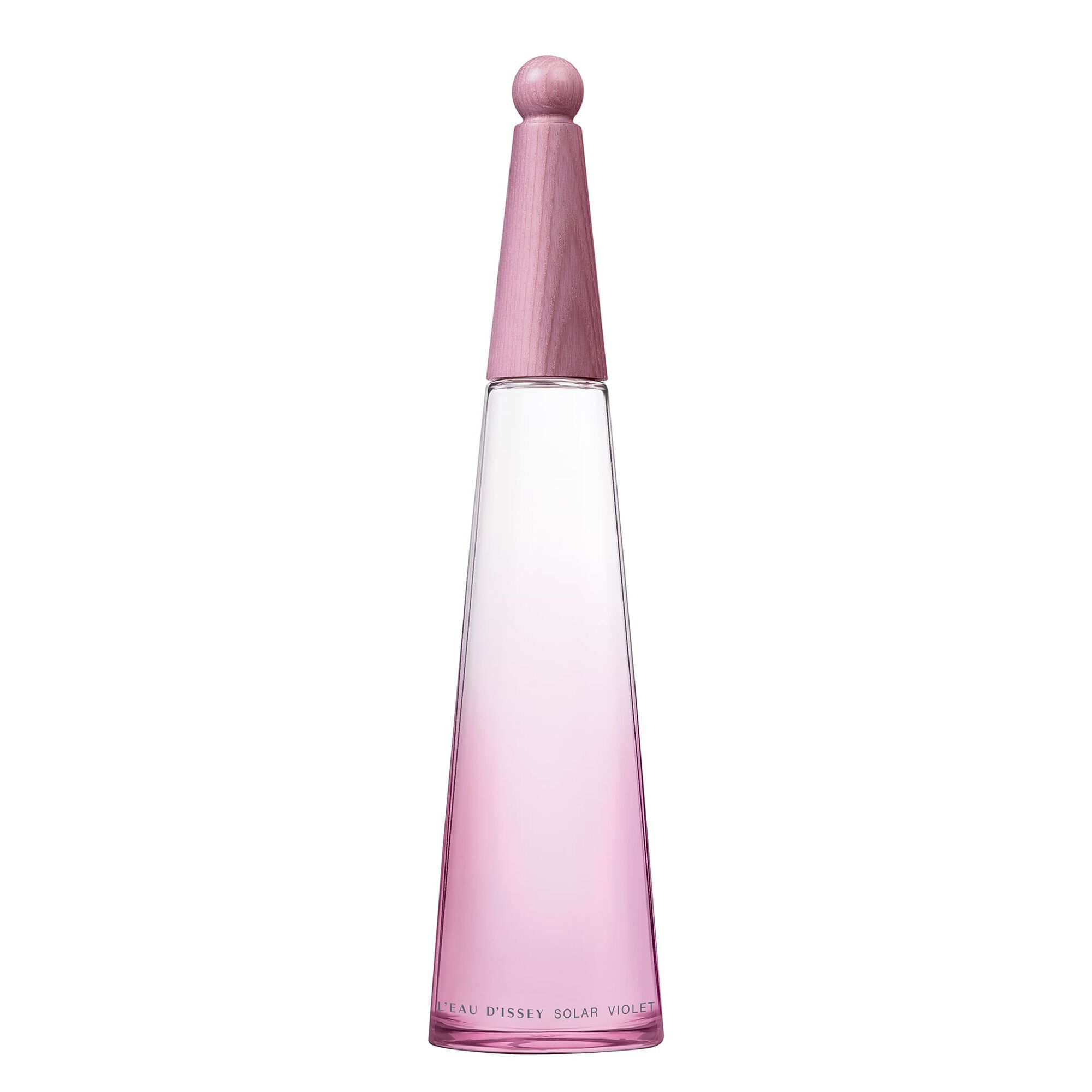
L'Eau d'Issey Solar Violet
A sunny, slightly violet take on Issey Miyake's iconic floral citrus. Luminous citrus fruits in the top notes, a floral heart note tinged with violet, a soft musky base note. For the woman who loves the original L'Eau d'Issey and is looking for a more summery, colourful variation.
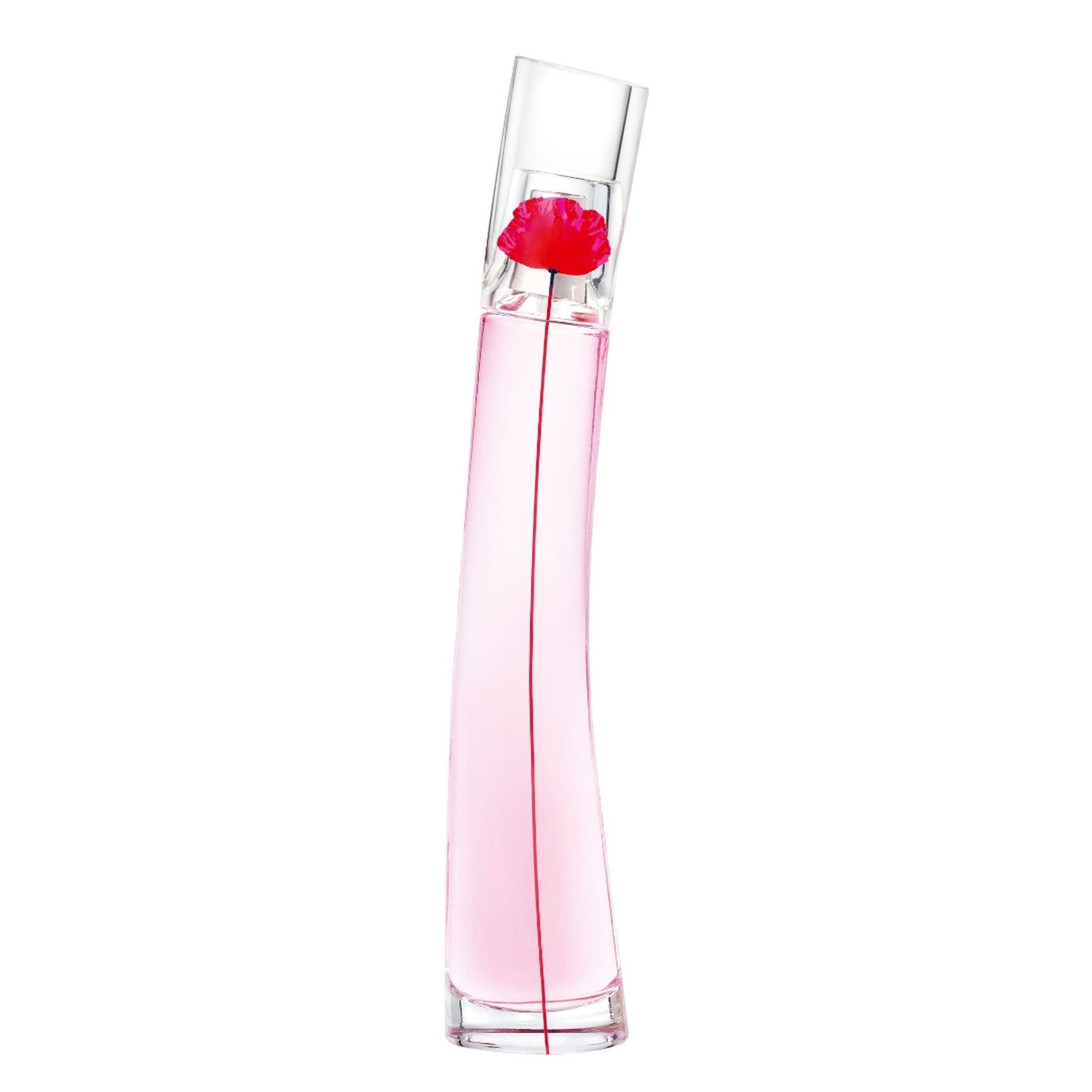
FLOWER BY KENZO Poppy Bouquet
A women's floral citrus with poppy accents, signed Kenzo. Citrus freshness on opening, a delicate, powdery floral heart note, a light musky base note. For anyone seeking a floral-citrus fragrance with an original signature, between freshness and floral softness.
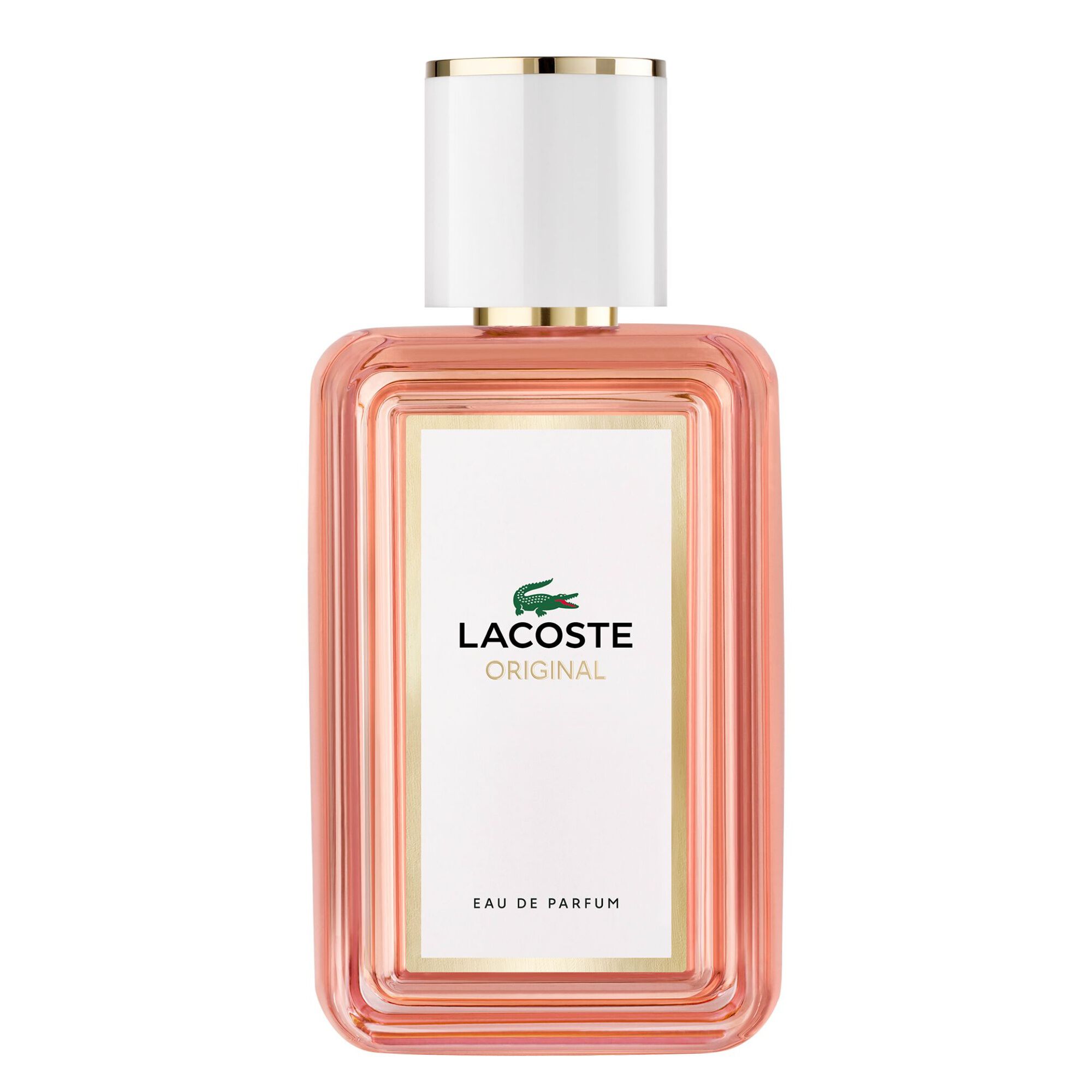
Original pour Femme
Lacoste's women's citrus fragrance — fresh, sunny, accessible. Citrus fruits and light floral notes over a subtle musky base note. For the woman who wants an easy summer everyday scent, at a very accessible price.
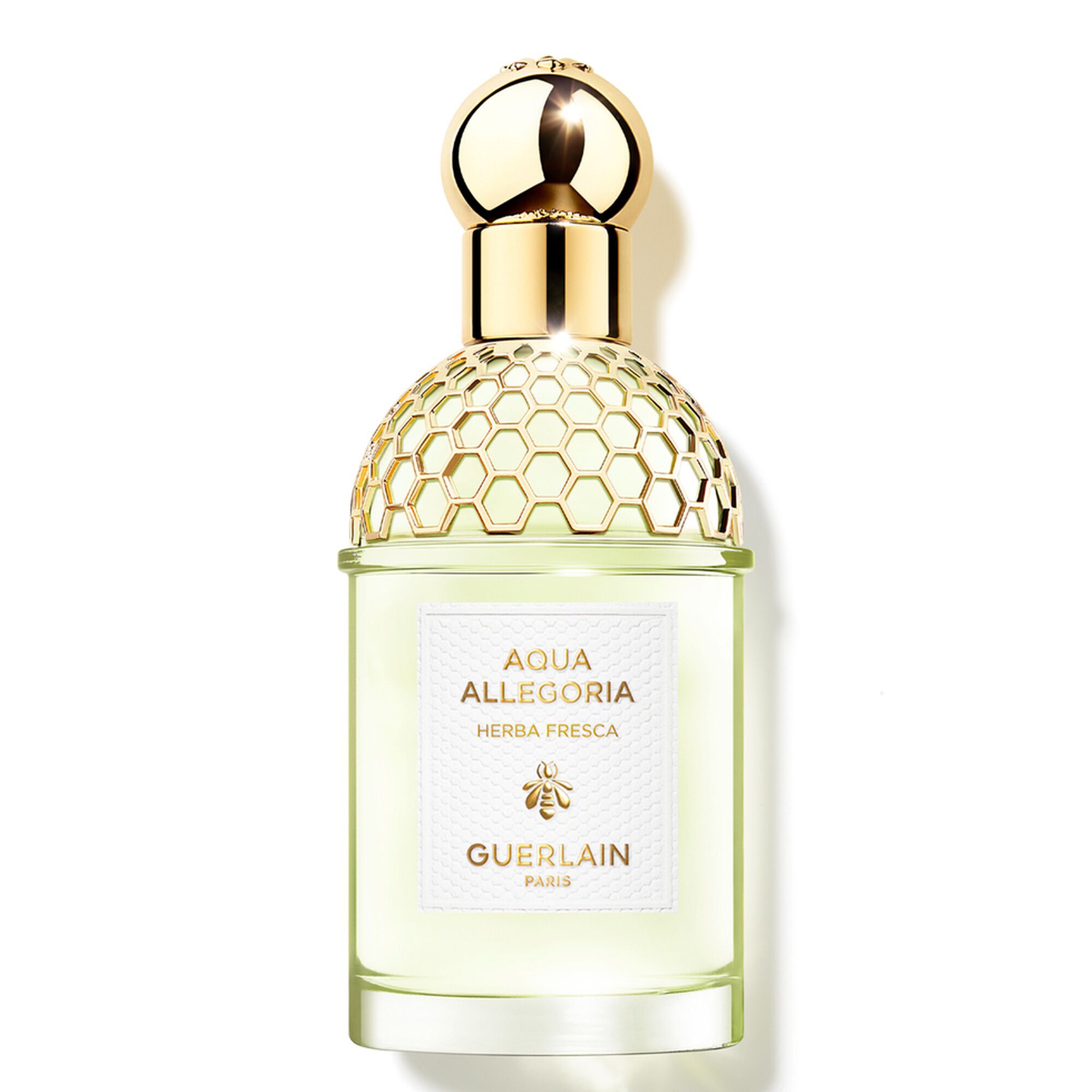
Guerlain Aqua Allegoria Herba Fresca EDT
The Citrus Aromatic-herbaceous fragrance from the Aqua Allegoria range. Bright lemon and fresh mint over a base note of cut grass and green tea. Very light, almost aquatic. For anyone who loves garden fragrances, green and zesty, with no sugar or heaviness. A Citrus Aromatic accord of great purity.
Bulgari Eau Parfumée au Thé Vert EDC
Unisex citrus-tea Citrus Aromatic fragrance, a reference of the genre since 1992. Bergamot and coriander over a base note of green tea and white musk: fresh, clean, zen. Accessible premium, subtle sillage. For anyone seeking a refined Citrus Aromatic fragrance, without overly pronounced herbs — a safe bet in contemporary perfumery.
Acqua di Parma Blu Mediterraneo Arancia di Capri EDT
Mediterranean orange and lemon over a light cedar and white musk base note. Sunny, sparkling, evocative of the Amalfi Coast. The Blu Mediterraneo line by Acqua di Parma covers the softer citrus register, focused on orange and mandarin, for an effortless summer.
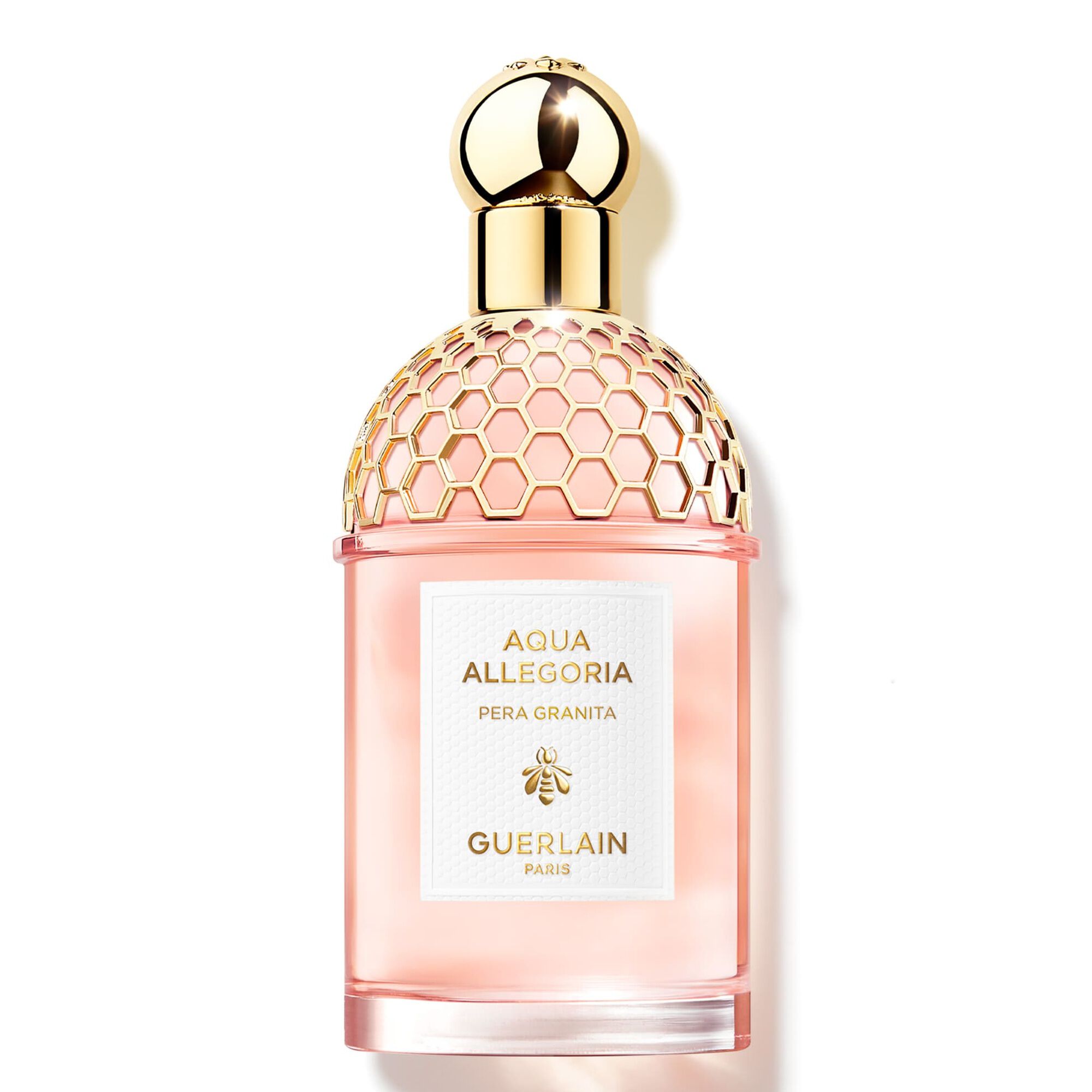
Guerlain Aqua Allegoria Pera Granita EDT
The women's citrus-fruity fragrance from the Aqua Allegoria range. Fresh pear and bergamot in the top notes, a delicate floral heart note, a light musky base note. Tangy, transparent, very summery. For the woman who wants a citrus fragrance with a fruity touch without falling into sweetness — a lovely alternative to pure Citrus fragrances.
A question that comes up often in-store: "Why does my citrus perfume disappear so quickly?" Citrus molecules are among the most volatile in perfumery — they evaporate within 1 to 2 hours on the skin. EDP versions or woody sub-families (cedar, vetiver, sandalwood in the base note) offer noticeably better longevity. I detail concentrations and longevity strategies in the Citrus vs Citrus family vs Eau de Cologne section below.
Our selection: the best citrus perfumes for men in 2026
Men's citrus fragrances have their own codes. They're rarely found alone: they almost always pair with aromatic notes (rosemary, lavender, basil), woody notes (cedar, vetiver, sandalwood) or a fresh-sporty register. This pairing gives perfumes that are invigorating in the top notes and solid in the base note — something pure Citrus fragrances lack. To go further by profile, our citrus men's selection details the nuances by occasion and intensity.
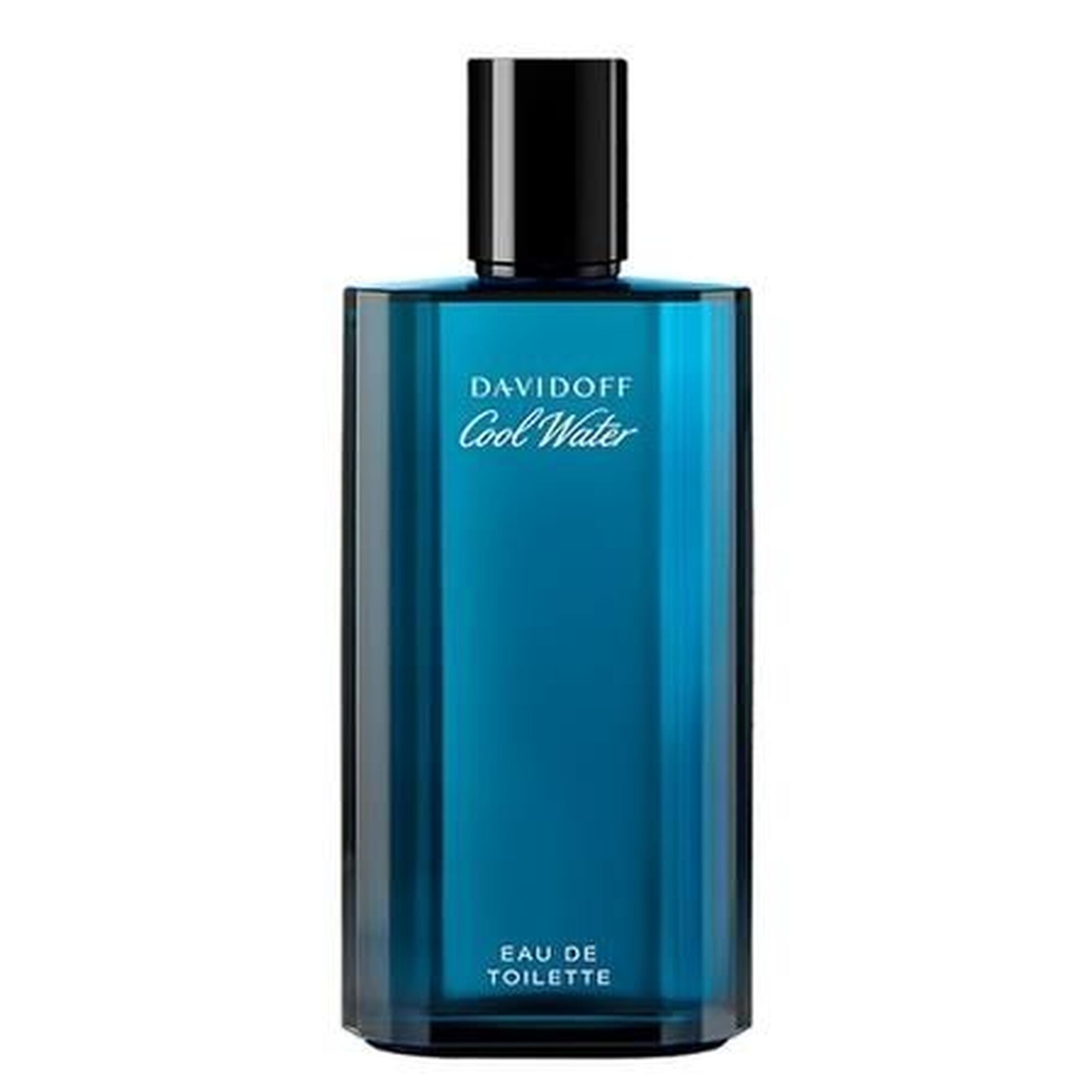
Davidoff Cool Water EDT
An accessible men's woody-citrus reference since 1988. Lemon and mint in the top notes, a base note of cedar and white musk: fresh, clean, sporty. Moderate sillage, decent longevity for a Citrus fragrance. The obvious choice for a first men's citrus fragrance or a no-fuss everyday scent — a classic that never disappoints.
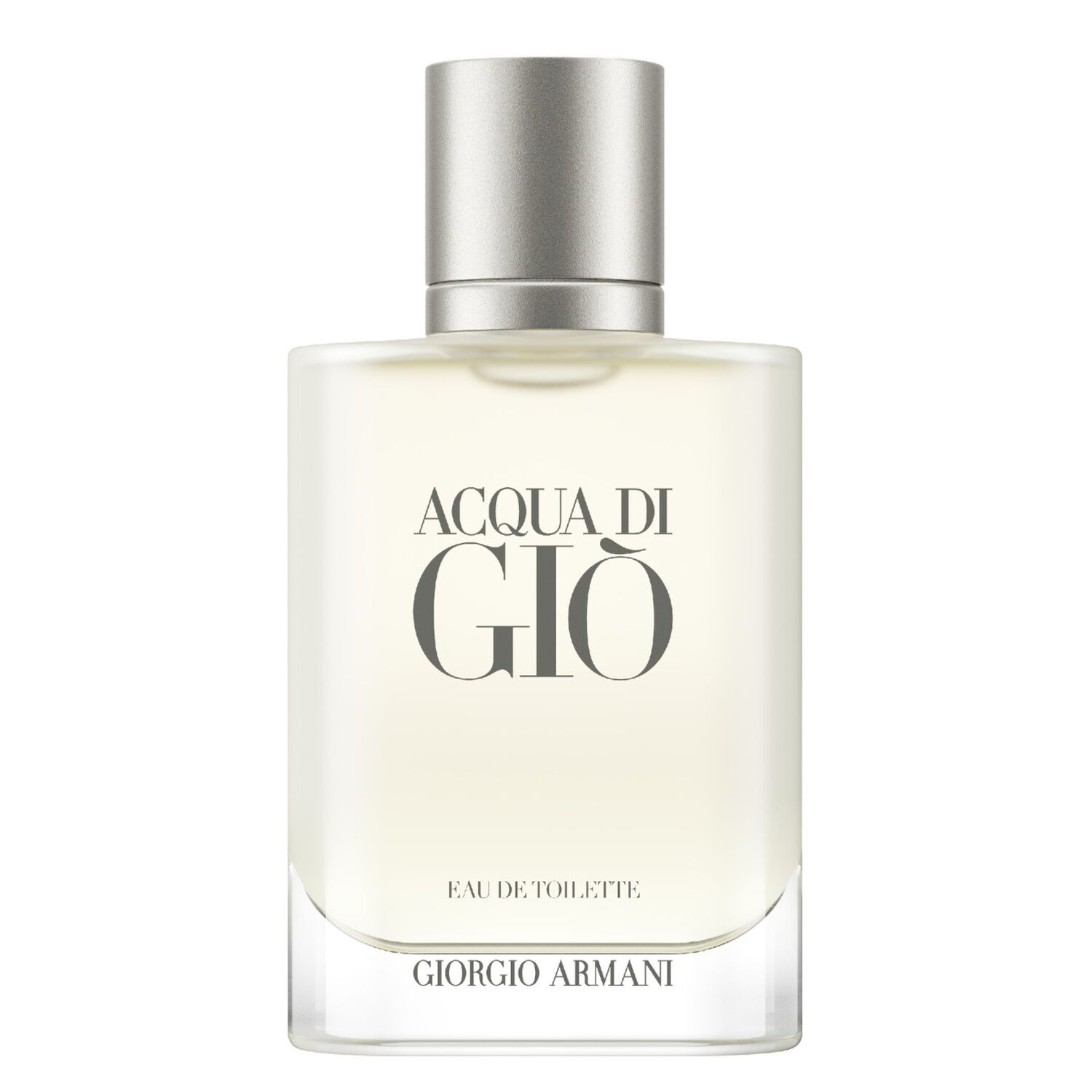
Acqua di Giò
An iconic men's aquatic citrus fragrance by Giorgio Armani. Mediterranean citrus fruits and marine notes in the top notes, a floral-woody heart note, a base note of cedar and white musk. Fresh, sunny, instantly readable. One of the best-selling men's perfumes in the world — a major reference in men's Citrus fragrances.
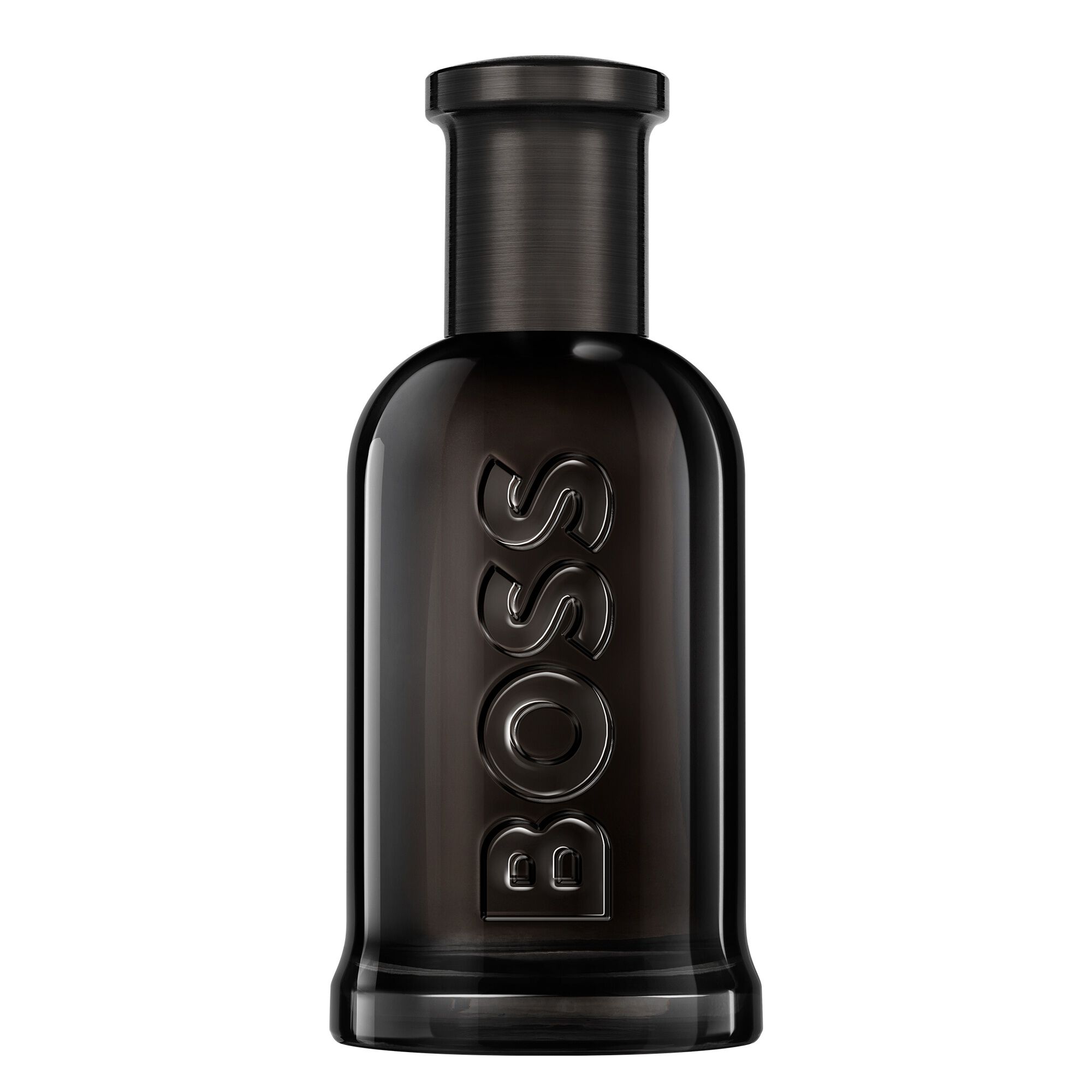
Hugo Boss Boss Bottled EDT
A best-selling men's woody-citrus fragrance since 1998. Lemon and apple in the top notes, a spicy-geranium heart note, a base note of sandalwood and vetiver for longevity. Warm, woody, slightly spicy. For the man who wants a citrus fragrance with real substance, wearable at the office as well as for a casual evening out — a safe bet in the accessible premium segment.
Lacoste Essential EDT
An accessible, sporty men's Citrus Aromatic fragrance. Lemon and green tomato in the top notes, rosemary in the heart note, a base note of cedar and white musk. Fresh, herbaceous, energising. For the man seeking a light, unpretentious everyday Citrus Aromatic fragrance, at a very accessible price — an honest, straightforward Citrus Aromatic.
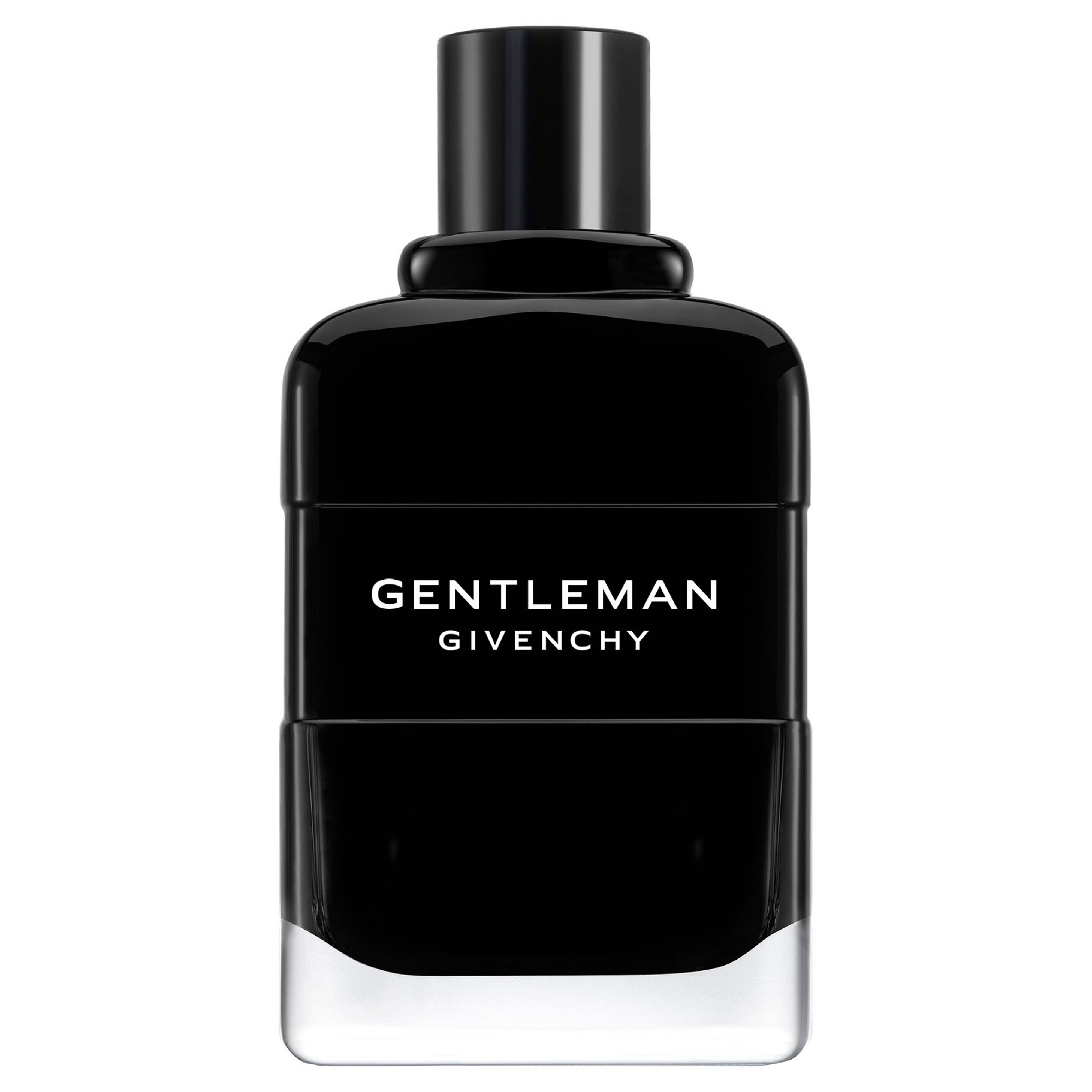
Givenchy Gentleman EDT
A modern, premium men's woody citrus fragrance. Lemon in the top notes, powdery iris in the heart note, a base note of vetiver and patchouli with a touch of white amber: deeper and more elegant than classic sporty woody scents. For the man who wants a citrus fragrance with character, real longevity and a strong identity.
In the niche and luxury register, two references stand out as milestones of the family: Hermès Eau d'Orange Verte, a remarkably precise Citrus Aromatic, and Maison Francis Kurkdjian Aqua Universalis, which pushes citrus transparency towards an almost mineral abstraction. Two perfumes worth knowing to understand where the family is heading.
Citrus perfume, Citrus family, eau de Cologne: what are the differences?
| Term | Definition | Typical concentration | Ideal occasion |
|---|---|---|---|
| Citrus perfume | A fragrance dominated by lemon notes in all their forms (lemon, bergamot, yuzu…) | EDT 5-15% | Spring, summer, everyday |
| Citrus family fragrance | A broad olfactory family covering all citrus fruits (lemon, orange, grapefruit, bergamot) | EDT 5-15% | All seasons, sport, office |
| Eau de Cologne | Light concentration (2-5%), historic tradition since 1709, citrus fruits + herbs | EDC 2-5% | Summer, post-sport, light everyday use |
The Citrus family: mother of citrus perfumes
In the IFRA classification and in Michael Edwards's Fragrance Wheel, the Citrus family brings together all citrus fruits — lemon, orange, bergamot, grapefruit, mandarin, yuzu. The citrus perfume is a subset of it: it specifically puts lemon (or its closely related acidic relatives) at the forefront, whereas a Citrus fragrance may be dominated by orange or grapefruit.
In other words: every citrus perfume belongs to the Citrus family, but not every Citrus fragrance is a citrus perfume.
Eau de Cologne: the first citrus perfume in history
The original 1709 Eau de Cologne is the mother of the whole family. Its formula — citrus fruits, bergamot, fine herbs — remained the DNA of eaux de Cologne for three centuries. 4711, created in Cologne in 1792, is its best-known direct descendant. Roger & Gallet carried on this tradition in France with its eaux de Cologne featuring cedrat and citrus fruits. Yves Rocher and other accessible brands popularised the format in the 20th century.
What eau de Cologne brings that the modern citrus perfume doesn't always have: an avowed lightness, a low concentration (2-5%), an almost therapeutic vocation — people used to splash it on, rub it in, and sometimes even drink it (different times, indeed).
Citrus vs citrus fruit vs fresh: how to make sense of olfactory classifications?
The vocabulary can be confusing. "Citrus" (in the fragrance sense) designates an olfactory profile (a lemon/acidity dominant note). "Citrus fruit" is botanical (the Rutaceae family). "Citrus family" is the perfumery classification (all citrus fruits + bergamot). "Fresh" is broader still: it encompasses aquatics, greens, aromatics and Citrus fragrances.
In-store, I often use a simple image: Citrus fragrances are a room in the house of fresh perfumes. And citrus perfumes are a corner of that room — the brightest, the tangiest.
Choosing your citrus perfume by season and occasion
Spring and summer are the natural seasons for citrus fragrances — heat activates the volatile molecules and amplifies projection. A pure Citrus fragrance in scorching heat is often more beautiful than in the flacon. For autumn or winter, woody sub-families (cedar, vetiver, sandalwood) or floral ones offer more warmth and longevity. A pure Citrus fragrance in bitter cold often goes unnoticed.
For the office, a Citrus Aromatic or pure Citrus in EDT is ideal — subtle sillage, freshness without being overpowering. For an evening out, choose a woody or floral citrus fragrance in EDP. For sport, a light pure Citrus fragrance, without too heavy a base note.
If you're still hesitating, our Acqua di Parma Colonia selection remains the reference for all occasions.
Bergamot and yuzu citrus perfume: the star citrus fruits of modern perfumery
Bergamot in perfumery: the noble citrus fruit of Calabria
Bergamot (Citrus bergamia) is grown almost exclusively in Calabria, in southern Italy, along a coastal strip roughly a hundred kilometres long. Its zest is cold-expressed — like all citrus fruits in perfumery — to preserve its fragile aromatic compounds. What sets it apart from ordinary lemon: a subtle floral-spicy dimension, almost tea-like, which makes it an exceptional linking note in the top of a perfume.
Bergamot is present in almost all citrus and Citrus perfumes. It gives Eau de Cologne its nobility, Earl Grey its identity, and dozens of perfumes their luminous opening. Its full profile is worth reading if you're looking to understand why it's so omnipresent.
Yuzu: the Japanese citrus fruit shaking up perfumery
Yuzu (Citrus junos) comes from Japan and Korea. Its olfactory profile is unique: a more complex acidity than lemon, with almost floral facets and a slight bitterness reminiscent of grapefruit. Sudachi and combava share this family of Asian citrus fruits with highly distinctive profiles.
In niche perfumery, yuzu has become a marker of modernity since the 2020s. It brings a transparent acidity and a freshness different from Mediterranean citrus fruits. To go further, the yuzu profile details its extraction and its finest expressions in perfumery.
Recently, a customer was looking for "something fresh but not run-of-the-mill" — I turned first to yuzu citrus fragrances. She left with two flacons.
Our Tendance Parfums bergamot and yuzu selection
Aqua Allegoria Mandarine Basilic — Guerlain. Aromatic bergamot and mandarin, from the Aqua Allegoria range. Mandarin takes the lead, bergamot structures the citrus base. Fresh, sunny, with a beautiful herbaceous signature.
Blu Mediterraneo Arancia di Capri — Acqua di Parma. Sunny Mediterranean citrus: Capri orange and lemon over light cedar. Bergamot here acts as a link between the orange notes and the woody base note. Sparkling, summery, very accessible.
L'Eau d'Issey — Issey Miyake. Floral neroli and lemon, feminine citrus transparency. Neroli (the flower of the bitter orange tree, a cousin of bergamot) here gives a characteristic floral-citrus dimension. Luminous, light, timeless.
How to wear a citrus perfume
Which season suits a citrus perfume?
Spring and summer are the seasons of choice for Citrus fragrances. Heat speeds up the evaporation of volatile molecules and amplifies projection — a pure citrus fragrance is almost more beautiful at 28°C than in the flacon. For autumn, woody sub-families (cedar, vetiver, white amber) or floral ones bring the warmth that pure Citrus fragrances lack. In winter, I avoid pure-juice Citrus fragrances: they often go unnoticed under coats.
Citrus perfume for day or evening?
During the day, a pure Citrus fragrance or a Citrus Aromatic in EDT is perfect — office, sport, everyday wear. The sillage stays subtle, the freshness pleasant for those around you. In the evening, choose a woody or floral citrus fragrance, ideally in EDP for longevity. The woody sub-family (Boss Bottled, Gentleman) works particularly well for a casual evening out or at a restaurant.
How much does a good citrus perfume cost?
The citrus family covers all budgets. At entry level (20-40 EUR), you'll find accessible EDCs and EDTs that fulfil their role of everyday freshness. The premium segment (50-100 EUR) — Bulgari, Davidoff, Lacoste, Issey Miyake — offers a convincing balance of quality and longevity. Above 100 EUR, niche and luxury brands (Acqua di Parma, Guerlain Aqua Allegoria, Maison Francis Kurkdjian) offer more complex compositions, with higher-quality raw materials and more carefully executed cold expression of the zests.
Frequently asked questions about citrus perfumes
What are the best citrus perfumes?
It all depends on the profile you're after. For a pure Citrus fragrance: Acqua di Parma Colonia. For a Citrus Aromatic: Guerlain Aqua Allegoria Herba Fresca. For a men's woody citrus: Davidoff Cool Water. For a women's floral citrus: Issey Miyake L'Eau d'Issey. There's no absolute best — there's the best for you.
What is a citrus perfume in perfumery?
A citrus perfume is a fragrance whose dominant notes are acidic citrus fruits — lemon, bergamot, lime, yuzu. These top notes, obtained by cold expression of the zests, give an immediate, invigorating freshness. They belong to the broader Citrus family and are often paired with aromatic or woody notes to hold in the base note.
What is the difference between a citrus perfume and a Citrus family fragrance?
A Citrus family fragrance brings together all citrus fruits (lemon, orange, grapefruit, bergamot, mandarin). A citrus perfume is a Citrus fragrance with a lemon or acidic citrus dominant note. Every citrus perfume therefore belongs to the Citrus family, but a Citrus fragrance may be dominated by orange or grapefruit without truly being a citrus perfume. To go further, see the Citrus family.
What is the best citrus perfume for women?
For a woman, Issey Miyake L'Eau d'Issey is often recommended as a gateway into floral citrus — transparent, luminous, easy to wear. For a more aromatic register, Guerlain Aqua Allegoria Mandarine Basilic is a lovely summer alternative. Our citrus women's selection offers other options depending on your profile.
What is the best citrus perfume for men?
For a first men's citrus fragrance, Davidoff Cool Water remains an accessible safe bet. For more depth, Givenchy Gentleman offers an elegant woody citrus with real longevity. Hugo Boss Boss Bottled covers the versatile woody-spicy register. Our citrus men's selection details the nuances by occasion.
Do citrus perfumes last long on the skin?
This is their main weakness: citrus molecules are highly volatile and evaporate within 1 to 2 hours on dry skin. To improve longevity, choose an EDP rather than an EDT, opt for a woody sub-family (cedar, vetiver, sandalwood in the base note), and apply to hydrated skin or pulse points (wrists, nape of the neck). Woody citrus fragrances like Boss Bottled last noticeably longer than pure Citrus fragrances.
What is the lemon note in perfumery and how is it extracted?
The lemon note in perfumery comes from the essential oil of the zest, obtained by cold expression — a mechanical technique that presses the peel without heat to preserve the fragile aromatic molecules (limonene, citral). Sicilian lemon is the most prized for its freshness and balanced acidity. To learn more about this note, see our lemon profile.
What is the difference between lemon, bergamot and yuzu in perfumery?
Lemon is direct, acidic, sunny. Bergamot (Citrus bergamia, Calabria) is more floral and spicy, with a tea-like dimension that makes it an exceptional linking note. Yuzu (Citrus junos, Japan) is more complex: tangy, slightly bitter, almost floral. All three are cold-expressed, but their profiles are distinct. See the bergamot and yuzu profiles for details.